Table of Contents
Three Key Takeaways
- The Last Fin explores the complex intersection of shark conservation and community livelihood in Indonesia’s shark fin trade.
- Lexi Addison’s approach balances ecological urgency with empathy for the human stories, avoiding simplistic villain-victim narratives.
- Independent filmmaking constraints shaped a focused, nuanced narrative driven by visuals and voiceover rather than extensive footage or interviews.
Lexi Addison, a self-taught filmmaker and photographer, brings her passion for ocean ecosystems and community stories to her short documentary The Last Fin.
Selected for the Blue Water Film Festival, the film reveals the delicate balance between shark conservation and the survival needs of fishermen in Tanjung Luar, Indonesia.
Addison’s work uniquely bridges science, policy, and lived experience, inviting audiences to grapple with the complexities beneath the surface.
Q&A Interview
What drew you to make this film? Why this story, and why now?
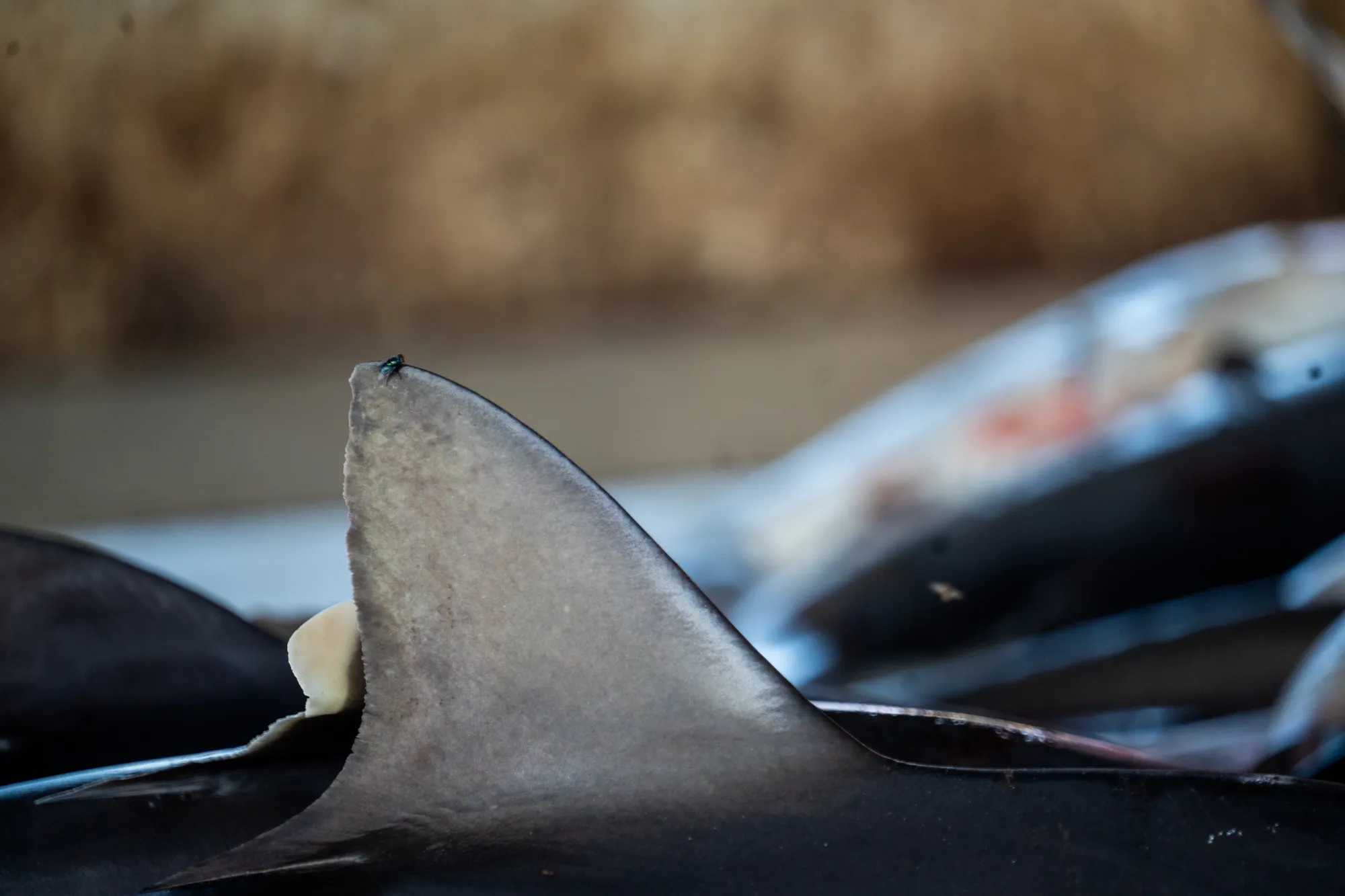
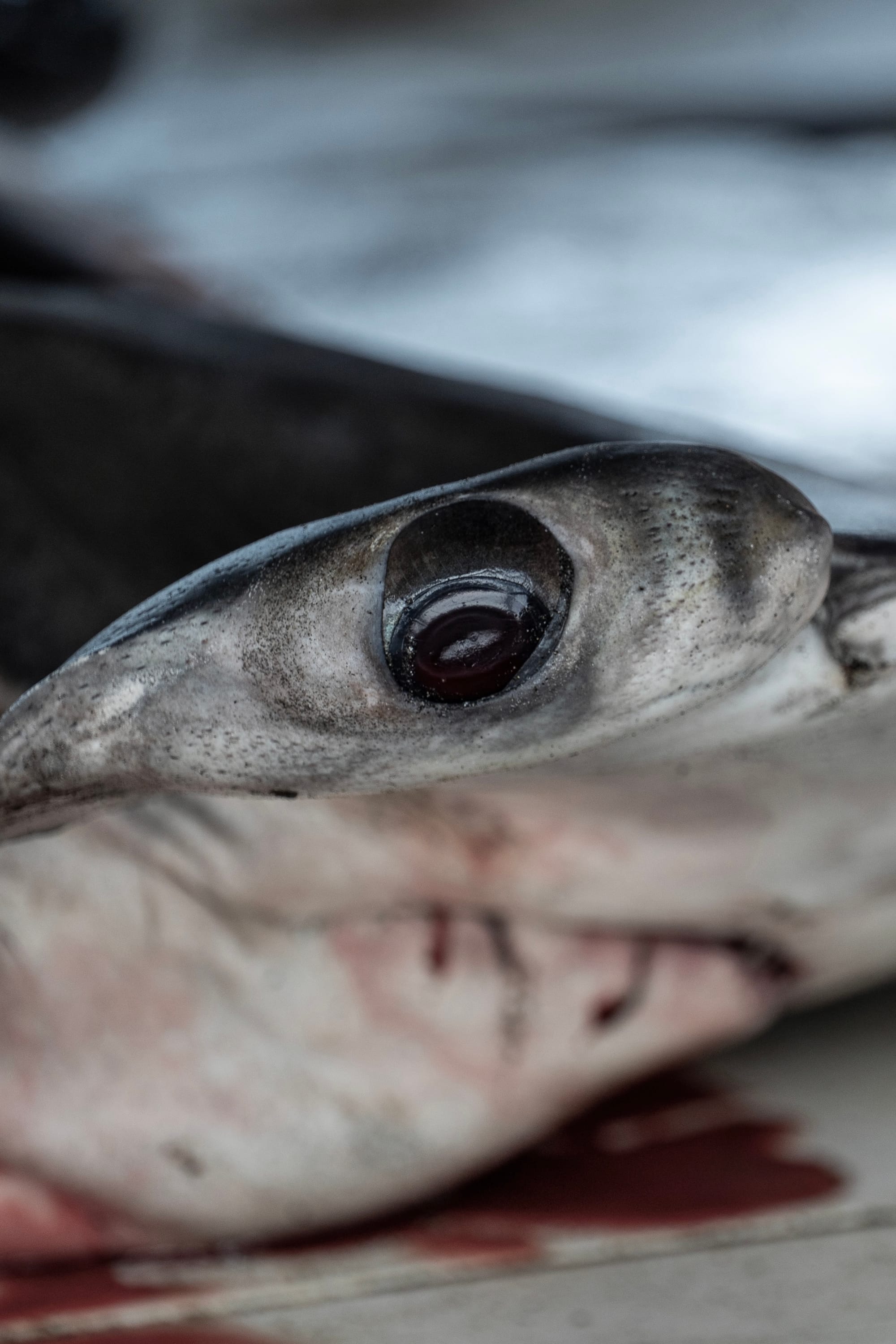
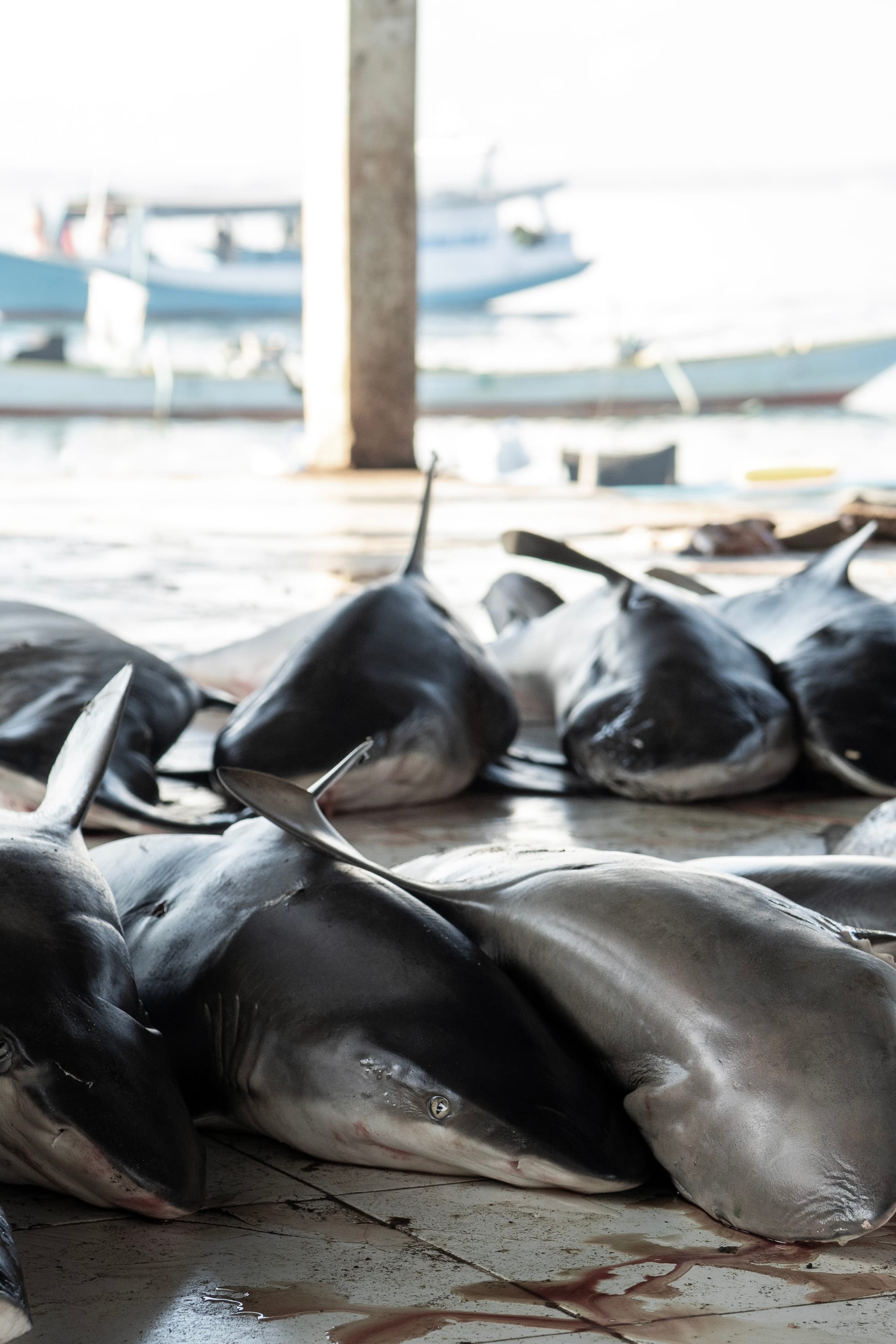
I’ve loved sharks for as long as I can remember. I grew up watching Shark Week, completely captivated by their beauty and power — but also struck by how misunderstood they are. Over time, I learned how vital sharks are to healthy ocean ecosystems, and how fear and misinformation have fueled their decline. That fascination eventually led me to work hands-on with sharks — tagging, researching, and learning from them up close. Those experiences deepened my respect for these animals and strengthened my commitment to their protection. But as I spent more time in the conservation space, I began to realize that saving sharks wasn’t just about the science — it was about people, too. I became passionate about community-based environmental management, about finding ways to include local voices in the conservation conversation. That’s what drew me to Tanjung Luar, a small fishing village in Indonesia known for its shark market. I came across it while researching the human dimensions of shark fishing, and it immediately stood out to me as a place where two worlds collide — the fight for conservation and the fight for survival. I wanted to portray that complexity: the people who rely on this practice for their livelihoods, and the sharks whose existence sustains entire ecosystems. When I arrived, the market was alive before sunrise — boats pulling in, the smell of salt and diesel in the air, the rhythm of work unfolding. Seeing the sharks laid out across the docks was a moment I’ll never forget. That was the moment I knew The Last Fin needed to exist — not as a film about blame, but as one about balance, empathy, and understanding.
What surprised you most about the filmmaking process this time—creatively or logistically? Was there a moment on set or in post that completely changed how you saw the story?
What surprised me most was how much the story shifted in the narration stage. Since The Last Fin relies entirely on visuals and my voiceover, the script became the lens through which everything in Tanjung Luar would be understood. In early drafts, I focused heavily on the impact on sharks — the urgency, the ecological loss. But in post, I realized that framing felt incomplete. The footage wasn’t just showing declining species; it was showing livelihoods. The real turning point was reshaping the narration to hold both truths at once — the vulnerability of sharks and the reality of the people who rely on them for survival. That shift transformed the film from advocacy alone into something more balanced and human — a story about coexistence, not just conservation.
Is there a moment in the film that feels the most you—something only you could have made?
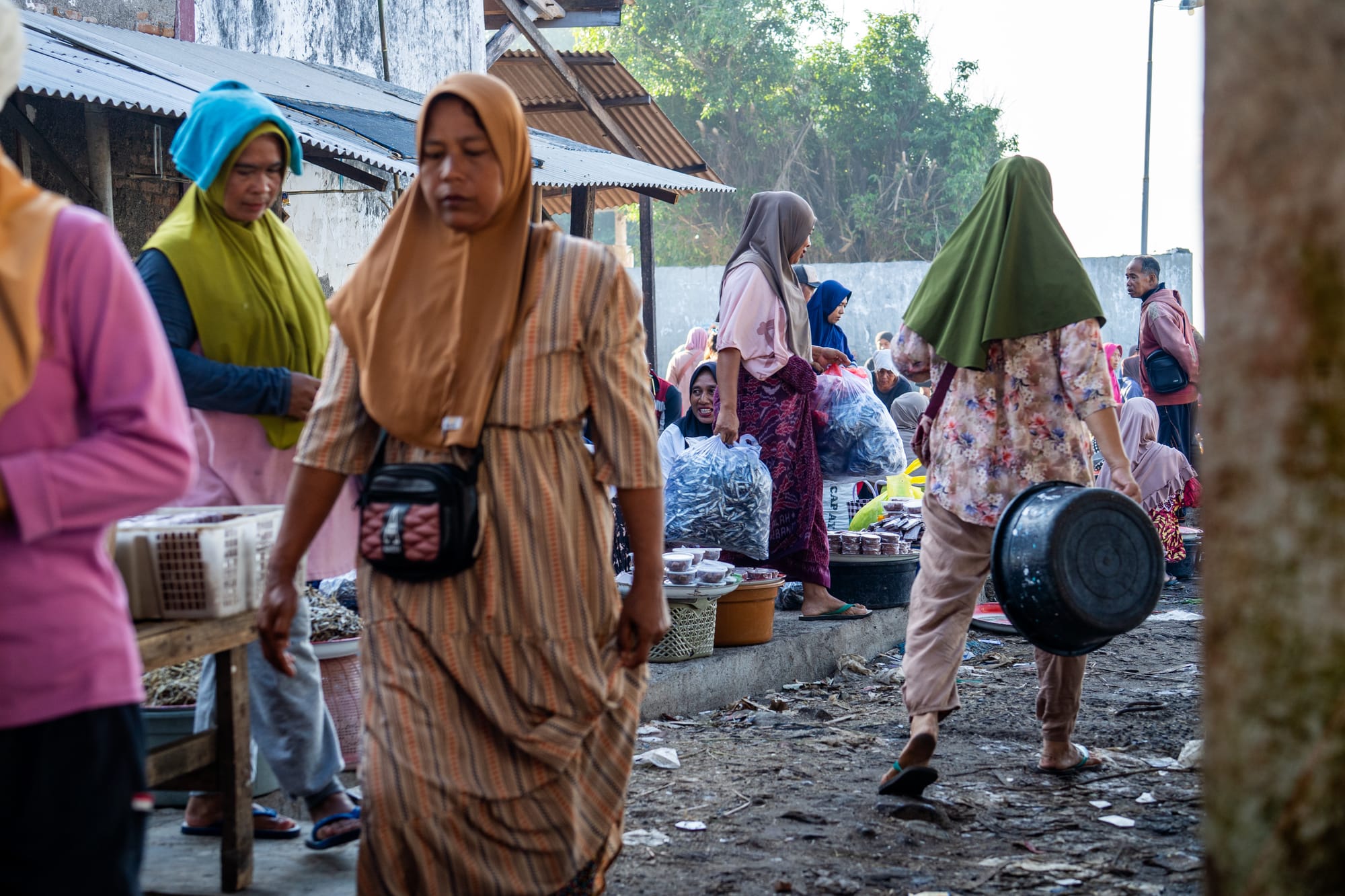
The moment that feels most like me is the section where the film slows down and focuses on everyday life in Tanjung Luar rather than just the shark market itself. I chose to hold on quieter shots — fishermen working, the rhythm of the docks, normal daily routines — while the voiceover shifts to asking questions about coexistence and survival. That decision feels very personal to me. I’m drawn to nuance, and I didn’t want to create a film that framed the story as villains versus victims. Choosing to balance empathy for the community with concern for the sharks reflects how I genuinely see conservation: complex, human, and rarely black and white. The film doesn’t villainize. It doesn’t dramatize for shock. It sits in the gray.
What was the hardest creative decision you made while making this film?
The hardest creative decision I made was accepting the limitations of what I had. I only had about two hours at the shark market in Tanjung Luar. That’s such a short window to document something layered, emotional, and culturally complex. There were no second takes, no extended interviews, no opportunity to “wait for the perfect moment.” I had to move quickly and shoot intentionally. In post, that limitation became very real. I had to tell a nuanced story with very little footage. The hardest decision was choosing what not to include — and resisting the urge to over-explain in the voiceover to compensate for what I didn’t capture visually. It forced me to simplify. To focus on the core tension. To let a few strong moments carry more weight instead of trying to cover everything. Letting go of the idea that I needed to tell the whole story — and instead telling a focused, honest slice of it — was the most difficult and most important creative decision I made.
“That was the moment I knew The Last Fin needed to exist — not as a film about blame, but as one about balance, empathy, and understanding.”
What do you hope audiences take away from your film?
When I set out to make The Last Fin, my goal wasn’t to give people answers — it was to leave them with questions. I wanted viewers to walk away curious, unsettled, and inspired to dig deeper into these deeply rooted, complex issues. So often, environmental stories are told in black and white — heroes and villains, right and wrong. But the truth lives somewhere in between. I wanted this film to exist in that gray space — to challenge people to think critically about what sustainability really means, and whose voices get to define it. If the film can make someone stop and ask “What does coexistence look like?” or “How can we protect both people and the planet?” — then I feel I’ve done my job.
How has this film shaped or shifted the kind of stories you want to tell next?
I’m drawn to highlighting the human side of environmental issues — giving voice to communities and recognizing their struggles, rather than just focusing on the science or the crisis. The Last Fin showed me how important it is to portray the people who live with these challenges every day, to acknowledge their resilience, and to show the complexity of their choices.
What’s a tool, technique, or resource that really helped you during production?
Having a lightweight camera setup made a huge difference. It allowed me to move quickly, blend into the environment, and capture authentic, unobtrusive footage. Combining that with careful planning for the voiceover gave me the flexibility to shape the story fully in post, even with such limited time on-site.
“The film doesn’t villainize. It doesn’t dramatize for shock. It sits in the gray.”
Independent filmmakers often rewrite the rules out of necessity. What do you think is the greatest strength of independent filmmaking, and how did you lean into that on this project? Is there a lesson or breakthrough you’d share with others navigating this path?
I think the greatest strength of independent filmmaking is creative freedom — the ability to let the story write itself. On The Last Fin, I leaned into that. With only about two hours at the shark market and no interviews, I had to trust the footage and the moments I captured. Instead of forcing a narrative, I focused on the essential visuals and shaped the voiceover around what the film was naturally showing — the balance between shark vulnerability and the community’s reliance on them. The biggest lesson I’d share is that constraints can actually enhance creativity. When you let the story guide you, rather than trying to control it, you often discover a more honest and powerful narrative than you could have planned.
What does it mean to you to have your film selected for Blue Water Film Festival?
Having The Last Fin selected for the Blue Water Film Festival is incredibly meaningful to me. Festivals like this bring stories to an audience that cares deeply about the ocean, which is exactly the kind of impact I hope to have as a filmmaker. Additionally, as someone without a formal filmmaking background, it shows that storytelling — even with limited resources — can connect with people and create dialogue about real, pressing issues. It’s a reminder of why I started making films in the first place: to bridge science, empathy, and action.
How do you hope being part of Blue Water Film Festival will shape the life of this film?
I hope being part of the Blue Water Film Festival will give The Last Fin the chance to reach audiences who care deeply about the ocean and the people who rely on it. Festivals like this provide a platform for dialogue, and I hope the film sparks conversations about coexistence, community, and conservation — questions that the story itself raises rather than answers. I also hope it inspires other filmmakers and advocates to think about the human side of environmental issues and consider how stories can reflect complexity, not just urgency. Ultimately, I want the film to live beyond the screen — to leave viewers reflecting, questioning, and feeling motivated to engage with these issues in thoughtful ways.
Where do you see this film going next?
Hopefully more film festivals!
“Constraints can actually enhance creativity. When you let the story guide you, rather than trying to control it, you often discover a more honest and powerful narrative than you could have planned.”
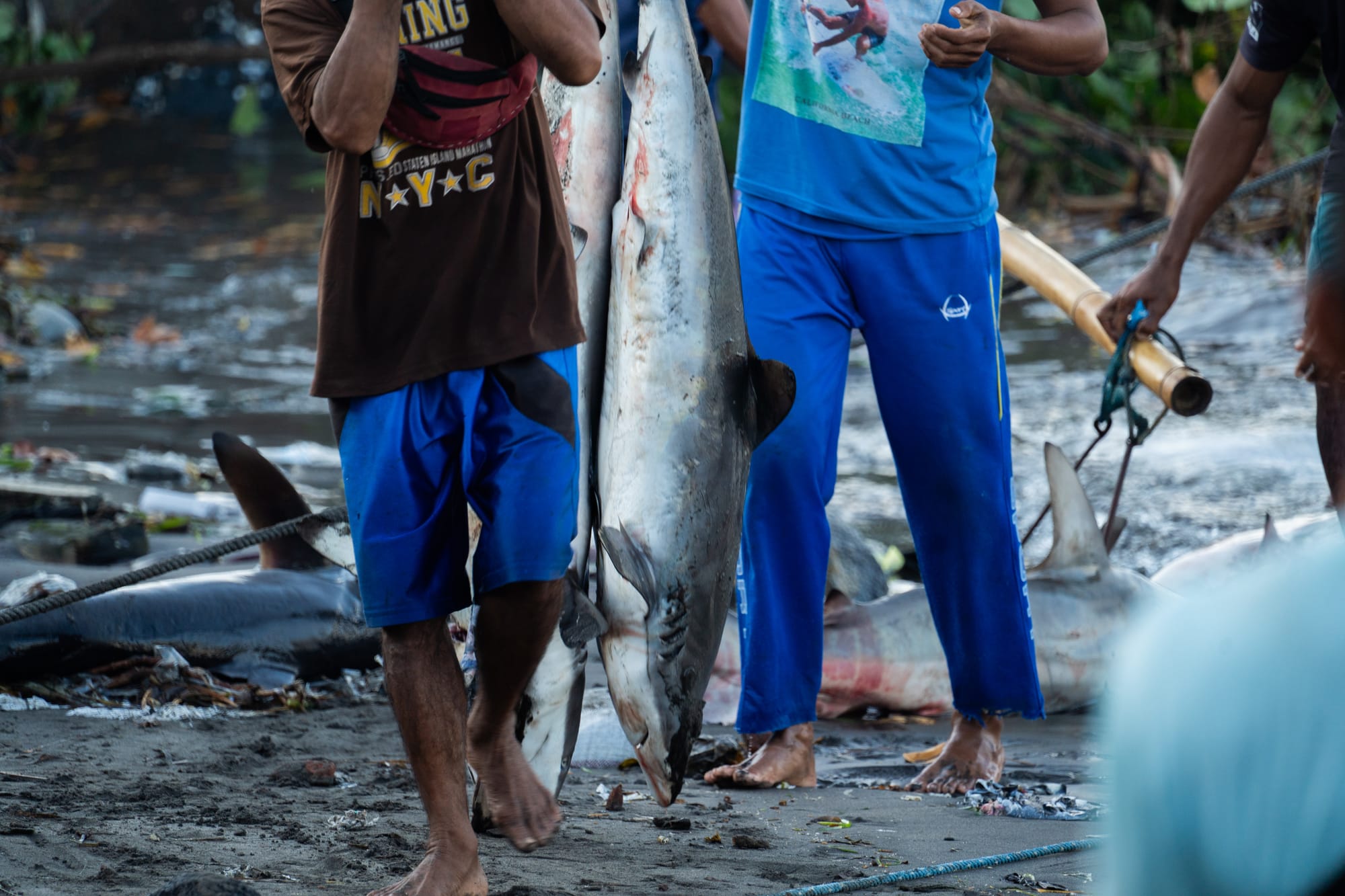
“At the core of all my work is a desire to protect the oceans and those who rely on them.”