Book-to-film adaptations have been a major part of Hollywood for decades, with some of the most successful films and franchises originating from books. Harry Potter, The Hunger Games, Little Women, Pride and Prejudice, The Perks of Being a Wallflower, and The Great Gatsby are just a few of the examples that have found massive audiences both on page and on the big screen. With the story already being established and oftentimes a fanbase as well, adapting a book to a film seems somewhat easy and safe.
Yet, anyone who has ever loved a book before seeing the movie adaptation knows that there is always the fear of it not living up to what you have imagined. You worry about if they will get your favorite character right in the way you pictured, if they will include the details most important to you, and overall just if the movie will capture what made the book so special in the first place.
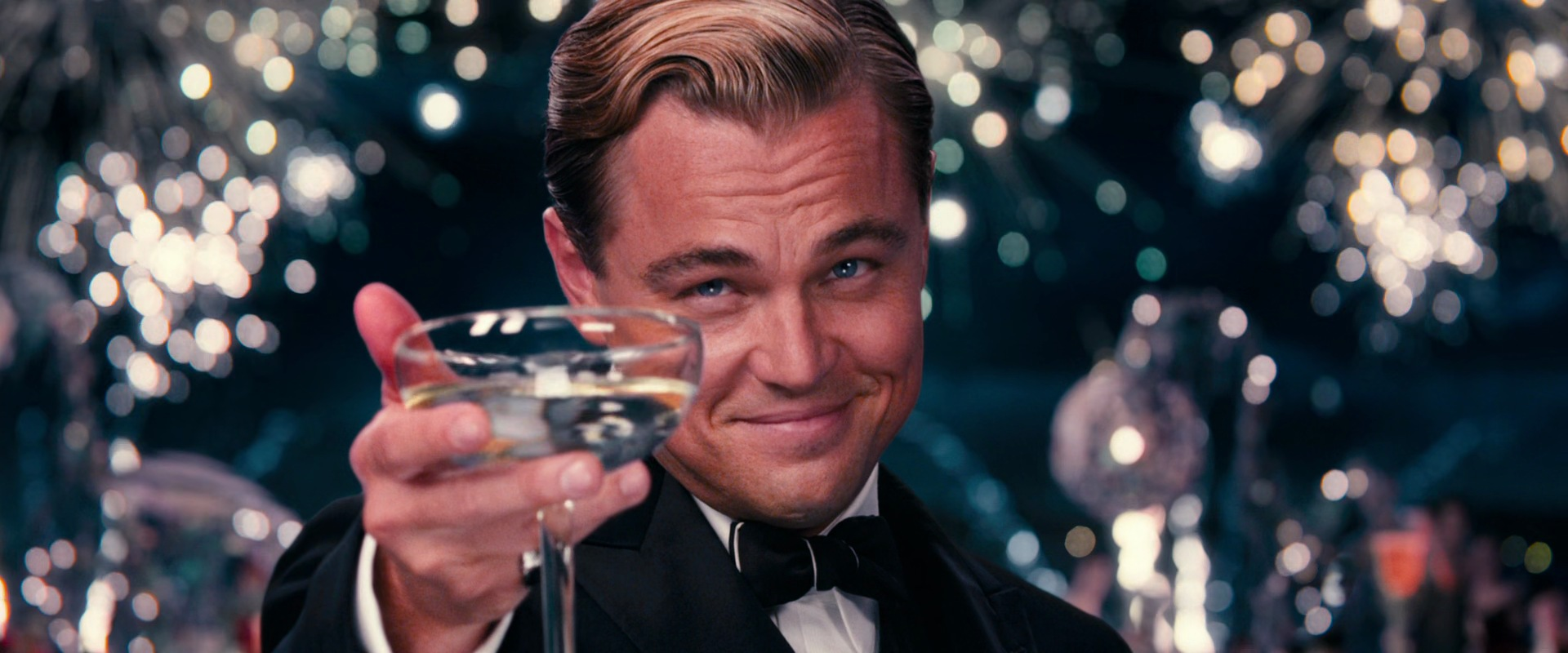
This is what complicates the art of these adaptations. A two-hour movie simply cannot recreate every page of a novel, however, it does not necessarily need to. It is completely understandable that scenes will likely have to be cut, characters changed or combined, or storylines condensed in order to make it work on screen. And a great adaptation does not necessarily have to follow the source material exactly, but it does have to balance these factors in a way that understands what audiences connected with in the original story and finds a way to preserve it.
Three of the best examples of films that found this balance include the Harry Potter films, The Hunger Games films, and The Perks of Being a Wallflower. Each made changes from its source material, yet still managed to bring the characters, worlds, and emotions readers loved to life on screen.
It's impossible to discuss successful book adaptations without mentioning Harry Potter. Across eight films, the series transformed seven novels into one of the most recognizable film franchises in the world and gave readers the opportunity to finally see Hogwarts and the Wizarding World they had previously only imagined.
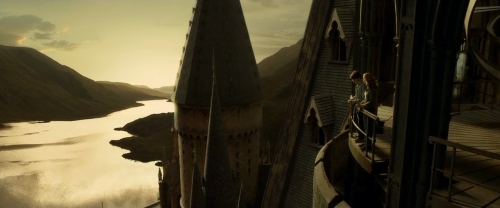
The Harry Potter films are far from exact recreations of the books. With the novels having such complex characters, subplots, and conversations, there were many characters and moments readers loved that inevitably had to be left behind.
For example, Peeves the poltergeist was removed entirely from the films, Hermione’s S.P.E.W. storyline never made it to the screen, and much of the Marauders’ backstory was condensed. Producer David Heyman discussed in an Empire magazine interview how painful it was to leave moments like these out but explained that ultimately there simply was not a place for everything in the films.
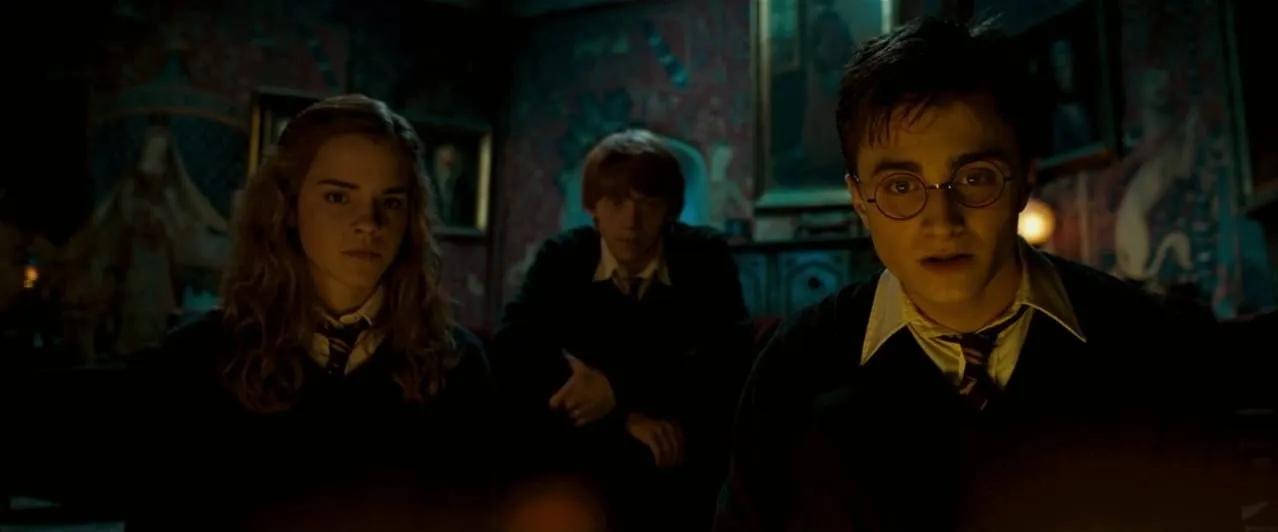
Despite these cuts, the movies focused their attention on bringing the most important parts of Harry’s story and world to life. Hogwarts itself is perhaps one of the best examples. From the moving staircases and Great Hall to Diagon Alley, Quidditch, and the different houses, the films took places and traditions readers had imagined for years and gave them a recognizable visual identity that continued across all eight movies. Just as importantly, the friendship between Harry, Ron, and Hermione remained at the center of the series even as countless smaller storylines disappeared.
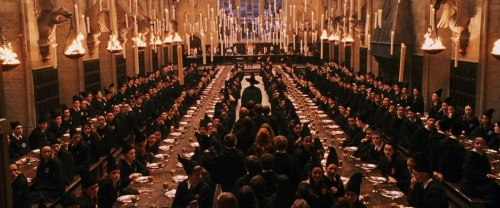
This focus on the characters was also intentional. Screenwriter Steve Kloves, who adapted seven of the eight films, has said that J.K. Rowling understood the movies would have to be different from the books and that what mattered most was remaining true to the characters (LA Times). That approach allowed the films to make major cuts without making the world or people within it feel completely unfamiliar to longtime readers.
Embed from Getty ImagesWith the films becoming such a success, they also introduced an entirely new audience to the Wizarding World, with many fans discovering the books after first seeing the movies. Many fans of the books, including myself, also agree that the films do an almost perfect job of bringing the story to life. It will be interesting to see how the upcoming Harry Potter HBO TV series compares, especially with the additional screen time to explore more of the details from the books.
While Harry Potter demonstrates how much can be removed from a book without losing its identity, The Hunger Games faced a completely different challenge. Suzanne Collins' novel is told entirely from Katniss Everdeen’s first person perspective, meaning readers understand Panem, the Games, and the people around her largely through her thoughts.
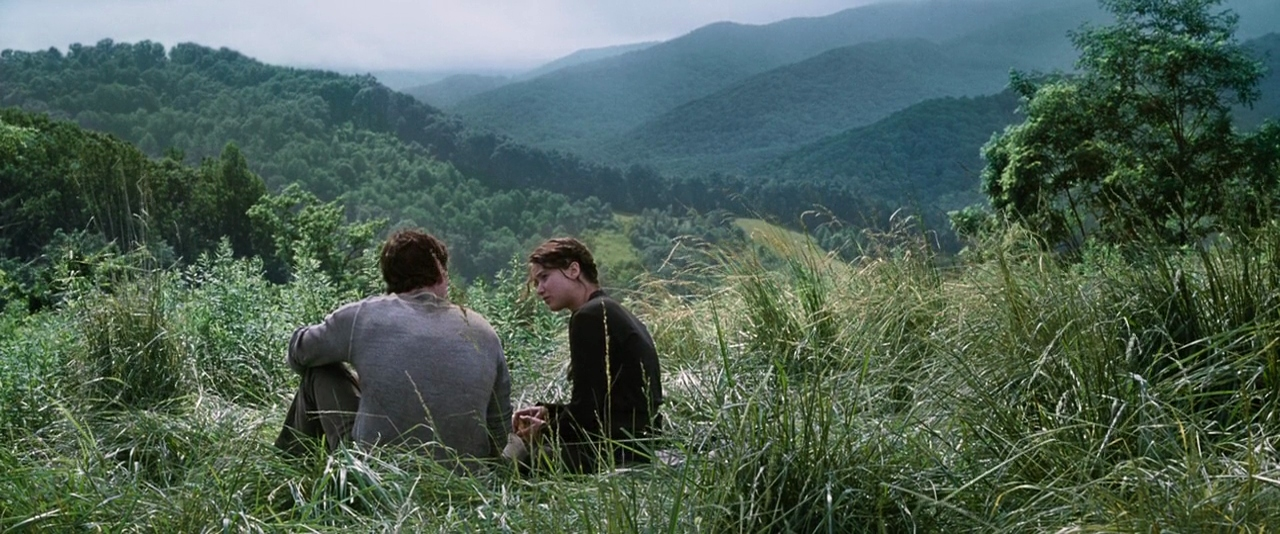
Since the film could not rely on Katniss’ internal narration in the same way as the novel, much of what she thinks and feels had to be communicated visually instead. Therefore, Jennifer Lawrence’s performance became essential, especially in moments where the book relies heavily on Katniss’ internal narration, particularly during the Games when she spends long periods alone.
The movie also does something the book cannot by taking audiences outside of Katniss’ perspective. Scenes inside the Gamemakers’ control room show how the arena is being manipulated in real time, while conversations between President Snow and Seneca Crane give audiences a larger view of the Capitol and the political meaning behind the Games. These scenes are not simply attempts to add something new to the book. They take information Katniss can explain internally on the page and find a visual way to communicate the larger world around her on screen.
Similarly to Harry Potter, many fans of The Hunger Games experienced the world through the films before going back to read the books. The franchise has also continued to expand years after the original trilogy, with Suzanne Collins returning to Panem through The Ballad of Songbirds and Snakes, President Snow’s prequel. And Sunrise on the Reaping, which tells Haymitch’s story, is now being adapted for the screen as well and will be coming out this November (Deadline). This continued expansion shows just how far a successful adaptation can extend the life and audience of a story beyond the original books.
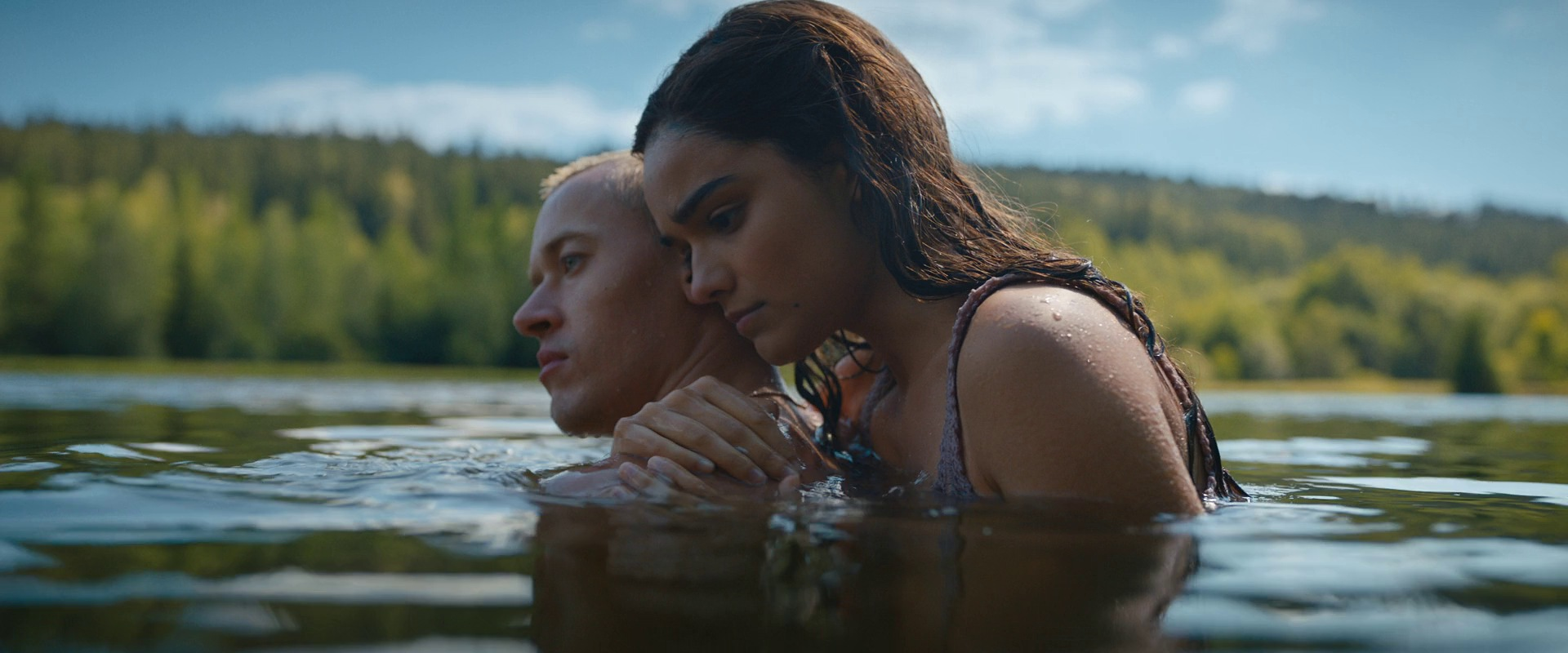
Then there is The Perks of Being a Wallflower, which presents an especially interesting case because author Stephen Chbosky adapted and directed his own novel. If anyone could be expected to recreate a book exactly, it would probably be the person who wrote it. Yet, even Chbosky recognized that doing so would not necessarily make the best movie.
The novel is told through letters written by Charlie, giving readers an extremely personal look into his thoughts and experiences. For the film, Chbosky reduced much of this narration and instead allowed Charlie’s friendships with Sam and Patrick to become the emotional center of the story. He even filmed storylines from the book that were ultimately removed, including more of Charlie’s family life, because he felt they took focus away from the central friendships once everything was put together as a movie, according to his interview in San Diego Reader.
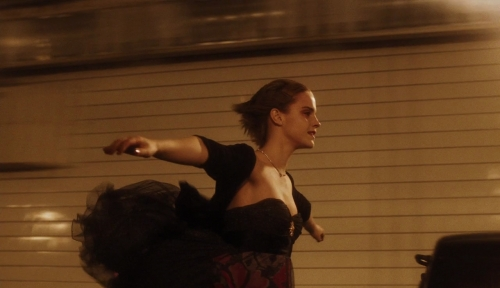
At the same time, film allowed Chbosky to make certain moments even more powerful visually. The famous tunnel scene is a perfect example. Seeing Sam stand in the back of the truck as the group drives through Pittsburgh, with “Heroes” playing as they emerge from the tunnel, turns a moment from the book into one of the most recognizable scenes in the entire film. Chbosky has spoken about how books and movies each have different strengths, and the tunnel scene demonstrates how an adaptation can use the advantages of film rather than simply trying to recreate what worked on the page.
The success of The Perks of Being a Wallflower also introduced Charlie’s story to an entirely new audience, many of whom discovered the book through the film rather than the other way around. The movie has developed an incredibly loyal fanbase of its own, while still being widely loved by readers of the original novel. This is perhaps one of the best outcomes a book to film adaptation can have: satisfying the people who already loved the story while giving a whole new audience a reason to discover the book for themselves.
Ultimately, Harry Potter, The Hunger Games, and The Perks of Being a Wallflower all changed their source material, but those changes did not prevent them from capturing what audiences originally connected with. If anything, knowing what to cut, change, or portray differently is a major part of what made these adaptations work.
A great book-to-film adaptation does not have to make readers feel like they are watching every page of the book acted out in front of them. It has to make them feel the same connection to the characters and story that they did while reading it. When an adaptation can accomplish that, it not only satisfies existing fans but introduces an entirely new audience to the story and perhaps even encourage them to pick up the book themselves.