Table of Contents
Three Key Takeaways
- Gimme is a groundbreaking Hanukkah horror film that blends Jewish culture with cosmic horror, filling a long-overdue niche in genre storytelling.
- Steven Schloss’s commitment to authentic storytelling led to a challenging reshoot of the film’s third act, resulting in a powerful and uncompromising ending.
- The film’s inventive use of Steadicam and genre-blending style reflect Schloss’s unique vision, distinguishing Gimme within both indie and genre film landscapes.
Director and co-writer Steven Schloss brings an unprecedented voice to genre cinema with Gimme, a horror-fantasy short about a grandfather and his estranged granddaughter drawn into a sinister Hanukkah game.
Featuring Paul Kandarian and Taylor Pezza, the film is a vibrant collaboration with cinematographer Nick Kolinsky, composer Evan Hodges, and a talented production team.
Selected for FilmQuest, Gimme showcases Schloss’s passion for culturally rich storytelling that resonates beyond traditional horror fans.

What drew you to make Gimme? Why this story, and why now?
I always wanted a Hanukkah horror movie when I was growing up as the holiday was greatly overshadowed by Christmas. I grew up in a non-religious, yet culturally Jewish family, and I’ve seen less pride in our identity lately, especially as antisemitism rises in the U.S. That’s one of the reasons I made Gimme, a film rooted in Jewish culture that anyone can relate to. It’s the movie I wish I was able to watch during Hanukkah at 14.
“I always wanted a Hanukkah horror movie... It’s the movie I wish I was able to watch during Hanukkah at 14.”

What surprised you most about the filmmaking process this time—creatively or logistically? Was there a moment on set or in post that completely changed how you saw the story?
Gimme went through 2 rounds of production. On the first round, the third act wasn't landing due to a multitude of setbacks that happened on set. It didn't have the emotional impact I was hoping for or the quality I wanted to stand proudly behind so I had to make a decision—reshoot the third act or let the project die. Couldn't be happier with my decision to move forward with the reshoots.
Is there a moment in the film that feels the most you—something only you could have made?

“The ending. It's heavy metal and isn't afraid to do the things people tell you not to do in a movie.”
I knew that it could push a certain crowd away but also believed it would draw a type of viewer in.
What was the hardest creative decision you made while making this film?
How much of the monster I was willing to show and choosing when to show it. Without spoiling so much, this movie does not hide the monster.

What do you hope audiences take away from your film?
Culture and religion often get blended together however I see them differently. Both bind us to our roots and history but one is to be believed where the other is to be experienced.
How has this film shaped or shifted the kind of stories you want to tell next?
I learned that the way I see stories is more like comic book tales and less like traditional motion pictures. I think there is a taste for that and it works well with my tools as a filmmaker.

What’s a tool, technique, or resource that really helped you during production?
Steadicam. This was my first short utilizing a steadicam allowing the audience to move through a space with an actor, experiencing it with them as opposed to merely observing. I enjoy where it puts the audience and can feel a difference in the scenes that warrant it.
Independent filmmakers often rewrite the rules out of necessity. What do you think is the greatest strength of independent filmmaking, and how did you lean into that on this project?
“In indie films, the filmmaker has more freedom to make the movie they want to make without having data and trends drive decision making.”
A lot of the studio films feel like they are remakes or remodels of previous successes that often has me leaving the theatre feeling like I've seen a version of the film before. That is a lot more rare with Indy films where you can feel the heart and pulse of the filmmakers involved, telling the stories they feel are worth sharing.

What does it mean to you to have your film selected for FilmQuest, one of the world’s top reviewed genre film festivals?
It's an absolute privilege to be able to screen Gimme at FilmQuest in front of an audience of some of the most savvy filmmakers and filmgoers in the genre space. It's even more of an honor to have been nominated for 6 awards including best horror and best director which is a first for me in my career.
FilmQuest celebrates the majesty and might of genre filmmaking across fantasy, horror, sci-fi, action, thriller, western, kung-fu, and beyond. How does your film fit within—or push the boundaries of—genre storytelling?
Gimme is the Hanukkah horror movie that was never made and long overdue. It includes elements of horror, fantasy and drama creating a genre film that hopefully appeals to more than just a genre audience.
Where do you see this film going next?
I hope to see Gimme evolve into a feature and believe the world would eat it up.
“At the core of all my work is a desire to evoke a memorable reaction"."
Cast & Crew
- Steven Schloss — Director, Co-Writer
- Aidan Payne — Co-Writer, Producer
- Nick Kolinsky — Cinematographer
- Evan Hodges — Composer
- Jack Ieronimo — Editor, Colorist
- Chris Carter, Natasha Nicolaou, Jordan Pacheco — Production Designers
- Honah Lee Milne — Costume Designer
- Jordan J. Estrada — Dreidel Prop Designer/Engineer
- Nathan Sellers, Vincente DiSanti — Executive Producers
- Stuart Valberg — Producer
- Paul Kandarian — Papa Alan
- Taylor Pezza — Lev
Visuals
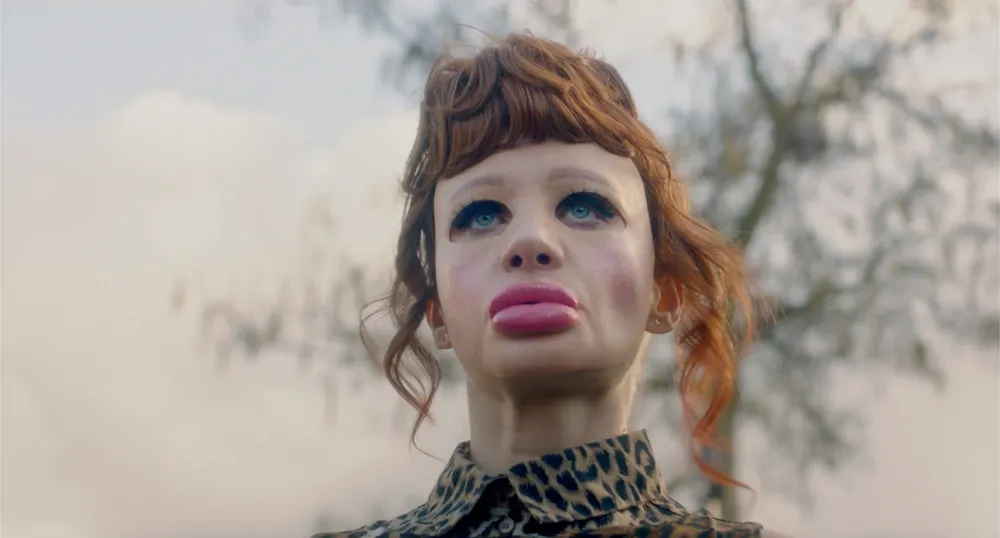
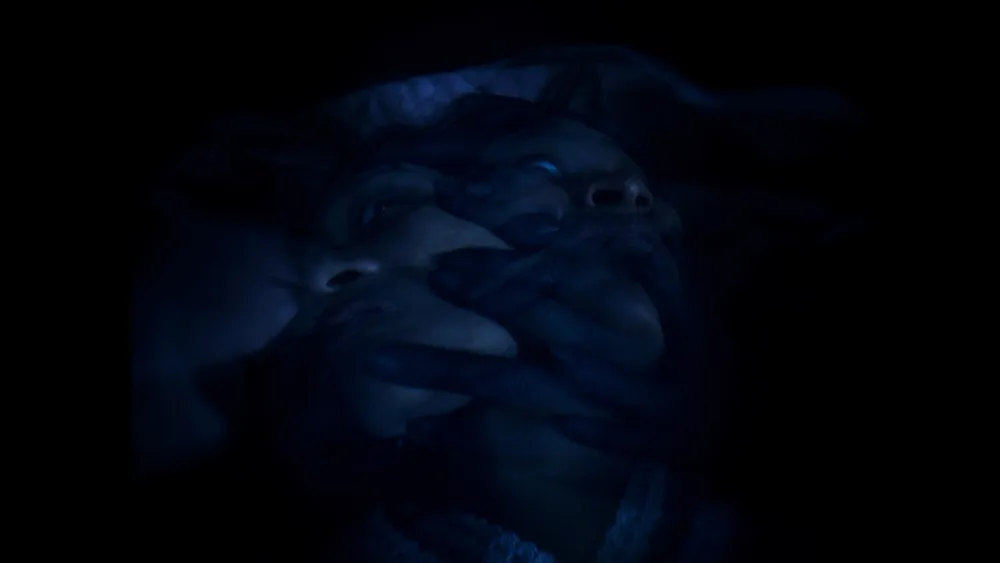
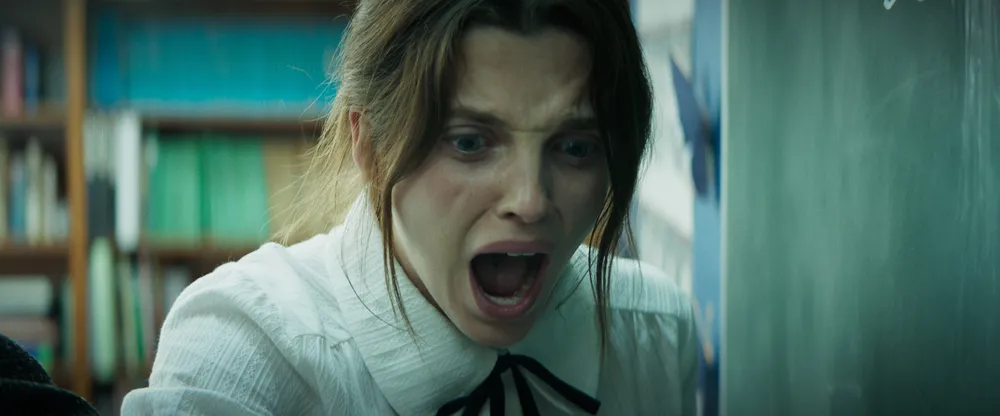
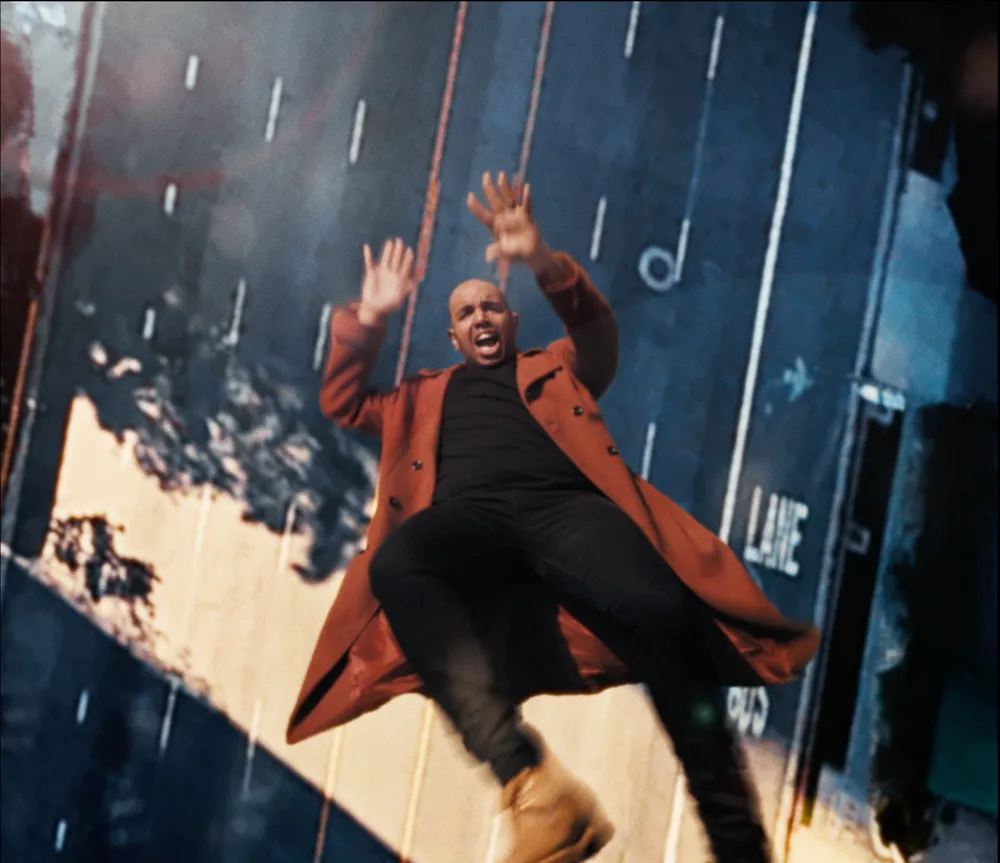
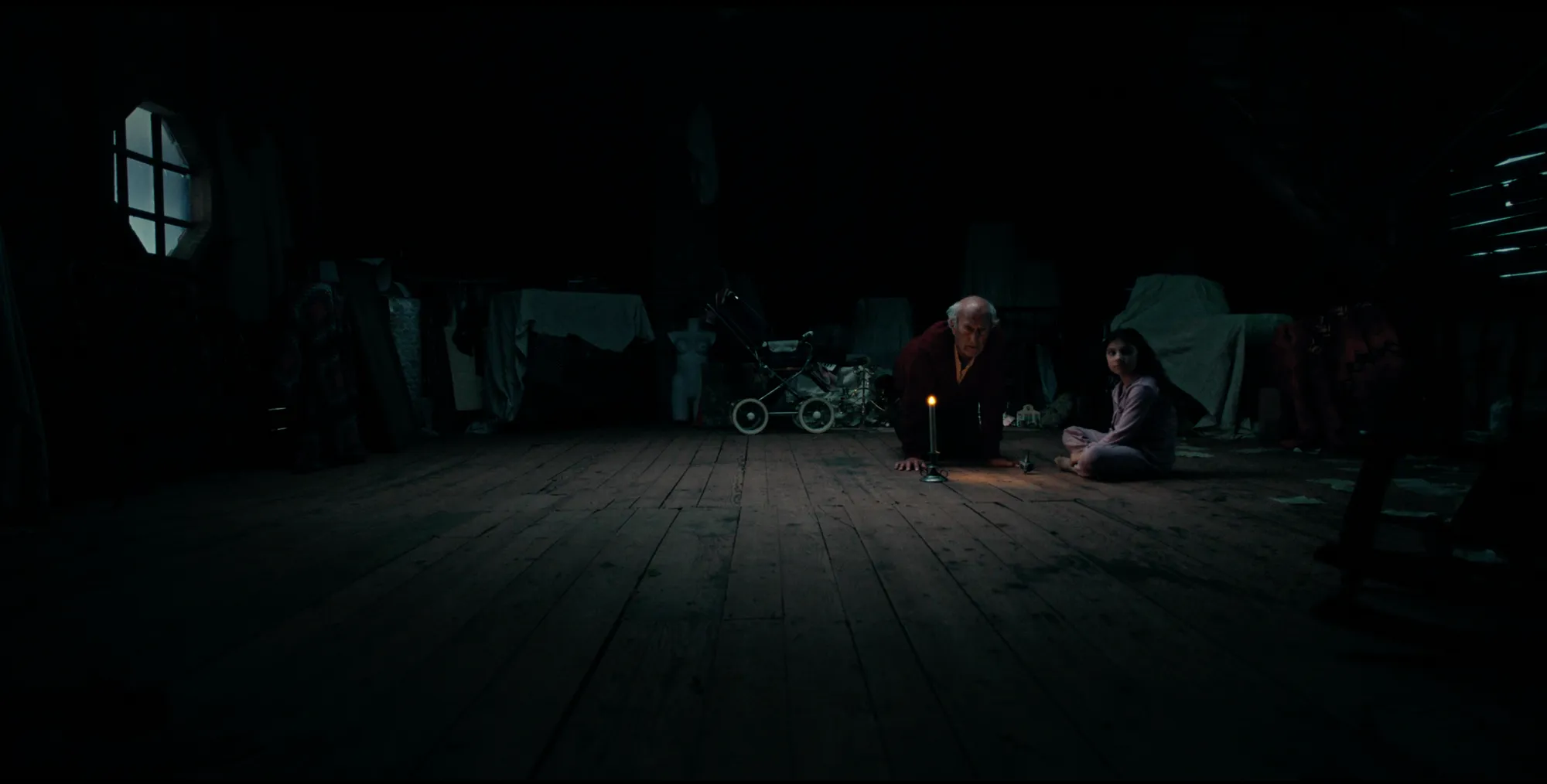
Behind-the-scenes and still images from Gimme capture the film’s eerie atmosphere and meticulous production design. The collaboration between production designers Chris Carter, Natasha Nicolaou, and Jordan Pacheco brings to life the textured, unsettling world where the cosmic horror unfolds. Costume designer Honah Lee Milne’s work grounds the characters in reality while hinting at the supernatural tension beneath the surface. Cinematographer Nick Kolinsky’s use of Steadicam imparts an immersive quality, allowing viewers to move fluidly through the haunting spaces alongside the characters. The prop work by Jordan J. Estrada, especially the intricately engineered dreidel, underscores the film’s blend of tradition and otherworldly menace. Together, these elements visually embody Steven Schloss’s vision of a Hanukkah horror story that feels both personal and expansive.