
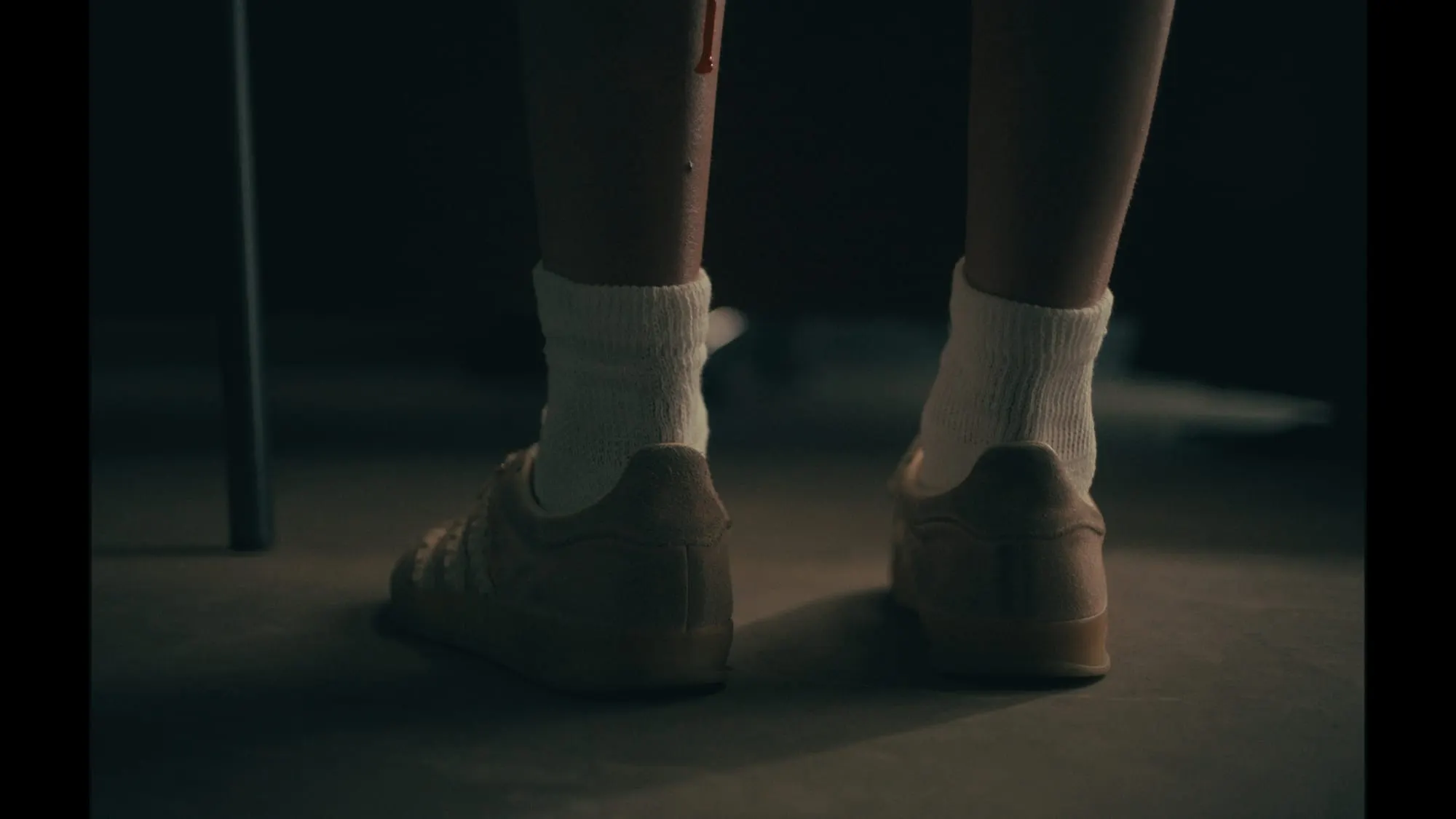
Syringe is written and directed by Talisha Elger and co-created by Elger and Lara Marks, who also produced the film and acts in it. Their synopsis follows Neenah, a nurse who has spent years being dismissed by doctors. When she is given the chance to trial Nyrophil, a revolutionary new drug that promises to eliminate women's pain, she takes it. At first she feels invincible, until she realises the drug has taken away her ability to feel anything at all.
Elger and Marks write that the film came from "our own experiences of medical gaslighting." They describe it as a psychological body horror, and it has its world premiere at HollyShorts London.
Key Takeaways
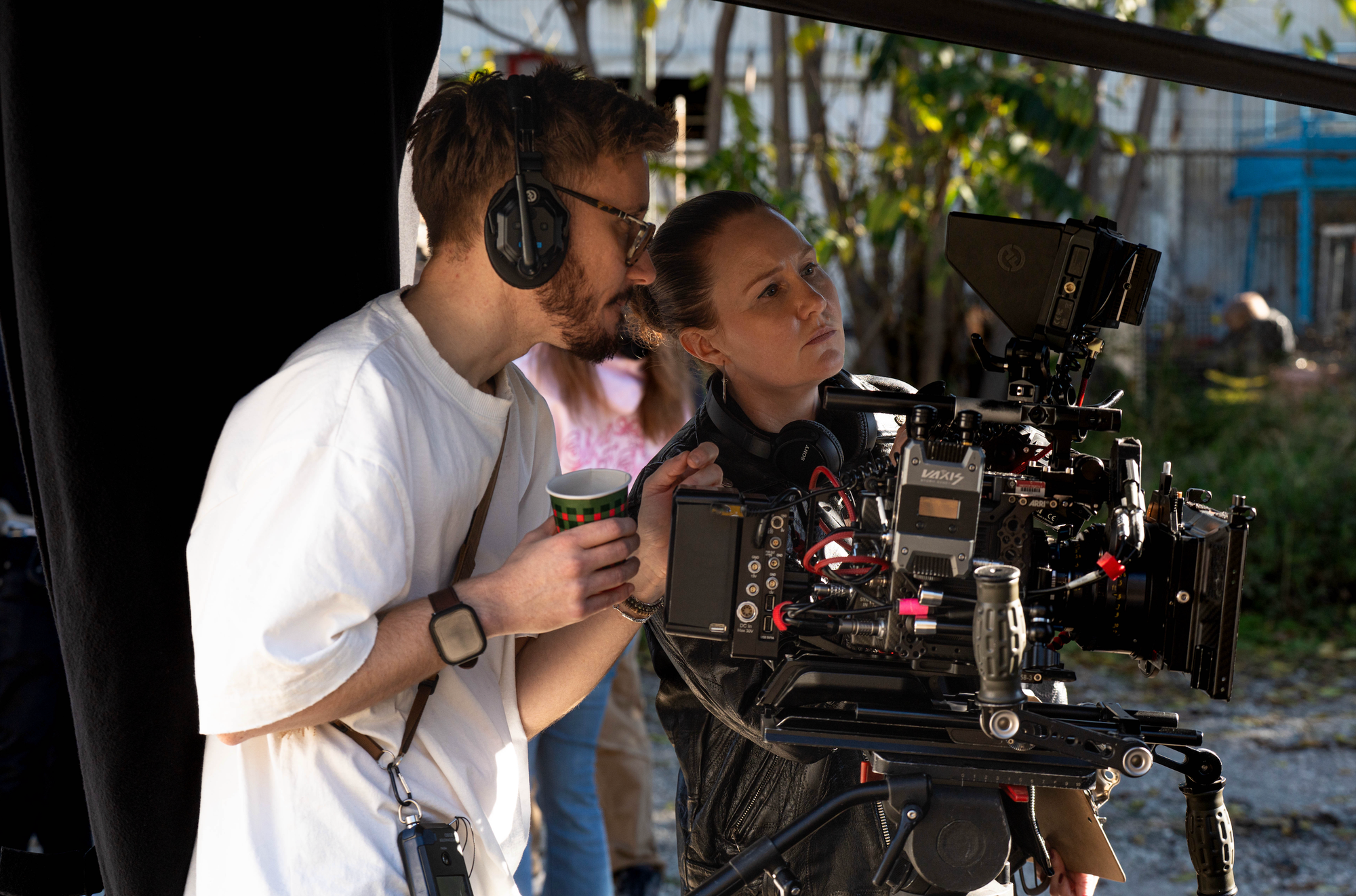
- With only three days to shoot, Elger and cinematographer Leo Behrens used matching shots in the doctor's office "to convey that repeated experience of seeking help and being dismissed."
- Marks created the Nyrophil infomercials in post using Runway AI, intentionally mirroring actual pharmaceutical advertising in the US.
- The team says the next step is developing Syringe into a feature.
Below, the filmmakers answer our questions in writing.
Interview
What drew you to make this film, and why this story, why now?
This film came from our own experiences of medical gaslighting, and the frustration of trying to explain what’s happening in your body and feeling like you’re not being heard. Then, hearing other women’s experiences, we realised how familiar that feeling was. We wanted to explore what that does to someone over time. You’re dealing with the pain itself, but you’re also having to defend it and prove that it’s real. We also think the idea of not feeling pain is really interesting, because it becomes a metaphor for silencing women. Women’s health is already so under-researched, and so many women struggle to have their pain taken seriously. If you can’t feel that something’s wrong anymore, how do you speak up about it? For us, that raises the question of whether we’re actually helping women, or just making their pain easier to ignore.
In her book Invisible Women, Caroline Criado Perez exposes the many ways in which we live in a world designed for men. The fact that this bias extends to something as fundamental as healthcare is even more terrifying. Women remain under-represented in clinical studies, they are 50% more likely to be misdiagnosed after a heart attack, and even medical textbooks treat the male body as the default. When it comes to contraception, women are forced to choose between a host of side effects marketed as an inevitable price to pay for bodily autonomy. The Mirena IUD, once hailed as a breakthrough, has been the subject of thousands of lawsuits alleging that its manufacturer, Bayer, failed to adequately warn women of serious risks, including uterine perforation and pelvic inflammatory disease. Against this background, we came to realise that our own gynaecological health struggles were stories shared by countless women in our lives, and rooted in a broader systemic failure. This is what inspired us to tell this story.
- Talisha Elger & Lara Marks (Co-Creators)
“If you can’t feel that something’s wrong anymore, how do you speak up about it?”
What surprised you most about the filmmaking process creatively or logistically, including any moment on set or in post that changed how you saw the story?
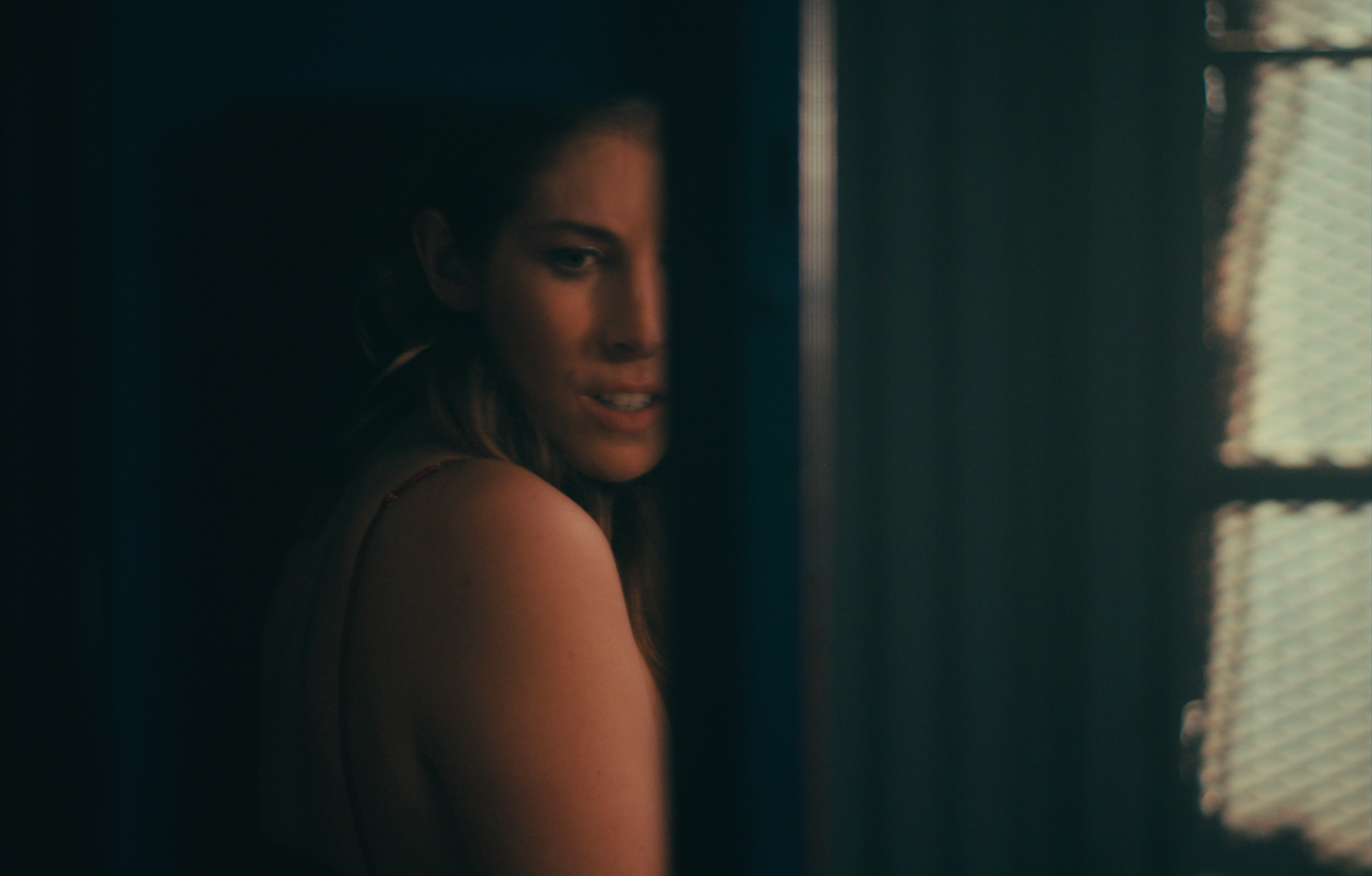
It was equally surprising and exciting to see the various ways in which sound design elevated the story during post-production. Sound can make an ordinary environment feel unsettling, and we wanted to use it to bring us closer to our characters' experiences. As we worked with our sound designer, Harrison Meyle, it was fascinating to see how subtle shifts could have a profound influence on the emotional impact of certain moments. For example, as the characters receive the Nyrophil injection, we made the decision to gradually strip away the layers of the hospital soundscape, as though the outside world were being drowned out. We found that this subtle shift in sound design helped draw the audience inward, immersing the viewer more viscerally in the women’s subjective experiences as they transition from tension to relief.
What moment in the film feels most like you, or like something only you could have made?
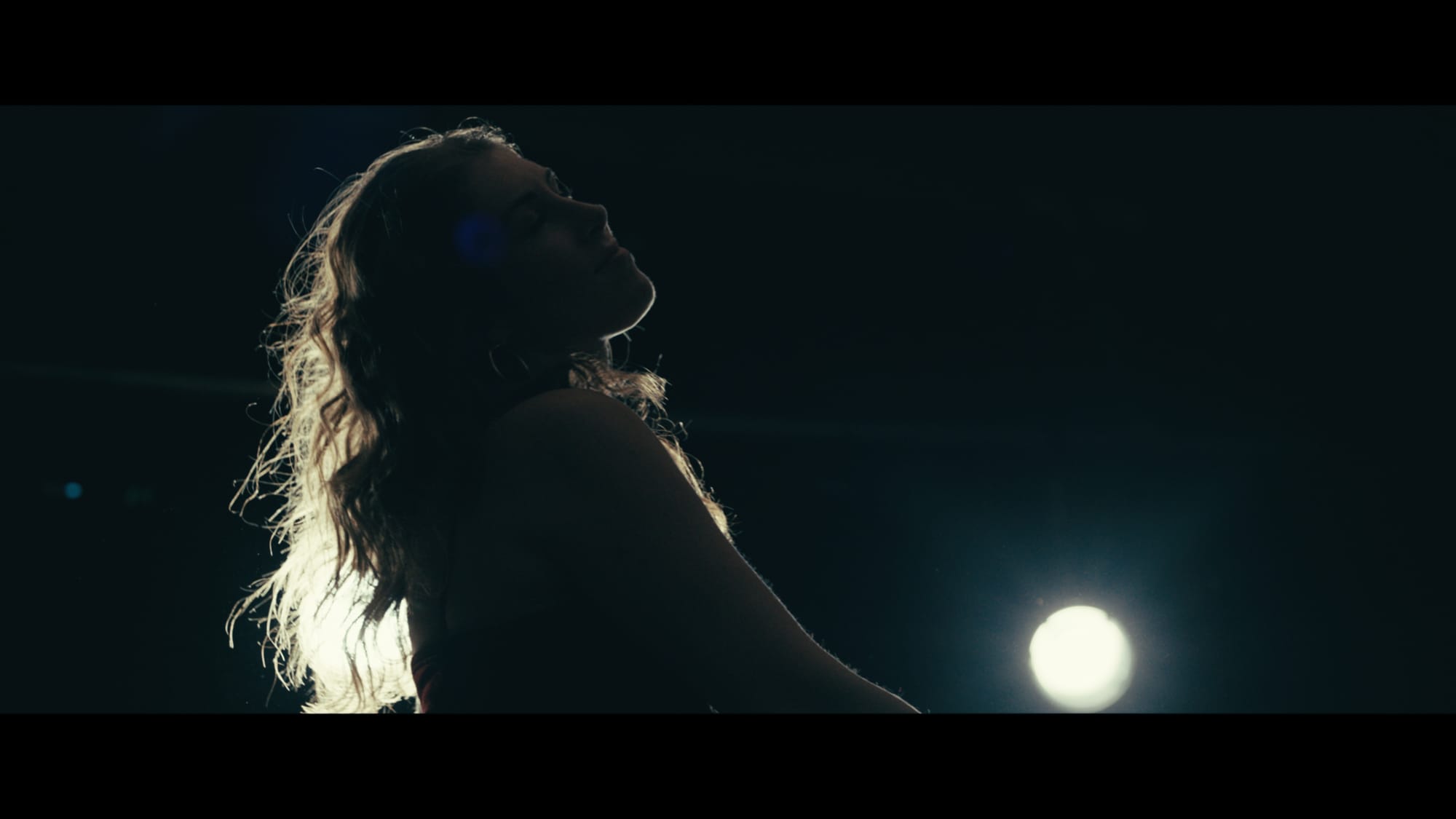
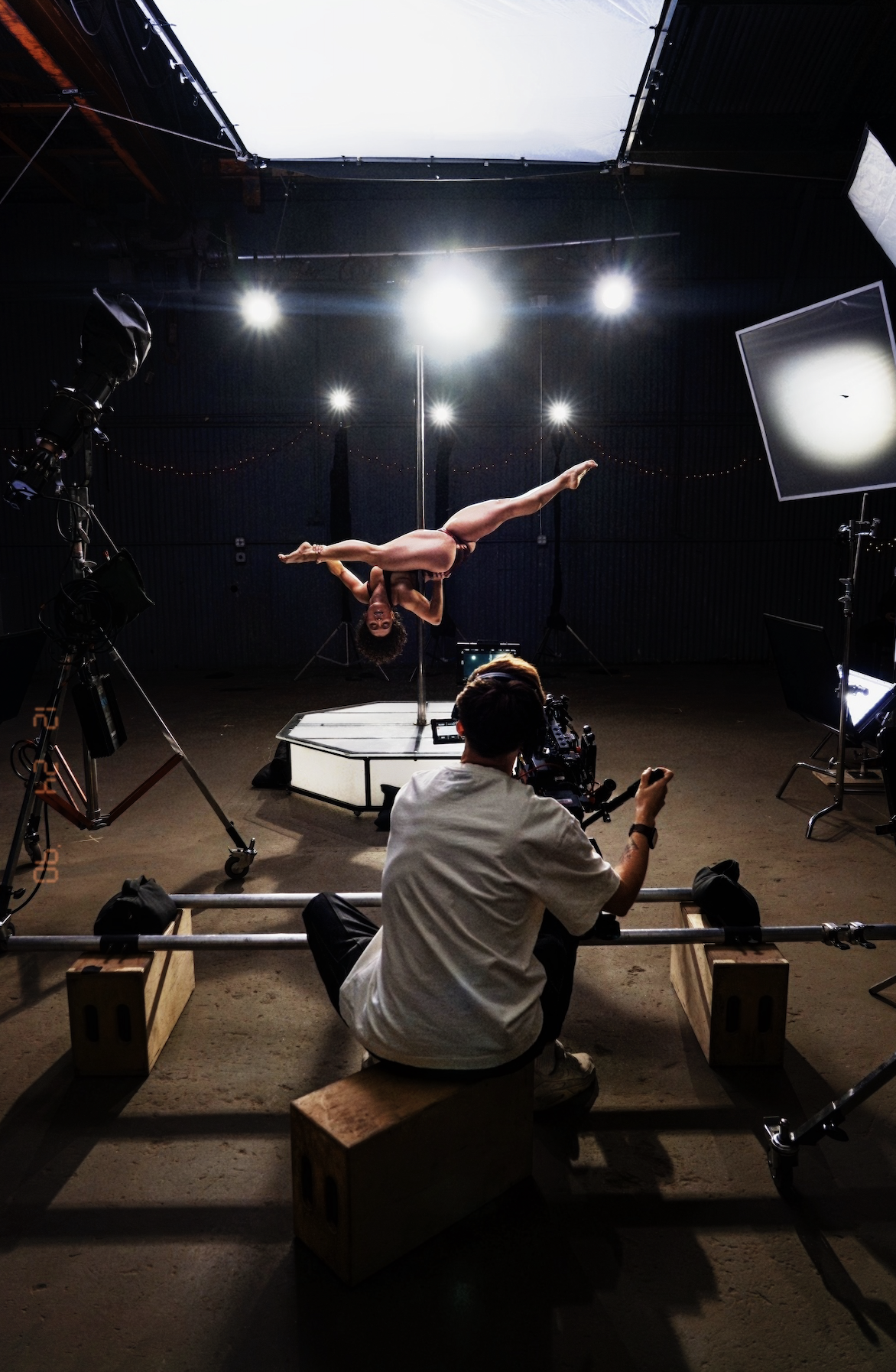
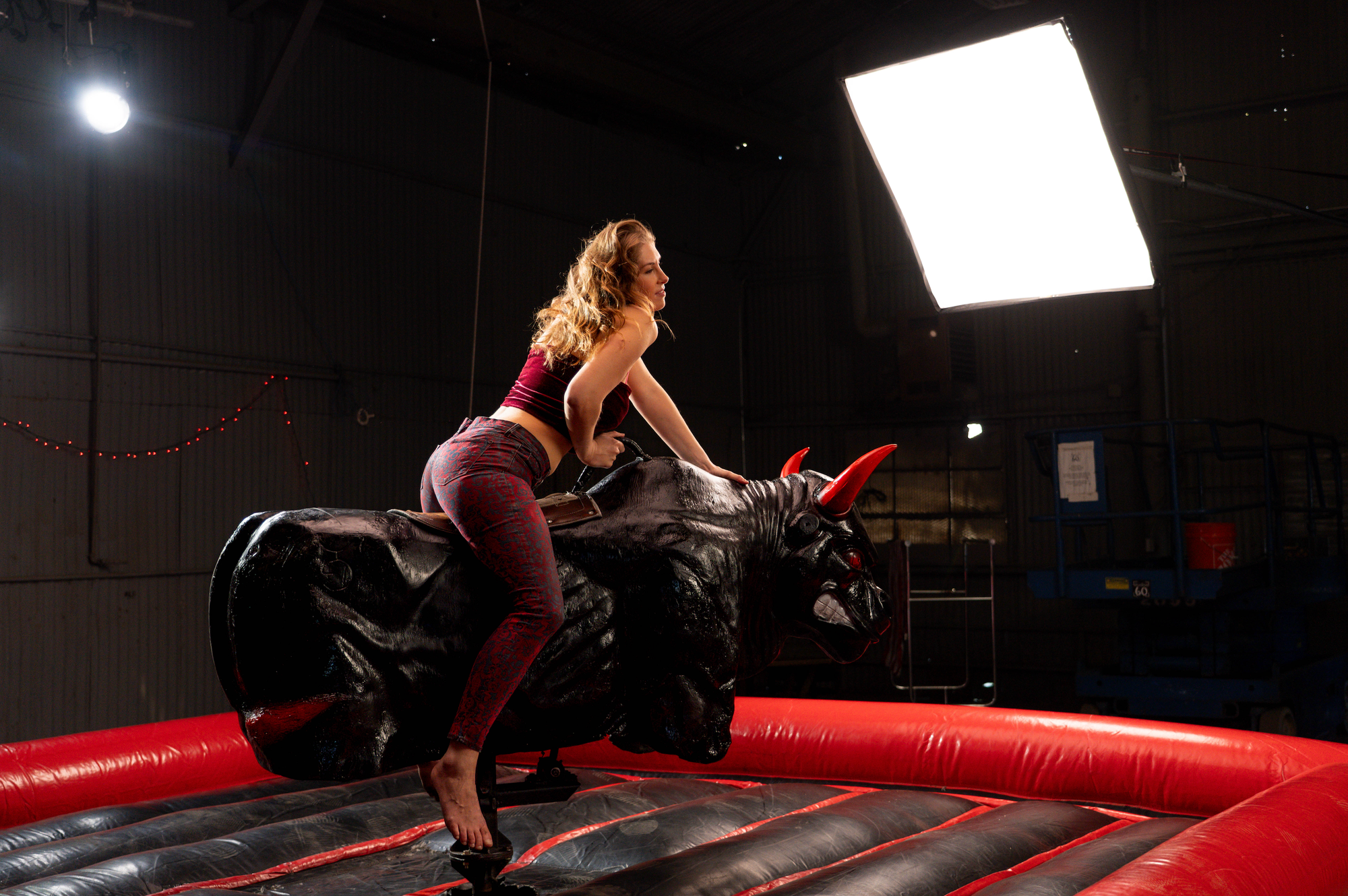
As a director, I start with character, and then I go back and think about how images, sound and performance can help tell that story. That’s where metaphor comes in, which I love using. For me, there’s a balance: the character and story ground you, while the metaphor opens up other ways of understanding what’s happening. Perhaps the most representative moments of this in the film come after the women take Nyrophil, when we see them in a series of dreamlike sequences performing specific activities: riding a seesaw, dancing on a pole, riding a mechanical bull. These moments serve as metaphors for their liberation from pain and the physical freedom and power that gynaecological conditions take away.
What was the hardest creative decision you made while making the film?
One of the hardest creative decisions we faced was how to create the Nyrophil commercials. Gradually we came to the decision to use AI as a way to explore and critique the commercialisation of health, particularly in the United States, and how horrifyingly warped priorities can become as the focus shifts from patient care to power and greed. The rise of AI makes this shift even more dangerous, as the line is blurred between what is real and what is fabricated. Glossy and targeted, artificial advertising promises vitality and health in a single tablet or injection, while the real-world consequences are quietly erased from the conversation.
Lara created the infomercials in post using Runway AI, intentionally mirroring actual pharmaceutical advertising in the US. Drawing on the visual language and graphics our production designer, Paige, had created for the film, we developed a consistent brand for Nyrophil, and it was fascinating to see this drug come alive, in a way that felt terrifyingly enticing and seductive. The glossy allure is makes it all the more sinister as we uncover the false reality of what is being sold.
What do you hope audiences take away from this film?
Women’s health issues are so normalised that we have learnt to internalise and minimise our experiences, placing pressure on ourselves to maintain an outward appearance of competence and strength. We have been taught that our pain is a sign of weakness, and that struggling is something to be ashamed of. With this film, we hope to alleviate some of this shame and create space for the conversation, in a wider effort to promote increased research and investment into women’s health. Ultimately, we want to help women to feel less alone in their struggles.
“Ultimately, we want to help women to feel less alone in their struggles.”
Where do you see this film going next?
The next step is developing Syringe into a feature. We really want to lean further into the darkness and the horror, and explore our relationship with pain and our bodies, how pain can limit us, but also protect us, and what happens when that’s taken away. The ending of the short leaves so much to explore in the feature. Once Neenah makes that decision with the young girl, the question becomes: what now? How does she live with that choice, and what does she do with this newfound power? We’d love to explore how she’s convinced herself that this ‘new normal’ is her only option, and the complexity of choosing it for the young girl, knowing the cost of never feeling pain again. There’s also more to explore in the world around Nyrophil, particularly AI and how something disturbing becomes accepted when it’s presented as care. But we'd always want to stay close to Neenah. The horror comes from understanding her choices and still feeling unsettled by where they take her.
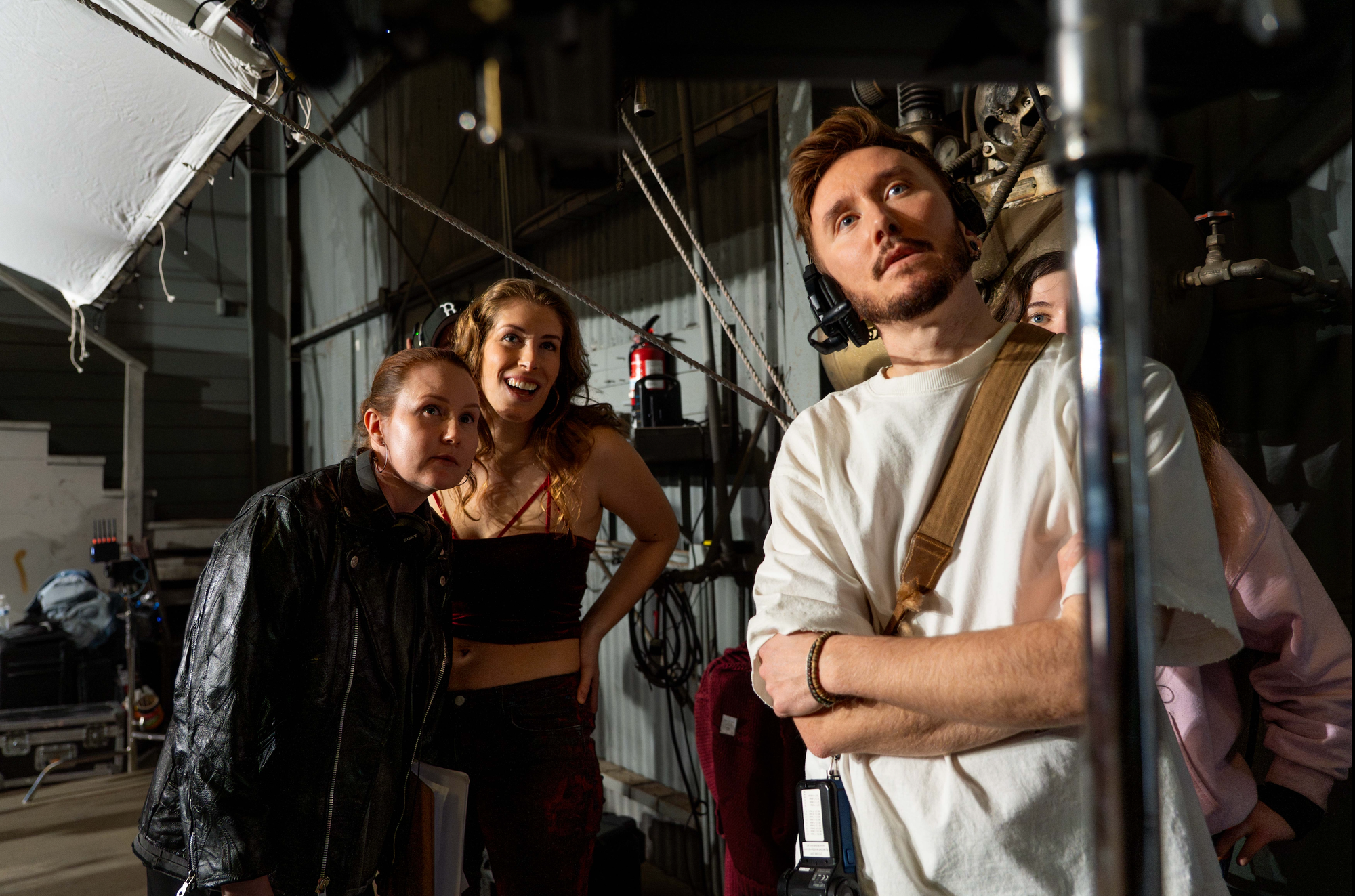
Research was a key part of the team's process. The team spoke to women about their experiences and brought on a doctor who has practised in both the UK and US healthcare systems as their medical consultant. Their lesson for other independent filmmakers: "The biggest lesson from this experience has been the importance of surrounding yourself with people who care about the story and who can bring their own experiences and expertise to the creative process."
Main Cast & Crew
- Talisha Elger: Writer, Director and Co-Creator
- Lara Marks: Producer, Actor and Co-Creator
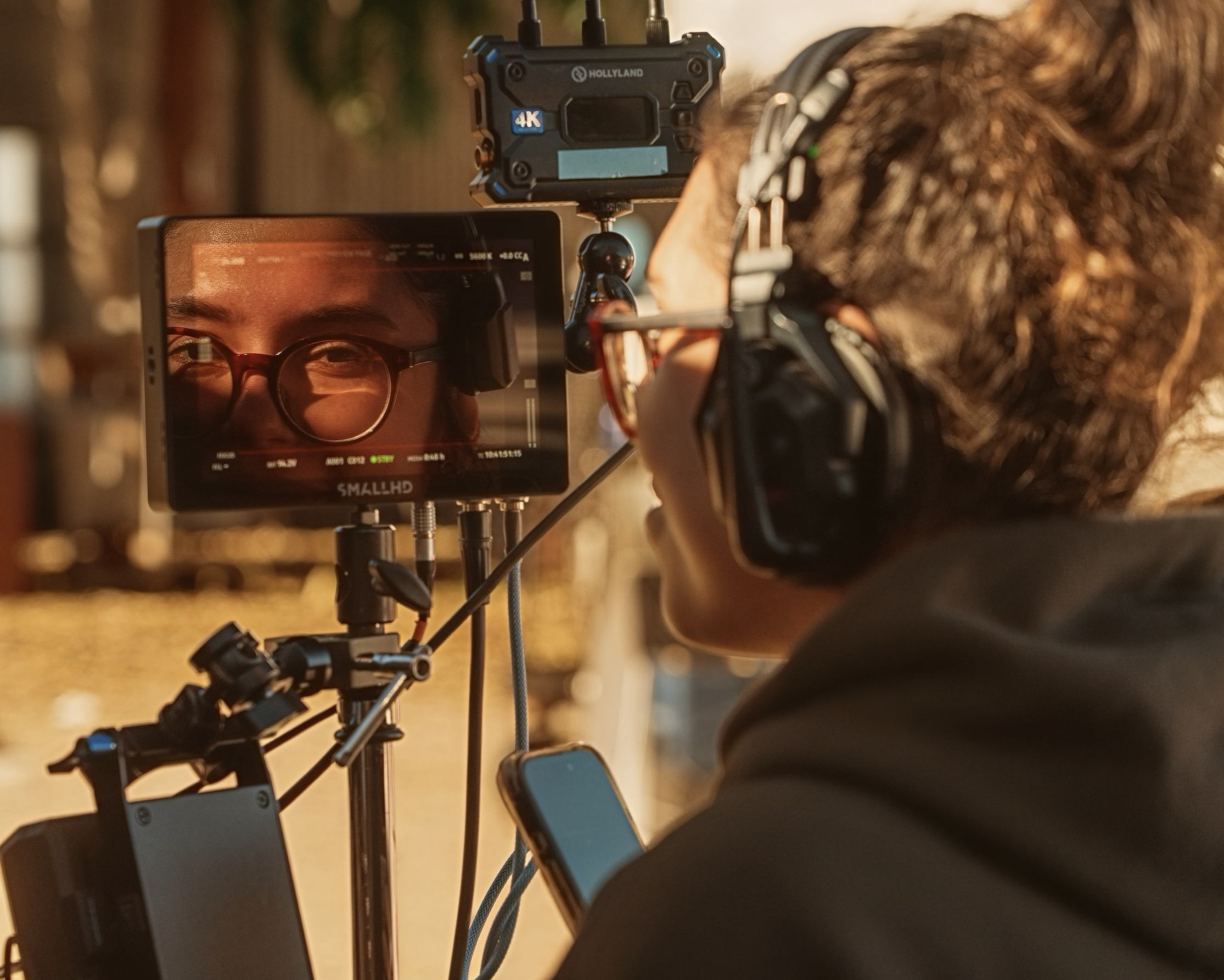
- Leo Behrens: Cinematographer
- Paige Schaeffer: Production Designer
- Abbey Letizia: Editor
- Natasha Frank: Composer
- Anna Bohannan: Co-Producer
- Cast: Lara Marks, Katie Powers
Follow the Film
Filmmaker Opportunities
💛 Fund your next project with fiscal sponsorship
Have a project in the works? As a 501(c)(3) nonprofit, the Cinematography for Actors Institute can accept tax-deductible donations on your film's behalf — a door-opener for grants, foundations, and supporters who want to back your work. We've serviced over 100 projects to date and helped route over $800,000 in funding to filmmakers. Explore fiscal sponsorship →
📬 Grant deadlines and festival opportunities, straight to your inbox
The CFA newsletter rounds up grants, festival calls, and community news for independent filmmakers — the kind of opportunities that are easy to miss and painful to miss. Join the newsletter →
🎬 Focus on the creative — we'll help with the logistics
Production Management, CFA's newest member program, launches this November: production insurance and workers' comp, payroll, film permits, gear rental coordination, SAG-AFTRA compliance, contract drafting, production consulting, and crew recommendations — handled by a team of working filmmakers, à la carte or all in, in partnership with Creative Access Group. It's waitlist-only until launch. Join the waitlist →
League of Filmmakers is published by our parent organization, the Cinematography for Actors Institute — a 501(c)(3) dedicated to education, community, and capital for underrepresented filmmakers and actors. Learn more about CFA →


