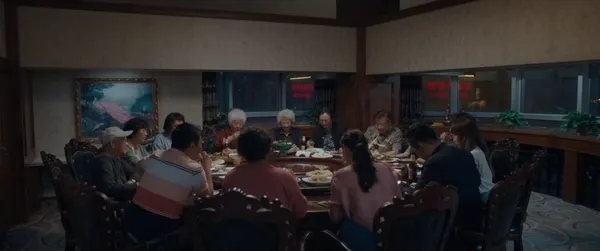
Benny and Zoey wake up in formalwear with no memory of how they got there, in a house sealed off from the world by an avalanche. What follows is less a survival story than a reckoning: impossible visions, a phone that won't stop ringing, a clock that keeps moving. The Avalanche, the debut feature from Cuban American writer-director-editor Johnny Coffeen, holds two actors — Alex Essoe and Lou Taylor Pucci — in a single location and lets their shared history do the haunting.
Coffeen's short work, including the Student Academy Award-winning The Swan Girl, which premiered at David Lynch's Festival of Disruption, has long leaned surreal and psychologically driven. Here he commits fully: a self-funded film that bends its own frame around the characters, and premieres at FilmQuest in October.
Key Takeaways
- The film began with a literal nightmare — Coffeen dreamed he was buried under an avalanche inside a cabin and called Lou Taylor Pucci the moment he woke up.
- Its aspect ratio descends continuously from 16:9 widescreen to a 1:1 square across the full runtime, so the audience physically feels the walls closing in.
- Self-funding bought creative freedom; rehearsal time with the actors reshaped the relationship at the film's center before a frame was shot.
Coffeen spoke about nightmare logic, collaboration, ambiguity, and what it means to make your first feature exactly the way you want to.
Interview
What drew you to make this film, and why this story, why now?
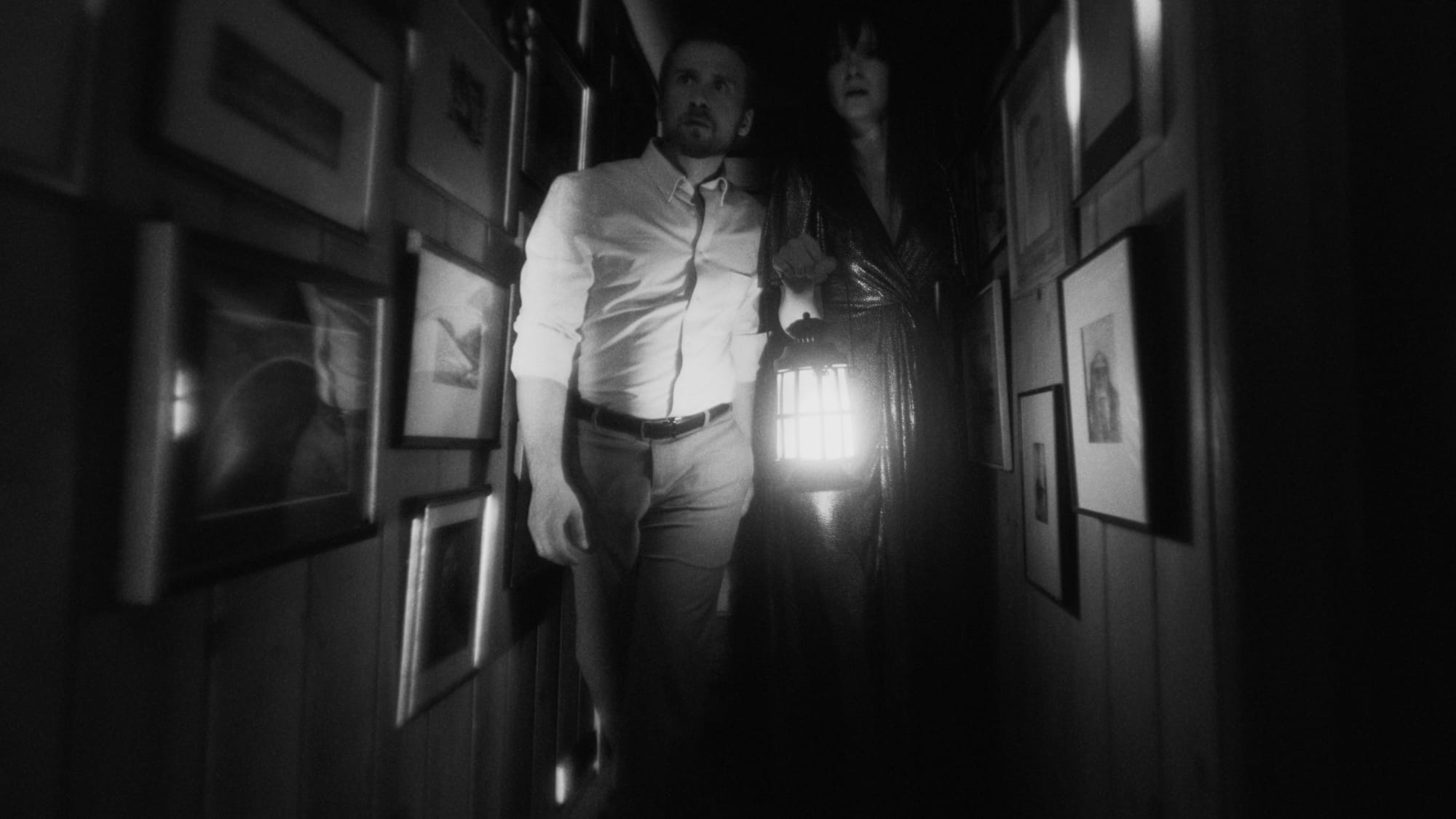
The Avalanche began with a nightmare where I dreamed I was buried under an avalanche inside a cabin. Immediately after waking up, I reached out to Lou Taylor Pucci because we had been talking about making a film with one location and two actors. From there, the story grew out of my love of horror and its ability to operate on nightmare logic. I wanted to make something personal and emotionally grounded while still allowing the story to become strange, ambiguous and expressionistic. I was drawn to this story because no matter how much you try to bury the past, it will always build up and crash on you.
What surprised you most about the filmmaking process, creatively or logistically, and was there a moment on set or in post that changed how you saw the story?
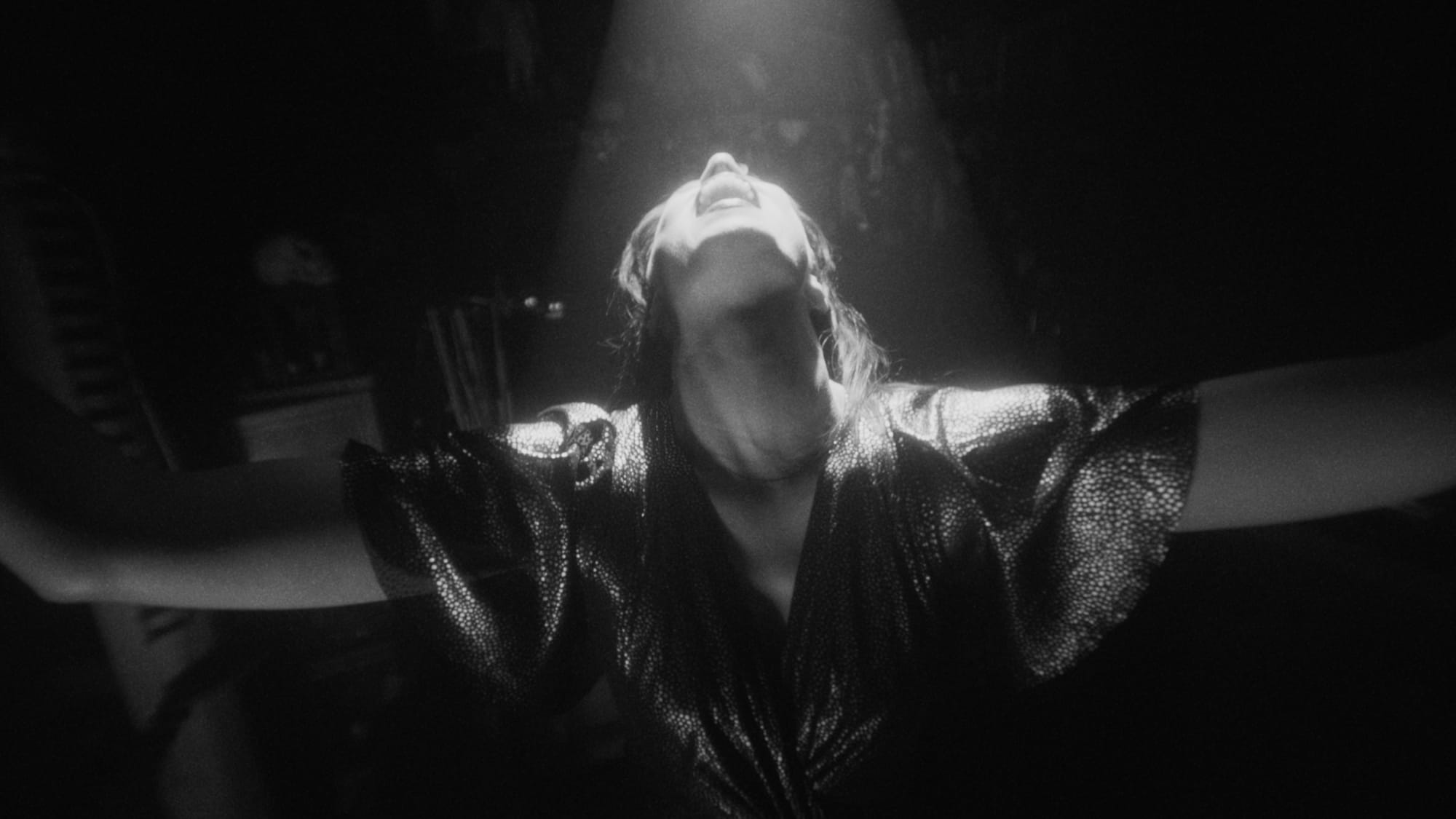
What surprised me most was how much the film continued to evolve once we brought the actors onboard. We spent a lot of time playing with the script and characters leading up to production, and some of those discoveries fundamentally changed how I understood the relationship at the center of the film. I always let a film be a living, breathing thing that you listen to, steer, and follow rather than forcing it to become what you imagined on the page. That carried into the editing room, where I discovered new rhythms and connections that weren't apparent during production.
What moment in the film feels most like you, or like something only you could have made?
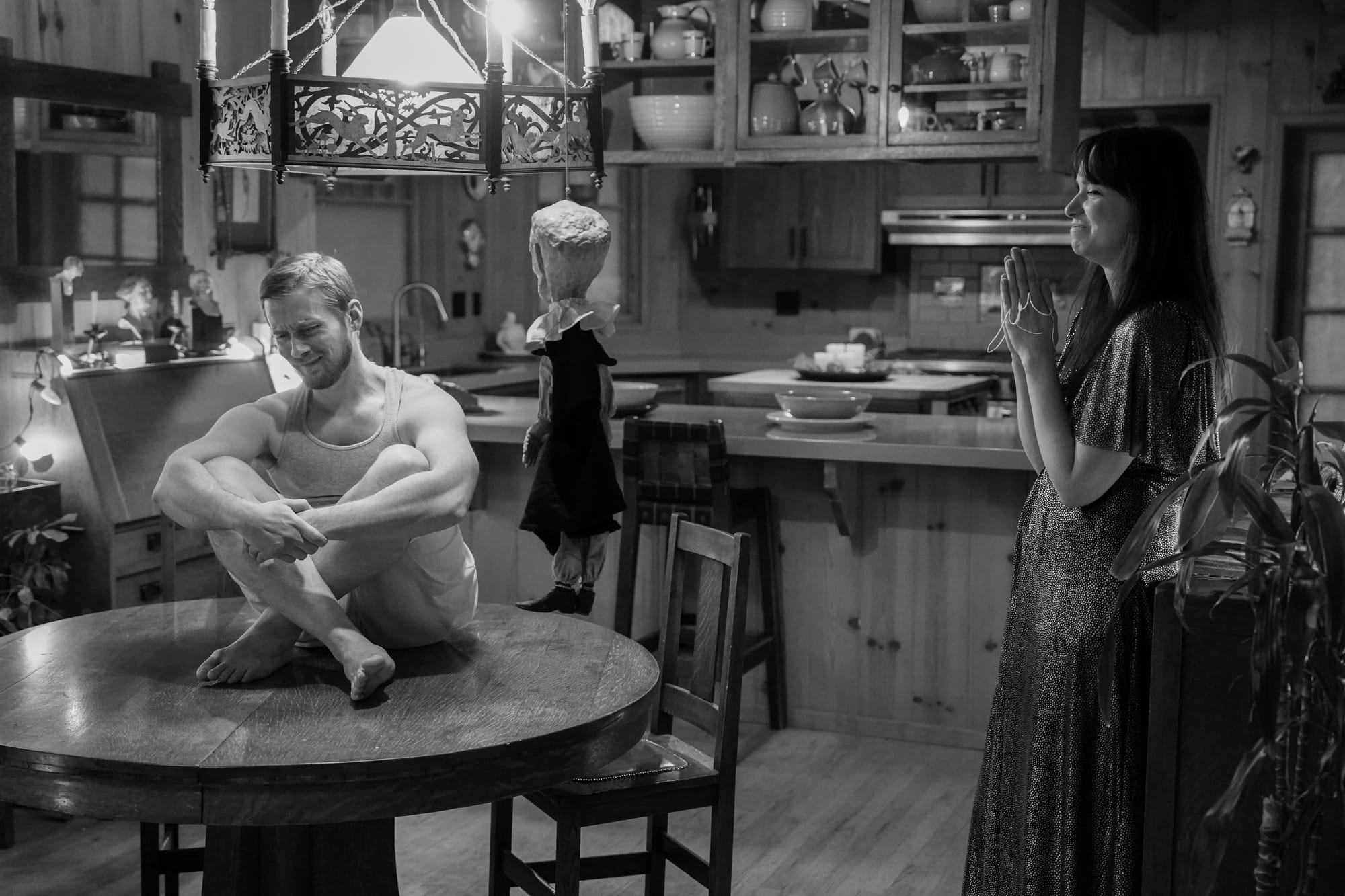
The comedic sex scene. You need to see it to believe it.
What was the hardest creative decision you made while making the film?
Riding the line between making the experience clear while holding onto the right amount of ambiguity to motivate the audience to want to watch it a second time. I hope audiences come away feeling like they experienced something original rather than simply watched something. I want them to have their own interpretation of what happened, and hopefully leave with something from the film that stays with them and makes them want to think about it or watch it again.
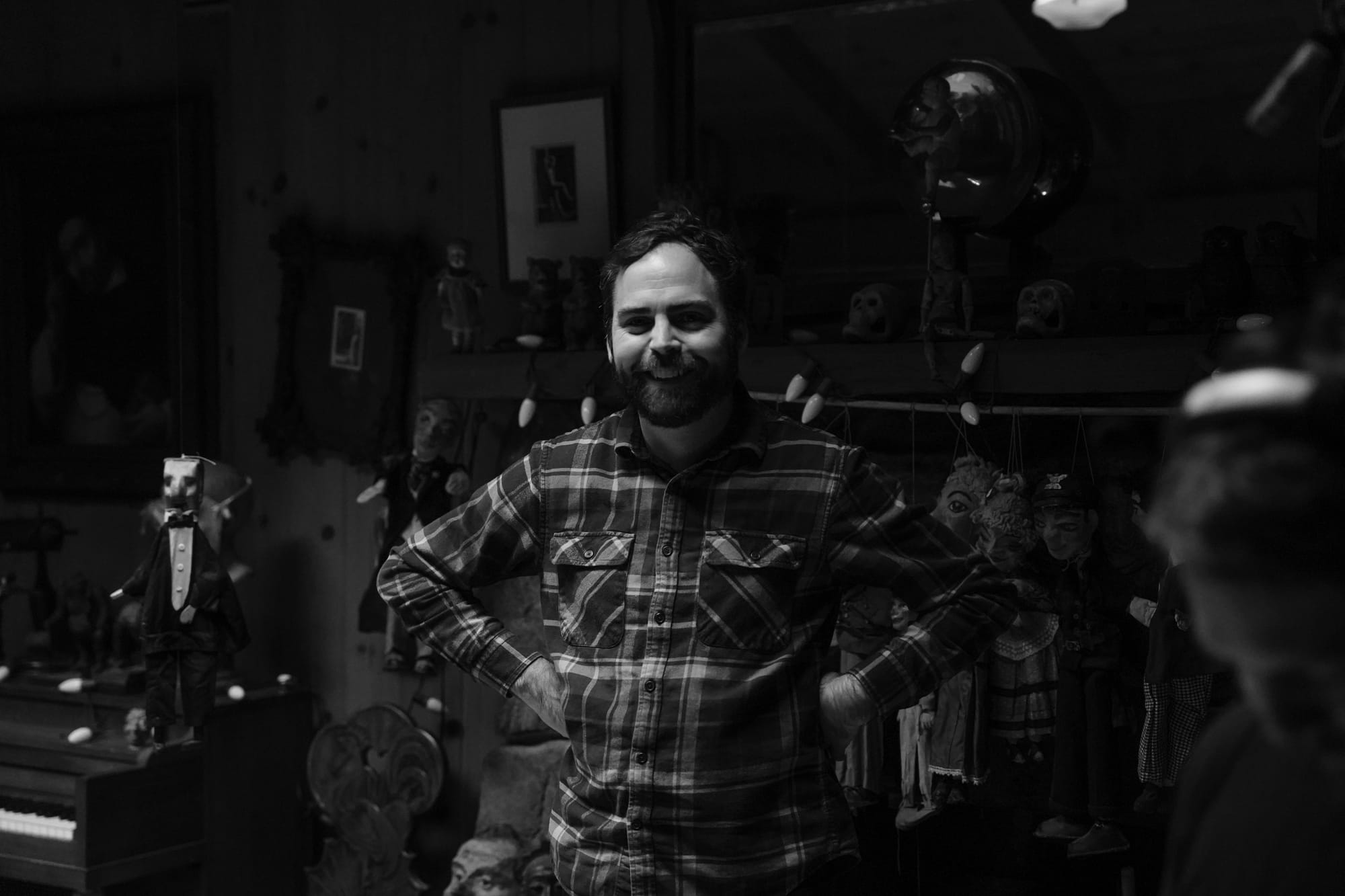
How does your film fit within, or push the boundaries of, its genre or form?
The Avalanche pushes the boundaries of form by being the first film to ever have the aspect ratio slowly descend from 16:9 widescreen to a 1:1 square throughout its entire runtime. These formal choices become part of the storytelling and are designed to make the audience physically feel the world closing in around the characters. At the core of all my work is a desire to balance art and entertainment and create experiences that bypass the conscious mind, making audiences feel something before they understand it. I hope those feelings then spark conversations about what the experience means.
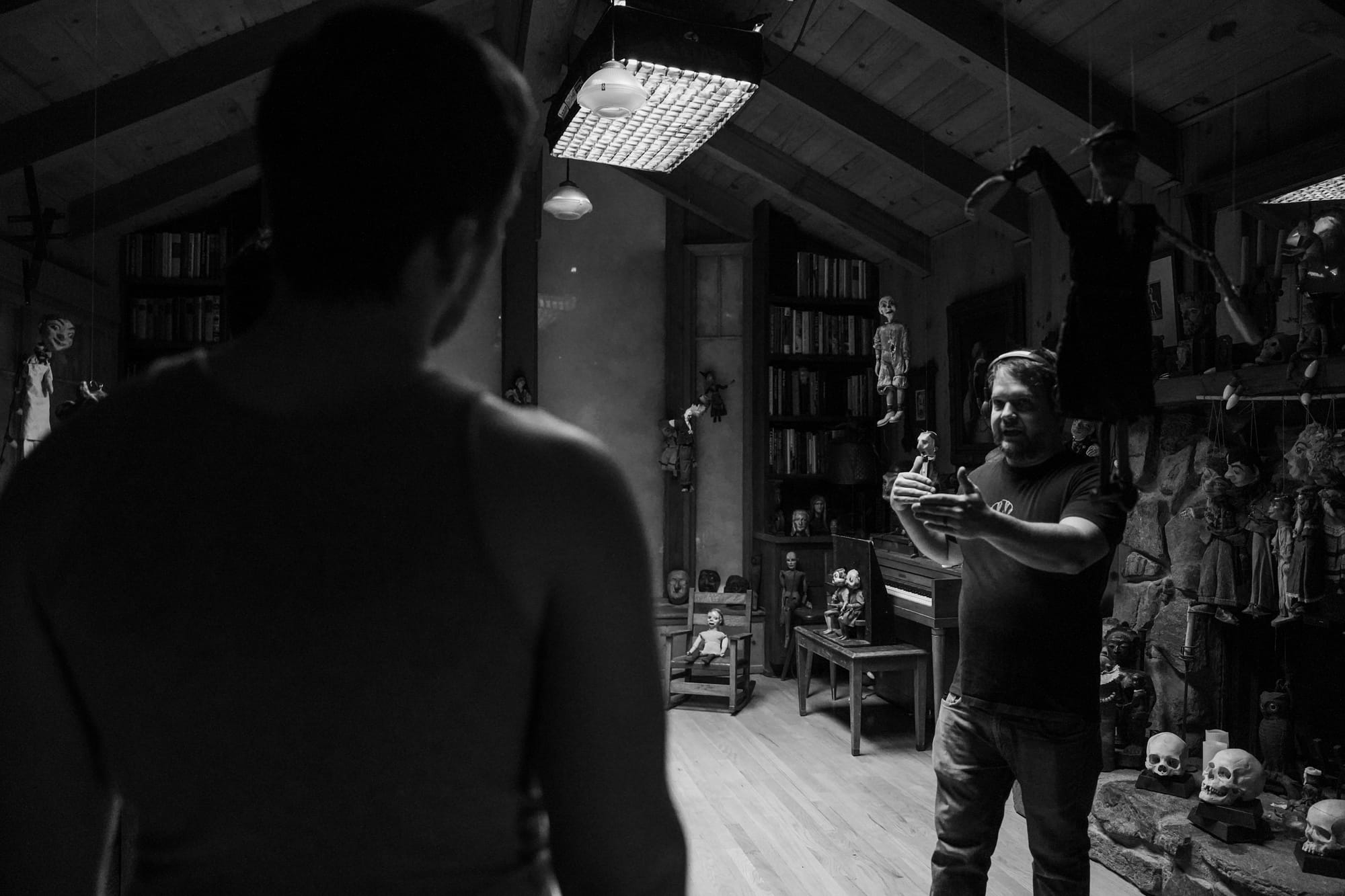
What tool, technique, resource, collaborator, or mindset shift helped most during production?
As someone who had only made shorts before this, the biggest resource was having the time to rehearse and develop the material with the actors. I was fortunate to work with actors who were grateful to have the ability to suggest things, rewrite things, and take ownership of their characters. That collaborative process taught me how much stronger a film can become when you give the people making it the space to contribute creatively, and that extends out to the rest of the crew as well.
What is the greatest strength of independent filmmaking, how did you lean into it on this project, and what lesson would you share with others?
Because this was a self-funded film, I gave myself permission to be completely myself, knowing I might never get this opportunity again without the possibility of the film being watered down by others in the making. I wanted to use that freedom to make the strangest, most personal version of the film I could. The lesson I would share with other independent filmmakers is to take advantage of the freedom you have while you have it, and go make your first feature as soon as possible.
What does it mean to have your film selected for FilmQuest, and where do you see the film going next?
FilmQuest feels like the perfect home for our world premiere. There's an underground, DIY spirit to the festival that feels very aligned with the kind of film we made. Jonathan and his team have been incredibly thoughtful and supportive throughout the process. It feels like a place where filmmakers and their work are genuinely cared for, and I'm really excited to finally share The Avalanche with that community and beyond.
I hope the film continues its festival journey around the world. Not only so I can travel, but hopefully so the film finds audiences and filmmakers who connect with its brand of surreal, experimental genre filmmaking. I'd love for it to open doors for my two spiritual sequels to complete the Divine Comedy trilogy and reach people who might not otherwise seek out an independent film like this. I have three scripts ready to go, and making The Avalanche has definitely made me want to continue pushing into surreal, psychologically driven stories. At the same time, I'm considering a fourth script that is more contained like this film. The other projects are more ambitious, so I'm trying to be realistic about what makes sense for a sophomore film while still creatively challenging myself.
Main Cast & Crew
- Alex Essoe (Zoey) — Canadian actress known for her work in horror, including her breakout lead role in Starry Eyes. She has appeared in Doctor Sleep, Midnight Mass, The Haunting of Bly Manor, The Pope's Exorcist, and The Fall of the House of Usher.
- Lou Taylor Pucci (Benny) — Award-winning actor known for Thumbsucker, for which he won the Sundance Special Jury Prize and the Berlin Silver Bear for Best Actor. He also starred in Evil Dead, Spring, and Touch Me, along with the series You, American Horror Story, and Physical.
- Johnny Coffeen — Writer/Director/Editor
- Evan Zissimopulos — Cinematographer
- Jamie Parslow — Producer
- Shane Brady — Co-Producer
- Emily Zercher — Co-Producer
- John Frame — Production Designer
- Andrew Scott Bell — Composer
- Ryan Hatton — Sound Designer
- Roger Nall — VFX
- Bianca Appice — Creature Makeup
Filmmaker Opportunities
💛 Fund your next project with fiscal sponsorship
Have a project in the works? As a 501(c)(3) nonprofit, the Cinematography for Actors Institute can accept tax-deductible donations on your film's behalf — a door-opener for grants, foundations, and supporters who want to back your work. We've serviced over 100 projects to date and helped route over $800,000 in funding to filmmakers. Explore fiscal sponsorship →
📬 Grant deadlines and festival opportunities, straight to your inbox
The CFA newsletter rounds up grants, festival calls, and community news for independent filmmakers — the kind of opportunities that are easy to miss and painful to miss. Join the newsletter →
🎬 Focus on the creative — we'll help with the logistics
Production Management, CFA's newest member program, launches this November: production insurance and workers' comp, payroll, film permits, gear rental coordination, SAG-AFTRA compliance, contract drafting, production consulting, and crew recommendations — handled by a team of working filmmakers, à la carte or all in, in partnership with Creative Access Group. It's waitlist-only until launch. Join the waitlist →
League of Filmmakers is published by our parent organization, the Cinematography for Actors Institute — a 501(c)(3) dedicated to education, community, and capital for underrepresented filmmakers and actors. Learn more about CFA →