Table of Contents
This past July, Happy Gilmore 2 came out on Netflix, and, I am ashamed to admit, I had never seen the original. My parents on the other hand, grew up in the golden era of Adam Sandler movies – my dad kept the 3 pack "Adam Sandler DVD Collection" in our living room growing up. I am, however, a huge Eminem fan, and knowing he had a cameo in the new film meant I had to watch. But first, I called the toughest critic I know, my mom. Just to hear her thoughts on the sequel...
She loved it. She told me I have to watch the original and then see the sequel ASAP. Then, she insisted that Adam Sandler movies are a staple, something that she doesn't think our generation has grown up appreciating the way one should. I took it upon myself, after our conversation, to unpack exactly what that meant.
Embed from Getty ImagesThe Early Years
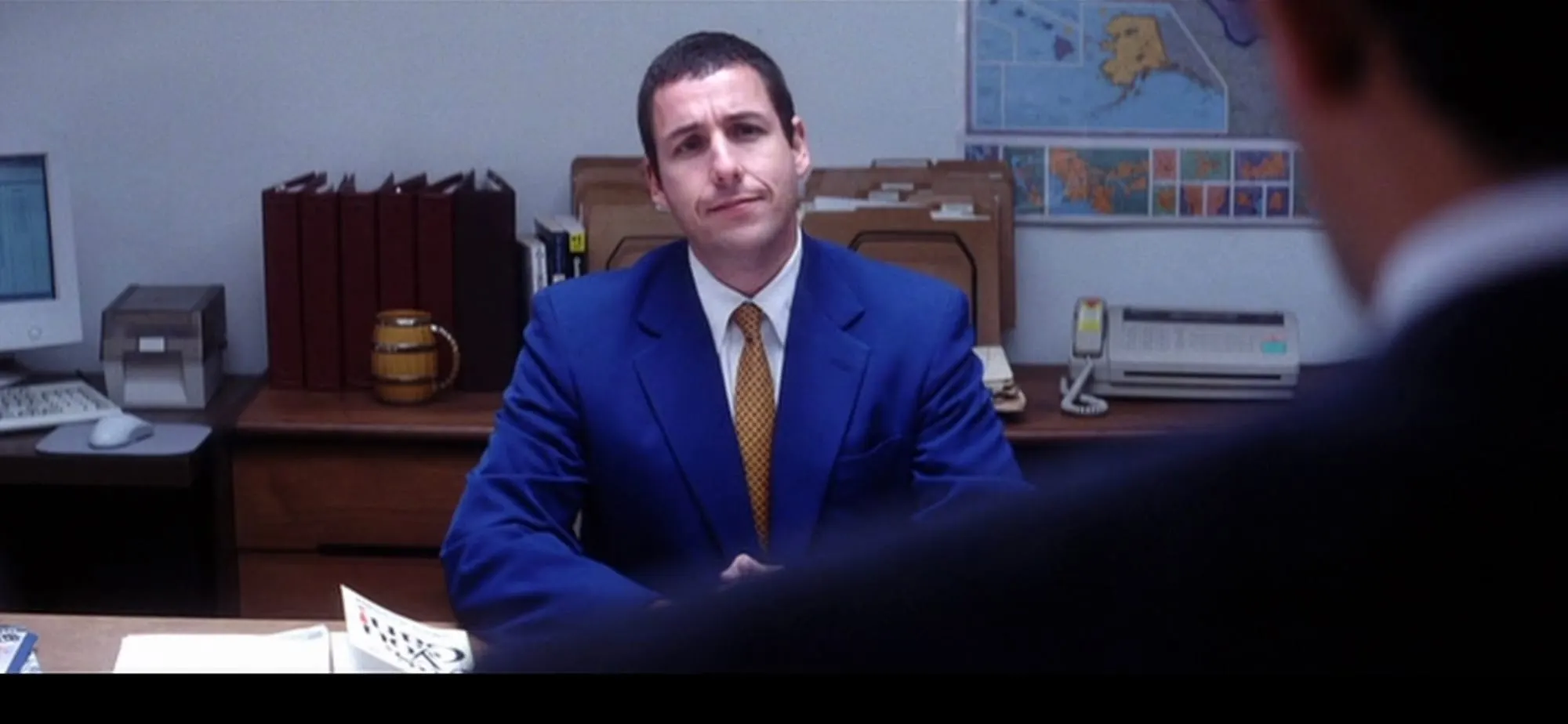
Most people, from a wide range of age groups, know who the great Adam Sandler is, even if only because he's become a popular spirit week dress-up theme. Adam Sandler got his start in stand-up comedy at just 17 years old. You won't find it hard to believe, he was a theater kid. He was studying at NYU's Tisch School of the Arts when he was discovered by Saturday Night Live cast member Dennis Miller. Not long after, he joined the 1990 cast of SNL, first as a writer, then as a full-time cast member. He became known for his goofy holiday, musical comedy bits like The Hanukkah Song and the Mother's Day Song. When he left SNL in 1995, he starred in his first staple film Billy Madison.
In case you haven't seen it, here's the plot: Billy Madison, a lazy and immature heir to a hotel fortune, must redo grades 1 through 12 in order to prove he’s capable of taking over his father’s company. Along the way, he faces hilarious school challenges, clashes with a rival executive, and learns responsibility—and even manages to win the heart of his teacher.
This project launched his film career and established his specific type of comedy. His absurd, foolish, and sometimes pitiful humor became his trademark. His films are what a modern critic would describe as fluffy, predictable, and surface-level. But is that so wrong?
A New Era of Laughs
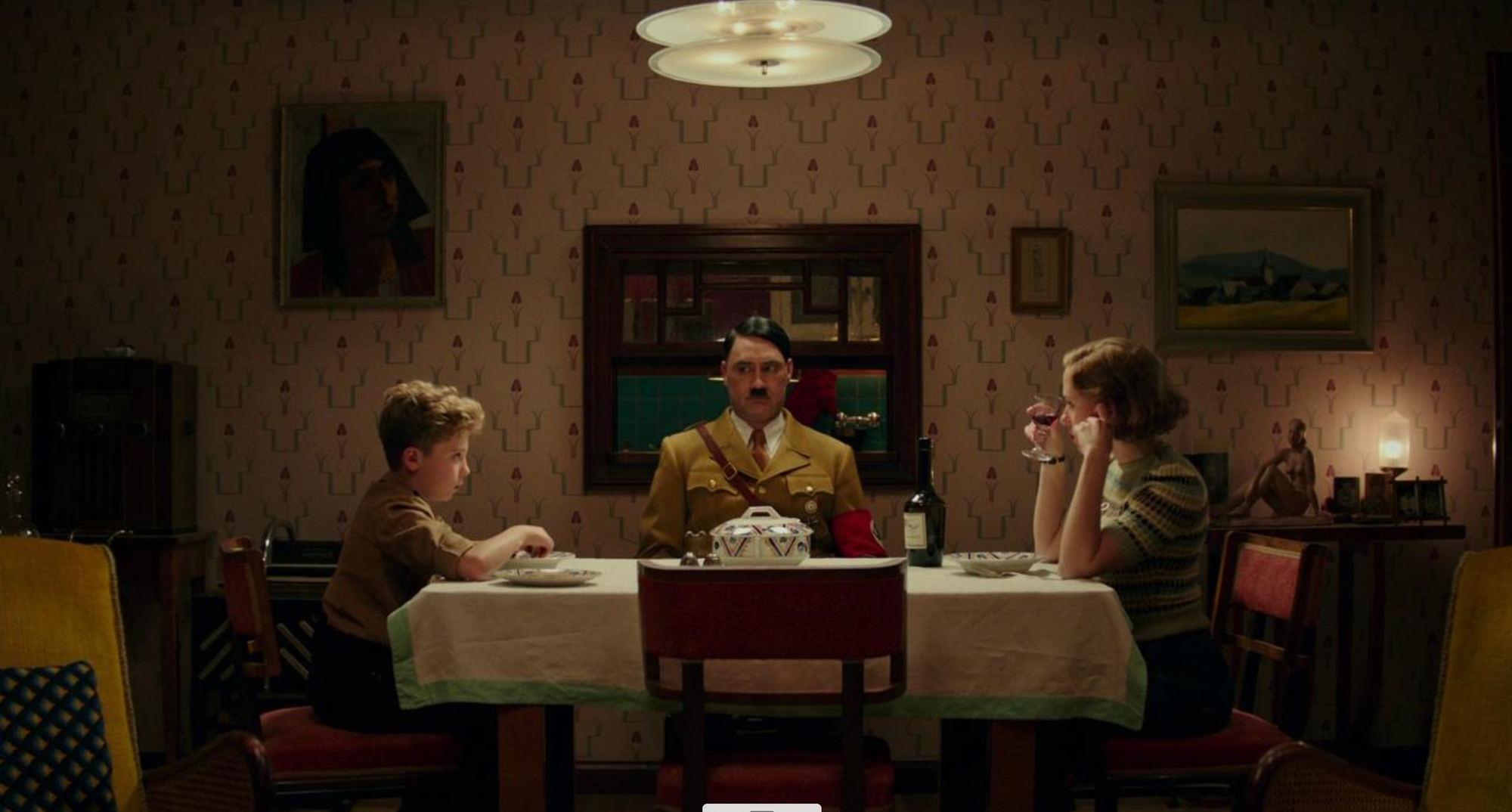
If we look at today's comedies, most of them are taking a different approach and diverge, in many ways, from Sandler's style. Tonally, modern comedies are often cynical, self-aware, and morally ambiguous. Take 2013's The Wolf of Wall Street, featuring a morally corrupt lead whose antics are funny but uncomfortable. Or Jojo Rabbit 2019, following a lonely German boy in World War II whose imaginary friend — Adolf Hitler — forces him to confront his blind nationalism when he discovers a Jewish girl hiding in his home...how would you say the depth of that movie compares to Sandler's The Waterboy 1998?
Many comedies from this era have a certain edginess and take risks when it comes to political/controversial topics. Take, for instance, the comedic series Fleabag, filled with dark, awkward humor about taboo topics like sex, religion, and dysfunctional families. Modern comedies lean on sharp dialogue and situational humor. Whereas Sandler's films were full of physical comedy, slapstick jokes, and silly voices, more reminiscent of classical comedies like Abbot and Costello and The Three Stooges.
The Heart in the Humor
Embed from Getty ImagesI think the greatest factor of Sandler's movies, that modern comedy has somehow lost hold of, is sentimentality. Sandler's films, though incredibly funny, always had a heartfelt/feel-good theme. Take his film 50 First Dates starring Drew Barrymore. While filled with plenty of goofy jokes and oddball characters, at its core it's a sweet love story about a man who falls for a woman with short-term memory loss; he devotes himself to making her fall in love with him every single day. That mix of heartfelt devotion and lighthearted humor is just one example of the way Sandler’s comedies often balance ridiculous premises with genuine emotion, something most modern comedies rarely attempt. It would have seemed out of place if at the end of The Hangover 2009, the boys find Doug wandering in the desert at sunrise and, instead of rushing home, they sit together watching the sun come up, deliberating on how much they need each other... it's just not right.
In today's climate, with all the negativity we're exposed to through the media and the news, it would do us a lot of good, as a society, to revisit the lost art form of Adam Sandler movies – roll credits. Maybe it’s time to dust off those old DVDs, embrace the absurdity, and let a little Adam Sandler magic brighten our screens again. Or, perhaps it's time that filmmakers today try reheating Billy Madison's nachos and revive the heartfelt comedies. These films that take almost no effort to digest, you can watch them with little to no brain power and still laugh. After all, there’s something comforting about a movie that doesn’t require overthinking—where slapstick, silly voices, and a touch of sentimentality can make you genuinely smile. Revisiting these films reminds us that laughter doesn’t always have to be complicated, and sometimes the simplest, goofiest moments leave the longest-lasting impression. In a world that takes itself so seriously, maybe we all need a little more Sandler-style joy.