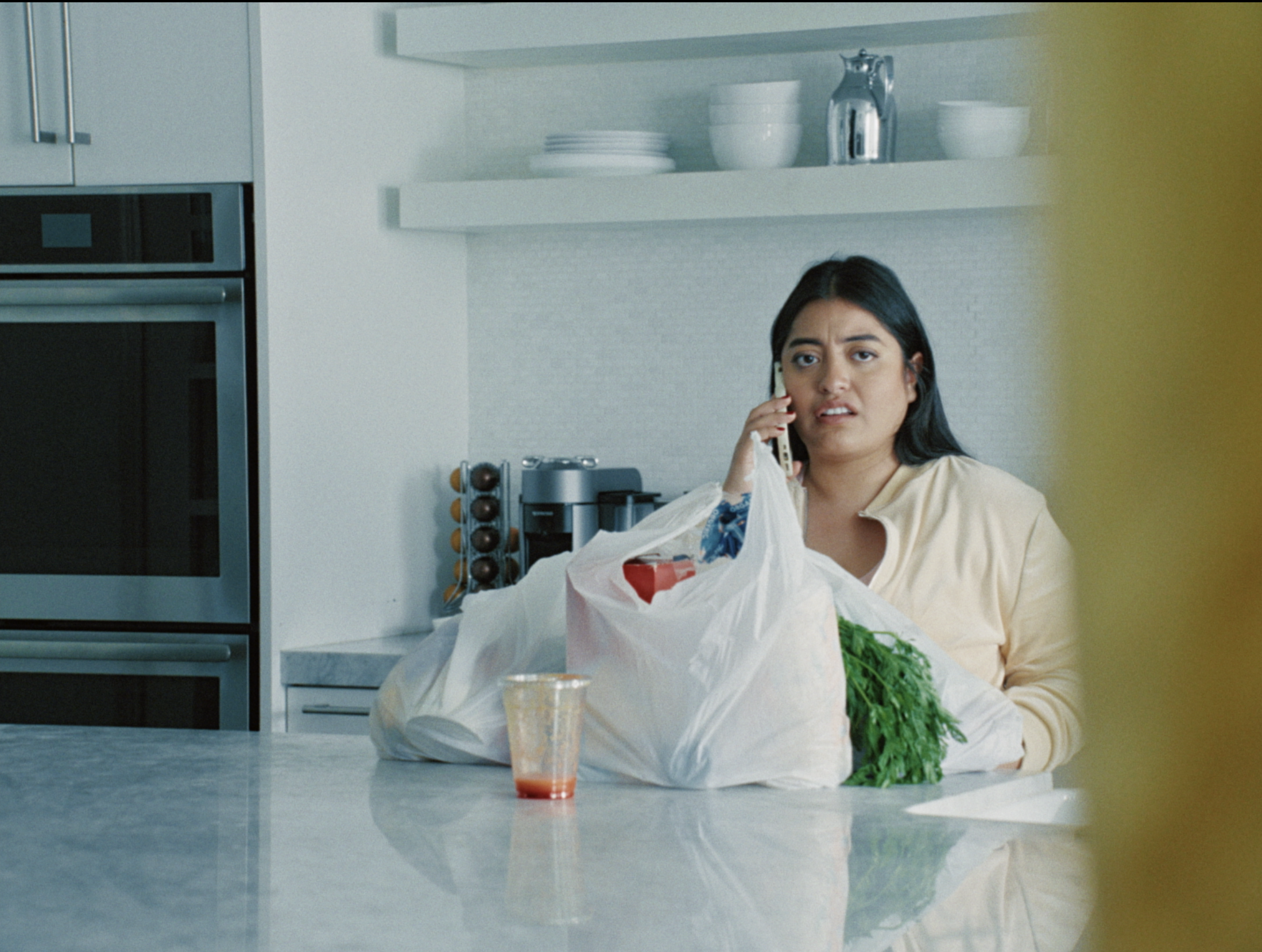
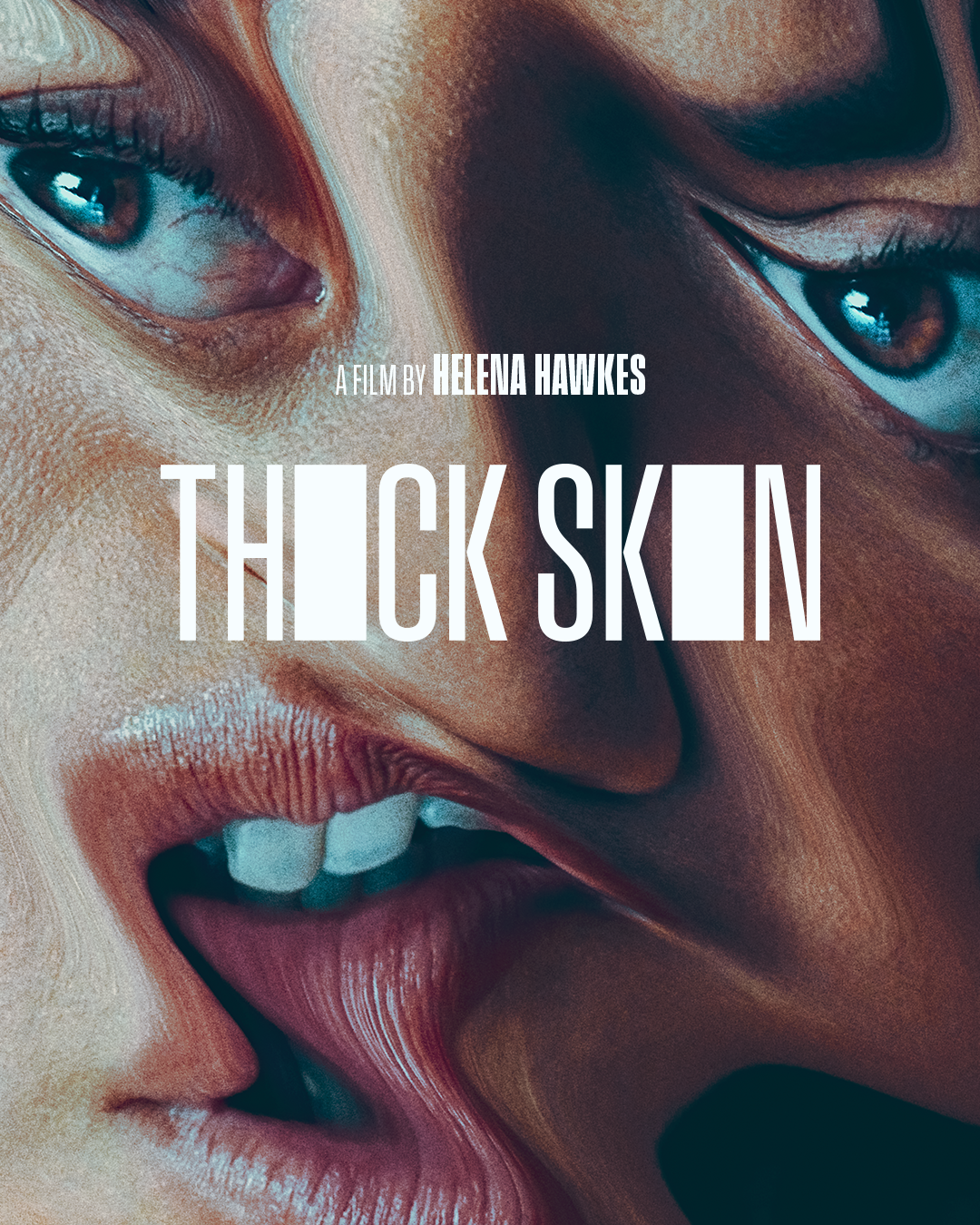
A Hispanic woman spirals into a violent confrontation with her own body as her obsession with controlling it begins to consume her from within, triggering a grotesque physical transformation. That's the logline for Thick Skin, but the film's real engine is quieter and closer to home: Helena Hawkes wrote it during a period when body dysmorphia and restriction were present in her daily life, and for a long time she was afraid the story would expose too much of her.
Developed through the No Drama program from Universal and Jordan Peele's Monkeypaw Productions — where filmmakers were prompted to take a fear and turn it into a monster — Thick Skin grants physical form to shame, hunger, and shifting self-perception. Hawkes, directing for the first time, built the film around Keyla Monterosso Mejia as Ari and Courtney Eaton as Ira, and shot the whole thing in two days.
Key Takeaways
- Thick Skin was made through Monkeypaw's No Drama program, which asked filmmakers to turn a personal fear into a monster.
- Hawkes wanted a meal, a yellow dress, and a mirror to carry as much terror as knives and blood.
- When the storyboarded ending became impossible on a two-day shoot, a single improvised push-in became the film's most effective shot.
Hawkes spoke with us about writing from a private place, what her actors found that she hadn't, and why the thing that scares you about your own idea may be the thing worth protecting.
Interview
What drew you to make this film, and why this story, why now?
I had always wanted to make a film like Thick Skin, but I was afraid it would expose too much of myself. The story grew out of my experience with body dysmorphia and restriction, and I wrote it during a period when those struggles were particularly present in my life. Eating, looking in a mirror, or seeing a photograph of myself could feel terrifying. I struggled to explain that fear, and for a long time, it felt safer to keep those thoughts private. Eventually, I thought: if these fears are powerful enough to make me afraid of sharing them, perhaps they could frighten and resonate with people who know what it feels like to live this way. That possibility gave me the courage to tell the story.
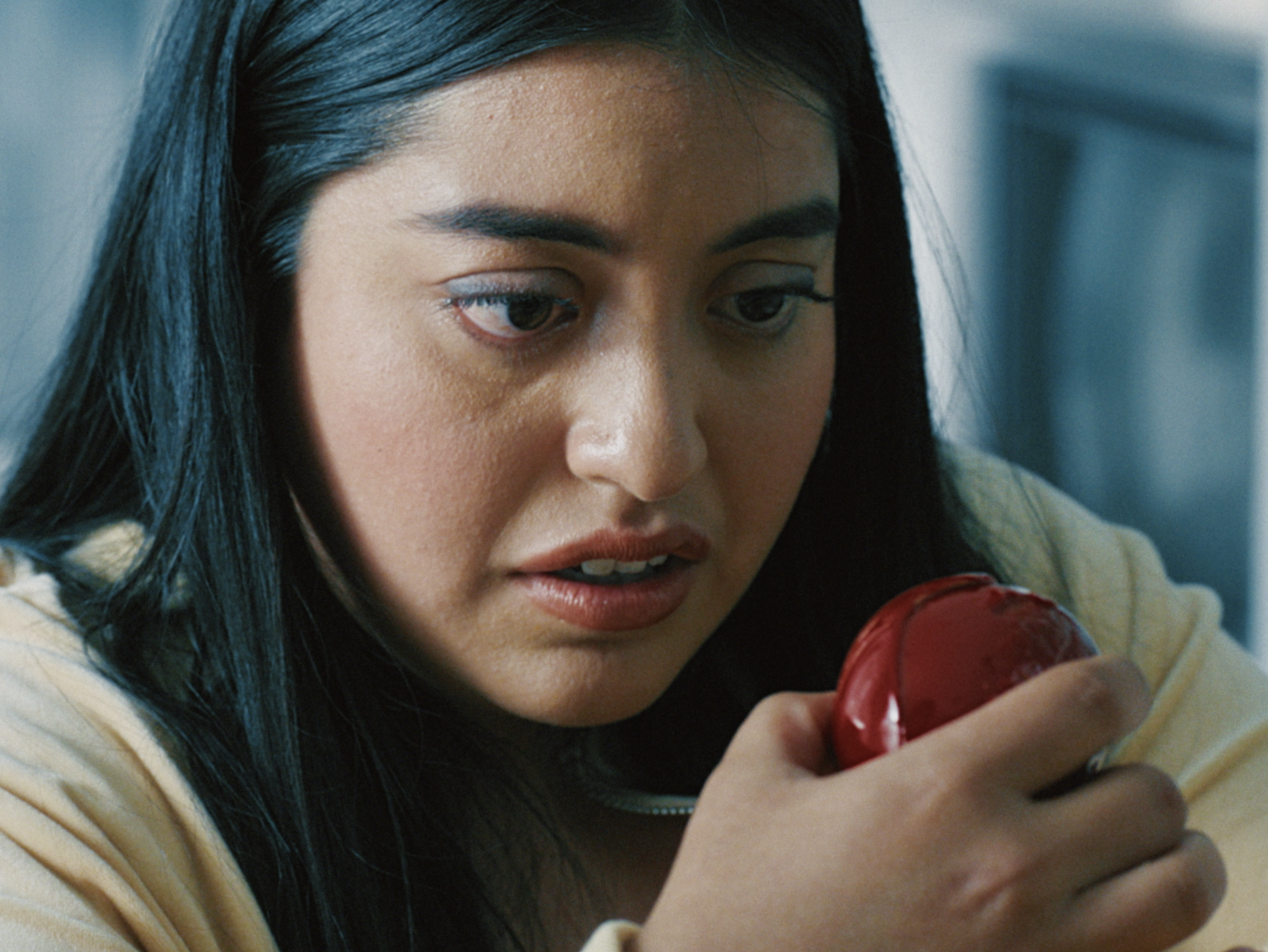
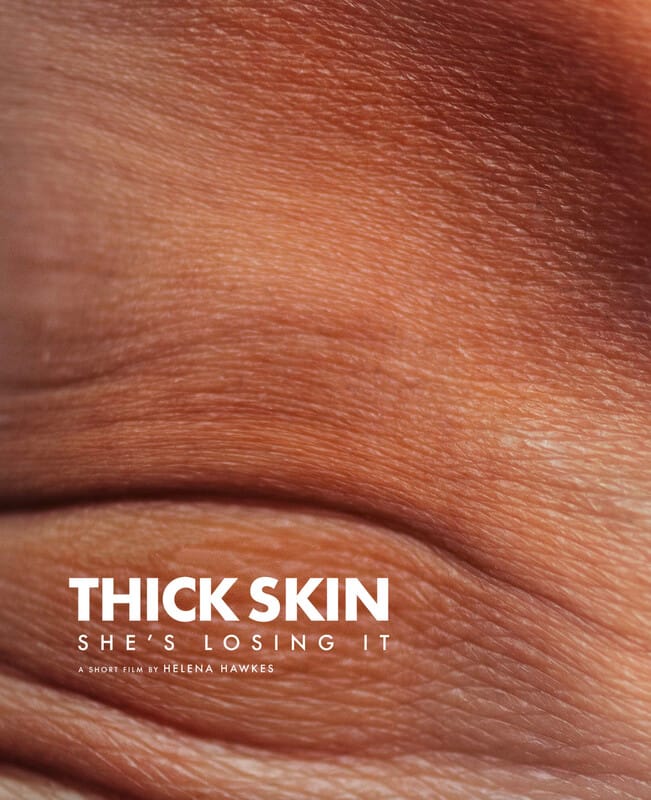
In 2024, I was selected for the No Drama program from Universal and Jordan Peele's Monkeypaw Productions, where we were prompted to take a fear and turn it into a monster. Through Ari, I could give physical form to the shame, hunger, and shifting self-perception that had shaped my relationship with my body and food. I wanted something as mundane as calorie counts to become jump scares, and a meal, a yellow dress, or a kitchen mirror to hold as much terror as knives and blood. These ordinary things had become measures of my worth. Horror gave me a way to express how that felt, and to explore how other people's expectations become an inner voice we trust even when it holds a knife to us.
When I began, I didn't anticipate how sharply the culture would turn toward thinness again in the age of Ozempic. There's more pressure than ever to not only be visible but be visible in a way that people deem acceptable, and if not you must cut yourself into someone that takes up less space. That is why this story feels especially urgent to me now. I know what it feels like to believe that love is waiting on the other side of a different body. Making Thick Skin meant allowing people to see something I had kept private out of shame, and trusting that there could be a connection in that vulnerability.
What surprised you most about the filmmaking process, creatively or logistically?
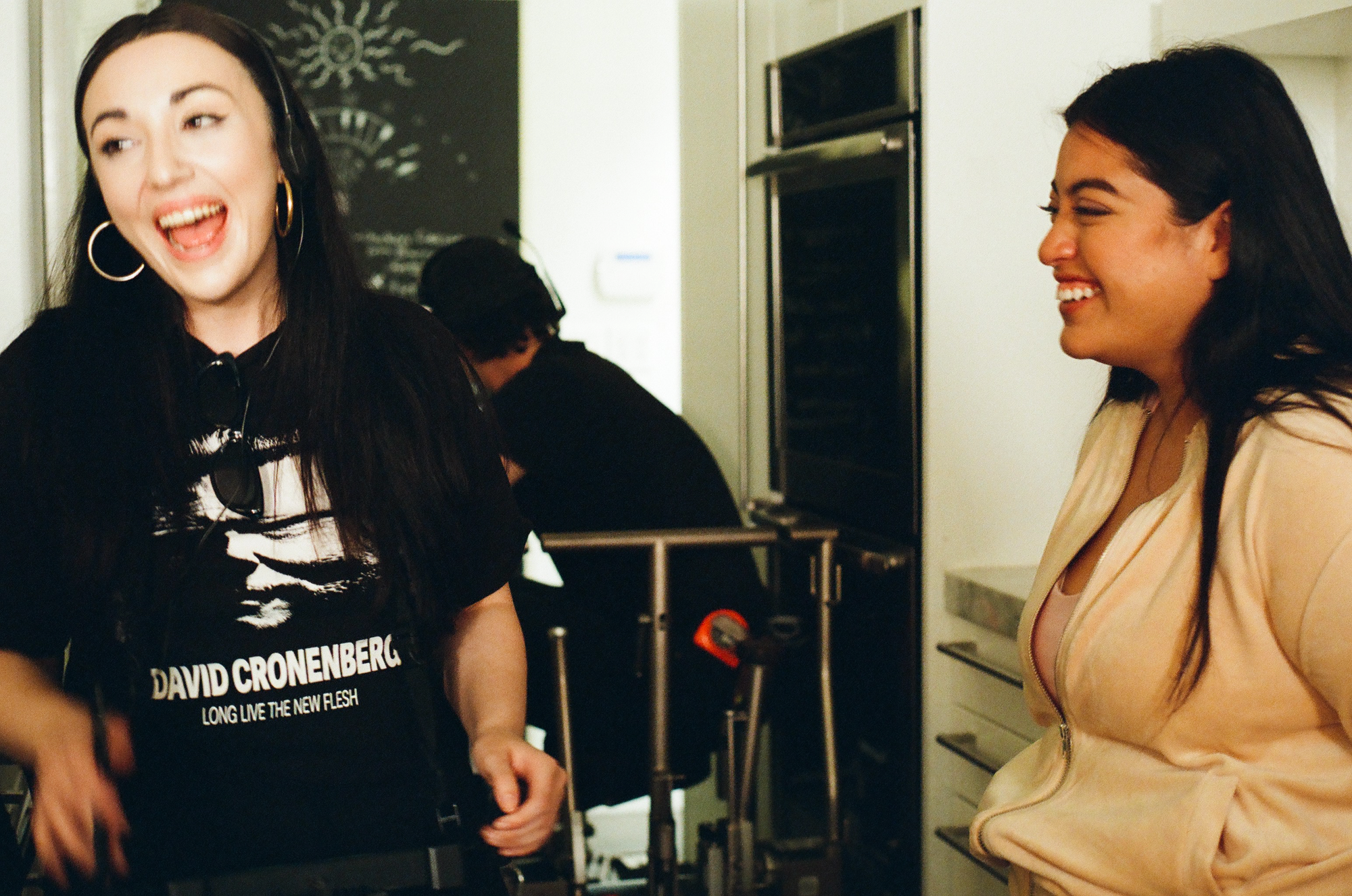
What surprised me most was how much Keyla and Courtney revealed about a story I thought I knew so intimately. This was my first time directing and collaborating so closely with actors, and I was thrilled by the ways they continually surprised me. I had written the film from a very private place, and watching them inhabit these characters broke the story open in ways I couldn't have anticipated. I found myself wishing I had written more pages just to spend more time with their performances.
Keyla brought Ari to life with her incredibly expressive eyes and so much heart, then made everyone laugh between takes. She approached the subject matter with such care while I was, and still am, learning to navigate its nuances. I'll never forget everyone on set crying and cheering after her takes of our key climactic scene. She made us feel what Ari was feeling in such a raw way, and watching her, I understood how much of the film's horror depended on that emotional connection. The bravery it took to expose herself and make herself so emotionally vulnerable gave the scene a depth I couldn't have put on the page.
Courtney brought a compassion to Ira that surprised me just as much. She found tenderness within their painful dynamic and helped me see how closely care and cruelty can become intertwined, especially in how we treat our own bodies. They were the perfect alchemy for this story, and I can't imagine having made it without them.
What moment in the film feels most like you, or like something only you could have made?
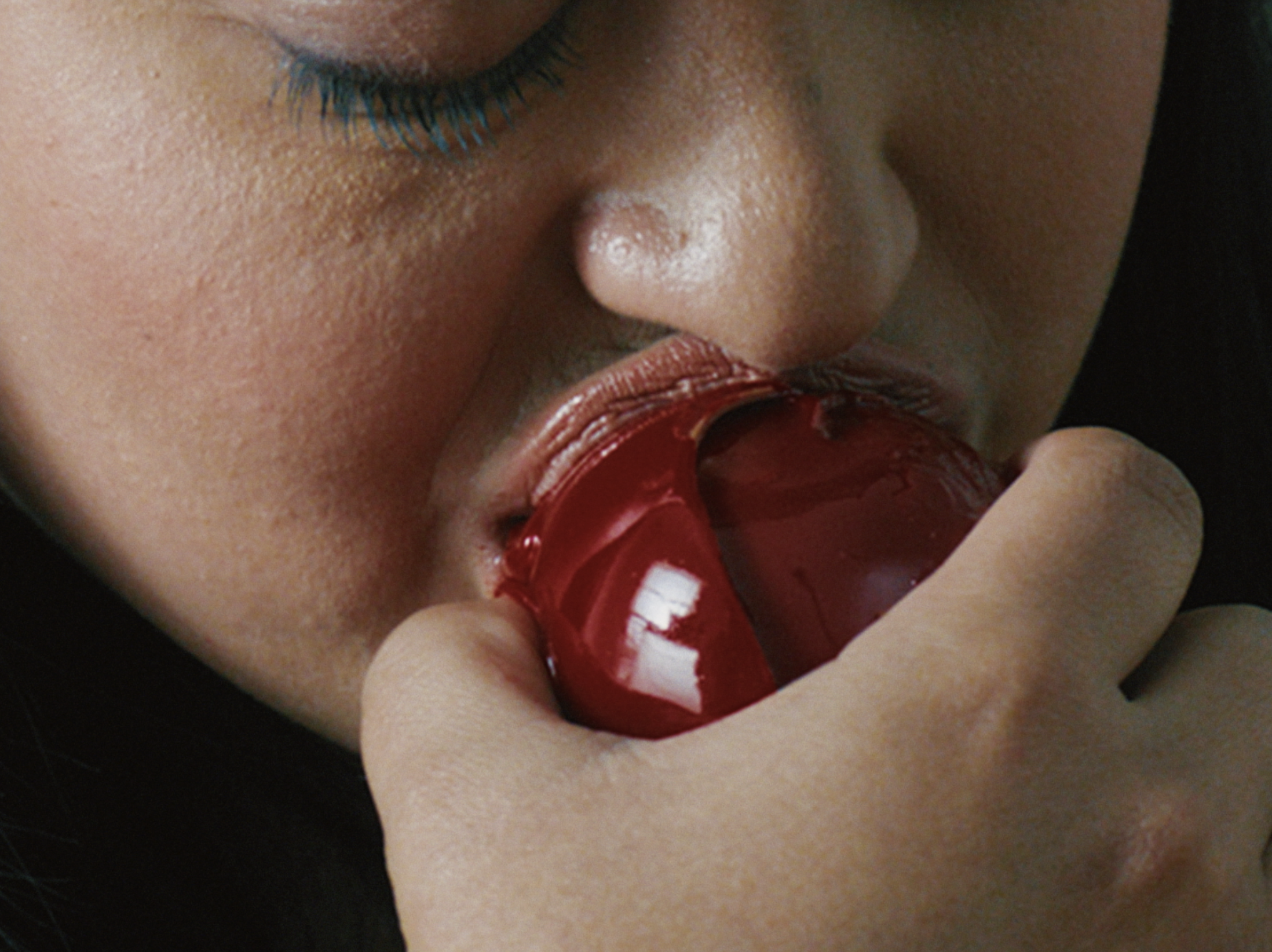
The entire piece is me. From covering mirrors and trying to avoid my reflection, to measuring my wrists and collarbones, all the way down to being force-fed, every aspect of this film is a heightened horror version of something I've experienced and decided to channel into art. Even the smallest gestures come from a very personal place: the checking, the bargaining, the way an ordinary meal can become a confrontation with yourself. Turning those experiences into horror gave me a way to express what I had struggled to confront constantly.
What was the hardest creative decision you made while making the film?
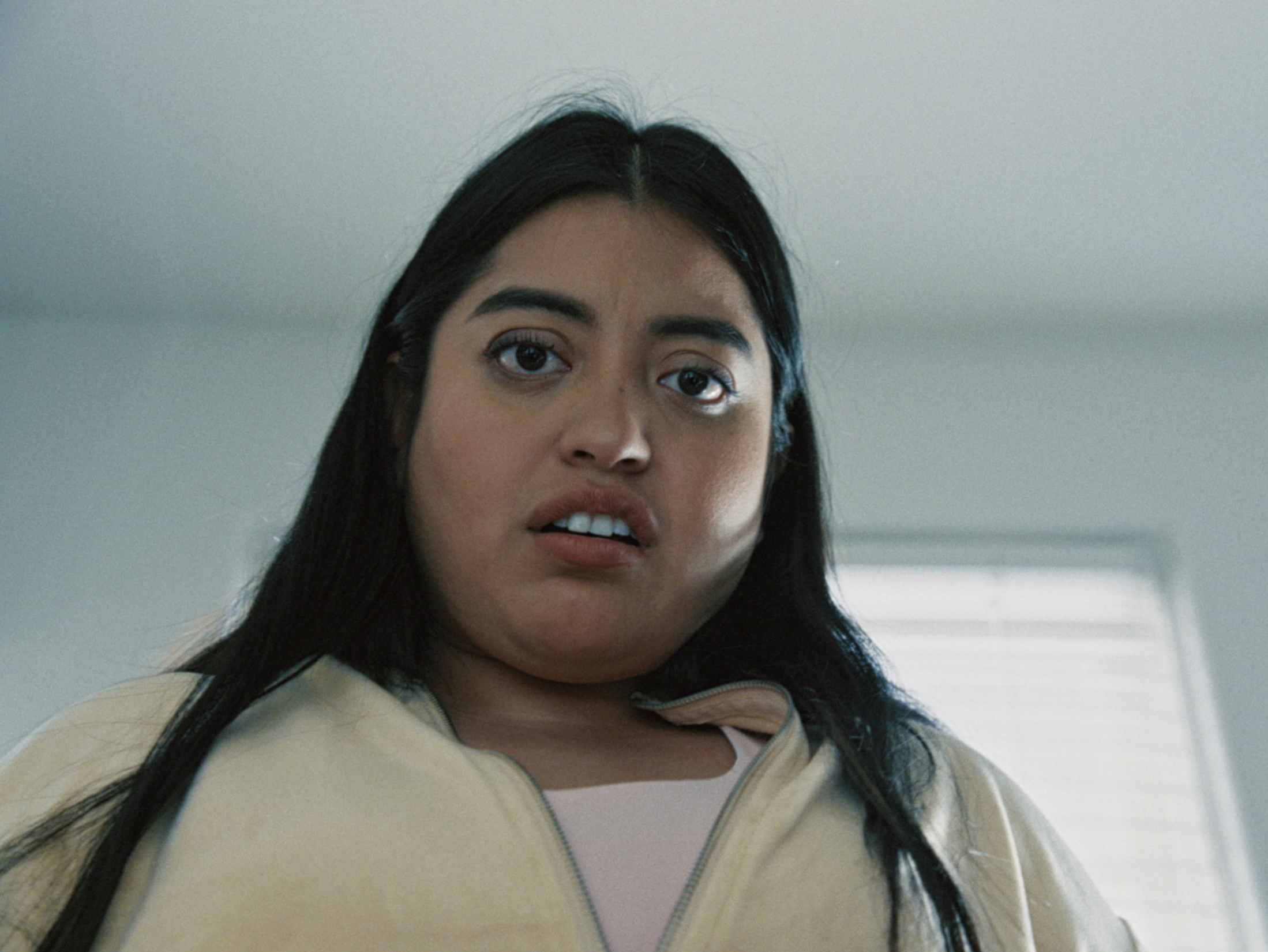
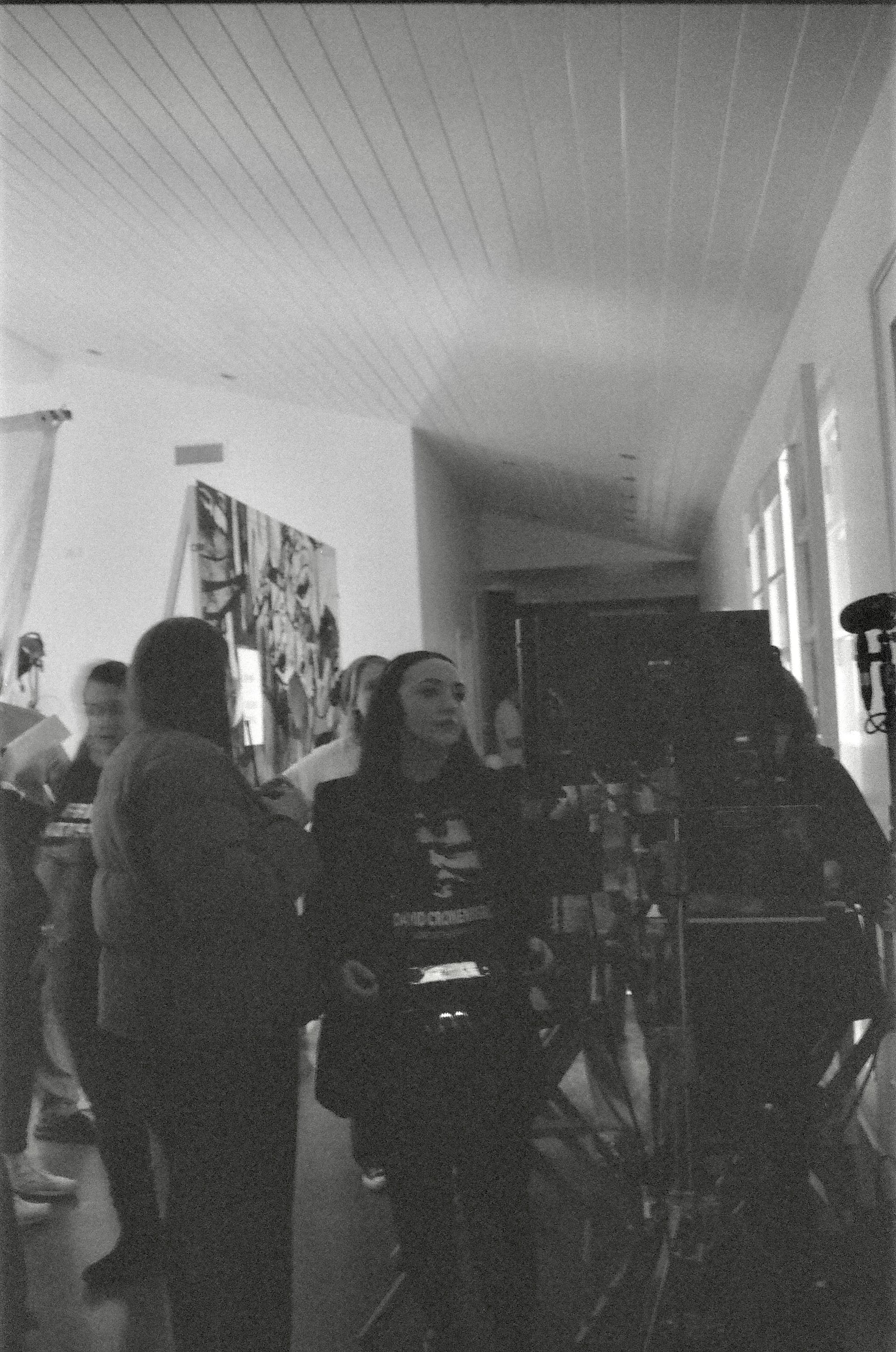
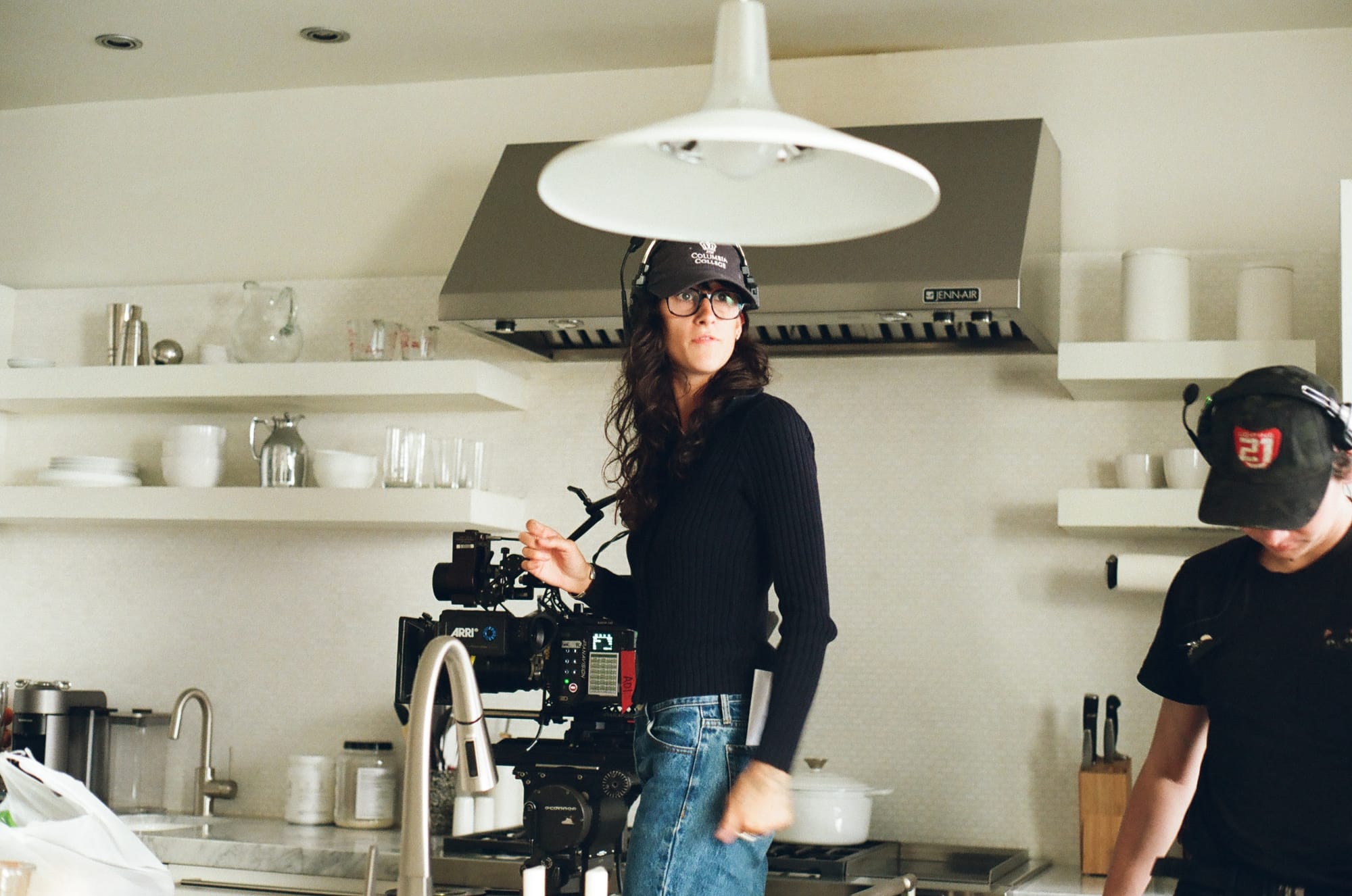
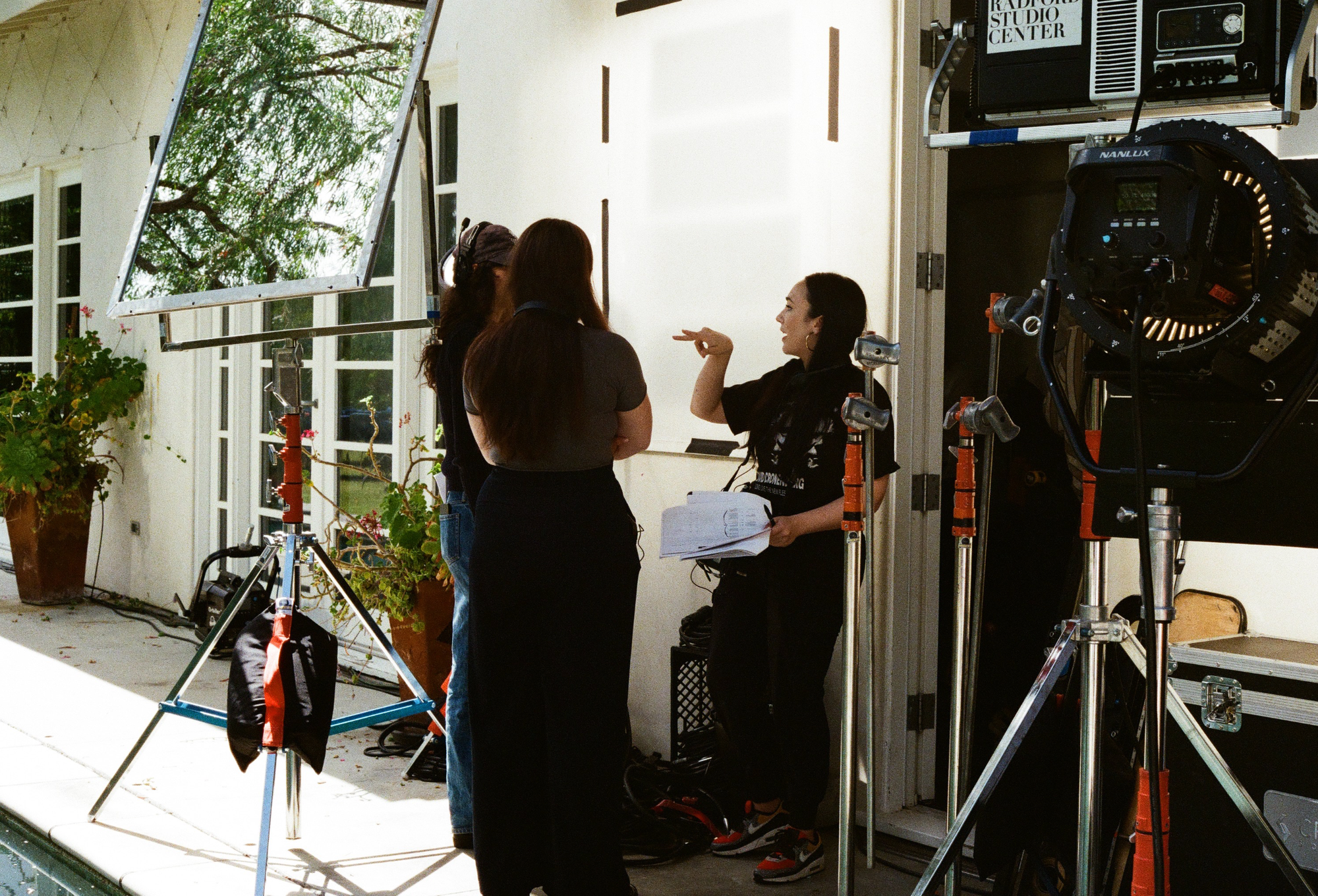
Making movies means constantly making tough creative decisions, especially when you have only two days to shoot, as we did, and you're directing for the first time. One of the biggest challenges was learning to accept that uncertainty, then realizing it's something I love about the process.
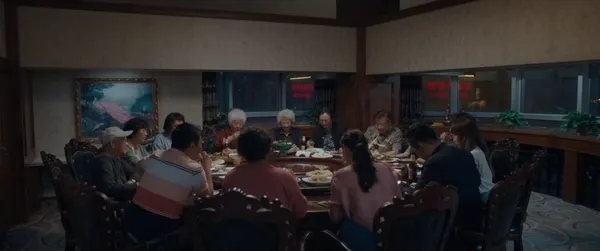
The toughest decision came when we ran out of time to shoot the ending reveal as planned. I had an elaborate sequence storyboarded, but suddenly I had to decide on the spot what single shot could set up the final "DINNER" reveal. I went with one long push in on the mom and nana, which ended up being far more effective than anything I had planned. I had to trust my gut and draw on what I love about other movies on the fly and on stolen time. Thank you, Ari Aster, for being top of mind. I definitely ripped you off there.
What tool, technique, resource, collaborator, or mindset shift helped most during production?
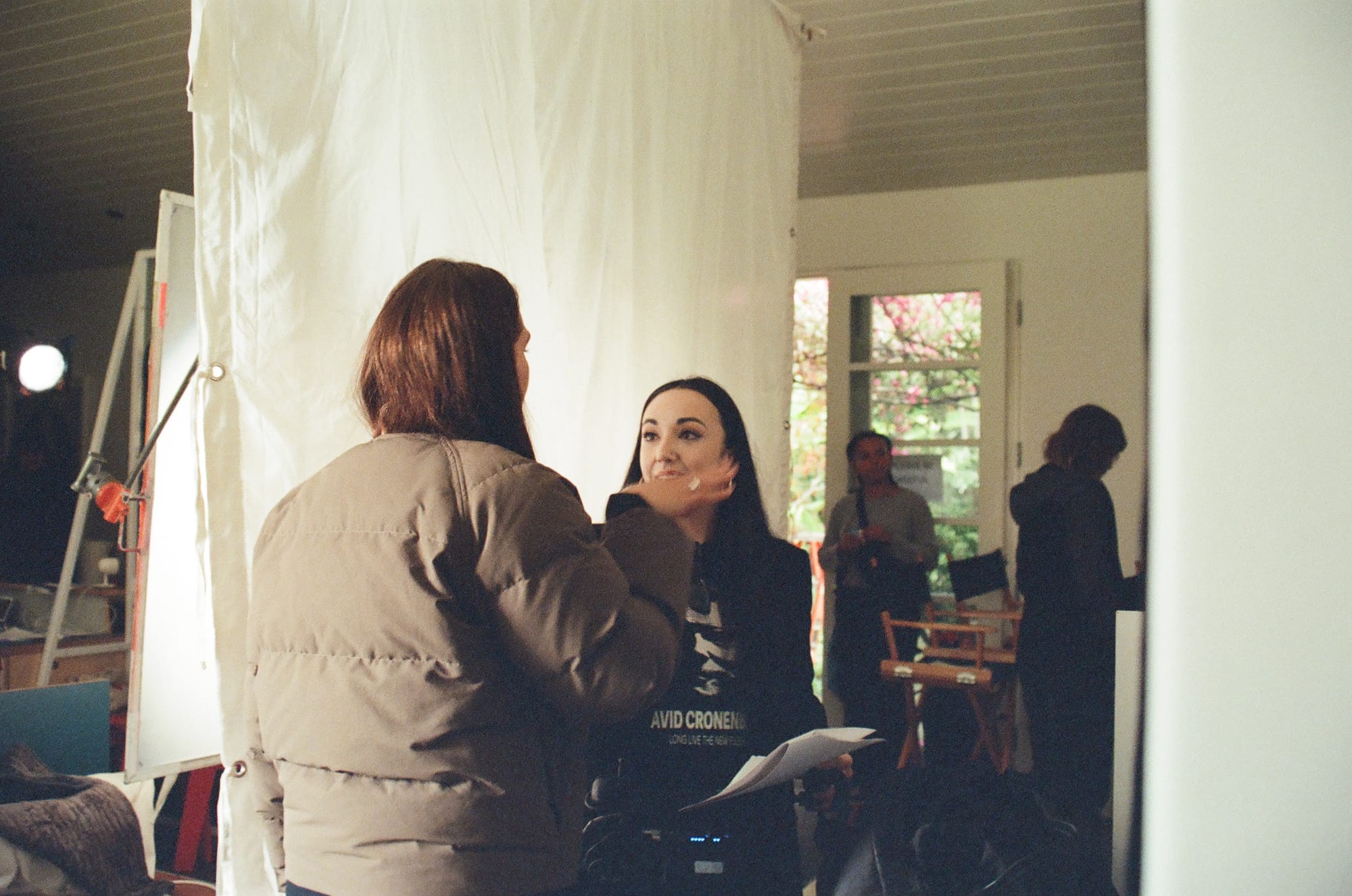
The most valuable resource was the people around me. Chris Rosati, Emma Buerklin, Kacie Lehner, Kesila Childers, and the Monkeypaw team were there to collaborate every step of the way. As a first-time director, I felt supported enough to ask questions, work through uncertainty, and make bold choices.
That changed how I understood directing. I didn't have to arrive with every answer. I needed to know what mattered to me about the story and be open to how other people could help bring it to life. Those relationships have continued beyond Thick Skin, and we've collaborated more since. Having people I trust creatively has made me more confident about the work I want to make next.
What is the greatest strength of independent filmmaking, and what lesson would you share with others?
The greatest strength of independent filmmaking is that big, original ideas can be shepherded into existence without being diluted to satisfy shareholders. There's freedom to take risks and protect the parts of a story that make it unfamiliar, uncomfortable, or difficult to sell. That includes letting characters be unlikable. That's why I'm such a fan of Kristoffer Borgli's work. I love how he walks that line between making you recoil from a character and recognize something of yourself in them.
With Thick Skin, I leaned into that by making something deeply personal and allowing it to be as strange and grotesque as the experience felt. My biggest breakthrough was realizing that the material I was most afraid to expose was what gave the film its voice. That's the lesson I'd share: pay attention to what scares you about your own idea. There may be something there worth protecting.
I believe we're going to see an independent film renaissance in the wake of so much consolidation. I'm excited for the big ideas coming from outside the industry, from people who haven't been taught to shape everything around what Hollywood already knows how to sell.
What does it mean to have your film selected for FilmQuest, and where does it go next?
Having Thick Skin selected for FilmQuest means a great deal to me, especially as a first-time director sharing something so personal. There's something reassuring about bringing it to an audience that embraces genre and is willing to follow a film into uncomfortable places. I'm excited to see how people respond, meet other filmmakers, and feel part of a community making bold, strange work. It makes me want to keep creating.
I've already started developing Thick Skin as a feature, and I'm excited to expand its world and explore these obsessions more deeply. I've always been drawn to interconnected, multidisciplinary approaches to storytelling, so I'm also developing a durational performance piece that extends the film's themes, drawing inspiration from Marina Abramović's work. I'd love to present it early next year. The piece would bring the film's questions about the body, visibility, and worth into a physical space, using my own presence to make the audience's gaze and participation part of the work. So if any gallerists are interested, I'm ready.
Main Cast & Crew
- Keyla Monterosso Mejia as Ari (The Studio, Curb Your Enthusiasm)
- Courtney Eaton as Ira (Yellowjackets)
- Violet Smith — Director of Photography
- Matt Toth — Production Designer
- Elena Lark — Costume Designer
- Leland Stuart — Prosthetics Designer / Special Effects Makeup
- Jordan Peele — Executive Producer
Filmmaker Opportunities
💛 Fund your next project with fiscal sponsorship
Have a project in the works? As a 501(c)(3) nonprofit, the Cinematography for Actors Institute can accept tax-deductible donations on your film's behalf — a door-opener for grants, foundations, and supporters who want to back your work. We've serviced over 100 projects to date and helped route over $800,000 in funding to filmmakers. Explore fiscal sponsorship →
📬 Grant deadlines and festival opportunities, straight to your inbox
The CFA newsletter rounds up grants, festival calls, and community news for independent filmmakers — the kind of opportunities that are easy to miss and painful to miss. Join the newsletter →
🎬 Focus on the creative — we'll help with the logistics
Production Management, CFA's newest member program, launches this November: production insurance and workers' comp, payroll, film permits, gear rental coordination, SAG-AFTRA compliance, contract drafting, production consulting, and crew recommendations — handled by a team of working filmmakers, à la carte or all in, in partnership with Creative Access Group. It's waitlist-only until launch. Join the waitlist →
League of Filmmakers is published by our parent organization, the Cinematography for Actors Institute — a 501(c)(3) dedicated to education, community, and capital for underrepresented filmmakers and actors. Learn more about CFA →