Fjord is not an easy watch; in fact, it wants to make you uncomfortable.
This is a film that I am admittedly interested in observing the wide reaction to. It is undeniably and unapologetically political in a way that sparks interesting, needed, and nuanced discussions. What director Cristian Mungiu is proposing in this work is the pitfalls of progressivism. When I say this, I don't believe that the film is a bastion for modern conservatism (please see 4 Months, 3 Weeks, 2 Days), but a reflection of the current political climate.
Mihai Gheorghiu (Sebastian Stan) is an immigrant from Romania who moves to his wife's (Renate Reinsve) remote Norwegian hometown with their large family. The Gheorghius are a normal family; sure, they happen to be devoted Evangelicals, but normal regardless. Their oldest children (Vanessa Ceban, Jonathan Ciprian Breazu) soon begin to sneak out of the house with their new friend and neighbour (Henrikke Lund-Olsen) and come home with bruises on their bodies. The parents are accused of abuse and have the children taken away, starting off a long and tedious legal battle.
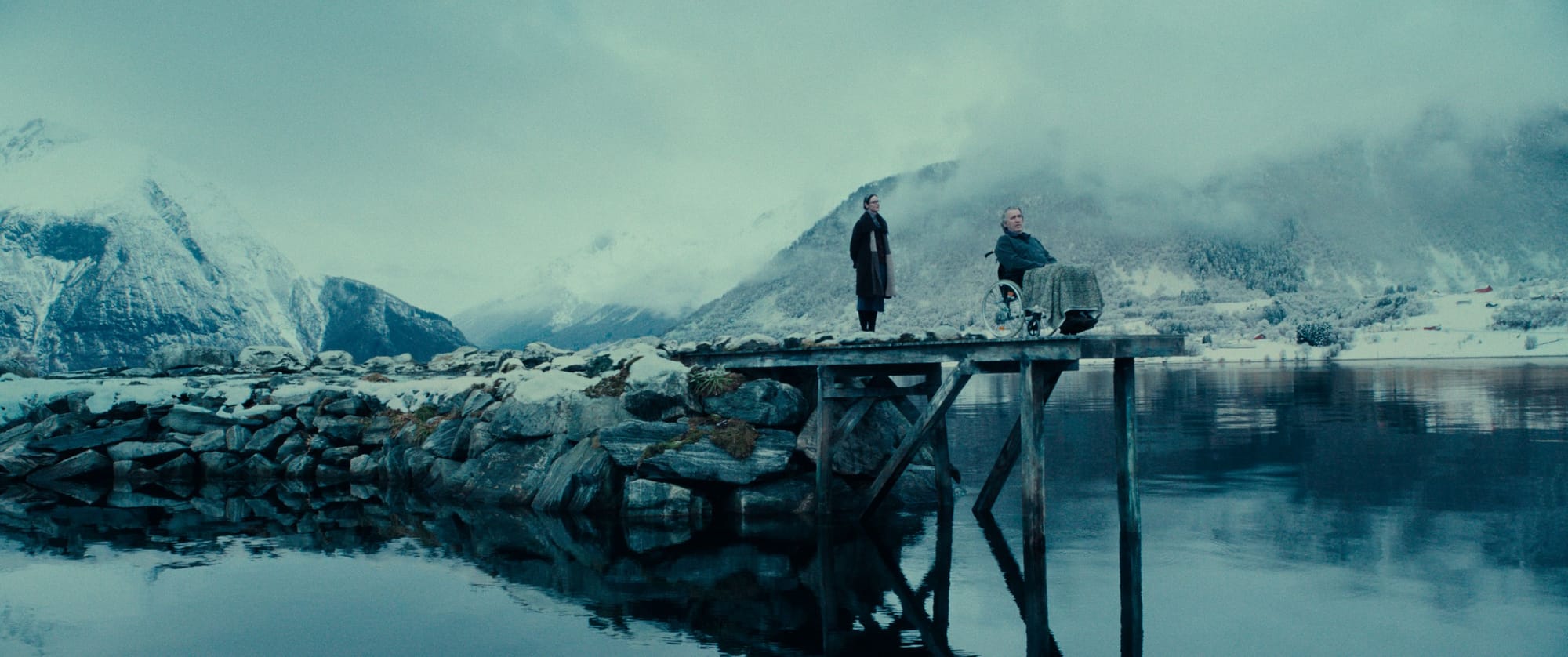
Now we ourselves, referring to the wider Western society, are locked in the jaws of the so-called culture wars. Or rather, the fight for empathy. We are presented with a family that we may well associate with those right-wing, intolerant ideals. A deeply conservative immigrant family accused of physically abusing their children. It is within this dynamic that the central moral issue lies. We encourage immigrants to bring their cultures with them to their new homes. What if these cultures encourage the spanking of children? We advocate for the right of all to speak freely and to practice their religion. What if a child says to another that gay people are going to hell? As much as progressive ideals promise, it becomes a contentious issue when the protected rights and freedoms come to clash with each other.
Not once are we asked to condone the actions and beliefs of the Gheorghius, but we are instead to sympathize with them. To grant them the act of empathy, they seem not to have extended it to others. Post-Soviet Romania retains its deeply conservative and religious society under historical circumstances intangible to the average Norwegian. It is a life that, as the family sees it, is under attack by a so-called tolerant country, one that now punishes them while proclaiming to welcome them with open minds. We know they are good people who care for their family, neighbours, and community. It is an uncomfortable truth to see made tangible that "bad" people can be good. That those whom we would dismiss, shout at, and accuse do not always hold their beliefs out of malice, but for the same reason that we gained our morals: because of how we live. The other side can love and grieve and feel the same things we do. In a polarized world, we forget the boogeyman lives next to us and works in our schools and hospitals, is a neighbour, and is kind.
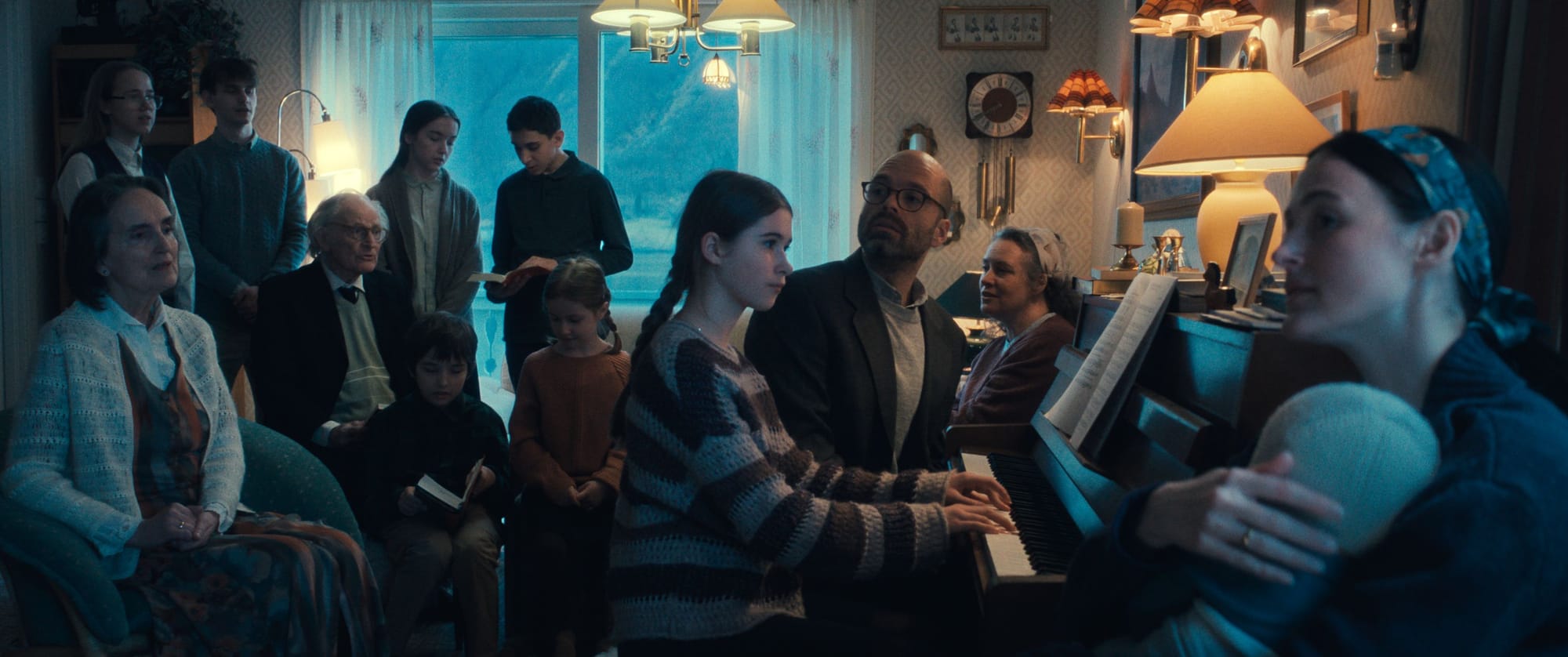
What becomes of a progressive world when a culture or religion fundamentally opposes it? It turns its head and becomes its nemesis – prejudice. Nuance, the key word we ought to shout from the rooftops. Even so, there is no easy solution, should there be one at all. Someone will have their identity silenced regardless. It's an issue that calls for nuance in a black-and-white world. We are presented with reasonable doubt that the children were seriously abused. Spanked, yes, but they wrestle in gym class, sneak out the window at night, and fight as children do. They cannot properly answer the questions of Child Protection Services due to the language barrier. So, is it abuse? Is it admitting it as such, persecuting immigrants for not assimilating? These are the questions that Mihai himself presents in the courtroom. Fjord won't answer them for you.