

As classes start to pick up again (and my syllabus week hangover fades), I know there are thousands of students that have just had a 400-year-old, dusty book of plays slapped onto their desk. Honestly, I applaud you for even reading this article based on the title. I have a bias towards Shakespeare's work that comes from years in the theatre, but for everyone who had friends in high school, I know nothing makes your eyes roll like your professor announcing Richard III as your next essay prompt. But here's what I've always wondered: why do we love Shakespeare's stories but hate his text?
Meaning:
There are countless articles and 'Watch Mojos' about how "all your favorite films are Shakespeare movies in disguise." If you saw the Glen Powell/Sydney Sweeney film from 2023, Anyone But You, you might not know it was a clear adaptation of Shakespeare's Much Ado About Nothing. When a reporter asked Powell why he thinks audiences love the enemies-to-lovers romance so much, he simply answered, "Well, it's Shakespeare. It's perfect storytelling."
I find this interesting, because when the film was on its press tour, there wasn't the slightest bit of Shakespearean marketing. Not that I was expecting Sydney Sweeney to put on a frilly collar, but it almost seemed like they wanted to keep the fact that it's an adaptation under wraps—for fear that people wouldn't watch it! Given that the target audience was teenagers and young adults who, let's be honest, are only seeing it because "Sydney Sweeney and Glen Powell, WOW!" It feels like they were almost being tricked into watching a Shakespearean story.
Bardcore
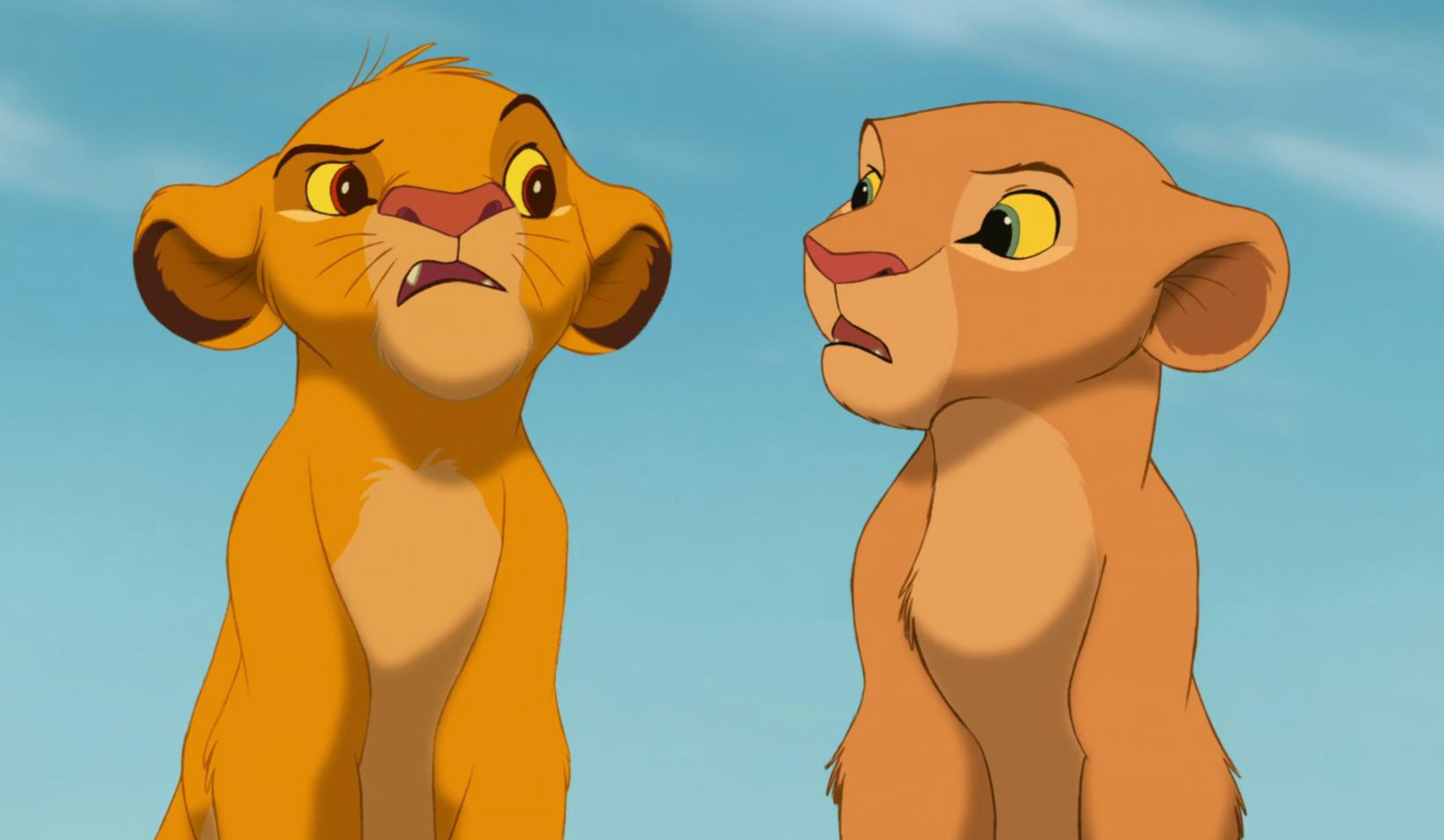
This phenomenon has been going on for years. She's the Man came out 20 years ago, and most people STILL don't know they're watching Shakespeare's Twelfth Night. 10 Things I Hate About You (The Taming of the Shrew), The Lion King (Hamlet), West Side Story (Romeo & Juliet) blah blah blah...
We take Shakespeare's name off the poster, and apparently we can't get enough of him. Put it back on the cover of a paperback, though, suddenly everyone has somewhere to be.
So, my next journalistic question:
"What is so foreboding about Shakespeare that makes people throw up in their mouth when they have to read it?"
Too old? Too confusing? Too melodramatic? It just doesn't seem like enough.
My conclusion here is that Shakespeare has a branding problem.
Lost in Translation
I've had amazing acting teachers my whole life who have shown me that his plays are full of raunchy humor, lively, relatable characters, and Instagram Reels comment section level: fat jokes. In the late 1700's The (pompous) French Academy thought his works lacked decorum such that they rewrote them entirely before ever performing a single one of them live! But I know your average student, forced to take a literature class, would never think of a Shakespeare play as funny or entertaining. Why should they? It's unfortunate, but really, outside of the theatrical space, Shakespeare has earned a reputation of being pretentious and dull.
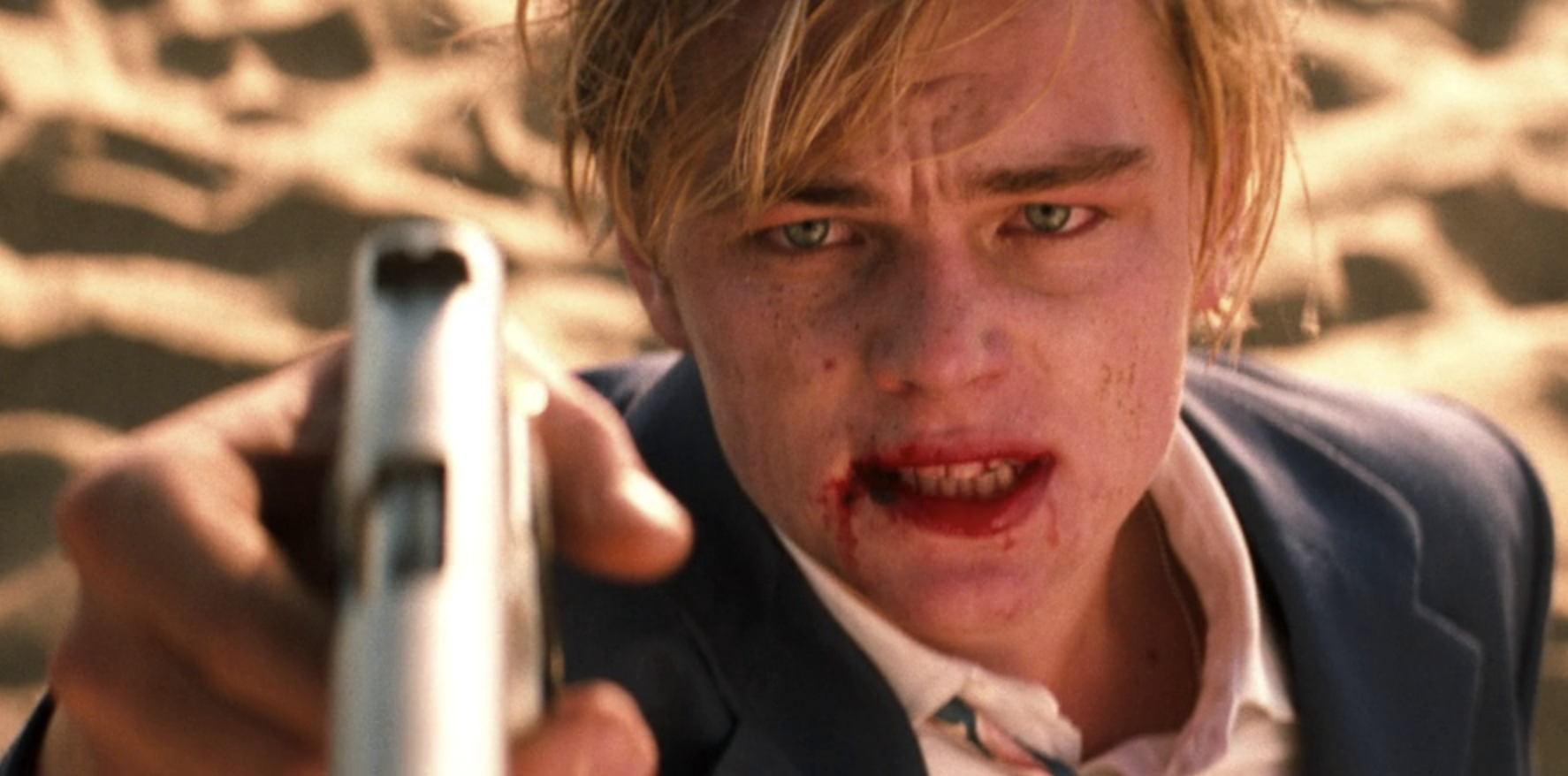
At least twice a year there is some "never-been-done-before, modern retelling of William Shakespeare’s ___" opening on Broadway. Right now, it's Sadie Sink in Romeo and Juliet and Tom Hiddleston in Much Ado About Nothing. If you want my postmodernist opinion, I think the "radical contemporary retellings" are becoming so ironically dated. We've done it so many times that the concept of "modernizing Shakespeare" is frankly not modern at all. So, do the people long for a biblically accurate presentation of the 1500s? No... probably not all the people.
I guess that's it. There's hardly going to be a new film rendition of Othello that makes everyone rush to the ancient section of the bookstore (the first 500 revolutionary modern adaptations sure didn't do it). I think we will all continue to be blindsided by new "original" blockbusters that are just Macbeth in disguise. The people will always long for family drama, forbidden love, love triangles, mistaken identity, and enemies to lovers. We may never love Shakespeare in his original form, but when you talk about someone haunting a narrative, nobody does it like the bard.
"The past is prologue." – The Tempest
Meaning, he's not going anywhere.


