Table of Contents
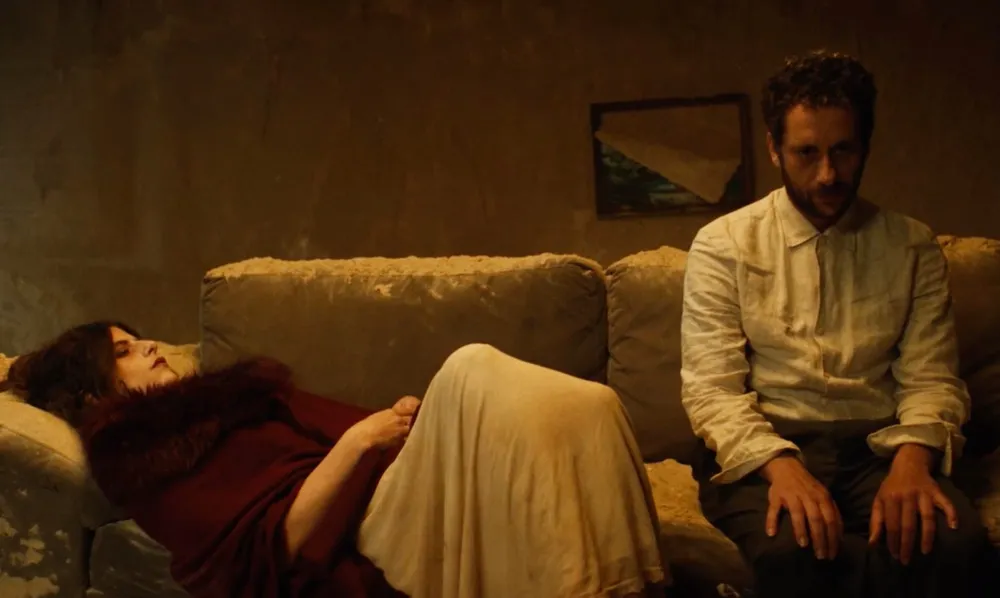
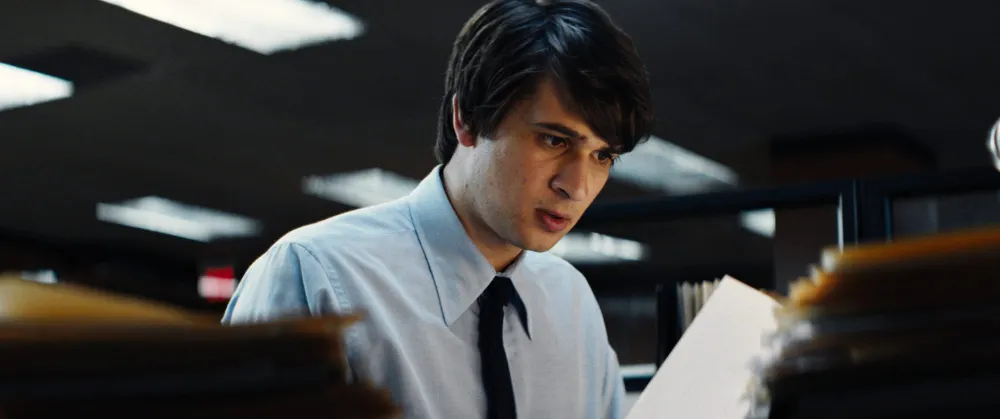
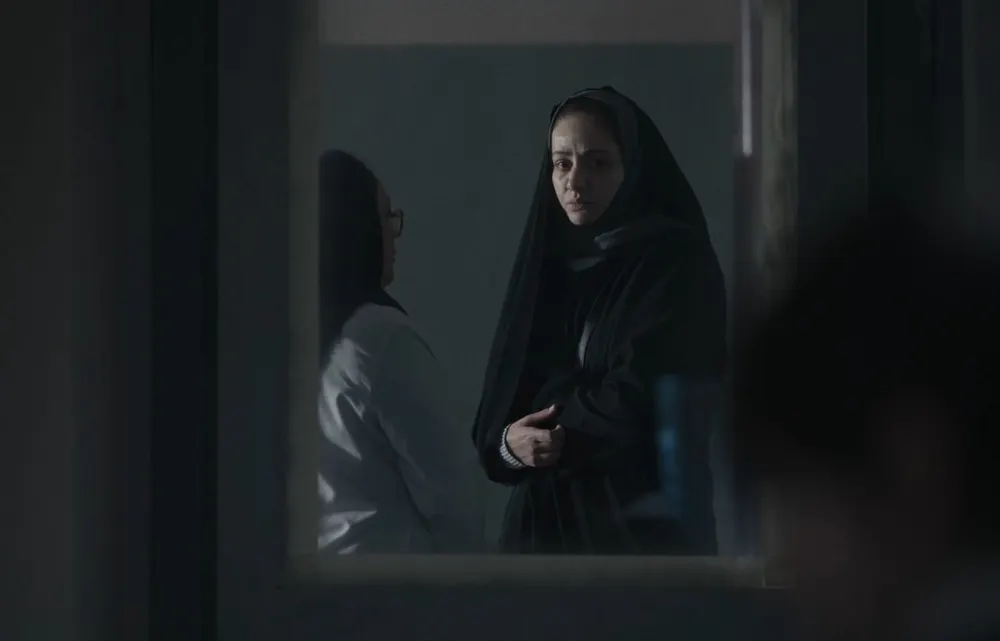
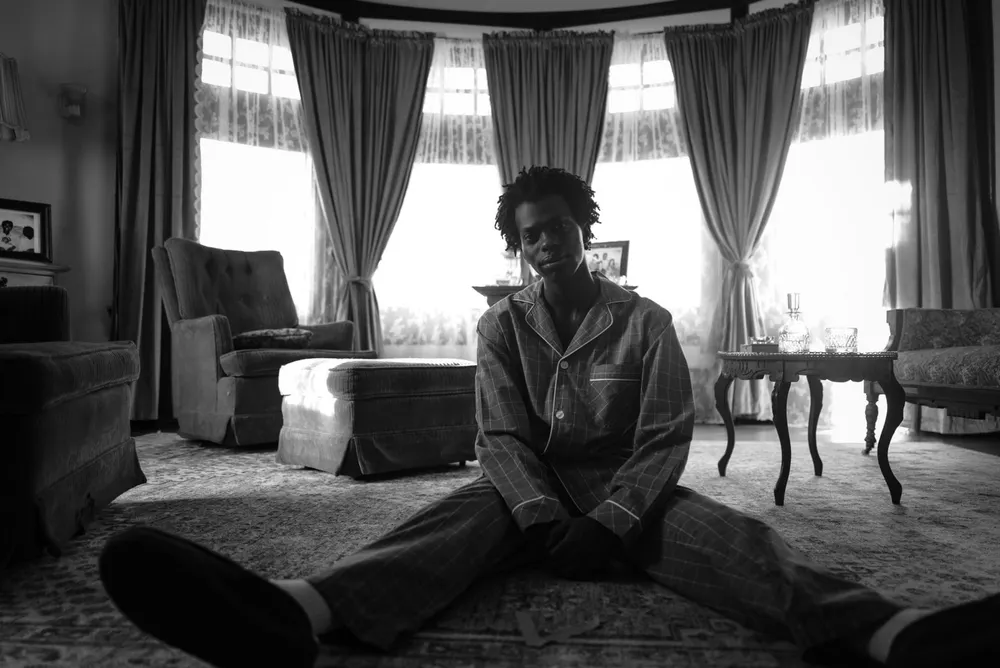
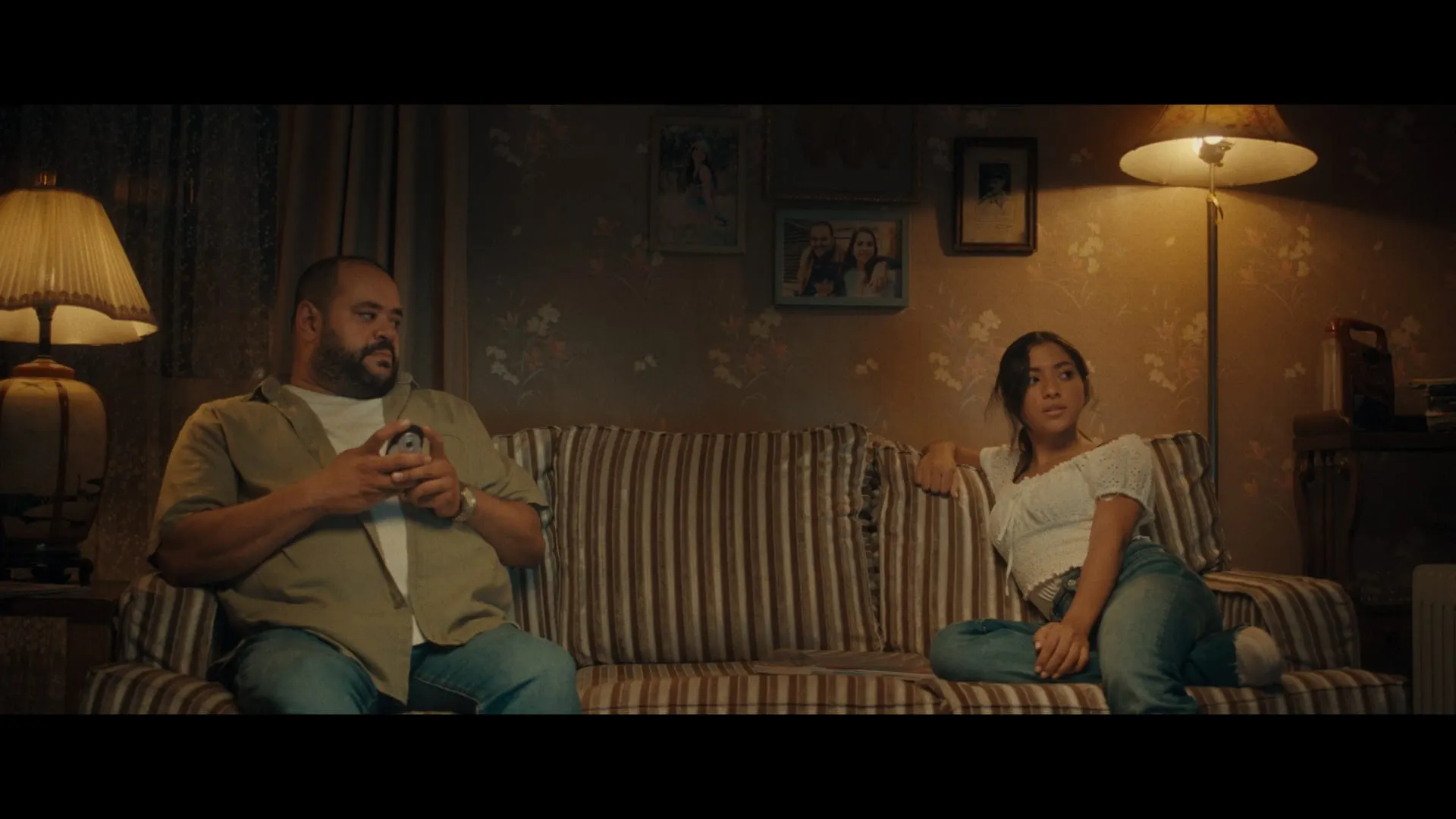
In 2005 Cairo, a single father learns his teenage daughter needs a bra. His clumsy attempt to raise the subject spirals into an excruciating conversation and a nightmare of a shopping trip, and then into a rehearsal for a talk he'll never manage to have. Mohamed Taher's 32B mines that everyday embarrassment for something far more tender: the fear of failing a child, and the courage it takes to say what you feel.
Taher, an Egyptian director with an MFA from the Savannah College of Art and Design, has spent years in the assistant director's chair on films like Eshtebak, Eyar Nari, and Barra El Manhag before stepping fully into his own voice. 32B, his debut short, arrives at HollyShorts already carrying the Best Narrative Short Award from Tribeca 2026 and the Tanit d'Or at the Carthage Film Festival — a deeply local story that keeps finding a home across cultures.
Key Takeaways
- 32B uses awkward comedy to open a door onto masculinity, emotional silence, and the fear of failing as a parent.
- The film's real emotional center, Taher discovered in the edit, is the conversation between father and daughter that never happens.
- Taher's guiding lesson: don't chase perfection, chase honesty — audiences remember how a film made them feel.
Here, Taher talks about finding the story's heart in silence, trusting his collaborators, and the freedom that let a small, personal film travel so far.
Interview
What drew you to make this film, and why this story, why now?
The film came from an everyday situation that most people would feel awkward about — a father buying his daughter her first bra. When the screenwriter, Haitham Dabbour, sent me the script, I saw something much deeper in it. It became a way to explore masculinity, emotional silence, and the fear of failing as a parent. Becoming a father myself made the story even more personal. It made me realize that every parent, no matter how loving, worries about whether they'll know how to show up for their child.
I wanted to tell this story now because I think we're living in a time when we're reexamining traditional ideas of masculinity and fatherhood. 32B uses humor to explore those themes, but beneath the comedy it's really about love, vulnerability, and the courage it takes to communicate.
What surprised you most about the filmmaking process, including any moment that changed how you saw the story?
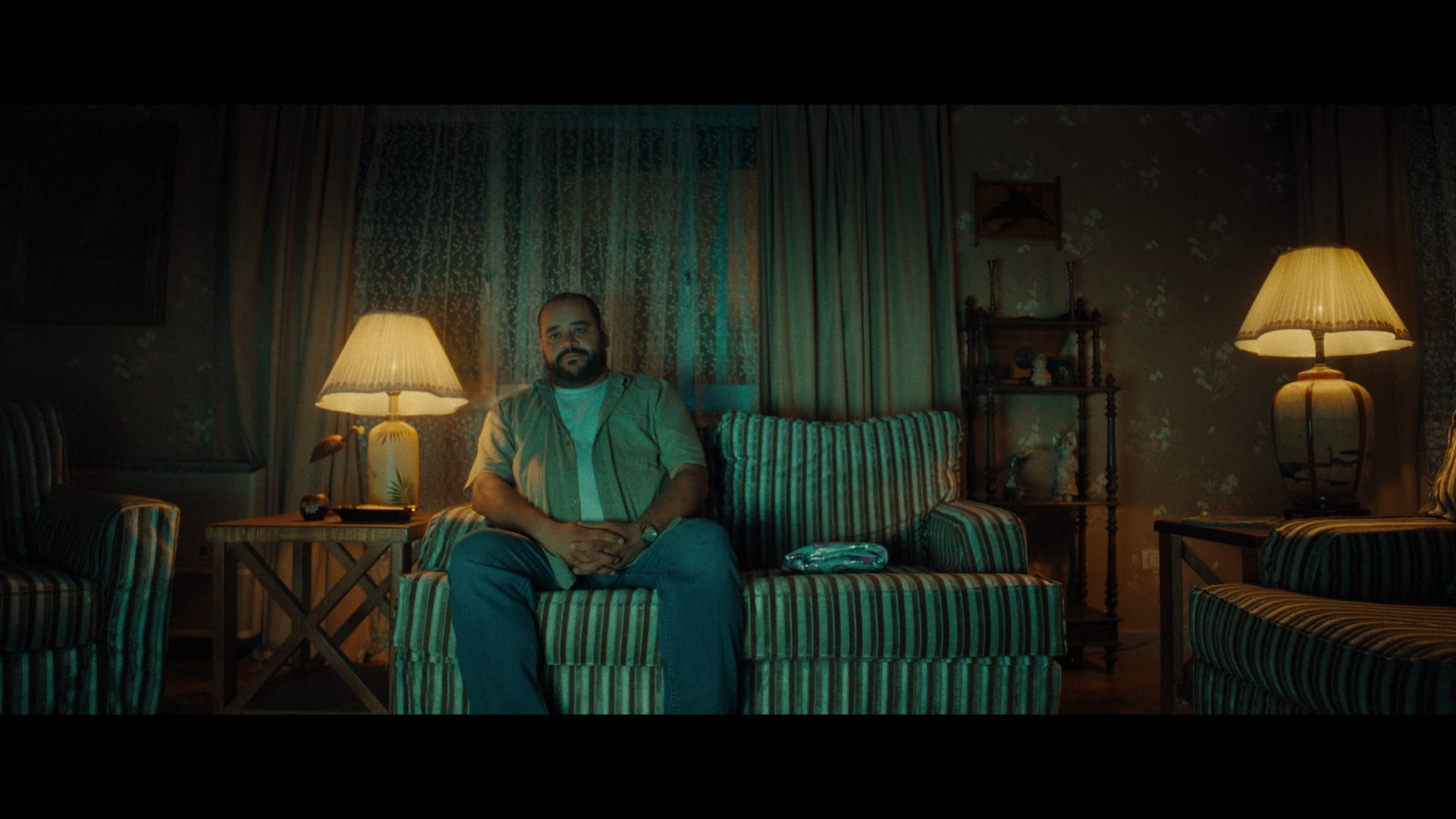
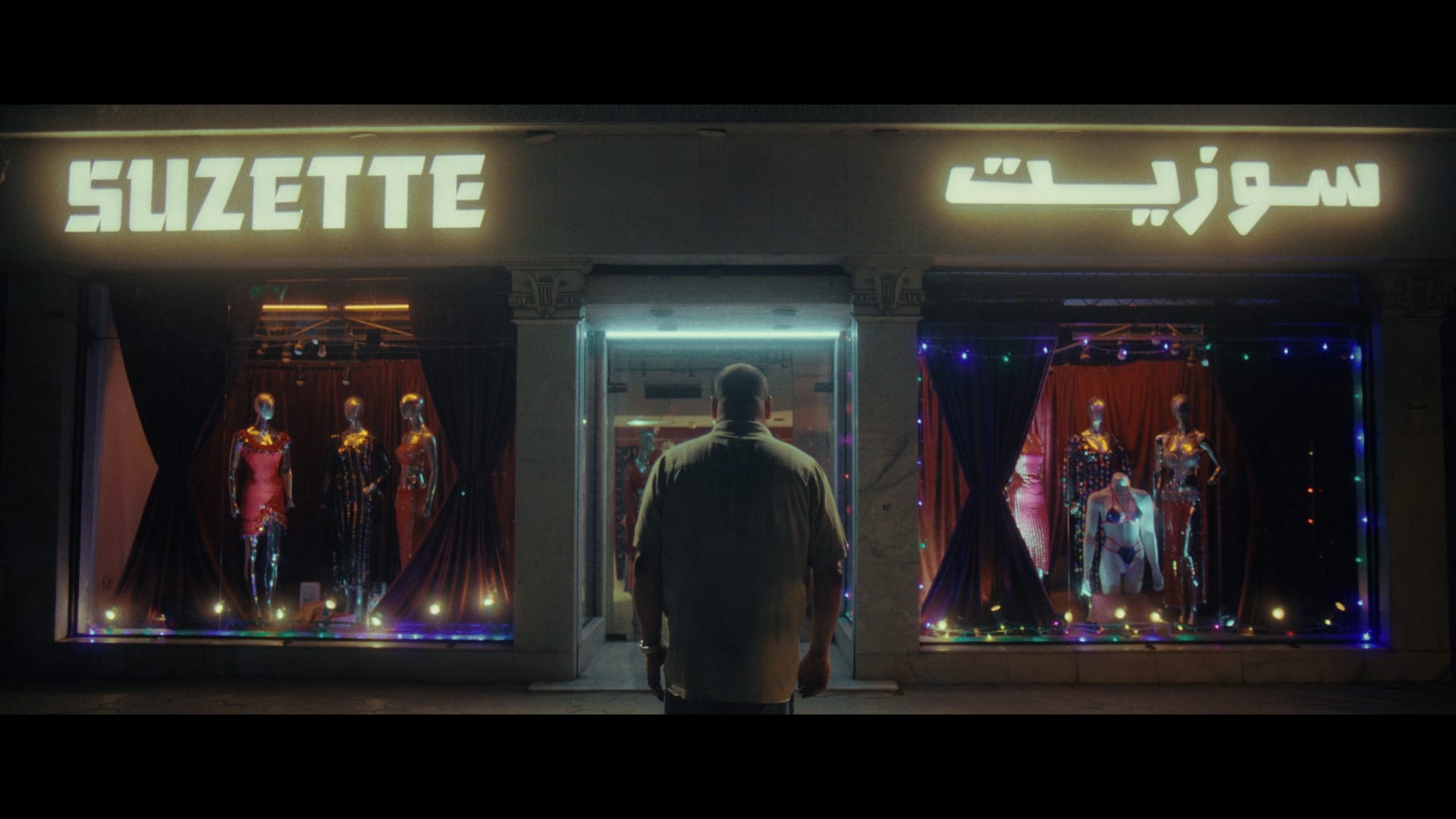
We spent a long time in the edit, and that turned out to be one of the most rewarding parts of the process. Every time I stepped away from the film and came back to it with fresh eyes, I discovered something new. What surprised me most was realizing that the emotional center of the film wasn't the awkward shopping trip — it was the unspoken conversation between the father and daughter.
As we refined the edit, I learned to trust the performances and let the pauses, silences, and glances do the work. That completely changed how I saw the film. It became less about an uncomfortable situation and more about the difficulty of expressing love, especially for a father who has never learned how to communicate his emotions. It reminded me that what you leave out can be just as powerful as what you put on screen. Sometimes the most meaningful conversations are the ones that never happen.
What moment in the film feels most like you, or like something only you could have made?
The rehearsal scene feels the most like me because it's where comedy and emotion become inseparable. Watching the father rehearse a conversation he'll never actually have says so much about his fears, his love, and his inability to communicate. Those are the kinds of moments I'm always searching for — small, everyday situations that quietly expose a person's inner world.
What tool, technique, or mindset shift helped most during production?
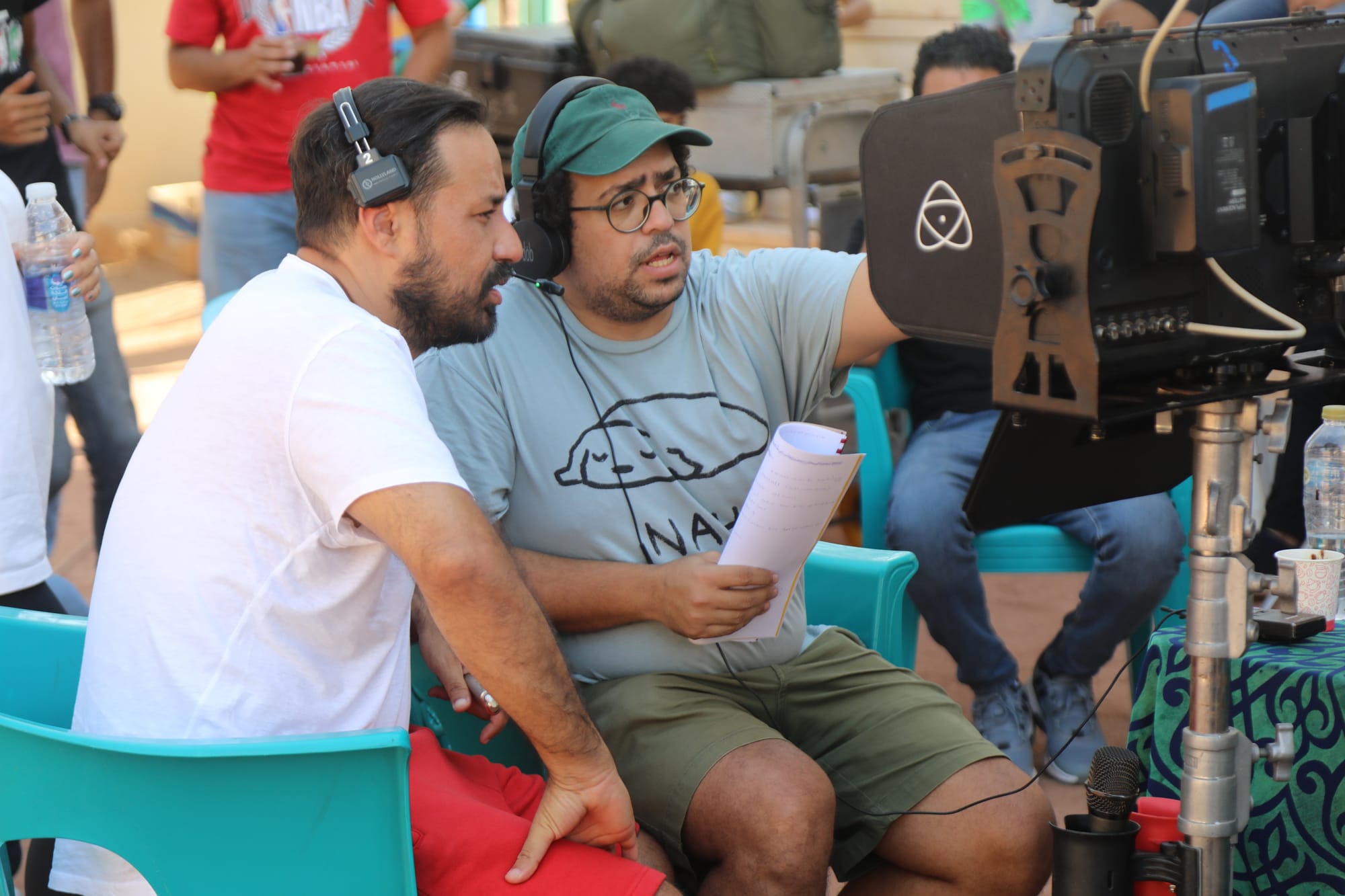
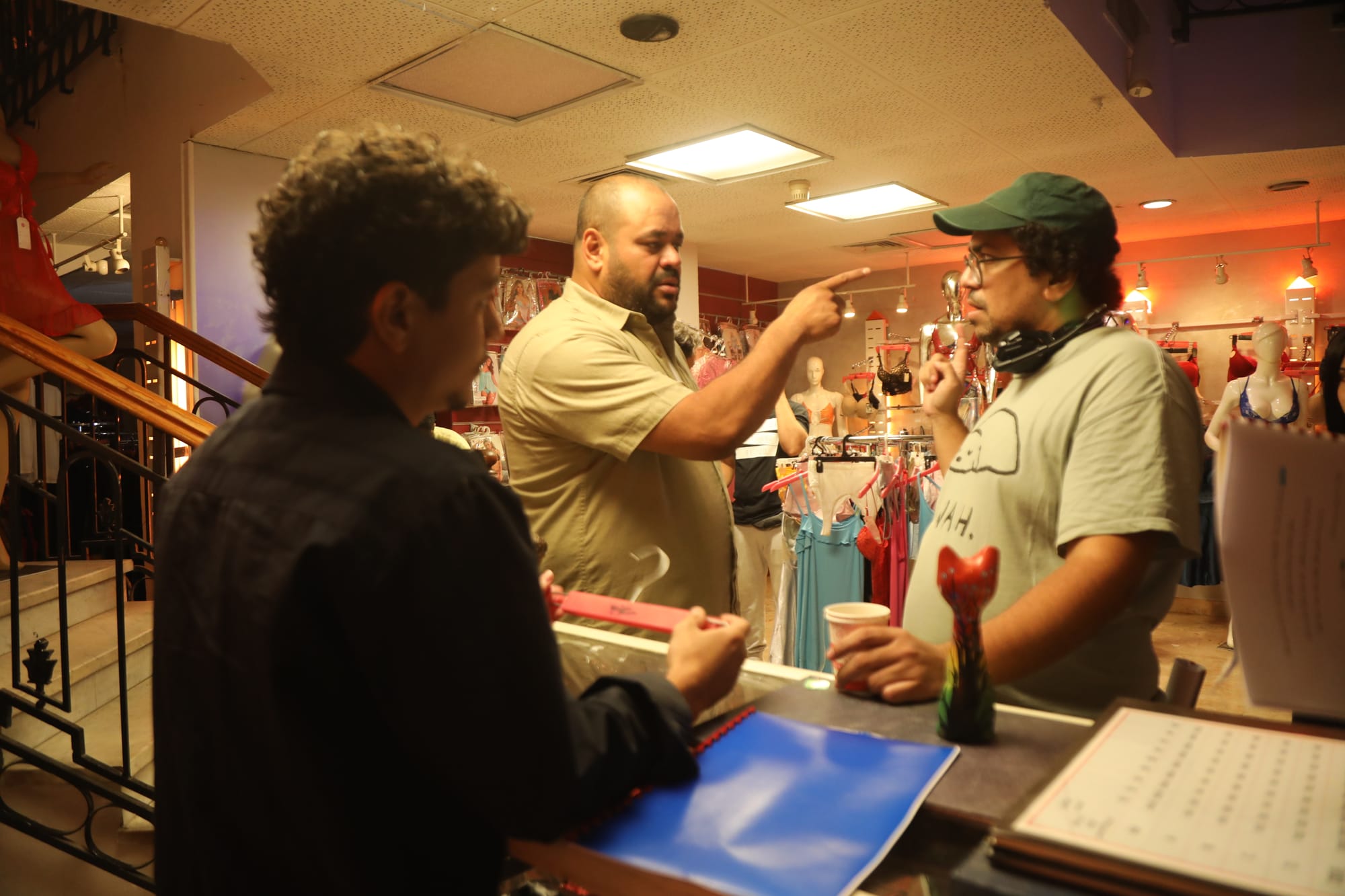
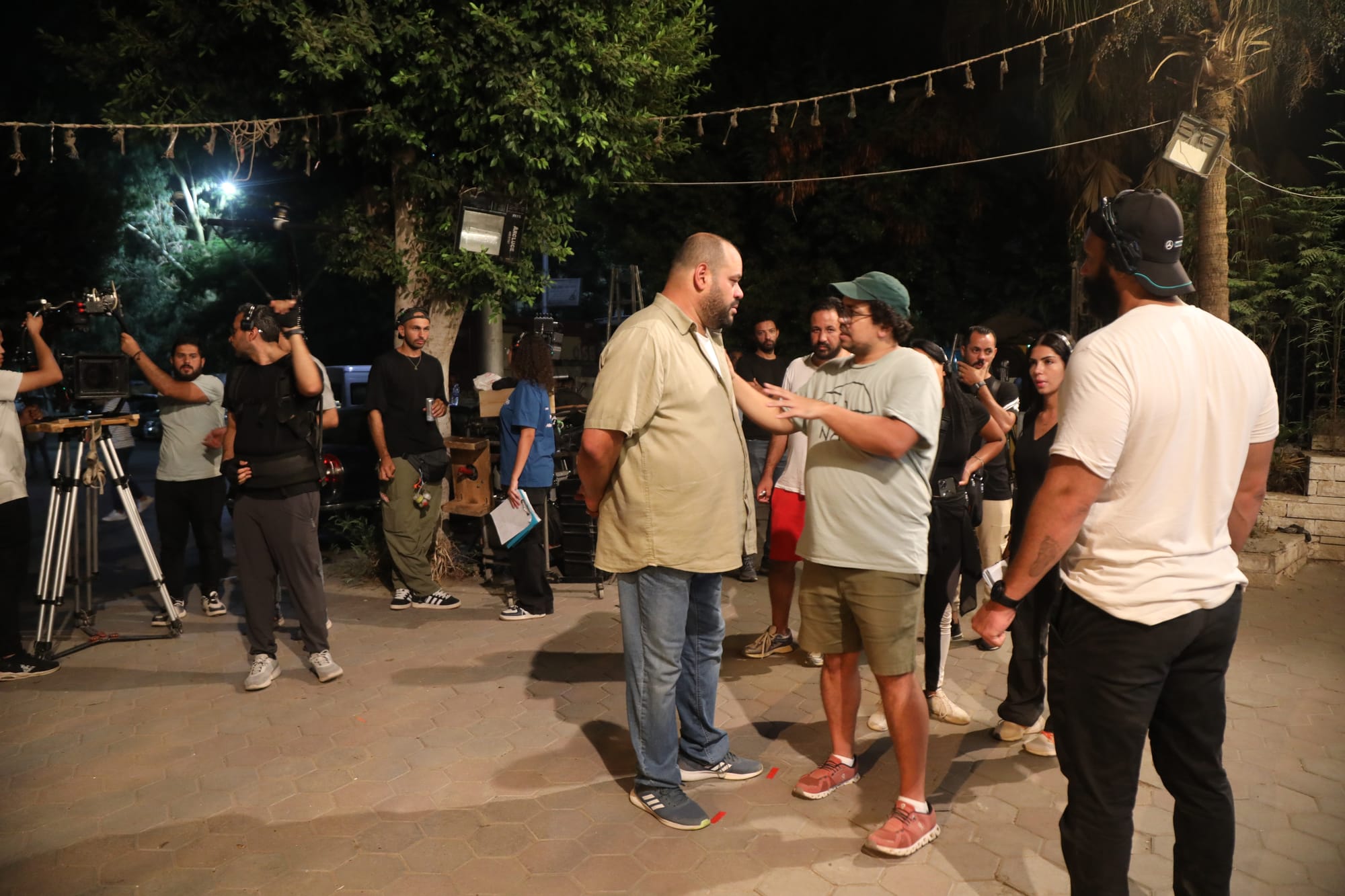
The biggest mindset shift was learning to trust the people around me. As directors, we often feel responsible for every frame, every performance, and every decision. But I realized that the film became better the more I trusted my collaborators. I was fortunate to have a crew that deeply understood the emotional language of the film. Instead of executing instructions, they became creative partners.
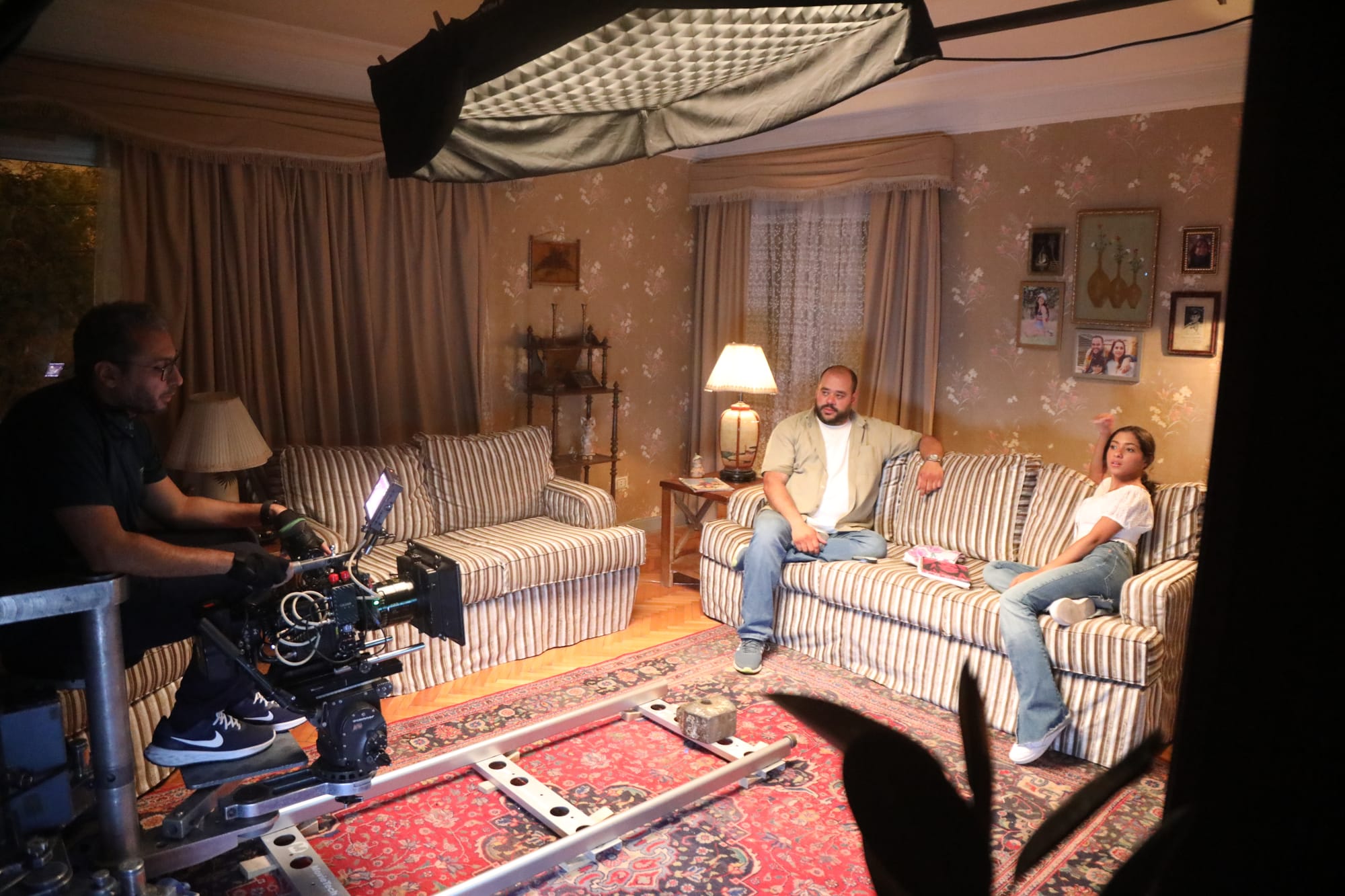
The same was true with the cast. Rather than controlling every emotion or every line reading, I focused on creating a space where they felt comfortable enough to be vulnerable, and some of the film's most honest moments came from that trust. For example, Baher, my editor, wasn't there simply to assemble the footage — we challenged each other constantly. We questioned every scene, every cut, every line of dialogue. That collaborative process helped us uncover what the film was really about.
What is the greatest strength of independent filmmaking, and what lesson would you share?
The greatest strength of independent filmmaking is freedom — the freedom to tell stories that don't fit a formula, to take creative risks, and to stay emotionally honest. You're not trying to satisfy a market or a trend; you're trying to tell the most truthful version of the story.
The biggest lesson I learned is that limitations can become your greatest creative asset. We didn't have endless resources, so we had to focus on what really mattered: the performances, the relationships, and the emotional truth of each scene. I don't think a bigger budget would have made the film better. My advice to independent filmmakers: don't chase perfection, chase honesty. Audiences may forget a polished shot or an expensive production, but they'll always remember how a film made them feel.
What does it mean to have your film selected for HollyShorts?
It means a great deal to me and for the film. HollyShorts has built a reputation for championing bold voices and outstanding short films, so it's an honor to have 32B included among them. It's also an exciting opportunity to share the film with new audiences and connect with fellow filmmakers. I'm grateful that this father-daughter story continues to resonate beyond where it began.
How has this film shaped the kinds of stories you want to tell next?
32B gave me the confidence to trust quiet storytelling. It showed me that I don't need big plot twists or dramatic speeches to move an audience. What stays with people are honest characters and emotional truth. As I move toward my first feature, I want to keep telling intimate, character-driven stories that use everyday moments to explore larger questions about family, identity, and human connection. If 32B taught me anything, it's that the smallest moments can often leave the deepest emotional impact.
Main Cast & Crew
- Director: Mohamed Taher — Instagram: @mohamedtaher
- Writer: Haitham Dabbour
- Director of Photography: Mostafa Fahmy
- Production Designer: Asem Ali
- Editor: Baher Rasheed
- Sound: Ahmed Sabbour, Youssef Mehy
Filmmaker Opportunities
💛 Fund your next project with fiscal sponsorship
Have a project in the works? As a 501(c)(3) nonprofit, the Cinematography for Actors Institute can accept tax-deductible donations on your film's behalf — a door-opener for grants, foundations, and supporters who want to back your work. We've serviced over 100 projects to date and helped route over $800,000 in funding to filmmakers. Explore fiscal sponsorship →
📬 Grant deadlines and festival opportunities, straight to your inbox
The CFA newsletter rounds up grants, festival calls, and community news for independent filmmakers — the kind of opportunities that are easy to miss and painful to miss. Join the newsletter →
🎬 Focus on the creative — we'll help with the logistics
Production Management, CFA's newest member program, launches this November: production insurance and workers' comp, payroll, film permits, gear rental coordination, SAG-AFTRA compliance, contract drafting, production consulting, and crew recommendations — handled by a team of working filmmakers, à la carte or all in, in partnership with Creative Access Group. It's waitlist-only until launch. Join the waitlist →
League of Filmmakers is published by our parent organization, the Cinematography for Actors Institute — a 501(c)(3) dedicated to education, community, and capital for underrepresented filmmakers and actors. Learn more about CFA →