Table of Contents
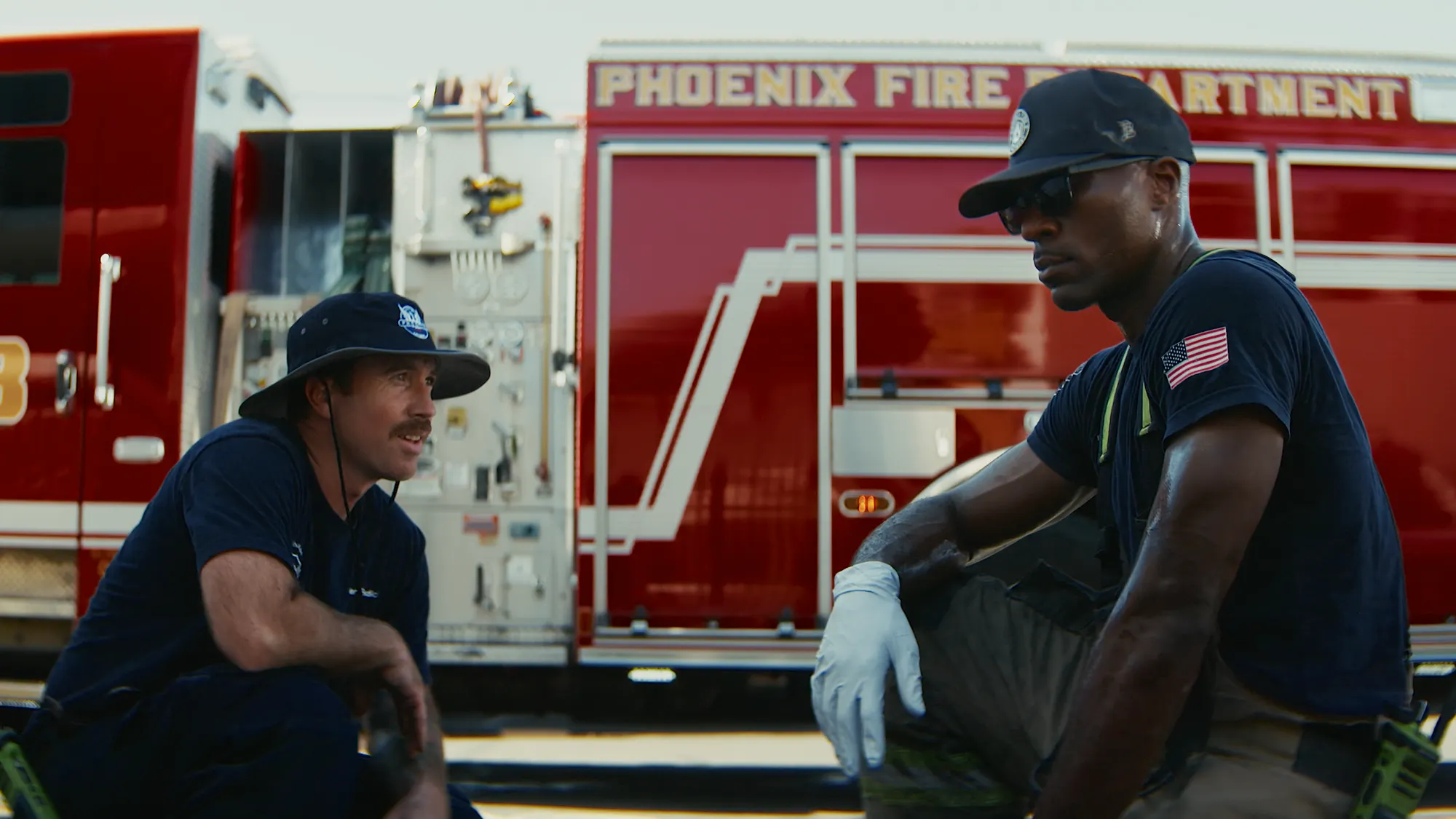
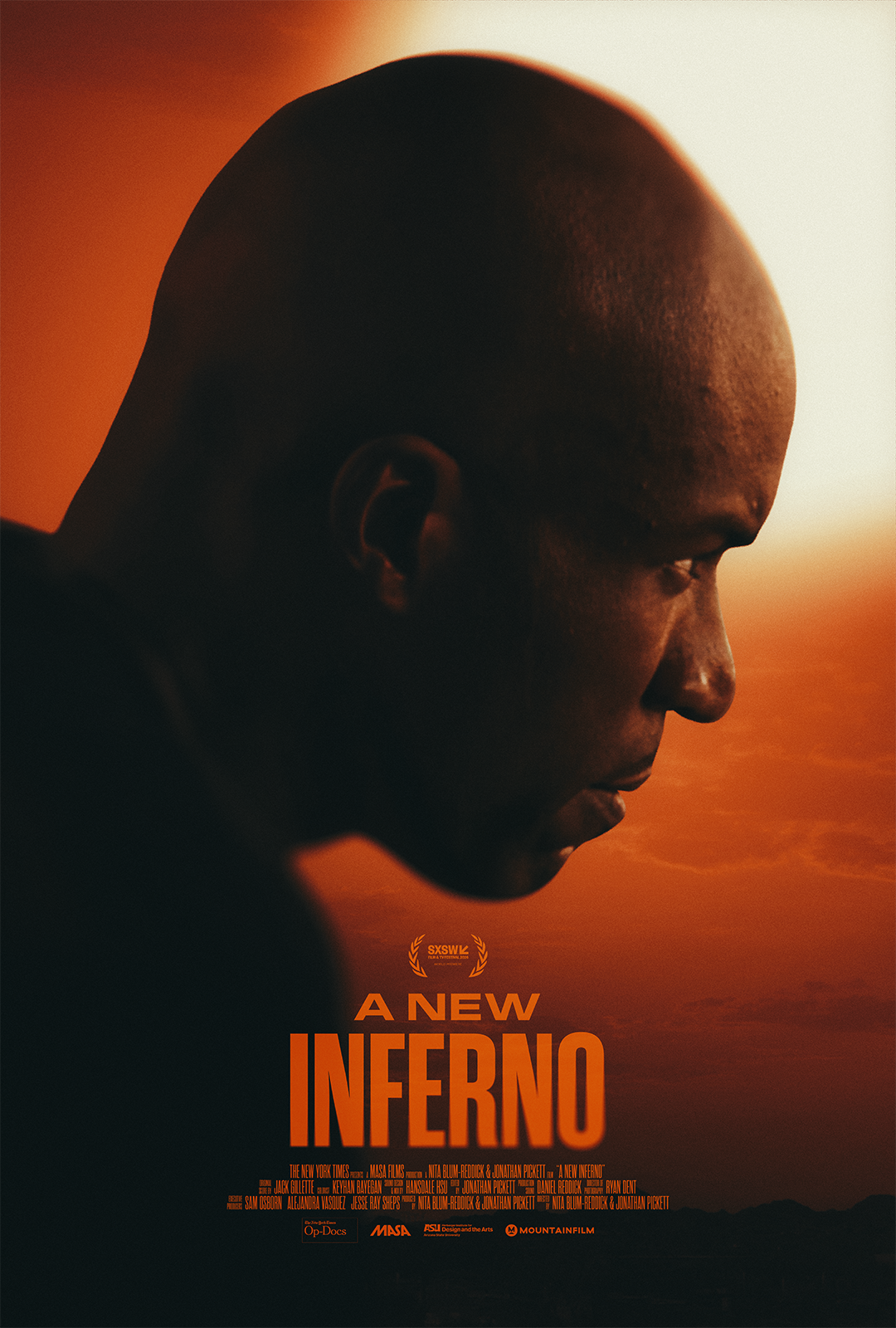
Filmed during the hottest days of Phoenix, Arizona's summer heatwave, A New Inferno follows the crew at Arizona's busiest firehouse as they race to save the lives of heatstroke victims using ice immersion therapy — a radical new treatment for a city where record heat has turned deadly. In 2024, 608 people in Maricopa County died from heat-related illness, a tenfold increase over the past decade, and the unhoused bear the worst of it.
Co-directed by Nita Blum-Reddick and Jonathan Pickett, the vérité short is set in July, Phoenix's historically hottest month, when the city becomes what Blum calls a climate canary. It began with an NPR story and an "aha moment," and grew into an observational, humane look at the people holding a system together against rising temperatures.
Key Takeaways
- A vérité short set during Phoenix's deadliest heat, following paramedics who use ice immersion therapy to revive heatstroke victims.
- Built on rare access from the Fire Department and hospital partners, with a scrappy four-person crew working in extreme conditions on a shoestring budget.
- Heading to New York Times Op-Docs in August 2026 after its HollyShorts LA premiere.
Blum spoke with us about access, atmosphere, and telling a story of hope from the frontlines.
Interview
What drew you to make this film, and why this story, why now?
Heat is on the rise globally, and every year it seems to be getting hotter and hotter everywhere. When I heard an NPR story a few years ago about this innovative new ice immersion technique that was in response to heat stroke deaths on the rise, it was like an "aha moment" that this could be something. When I met Jonathan, our co-director, it all fell into place. Together I knew we could tackle this story in the way it deserved.
What surprised you most about the filmmaking process, including any moment on set that changed how you saw the story?
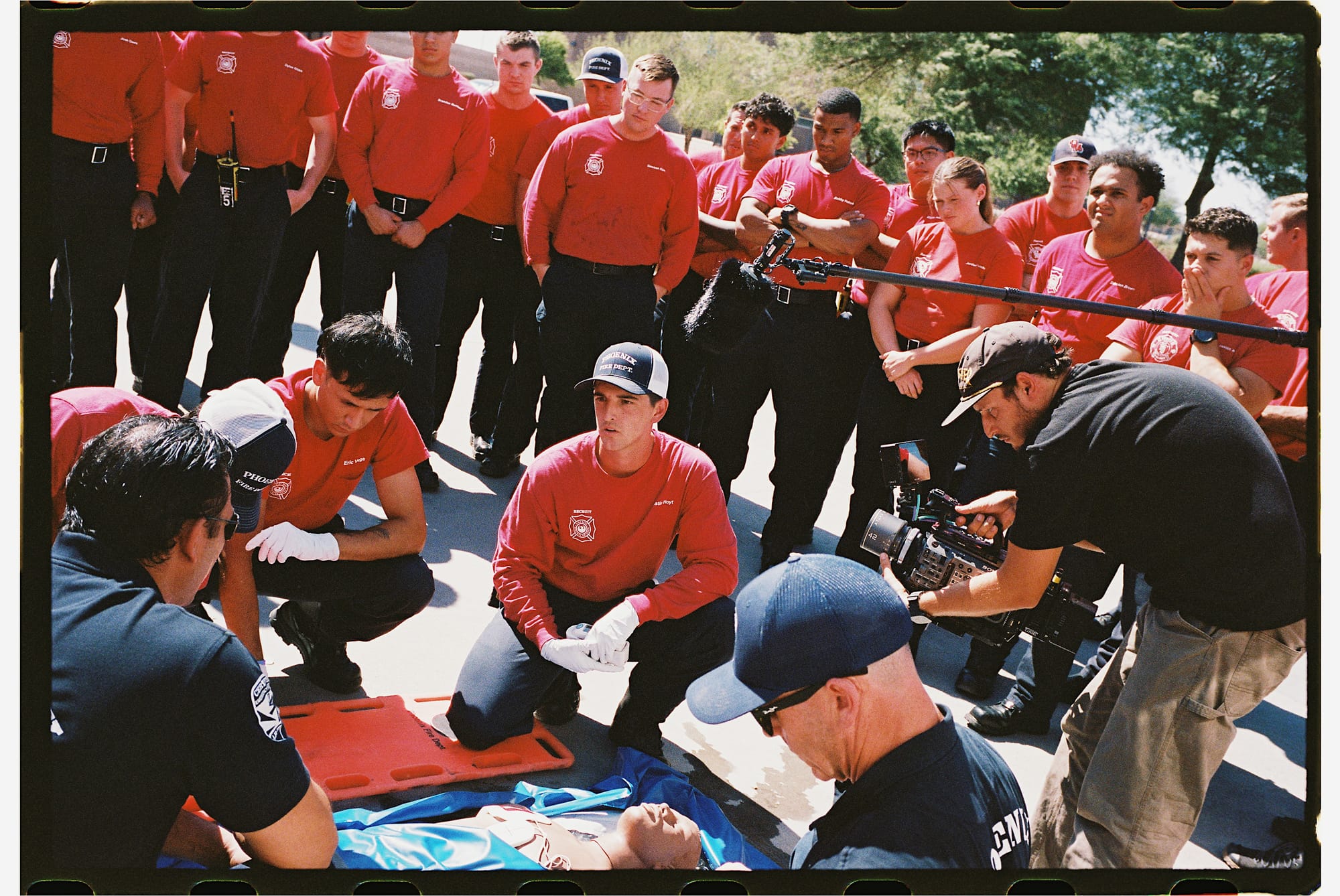
The reason we get to be so close to our subjects in this film is the access the Fire Department and hospital partners gave us. It was surprising to me how open and willing the dozens of emergency workers were to let us in and film them in their most intimate moments on the job. This really helped us illustrate an accurate picture of what goes on in the inner workings of a system trying to help those in need.
What moment in the film feels most like you, or like something only you could have made?
During our off days of filming I would drive around Phoenix looking for unique moments to capture what the city would feel like in all its hot glory — to really have the audience feel they were in sweltering heat. I have lived in Phoenix for eight years and I can tell you much of what you see is real: a fallen Saguaro, a melted water bottle on the ground, closed trailheads, temperature billboards promoting 117 degrees. Those shots, I felt, needed to be in the film to depict the experience of heat. So painting the picture of the desert heat through atmospheric visuals was huge for me.
What was the hardest creative decision you made while making the film?
Co-directing and producing was such an interesting experience. I believe it was the first time for both of us, and we had to learn to compromise and trust one another creatively. One thing we both could agree on was that we were hoping for a slightly longer final cut, where we let scenes play out in real time, but the more feedback we got, the more we realized the film needed to be trimmed. We ended up losing some gems, but I'm still very proud of the final film.
What tool, technique, or mindset shift helped most during production?
I was often the only female in the room. I knew I was stepping into a hyper-masculine environment — a fire station with twenty-plus firemen, plus our crew — but we were bonded by a common goal: to tell a story that can help change lives. I put aside any tension I may have had about being the only woman in the room and set my sights on telling a story of hope and resilience. I am so proud of the story we brought forth, and the guys who we covered were truly kind, welcoming and life savers.
What is the greatest strength of independent filmmaking, and how did you lean into it here?
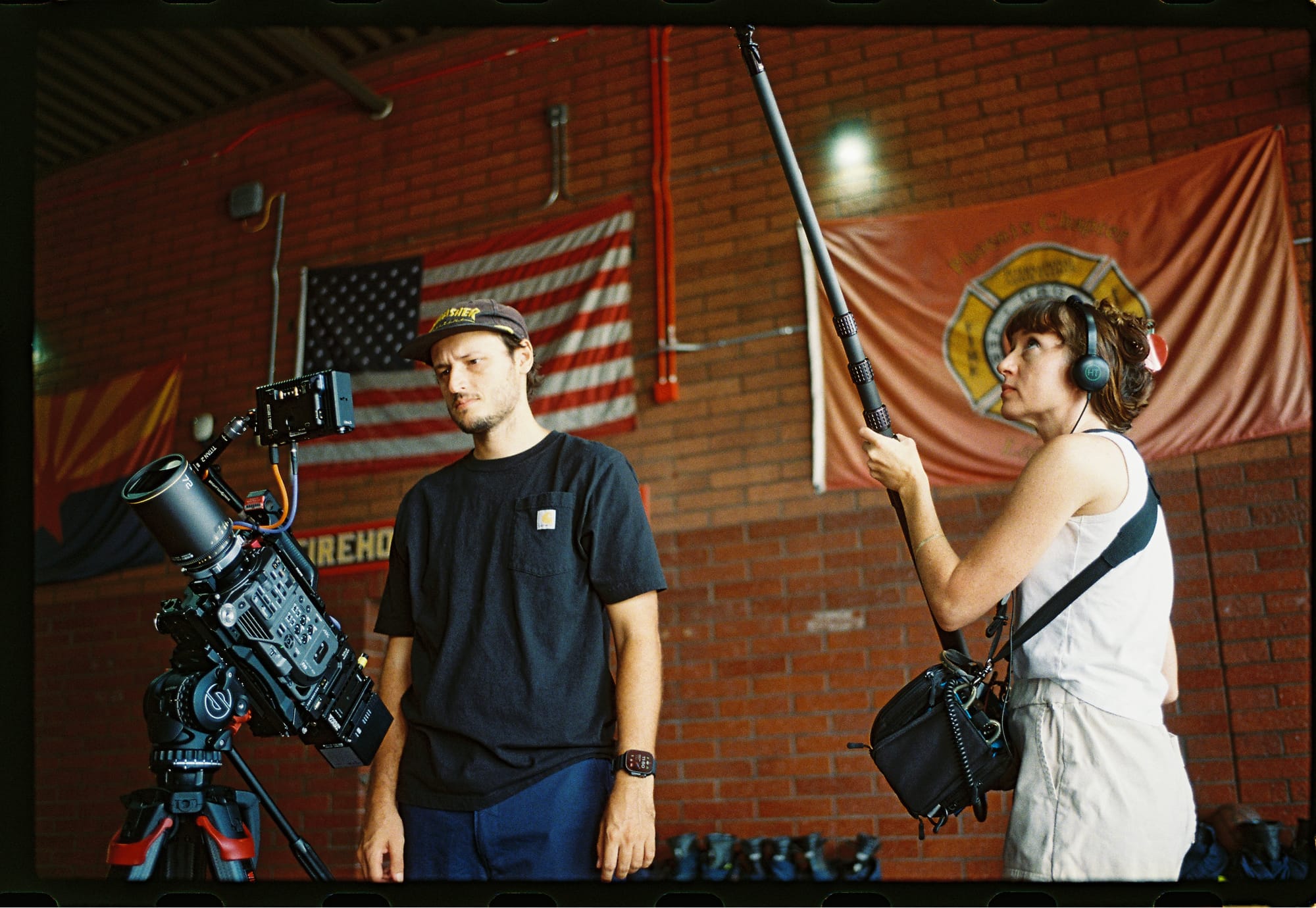
Independent cinema opens doors for equity and equality; it allows anyone with an idea to pick up a camera and tell a compelling story. Signing on to the project, I knew it would be hard — hot, long days, filming on some of the hottest days of the year in the hottest city in the US. A small budget for a documentary crew with designs on big-ticket items like cameras mounted on a speeding emergency vehicle. We were a small, scrappy crew of four. We called in a lot of favors, our crew helped one another stay on point, and we were able to tell a significant story on a shoestring budget in very difficult conditions because we had a great team and we could lean on each other.
What do you hope audiences take away from this film?
I hope audiences get a sense of what it is like for people on the frontlines of the climate crisis. In a news cycle that glorifies separation, my hope is people realize humanity is still good at its heart and people care for one another and want to help. In a perfect world everyone would be well fed, housed and protected from the elements, but as the climate crisis continues to threaten the planet, it is those with the least resources who are hit the hardest. Hopefully the audience will act in some way to help their communities after they see this film.
What does it mean to have your film selected for HollyShorts?
It honestly is an honor. I had heard such great things about the festival when living in LA — the caliber of work that is shown there is truly inspiring. We are so excited to bring the film to its LA premiere here. Our film will be distributed on New York Times' Op-Docs in August 2026.
Main Cast & Crew
- Jonathan Pickett — Co-Director, Producer, Editor
- Nita Blum-Reddick — Co-Director, Producer
- Sam Osborn — Executive Producer (masa.film)
- Alejandra Vasquez — Executive Producer (masa.film)
- Ryan Dent — Cinematographer
- Daniel Reddick — Production Sound Mixer
Filmmaker Opportunities
💛 Fund your next project with fiscal sponsorship
Have a project in the works? As a 501(c)(3) nonprofit, the Cinematography for Actors Institute can accept tax-deductible donations on your film's behalf — a door-opener for grants, foundations, and supporters who want to back your work. We've serviced over 100 projects to date and helped route over $800,000 in funding to filmmakers. Explore fiscal sponsorship →
📬 Grant deadlines and festival opportunities, straight to your inbox
The CFA newsletter rounds up grants, festival calls, and community news for independent filmmakers — the kind of opportunities that are easy to miss and painful to miss. Join the newsletter →
🎬 Focus on the creative — we'll help with the logistics
Production Management, CFA's newest member program, launches this November: production insurance and workers' comp, payroll, film permits, gear rental coordination, SAG-AFTRA compliance, contract drafting, production consulting, and crew recommendations — handled by a team of working filmmakers, à la carte or all in, in partnership with Creative Access Group. It's waitlist-only until launch. Join the waitlist →
League of Filmmakers is published by our parent organization, the Cinematography for Actors Institute — a 501(c)(3) dedicated to education, community, and capital for underrepresented filmmakers and actors. Learn more about CFA →