Table of Contents
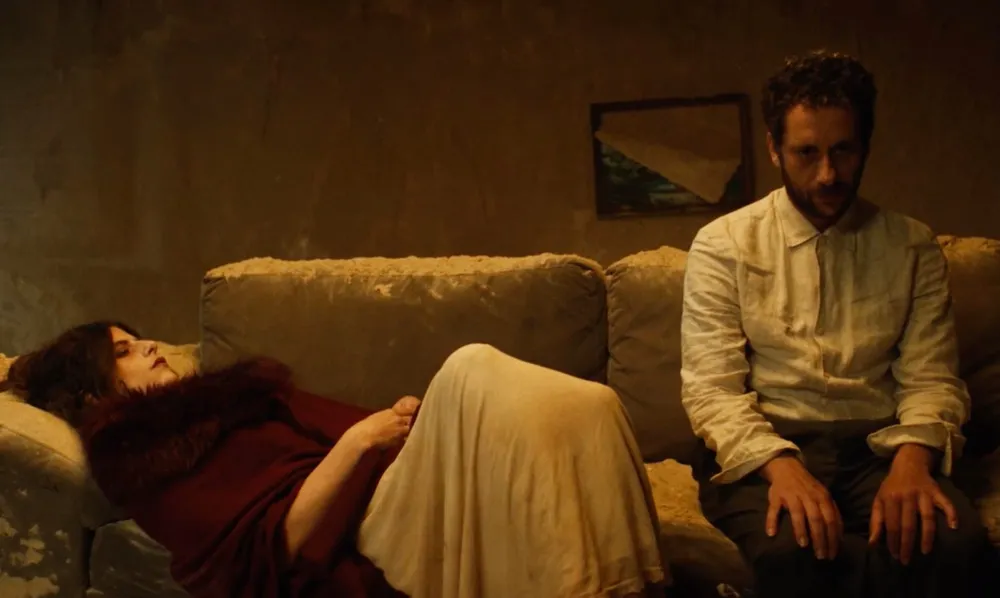
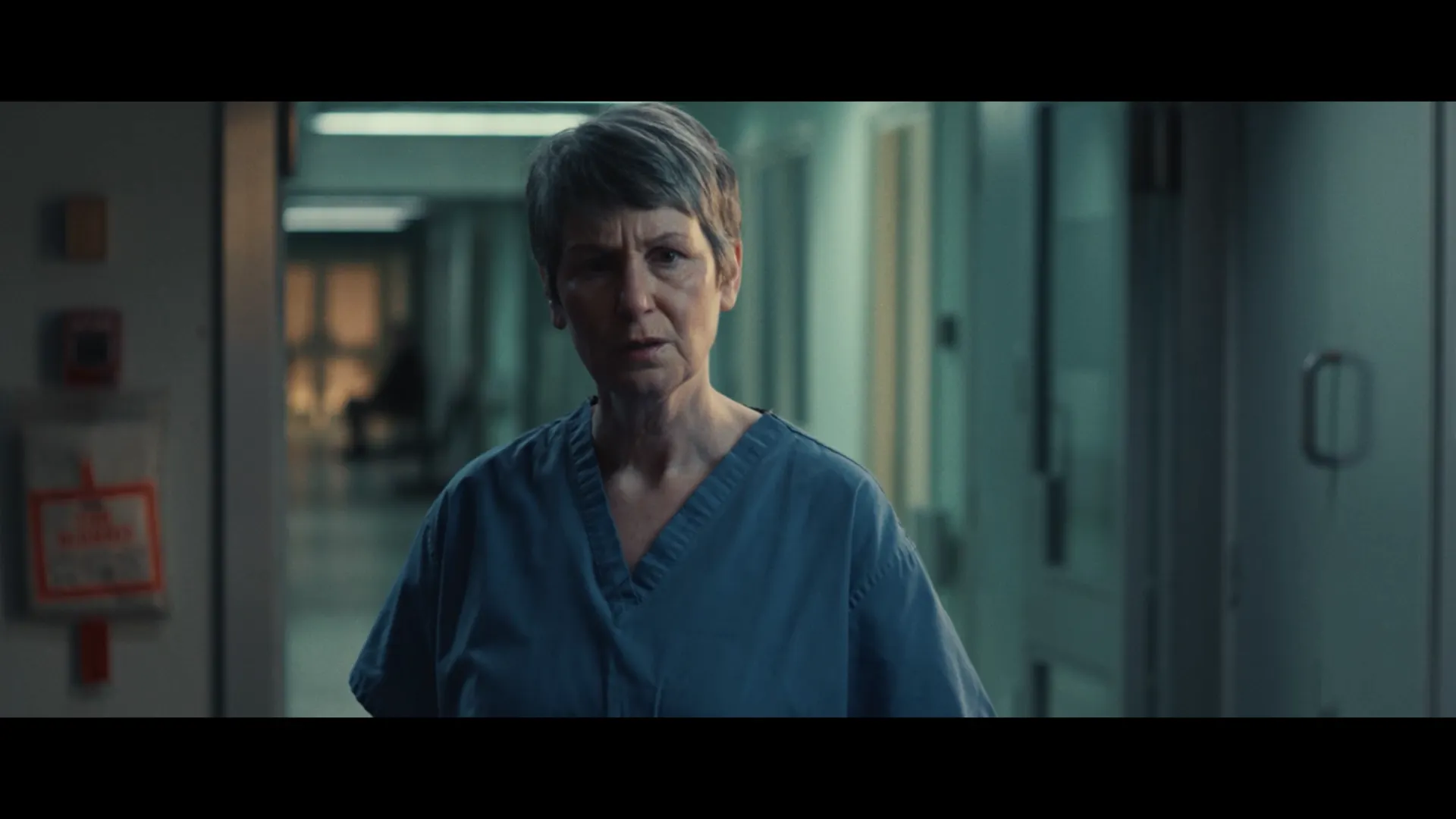
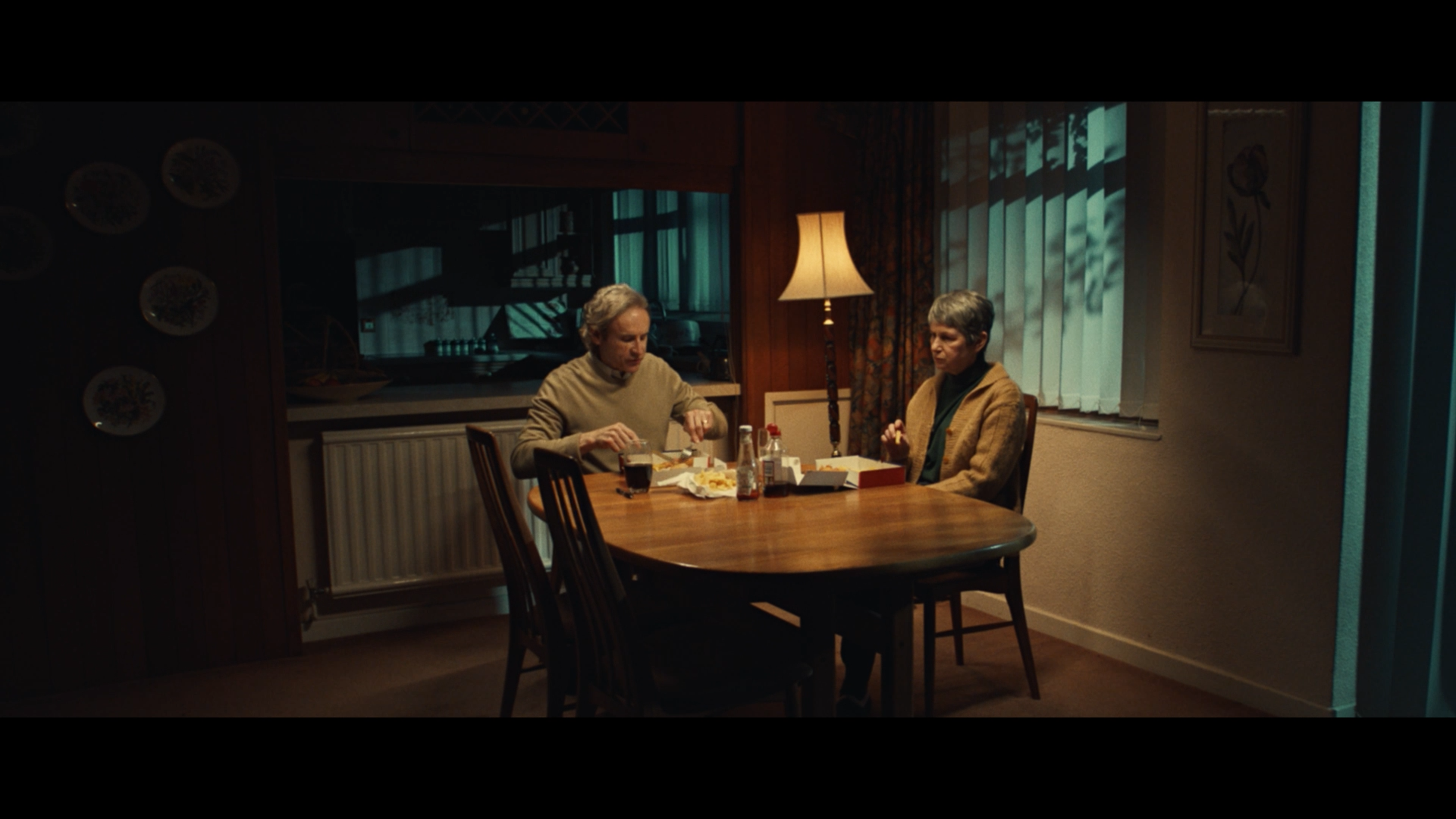
Inspired by the extraordinary true story of Joy Milne, A Scent follows Nancy (Josie Walker), a Scottish scrub nurse whose life begins to unravel after she detects a strange, persistent smell during a routine operation. Convinced she has discovered an ability to detect disease through scent, Nancy is dismissed by her husband and lead surgeon, Gavin (Cal MacAninch). As her certainty grows and those around her refuse to listen, she puts her profession and her marriage on the line to fight for her credibility.
Johnny Russell is a Cannes Lions YDA-winning director known for dark comedy, surreal drama, and heightened imagery. A Scent marks his first dramatic piece, and it arrives from a deeply personal place — a filmmaker drawn to magical realism as a way of telling emotional truth, meeting his own experience of watching close family members move through neurological illness.
Key Takeaways
- Rooted in the true story of a nurse with a "superpower," A Scent uses magical realism as a metaphor for the quiet miracles NHS nurses perform every day.
- Russell and his team translated the sense of smell into cinema through a slow, uncanny zoom paired with a musical theme that gradually resolves.
- Working with Virtual Motion Dance, a Midlands company running Parkinson's therapy sessions, shaped the film's core idea: that illness can be the start of a new beginning.
A conversation with Russell about instinct, sincerity, and the community that made the film possible.
Interview
What drew you to make this film, and why this story, why now?
I've always loved magical realism — the way it lets you tell an emotional truth through a fantastical lens. That instinct met something very personal: I've watched close family members go through neurological illness, and that experience shaped how I see care, vulnerability, and the people who show up for us in those moments.
A Scent is inspired by the true story of a nurse with a "superpower," and it felt vital to tell now because public perception of the NHS is at a difficult point. I wanted the film to act as a kind of token of support for the thousands of underpaid, overworked NHS nurses — using the magical realism as a metaphor for the quiet miracles they perform every day.
What surprised you most about the filmmaking process, creatively or logistically?
I had a lot of surprising moments on set. This is my first dramatic piece of work, and about halfway through the shoot I had a genuinely beautiful realisation: because of how much preparation my crew, my actors and I had put in, everyone had started working entirely instinctually — and were achieving moments and results that could only come from that instinct. It felt like watching the groundwork pay off in real time.
On the post side, the importance of score became really apparent in the edit. The film is full of intense moments of silence and subtext, and those needed the score to bring out their true intensity — without it, a lot of that quieter tension just didn't read the way it needed to.
What moment in the film feels most like you, or like something only you could have made?
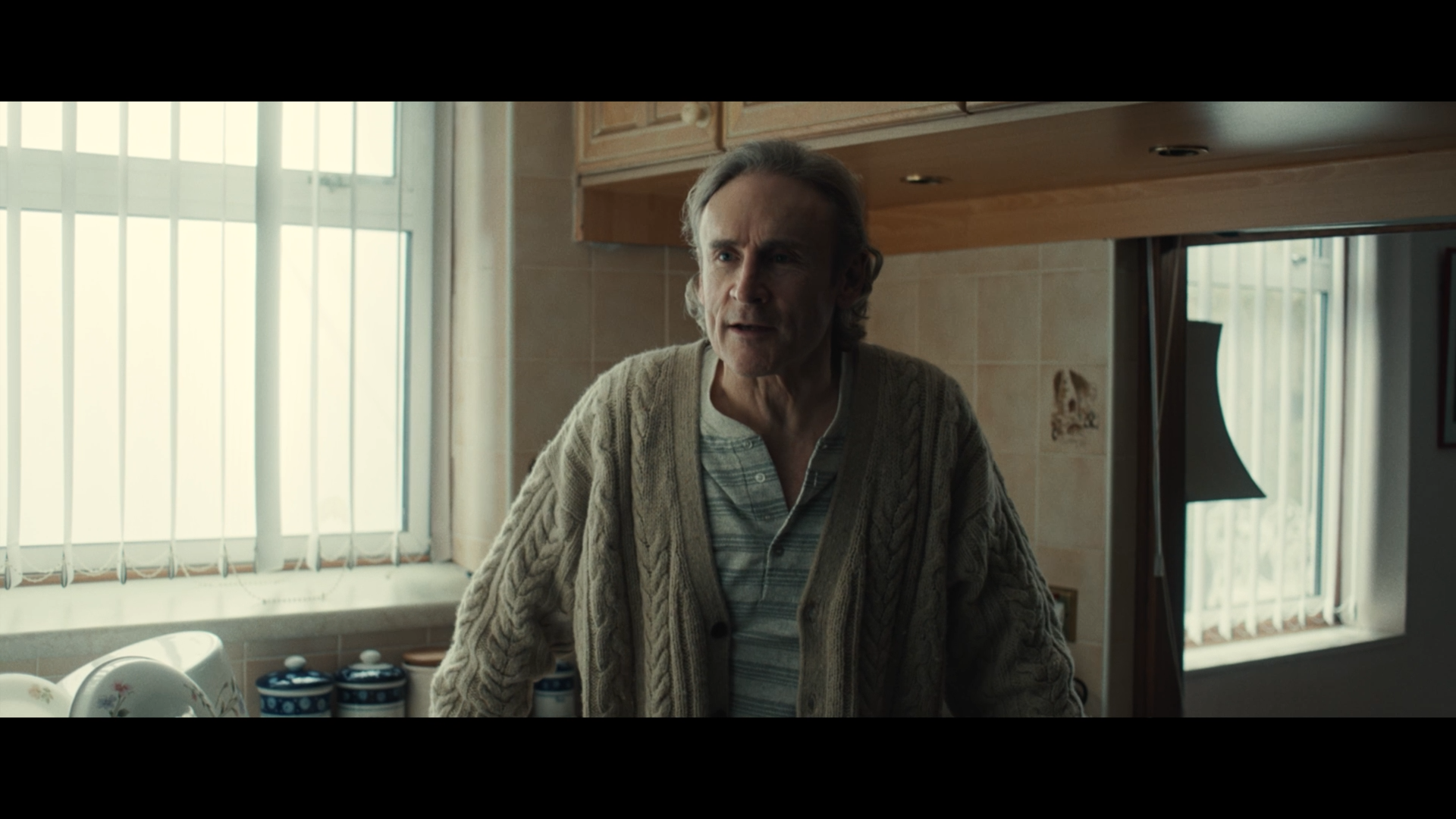
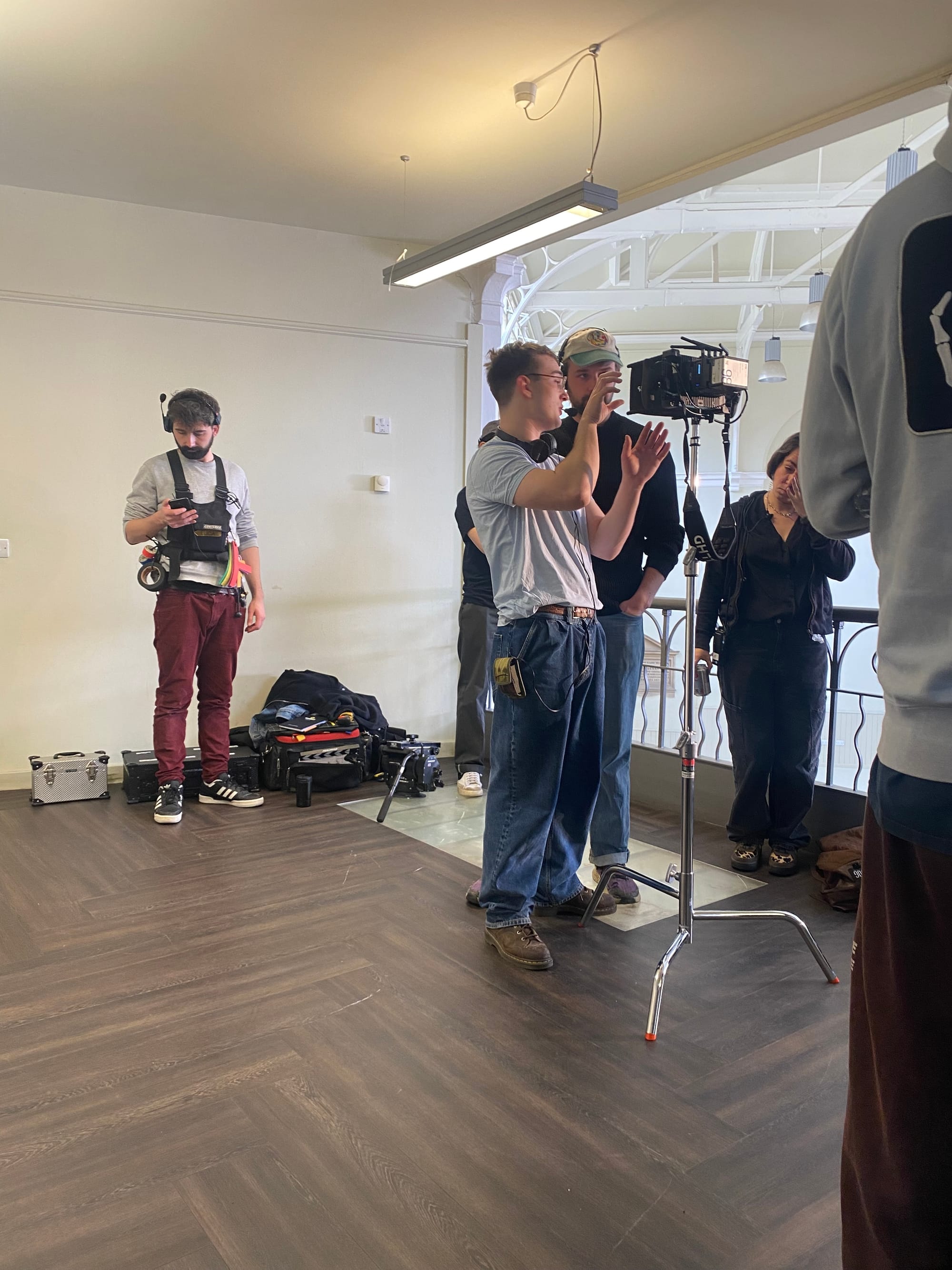
There are a handful of moments, but one of the most important to me is when Nancy arrives to tell her husband about the discovery of her gift — and to tell him that he may indeed be ill. That scene comes directly from my own history: trying to convince a family member, after he'd had a stroke, that he was unwell and needed to go to hospital. His fear of his life changing was holding him back from letting the truth in. Ultimately, it's a point of view about change — something we all understand, but must inevitably accept.
What was the hardest creative decision you made while making the film?
My primary creative battle was working out how to represent the sense of smell as a driving force within the film. In our camera tests, we discovered that a slow zoom — with its uncanny, unsettling quality — paired with a simple series of musical notes that gradually builds into a well-defined theme, could tell that part of the story in a way that was subtle, yet precise and powerful.
What do you hope audiences take away from this film?
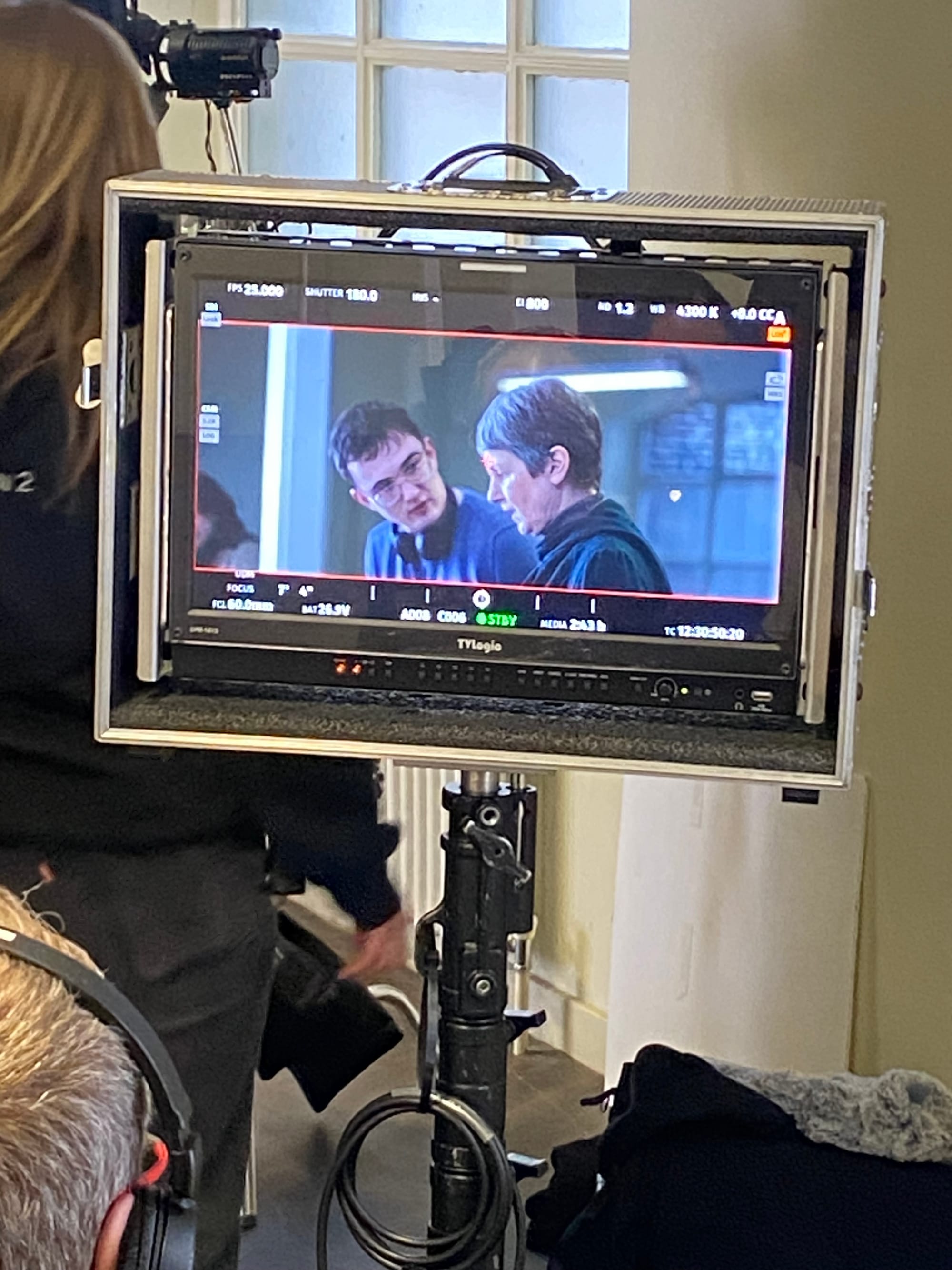
I hope audiences take away the core message that illness can inspire love. We worked closely with Virtual Motion Dance, a company based in the Midlands who run weekly sessions with people with Parkinson's as a form of therapy. Through our research with them, one point kept coming up: that this isn't the end, merely the start of a new beginning. They were filled with such kindness and humour. That's where the film's core theme came from — the irony that once the dust has settled, the journey of illness can inspire a new depth of love.
How has this film shaped or shifted the kinds of stories you want to tell next?
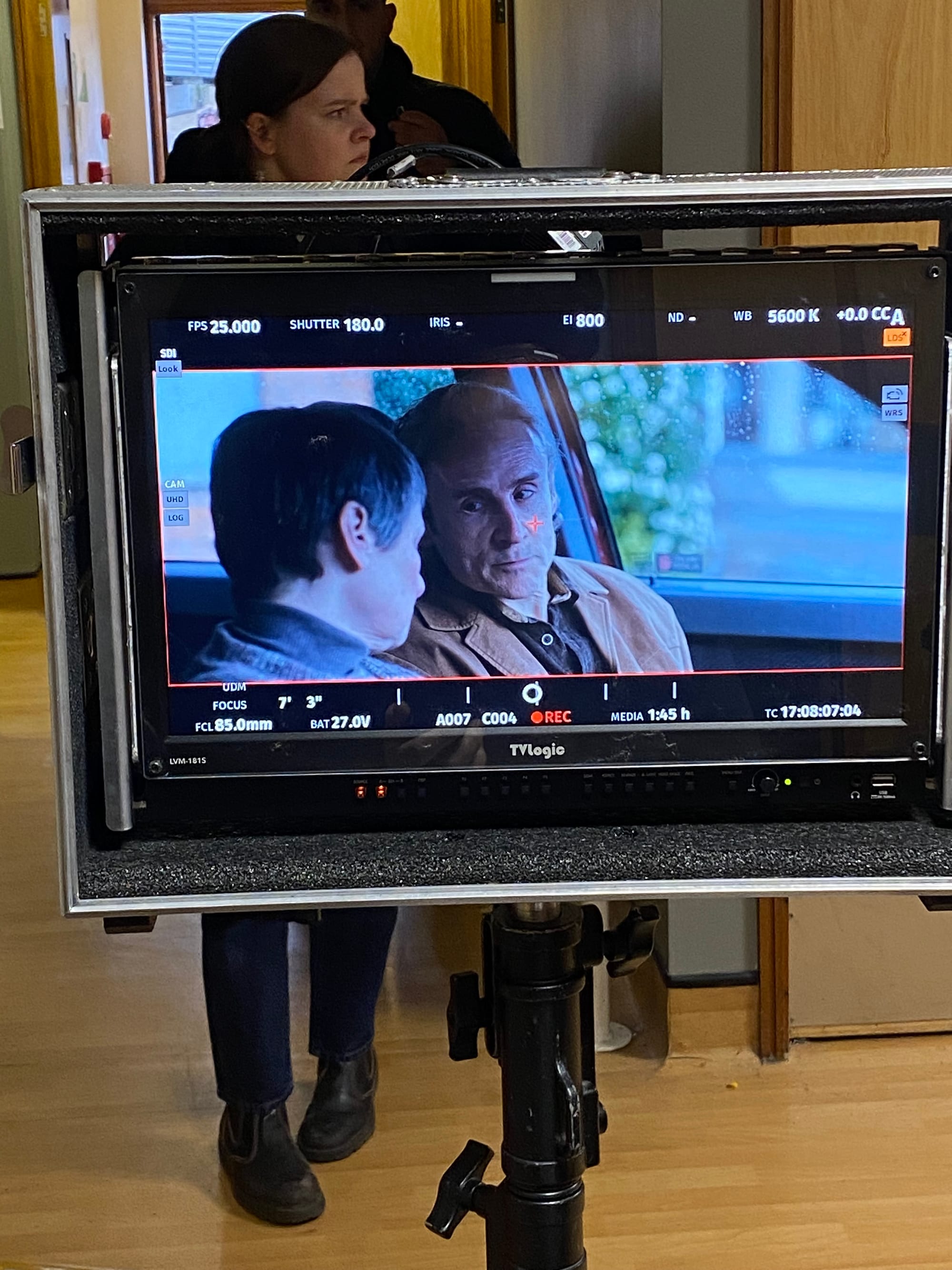
This film has spurred me on to explore more dramatic stories — stories that lean into sentimentality and lived experience. I'd often been wary of leaning too deeply into that territory, as it can sometimes feel insincere. But making this film showed me that when the story is rooted in my own personal connection to the lived experience of the characters, it carries a real emotional sincerity — and that's the thread I want to keep pulling on in whatever I make next.
Coming from comedy, my directorial instincts were built around letting actors play and keeping things loose. In this drama, my job was to help discover the truth of the scene — and once the right path was found, to let it develop, flourish, and intensify.
What does it mean to have your film selected for HollyShorts?
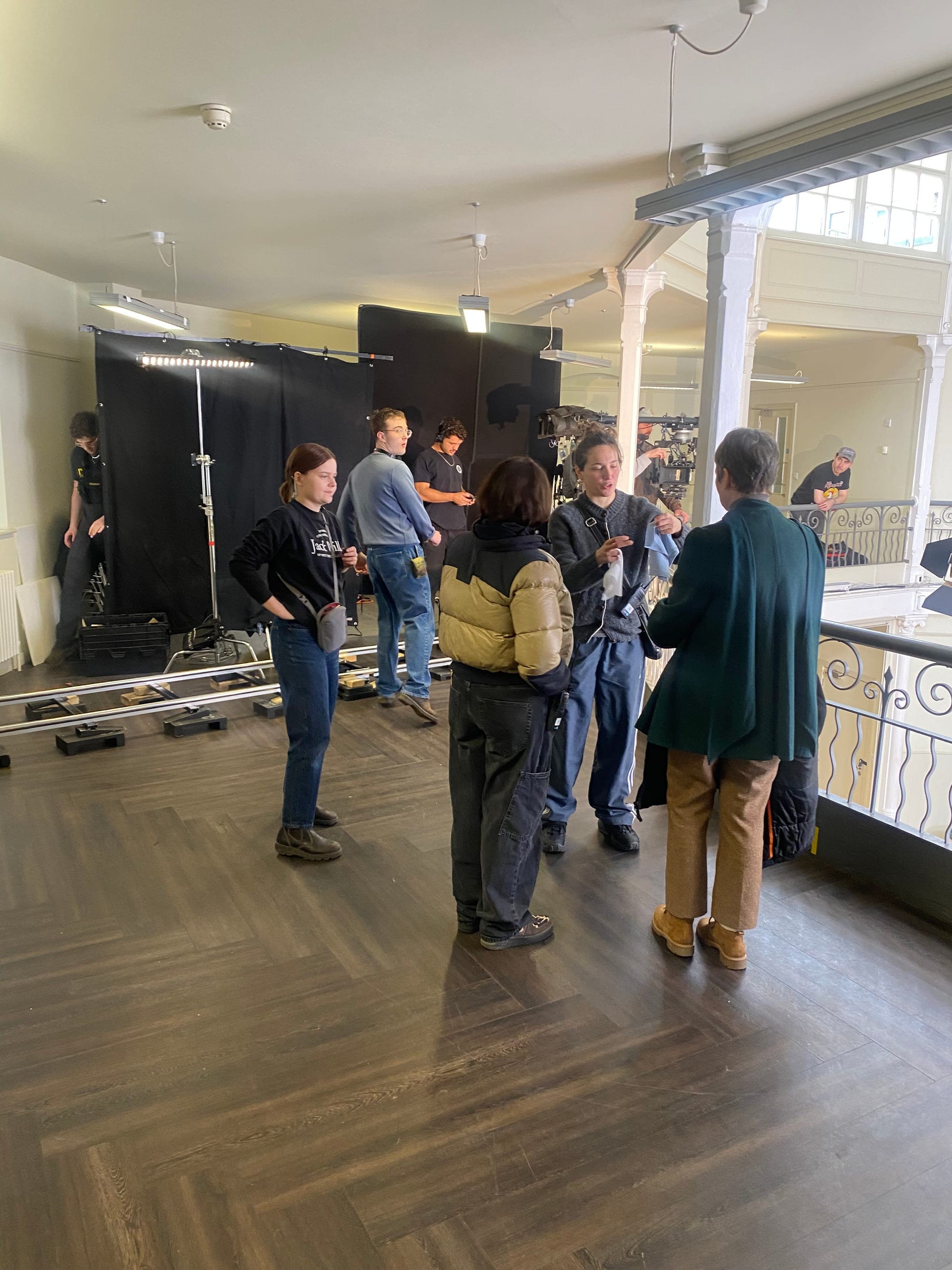
HollyShorts and its programme is one I've admired dearly for many years now — it's an Oscar-qualifying festival and one of the most respected launching pads for short filmmakers working today, so being part of that lineage means a great deal. To be acknowledged by the team confirms that I'm on the right track as a filmmaker, and that my work is growing from strength to strength. It feels like a real marker of progress on a path I've been building toward for a long time.
I see A Scent continuing down a successful festival run, picking up more nominations at incredible festivals around the globe, with the overall aim of being acknowledged by the highest awards. We've just signed a distribution agreement with Network Ireland, and we're looking forward to seeing the film get a new lease of life post-festival run.
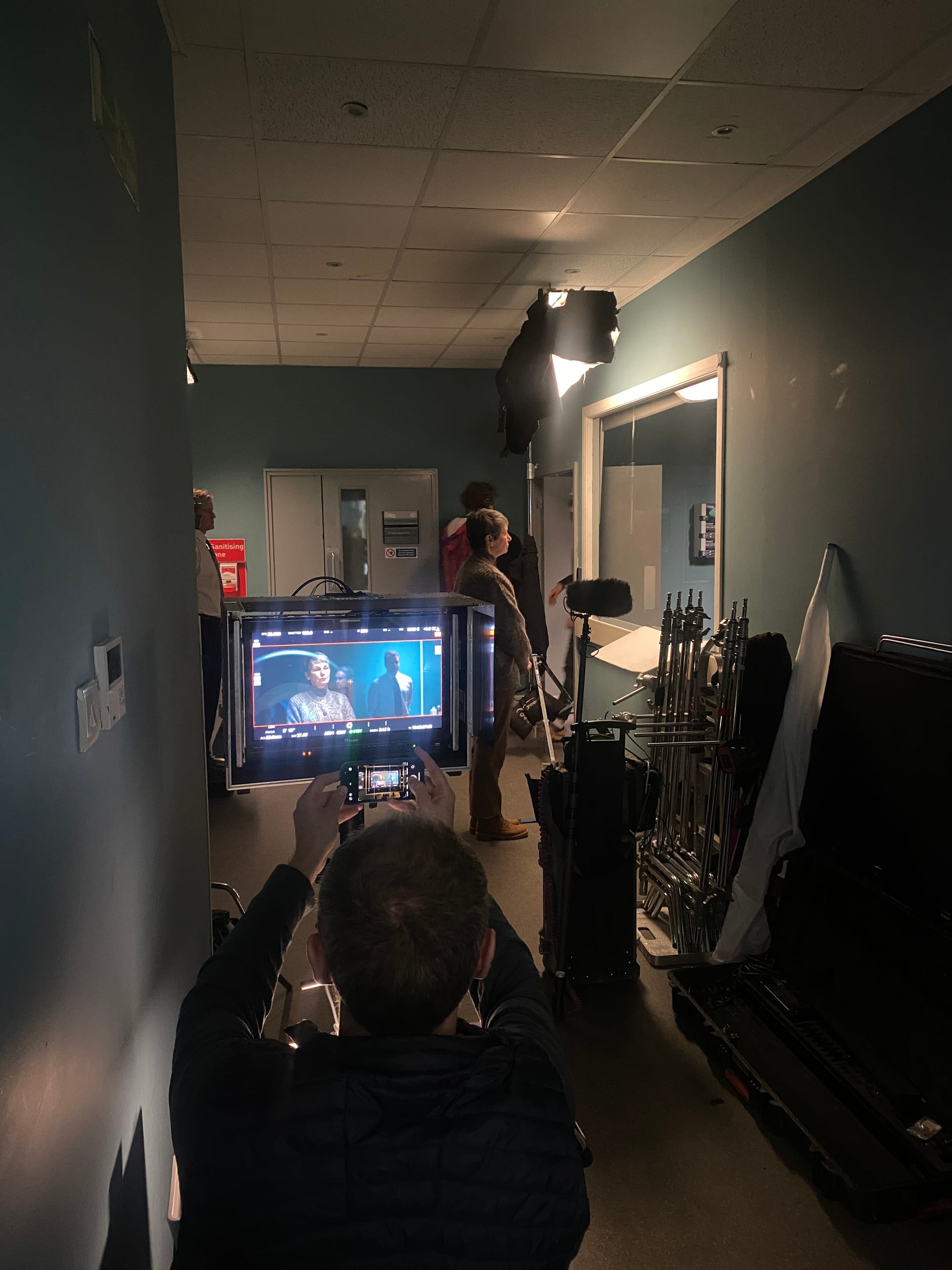
Main Cast & Crew
- Johnny Russell — Writer/Director
- Josie Walker — Lead Actor
- Cal MacAninch — Actor
- Laura Rollins — Actor/Producer
- Harry Moore — Producer
- Lesley Posso — Editor
- Max Brunner — Cinematographer
Filmmaker Opportunities
💛 Fund your next project with fiscal sponsorship
Have a project in the works? As a 501(c)(3) nonprofit, the Cinematography for Actors Institute can accept tax-deductible donations on your film's behalf — a door-opener for grants, foundations, and supporters who want to back your work. We've serviced over 100 projects to date and helped route over $800,000 in funding to filmmakers. Explore fiscal sponsorship →
📬 Grant deadlines and festival opportunities, straight to your inbox
The CFA newsletter rounds up grants, festival calls, and community news for independent filmmakers — the kind of opportunities that are easy to miss and painful to miss. Join the newsletter →
🎬 Focus on the creative — we'll help with the logistics
Production Management, CFA's newest member program, launches this November: production insurance and workers' comp, payroll, film permits, gear rental coordination, SAG-AFTRA compliance, contract drafting, production consulting, and crew recommendations — handled by a team of working filmmakers, à la carte or all in, in partnership with Creative Access Group. It's waitlist-only until launch. Join the waitlist →
League of Filmmakers is published by our parent organization, the Cinematography for Actors Institute — a 501(c)(3) dedicated to education, community, and capital for underrepresented filmmakers and actors. Learn more about CFA →