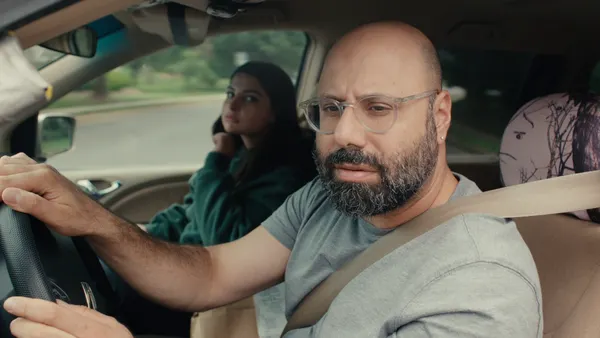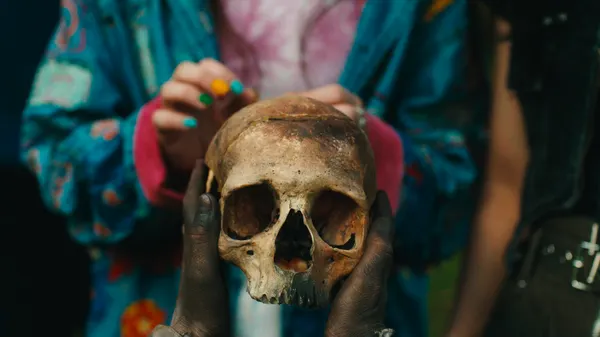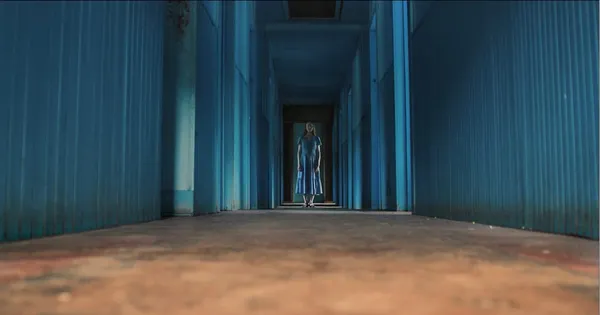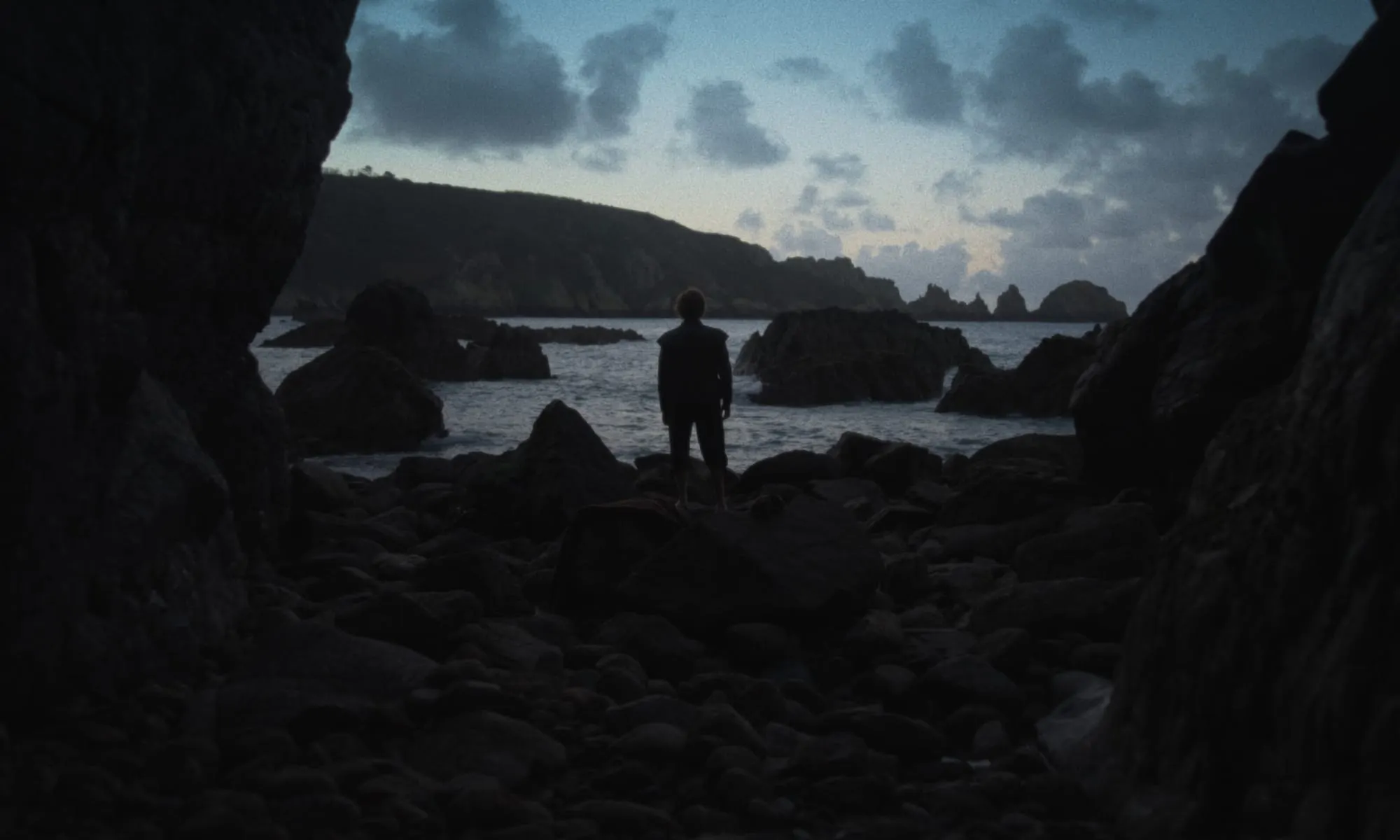
Set against the windswept cliffs and secluded beaches of 17th-century Guernsey, Albert follows the tale of Sarre, a reclusive man in possession of a forbidden grimoire: Le Petit Albert. Written and directed by Josh Fletcher, the film draws on the Channel Islands' long, uneasy negotiation between paganism and religion — a corner of the British Isles, as Ashplant points out, that has never been depicted at this level of cinema.
Ashplant was first approached to produce. He read the script, fell in love with it, and Fletcher reshaped the role to suit him. What followed was months of historical research, a physical transformation that made Ashplant unrecognizable to himself, and a shoot that put him in the cold winter air and freezing ocean water because that is what his character would have done. The film refuses to resolve its own central question: by the end, you are unsure whether you have witnessed the power of the book, the insanity of the lead, or the evil, testing nature of the priest.
Key Takeaways
- Albert is rooted in Guernsey's 17th-century struggle between paganism and religion, with historical advisors and archival research shaping the world and the performance.
- Ashplant's transformation — wig, movement, facial choices — made him look like a man who genuinely worked the fields, something he only fully registered watching the ADR pass.
- The film never confirms whether the grimoire's magic is real, leaving reality, madness, and clerical cruelty equally plausible.
Ashplant spoke with us ahead of the film's American premiere at FilmQuest.
Interview
What drew you to make this film, and why this story, why now?
Josh wrote and directed it. He originally approached me to produce it. I was at a point in my career where I was juggling too many hats and I had decided to focus on acting. When I read the script I fell in love with it, and Josh, without encouraging, changed the script to make the role suitable for myself.
This is a story about my home island's heritage and its struggle with paganism and religion in the 17th century. I felt deeply connected to it and enjoyed doing extensive research to make my performance authentic. This came at a point in my career where I wanted to play with different genres, so it was timely. This was a real Robert Eggers-style folk horror.
What surprised you most about the filmmaking process, creatively or logistically?
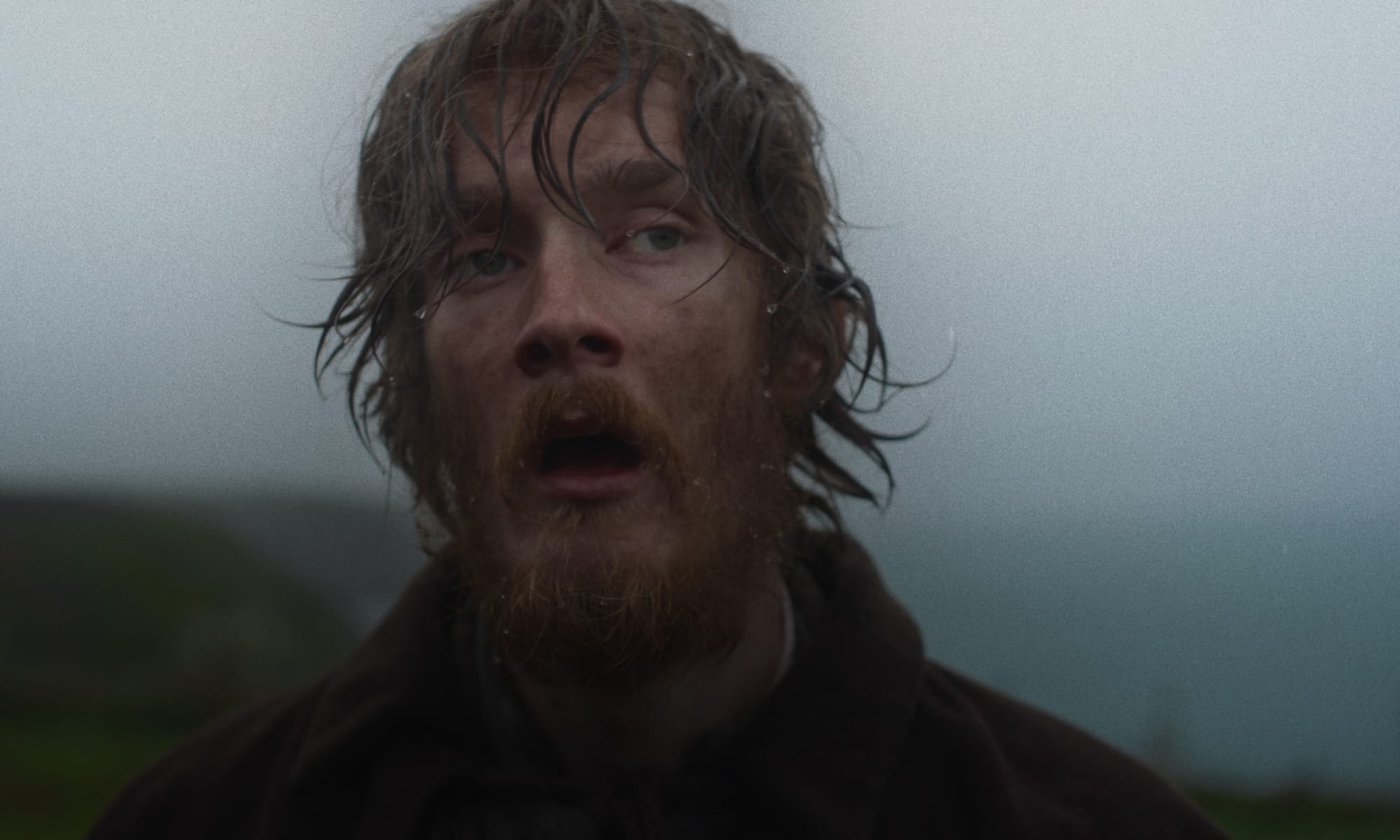
I look completely different than I normally would. The wig and some movement and facial choices made me appear older and weathered. When I first watched it at the ADR phase I was amazed by the transformation into someone who looked like they genuinely would work the fields in the 17th century.
What moment in the film feels most like you, or like something only you could have made?
I had heard a story about how Matthew McConaughey broke down in Dallas Buyers Club, starting with a newborn baby's cry and then making it convincing. I love geography and history, and I spent a lot of time getting the culture and social landscape of my character to a point where I could understand it.
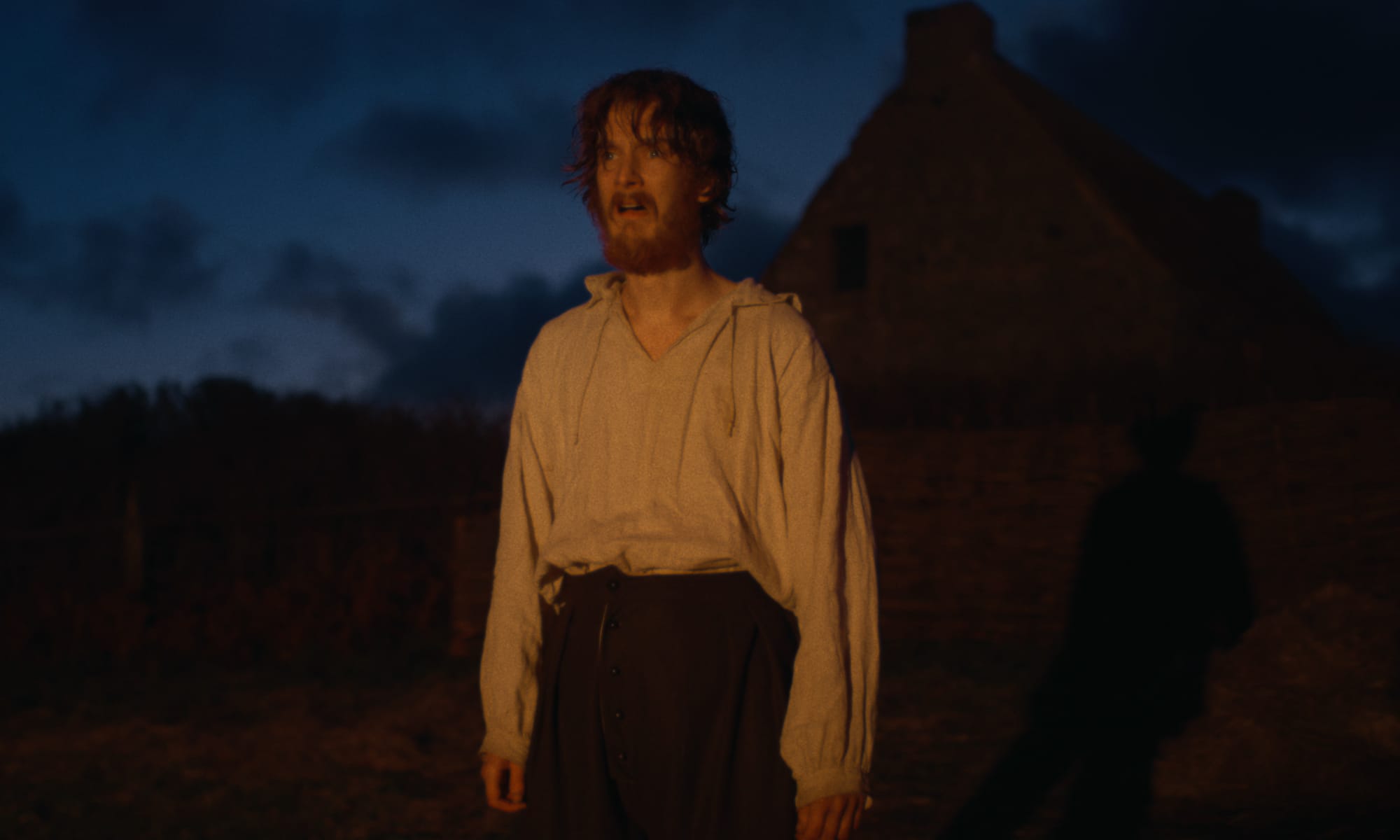
When my tree burns down in the film, it represents the end of my crop, my livelihood and my survival. In those days nothing is worse — nothing, not even the death of a loved one. These people in this era responded differently. I am proud of the research and the subsequent performance, and how it conveys an older people of a different era and shows how they related to our world differently. That is the authenticity I strive for.
What was the hardest creative decision you made while making the film?
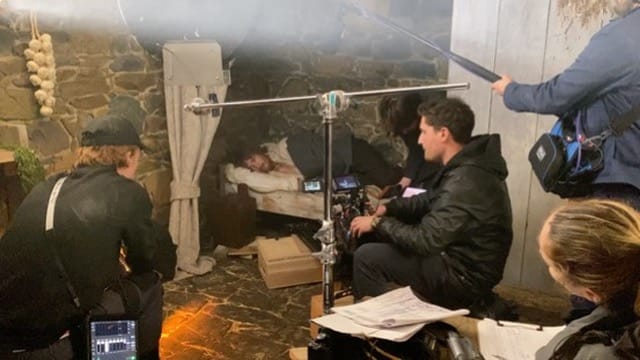
I exposed myself to the elements. The cold winter air and freezing ocean waters. It's what my character does, and so I did it too. So much of this tale is about the force of nature. I had to feel that force and be belittled by it.
What collaborator or mindset shift helped most during production?
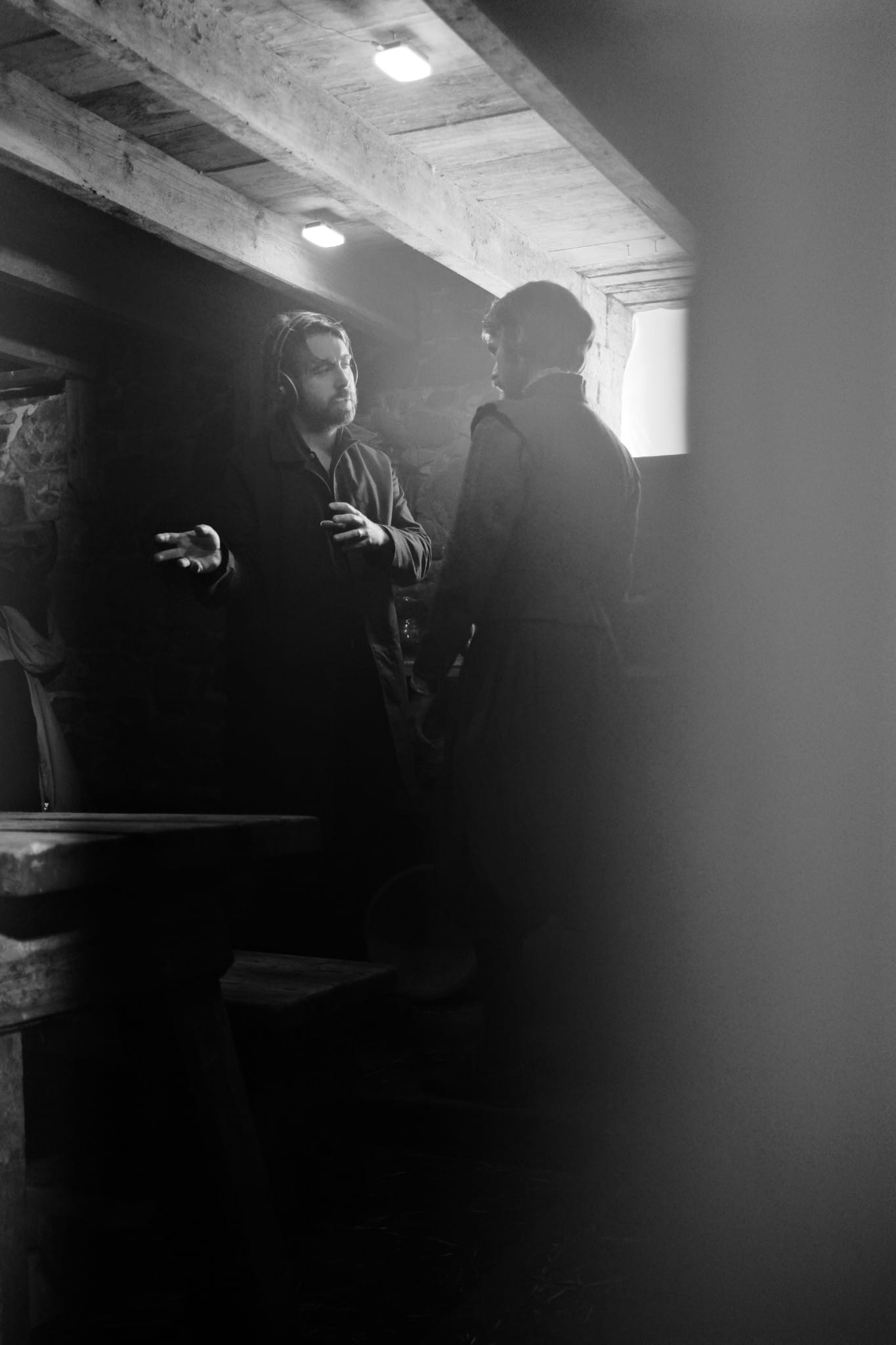
I worked opposite James Howard, who was recently off the West End playing a lead role in Harry Potter. He brought another energy to the production that made it even more magical. His willingness to explore was so impactful to the shoot once he had boarded.
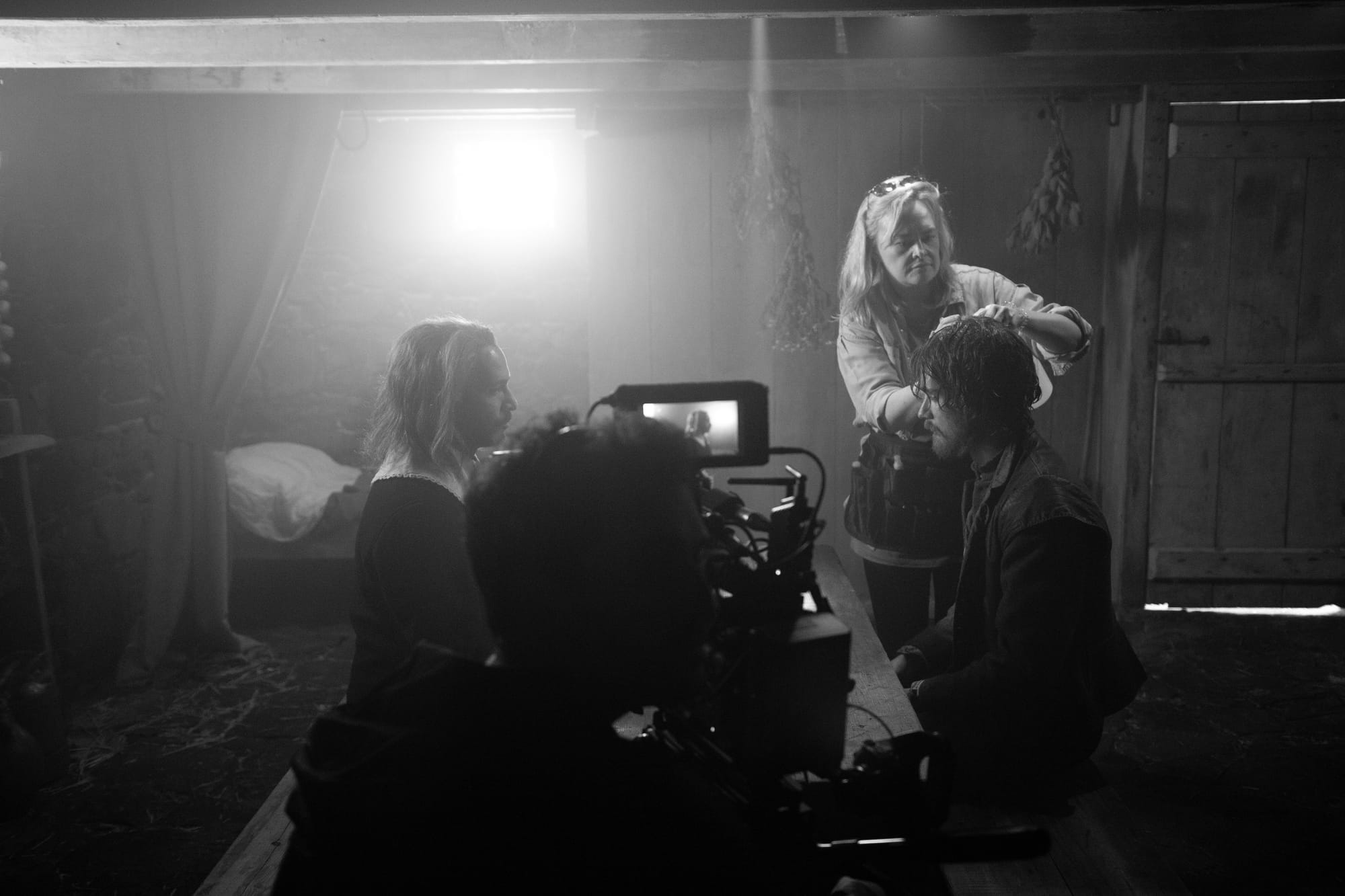
What is the greatest strength of independent filmmaking, and how did you lean into it on this project?
The preparation in independent cinema is often more resourceful and substantial, as the filmmakers are more caring and invested in their stories. We had access to extensive history and historical advisors that allowed us to give depth to the world and characters.
On one trip to the library to see a real copy of the book of Albert, we were told of a visit in the 1990s by the descendant of a 'witch family' who cursed the book and said the next person to touch it would go blind. The junior librarian put it away after his visit, and sure enough they soon went blind. On studio productions I've worked on, the rehearsal and preparation support is stripped back.
What does it mean to have your film selected for FilmQuest, and where do you see the film going next?
Overjoyed. I have recently moved to Toronto for television work, so it's great to have the film showing this side of the pond and to be able to attend the festival and American premiere in person. FilmQuest is known the world over, and with Albert's selection it acknowledges a unique aspect of folk horror.
It has recently become BIFA and BAFTA qualifying — these would be huge British accolades to contend for. There are so many other island folk stories such as this in the British Isles; hopefully it inspires more.
What do you hope audiences take away from this film?
That we are not as strong as the force of the universe, and there are some powers we dismiss which we still don't fully understand. I hope audiences enjoy the unique landscape and the transportive nature of the storytelling, to visit a place they otherwise would not.
Since making Albert, Ashplant says, his reading of a script begins somewhere new: "When I'm offered a script or role, I fixate on when and where. I appreciated more the power of screen and stories to transport us. I still have a love for contemporary dramas, but even with those I am drawn to questions of class, work, nationality, accent. I have a greater appreciation for the importance of location and era in a performance." At the core of all his work, he says, is a desire to do something new — "showing audiences worlds they've not seen, interpretations they've not seen, and a lens through which they have not viewed the world."
Main Cast & Crew
- Josh Fletcher — Director
- Cameron Ashplant — Actor
- James Howard — Actor
- Film page
Filmmaker Opportunities
💛 Fund your next project with fiscal sponsorship
Have a project in the works? As a 501(c)(3) nonprofit, the Cinematography for Actors Institute can accept tax-deductible donations on your film's behalf — a door-opener for grants, foundations, and supporters who want to back your work. We've serviced over 100 projects to date and helped route over $800,000 in funding to filmmakers. Explore fiscal sponsorship →
📬 Grant deadlines and festival opportunities, straight to your inbox
The CFA newsletter rounds up grants, festival calls, and community news for independent filmmakers — the kind of opportunities that are easy to miss and painful to miss. Join the newsletter →
🎬 Focus on the creative — we'll help with the logistics
Production Management, CFA's newest member program, launches this November: production insurance and workers' comp, payroll, film permits, gear rental coordination, SAG-AFTRA compliance, contract drafting, production consulting, and crew recommendations — handled by a team of working filmmakers, à la carte or all in, in partnership with Creative Access Group. It's waitlist-only until launch. Join the waitlist →
League of Filmmakers is published by our parent organization, the Cinematography for Actors Institute — a 501(c)(3) dedicated to education, community, and capital for underrepresented filmmakers and actors. Learn more about CFA →