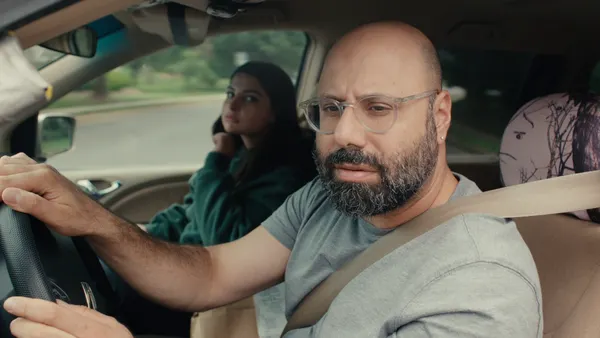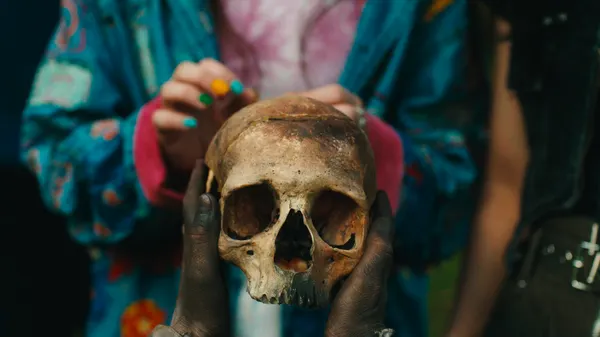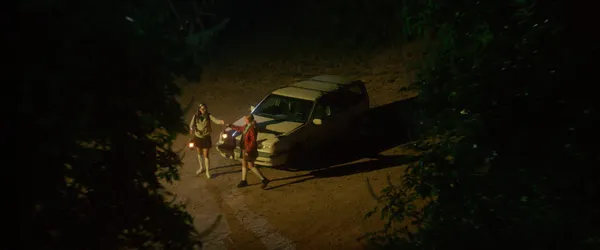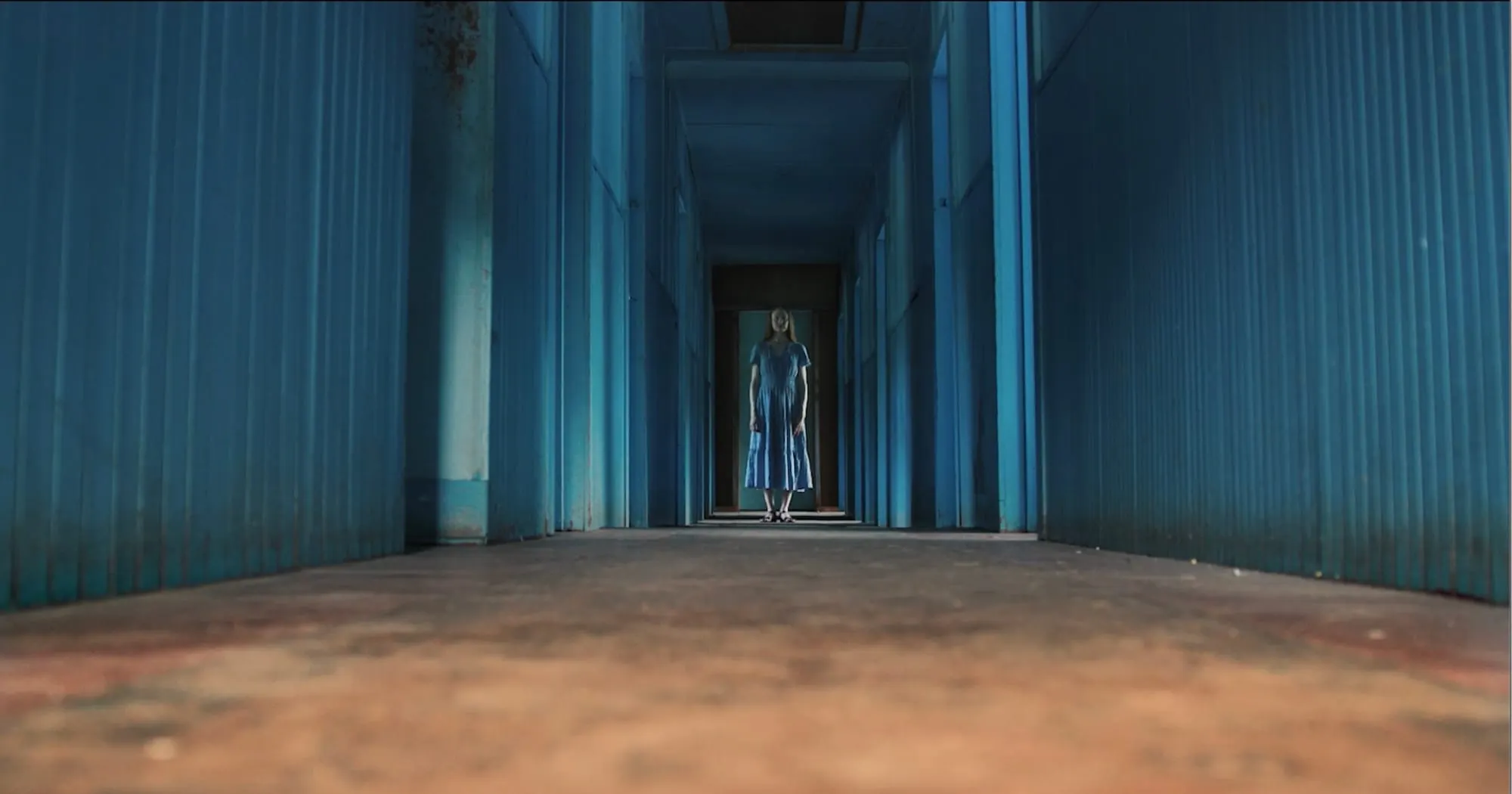
At God's Future Soldiers, an intensive evangelical summer camp, Sigrid's faith is tested when God comes to her in a dream and demands she harvest souls for the coming end times. Jerry J Sampson's directorial debut — a daylight religious folk horror rooted in 70s inspiration and cultish glee — takes the rapture seriously enough to show what it does to a child raised inside it.
Sampson grew up in an evangelical church, where the rapture was drilled into her as a promise that always behaved like a threat. God's Future Soldiers is her reckoning with that, shot on location in upstate New York with a small crew and a mother-daughter conflict at its center. The film arrives at FilmQuest, a festival Sampson has attended for five years with screenplays in competition, and this time with her first film.
Key Takeaways
- A daylight folk horror about a girl raised to believe God would send instructions when the end times came — and the mother who cultivated the souls she's asked to harvest.
- Sampson, a screenwriter first, stopped waiting for permission and directed and produced the film herself after collaborating with John and Zelda Adams.
- The script changed on arrival: Sampson hadn't seen the locations in person, and a boarding house full of blues and reds rewrote parts of the film on the spot.
Sampson spoke with us about terror disguised as love, DIY filmmaking, and why Provo is the destination.
Interview
What drew you to make this film, and why this story, why now?
Growing up in an evangelical church, the concept of "the rapture" was drilled into my young mind by everyone around me. It was a threat, despite being presented as some kind of exciting promise, and every fear in my mind manifested into some form of reckoning from above. "God" was terror, not love, and though I managed to separate myself from the church as soon as I was old enough, the concept of a "rapture" persists in a culture that now seems to be circling back around embracing evangelical Christianity more than ever.
I felt this was the right time to tell a story about a girl who has been brainwashed her whole life into believing that God would send instructions for his soldiers when his time to return came. In God's Future Soldiers, Sigrid is tasked with harvesting souls that her mother has cultivated over the years through her evangelical summer camp. The story also explores the tension between mother and daughter, as Sigrid's mother always believed it would be her honor to commit souls to God for his return.
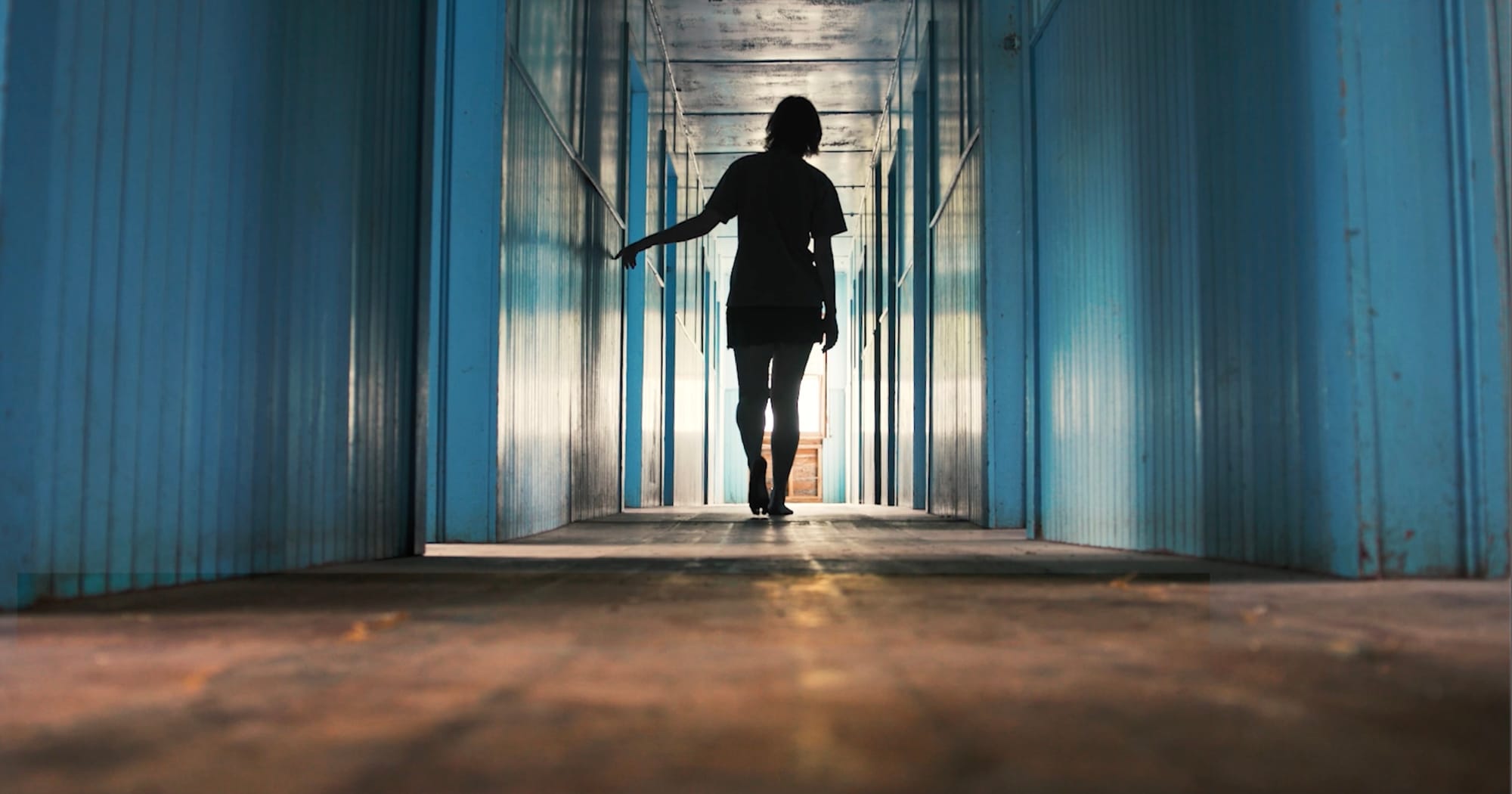
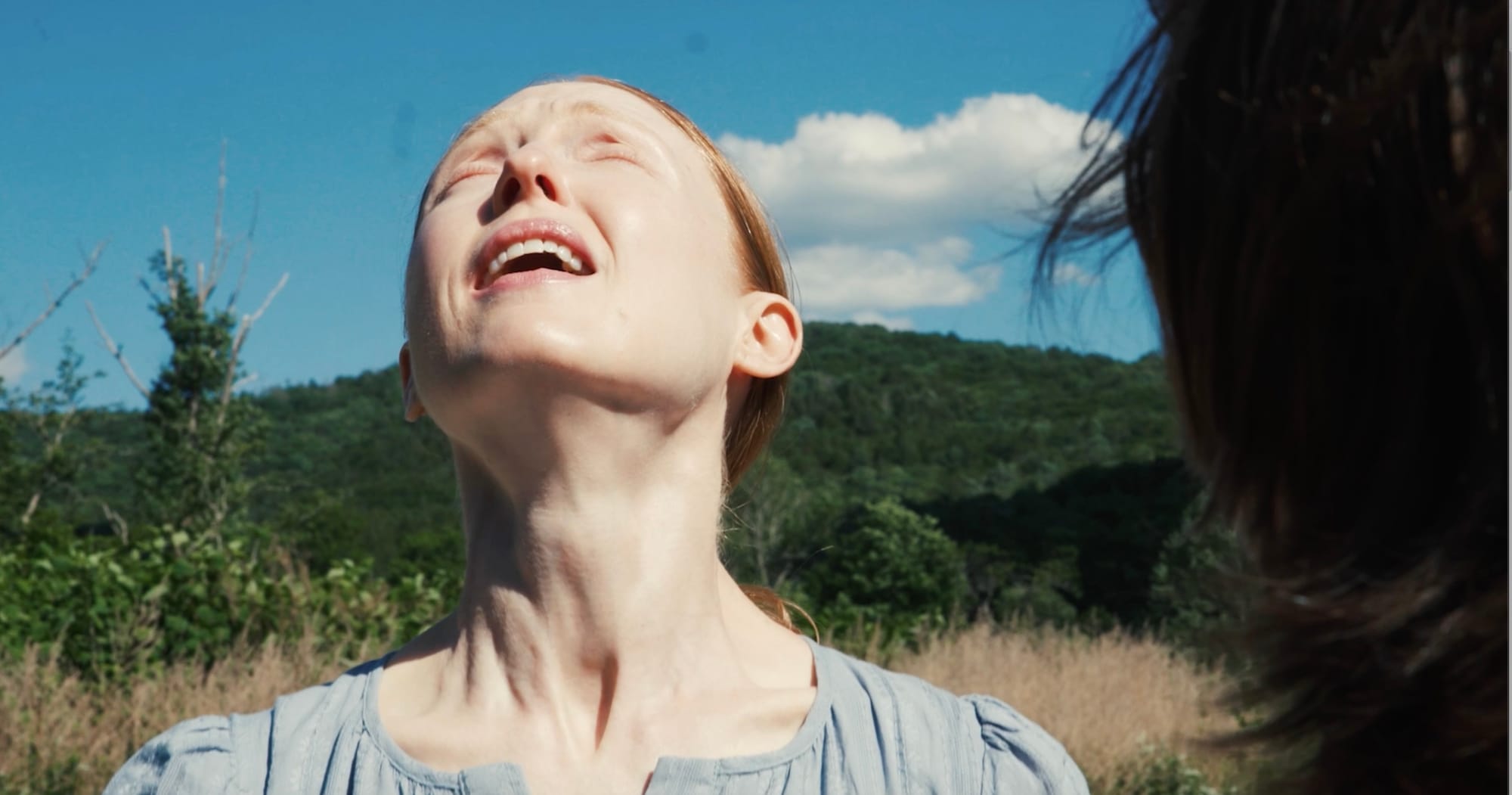
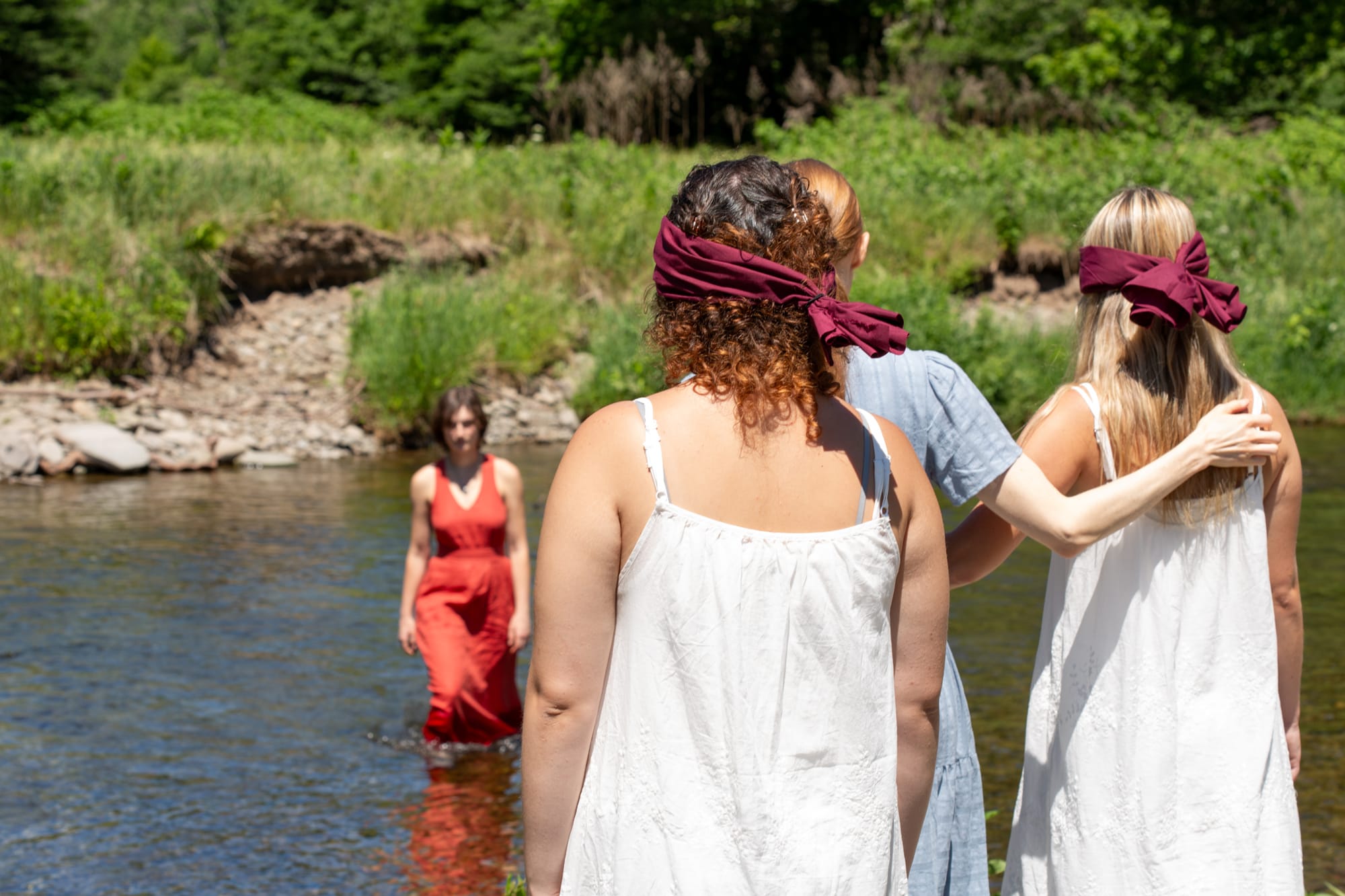
The film plays with blind faith, and the fairytales that people convince themselves are real through the unquestioning belief of a specific book. The film is saturated in daylight, as so many horrors committed in the name of some God are.
What surprised you most about the filmmaking process, creatively or logistically?
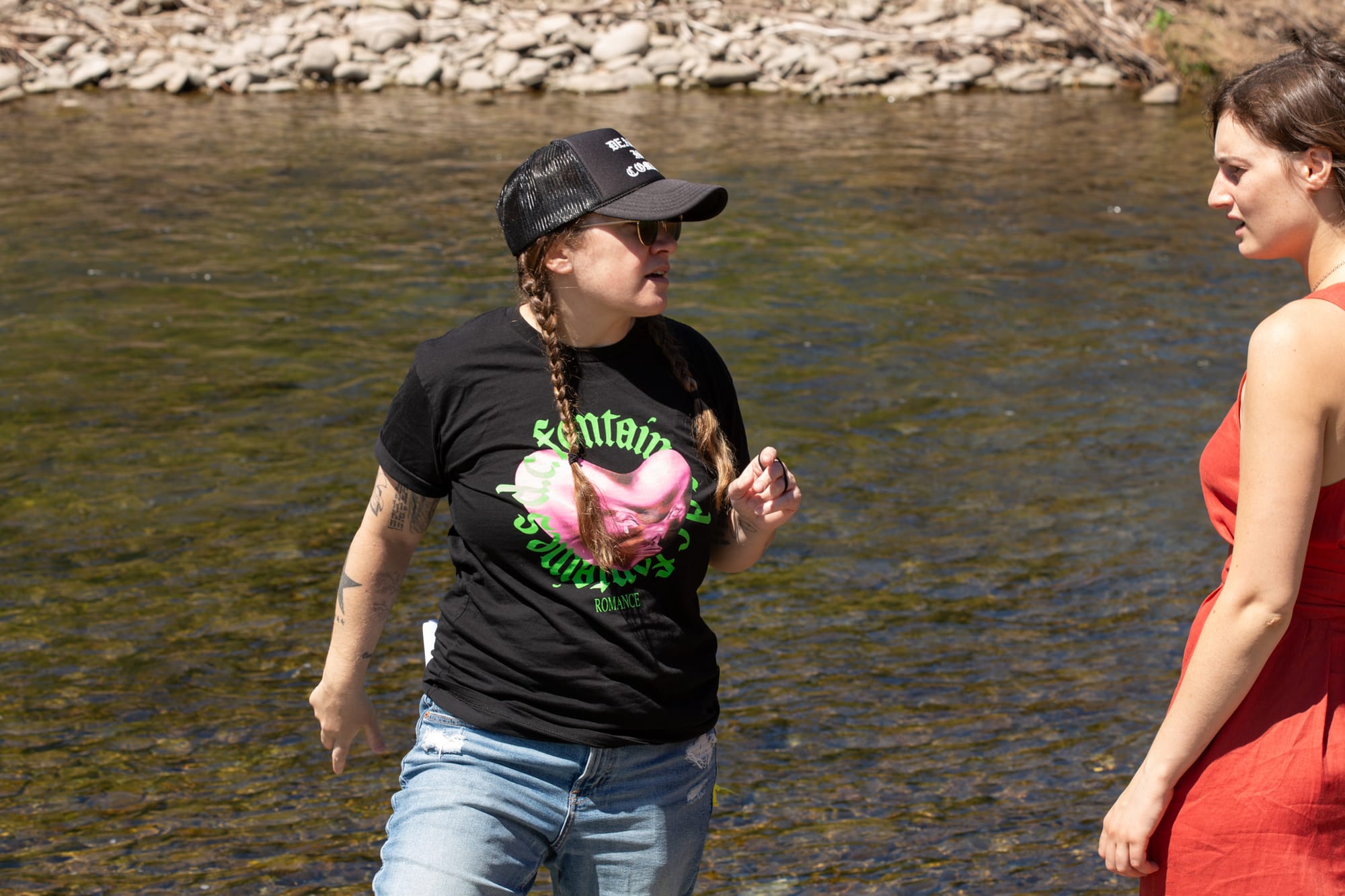
I worked with John and Zelda Adams on their property in upstate New York, and I flew from Portland, Oregon the week of the shoot, so I was unable to see the locations in person beforehand. Upon seeing the first location, a gorgeous boarding house with brilliant blues and reds, I knew that I wanted to change certain aspects of the script to film as much as possible there. That process changed certain elements that I thought I needed, but I found the ability to pivot and adjust came easier than I expected.
I really attribute this to working with the Adams', as their entire filmmaking philosophy is so rooted in a truly unique DIY spirit. As a screenwriter first and foremost, I never considered producing my own work, and instead found myself waiting for permission, but collaborating with my team on this film has inspired me to pave my own path and create my own opportunities.
What moment in the film feels most like you, or like something only you could have made?
I have confidence in my voice as a writer, but tended to downplay my desire to direct due to a lack of experience. I never really thought about the fact that before I taught myself to write, I didn't know a thing about writing. Simple as that. This story is one I'm proud of, from the script to the screen, and once I decided that it required my unique voice and vision, there was no other option than to direct (and ultimately produce) the film myself.
I was also motivated by the opportunity to work with Emily Bennett, John, and Zelda Adams. Emily previously starred in a short film I wrote called The Safety Games, and watching her work with the incredible director Jeremiah Kipp, my close friend and collaborator on that and other projects, I knew I wanted to find a way to direct Emily myself. There's nothing more motivating than the desire to work with actors you love.
What tool, technique, resource, collaborator, or mindset shift helped most during production?
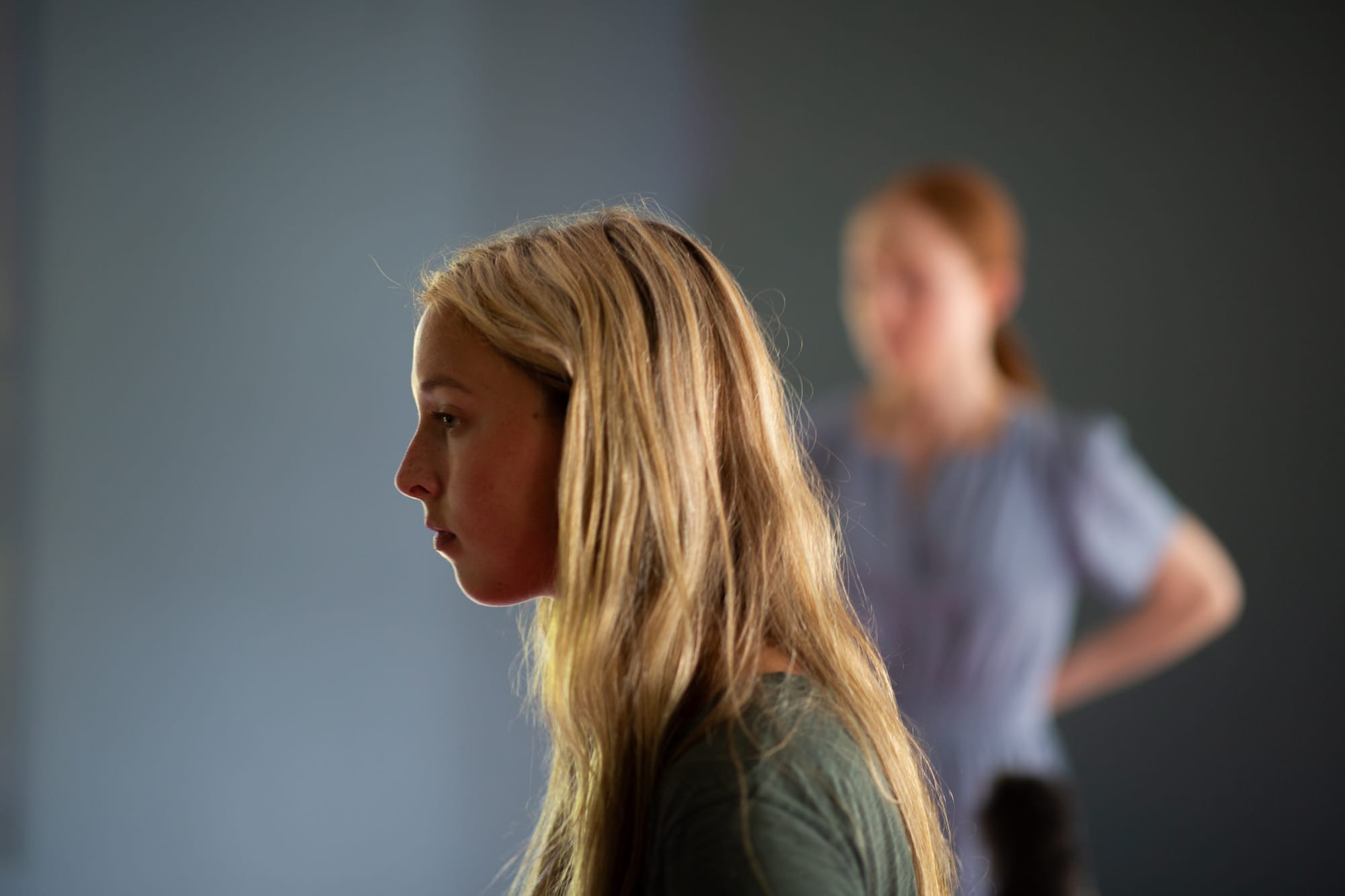
My team on God's Future Soldiers was small and powerful. John Adams as my DP was an absolute gift to me for my first time directing. I love his work and going into this collaboration I trusted him implicitly, and that allowed me to develop my own voice beyond the page. He was encouraging in a way that both challenged me and made me feel at home in the director's role. I have such a long way to go, but I am confident that I will take my experience working with John into every project I pursue, with his voice in the back of my mind saying "fuck the rules" and to trust my gut.
What do you hope audiences take away from this film, and how does it push against its genre?
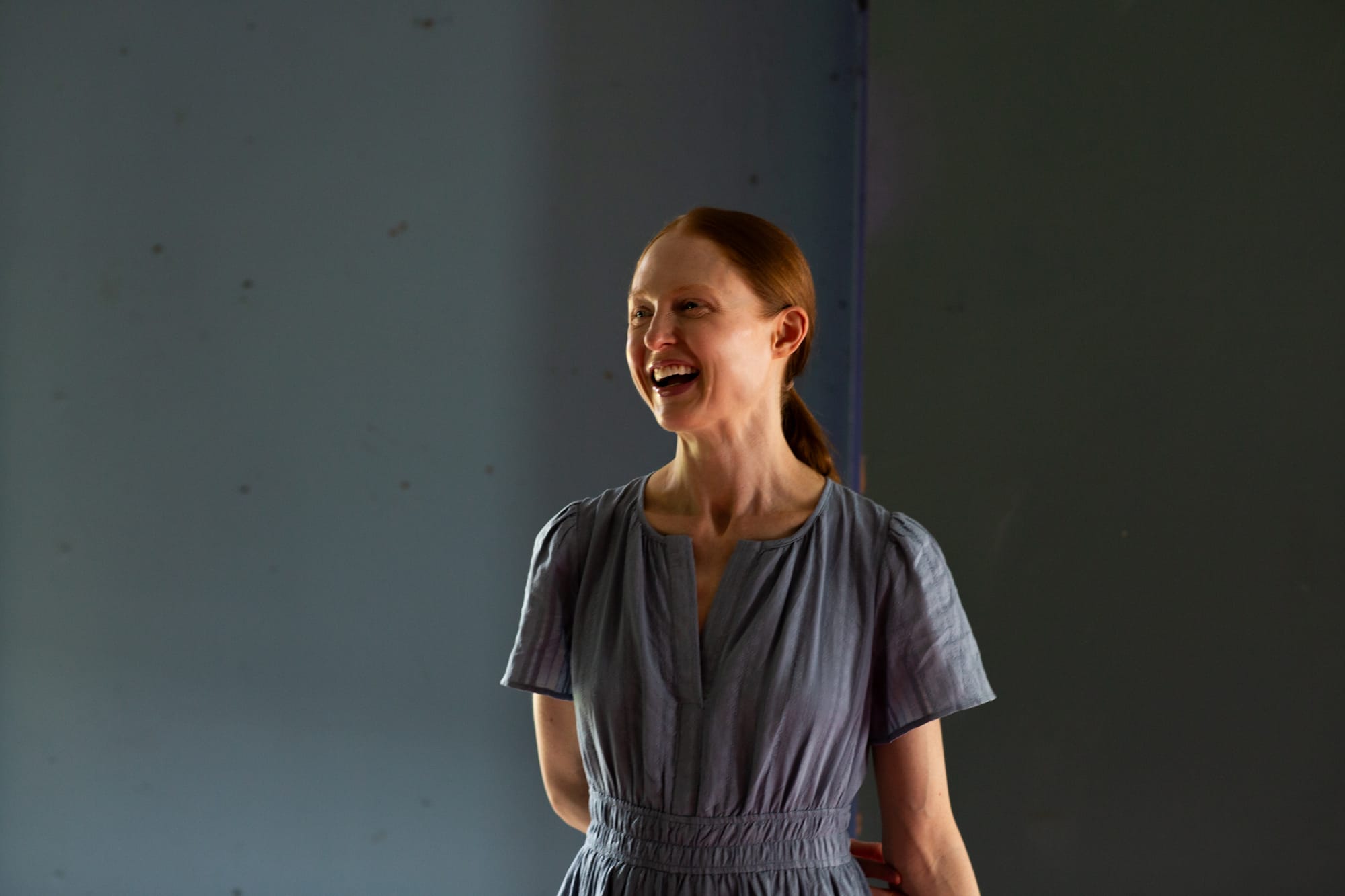
I can only hope that audiences are unnerved and inspired to question the concept of blind faith. I also hope that there is an appreciation for space and silence, slow burn, and daylight horror.
God's Future Soldiers is a daylight religious folk horror. The story is rooted in 70s inspiration and cultish glee. Slow burn horror isn't for everyone, but I can only hope that the combination of incredible acting, gorgeous cinematography, and a score that haunts will find its audience in every festival and every screening.
What is the greatest strength of independent filmmaking, and how did you lean into it here?
Independent film isn't "content." It's not a get rich quick scheme, it's not a promise of money and fame. There's no greater art than indie, because everyone who pursues independent filmmaking is motivated by passion, driven by those screaming ideas that refuse to be quiet until they're out of the head and onto the page. I believe in the power of storytelling, specifically in the genre world, because there is power in facing fears and standing against mediocrity and the status quo. The studio film industry has its own language, a mess of "contractions" and "moving the needle" that always ends up diminishing the heart of the art.
What I love about the indie world is the fact that I can fall in love with an actor's performance in one film, reach out to that actor to tell them how much they inspire me and that I'd like to write a script for them. They can respond directly, connecting as artists, excited to collaborate on a project that might never see the light of day, but for those moments in time, we connect on a creative level that is fulfilling and exciting. No minimum guarantees, no LOI, just artists desperate to create. That, to me, is the dream that independent filmmaking can bring to life.
What does it mean to have your film selected for FilmQuest, and where does it go next?
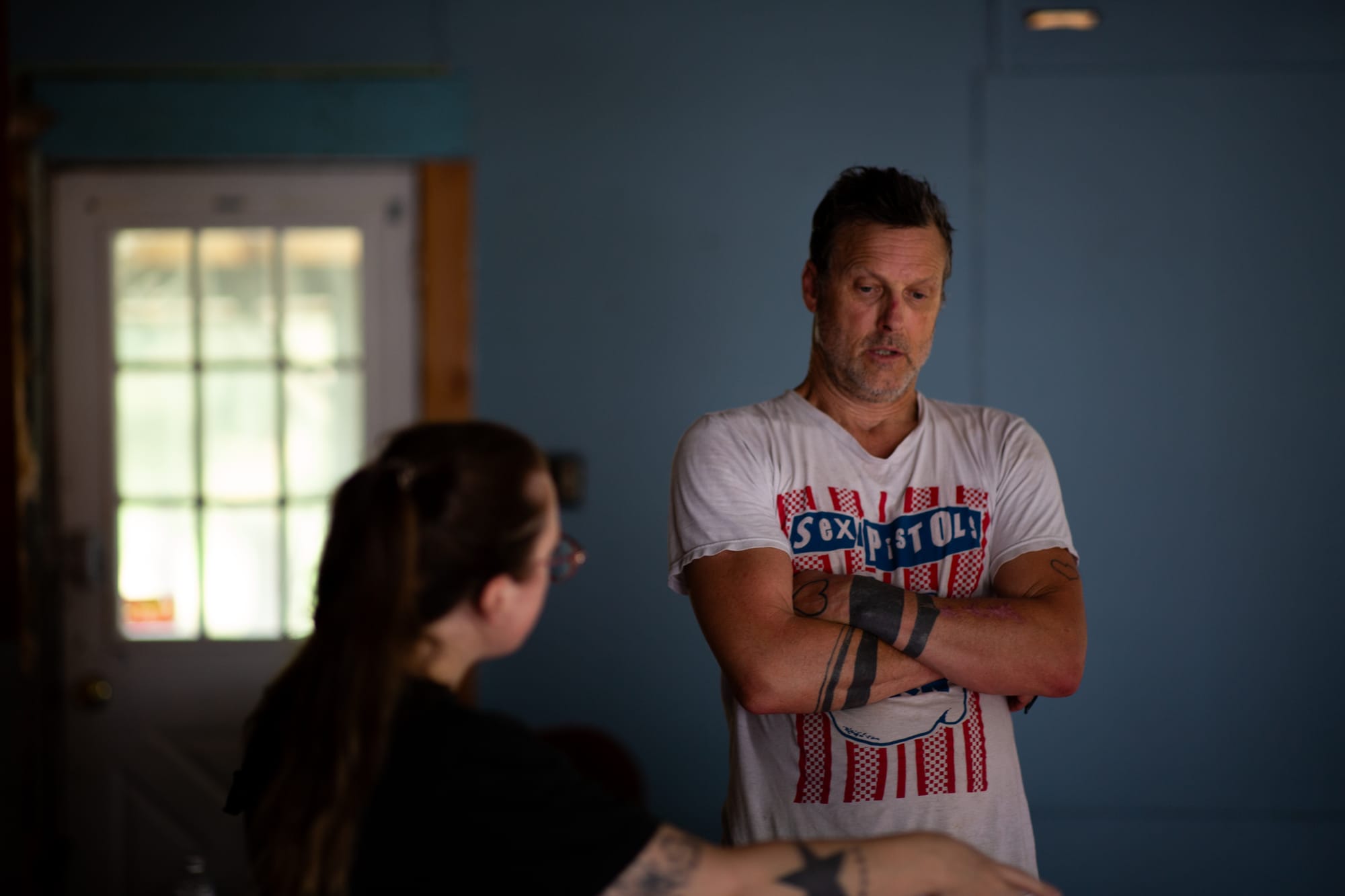
I made this film with the express goal to submit to FilmQuest. I've gone to the festival for five years with screenplays in competition, but the award is never the motivation, it's always simply to get to Provo.
I've never experienced a more inclusive, inspiring, and batshit crazy-in-love with filmmaking group of creatives than when I'm at FilmQuest. Jonathan is a cheerleader to all when it comes to genre film, he is the ultimate godfather (replace that horse head with hugs) and he is the very heart of the festival, beating strong up to the very end of what must be the most tiring two weeks ever. Every year I make it my goal to get to Provo, and this year I'm so thrilled that I'll be there with my first film.
We're at the beginning of our festival run, and for now I'm looking forward to more festivals and meeting more amazing filmmakers and hopefully potential collaborators. At the core of all my work is a desire to find my audience. Every festival I go to, there's at least a dozen short films that stick in my mind and conjure new ideas, leaving me excited to meet those filmmakers and to create new work myself. I can only hope that my work does the same for others.
Main Cast & Crew
Cast
- Zelda Adams as Sigrid
- Emily Bennett as Rachel
- Samantha Lindsay as Rory
- Violet Adams as Hannah
Crew
- Written, Directed, & Produced by Jerry J Sampson
- Cinematography, Editing, and Color Correction by John Adams
- Sound Design by Frank Pittenger
- SFX, VFX, & Title Credits by Trey Lindsay
- Music Composed by Nikhil Koparkar
- BTS Stills & Poster Design by Jason Von Godi
Filmmaker Opportunities
💛 Fund your next project with fiscal sponsorship
Have a project in the works? As a 501(c)(3) nonprofit, the Cinematography for Actors Institute can accept tax-deductible donations on your film's behalf — a door-opener for grants, foundations, and supporters who want to back your work. We've serviced over 100 projects to date and helped route over $800,000 in funding to filmmakers. Explore fiscal sponsorship →
📬 Grant deadlines and festival opportunities, straight to your inbox
The CFA newsletter rounds up grants, festival calls, and community news for independent filmmakers — the kind of opportunities that are easy to miss and painful to miss. Join the newsletter →
🎬 Focus on the creative — we'll help with the logistics
Production Management, CFA's newest member program, launches this November: production insurance and workers' comp, payroll, film permits, gear rental coordination, SAG-AFTRA compliance, contract drafting, production consulting, and crew recommendations — handled by a team of working filmmakers, à la carte or all in, in partnership with Creative Access Group. It's waitlist-only until launch. Join the waitlist →
League of Filmmakers is published by our parent organization, the Cinematography for Actors Institute — a 501(c)(3) dedicated to education, community, and capital for underrepresented filmmakers and actors. Learn more about CFA →