Table of Contents
Laura New wrote America in the depths of grief. After multiple pregnancy losses, and after a phone call from a cousin whose young daughter came home terrified from an active shooter drill, New found herself questioning whether school, a place that should mean safety, could truly protect a child. That question became her first film.
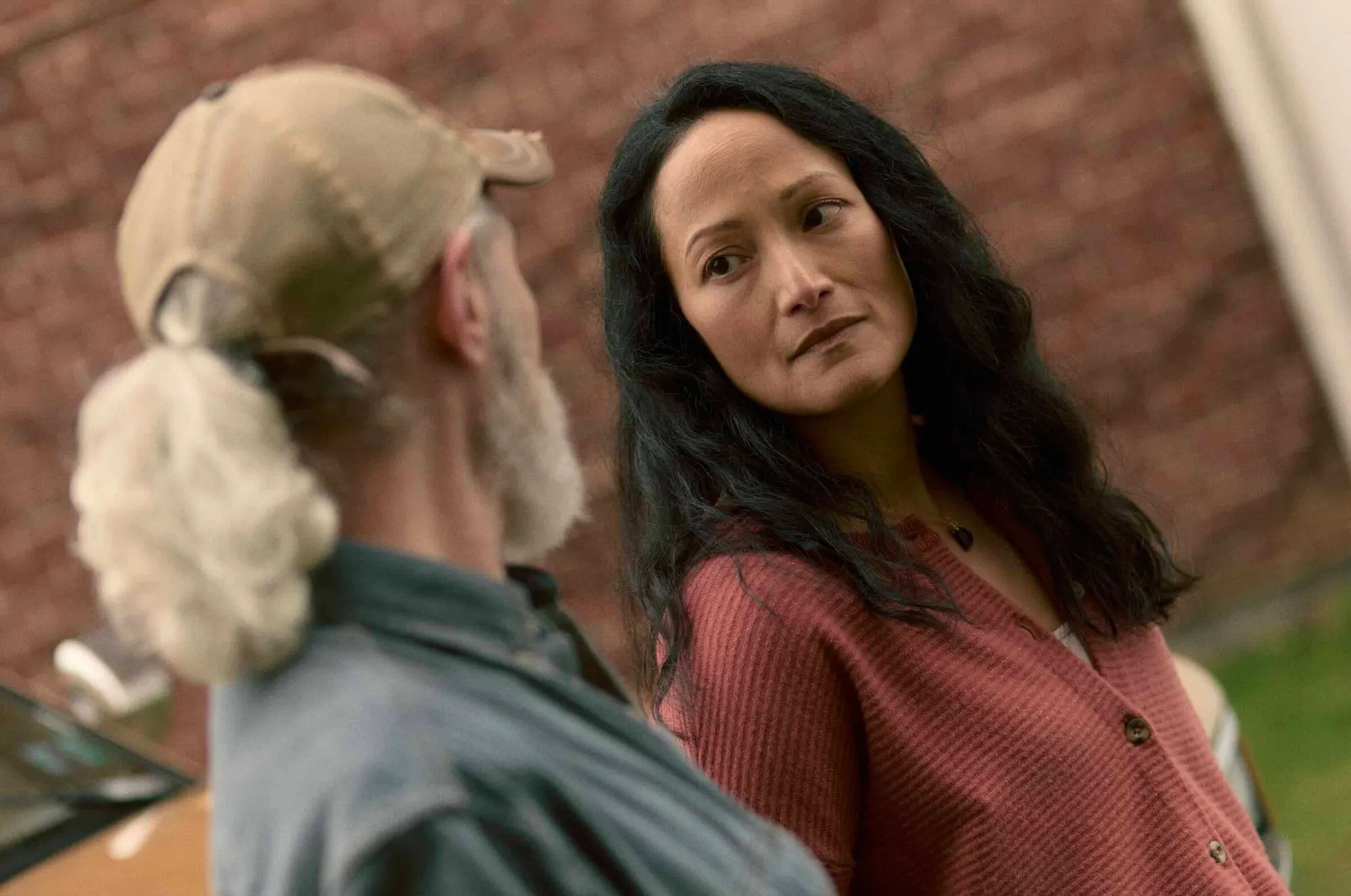
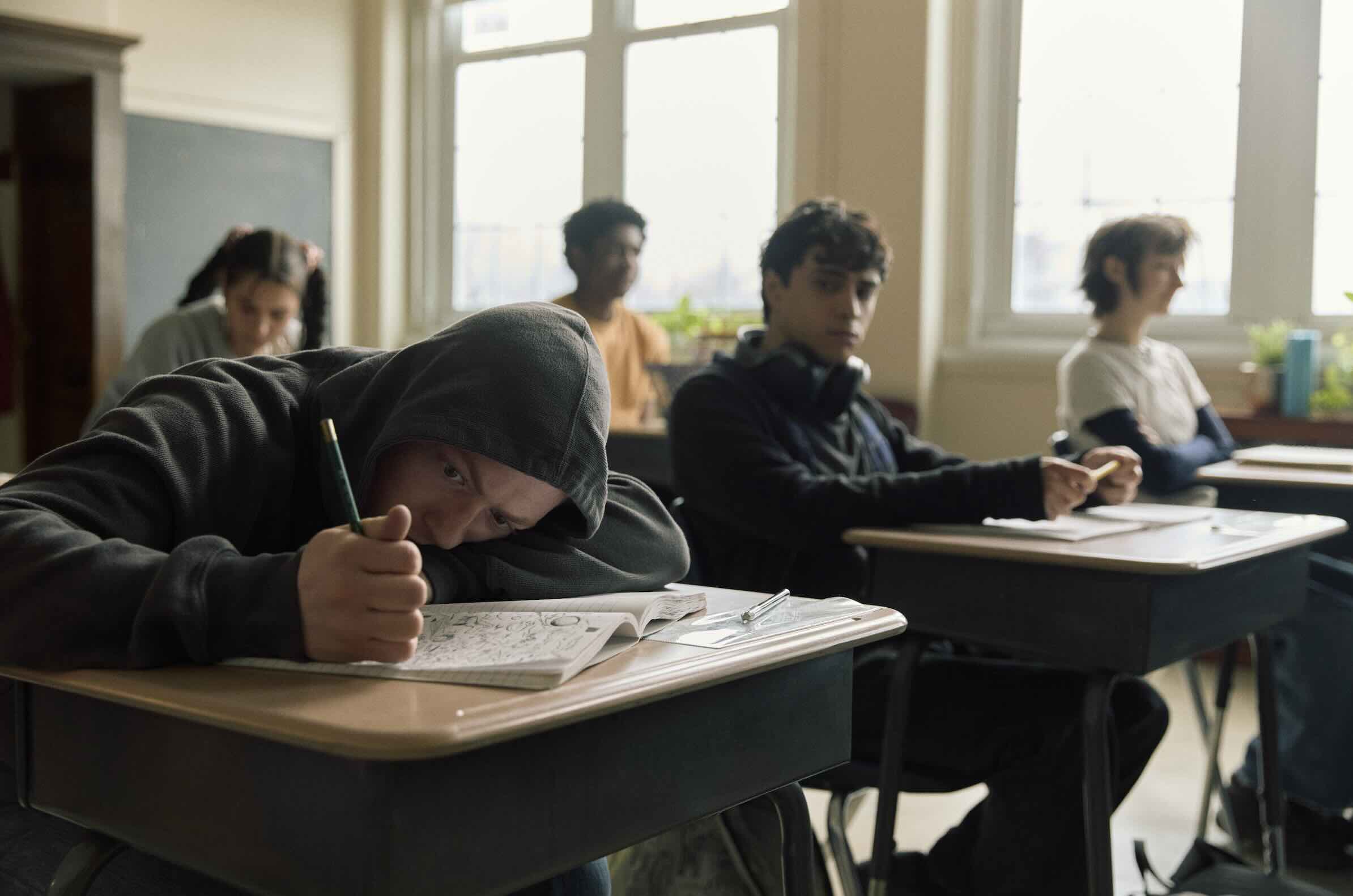
America follows Valerie, a single mother determined to move her children, Daniel and Georgia, to the West Coast for a better future. On the eve of the move, a school shooting shatters their world and forces Valerie toward an unthinkable question: are her children victims, or perpetrators? Rather than dwell on the tragedy, New lingers in the fragile hours before it, the routines and impossible choices that make a family feel real.
Key Takeaways
- A debut film built from personal grief, told through one mother's perspective rather than spectacle.
- New chose anticipation over shock, keeping the story intimate, handheld, and grounded in natural light.
- She hopes America travels beyond festivals into schools and communities as a catalyst for conversation.
New spoke with us about grief as a starting point, the surprises of post-production, and learning to trust her instincts.
Interview
What drew you to make this film, and why this story, why now?
America was born out of grief, frustration, and a deep need to confront an uncomfortable truth. After suffering multiple pregnancy losses, I became acutely aware of the world I hoped to bring a child into. For the first time, I found myself questioning whether school, a place that should represent safety and possibility, could truly protect our children.
That question became painfully real when my cousin called me in tears after her young daughter participated in an active shooter drill. She told me her daughter couldn't find a place to hide in her classroom and genuinely believed she was going to die. I couldn't stop thinking about what it means for a child to carry that fear, or for a parent to know it's become part of everyday life. I knew I had to tell this story. Why now? Because this story is still our reality.
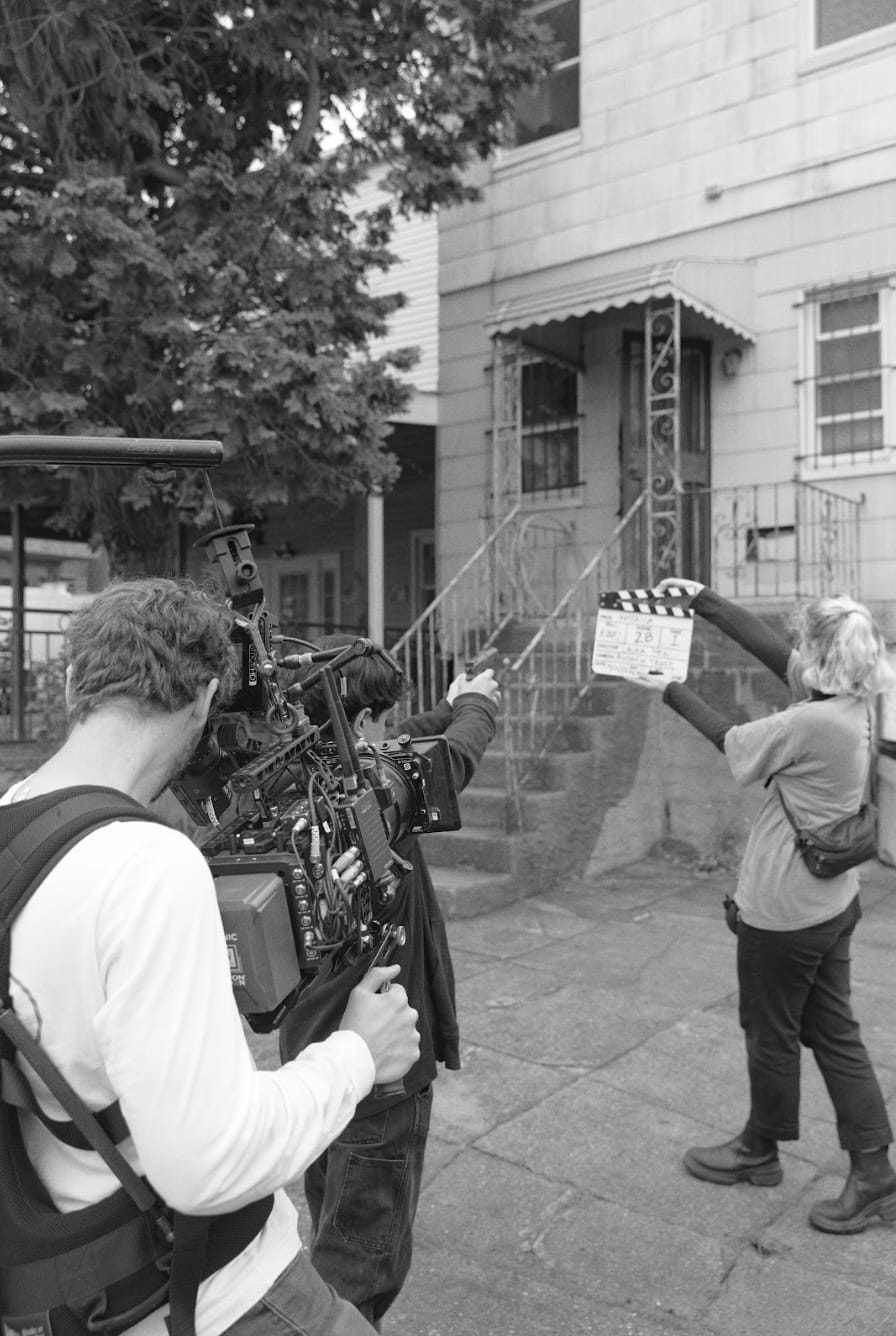
Rather than focusing on the tragedy itself, I wanted to explore the quiet moments leading up to it, the ordinary days, impossible choices, and fragile hope that exist before lives are forever changed. As a first-time filmmaker, I wanted the film to feel intimate and immediate. Using handheld camerawork, natural light, and grounded performances, my goal was to immerse the audience in this family's world so the story feels deeply human rather than political.
What surprised you most about the filmmaking process, creatively or logistically?
We spent months planning every detail, but once you're on set, weather changes, locations shift, schedules fall behind, and you quickly learn that adaptability is just as important as preparation.
What surprised me even more, though, was post-production. Going into my first film, I thought the hardest part would be getting through the shoot. I had no idea that editing, sound design, color, music, and the countless creative decisions that happen after production would demand just as much time, energy, and emotional investment. Sitting with my editor, I realized we were rewriting the film all over again, finding its rhythm, refining performances, and discovering emotional moments I hadn't fully appreciated on set. That process completely changed how I see filmmaking. It's where the story truly finds its final voice.
What moment in the film feels most like you, or like something only you could have made?
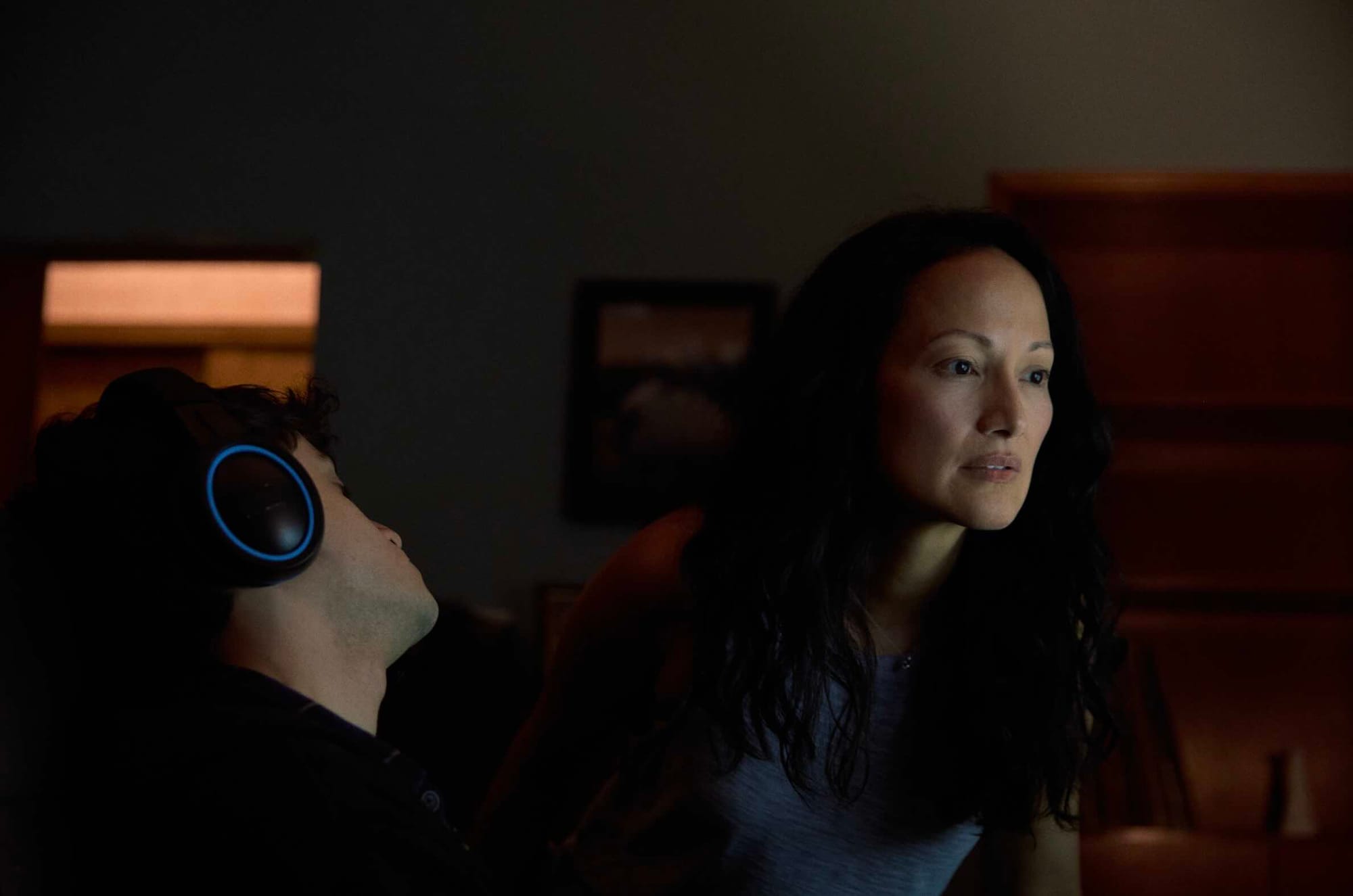
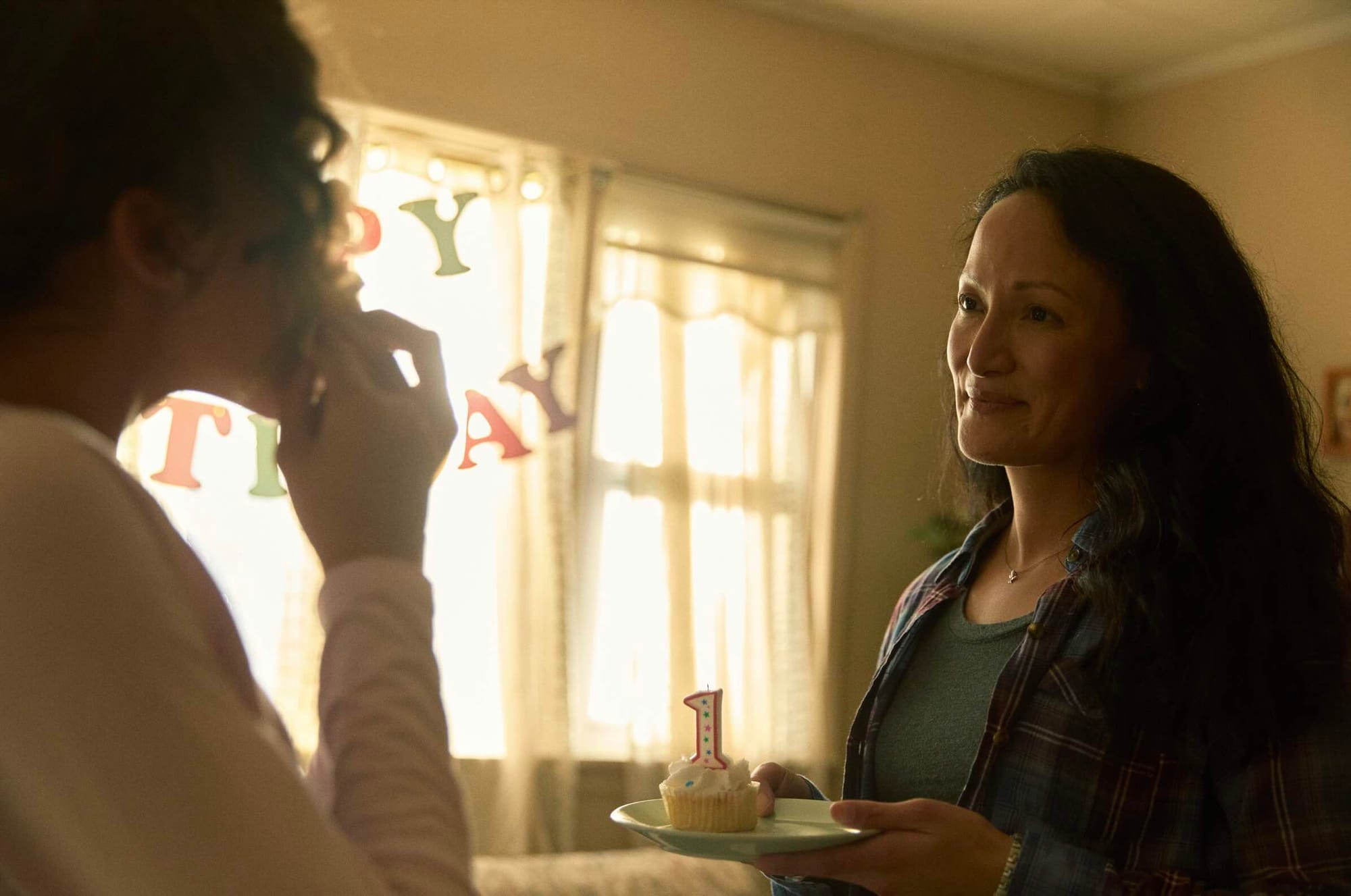
There's a sequence that felt like a true dramatic thriller moment, after the mother wakes up and we follow her through the house. The sequence takes its time and we're intrigued with what's to come. It felt like my own, as for those few minutes I stuck to my guns on exactly how I wanted it to look and feel, and I was very specific on my shot list and approach. At least for now, that moment, until she finds the money, was exactly what I wanted to convey.
What was the hardest creative decision you made while making the film?
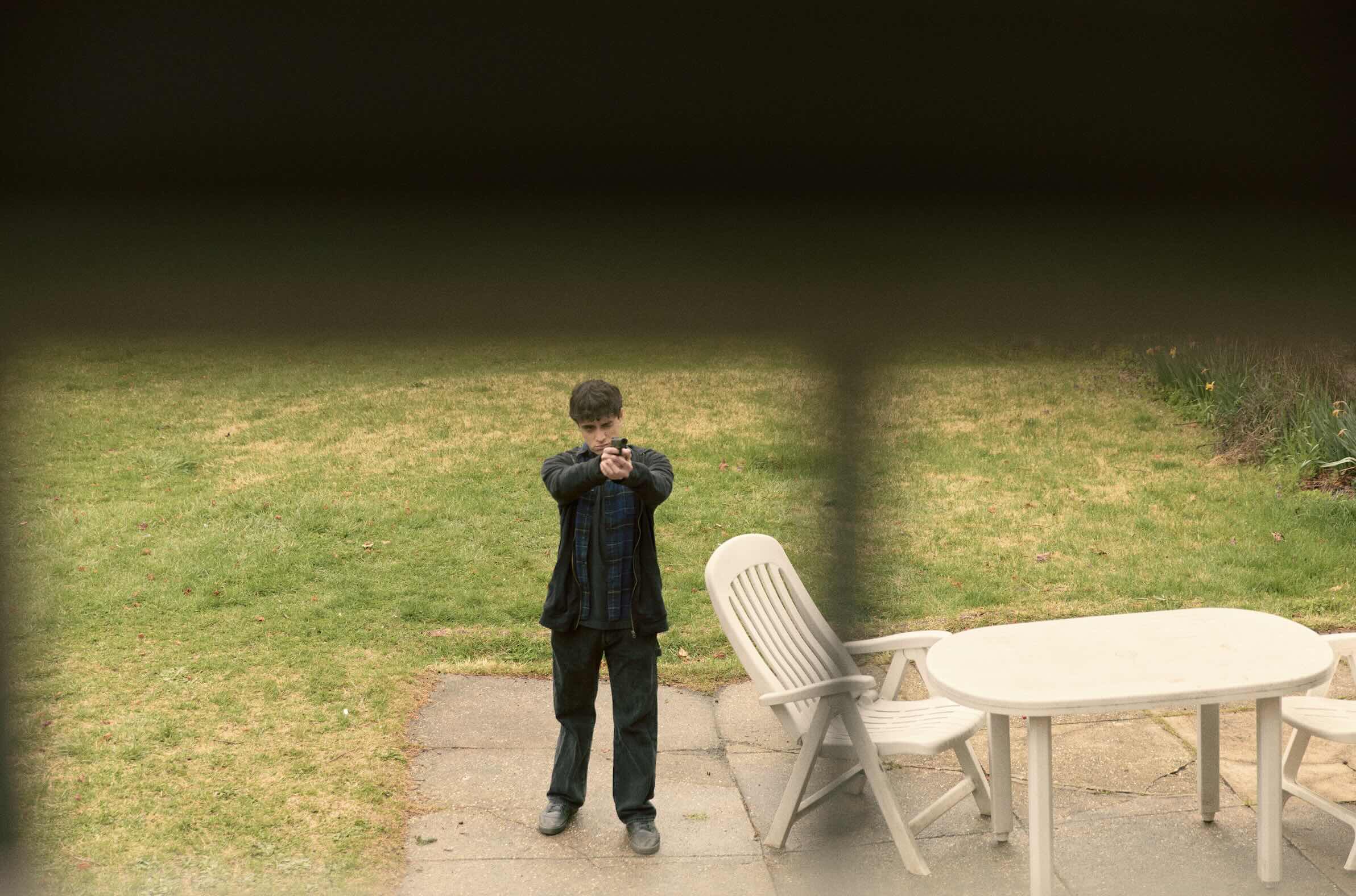
Casting was a tricky puzzle, but the hardest creative decision was actually the ending. It took a long time to find the right final moment before transitioning into the montage. We tried different versions in the edit, constantly asking ourselves whether the ending was serving the story and, more importantly, honoring the characters.
In a film like ours, the ending carries enormous responsibility. We didn't want to overstate the emotion or tell the audience how to feel. We wanted to leave them with something that lingered long after the credits rolled. Finding that balance was one of the most challenging decisions.
What mindset shift helped most during production?
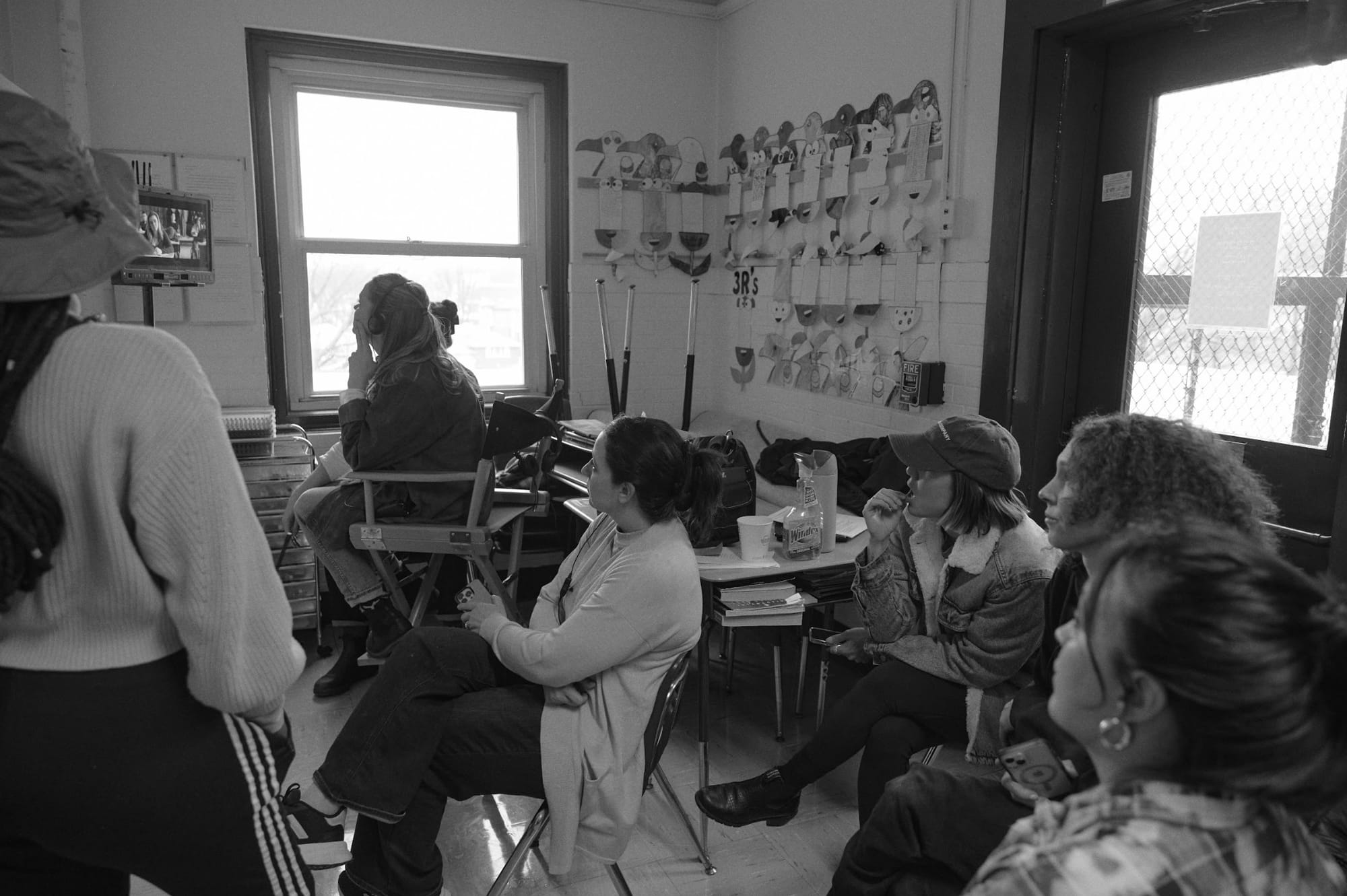
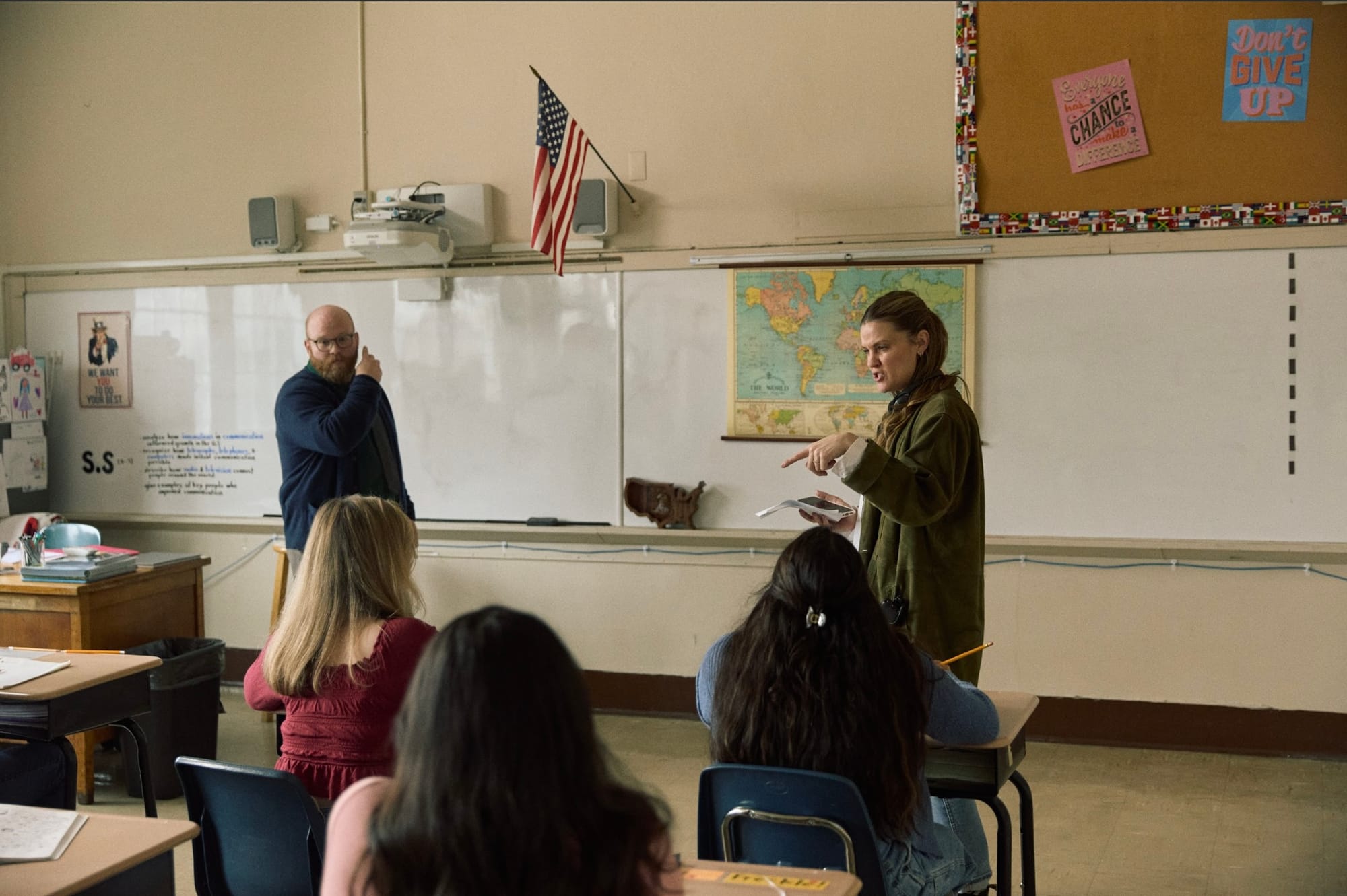
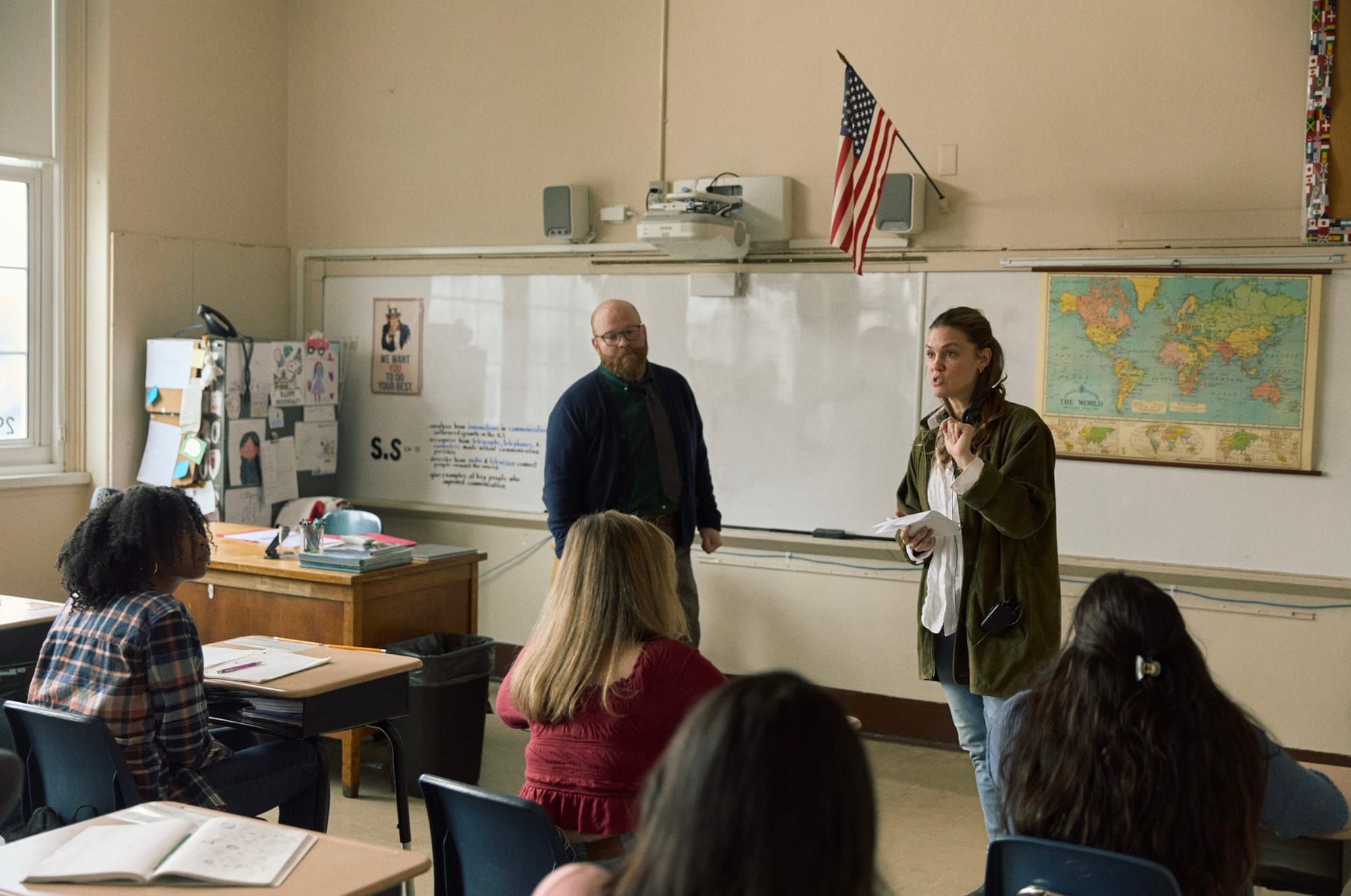
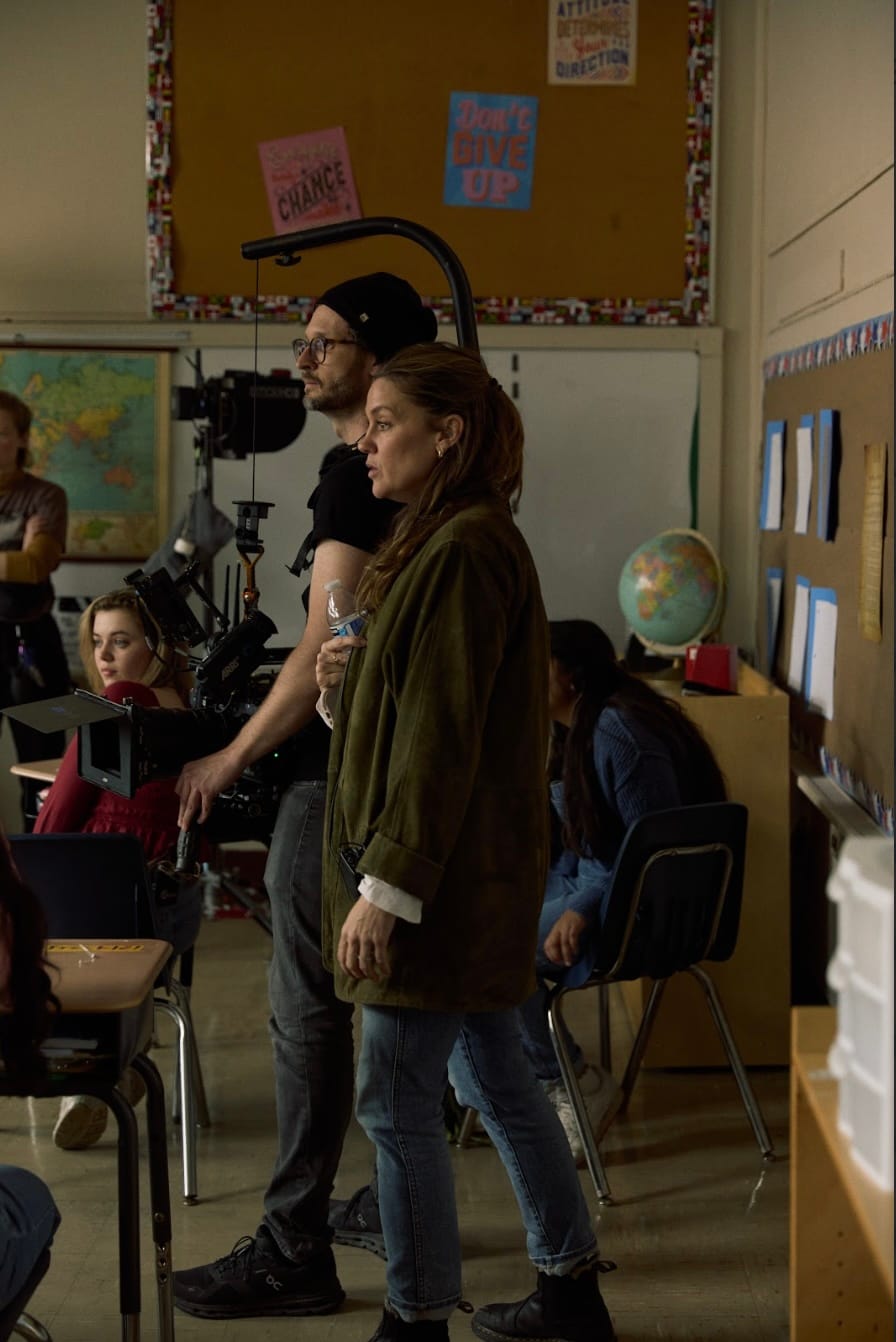
The biggest shift was learning that filmmaking is about trusting your collaborators. As a first-time filmmaker, I felt responsible for every decision, but I quickly realized the film became stronger when I leaned on the expertise of the people around me. Whether it was my cinematographer, editor, producers, or actors, each brought ideas that elevated the story beyond what I could have created alone.
Perhaps the biggest mindset shift was realizing that no one has all the answers. Everyone is learning, no matter where they are in their career. Once I let go of the pressure to know everything and gave myself permission to ask questions, seek advice, and trust the people around me, I became a better filmmaker. I had to get out of my own way and replace self-doubt with curiosity. Gosh, now I need to remember that for the next one.
What does it mean to have your film selected for HollyShorts?
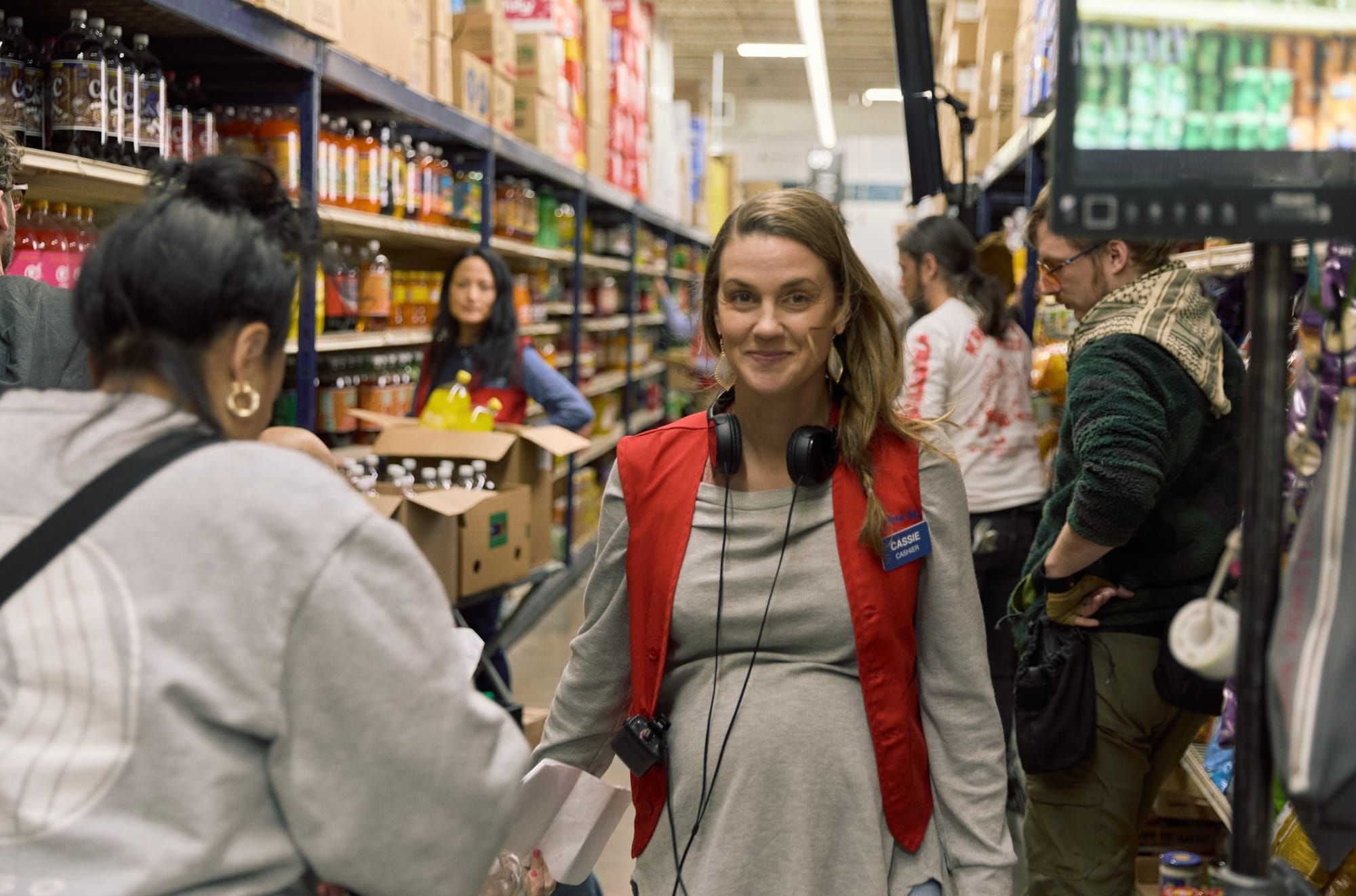
I'm going to be completely honest, I kept checking my spam, over and over, searching for my rejection letter. When we were accepted, I was in shock. I could not believe it. HollyShorts has long been a festival I admired, so having America selected feels absolutely surreal. It's a reminder that taking the leap and telling the story you believe in is always worth it.
Beyond the recognition, I'm most grateful for the opportunity to share the film with audiences who are passionate about storytelling and to stand alongside filmmakers whose work I deeply respect. It gives me confidence to keep telling stories that challenge, connect, and hopefully leave audiences feeling something long after the credits roll.
Where do you see this film going next?
I'd love to see it continue beyond the festival circuit and find a life in schools, universities, and community organizations as a resource for discussion. If the film can encourage even one meaningful conversation about protecting our children, supporting families, or fostering change, then I feel it's done something worthwhile. Hopefully with more eyes on it, there's more conversation surrounding movement toward protecting our children in schools.
Main Cast & Crew
- Writer / Director: Laura New (americathefilm)
- Executive Producer: Vanessa Hudgens
- Producer: Oliver Trevena
- Producer: Morgankei
- Producer: Desirée Abeyta
- Director of Photography: Andrew Trost
- Valerie: Kim Berrios Lin
- Jay: Marc Gellar
- Daniel: Jacob Wade
- Georgia: Camila Cuevas
Filmmaker Opportunities
💛 Fund your next project with fiscal sponsorship
Have a project in the works? As a 501(c)(3) nonprofit, the Cinematography for Actors Institute can accept tax-deductible donations on your film's behalf — a door-opener for grants, foundations, and supporters who want to back your work. We've serviced over 100 projects to date and helped route over $800,000 in funding to filmmakers. Explore fiscal sponsorship →
📬 Grant deadlines and festival opportunities, straight to your inbox
The CFA newsletter rounds up grants, festival calls, and community news for independent filmmakers — the kind of opportunities that are easy to miss and painful to miss. Join the newsletter →
🎬 Focus on the creative — we'll help with the logistics
Production Management, CFA's newest member program, launches this November: production insurance and workers' comp, payroll, film permits, gear rental coordination, SAG-AFTRA compliance, contract drafting, production consulting, and crew recommendations — handled by a team of working filmmakers, à la carte or all in, in partnership with Creative Access Group. It's waitlist-only until launch. Join the waitlist →
League of Filmmakers is published by our parent organization, the Cinematography for Actors Institute — a 501(c)(3) dedicated to education, community, and capital for underrepresented filmmakers and actors. Learn more about CFA →