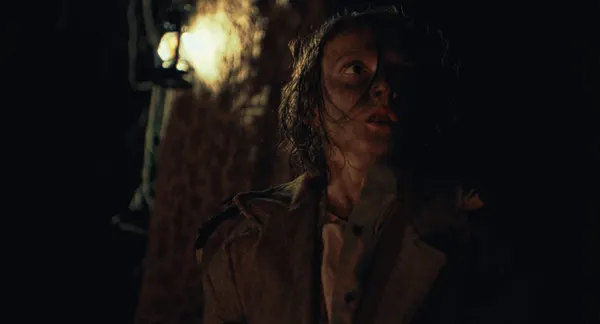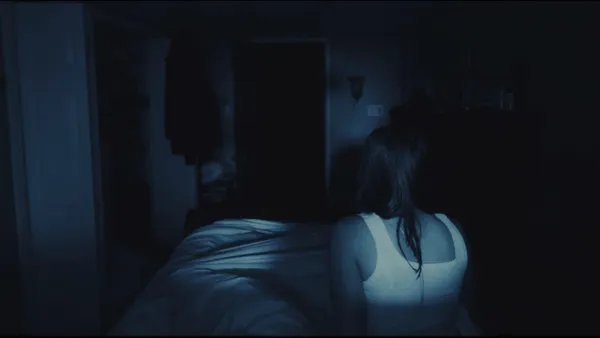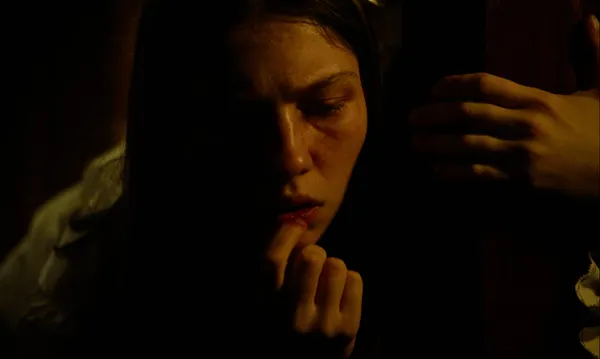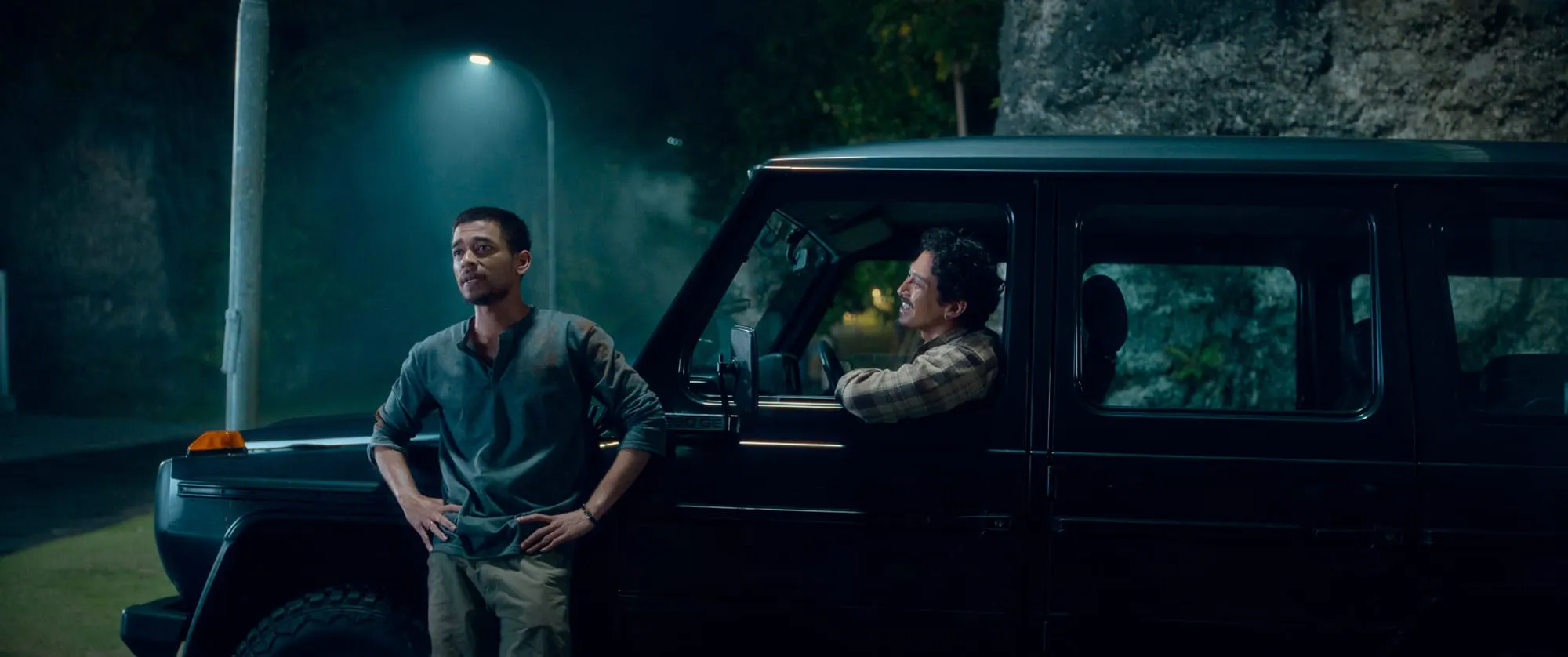
Two guys steal a car, only to find a dead body in the trunk — and become the most wanted men in Bali. That's the engine of Bandit, Brian L. Tan's grounded crime thriller, but the film's real interest lies underneath the chase: a man who needs money for his wife's medical care, living in a place where other people spend freely to feel better.
Written and produced by Husein M. Atmodjo after a robbery in Jakarta, the script spent roughly a decade in development before it reached Tan, a Bali-based director whose credits run from Hollywood visual effects on Tron: Legacy and X-Men: First Class to independent features across Southeast Asia. Relocating the story to Bali gave it a particular sting. Nobody in Bandit becomes superhuman. Gatra gets frightened, tired and hurt, and the island stays beautiful while his evening goes terribly.
Key Takeaways
- Bandit follows the people who work in Bali rather than the people who holiday there — the same island, a very different relationship with the price of a cocktail.
- A collapsed location and lost lighting setup cut the time for the final battle in half, forcing the team to shoot only the actions and reactions that carried the story.
- Tan returns to FilmQuest, which previously screened his shorts Boomerang and Anomaly, with seven nominations and a theatrical push in Indonesia ahead.
Tan spoke with us about luck, loss of nerve, and what a stolen car can carry.
Interview
What drew you to make this film, and why this story, why now?
Two guys steal a car, only to find a dead body in the back. So simple, yet so human. I wanted to make a thriller about a man trying to help his wife and making his situation catastrophically worse. Gatra's need makes sense. His solution requires considerably more scrutiny.
Monji, our superstar writer and producer (and architect of the project), wrote the script after being robbed in Jakarta, and it spent about ten years in development before reaching me. I'd also been robbed, so I had some unfortunate qualifications for the material.
Moving it to Bali made the story feel especially relevant. People come here to escape their problems, but that escape depends on other people showing up for work and dealing with theirs. Gatra needs money for medical care while living somewhere other people spend freely to feel better. That gap interested me. I wanted audiences to enjoy the trouble he gets into while understanding why he took the risk in the first place.
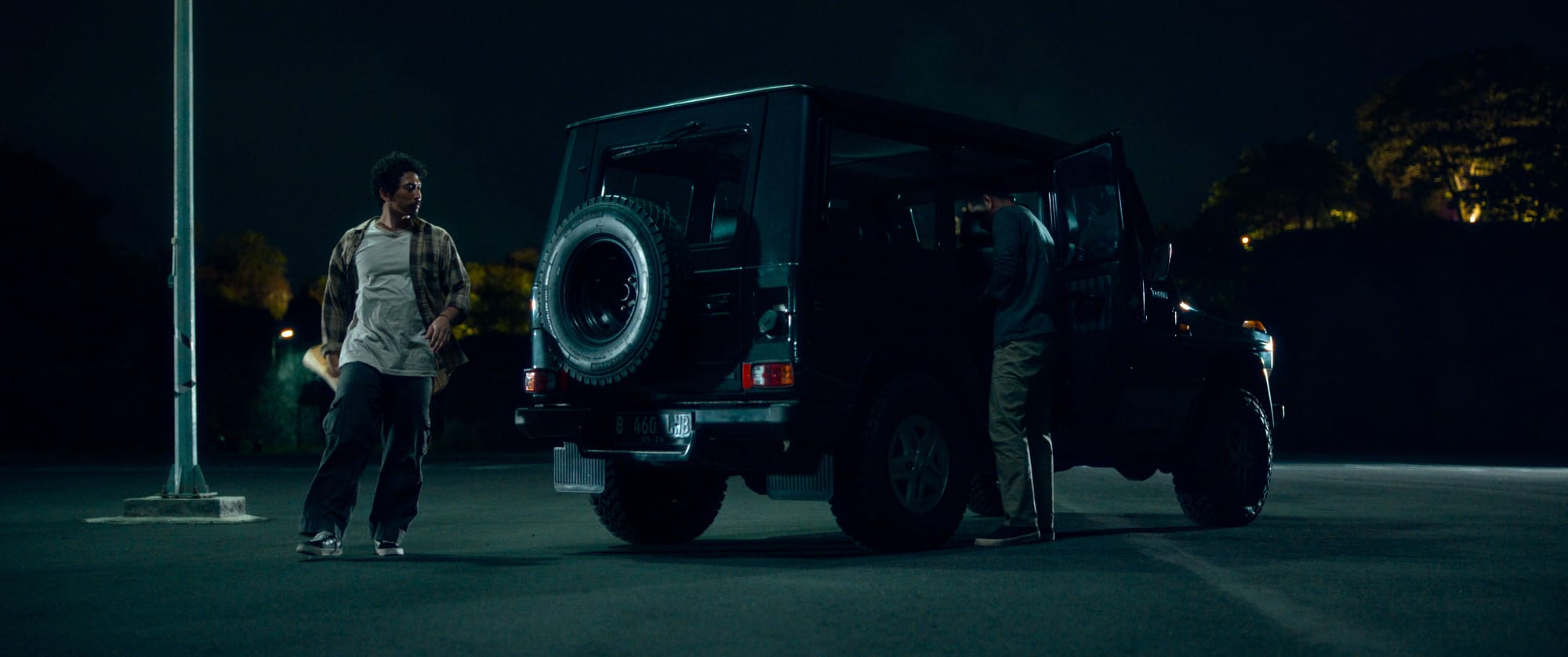
What surprised you most about the filmmaking process, creatively or logistically?
Creatively, how different Bali becomes when you tell the story through the people working there. I wanted to follow the helpers rather than the holidaymakers. Same island, very different relationship with the price of a cocktail.
That perspective affected what mattered in a scene. Somewhere a visitor experiences as an escape can be a place where someone else feels trapped. The beauty remains, but you start noticing who gets to enjoy it and what it costs to keep everything running.
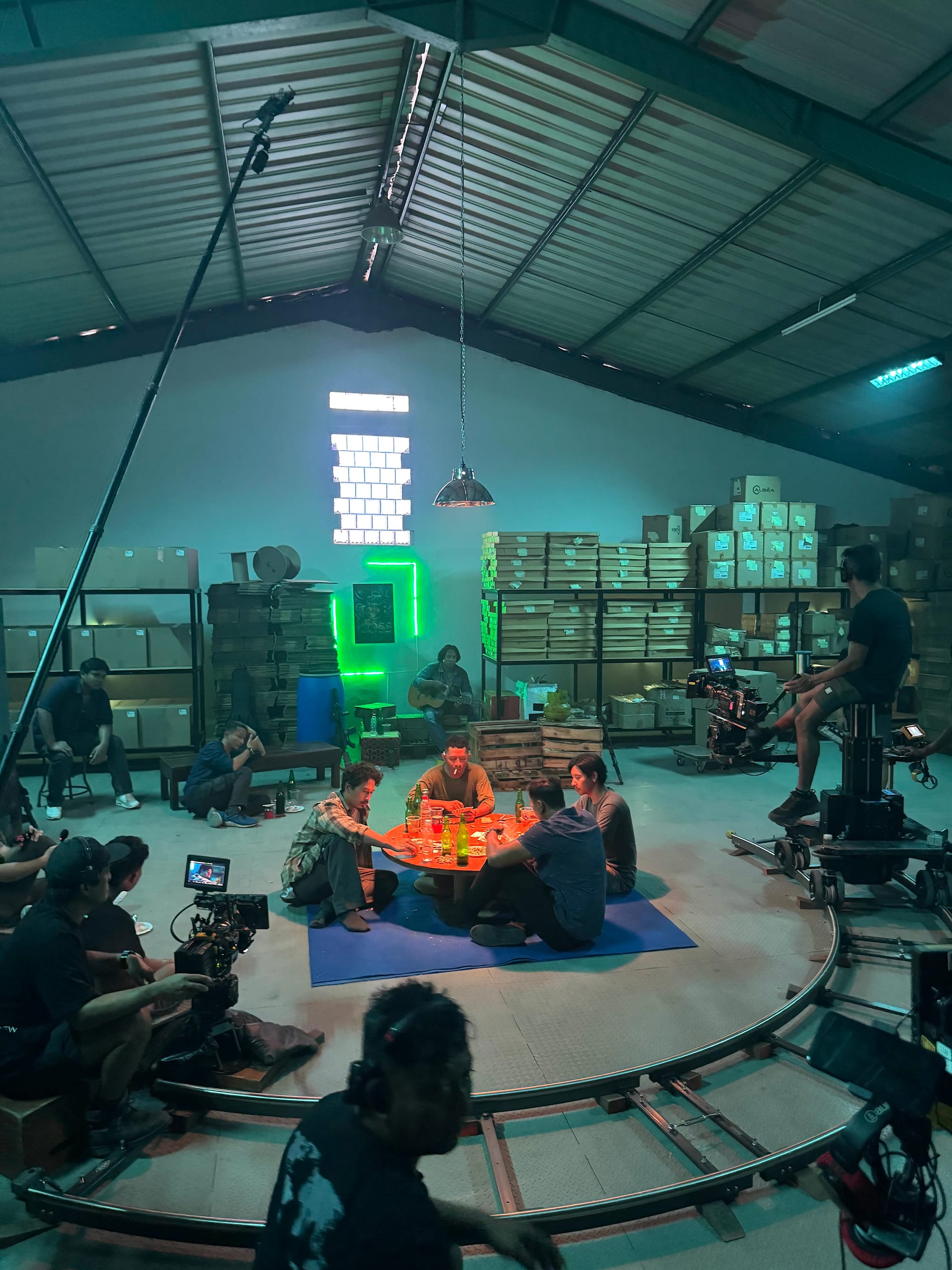
Logistically, the biggest surprise was losing half our time for the final battle after the location went wrong and parts of our lighting setup collapsed. We had to concentrate on the actions and reactions that carried the story. It clarified our priorities, although I'd happily have accepted a less dramatic educational experience.
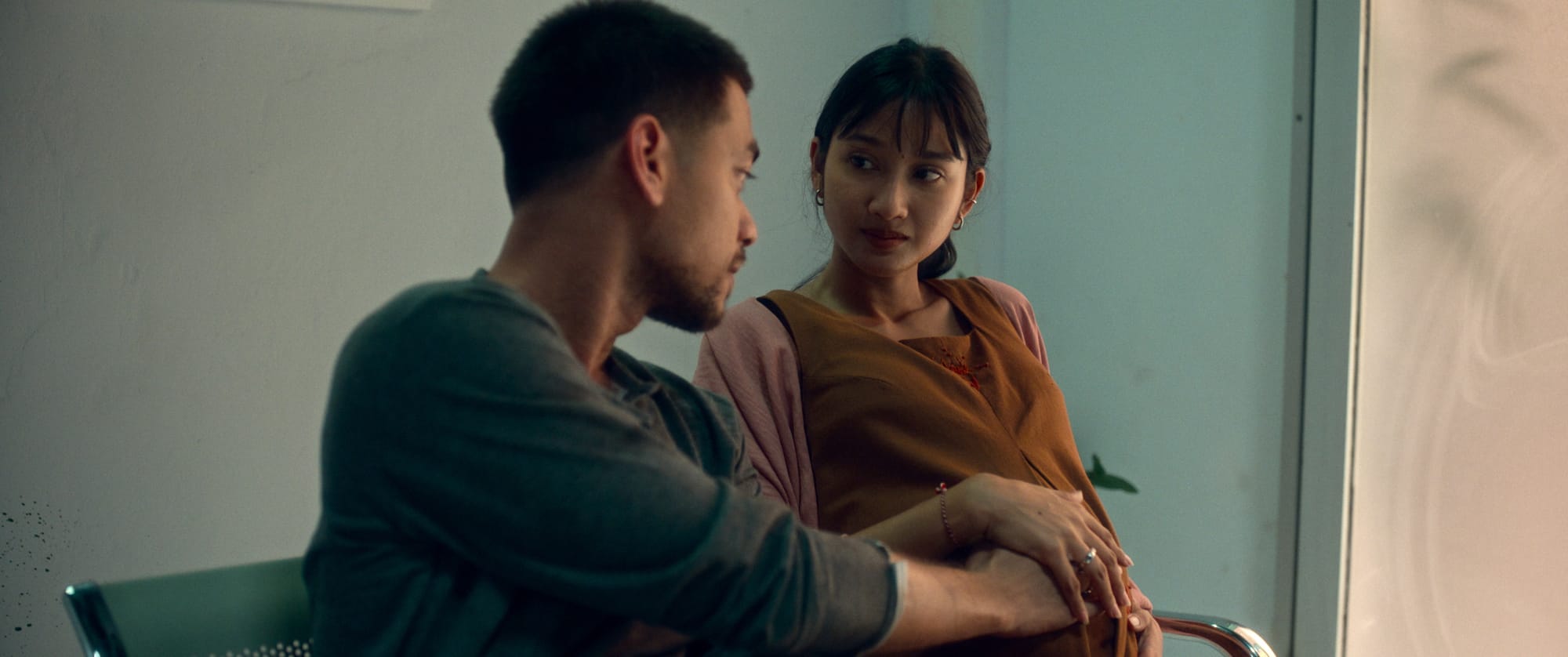
What moment in the film feels most like you, or like something only you could have made?
Gatra and Tiar's dream of a better life in Bali turning into a nightmare feels very personal to me. I know what it's like to relocate with enormous hope and discover that the new address hasn't delivered the new life.
I've been to 120 countries and lived in five different places. I've repeatedly packed up and moved for better opportunities, and some of those moves haven't worked out. Starting again can be exciting, but it's also exhausting when you've invested so much in the idea that this time things will be different.
Gatra and Tiar leave Jakarta for Bali carrying that hope. When it starts collapsing, they're dealing with more than a practical problem. They're losing the future they imagined for themselves. I recognize that disappointment. A beautiful setting makes it particularly strange: your life can be falling apart somewhere other people are congratulating themselves for finally reaching.
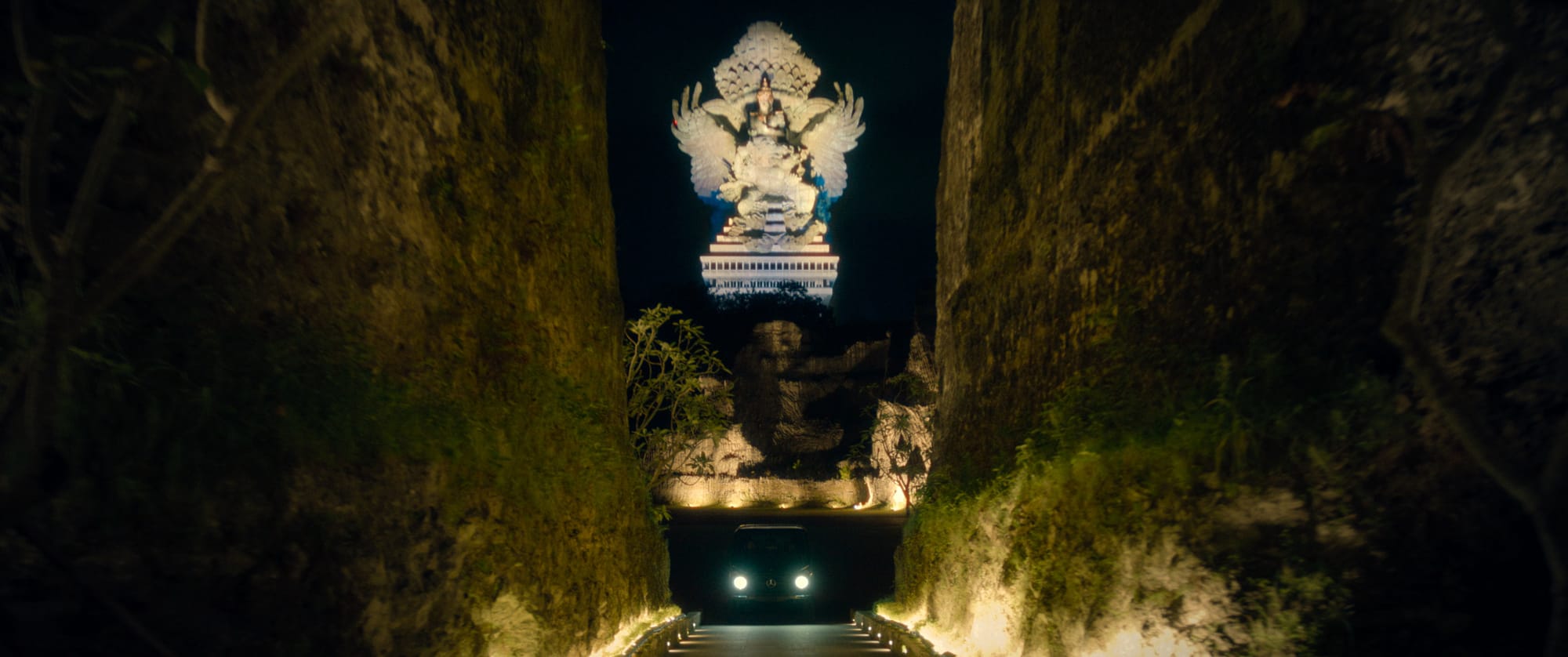
What was the hardest creative decision you made while making the film?
Deciding what to cut so we could actually shoot the film, then deciding what to cut again so people would want to watch it.
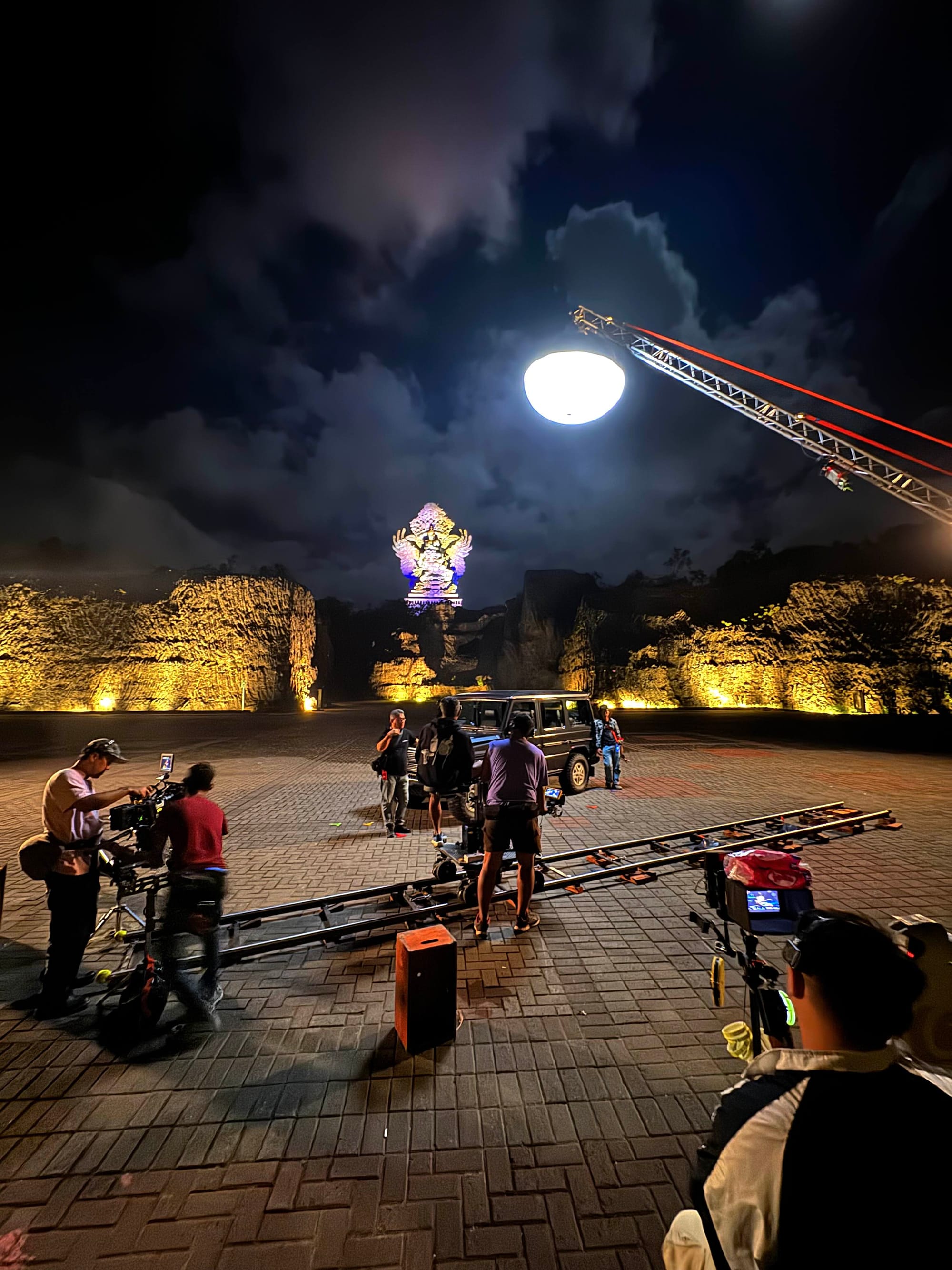
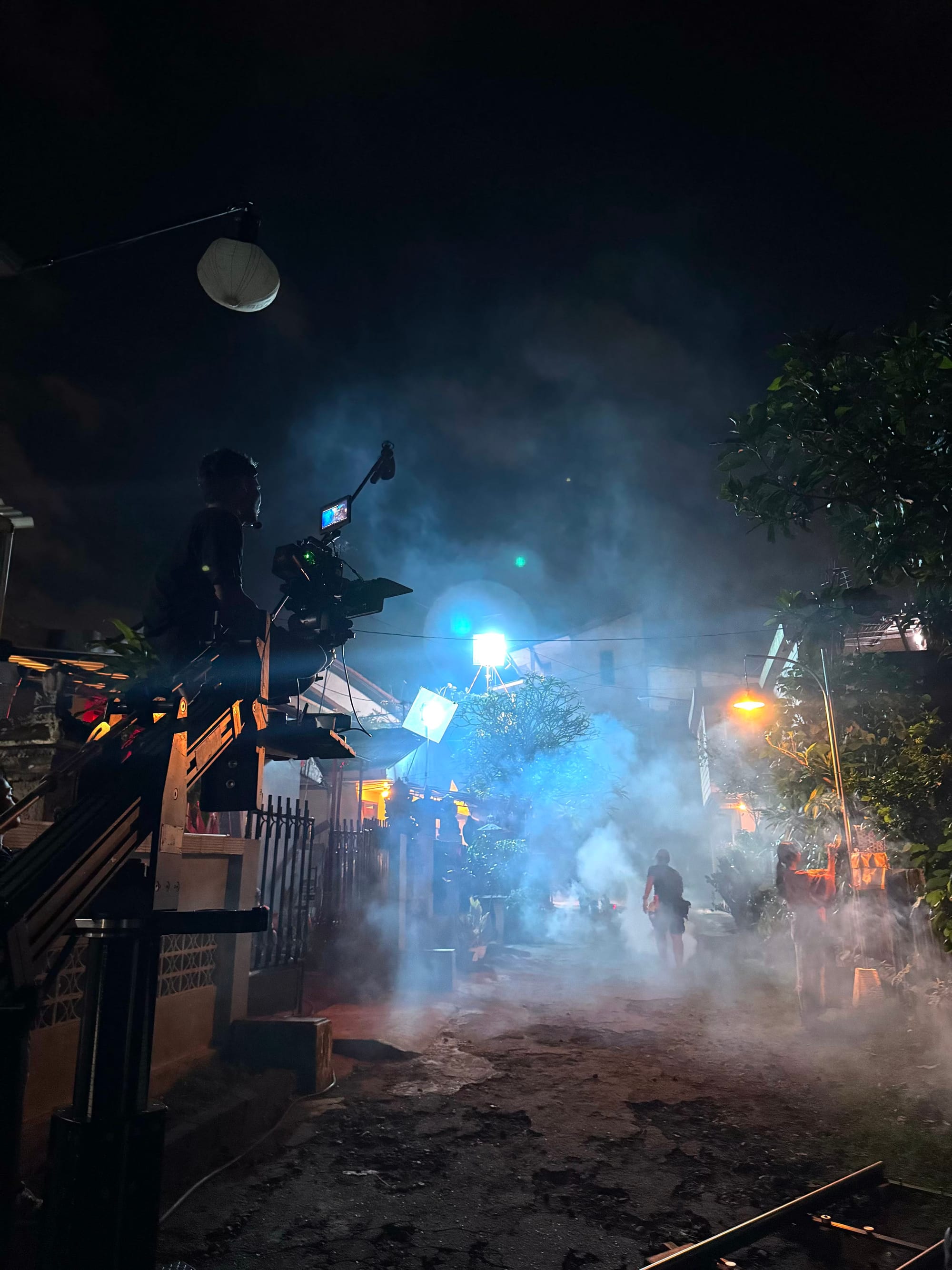
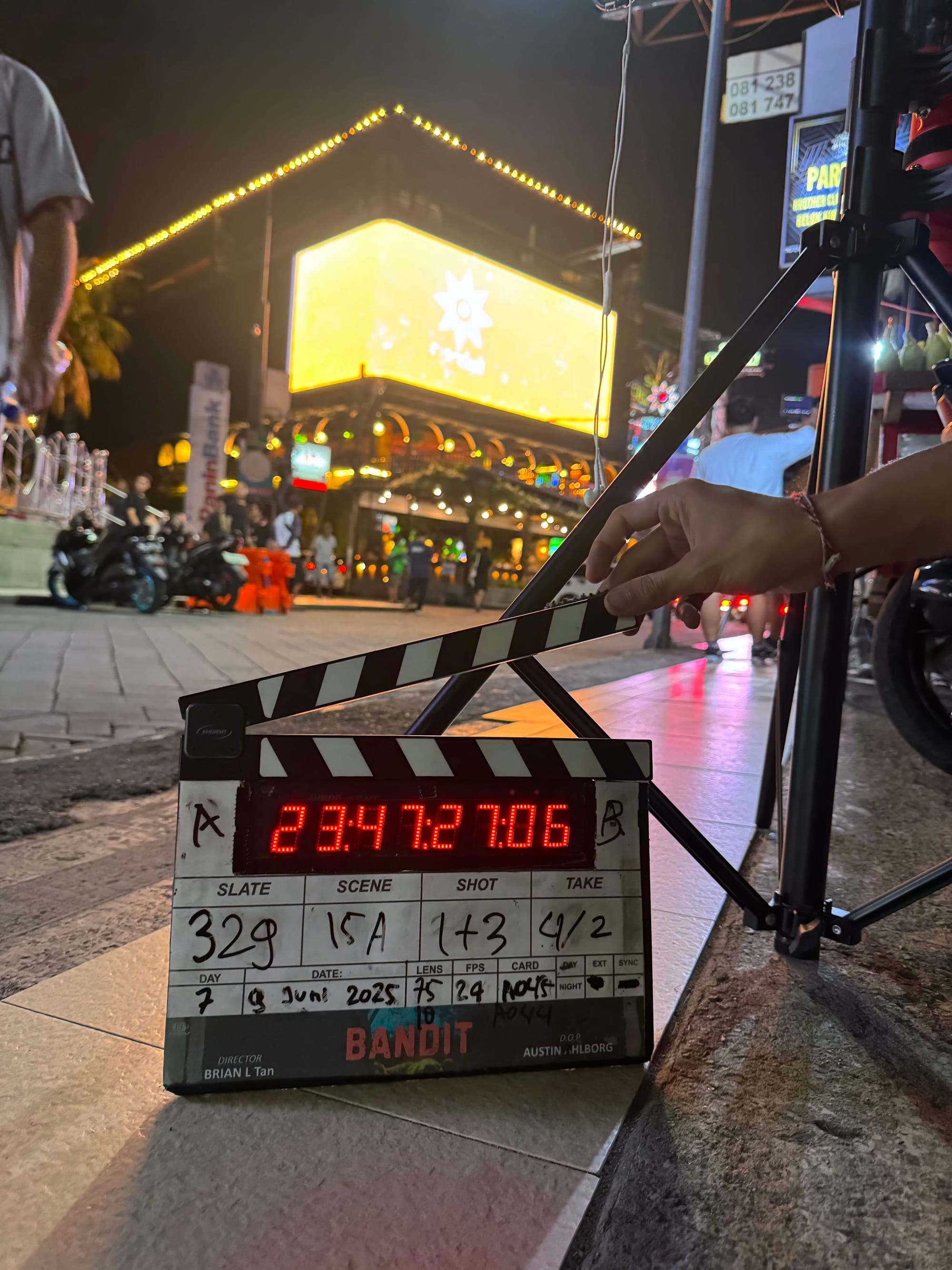
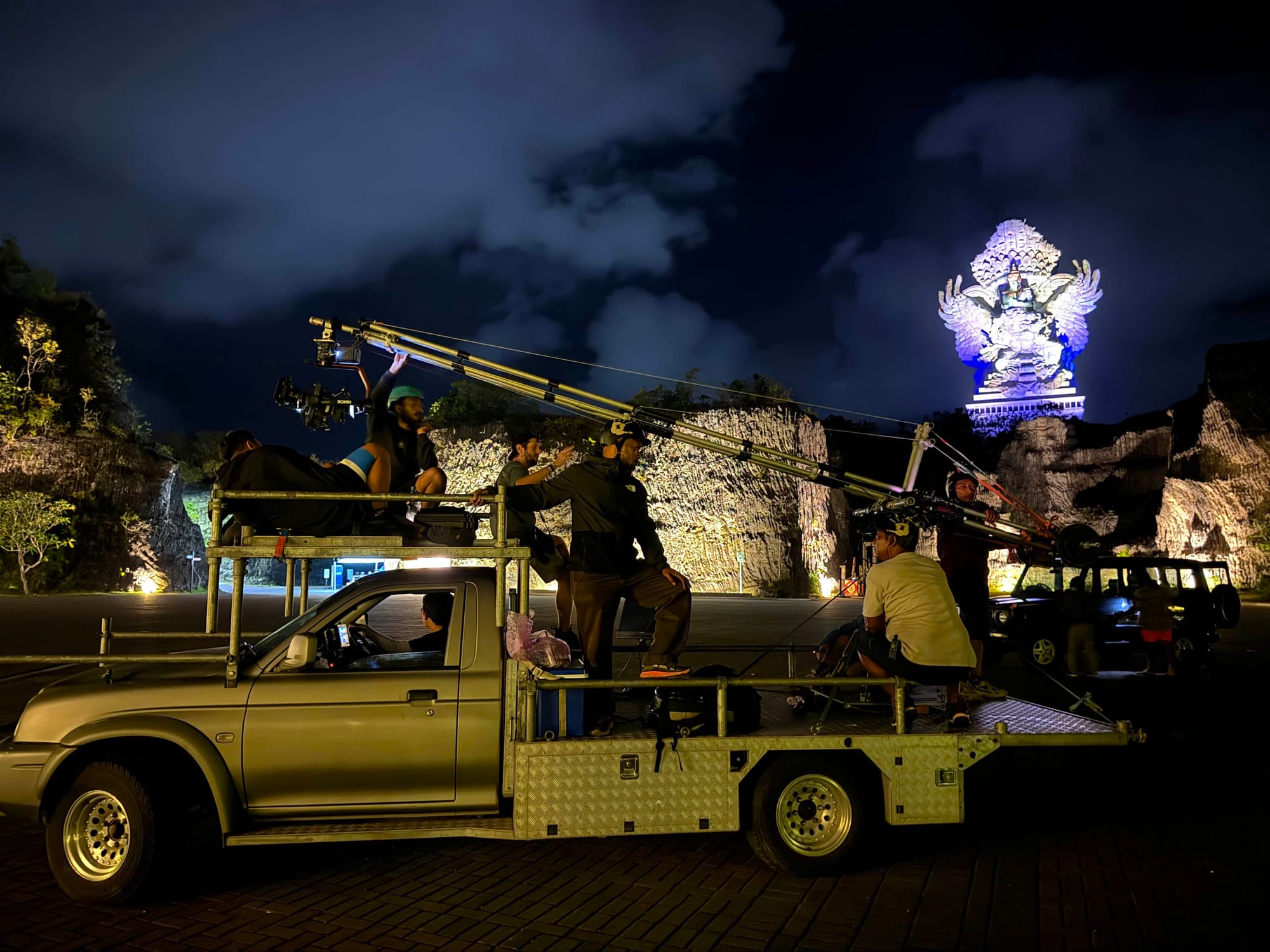
We had to shoot lean and mean on a tight budget, much of it at night. Every additional setup used time we couldn't easily replace. Night shoots also come with a rather uncompromising lighting change called morning. That meant simplifying scenes and choosing which moments deserved our attention. Later, in the edit, we trimmed further to reach a lean ninety-something minutes. Sometimes the material you fought hardest to get is exactly what needs to go.
The difficult part was judging it without remembering the effort behind it. The audience needs the scene to work; they don't owe it their attention because we stayed up until dawn. Protecting the performances and the emotional progression mattered more than preserving every idea I'd arrived with.
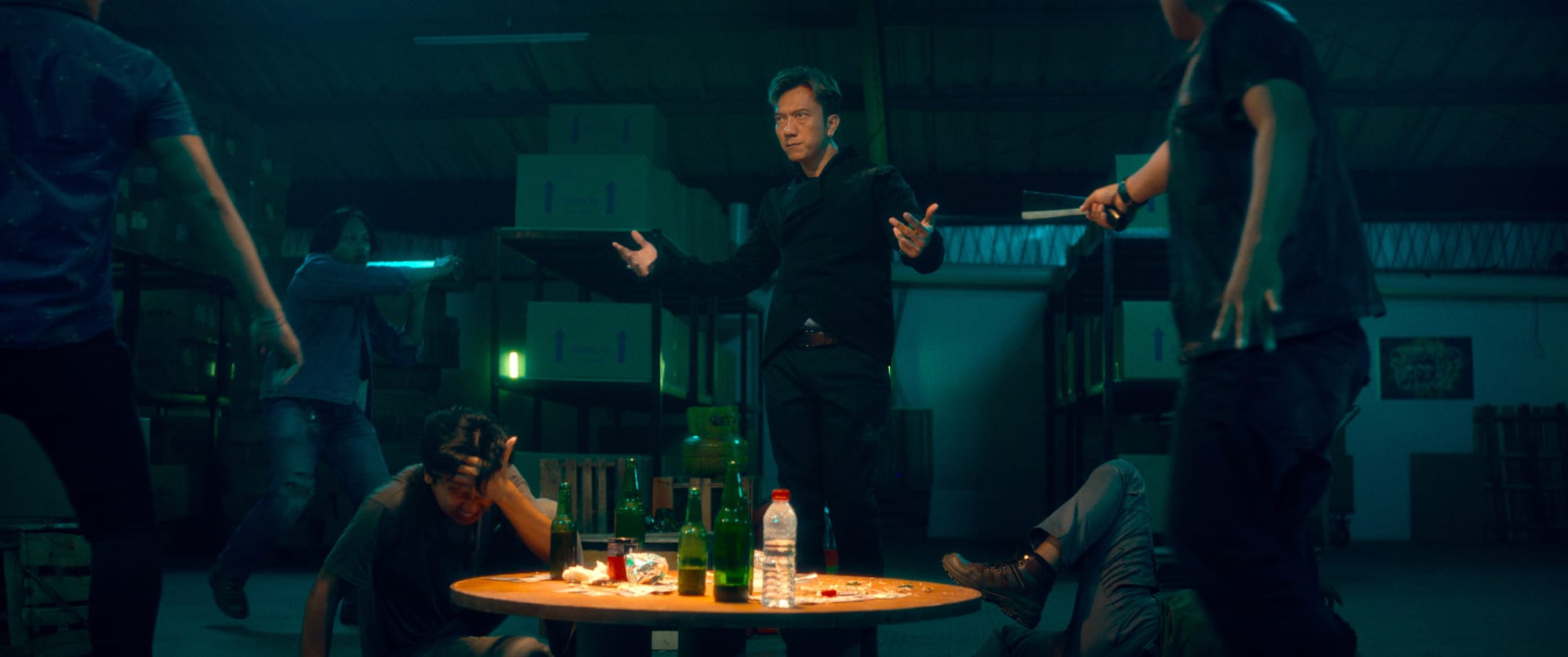
What tool, technique, resource, collaborator, or mindset shift helped most during production?
Austin Ahlborg, our cinematographer, and the shorthand we've built over projects including Deep Tissue, Anomaly and Murder Below Deck. We've worked together in Bali and beyond, so we can get into the details without first having to translate our taste.
That matters as much in a conversation scene as an action sequence. Two people talking can require very delicate choices: where they stand, who we watch while the other speaks, when a silence needs room, and when getting closer changes what we feel.
Influenced by my experience working on a Fincher film, we imposed rules about moving the camera, earning close-ups, and communicating without dialogue. Those limits made us pay closer attention. Even a quiet scene should have a reason for every choice. The characters may be sitting comfortably; Austin and I still have work to do.
What does it mean to have your film selected for FilmQuest?
It's a homecoming, which makes it especially meaningful. My shorts Boomerang and Anomaly screened at FilmQuest before, and I really enjoyed being there. The people are cool, the atmosphere is welcoming, and it's a festival I look forward to attending.
Coming back with Bandit, and with seven nominations, feels wonderful. There's something satisfying about returning to a place that supported your earlier work with a feature you've put so much into. A big shout-out to Jonathan Martin, too. I appreciate the care that goes into making this a festival filmmakers actually enjoy being part of.
I'm looking forward to the screenings, catching up with people, and meeting new ones. It's nice when promoting your film involves going somewhere you'd want to spend time anyway. Filmmaking doesn't always arrange its obligations quite that thoughtfully.
Where do you see this film going next?
We're working toward a wider theatrical release in Indonesia, including getting a slot at Cinema XXI, alongside opportunities internationally.
Getting into theaters here takes a long time. You finish the film, get it through festivals, build some momentum, and then discover that reaching an audience involves another substantial round of waiting. The suspense apparently continues after the end credits.
I hope Bandit strikes a chord with a broad audience. The thriller gives people a reason to come, but the worries underneath it — money, family, friendship, and trying to improve your life — are widely recognizable. The festival response has been encouraging. Now I want to turn that into the chance for more people to see it, particularly here in Indonesia. We made the film to be watched, preferably before everyone involved has visibly aged out of their premiere photographs.
Main Cast & Crew
- Brian L. Tan ("BLT") — Director and producer. Bali-based filmmaker whose career spans Hollywood visual effects on Tron: Legacy and X-Men: First Class and independent filmmaking across Southeast Asia and beyond.
- Husein M. Atmodjo ("Monji") — Writer and producer. Screenwriting credits include Stealing Raden Saleh, Sleep Call and Susuk.
- Austin Ahlborg — Cinematographer and producer. Los Angeles- and Bali-based; longstanding collaborations with Brian L. Tan include Deep Tissue, Anomaly and Murder Below Deck.
- Chali Sakyan — Producer. Credits include The Big 4, May the Devil Take You and May the Devil Take You Too.
- Patrick Tashadian — Producer and cinematographer based between Jakarta and Bali; credits include V/H/S/94 and The Queen of Black Magic.
- Wafda Saifan Lubis — Gatra. Indonesian actor and singer; credits include Jelita Sejuba and Kadet 1947.
- Roy Sungkono — Tiar. Indonesian actor and musician known for Dilan 1991, Ananta and Quarantine Tales.
- Claresta Taufan — Maya. Indonesian actress with credits including Pangku and Badarawuhi di Desa Penari.
- Teuku Rifnu Wikana — Beni. Citra Award-winning actor and filmmaker known for Night Bus and Impetigore.
- Bukie B. Mansyur — Hamdan. Indonesian actor and musician; credits include Pabrik Gula and Serial Musikal Nurbaya.
- Abdurrahman Arif ("Abdul") — Marko. Known for Impetigore and Pertaruhan: The Series.
- Joseph J.U. Taylor — Boris. Bali-based actor and filmmaker with international credits including Monkey Man and Strike Back. @josephjutaylor
- Mike Lucock — Andreas. Indonesian actor, presenter and former MTV Indonesia VJ.
- Mike Lewis — Drunk Tourist. Actor and model; credits include Foxtrot Six and Dead Mine.
- Ben Sumadiwiria ("Super Cool Ben") — Chef and content creator known for his satirical billionaire persona Bobby Saputra, whom he brings to the screen.
- Reynaldi Christanto — Editor. Credits include Si Doel the Movie and Onde Mande! (The Prize!).
- Elwin Hendrijanto — Composer and pianist working between Jakarta and London; credits include Ozi: Voice of the Forest.
- Daniel Lesmana — Production designer and art director; previous collaborations with Brian L. Tan include Anomaly and Deep Tissue.
Filmmaker Opportunities
💛 Fund your next project with fiscal sponsorship
Have a project in the works? As a 501(c)(3) nonprofit, the Cinematography for Actors Institute can accept tax-deductible donations on your film's behalf — a door-opener for grants, foundations, and supporters who want to back your work. We've serviced over 100 projects to date and helped route over $800,000 in funding to filmmakers. Explore fiscal sponsorship →
📬 Grant deadlines and festival opportunities, straight to your inbox
The CFA newsletter rounds up grants, festival calls, and community news for independent filmmakers — the kind of opportunities that are easy to miss and painful to miss. Join the newsletter →
🎬 Focus on the creative — we'll help with the logistics
Production Management, CFA's newest member program, launches this November: production insurance and workers' comp, payroll, film permits, gear rental coordination, SAG-AFTRA compliance, contract drafting, production consulting, and crew recommendations — handled by a team of working filmmakers, à la carte or all in, in partnership with Creative Access Group. It's waitlist-only until launch. Join the waitlist →
League of Filmmakers is published by our parent organization, the Cinematography for Actors Institute — a 501(c)(3) dedicated to education, community, and capital for underrepresented filmmakers and actors. Learn more about CFA →