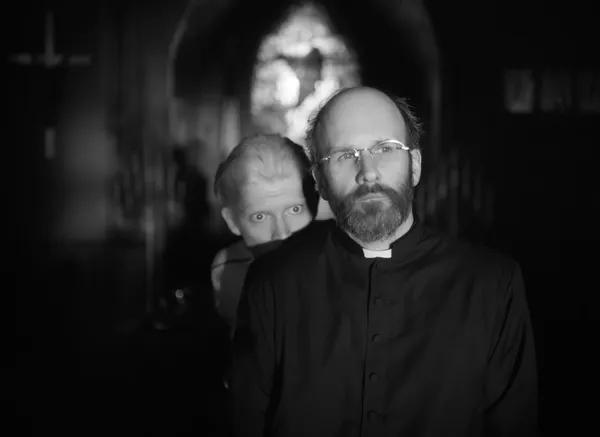
In a fictional Middle East, a biological war has reduced mankind to ape-like cavemen. One man, known only as Man in the Cave, has kept his intelligence. He scavenges for food and collects remnants of the old world. Then he meets a Caveman who shows signs of higher cognition. In Karayr (cave), the Armenian Lebanese director Neo Apelian builds a fable from that encounter. Their bond forms through survival skills and art, then strains through misunderstanding and violence, and finally breaks in a tragic clash that leaves the Caveman stepping toward a new path.
Apelian made the film with his longtime creative partner, writer and producer Razan Takash. It won Best of the Fest at HollyShorts Dubai 2025 and screened at HollyShorts LA 2026. It arrives at FilmQuest nominated for Best Foreign Short Film. Karayr carries a director's personal history, from war-marked heritage to the church hymns of his childhood, into a genre usually defined by spectacle. The result is intimate, ancient in shape, and pointedly timely.
Key Takeaways
- Regional funders passed on the unconventional premise, so the team raised the budget through crowdfunding and private funds. Mid-shoot, they cut an entire scene to save a production day.
- Armenian choral music, which Apelian heard in church as a child while his mother and grandmother sang in the choir, frames the film's opening and closing.
- Apelian recorded four hour-long storyboard walkthroughs for every head of department, so the crew arrived in Jordan already knowing the film.
Apelian spoke with us about fables, compromise, and the music that made Karayr his own.
Interview
What drew you to make this film, and why this story, why now?
As an Armenian Lebanese filmmaker, I come from two cultures that have seen war, genocide, and devastation. That drew me to questions of human nature and cultural memory, especially with everything going on in the Middle East and the world today.
Through Karayr, I wanted to answer a complex question about human nature. Are we innately civilized beings, or are we primal creatures? I wanted to deconstruct these grand ideas into their simplest forms, through an intimate encounter between two characters who represent two sides of the same coin.
I believe the most powerful form of storytelling is also the oldest: fables and folktales. I'm fascinated by how something so simple can carry such profound meaning and leave such a lasting impression.
How does your film fit within, or push the boundaries of, its genre?
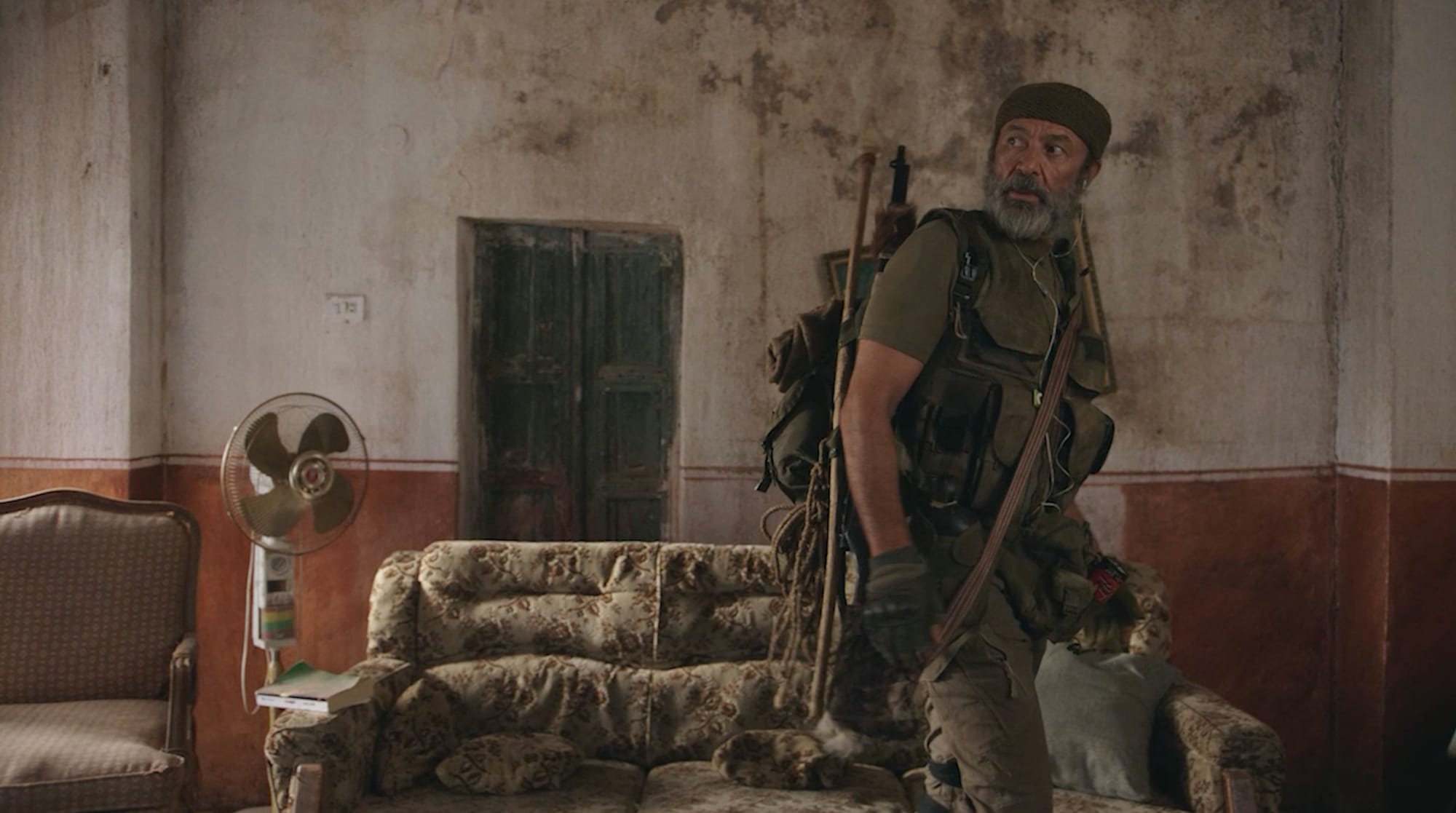
I think Karayr brings a different cultural perspective to the post-apocalyptic genre, shaped by the backgrounds and influences Razan and I brought to the story. Showing the spectacle of humanity's collapse wouldn't have been financially smart in the first place, so we got creative. We chose to explore what remains through a simple encounter between two characters. For me, the film also works as a fable: a dramatic film that questions things against the backdrop of a dystopian future.
What surprised you most about the filmmaking process?
The power of collaboration. A film is not a painting. You're never working alone.
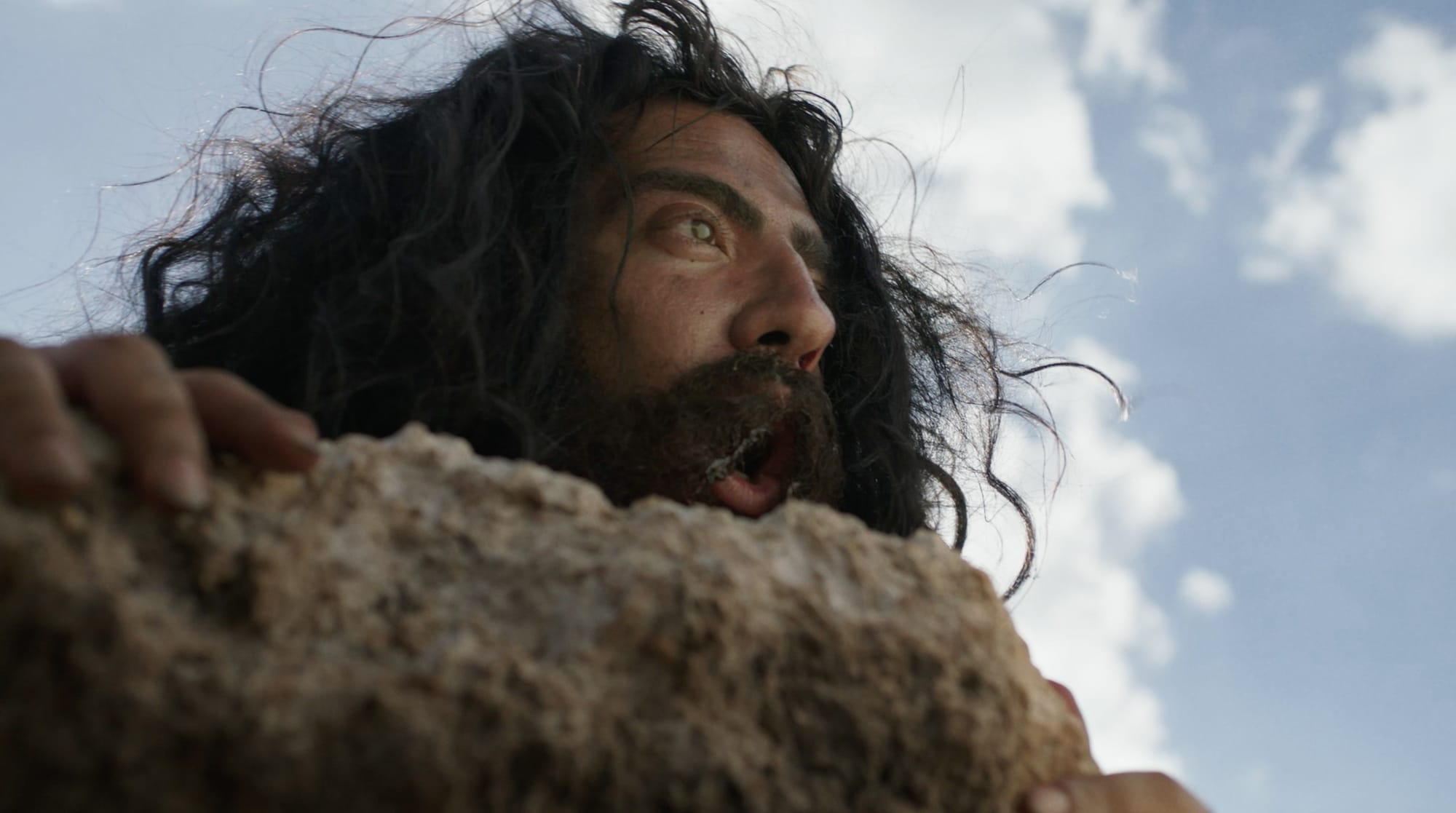
I storyboard every single shot, and I've seen the film in my head several times before we begin shooting. But there were moments when an actor offered an idea, or the cinematographer suggested a camera position I hadn't considered. That small, spontaneous change added another layer to the character or scene. Sometimes those little details made the characters feel more real. Having a clear vision is important, but part of directing is recognizing when someone's contribution can strengthen it.
What was the hardest creative decision you made while making the film?
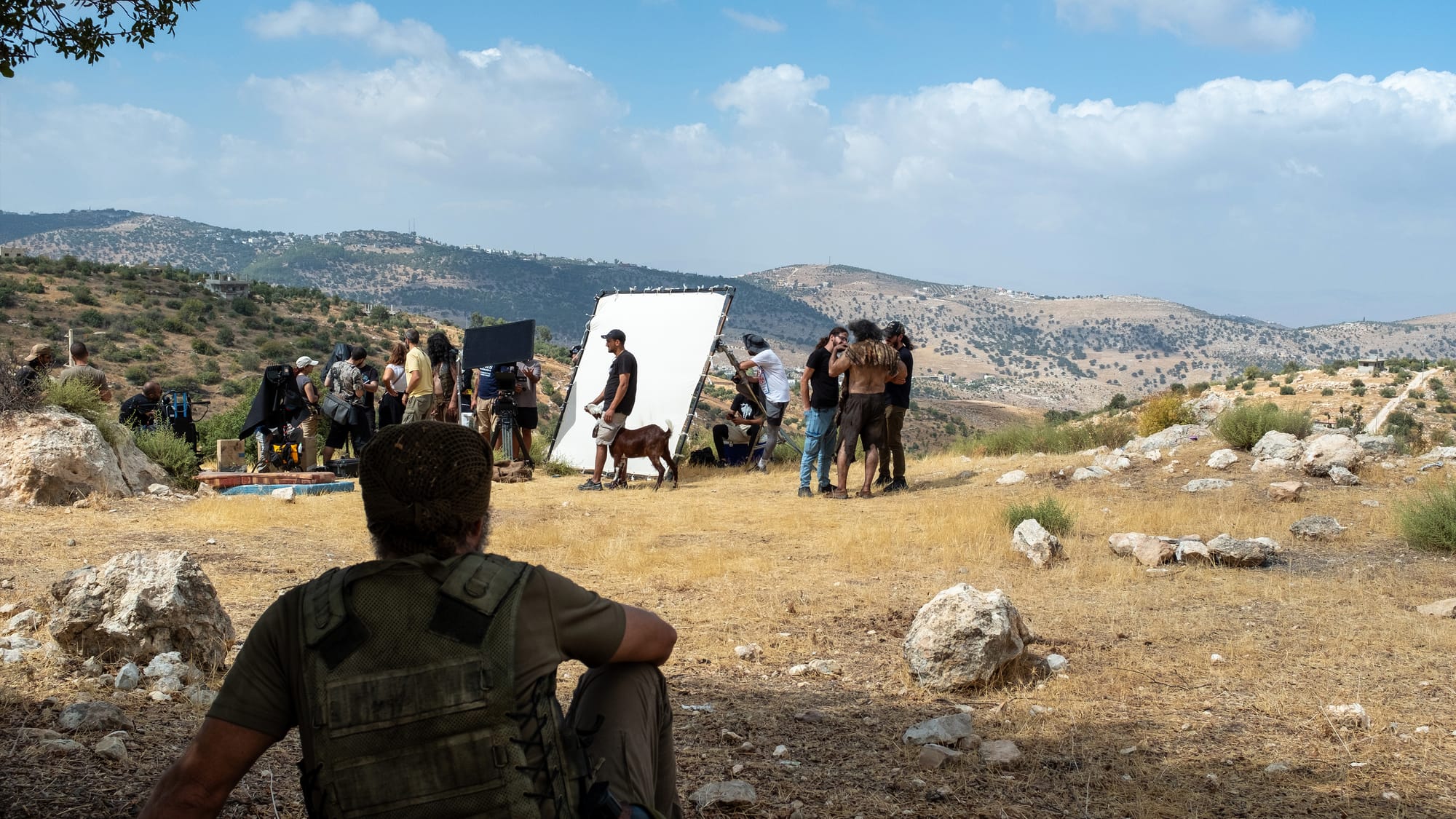
Initially, Razan and I couldn't secure funding from traditional sources in the region, because the idea was so different from the short films those entities were used to seeing. We eventually raised money through crowdfunding and private funds. After years of trying, we almost couldn't believe we were finally on set. But our limited funds left us little room to adapt.
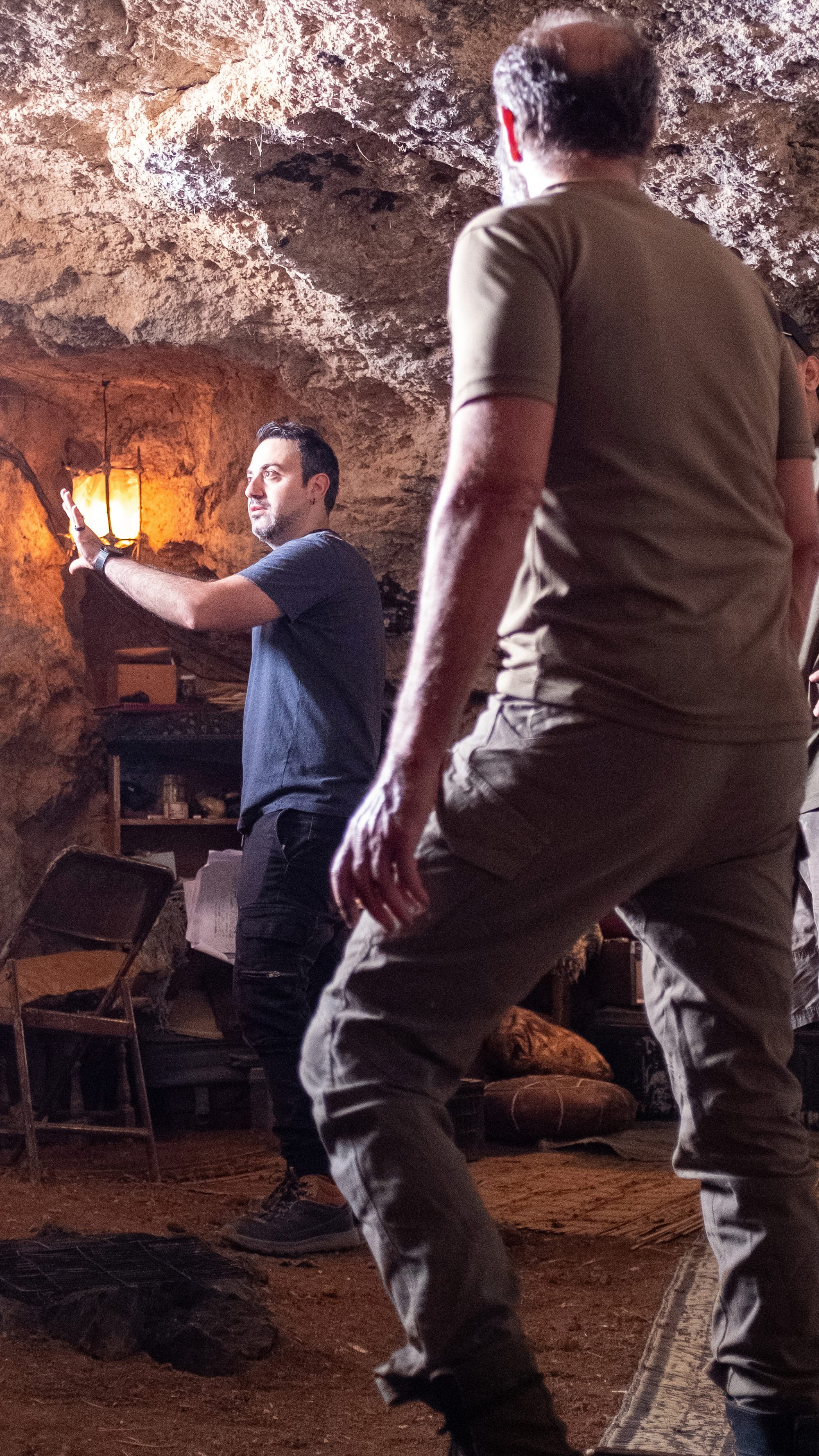
During a break on our second day of shooting, Razan realized we could no longer afford the number of shooting days we'd planned. We had to trim a day. So we sat down together and reworked the story to cut an entire scene. Because I'd storyboarded everything, I knew exactly how many shots we'd lose. The harder question was whether we could make that cut without compromising the core of the film. The script supervisor was unhappy, because it was "one of his favorite moments in the film." That made it even harder, but we had to make the call. Having Razan beside me made a real difference. We had built this story together.
What moment in the film feels most like you?
The opening and closing. My philosophy is rooted in "show, don't tell," but I love using music to add another layer to what the audience sees. I always felt the film needed a grand, otherworldly opening and closing, and that instinct took its final shape in the editing room.
I grew up in an Armenian household and went to church every Sunday, surrounded by Armenian choral music and hymns. My mother and grandmother both sang in the choir. I remember how their voices resonated through the church, how the sound seemed to vibrate through your entire body. It felt otherworldly, and I wanted to bring that feeling into the film.
The opening piece, "Chosen by God," accompanies the Caveman as he approaches an encounter that will change his trajectory. The closing piece, "Hymn of Vesting," is as touching as it is empowering. It accompanies his transformation into a man of a new age. These choices come directly from my memories, and they reflect the way I tell stories.
What tool, technique, collaborator, or mindset shift helped most during production?
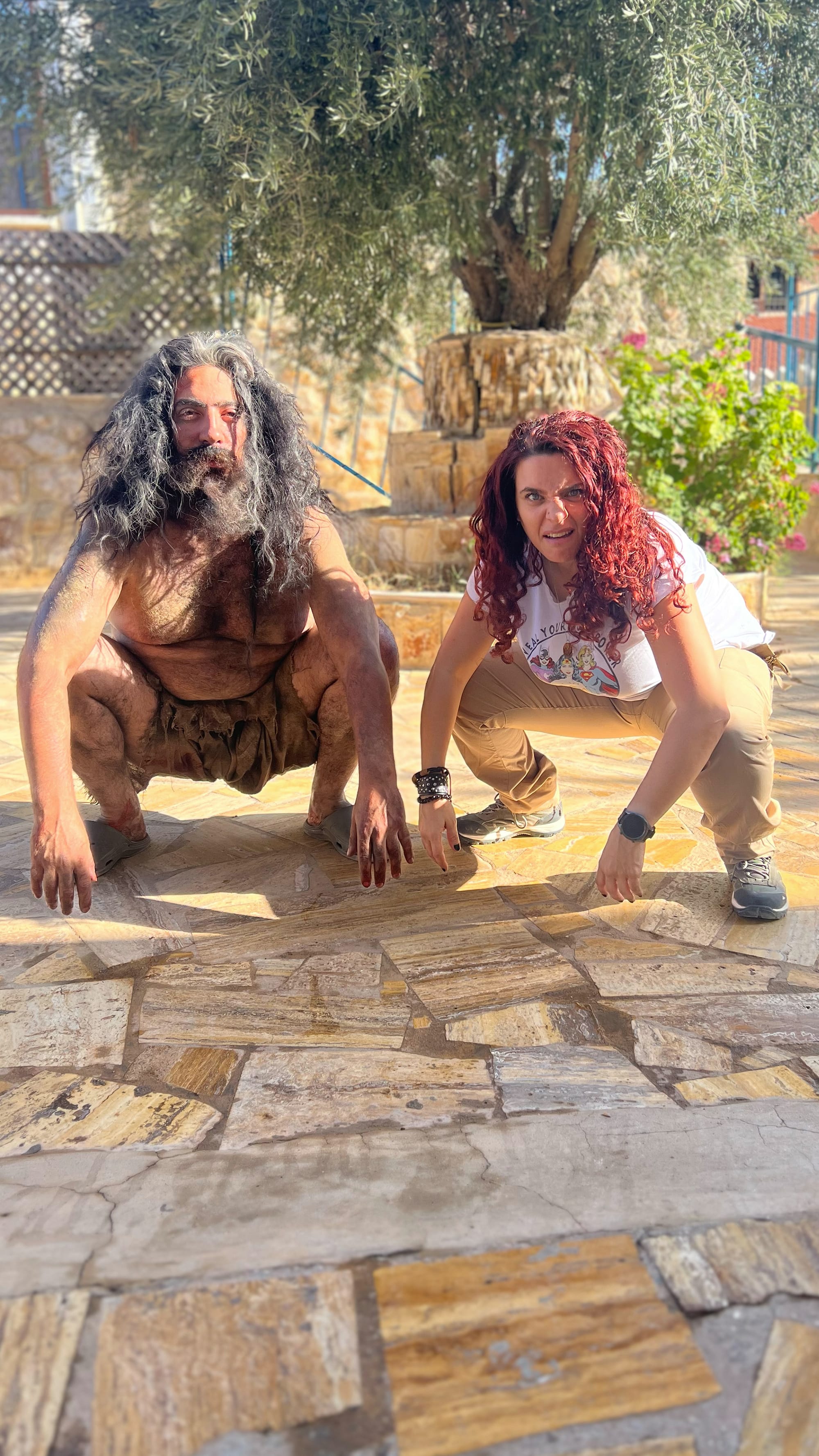
The first was Jay Abdo, the veteran Syrian actor who plays Man in the Cave. He joined for an adjusted rate because he loved the project, and having his name attached brought us a lot of attention. People offered discounts, waived costs, and provided in-kind sponsorship. He is an incredible artist and a kind human being.
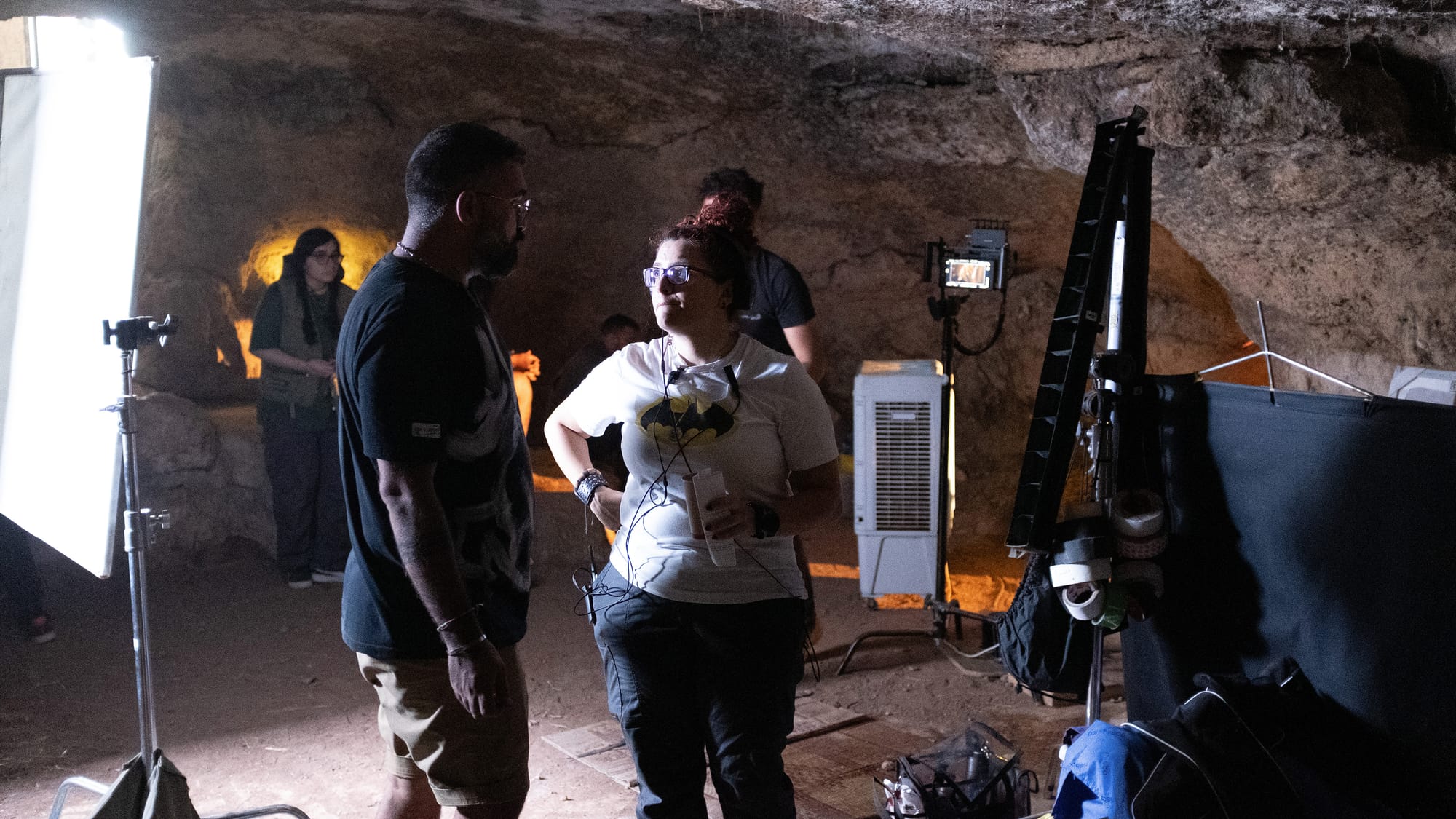
We also spent over three months preparing between Dubai and Jordan, with Dalia Al-Nimer supporting us on the ground in Jordan. Once I finished my storyboard, Razan suggested I record myself walking everyone through it. Using software usually meant for streaming gaming content, I recorded a walkthrough in four parts, each roughly an hour long, explaining every shot. We shared those recordings with all the heads of department. Our time in Jordan was limited, and those videos saved us. That preparation let me focus on directing, while Razan led the production and Dalia kept the logistics moving.
What does it mean to have your film selected for FilmQuest, and where does it go next?
It means getting to be part of one of the coolest and most iconic genre festivals in the world. Coming from a different part of the world and seeing our film embraced by a community we love as genre filmmakers makes it even more special.
Personally, I'm a huge fan of H. P. Lovecraft's universe: Cthulhu, Nyarlathotep, Shub-Niggurath, the whole gang. And now we're nominated for Best Foreign Short Film. If we get to take that Cthulhu trophy home, I might just lose my mind.
Next, we're planning to develop Karayr into a feature film while continuing its festival journey around the world. To anyone facing rejection, I'd say: you need thick skin, determination, and ideally a creative partner who believes in the film as much as you do. You never know when the light at the end of the tunnel will come. You just have to keep going.
Main Cast & Crew
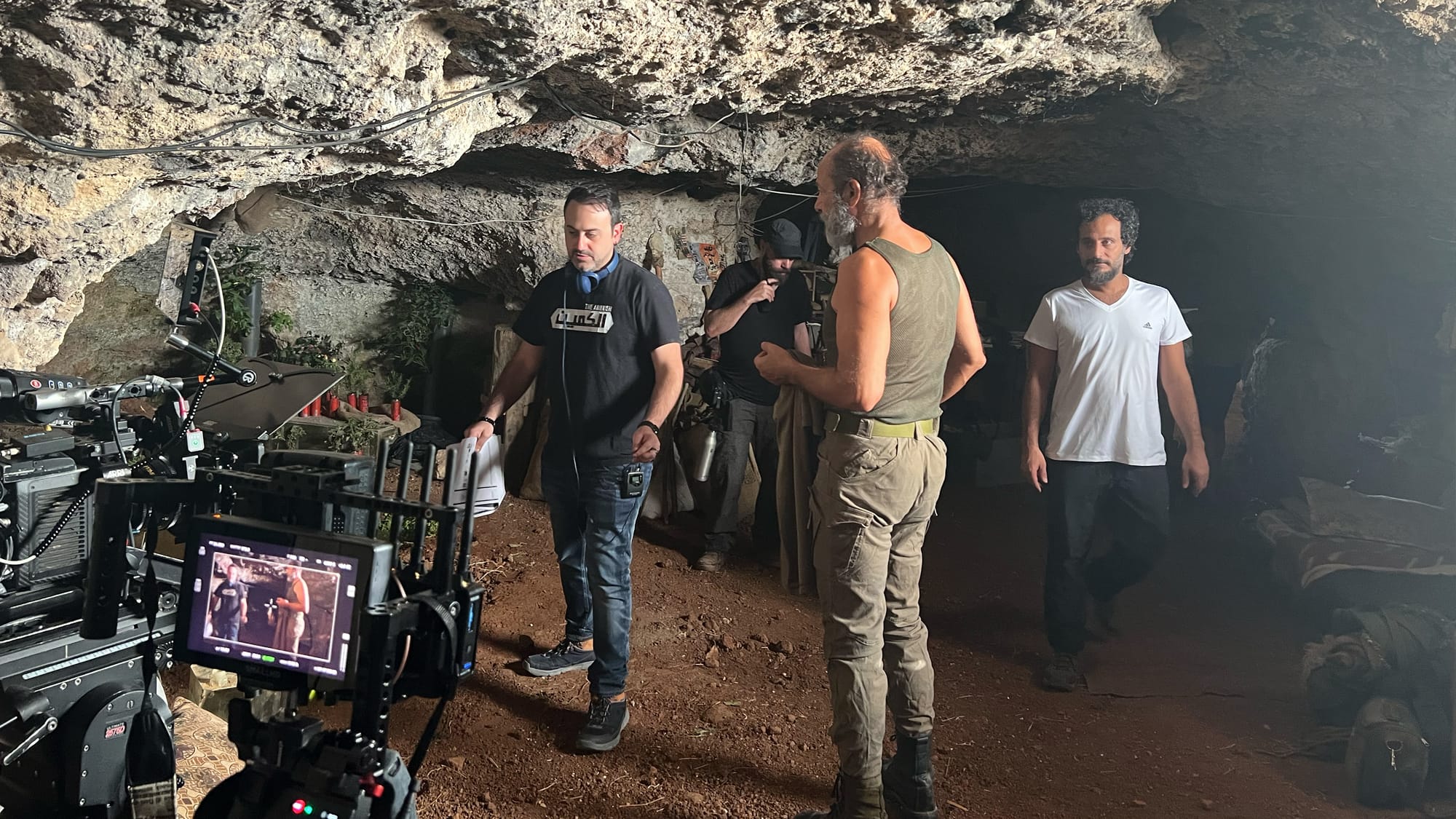
- Neo Apelian, Director – Armenian Lebanese filmmaker based in Dubai and a graduate of the American University in Dubai, with more than a decade of production experience, including Star Trek Beyond and The Ambush. His debut, IDI (2021), screened at more than 15 festivals and won 11 awards.
- Razan Takash, Producer/Writer – Award-winning Jordanian writer, director, and producer based in Dubai, working in film since 2010 on projects including Star Wars: The Force Awakens and Zero Dark Thirty. She holds an MFA from the Red Sea Institute for Cinematic Arts, has directed and produced M1das, IDI, and Shah Mat, and is Head of Film at SAE University College.
Filmmaker Opportunities
💛 Fund your next project with fiscal sponsorship
Have a project in the works? As a 501(c)(3) nonprofit, the Cinematography for Actors Institute can accept tax-deductible donations on your film's behalf — a door-opener for grants, foundations, and supporters who want to back your work. We've serviced over 100 projects to date and helped route over $800,000 in funding to filmmakers. Explore fiscal sponsorship →
📬 Grant deadlines and festival opportunities, straight to your inbox
The CFA newsletter rounds up grants, festival calls, and community news for independent filmmakers — the kind of opportunities that are easy to miss and painful to miss. Join the newsletter →
🎬 Focus on the creative — we'll help with the logistics
Production Management, CFA's newest member program, launches this November: production insurance and workers' comp, payroll, film permits, gear rental coordination, SAG-AFTRA compliance, contract drafting, production consulting, and crew recommendations — handled by a team of working filmmakers, à la carte or all in, in partnership with Creative Access Group. It's waitlist-only until launch. Join the waitlist →
League of Filmmakers is published by our parent organization, the Cinematography for Actors Institute — a 501(c)(3) dedicated to education, community, and capital for underrepresented filmmakers and actors. Learn more about CFA →