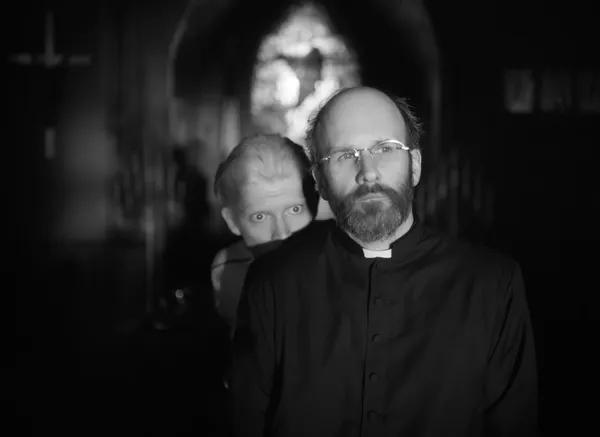
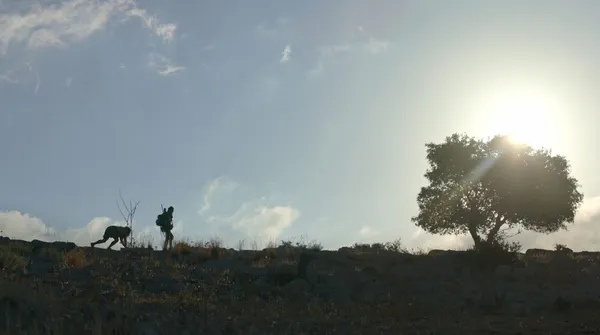
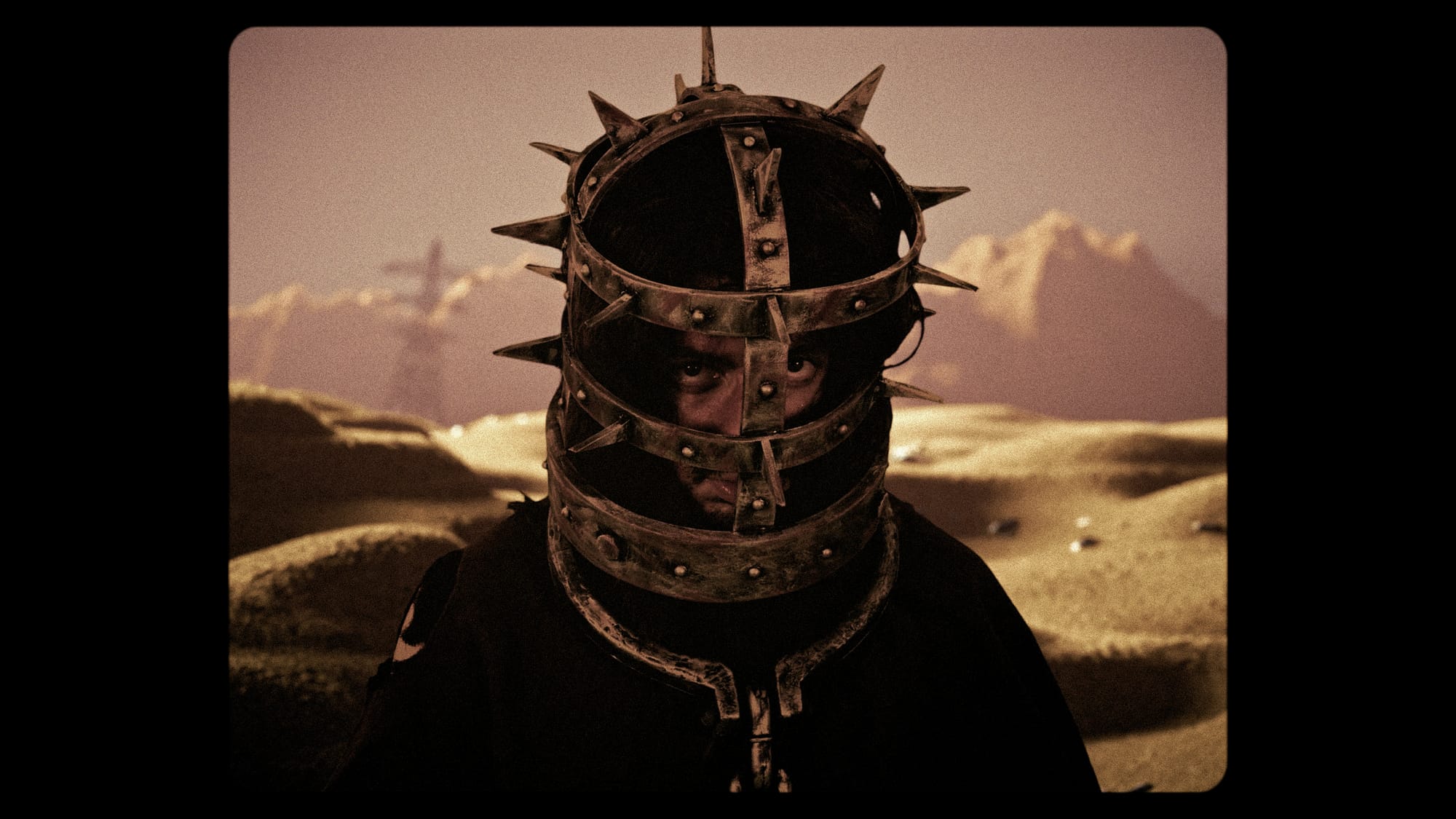
A man has died and been reborn so many times that he's simply had enough. So he does what anyone would do: he breaks into Area 51, steals a UFO, and flies to the edge of the cosmos to demand an answer. Mark Reyes's mixed-medium short To Be Human follows that soul through a string of vastly different lives, from a cloud kingdom to a sci-fi slave encampment to an audience with an alien god. Each life teaches him something before the final heist sets him loose among the stars.
The film is bright, strange, and handmade, built largely in Blender and shot in Reyes's own karate school during a snowstorm. Its origins are serious. Two years ago, Reyes was diagnosed with cancer and laid off from his film industry job. The question he kept asking himself then, about what a human life is actually worth, became the engine of the film. "At the core of all my work is a desire to feel," he says. "I feel things deeply. It is our most human aspect. I want to take my feelings, good and bad, and turn them into things that I think are cool. Spaceships, aliens, knights, stuff I loved as a kid. I still am one."
Key Takeaways
- To Be Human grew from a thought experiment Reyes played during his cancer recovery. That same question led him to open a martial arts school, which became the film's set.
- A three-person team made the film. Reyes built every environment in Blender, and some shots took 30 to 60 hours to render.
- Reyes returns to FilmQuest a year after attending with The Nightwalker, this time as a selected filmmaker and an award nominee.
Reyes spoke with us about cosmic deities, green-painted treadmills, and why a little jank is a feature, not a flaw.
Interview
What drew you to make this film, and why this story, why now?
Two years ago, I had cancer and was laid off from my job in the film industry because I was unable to work after surgery. During this time, I was caught between careers and divided about which direction I should go next. I would play this thought experiment game in my head. I would pick a new career, live my whole life pursuing it, die, and appear in front of a wise cosmic entity to hear what it had to say about my human life.
To a wise, ancient, cosmic entity, all my efforts seemed pathetic and useless. The only thing I could picture impressing this deity was to live fully as a human and spend my experience trying to help as many people as possible. That influenced my decision to open a martial arts school and give back to my community mental strength and a non-quitting spirit, something that hugely impacted me during my operation.
When it was all said and done, I thought this thought experiment was a great framework for a short film. It is something all people can relate to.
What surprised you most about the filmmaking process, creatively or logistically?
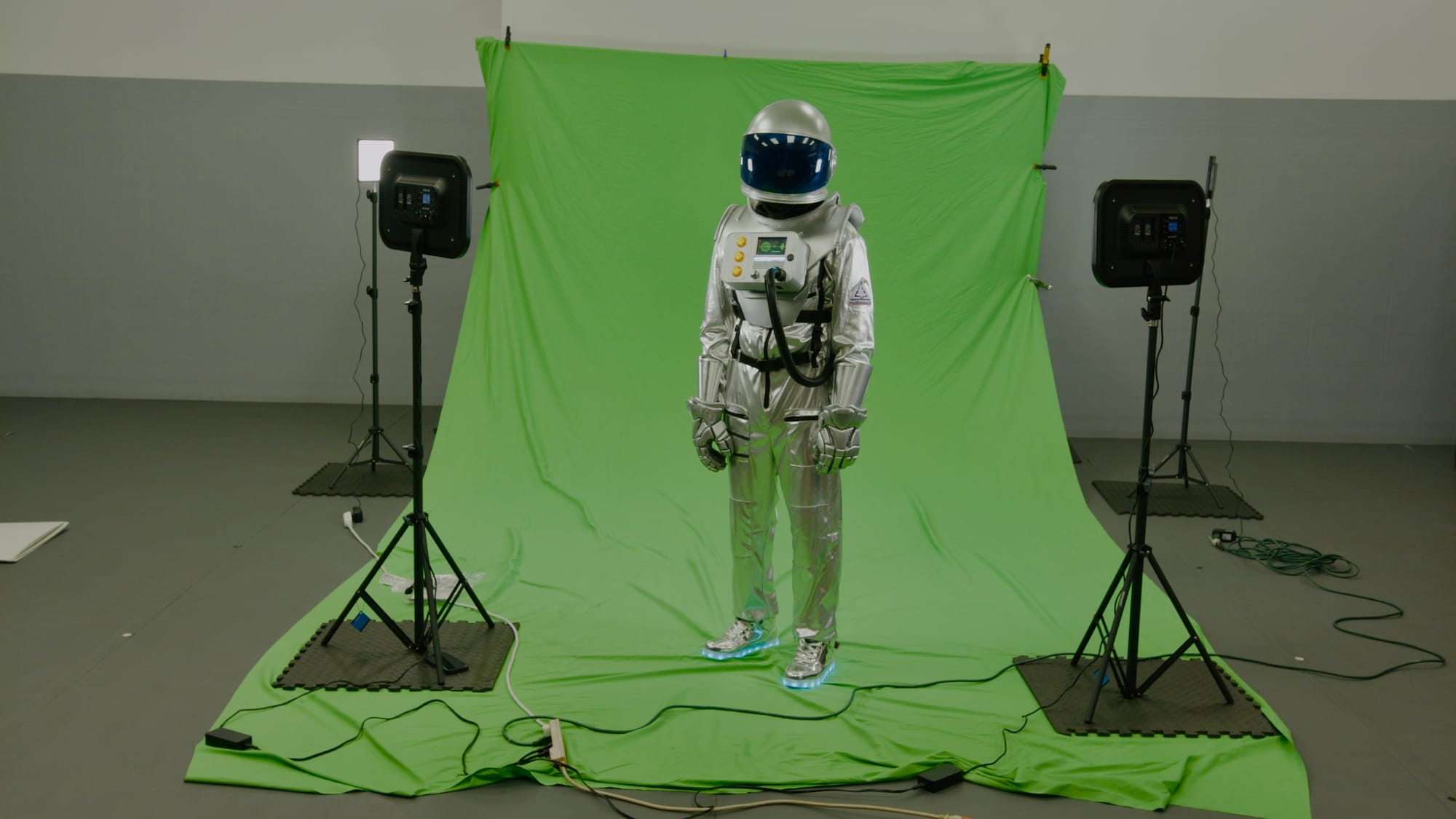
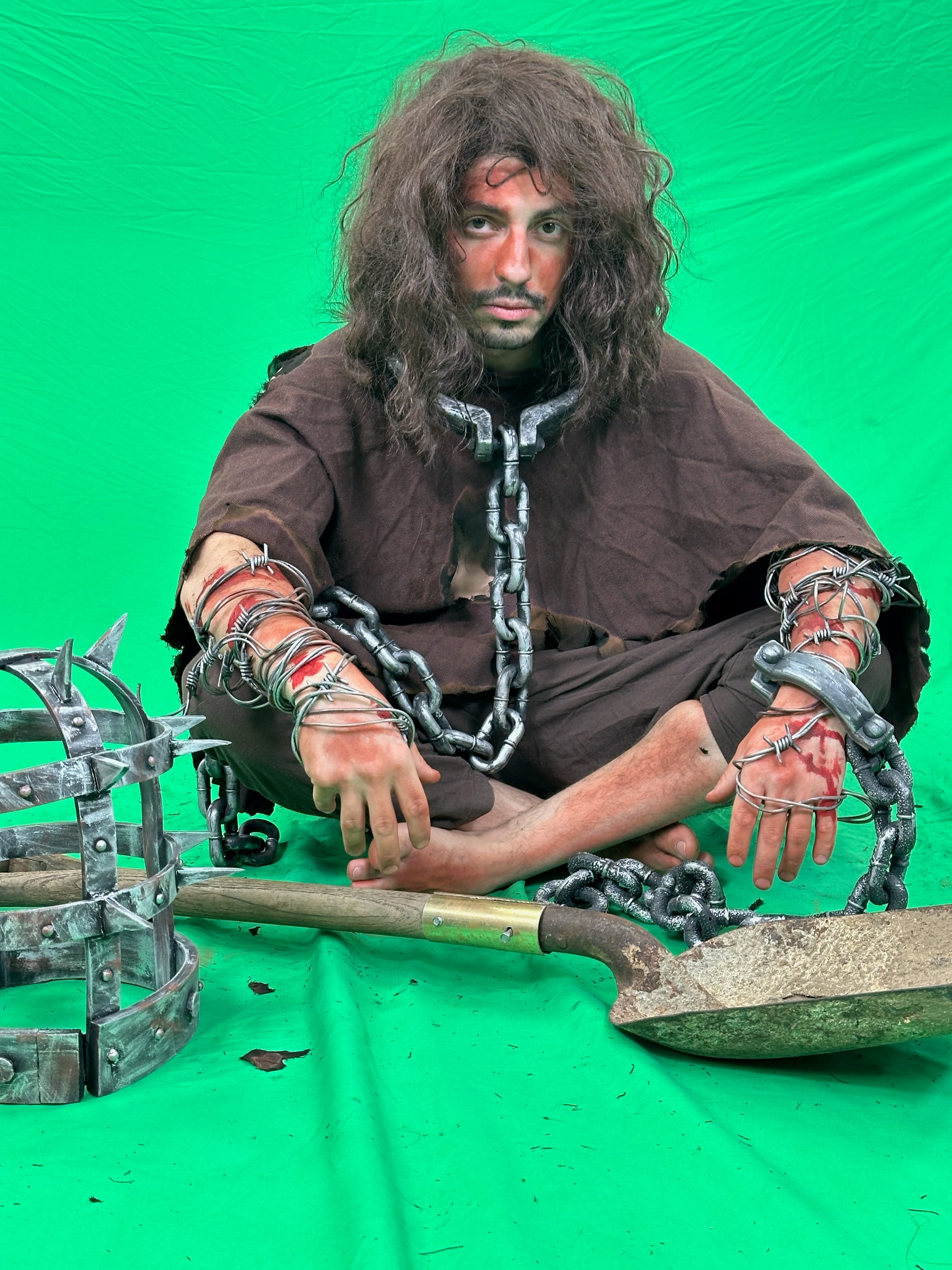
We shot this whole film in my karate school! We set up lights, a backdrop, and a green-painted treadmill on the mats and shot during a snowstorm. We played music on the gym speakers and ordered sushi. My friend fed me grapes in a toga, and I covered myself in dirt and fake blood in my job's bathroom. It was like a party. We had a great time.
It was super difficult, though. We were a three-person team doing everything, with a big bite to chew. This film was super ambitious. I might have to scale it down next time around.
What moment in the film feels most like you, or like something only you could have made?
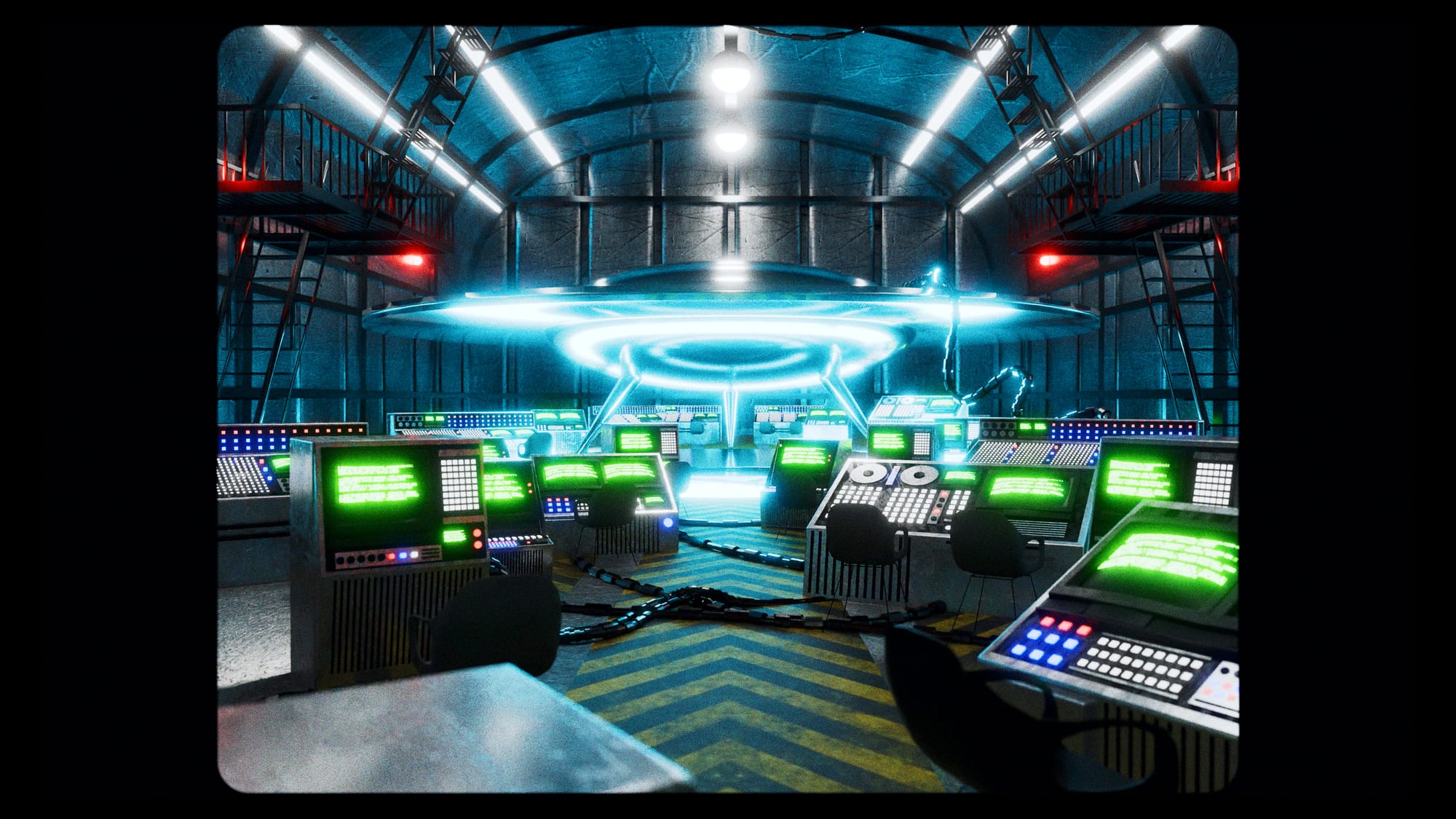
There is a moment where he is looking at the photograph of the spacecraft he wants to steal, and he lowers it, revealing the treasure he has been seeking for so long. All his frustration has built up. He is aware of what he is about to do, and he knows there is no other option.
It is my favorite sequence in the film. Visually, it is everything I like: spacesuits, UFOs, a secret government base, retro tech, bright colors and lights. Emotionally, it feels very like me. There is nothing else to do, there is no other option. I am going forward and onward.
What tool, technique, resource, collaborator, or mindset shift helped most during production?
This time around, I really wanted all my imagery to look as cinematic as possible, so I focused on lighting and detail. I constructed all the environments in Blender, and I took careful time to craft every frame and put in a lot of detail. Some of it will never even be seen, but I wanted to really amp it up in terms of cinematic detail, lighting, and camera moves.
What was the hardest creative decision you made while making the film?
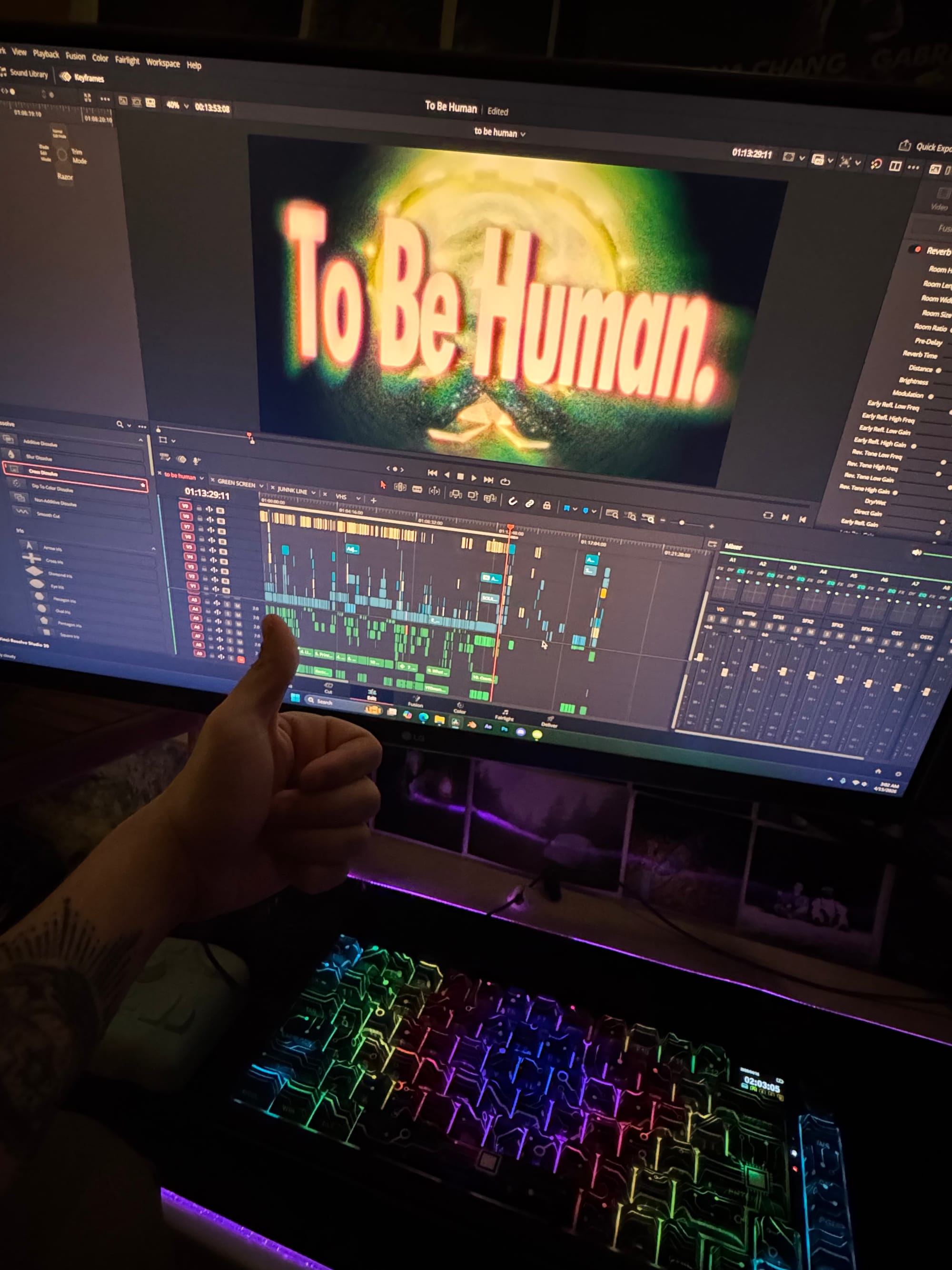
Some of these shots took 30 to 60 hours to render, and time was of the essence as festival deadlines approached. You don't really know what it's going to look like until the render finishes. You are always working with a stripped-down version so your computer doesn't combust, so a lot of it is guess and check.
You hit a point where you are looking at the export thinking, "Do I want to make this minor change and re-render for 30 hours, or is this good enough?" Those are always super hard calls to make. You can revise the same project for your entire life if you aren't careful.
What is the greatest strength of independent filmmaking, and what lesson would you share with other filmmakers?
Especially in this new age of AI, everything looks so perfect and polished. We have taken art out of the hands of the artist. I like that my work sometimes looks a little jank. It looks handmade, crafted by an emotional, breathing human being. It goes straight from the hand and soul to the screen. There are no dudes in suits in between, so it is much closer to the voice of a human. I think that's really cool. I think in the future we are going to see people craving more imperfections and thumbprints in artwork.
What does it mean to have your film selected for FilmQuest?
It is a huge honor. I attended last year with my film The Nightwalker and was so inspired that I thought, "I need to put my foot on the gas so I can submit and come back next year." I worked tirelessly to hit that deadline as soon as I got home. It is super rewarding to not only be selected but nominated for an award.
I have a few other genre festivals I would like to hit, and hopefully the film builds an online following as well. I just want as many people as possible to see it and resonate with it. There is so much doom and gloom in the world, and the media is always trying to convince you that your life and the future will suck. Screw that. I hope people leave the film ready to live a better tomorrow.
Main Cast & Crew
- Mark Reyes, Director / Writer / Actor
- Jack Miles, Camera Operator
- Ian Kane, Composer
Filmmaker Opportunities
💛 Fund your next project with fiscal sponsorship
Have a project in the works? As a 501(c)(3) nonprofit, the Cinematography for Actors Institute can accept tax-deductible donations on your film's behalf — a door-opener for grants, foundations, and supporters who want to back your work. We've serviced over 100 projects to date and helped route over $800,000 in funding to filmmakers. Explore fiscal sponsorship →
📬 Grant deadlines and festival opportunities, straight to your inbox
The CFA newsletter rounds up grants, festival calls, and community news for independent filmmakers — the kind of opportunities that are easy to miss and painful to miss. Join the newsletter →
🎬 Focus on the creative — we'll help with the logistics
Production Management, CFA's newest member program, launches this November: production insurance and workers' comp, payroll, film permits, gear rental coordination, SAG-AFTRA compliance, contract drafting, production consulting, and crew recommendations — handled by a team of working filmmakers, à la carte or all in, in partnership with Creative Access Group. It's waitlist-only until launch. Join the waitlist →
League of Filmmakers is published by our parent organization, the Cinematography for Actors Institute — a 501(c)(3) dedicated to education, community, and capital for underrepresented filmmakers and actors. Learn more about CFA →