Table of Contents
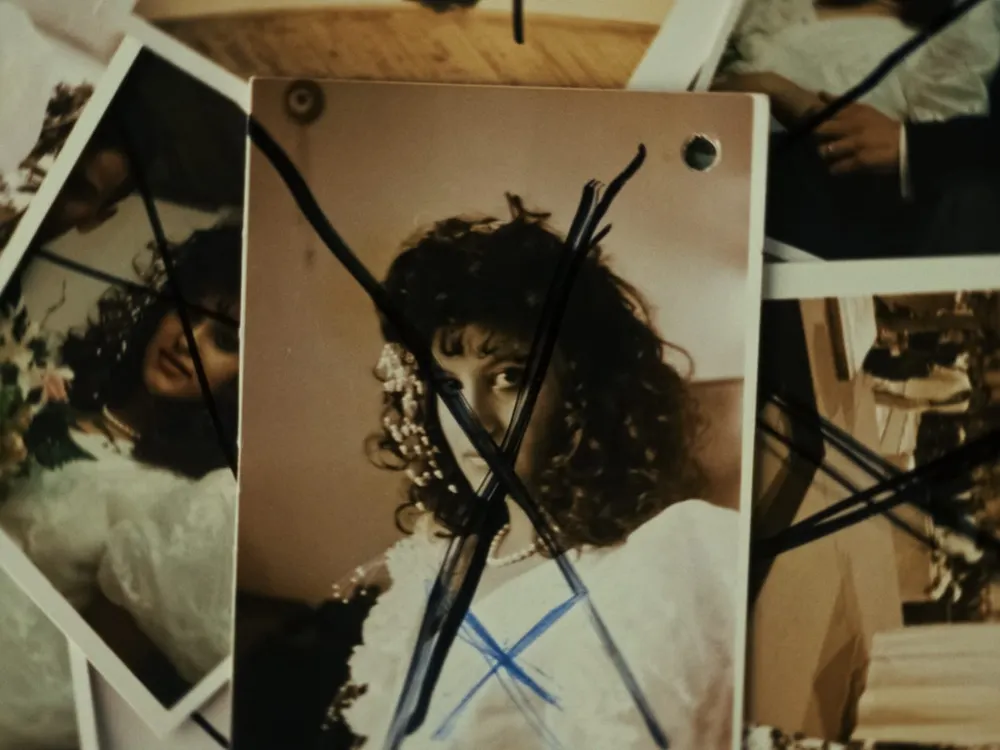
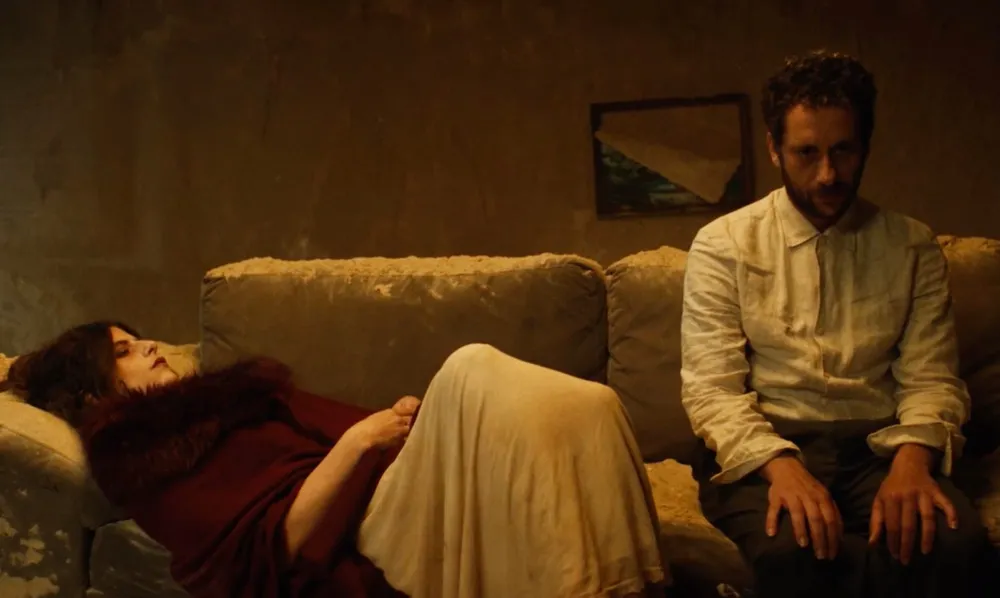
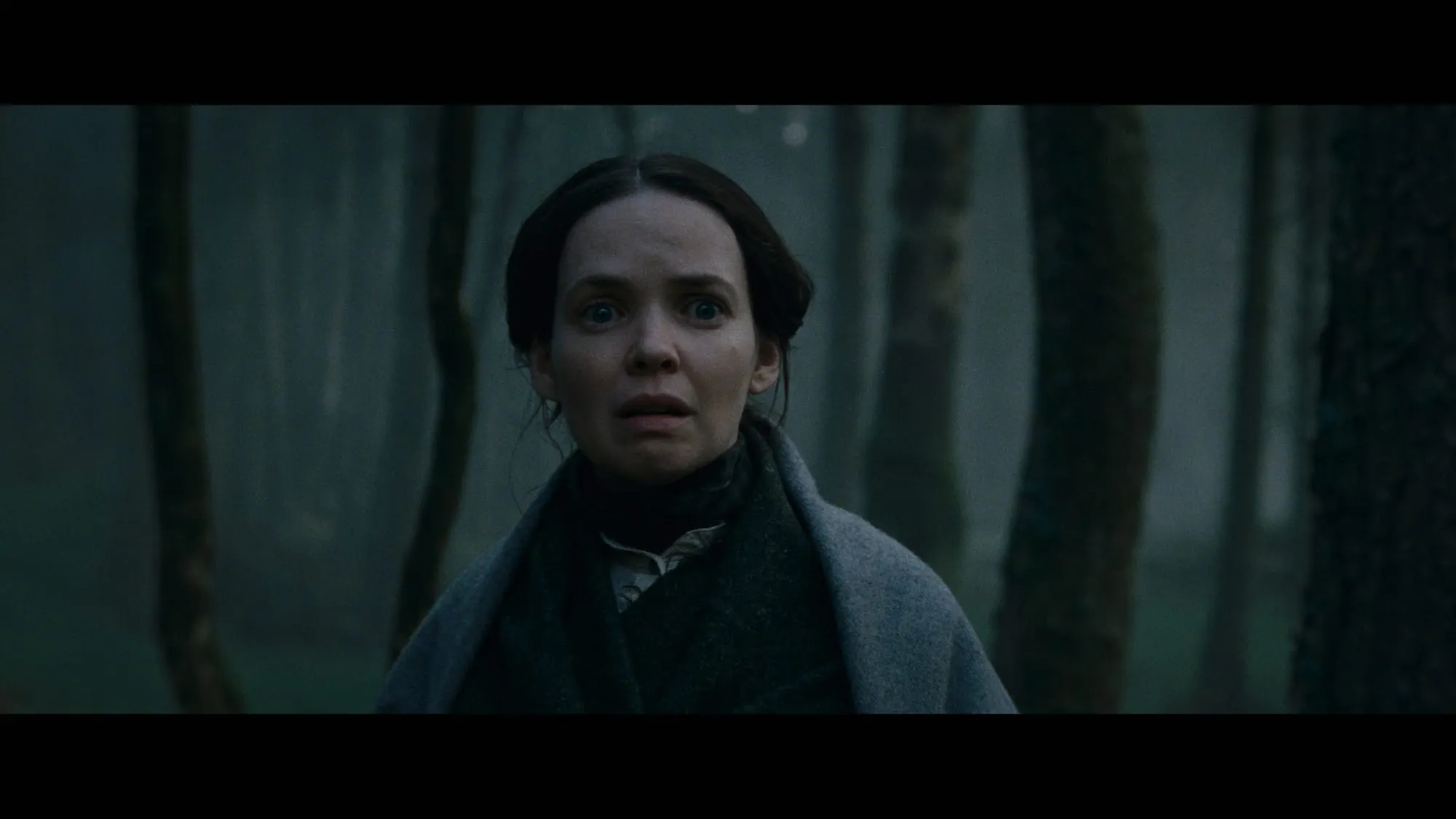
In 1880s Ireland, Róise's family is haunted by a banshee after she discovers a mysterious comb, setting off a series of deaths in her village. Banshee is Peter Vass's first foray into horror, and it arrives with the confidence of a filmmaker who has spent a lifetime drawn to folklore, forests, and the pleasure of framing a shot like a photograph.
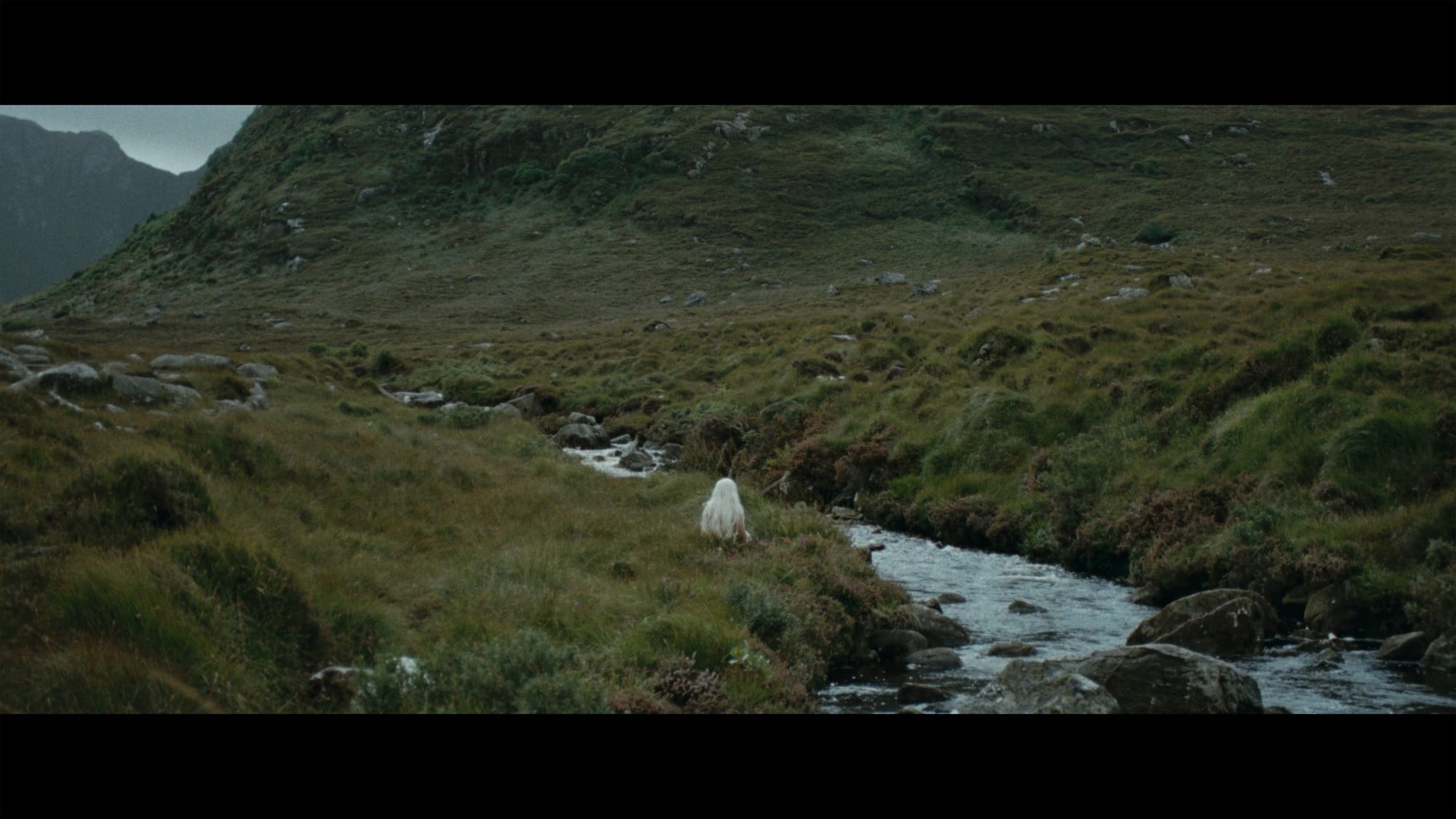
Made in Ireland with two of Vass's closest friends and a crew that includes Oscar- and BAFTA-recognized cinematographer Narayan Van Maele, the film leans into atmosphere and suspense rather than shocks. It is a period piece shot on film, in misty forests and old standing cottages, and it carries a question that still lingers today: what do we keep from the old world, and what do we let go?
Key Takeaways
- A slow-burn, atmospheric folk horror set in 1880s Ireland, built around the legend of the banshee.
- Shot on film in real locations — misty forests, moss, standing cottages — with a team that includes Narayan Van Maele and composer Die Hexen.
- Vass's first horror film after a comedy background, and the seed of a feature now deep in development in Ireland.
Vass spoke with us about folklore, the discipline of shooting on film, and cutting his shot list on the fly.
Interview
What drew you to make this film, and why this story, why now?
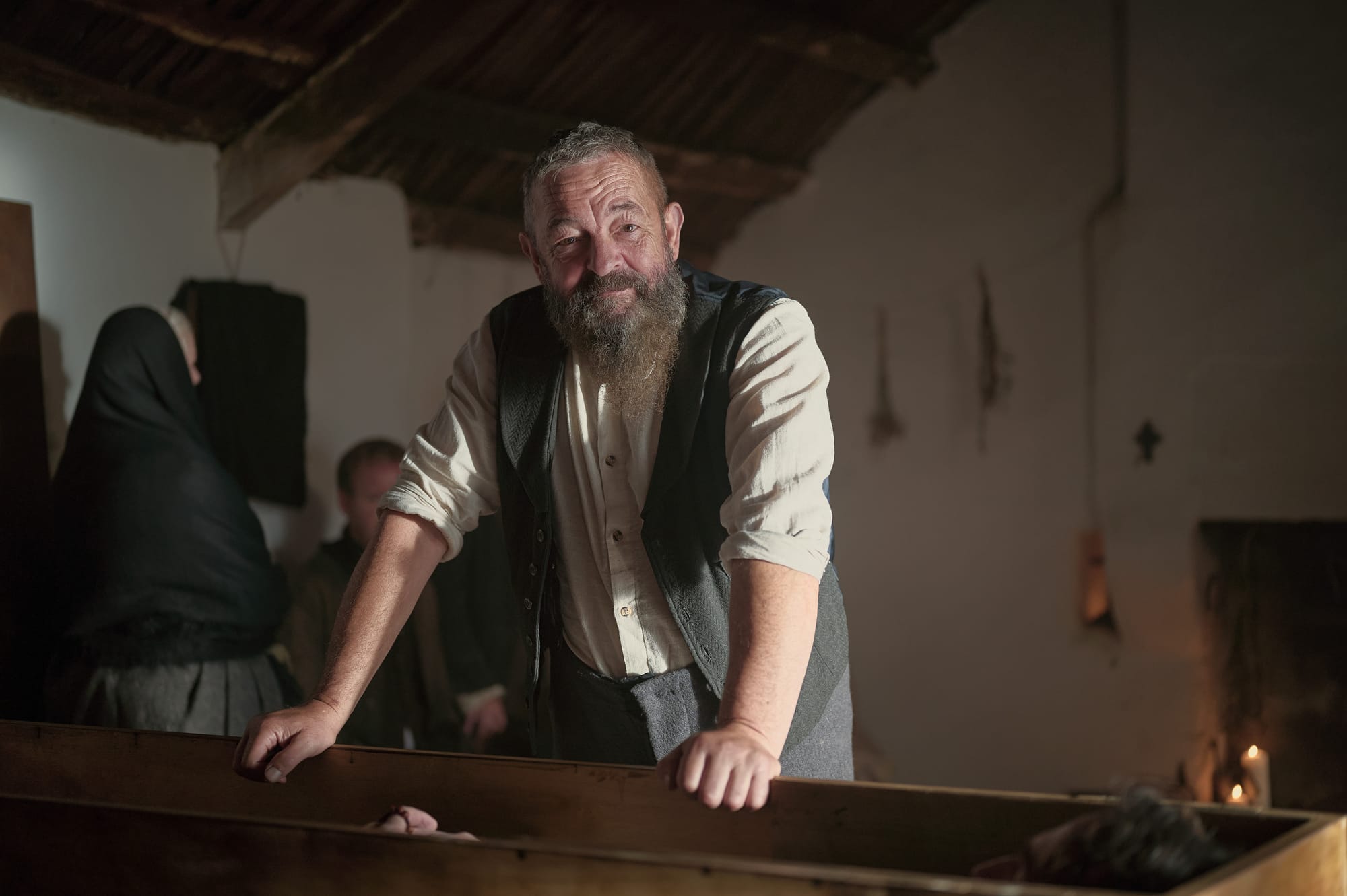
I've been a big fan of folklore since I was little, and when two of my best friends, who are both Irish, said they wanted to make a film together in Ireland, we immediately thought of something in the folk horror lane, landing on the horrifying legend of the banshee. They are very passionate about the history and traditions of Ireland, and I have always wanted to film something there, so we decided to put the pieces together and create Banshee.
What moment in the film feels most like you, or like something only you could have made?
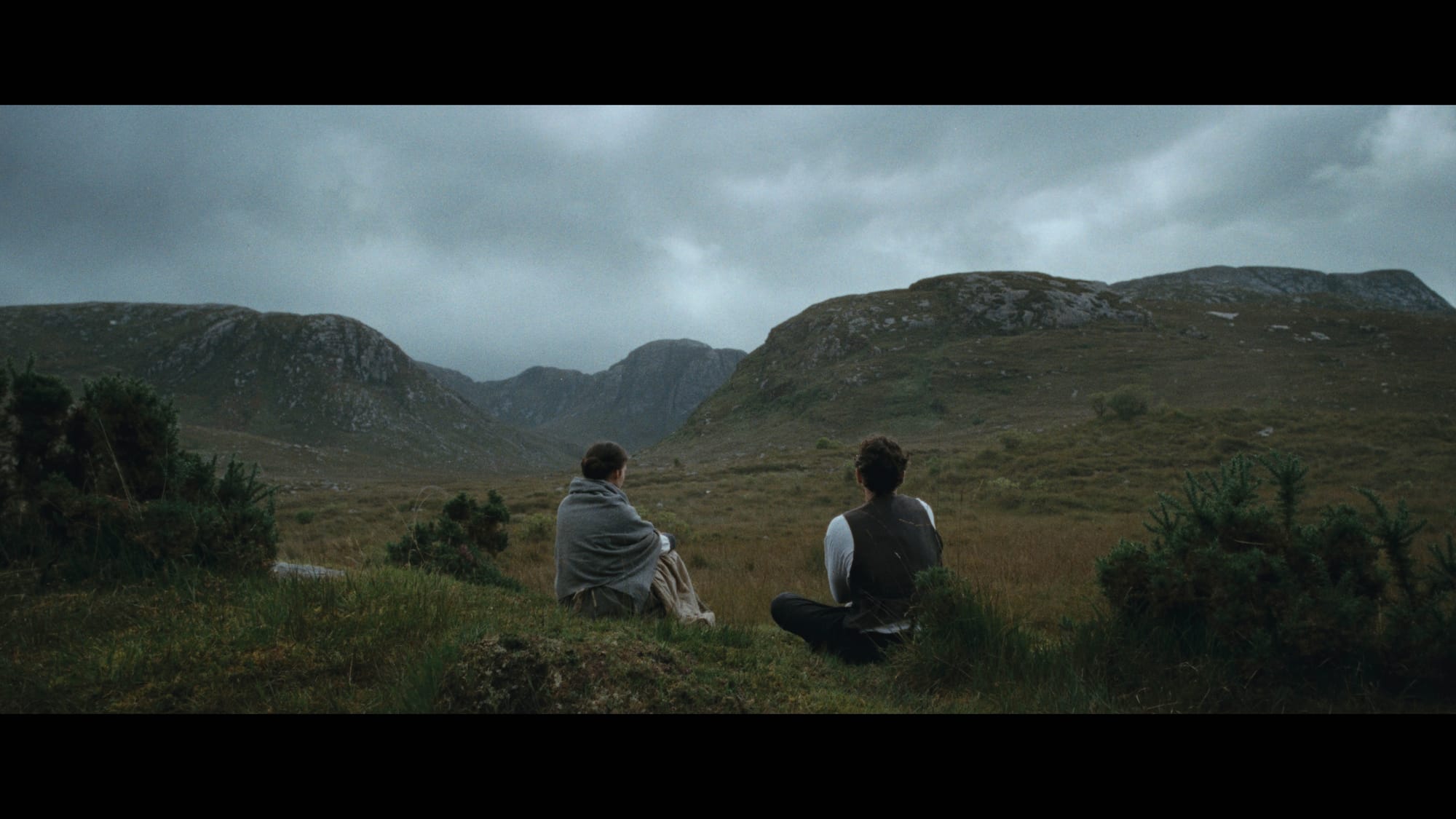
I love filming in forests and in nature. When I was in high school, I re-made Lord of the Rings with my brother and friends, filming in our local forests and my backyard — totally insane, I know. I'm a big fan of filming on location in real places, so being able to film in a misty forest with moss everywhere, and old standing cottages, was a dream for a period piece film like Banshee.
What was the hardest creative decision you made while making the film?
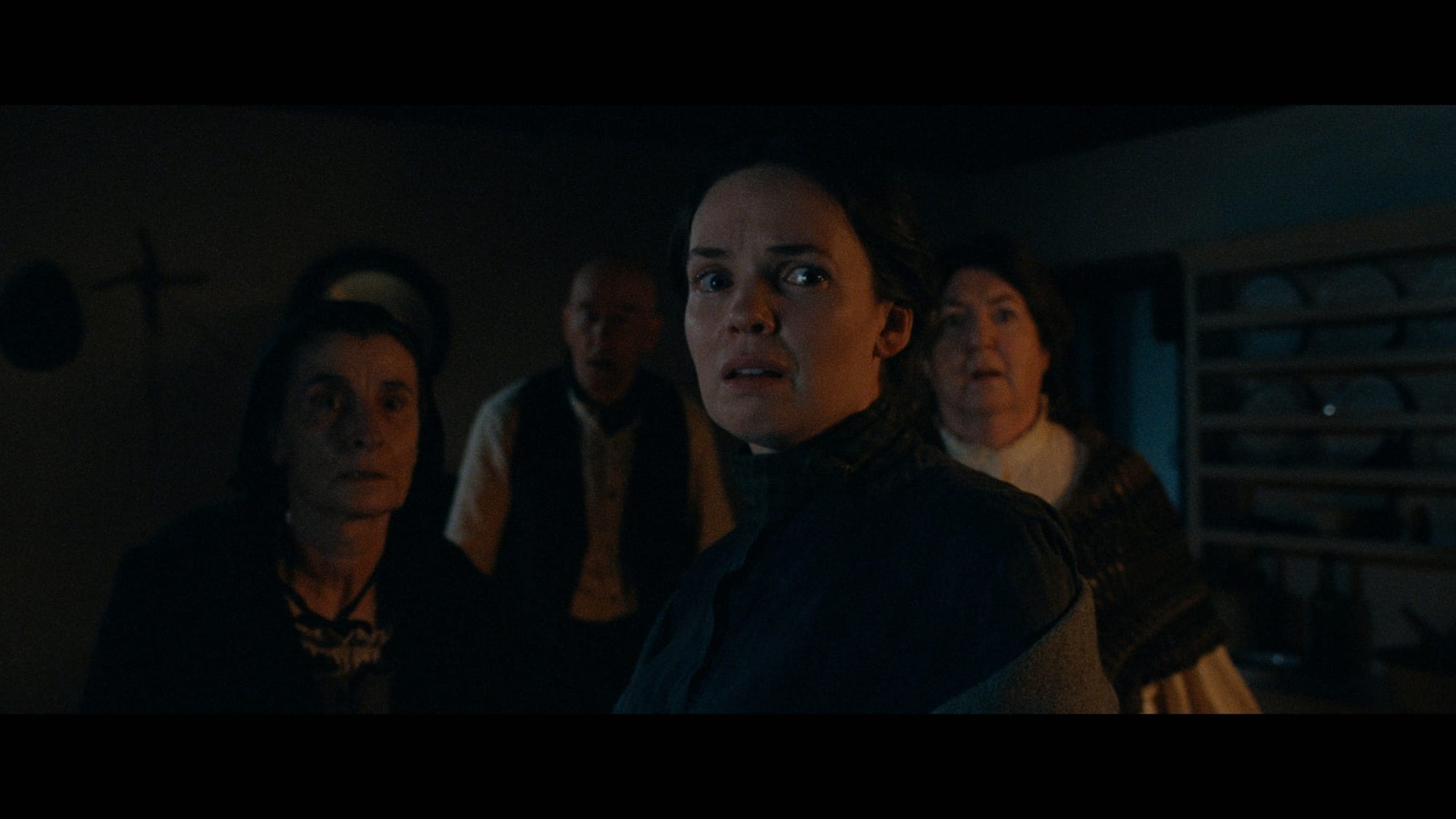
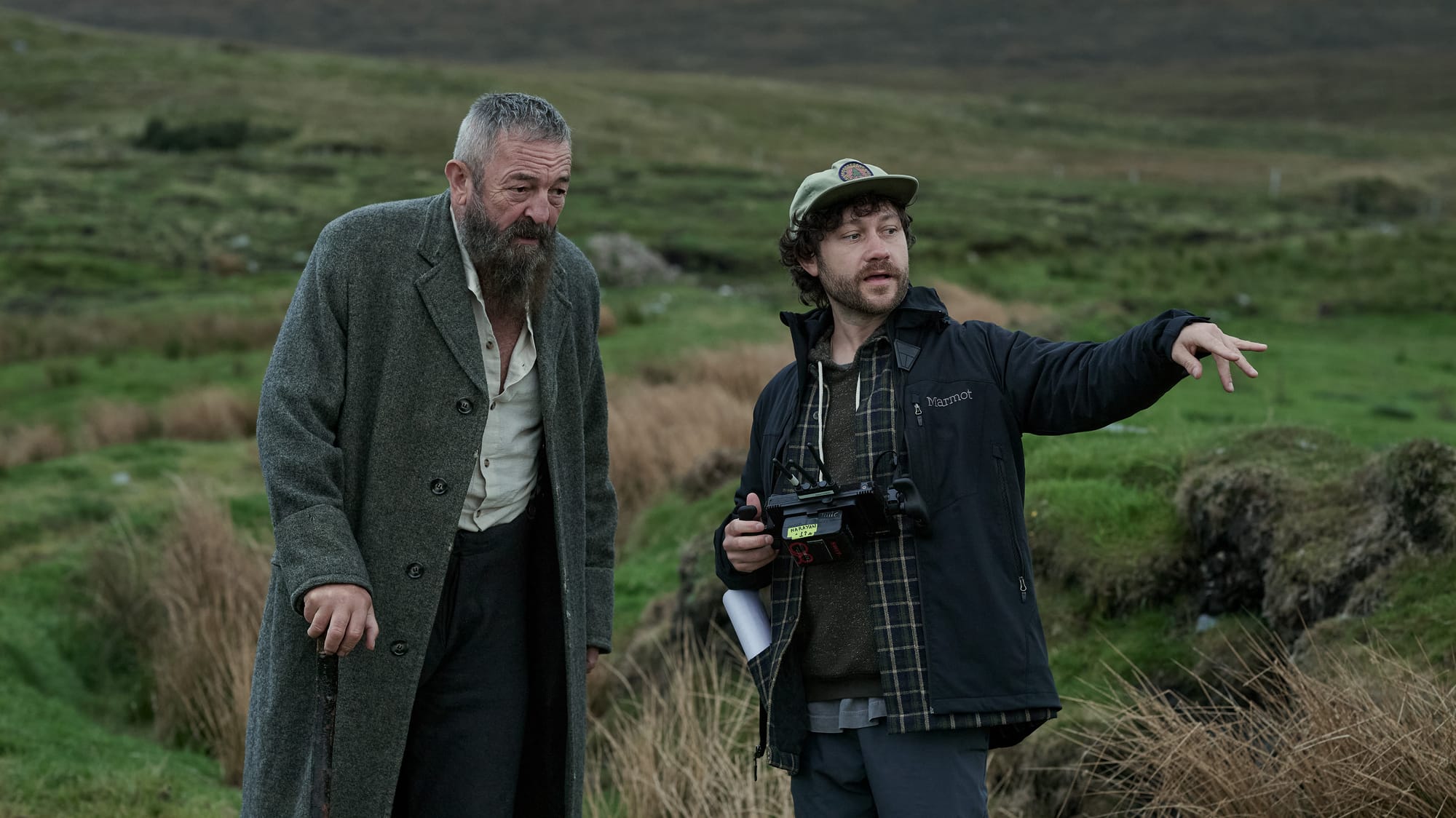
Turning 90 shots from my shot list into 68, all while on set. Due to time constraints and being as efficient as possible while shooting on film, we had to constantly cut shots while still completing all the beats of the scenes. One scene in particular I had to turn 10 shots into 5 on the spot, which actually challenged me as a filmmaker and made our team become more creative with how we showed the scene play out.
What tool, technique, or collaborator helped most during production?
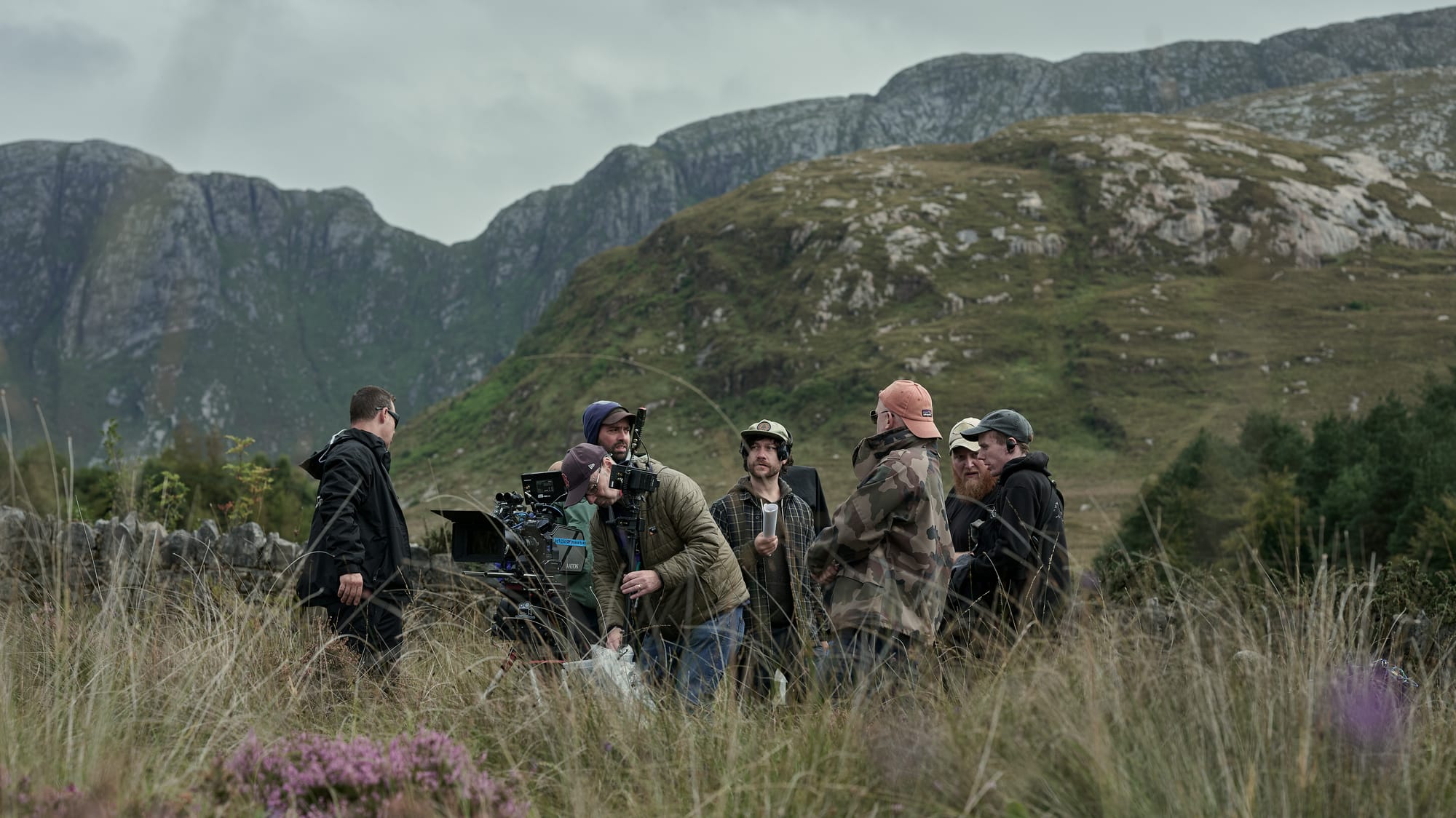
Shooting on film was a first for me, and such a cathartic experience. It was a challenge in terms of how many takes we could do for each setup, and involved a lot of rehearsal with the actors and the camera team. These types of challenges help you become a better filmmaker, and the reward of seeing just how beautiful everything turns out is worth all the extra pressure. Also, when you are working with such talented filmmakers, like our director of photography Narayan Van Maele, the process is exciting as well as creatively satisfying. It's a different vibe on set.
How does your film fit within, or push the boundaries of, its genre?
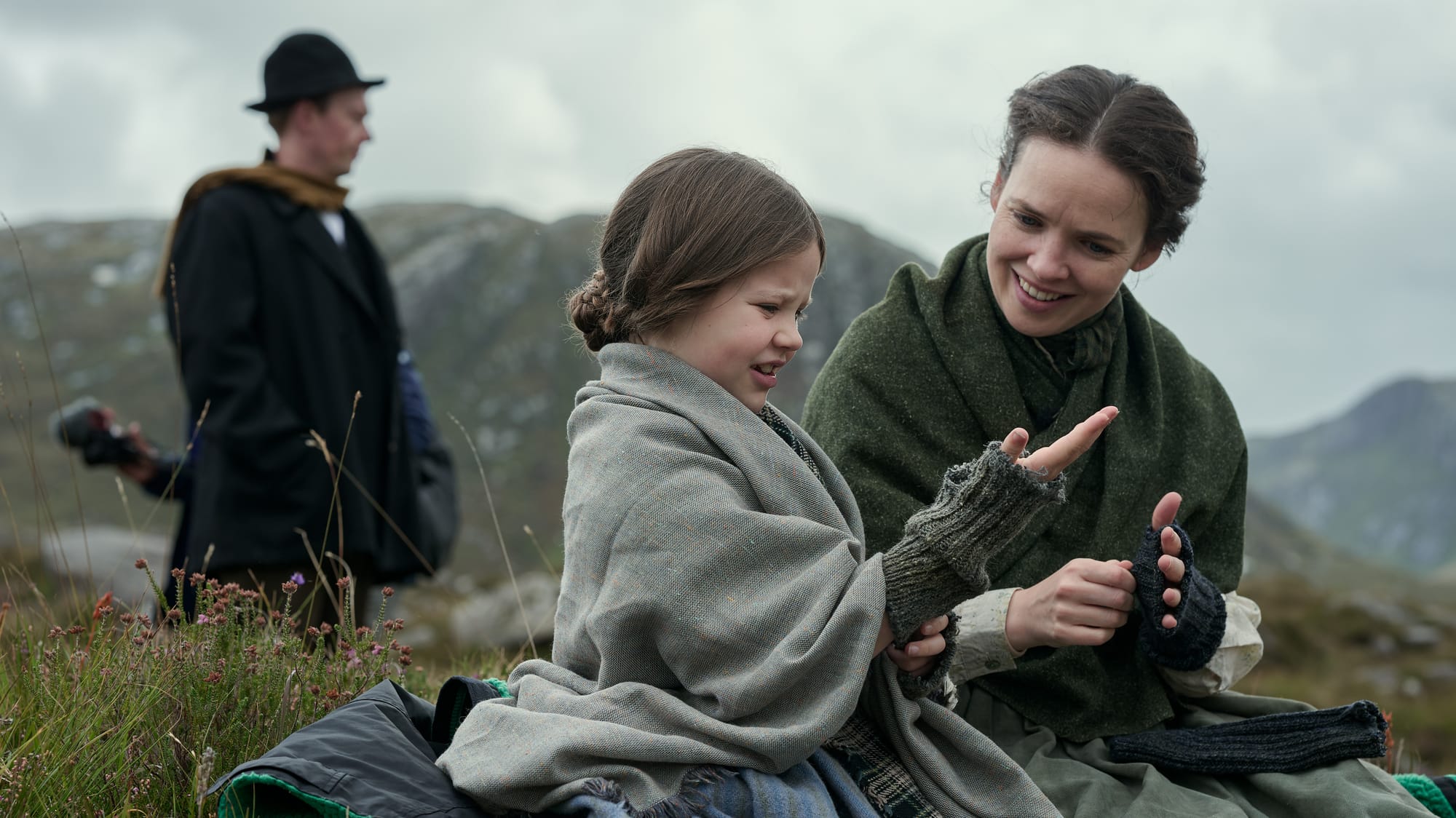
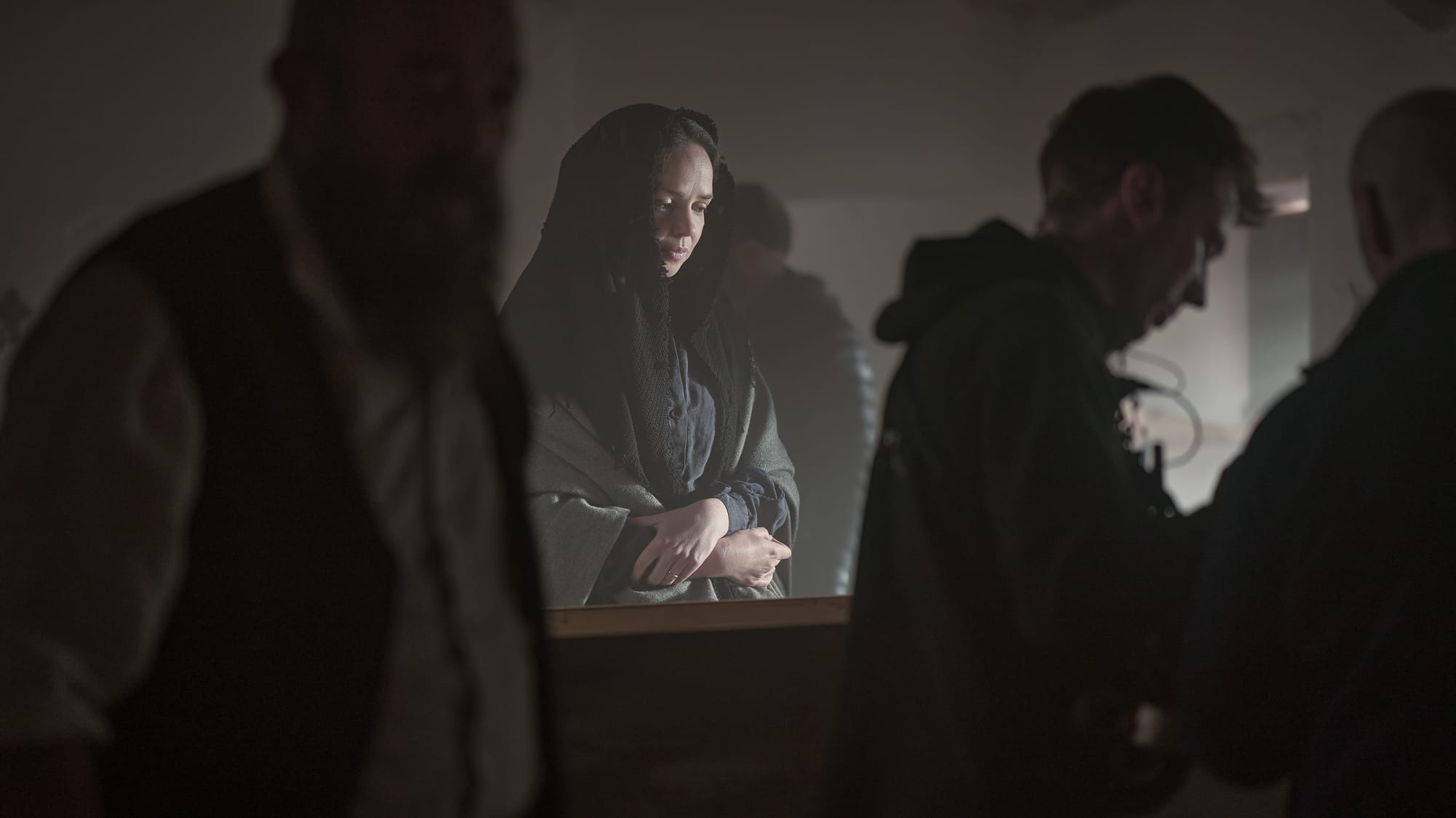
I wanted to create a true folk horror that absolutely fits in the horror genre, but can also lean a bit more into the dark fantasy and drama world as well. For me, the most important part was the story, because if the horror beats didn't work, I knew the story itself would still work. The film is quite atmospheric and slow burn, and I love building suspense, which I think fits well in the folk horror genre.
What do you hope audiences take away from this film?
I hope audiences come away feeling something — excitement, fear, hope. A central theme in the film was tackling the old versus the new world, and questioning customary traditions versus new age thinking for a rural community of Ireland in the 1880s. These themes are still present today in our world, so I hope people can relate to something in the film as well, even subconsciously.
How has this film shaped or shifted the kinds of stories you want to tell next, and where do you see it going?
It has greatly shaped how I plan on making films in the future. We are deep in development on the feature film, and I plan to keep making films in the folk horror genre. Coming from a comedy background, this was my first dive into horror. I believe horror films can open up your creativity, which was very freeing for me, and I plan to keep making films in this style. We intend to film the feature in Ireland soon.
What does it mean to have your film selected for Not Film Fest?
Playing at Not Film Fest is an experience I am so excited about. I've heard so many great things about the festival from other filmmaker friends, so having the opportunity to screen here, along with other great films, is exciting for me.
Main Cast & Crew
- Eileen O'Higgins — Lead Actress (Brooklyn, Mary Queen of Scots)
- Francis Magee — Lead Actor (Game of Thrones, Kin, Layer Cake)
- Narayan Van Maele, ISC — Cinematographer. BAFTA- and IFTA-nominated, Berlinale Talents alumnus. Credits include An Irish Goodbye, the first short film to win an Oscar, BAFTA, and IFTA; GUTLAND, shot on 35mm and Luxembourg's 2019 Oscar entry; and Ireland's first Irish-language horror feature Fréamhacha (Frewaka), which premiered at Locarno and earned his third IFTA nomination.
- Die Hexen — Composer. IFTA-winning and BIFA-nominated Irish composer known for haunting, avant-garde scores blending orchestration, electronic textures, and ritual sound. Credits include Fréwaka (IFTA Best Original Score, Sitges Award), You Are Not My Mother, Double Blind, Am I Dead, and El Hor, with contributions to Oscar-longlisted works including Lamb, Saul & I, and Stigma.
Filmmaker Opportunities
💛 Fund your next project with fiscal sponsorship
Have a project in the works? As a 501(c)(3) nonprofit, the Cinematography for Actors Institute can accept tax-deductible donations on your film's behalf — a door-opener for grants, foundations, and supporters who want to back your work. We've serviced over 100 projects to date and helped route over $800,000 in funding to filmmakers. Explore fiscal sponsorship → You can also catch our 3rd annual financing panel at HollyShorts.
📬 Grant deadlines and festival opportunities, straight to your inbox
The CFA newsletter rounds up grants, festival calls, and community news for independent filmmakers — the kind of opportunities that are easy to miss and painful to miss. Join the newsletter →
🎬 Focus on the creative — we'll help with the logistics
Production Management, CFA's newest member program, launches this November: production insurance and workers' comp, payroll, film permits, gear rental coordination, SAG-AFTRA compliance, contract drafting, production consulting, and crew recommendations — handled by a team of working filmmakers, à la carte or all in, in partnership with Creative Access Group. It's waitlist-only until launch. Join the waitlist →
League of Filmmakers is published by our parent organization, the Cinematography for Actors Institute — a 501(c)(3) dedicated to education, community, and capital for underrepresented filmmakers and actors. Learn more about CFA →