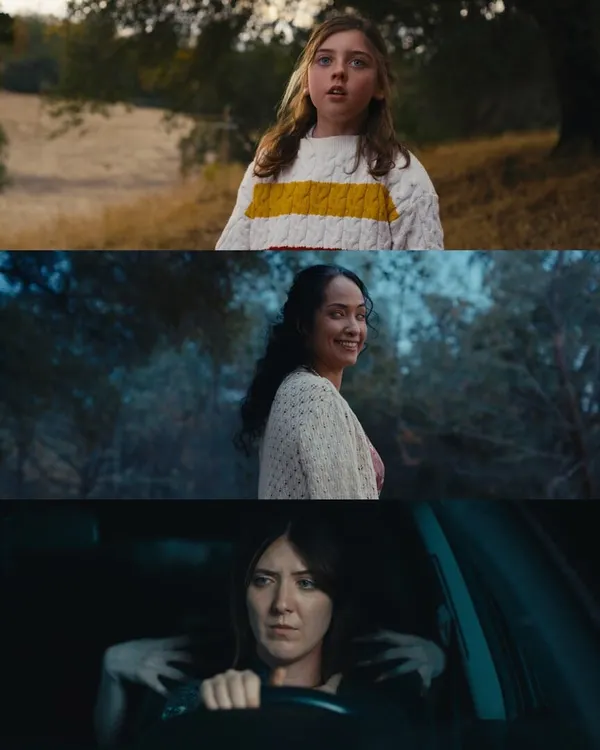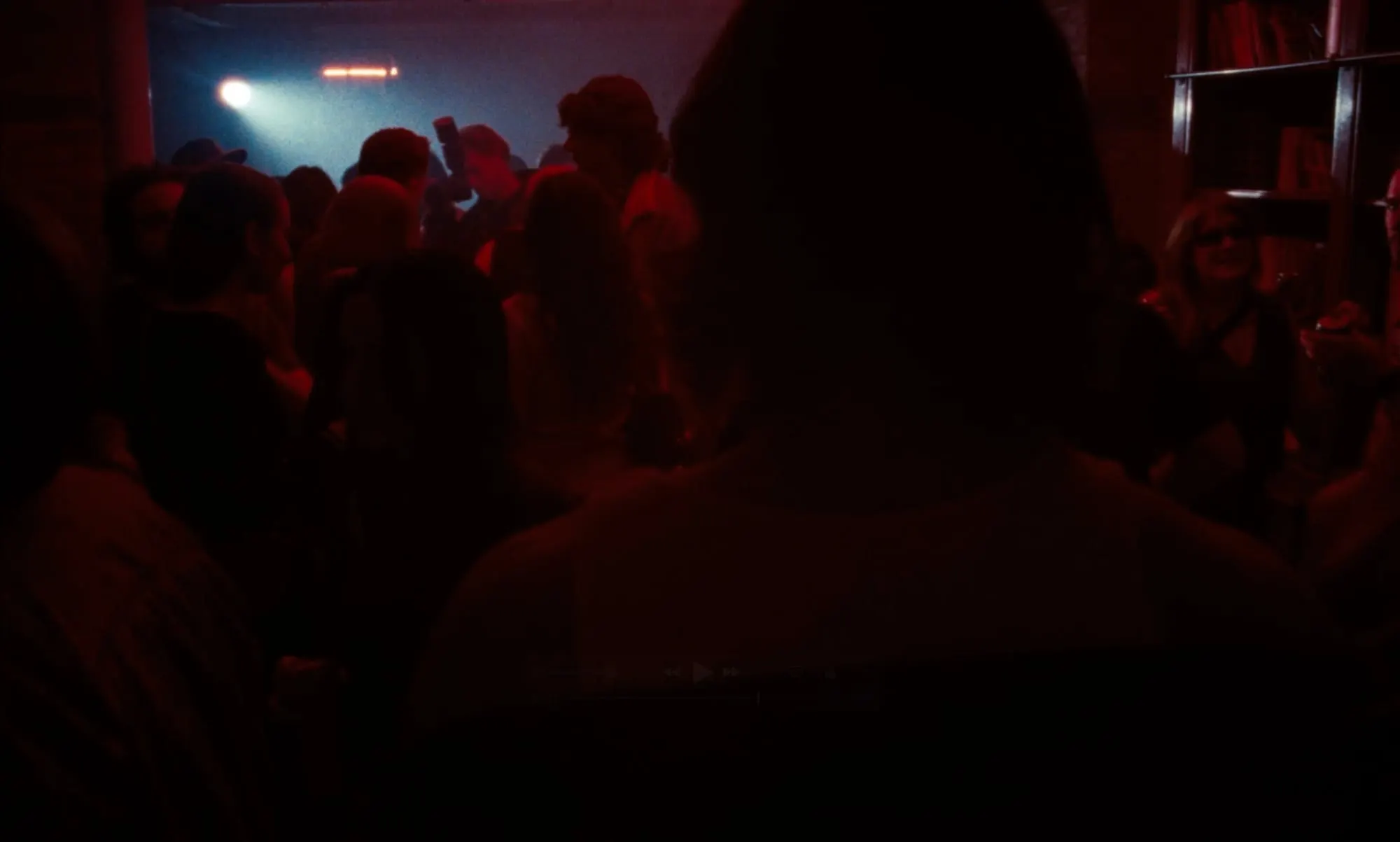
Jackson Griffin came to filmmaking by way of a job he hated. He left Kansas City for a Wall Street desk in New York, started making short films during the quiet stretches of remote work in COVID, and eventually walked away from finance to work in production full time — landing, most notably, in the locations department on Anora. feel ur bones, his short screening at Not Film Fest, gathers many of that crew back together to follow Adam, a Ukrainian immigrant whose ability to survive in the city is threatened, into a night that rearranges him.
The film is built less like a plot than like an experience. Adam is berated at work, drifts to an underground party too anxious to enjoy it, meets Sophia, and is finally undone — remade — on the dance floor. What begins as a story about precarity ends as something closer to communion.
Key Takeaways
- The rave in feel ur bones was shot in a genuinely live environment — Griffin billed the shoot as his 30th birthday party, so every dancer on screen is really partying.
- The film deliberately dissolves its own story at the climax, letting Adam disappear into the crowd while the sounds and flashes take over.
- Reuniting his Anora crew turned a strenuous process into a joyful one, shifting the film toward something lighter and more positive than Griffin first imagined.
Griffin spoke about dance as sacred space, the risk of testing an audience's patience, and the night the cops showed up.
Interview
What drew you to make this film, and why this story, why now?
Raving is my favorite thing to do. My personal experiences with the transformative power of dance music are some of the most sacred events in my life. Raves are one of the only places I know where you can step outside of our proscribed reality and see things from a different angle. This is vitally important, whether you're dealing with a personal issue or contemplating the world we live in.
What surprised you most about the filmmaking process, including any moment on set or in post that changed how you saw the story?
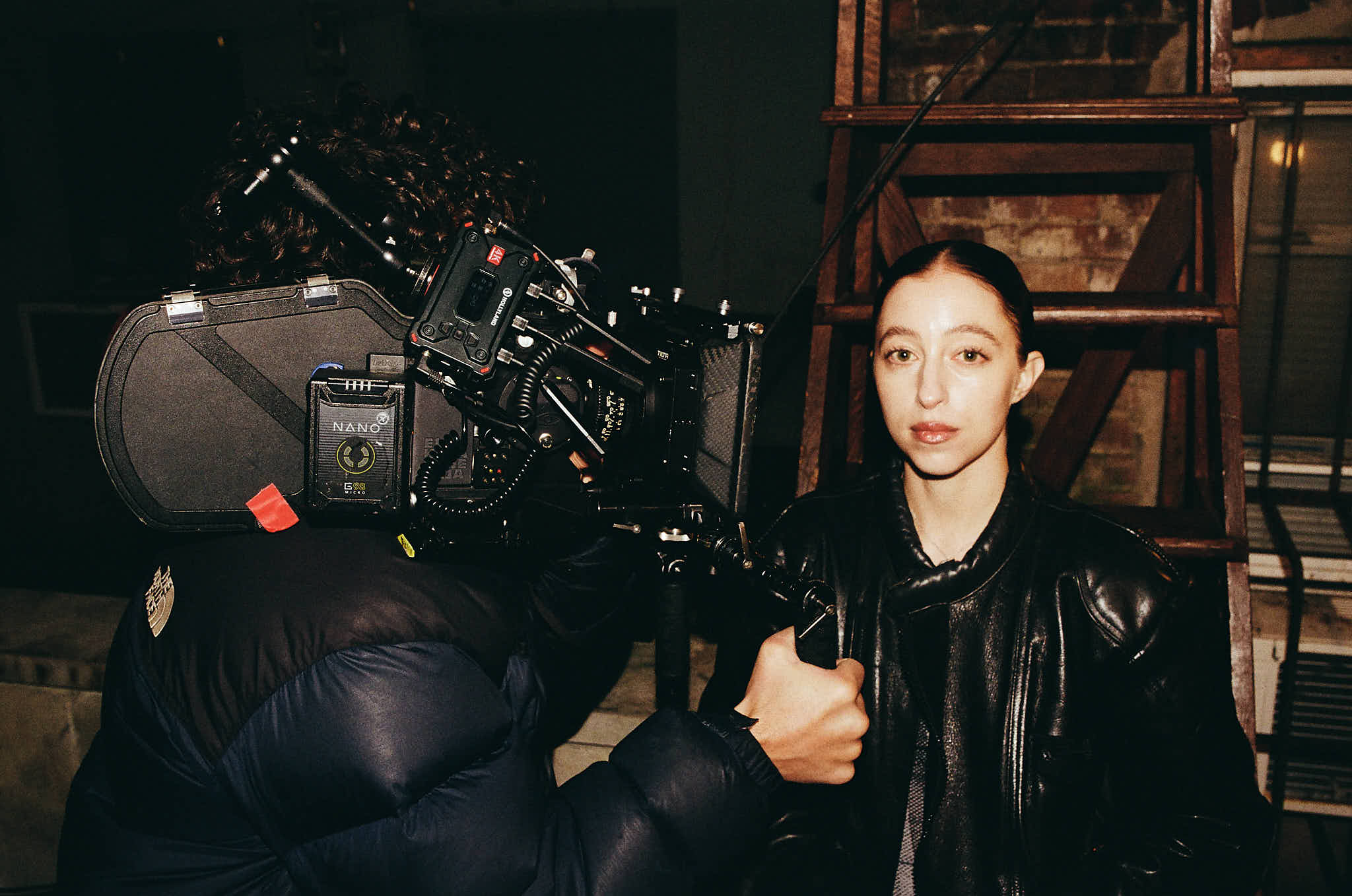
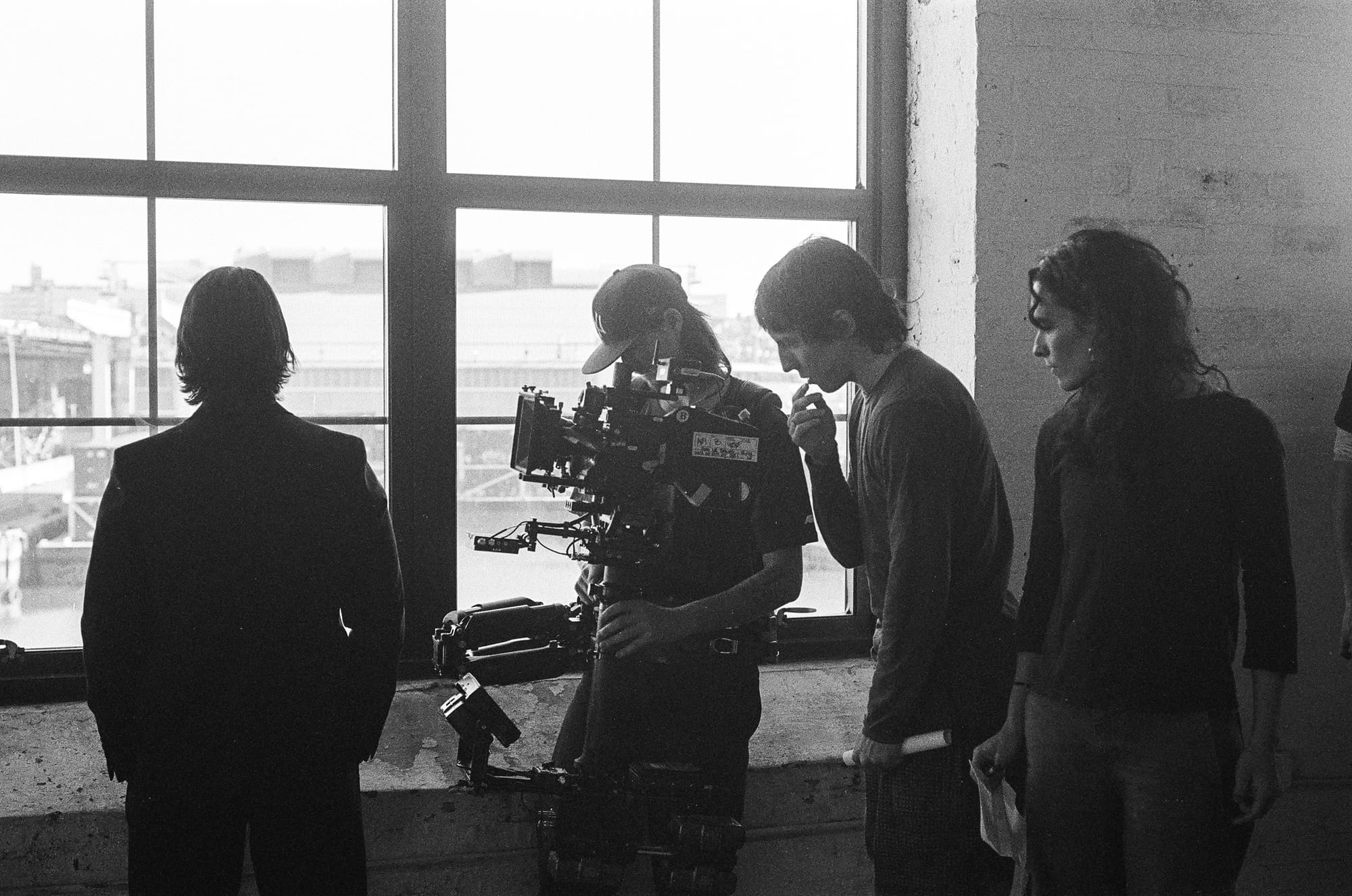
The surprise of the film was how much fun it was to make. Filmmaking is strenuous, but every part of the process for feel ur bones was full of joy. I was literally dancing during the shoot and in the editing room, choosing cuts by bringing awareness to how they felt in my body. Another huge factor was making this with so many of my family from the Anora crew. We were bonded for life through that film, and to get to make something together again was so special. The fun of the making made us see the film as much lighter and positive than I envisioned initially.
What tool, technique, or mindset shift helped most during production?
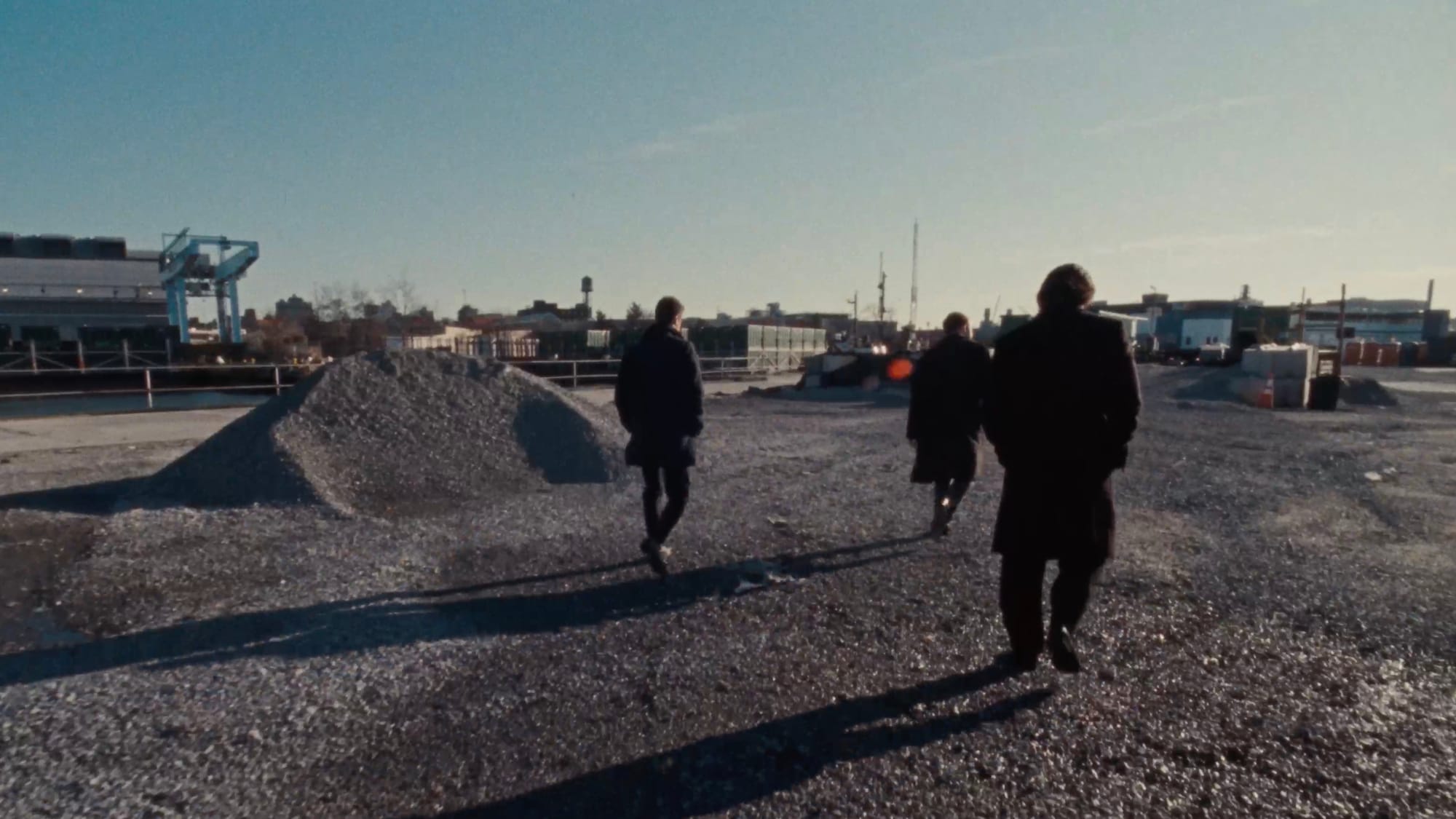
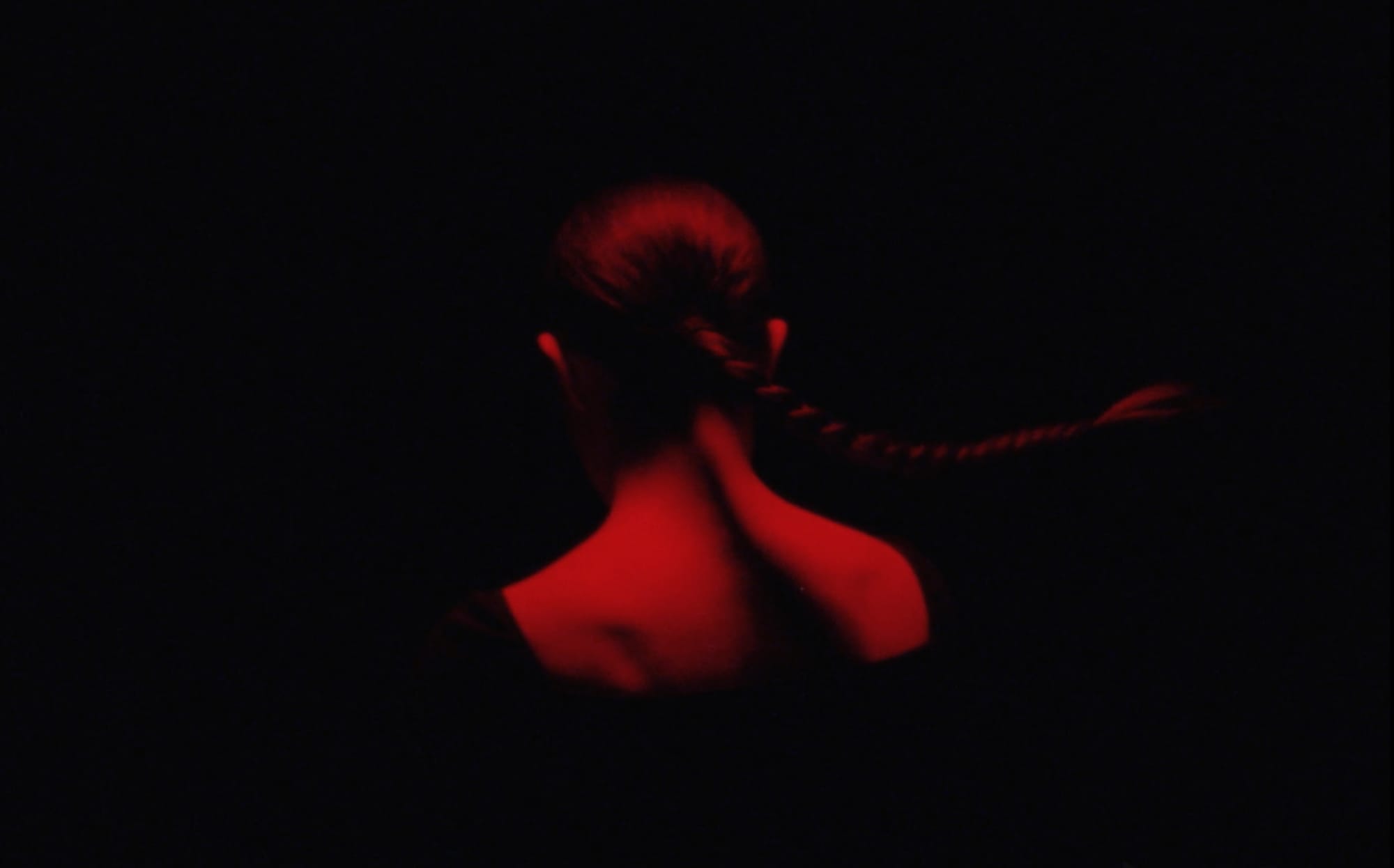
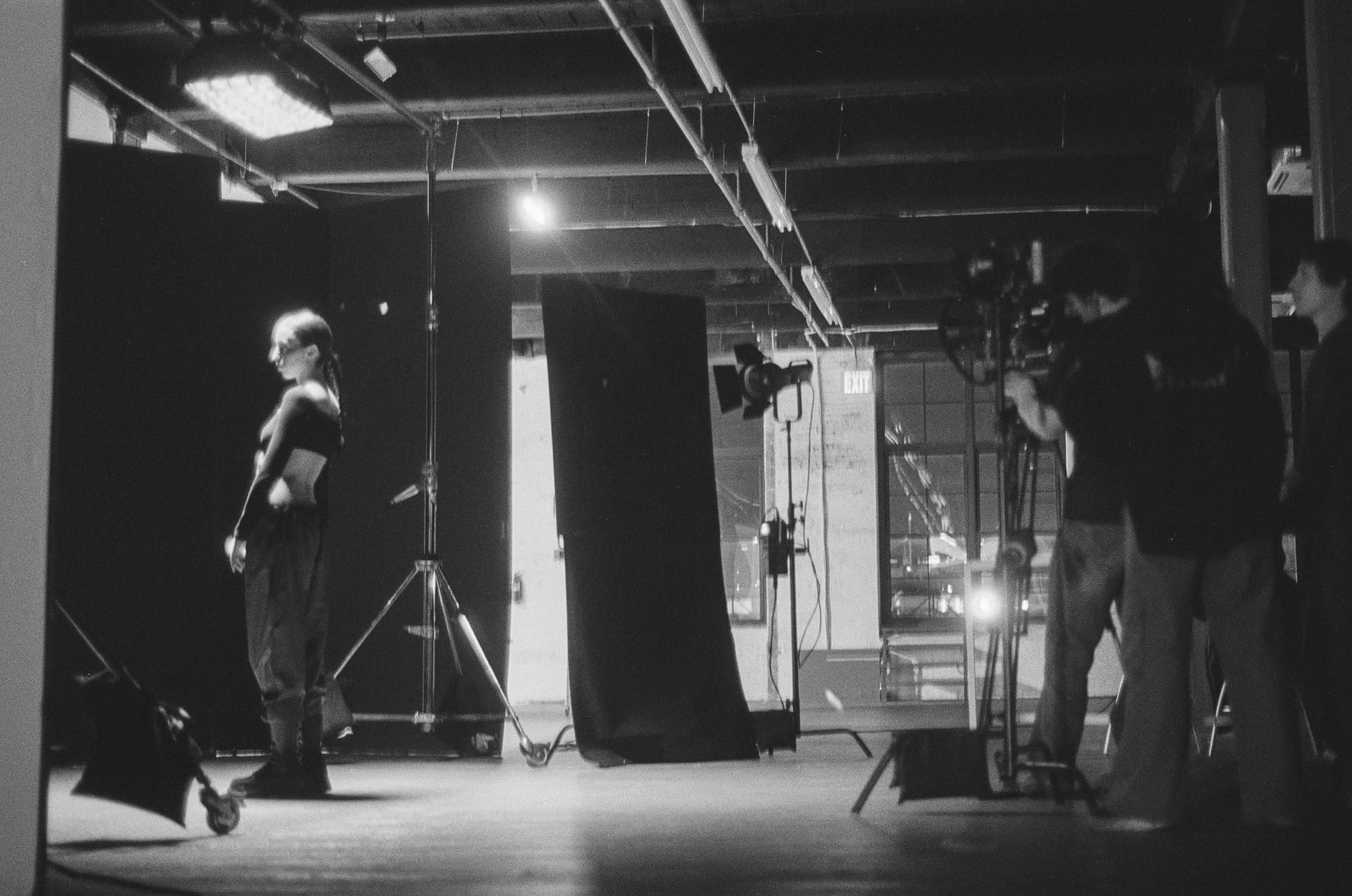
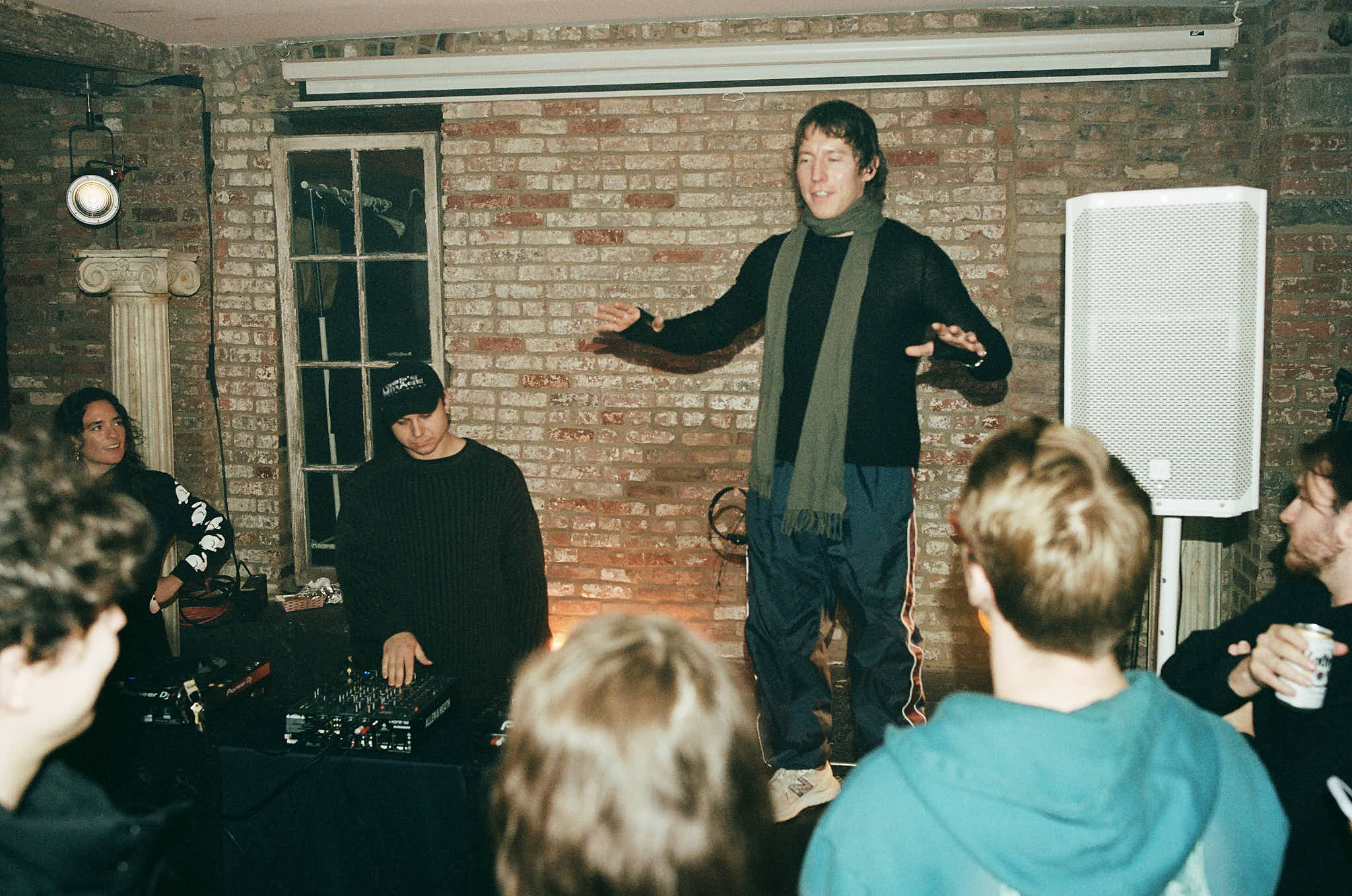
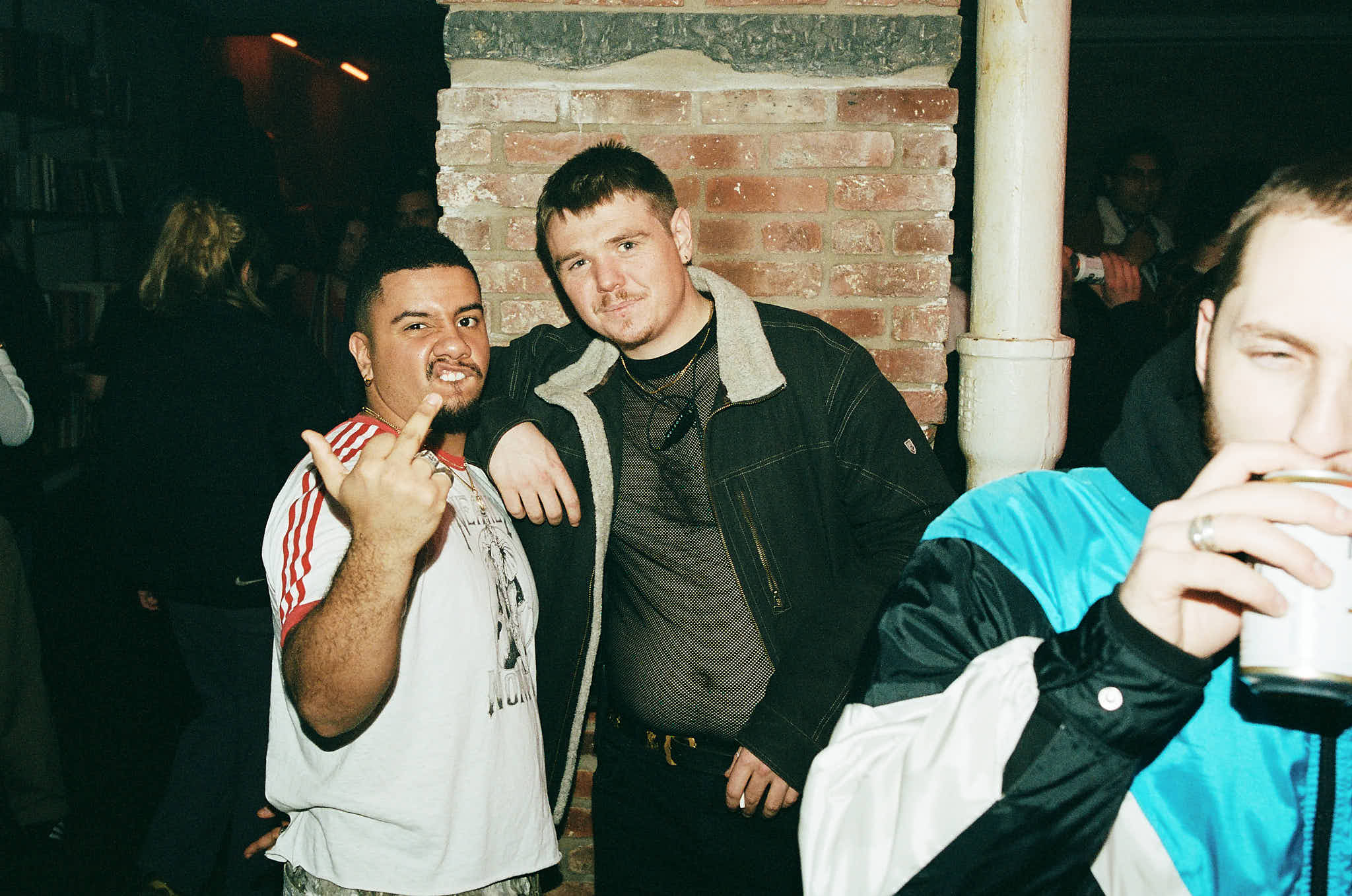
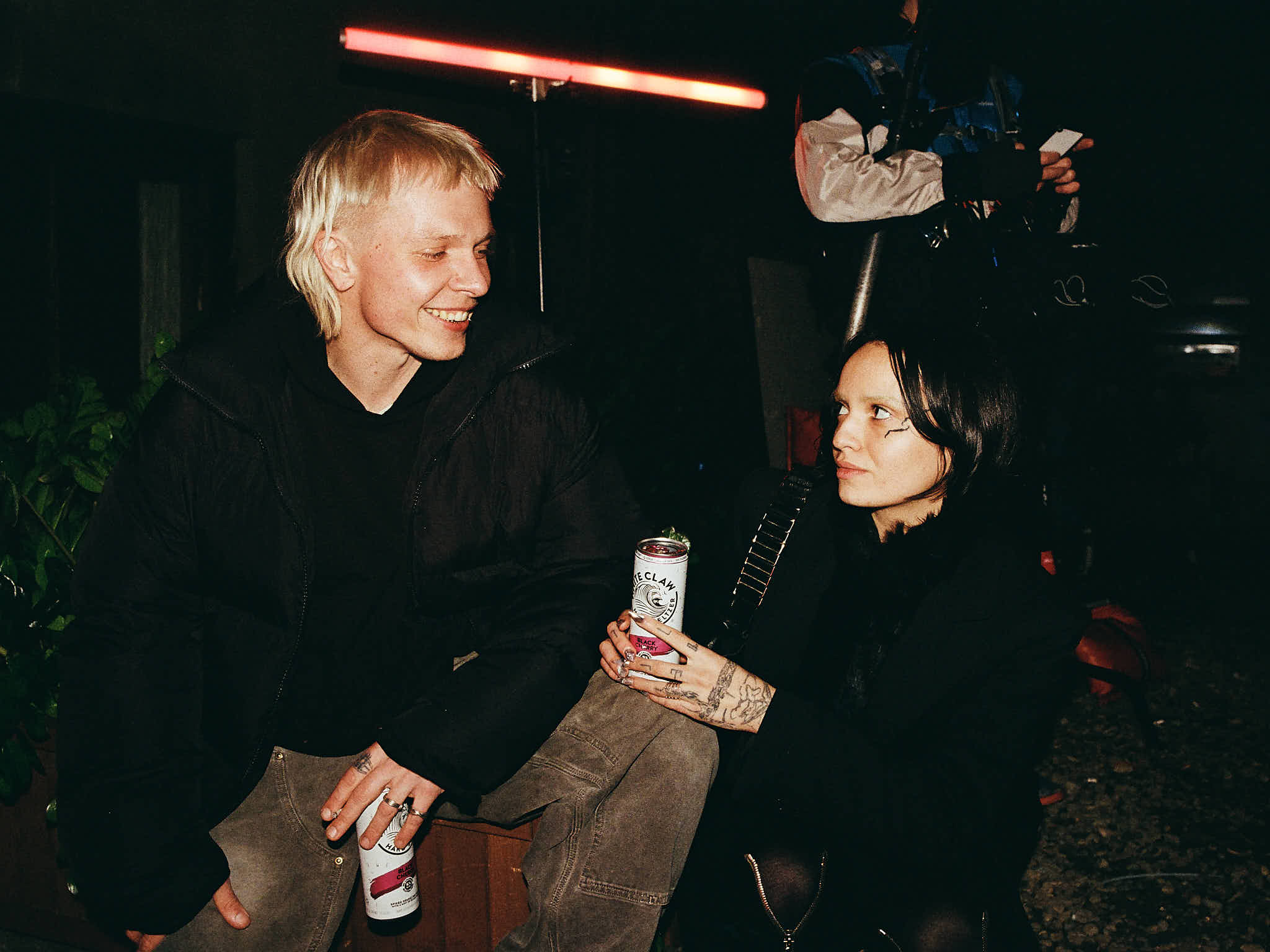
The most important choice we made was to create and shoot the rave scene in a live environment. Rave scenes in film are full of wooden and unrealistic dancing by professional background actors. It drives me crazy! So I told everyone that "the shoot" was my "30th birthday party" and vice versa. All my beautiful friends showed up and didn't ask too many questions. All the dancing you see is real — real people, really partying. The production design and shoot schedule were primarily based off the need to keep the party going, unhindered by the camera. The further we got into the night, the crew themselves started partying and the lines between shoot and party got blurred. Then the cops came.
What moment in the film feels most like you, or like something only you could have made?
The disappearance of story in the final scene, as Adam becomes just another dancer in the crowd, while the intensity of the image increases, feels like a real discovery and something unique that arose naturally out of all the other decisions myself and the team made.
What was the hardest creative decision you made while making the film?
The length of the opening "metronome" shot. It felt risky to test the audience's patience immediately, but I felt I had to try to convey the time dilation effect of techno early, in order for the opening Adam experiences on the dance floor to feel believable.
What do you hope audiences take away from this film?
The main message of the film is deliberately obvious, and that is that you need to dance. Which may seem trite, but for every raver I know, there are ten friends for whom movement and music never meet. The obviousness of the message begs the question, "Why do we need to dance?" I hope that the experience of the film creates a curiosity and hunger to seek that answer out on the dance floor.
What does it mean to have your film selected for Not Film Fest, and where does it go next?
It's an honor to have a film at a European festival for the first time, especially in Italy, where some of my greatest influences come from. But Not is not just some European festival — it seems like they have truly created a special place in the world of film. I first heard about it at Venice, that mecca of cinema, and I'll never forget a filmmaker telling me, starry-eyed, how excited he was to go to Not the next day.
For me it will be a touchstone as I finish writing a feature set in the NYC rave scene, albeit with some different themes and new ideas that have emerged over the last year. Besides that, I look forward to playing the film at a club again. We threw private screenings and parties at Nowadays in NYC and In The Lowest Ferns in Kansas City. Hearing the film through a club sound system is nuts, and proved all the theories I had going into the project. My lovely mom from Missouri was on the dance floor til 3 AM after the NYC screening.
Main Cast & Crew
- Jackson Griffin — Writer-Director
- Vlad Mamai — "Adam"
- Abigail O'Keefe — "Sophia"
- Gregg Kearns — "Will"
- Leo White — "Leo"
- Sahn Ahmed — "Bouncer"
- Hassan Ayub — "Bouncer"
- Mars — "Dauph"
- Rhys Scarabosio — Cinematographer
- Laura D'Augello — Producer
- Aaron Craig — Executive Producer
- Music: Kmyle and TREVOGA / Boris Krichevsky
- Justine Sierakowski — HMU
- Sara Dibiza — Animation
- Lauren — Edit
- Fanny Ketter — Production Design
- Taylor Lombardino — Costumes
- Jack Liden — Sound Design
- Jack Mohler — Color
- Boris Krichevsky — Sound Mixer
- Sofia Blanco — 1AD
- Rudi Gohl — 2AD
- Sawyer Oubre & Sabrina Marki — Steadicam
- Luke Dowden — Loader
- Pavlo Varchuk — Gaffer
- Robert Lak — Key Grip
- Ryan Henderson — Art Director
- Artem Velychko & Walker Post — Live DJs
- Benjamin Wiseman — LM
- Jared Greenberg — PA
- Ryan Northrop — BTS
Filmmaker Opportunities
💛 Fund your next project with fiscal sponsorship
Have a project in the works? As a 501(c)(3) nonprofit, the Cinematography for Actors Institute can accept tax-deductible donations on your film's behalf — a door-opener for grants, foundations, and supporters who want to back your work. We've serviced over 100 projects to date and helped route over $800,000 in funding to filmmakers. Explore fiscal sponsorship →
📬 Grant deadlines and festival opportunities, straight to your inbox
The CFA newsletter rounds up grants, festival calls, and community news for independent filmmakers — the kind of opportunities that are easy to miss and painful to miss. Join the newsletter →
🎬 Focus on the creative — we'll help with the logistics
Production Management, CFA's newest member program, launches this November: production insurance and workers' comp, payroll, film permits, gear rental coordination, SAG-AFTRA compliance, contract drafting, production consulting, and crew recommendations — handled by a team of working filmmakers, à la carte or all in, in partnership with Creative Access Group. It's waitlist-only until launch. Join the waitlist →
League of Filmmakers is published by our parent organization, the Cinematography for Actors Institute — a 501(c)(3) dedicated to education, community, and capital for underrepresented filmmakers and actors. Learn more about CFA →