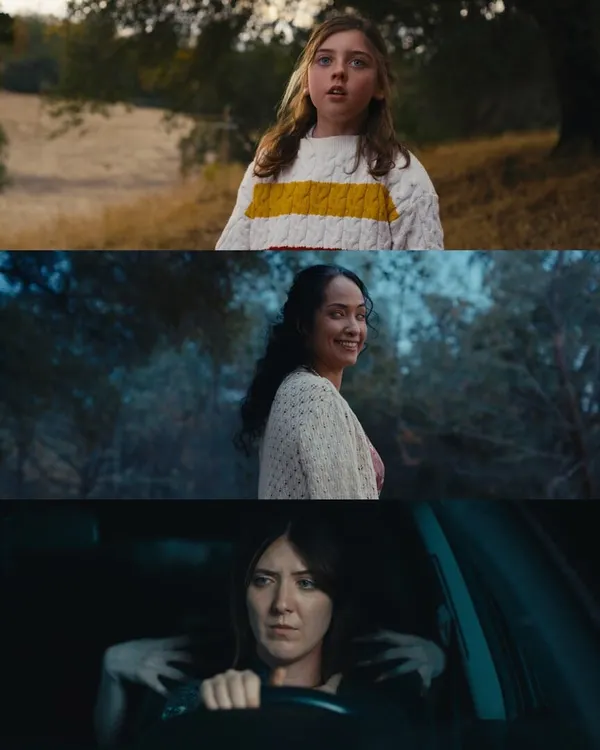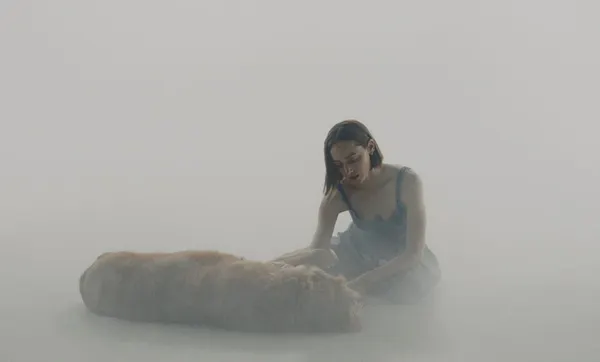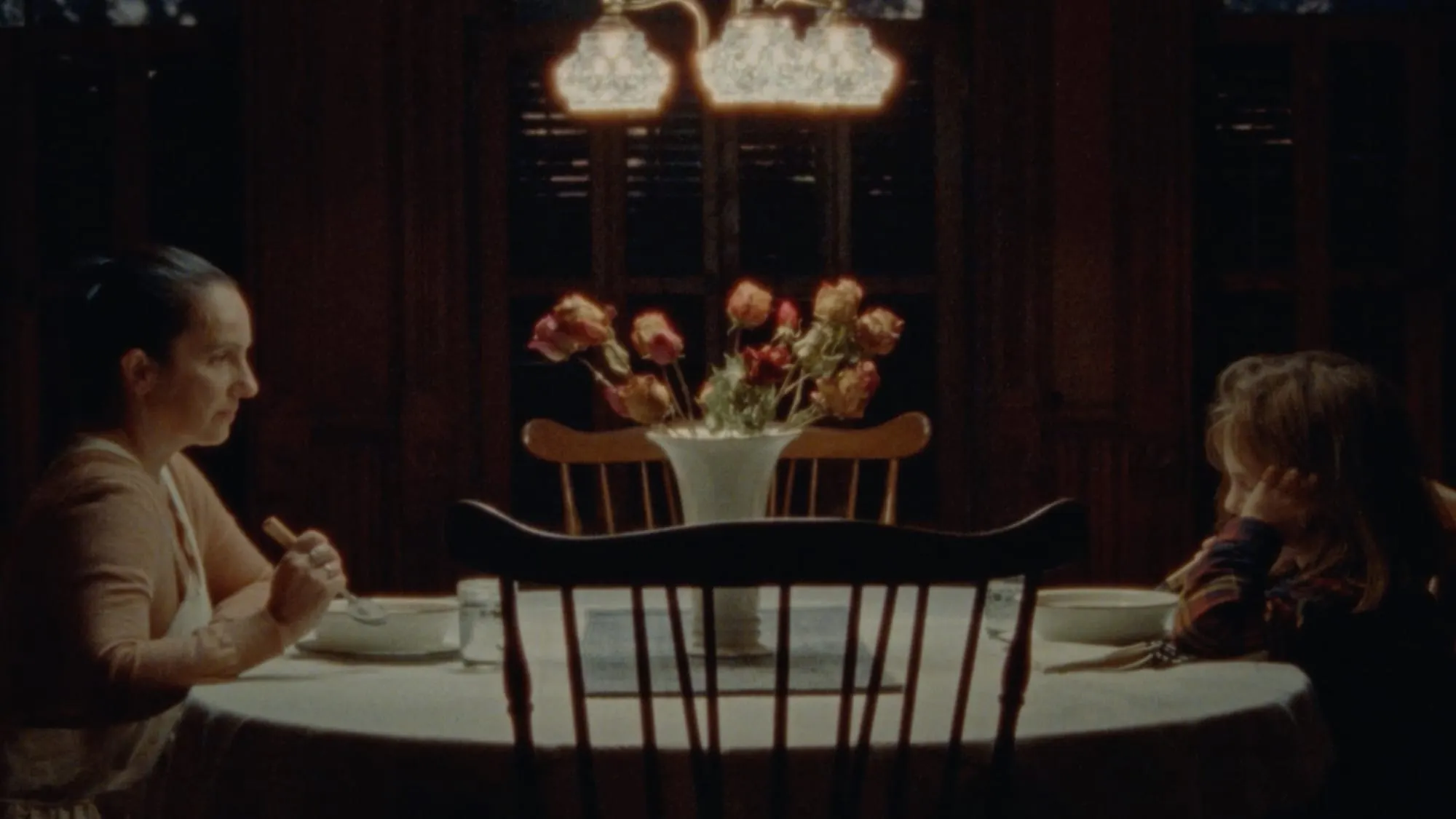
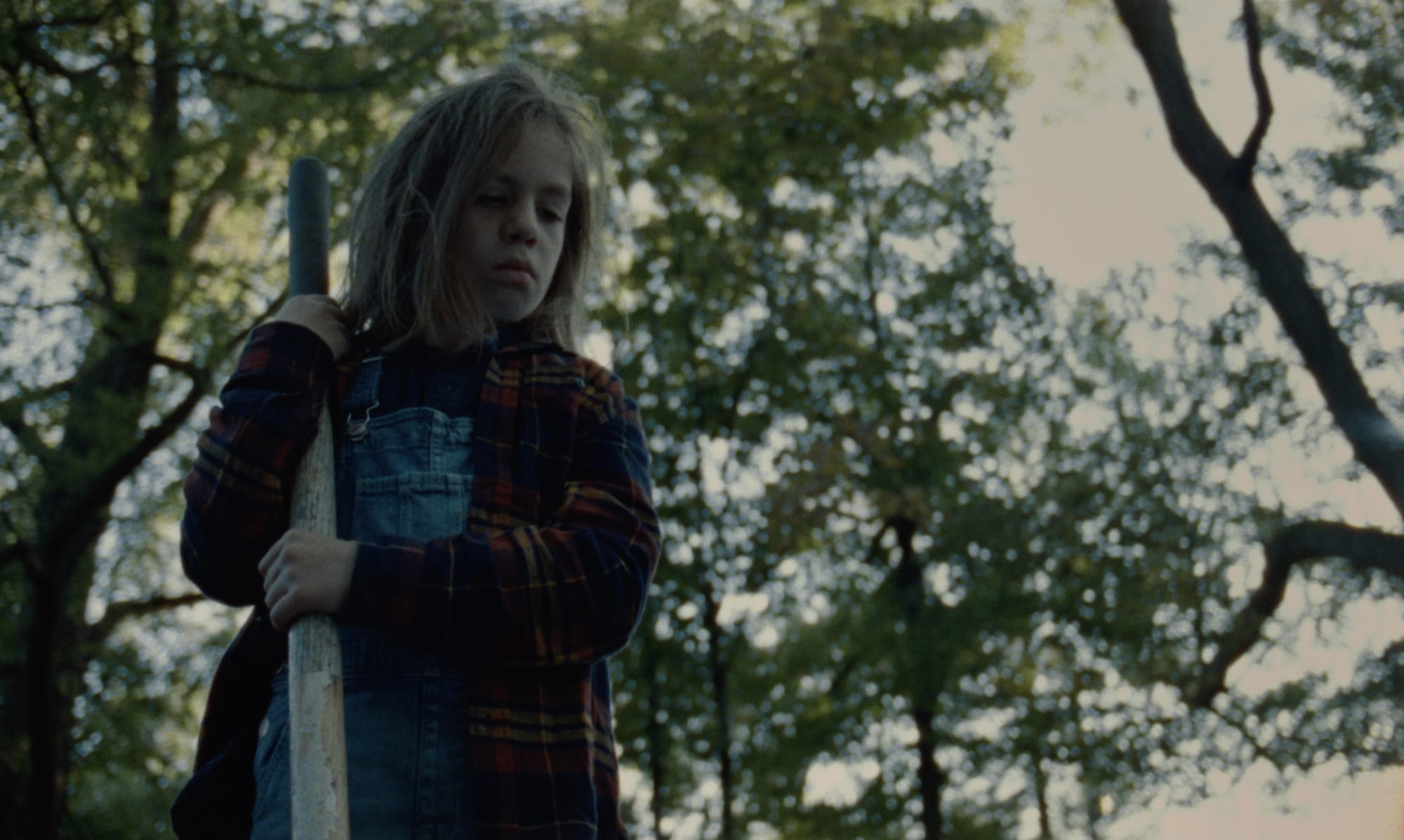
Nathan Catucci's Rabbit begins with a small domestic scene and lets something darker rise beneath it. A child unleashes a malevolent force while his mother makes dinner, and in the space between those two facts sits the real subject of the film: how a child metabolizes a parent's behavior through imagination. Shot on 16mm in a single day, the short carries the grain and half-remembered quality of a memory, which is exactly where it came from.
Screening in the 'On Film' section for its Italian Premiere, Rabbit is a drama first and a horror film second — an economical, dialogue-free piece that trusts image and feeling to do the work. It is also the seed of something larger, a proof of concept that has since grown into a feature.
Key Takeaways
- Rabbit is a two-minute, dialogue-free short shot on 16mm, built from a personal memory and inspired by the ghost-story texture of Spencer (2021).
- The team captured 34 shots in a single day on location using just three rolls of film.
- The short expanded into a feature, currently titled Cabbage, which has wrapped production with much of the same crew.
A conversation with Catucci about memory, collaboration, and making the most of very little.
Interview
What drew you to make this film, and why this story, why now?
I was interested in exploring the tension between a parent and child through the death of a rabbit, and how a child reacts to a parent's behavior through their imagination.
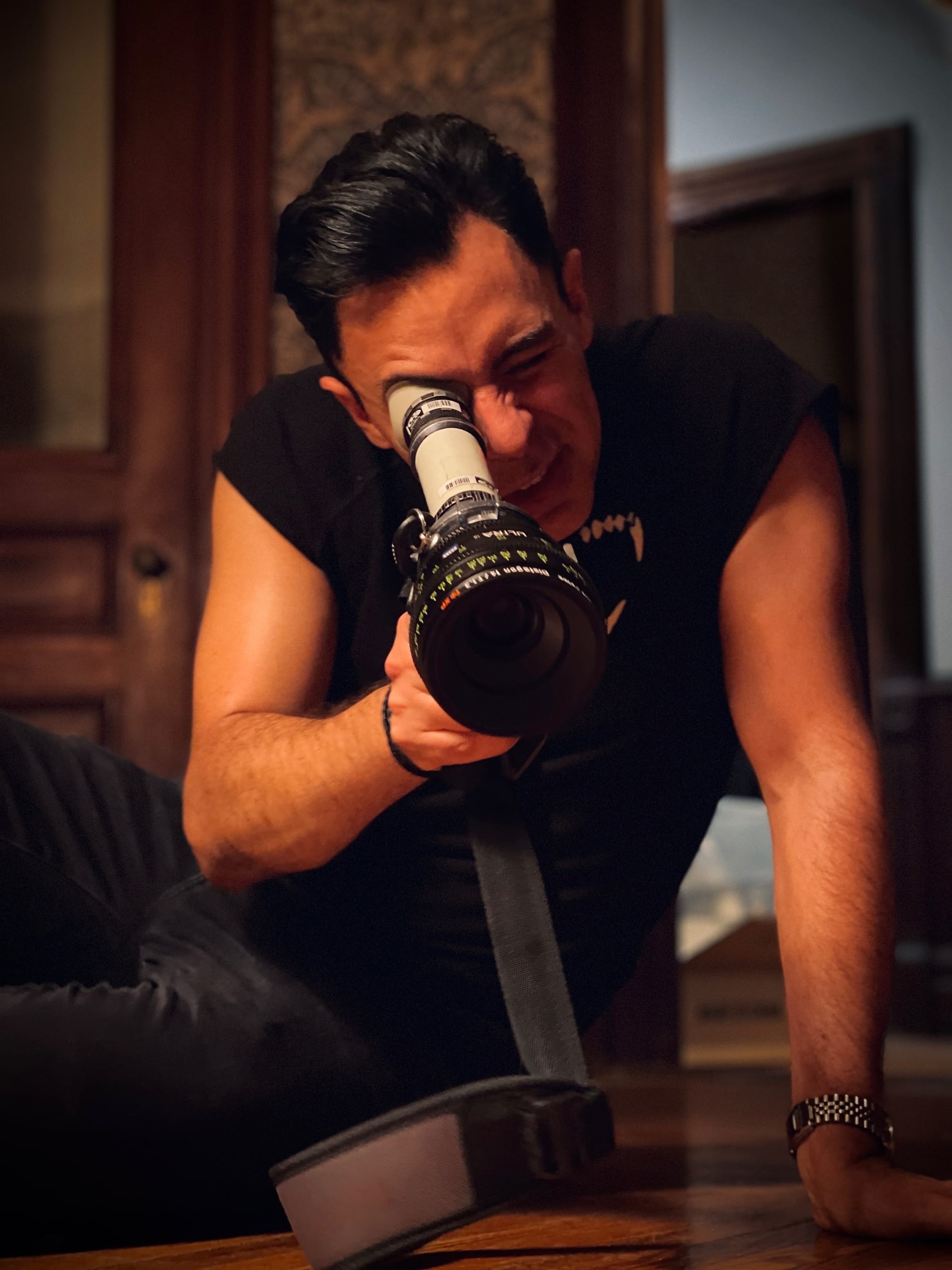
This film is based on a memory. I watched Spencer (2021) around the time I was developing the project and was taken with how much that film felt like a memory and ghost story. It was those qualities that inspired the look of Rabbit and the decision to shoot 16mm.
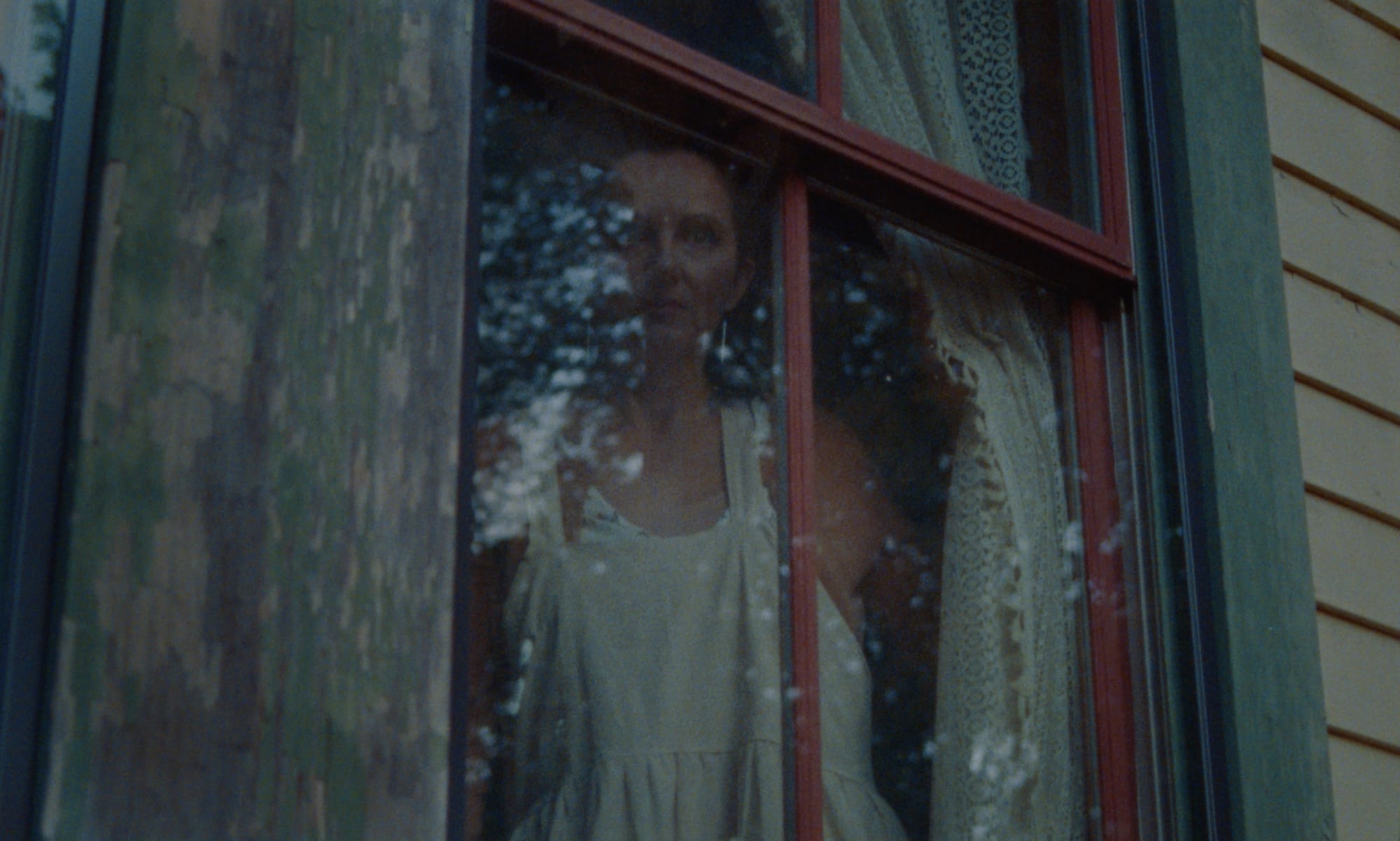
What surprised you most about the filmmaking process, creatively or logistically?
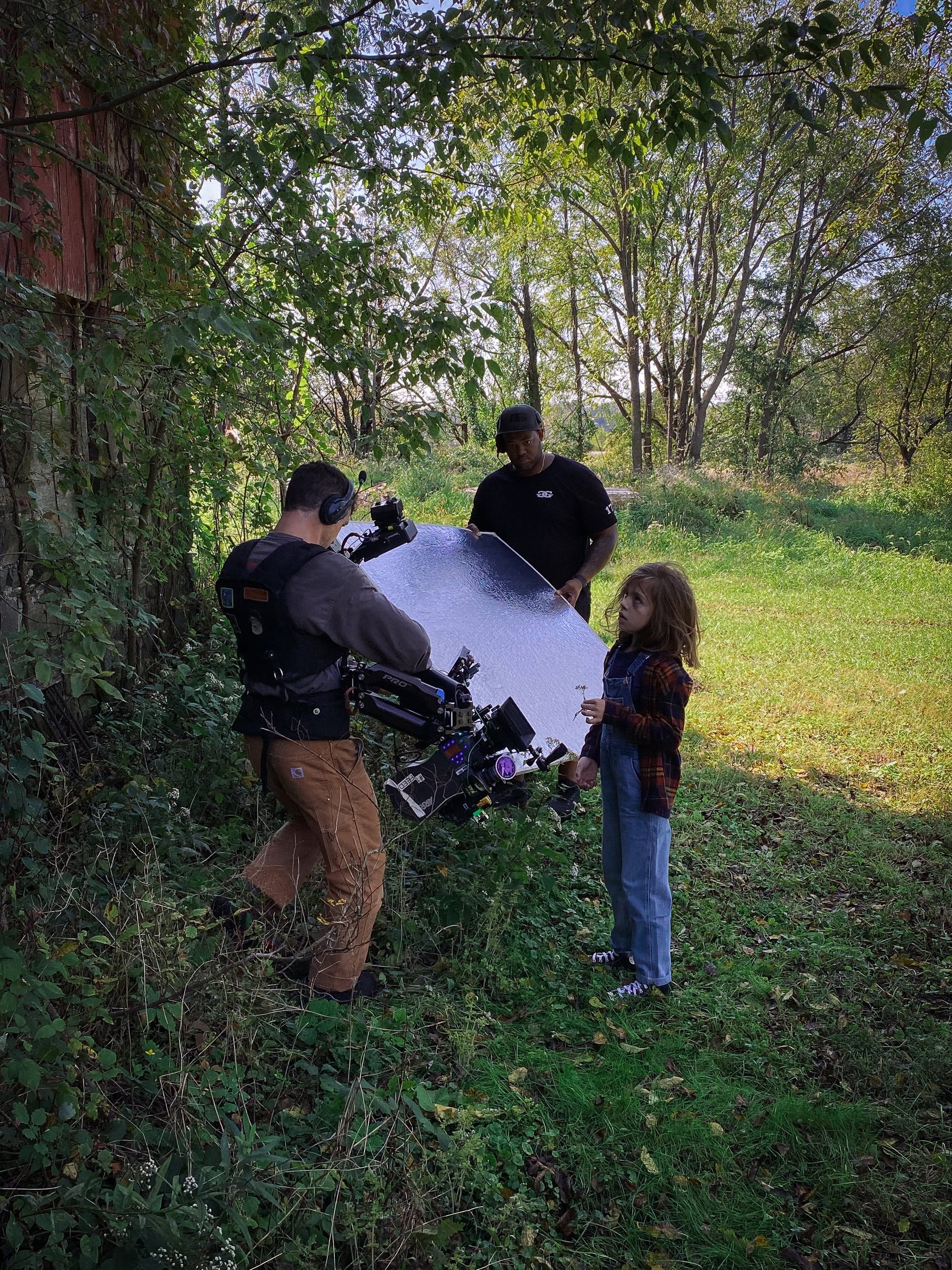
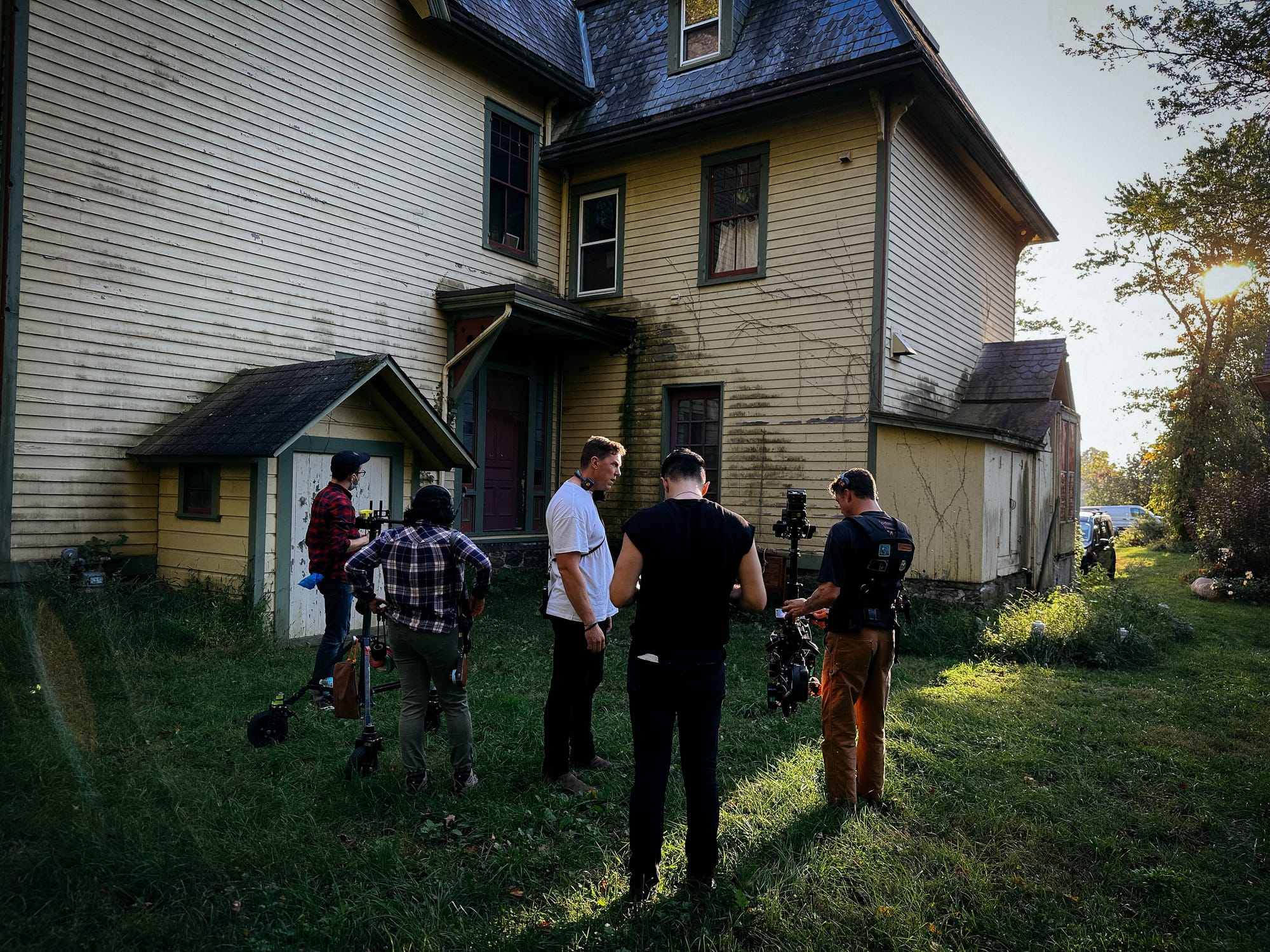
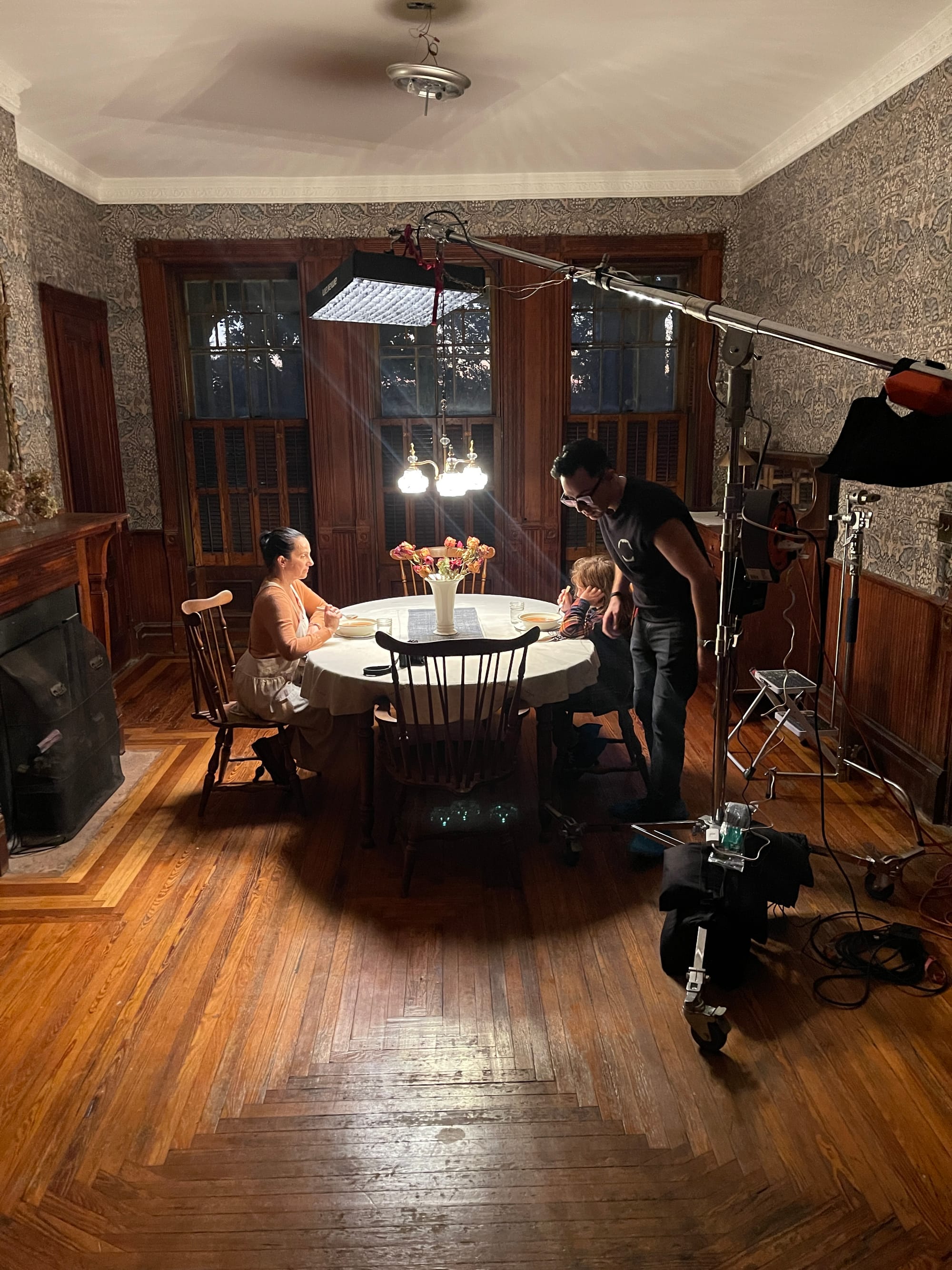
We had only one day on location, three rolls of film, and managed to capture 34 shots. That really is a testament to a great collaboration with a fantastic team.
What do you hope audiences take away from this film?
To think about how the child is dealing with their experience — what might be part of their imagination, and what might not.
It's really a drama about the tension between a mother and child, and the horror follows.
How does your film fit within, or push the boundaries of, its genre or form?
Rabbit is an incredibly short film without dialogue. We had originally intended on shooting a longer short film, but because of budget constraints and scheduling, we aimed to capture the tension between our characters and the world they inhabit in a 2-minute film.
What tool, technique, resource, collaborator, or mindset shift helped most during production?
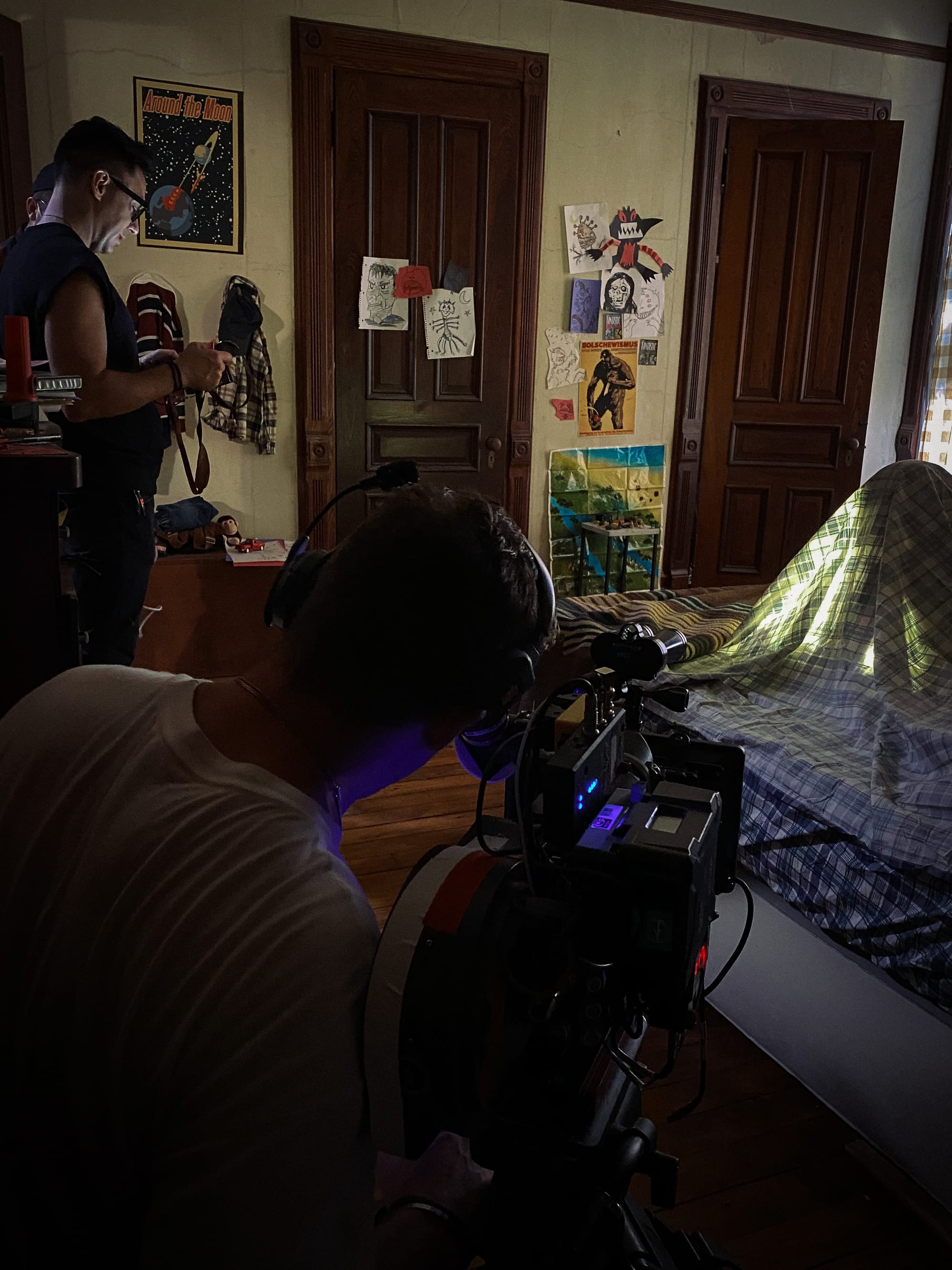
As a writer/director, I have ideas about how I want the story and production to play out. But when other team members come on board and bring their own set of questions and thoughts to a project, that's when the fun begins and it grows beyond my initial expectations.
What does it mean to have your film selected for Not Film Fest?
We're thrilled to have our Italian Premiere at Not Film Fest, and in the 'On Film' section in particular. Rabbit was captured on 16mm, and the organic qualities really come to life watching the film on a large screen in a theatre.
How has this film shaped the kinds of stories you want to tell next, and where do you see it going?
Rabbit was based on a memory, and it really encouraged me to tell personal stories. Ultimately the film feels authentic in its execution, and I want to continue to strive for that authenticity in my future projects. At the core of all my work is a desire to invoke feeling and give our audience an opportunity to think about their own experiences while being entertained.
We enjoyed creating Rabbit so much that we expanded the universe into a feature film currently titled Cabbage. A lot of our crew from the short returned for the feature, and we recently wrapped production. Cabbage stars Alicia Witt, Matthew Eby, and T.R. Knight, with Tammy Blanchard and Laila Robins. We're currently in post-production. My advice to others is simple: keep pushing forward. We didn't have the resources we wanted, but we created this short with what we had and it eventually snowballed into a much bigger project.
Main Cast & Crew
- Mother — Andrea Nehéz
- Child — Alma Kustra
- Writer / Director — Nathan Catucci
- Producer — Dorottya Mathe
- Director of Photography — Kenneth Keeler
- Steadicam Operator — Devon Catucci
- Production Designer — James Bartol
- Composer — Michael MacAllister
- Sound Design — Rich Cutler
Filmmaker Opportunities
💛 Fund your next project with fiscal sponsorship
Have a project in the works? As a 501(c)(3) nonprofit, the Cinematography for Actors Institute can accept tax-deductible donations on your film's behalf — a door-opener for grants, foundations, and supporters who want to back your work. We've serviced over 100 projects to date and helped route over $800,000 in funding to filmmakers. Explore fiscal sponsorship →
📬 Grant deadlines and festival opportunities, straight to your inbox
The CFA newsletter rounds up grants, festival calls, and community news for independent filmmakers — the kind of opportunities that are easy to miss and painful to miss. Join the newsletter →
🎬 Focus on the creative — we'll help with the logistics
Production Management, CFA's newest member program, launches this November: production insurance and workers' comp, payroll, film permits, gear rental coordination, SAG-AFTRA compliance, contract drafting, production consulting, and crew recommendations — handled by a team of working filmmakers, à la carte or all in, in partnership with Creative Access Group. It's waitlist-only until launch. Join the waitlist →
League of Filmmakers is published by our parent organization, the Cinematography for Actors Institute — a 501(c)(3) dedicated to education, community, and capital for underrepresented filmmakers and actors. Learn more about CFA →