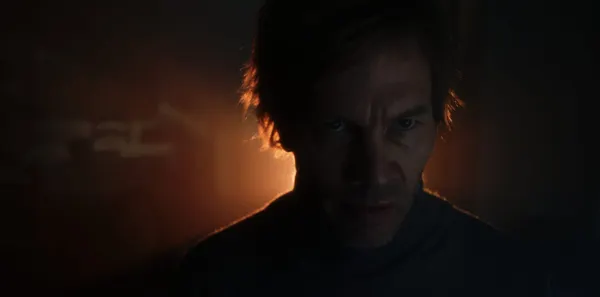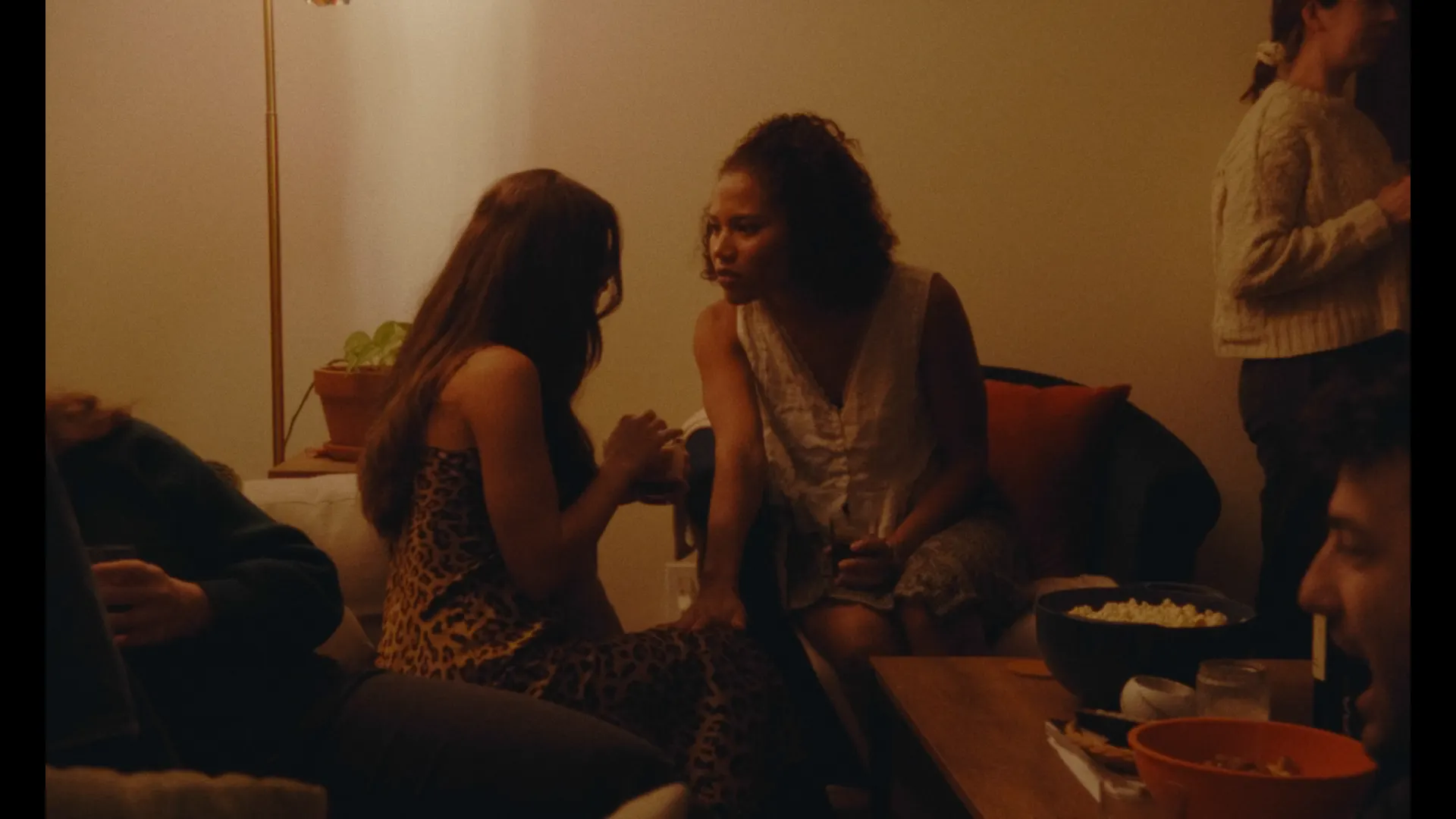
A woman moves in with her boyfriend and discovers he spends a concerning amount of time in the bathroom. That's the whole premise of Behind This Locked Door, and Matthew Brennan knows exactly how silly it sounds on paper. The pleasure of the film is watching that silliness tighten, scene by scene, into something genuinely unnerving — a short that twists and turns across eleven minutes without ever announcing which genre it intends to land in.
Brennan, who wrote and directed, describes the film as playing with genre elements rather than belonging to one. There's dry humor running underneath, but it isn't a comedy. There's dread, but it isn't horror in the classic sense. What holds it together is a familiar situation — a couple building a life in shared space — pushed just far enough that the familiar stops being comforting. Behind This Locked Door screens at FilmQuest as part of the film's closing festival run.
Key Takeaways
- The film packs more than forty scenes into a three-day shoot, a constraint Brennan identified in pre-production and built his entire shooting approach around.
- A central montage wasn't in the script. Brennan and editor John Grenham found it in post, recutting the middle so tension could build continuously rather than scene by scene.
- Brennan works in ambiguity on purpose, but insists on an emotional core underneath it — the thing that keeps an audience connected when the story refuses to explain itself.
Brennan spoke with us about genre as an elevation tool, the ending sequence that feels most like his own, and what it takes to shoot forty scenes in seventy-two hours.
Interview
What drew you to make this film, and why this story, why now?
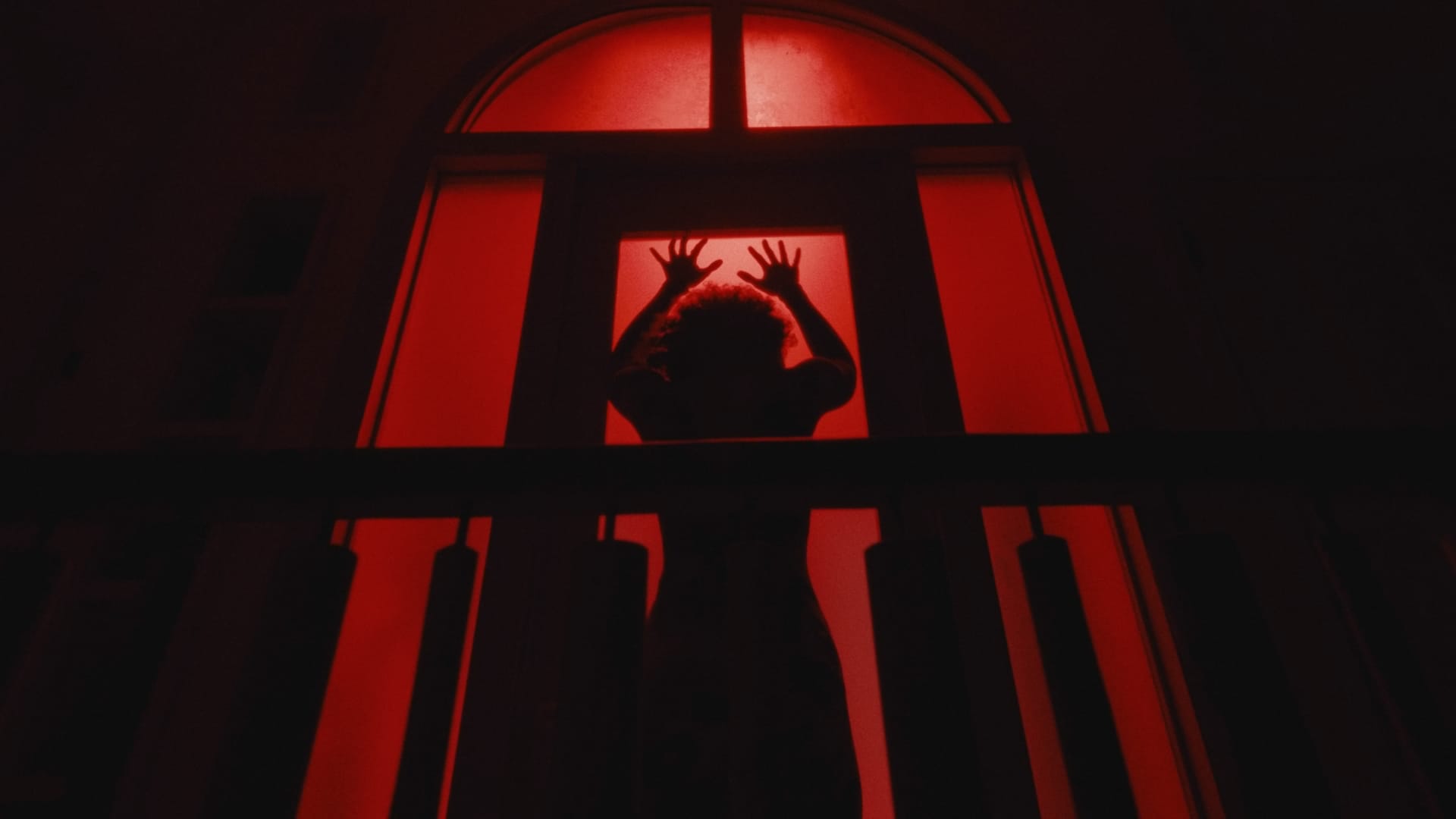
I think I was interested in making a film that played with genre and still felt close to what I was interested in. I liked the idea of making a short with a somewhat silly premise that would sort of twist and turn over the course of 11 minutes.
How does your film fit within, or push the boundaries of, its genre or form?
I think the film plays with genre elements but it certainly isn't a horror film in the classic sense, if that makes sense? There's a bit of an underlying current of some dry humor in there as well, but it's certainly not a comedy or horror-comedy. For this film it was taking the familiar — a couple moving in together — and using genre elements to elevate the story.
What surprised you most about the filmmaking process, creatively or logistically, including any moment on set or in post that changed how you saw the story?
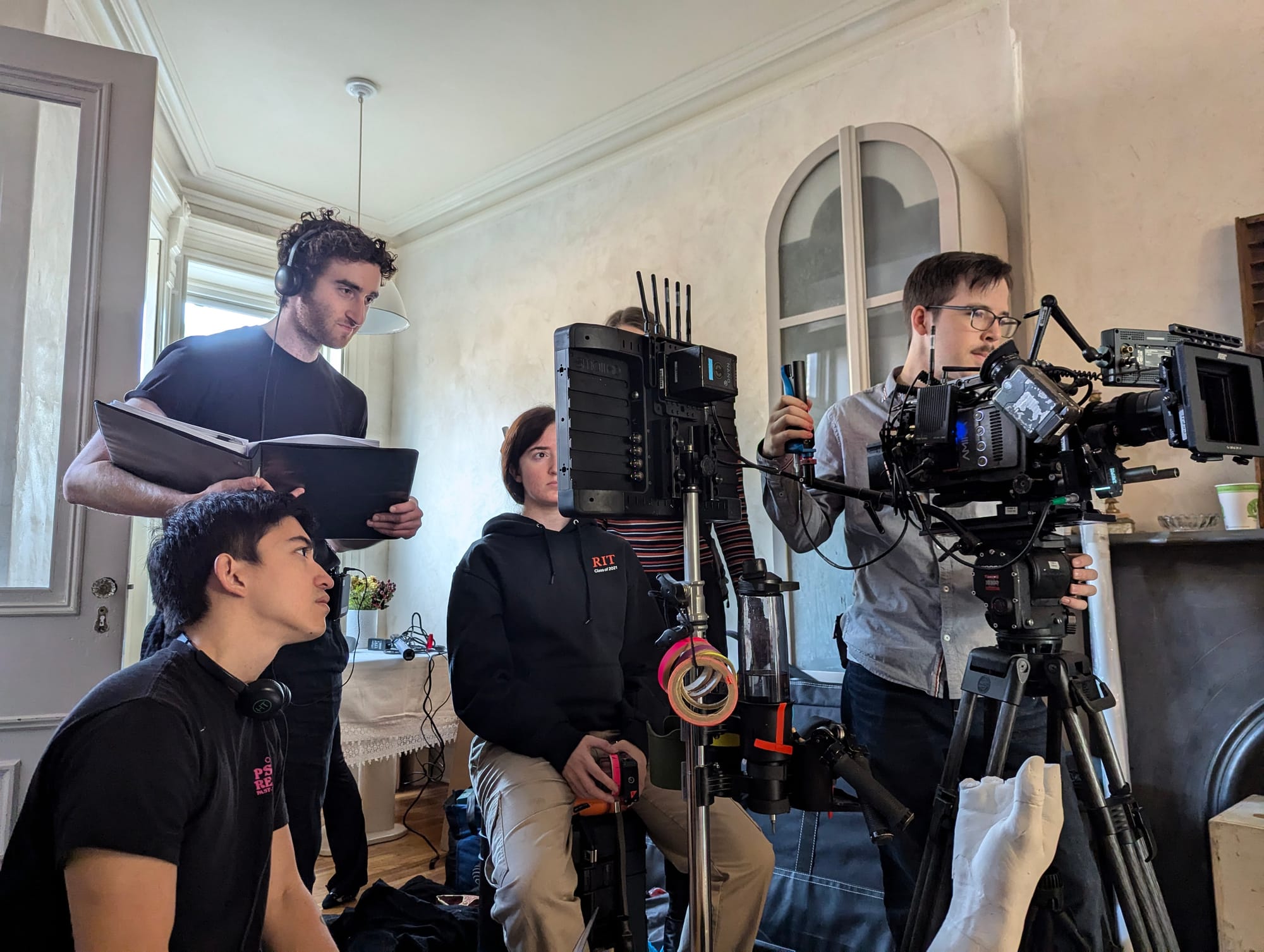
There's a big montage right in the middle of the short and it initially wasn't written that way. Once we got into post, John, the editor, and I realized what we initially had wasn't quite working. So we recut the middle as more of a montage that combined scenes. I don't even remember us cutting a ton of footage out — it was more about editing the film so tension can continually build.
What moment in the film feels most like you, or like something only you could have made?
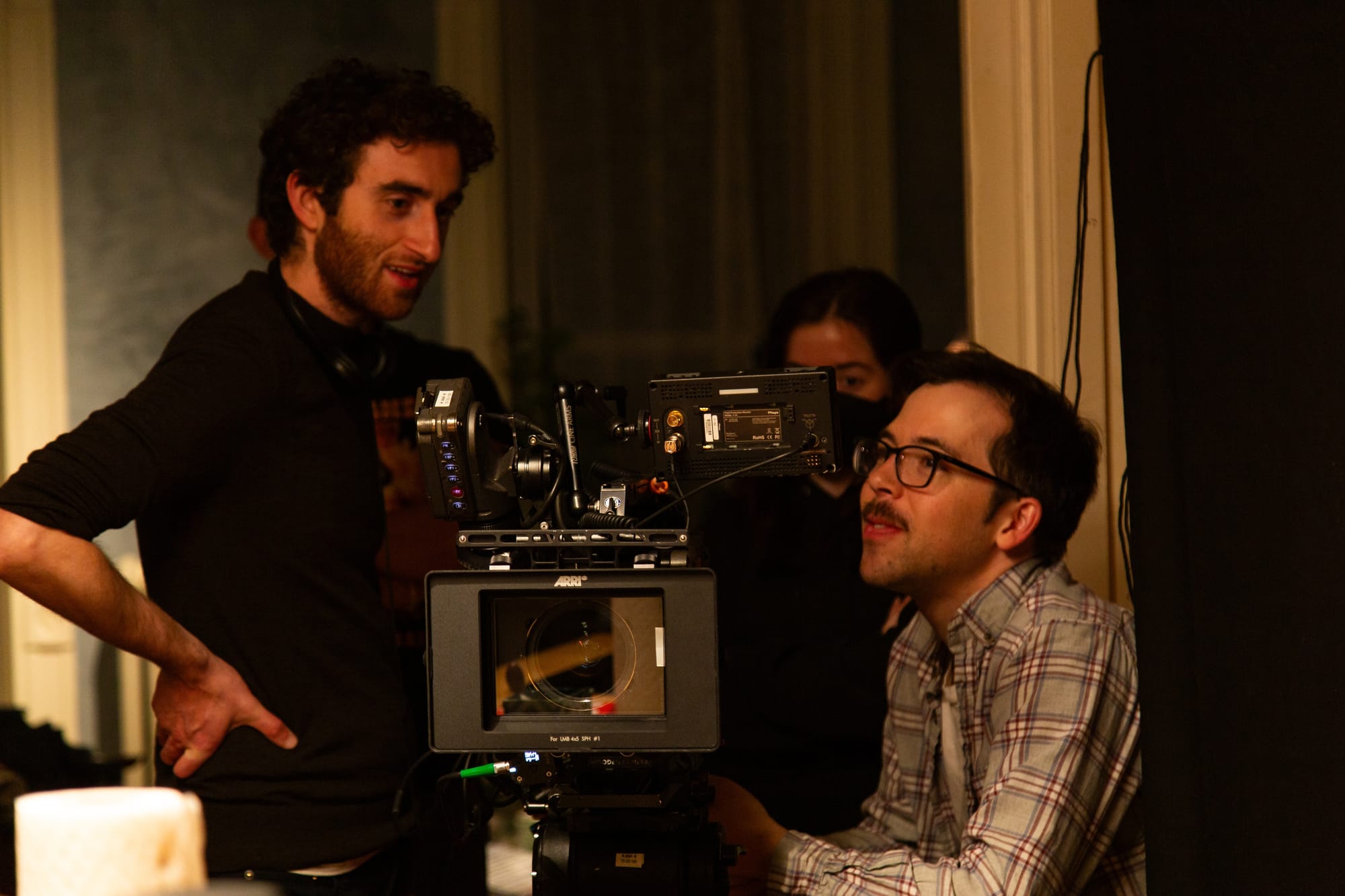
That's hard, because I think the entire film feels like me. If I had to pick one, I'd maybe say the ending sequence where they're trading notes under the bathroom door. There's something creepy and shadowy and ambiguous happening that seems to fit within the genre work I've done before.
What was the hardest creative decision you made while making the film?
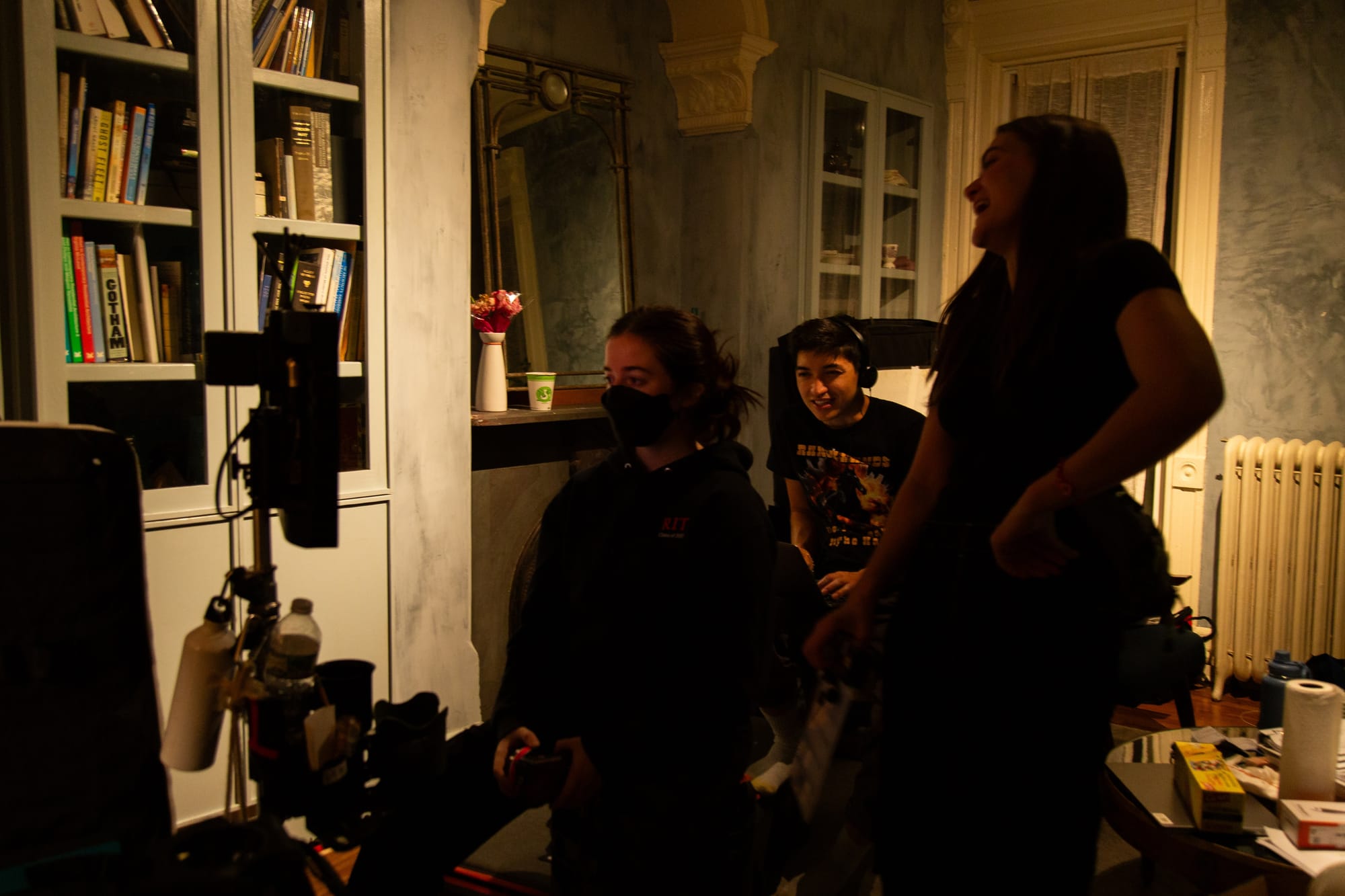
I don't think there was a singular decision that was difficult, but more so just trying to capture a lot of scenes in a small time frame. The short film had like 40-something scenes and we only had three days to do it. Even though a lot of the scenes only required one shot, it all adds up. Realizing that in pre-production definitely made me change the way we were going to shoot the film. It's a huge testament to the cast and crew being really good at their jobs and just nailing it.
At the core of all your work is a desire to do what?
It sounds silly, but at the core of my work I want to tell stories that are compelling and feel truthful, regardless of genre. I hope that an audience can connect with the characters. I tend to play with ambiguity, which doesn't always work for everyone, but I hope that there's always a firm emotional core that keeps the story grounded and the audience connected to what's happening on screen.
What does it mean to have your film selected for FilmQuest, and where do you see the film going next?
It's incredibly exciting! I've wanted to be a part of FilmQuest for a while, so it's really exciting to be among so many fantastic films. We're coming to a close on our festival run and will be premiering online later this month.
Main Cast & Crew
Cast
Crew
- Writer/Director: Matthew Brennan
- Director of Photography: Jacob Mallin
- Producers: Rachel S. Bass, Peyton Michelle Edwards
- Production Design: Hailey Byrd
- Sound: Robyn Huey
- 1st AC: Sarah Alexander
- Gaffer: Brian Wennersten
- Script Supervisor: Andrew Kanatani
- Editor: John Grenham
- Composer: Andrew Goehring
- Color: Alexia Salingaros
Filmmaker Opportunities
💛 Fund your next project with fiscal sponsorship
Have a project in the works? As a 501(c)(3) nonprofit, the Cinematography for Actors Institute can accept tax-deductible donations on your film's behalf — a door-opener for grants, foundations, and supporters who want to back your work. We've serviced over 100 projects to date and helped route over $800,000 in funding to filmmakers. Explore fiscal sponsorship →
📬 Grant deadlines and festival opportunities, straight to your inbox
The CFA newsletter rounds up grants, festival calls, and community news for independent filmmakers — the kind of opportunities that are easy to miss and painful to miss. Join the newsletter →
🎬 Focus on the creative — we'll help with the logistics
Production Management, CFA's newest member program, launches this November: production insurance and workers' comp, payroll, film permits, gear rental coordination, SAG-AFTRA compliance, contract drafting, production consulting, and crew recommendations — handled by a team of working filmmakers, à la carte or all in, in partnership with Creative Access Group. It's waitlist-only until launch. Join the waitlist →
League of Filmmakers is published by our parent organization, the Cinematography for Actors Institute — a 501(c)(3) dedicated to education, community, and capital for underrepresented filmmakers and actors. Learn more about CFA →