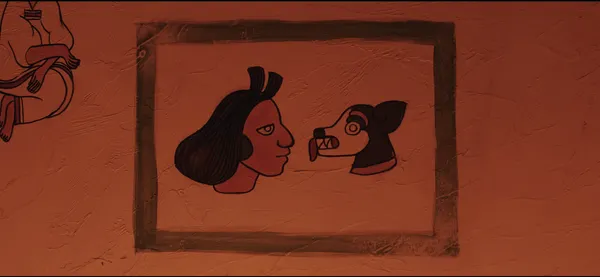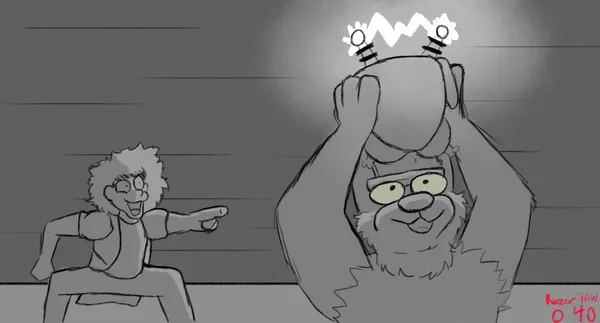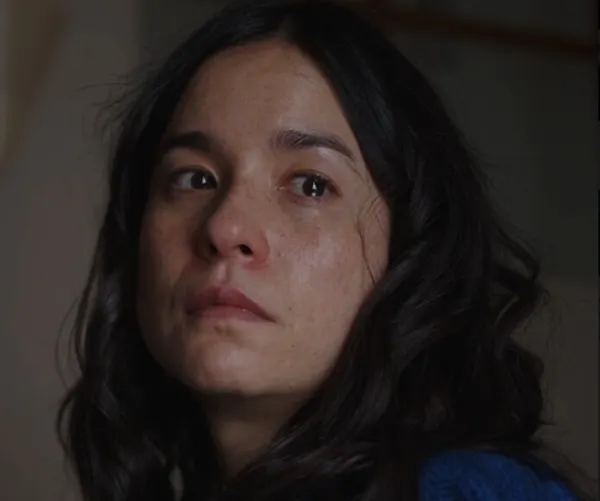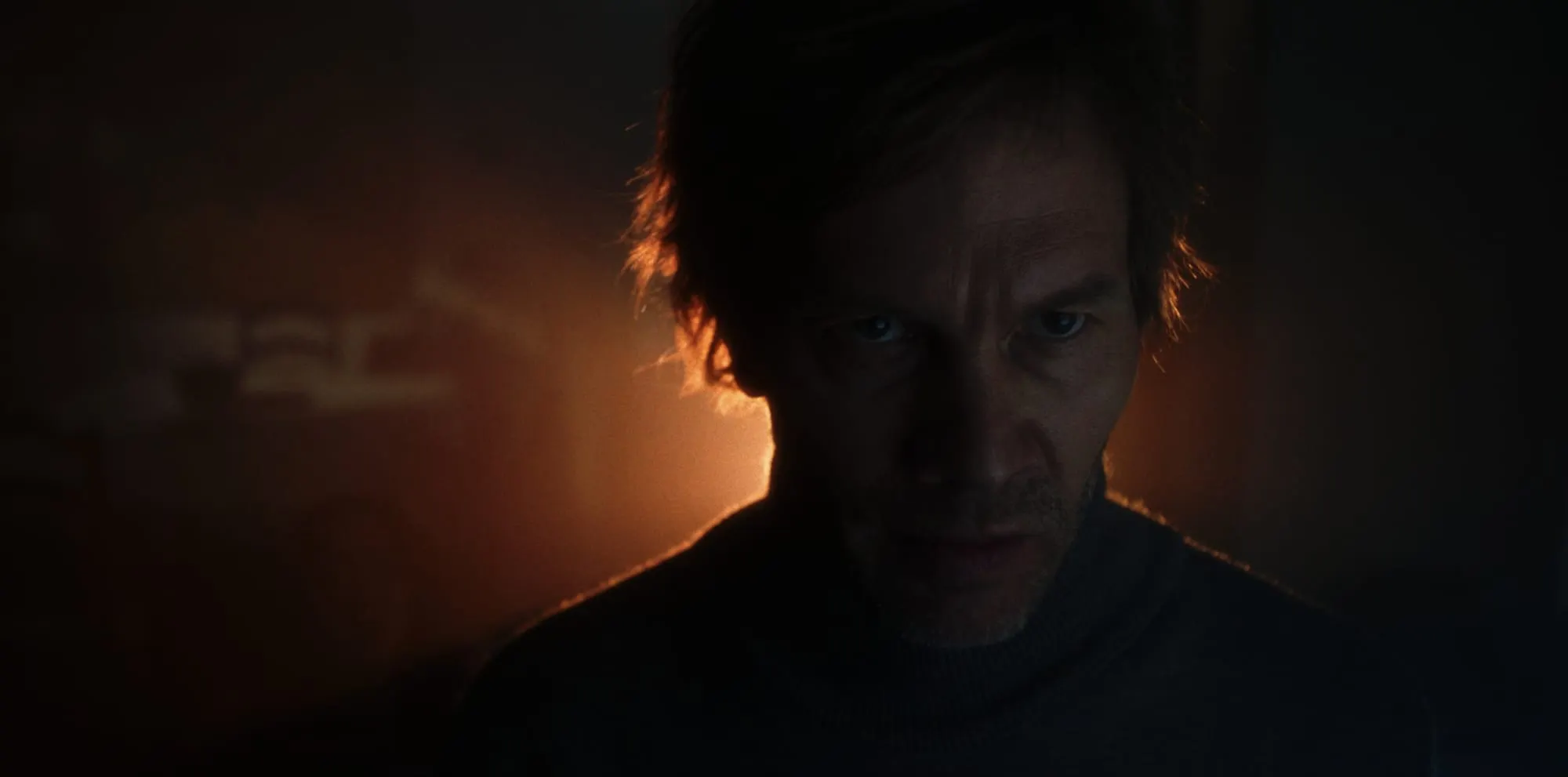
A woman goes with her husband to clear out his dead father's house in the Tigre Delta and finds a projector and a box of reels. From that simple setup, Jeff Zorrilla's 24-minute Something Scary (Eso que asusta) builds something patient and unnerving: Clara joins Martín to empty his father's island house, and the dead man's Super 8 home movies begin showing her things her husband won't talk about. The father was a Swedish filmmaker obsessed with Bergman. The films he left behind do not stay politely in the past.
Zorrilla, an Argentine-American filmmaker based in Buenos Aires since 2010, comes out of experimental, analog and documentary work, and Something Scary is his first real encounter with actors — Valeria Correa (La Flor) and William Prociuk — and with genre. Adapted from Laird Barron's story "Six Six Six" and scored by Fabio Frizzi (Zombie, The Beyond), whose work is nominated for Best Score at FilmQuest 2026, the film keeps its fear low and ambient. "The scariest thing isn't a creature," Zorrilla says. "It's realizing you don't really know the person next to you."
Key Takeaways
- The home movies are real Super 8, shot on reversal stock, because the projection is what starts to break reality.
- There are no roads in the Delta: crew, gear and generators all travel by boat, and the final night's bonfire collapsed at the same moment the power cut out.
- Zorrilla cut the film from 29 minutes to 24, learning to trust the edit over his attachment to individual scenes.
Below, he talks about islands and inheritance, falling for direction late, and making a work of art instead of content.
Interview
What drew you to make this film, and why this story, why now?
I have a house in the Tigre Delta, and the first time I really looked at it I thought, there has to be a horror film here. It's almost unexplored in cinema: islands, mud, water, houses people went to so they could disappear. I'd been writing a feature set there for about two years when a short film call came up, and I reread a Laird Barron story I loved and decided that was the one.
Underneath it was a suspicion of my own: that you can spend your whole life sure you left your family behind and still repeat them gesture by gesture. I make images compulsively, and I wanted to ask what I'm passing on to my own kid when I teach him to look.
What surprised you most about the filmmaking process, creatively or logistically?
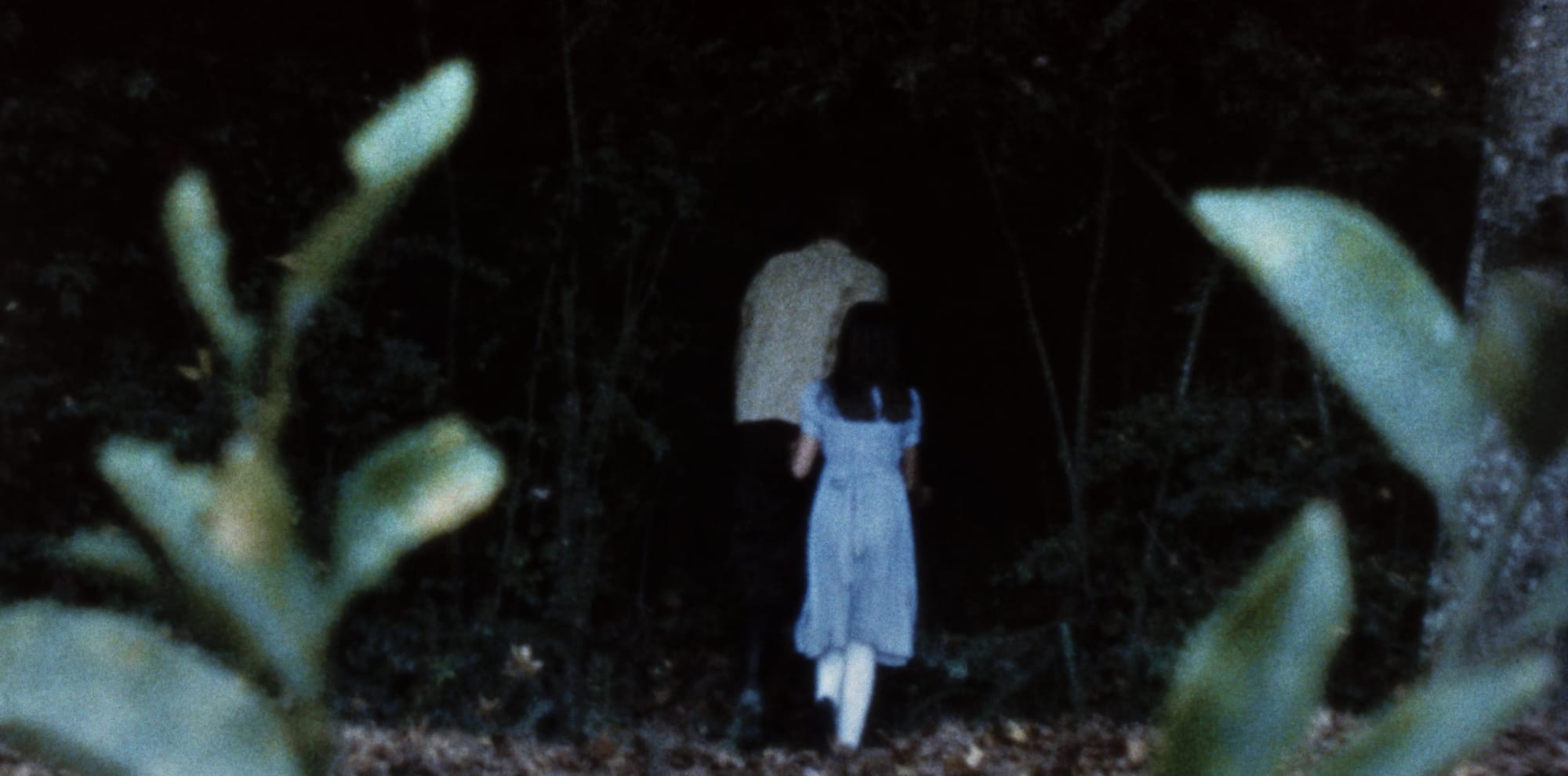
How much I fell for working with actors. I came from experimental, analog and documentary film, and this was my first time really working with actors. I was scared of it. Then I took Valeria's acting class, went all in, and rehearsed a lot, and it changed how I saw the story: the fear didn't need jump scares, it could come from the climate of naturalistic performances.
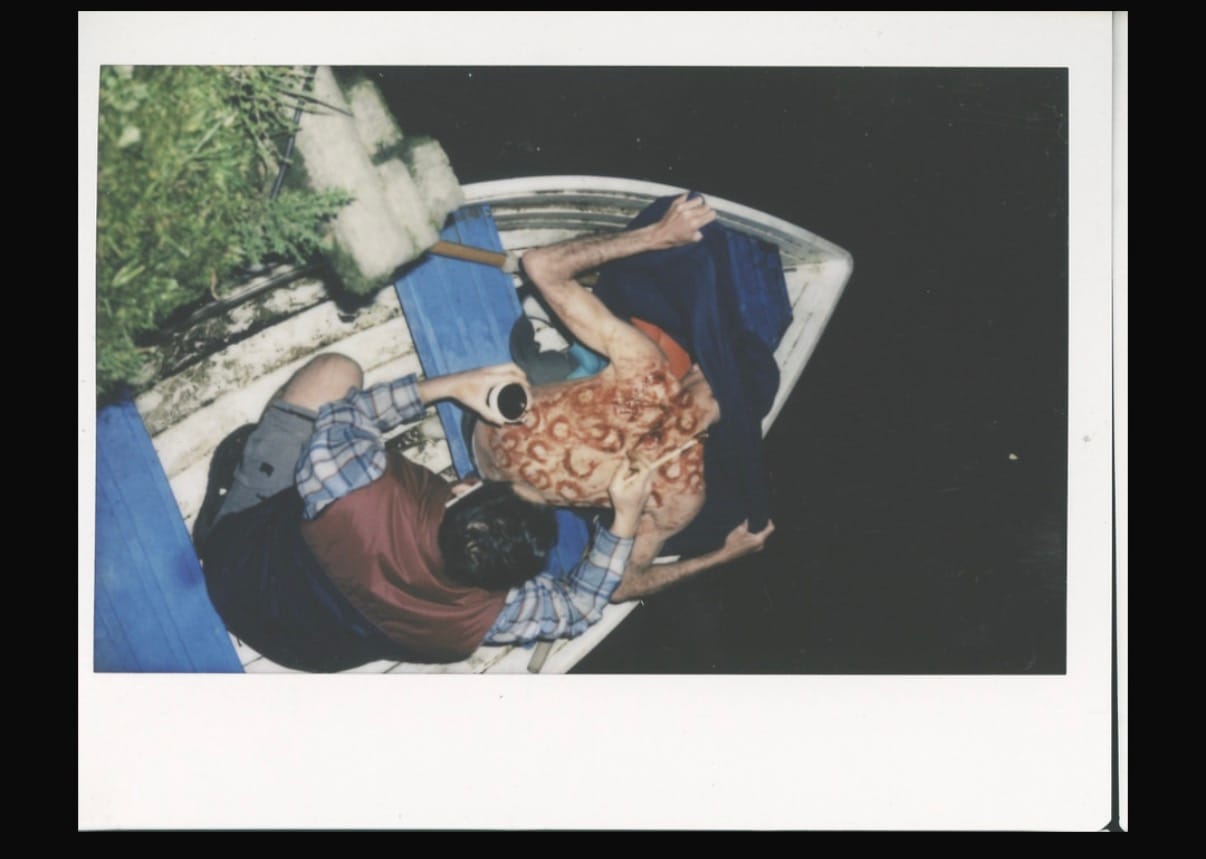
Logistically, the Delta surprised me every day. There are no roads, so crew, gear and generators all move by boat. On the final night we had the extras in full satanic regalia and a giant bonfire going, and the bonfire fell over at the same moment the electricity cut out. At four in the morning, in the freezing Delta, we rigged everything back up ourselves and kept shooting.
What moment in the film feels most like you, or like something only you could have made?
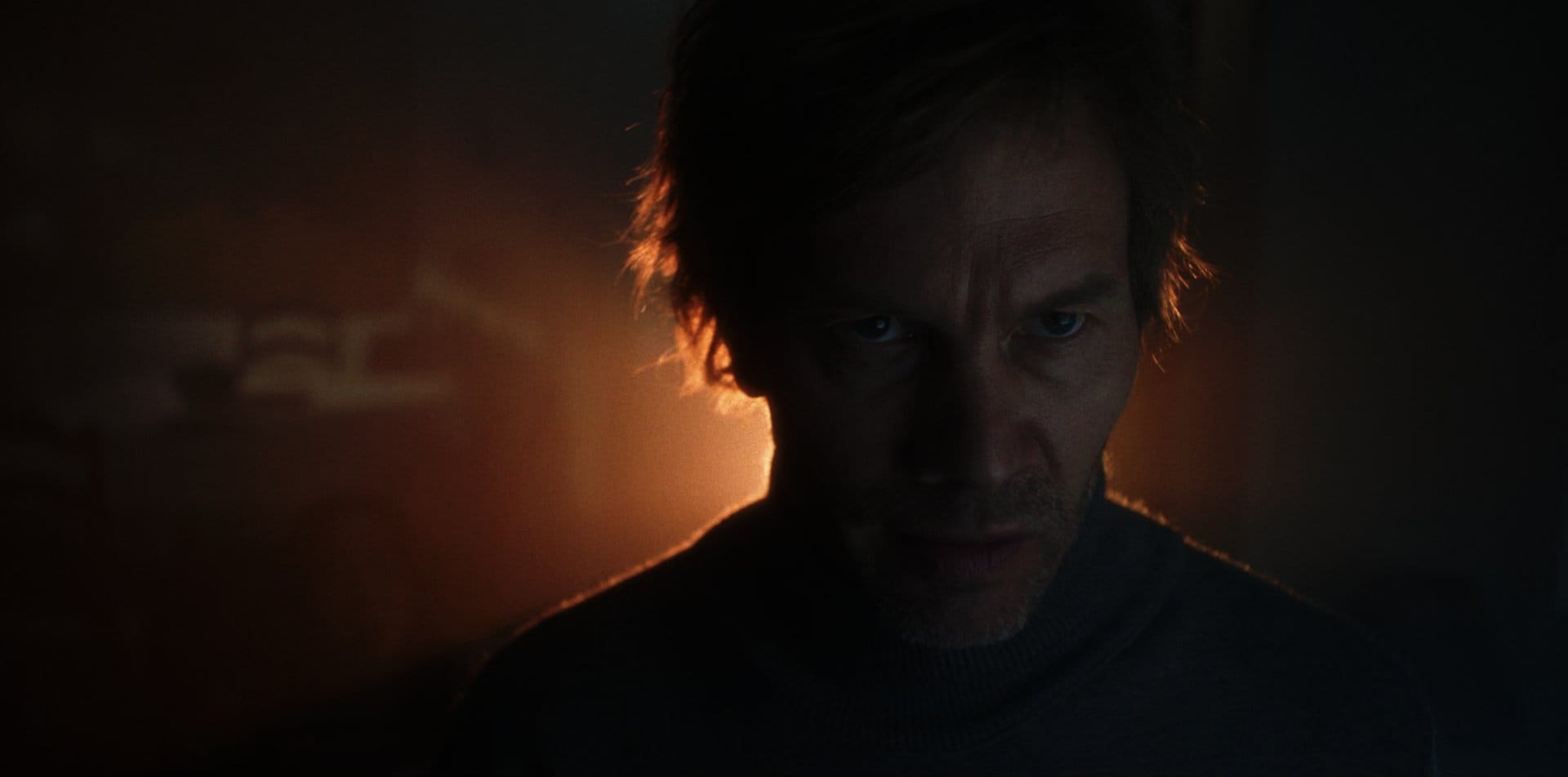
The Super 8 home movies. I was strict about it: they had to be real Super 8, reversal stock with those colors. In the story the father films his children to study their fear, and the projection is what starts to break reality. A father handing his son a camera, and what comes with it, is the part of the film that's most mine.
What was the hardest creative decision you made while making the film?
Cutting it from 29 minutes to 24. In the edit I first learned to let the story breathe, and then to tighten it. It taught me to trust the cut more than my attachment to scenes.
Before that, on the page, it was changing Barron's ending. I read it as the husband destroying himself, so I built toward that and gave Clara more to do, because on screen a wife who only watches feels like a cheat.
How does your film fit within, or push the boundaries of, its genre or form?
It works within the genre, but I think it pushes the boundaries by leaving a level of doubt. What's great about cosmic horror, about Lovecraft and Laird Barron, is that we never know what the horror actually is. It's something beyond our understanding.
What is the greatest strength of independent filmmaking, and how did you lean into it here?
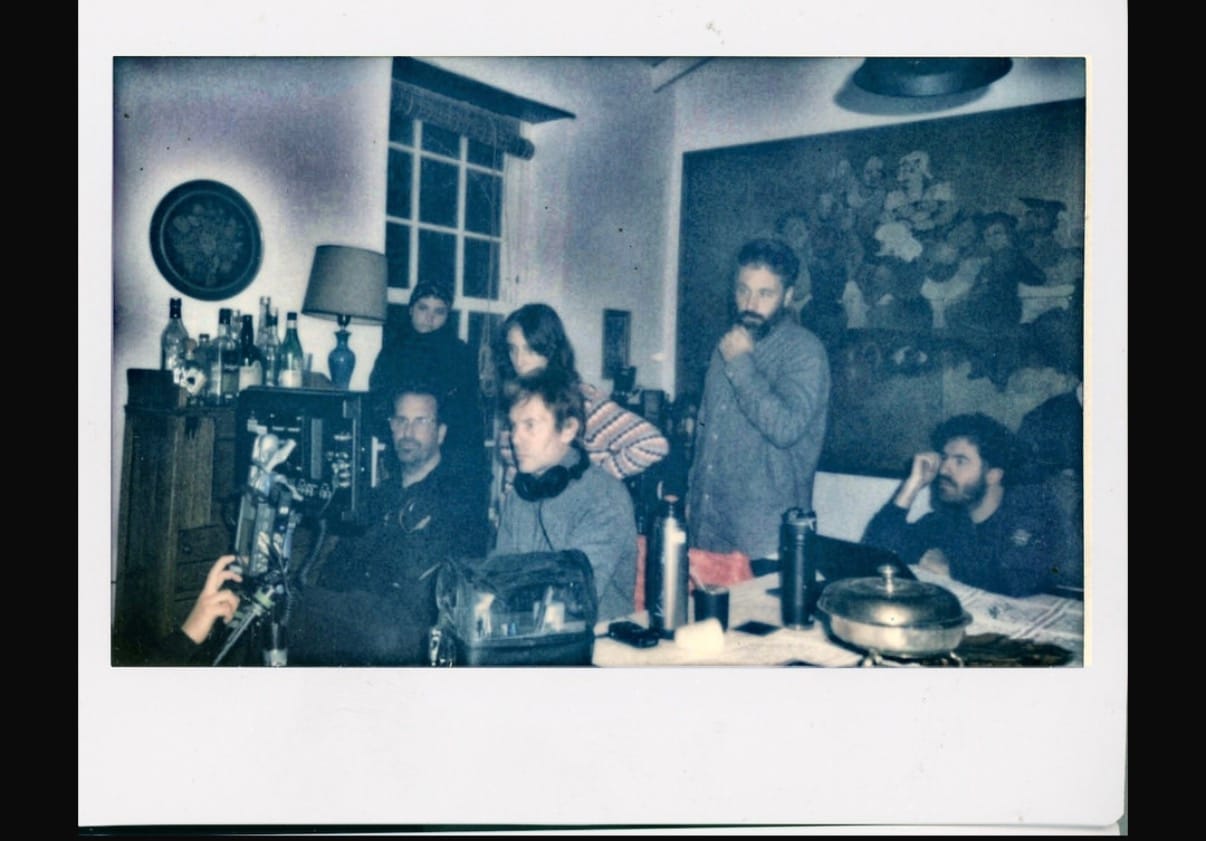
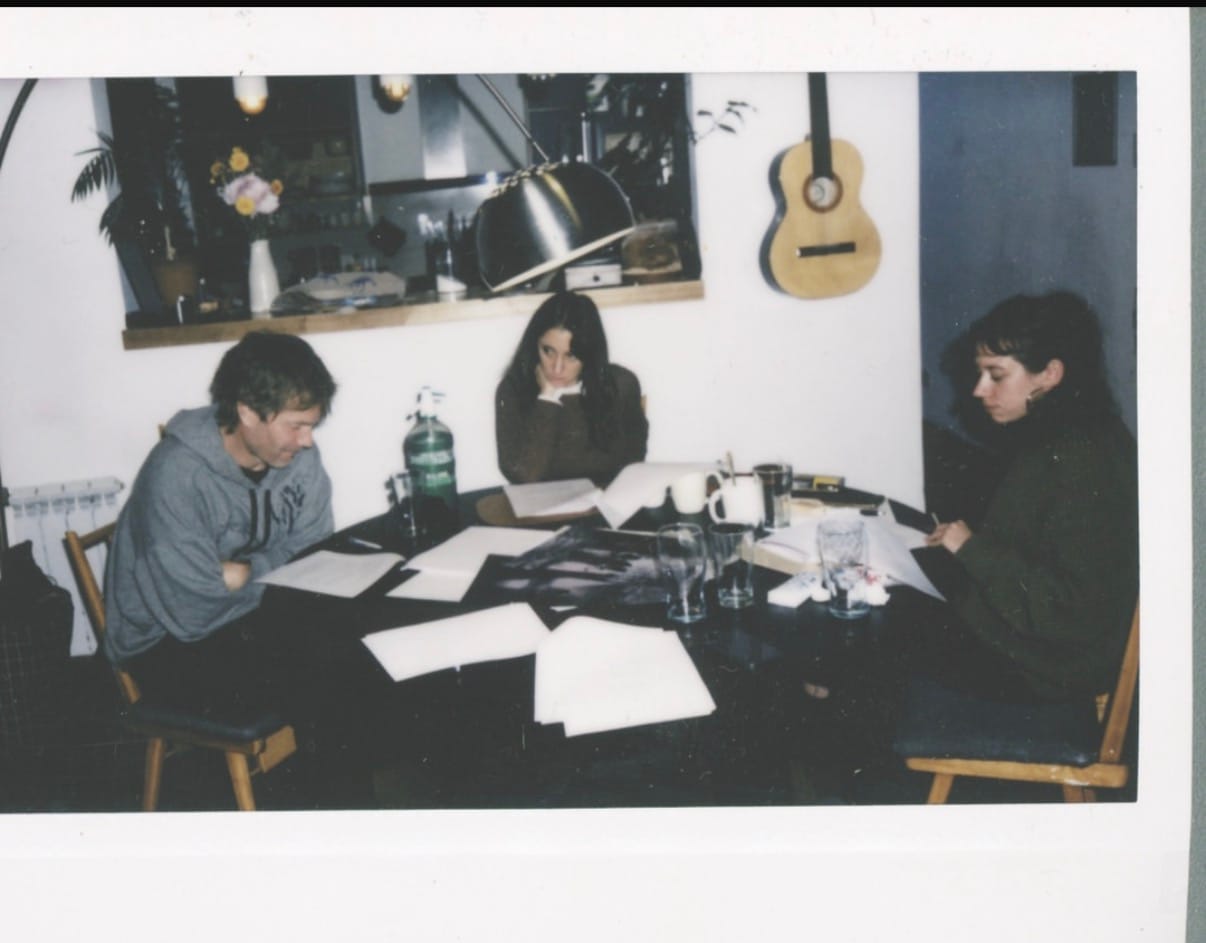
This is completely independent filmmaking. I funded everything and brought everybody together. You don't get a bigger labor of love than that: me spending my money to have the experience of working with great people and making something great. Everyone was there because they really wanted to make it and believed in it. We wanted to bring it back to an old-school film set where everyone is practicing a craft, to make a work of art and not content.
What helped most was working with a great group of specialists, really talented people who taught me everything as we figured it out together. And having Laird Barron's story as the original source, then translating it to Argentina and the Delta. That was very impactful.
What does it mean to have your film selected for FilmQuest?
It's a wonderful honor. These are the festivals for people who really care about what we're doing. At other festivals people want to make a name for themselves, to be important. Here we're the outcasts, the people doing the thing others cast aside, because we love it, and we do it for other weirdos like us.
How has this film shaped or shifted the kinds of stories you want to tell next?
I made it as a calling card for a feature and to train my fiction muscle. The feature is in the same world, Los Bajos del Temor: a man who cut off his father gets the call that he's dead, and finds out the ties never broke. Inherited trauma, with migration as the way in. The short also made me want to keep working with actors.
I'd like to see Something Scary expanded into a feature, to really delve into the mythology that's only glimpsed in the short and build it out. At the core of all my work is a desire to delve into the horrors that men do.
Main Cast & Crew
- Jeff Zorrilla — writer, director, producer. Argentine-American filmmaker based in Buenos Aires since 2010. Studied film at UC Santa Cruz and in Copenhagen; worked at ThinkFilm and Film Forum in New York. Features: Monger (2016), Lockdown Diaries (2022).
- Valeria Correa (La Flor) — Clara
- William Prociuk
- Fabio Frizzi (Zombie, The Beyond) — original score, nominated for Best Score at FilmQuest 2026
- Based on the story "Six Six Six" by Laird Barron
- Instagram | Website
Filmmaker Opportunities
💛 Fund your next project with fiscal sponsorship
Have a project in the works? As a 501(c)(3) nonprofit, the Cinematography for Actors Institute can accept tax-deductible donations on your film's behalf — a door-opener for grants, foundations, and supporters who want to back your work. We've serviced over 100 projects to date and helped route over $800,000 in funding to filmmakers. Explore fiscal sponsorship →
📬 Grant deadlines and festival opportunities, straight to your inbox
The CFA newsletter rounds up grants, festival calls, and community news for independent filmmakers — the kind of opportunities that are easy to miss and painful to miss. Join the newsletter →
🎬 Focus on the creative — we'll help with the logistics
Production Management, CFA's newest member program, launches this November: production insurance and workers' comp, payroll, film permits, gear rental coordination, SAG-AFTRA compliance, contract drafting, production consulting, and crew recommendations — handled by a team of working filmmakers, à la carte or all in, in partnership with Creative Access Group. It's waitlist-only until launch. Join the waitlist →
League of Filmmakers is published by our parent organization, the Cinematography for Actors Institute — a 501(c)(3) dedicated to education, community, and capital for underrepresented filmmakers and actors. Learn more about CFA →