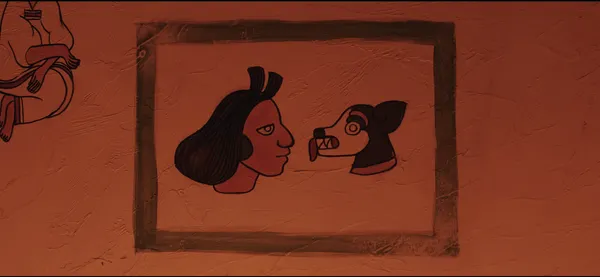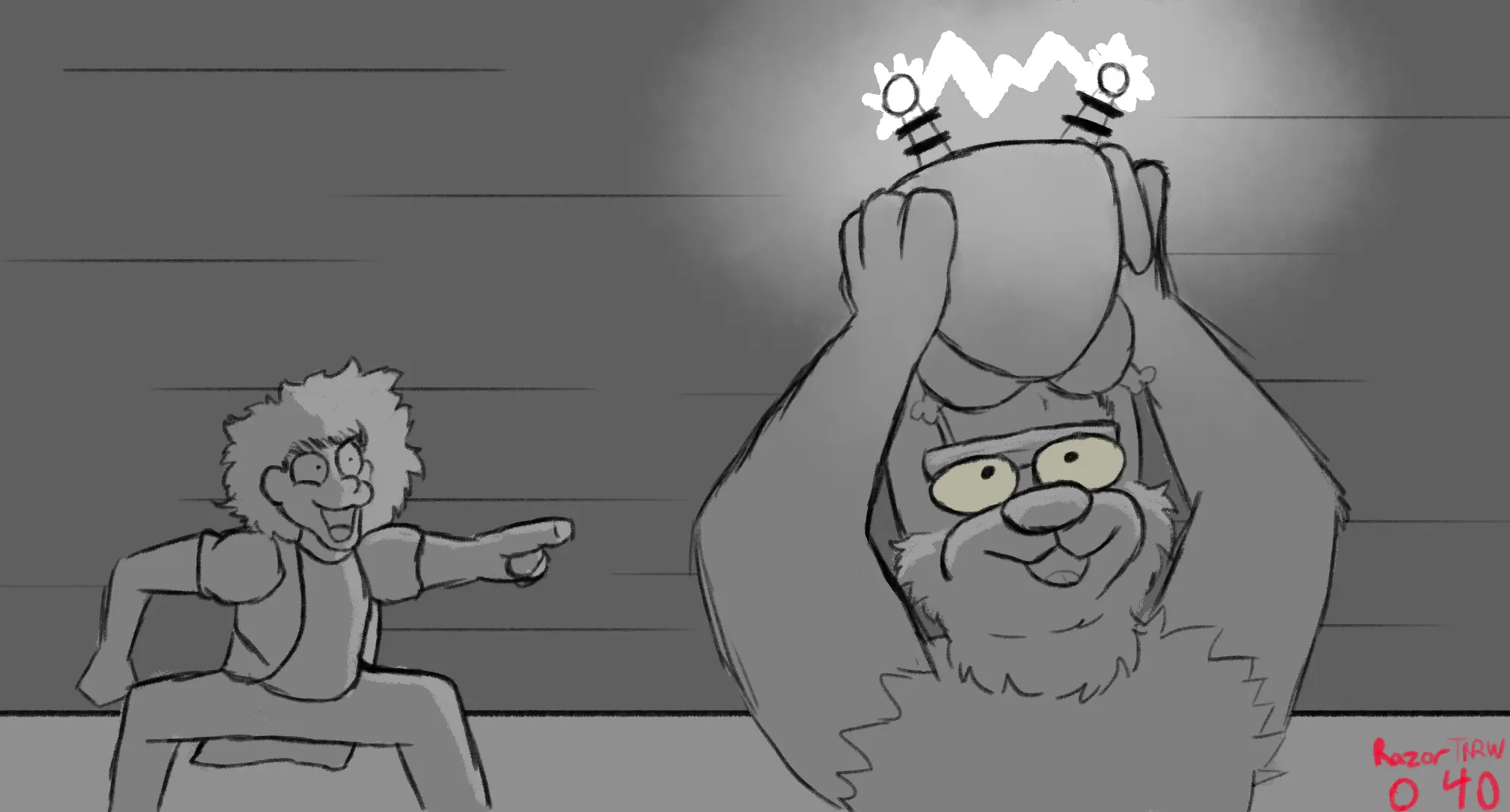
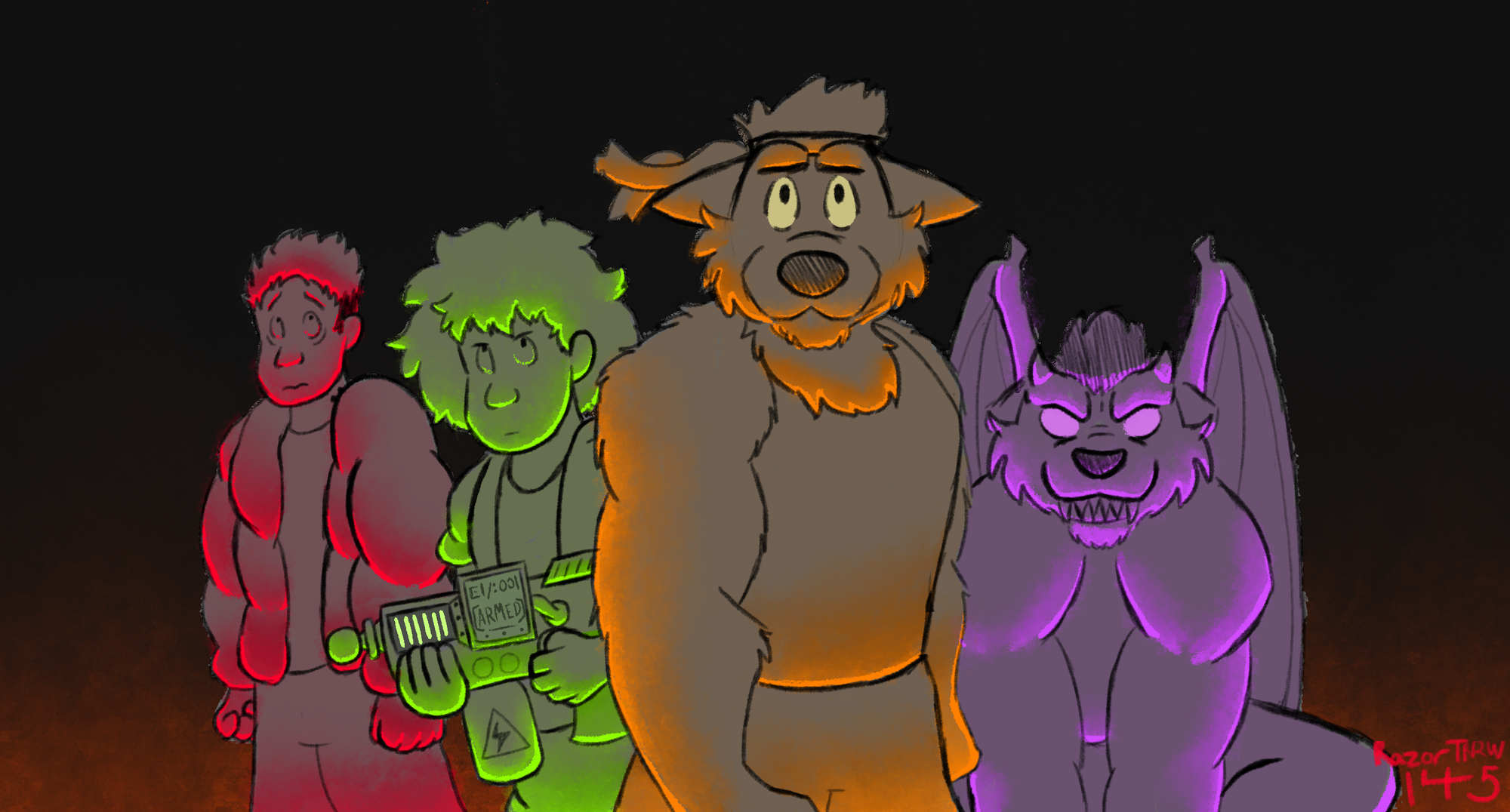
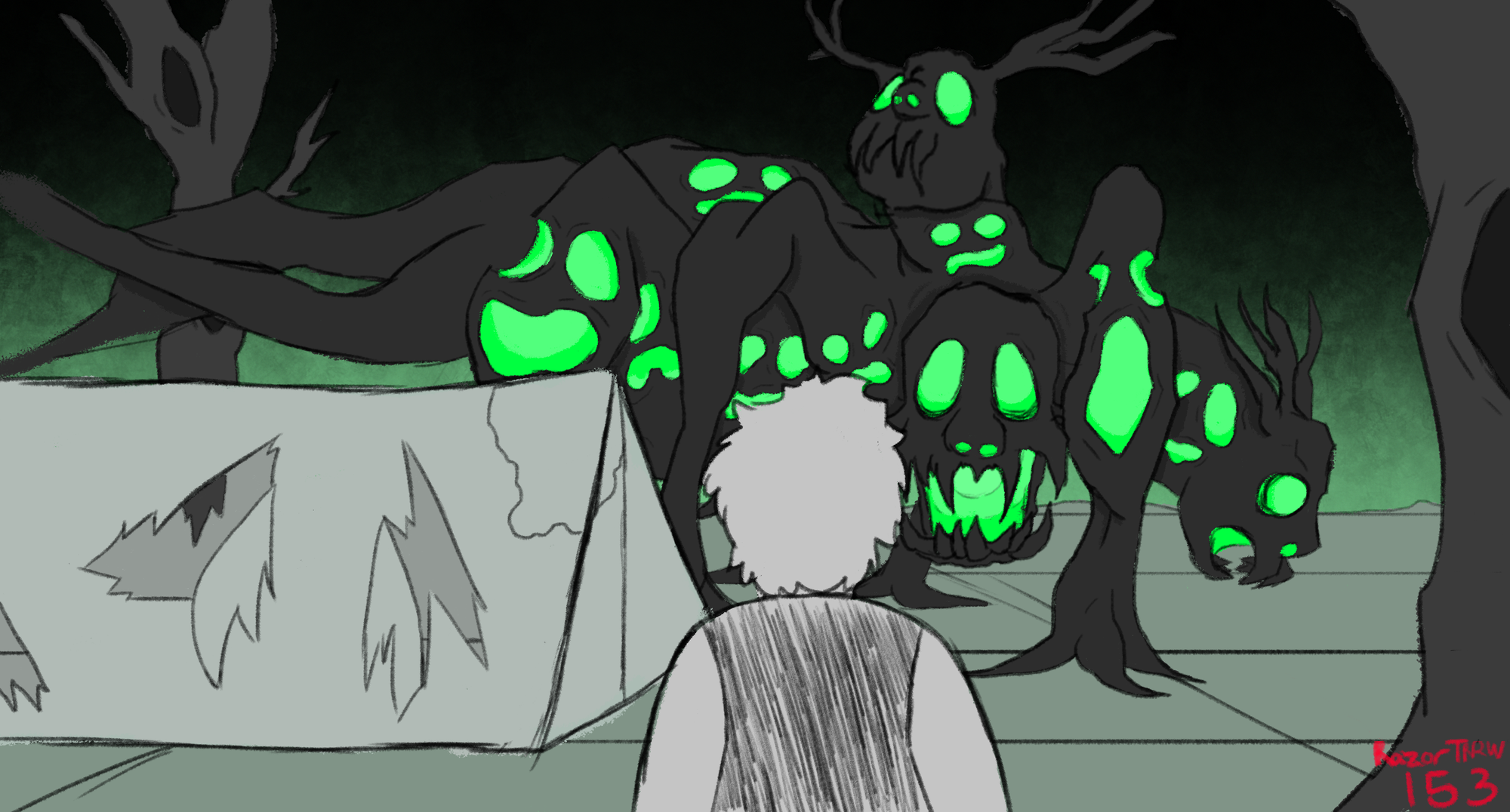
Haycrow, USA is the kind of corn-fed nowhere town where a teenager can disappear into the dark and nobody asks too many questions — which suits Razor fine. He's a werewolf with a permanent case of "the call of adventure," flanked by Dante, a surly gargoyle, and Jamie, a witch who welds magic onto machinery and builds gadgets that tend to explode. Together they keep their town safe and their identities secret, at least until a ravenous pig monster called The Blood Hog starts hunting, and Razor saves a stranger's life in full view of the one person who shouldn't see him.
John Connor Cook's pilot — selected at FilmQuest in its screenplay category — began as a college thesis and has been rewritten, sharpened, and rewritten again since. Razor The Rock and Roll Werewolf sits at the junction of Cook's two pet genres, cartoon animation and horror, and it earns its laughs and its scares from the same place: a kid who can't stop moving long enough to figure out what he's running toward.
Key Takeaways
- The pilot blends classic Halloween monster iconography with Saturday morning cartoon pacing, using "horror spice" to make the serious beats land.
- Razor's struggles mirror Cook's own experience with ADHD, most directly in a late-script speech about feeling like a total screw-up.
- Cook's working method is unglamorous and effective: just keep writing, and let every draft outperform the last.
Cook spoke with us about the character who's been living rent-free in his head for years, the speech he still isn't sure he's finished, and where Razor goes next.
Interview
What drew you to write this pilot, and why this story, why now?
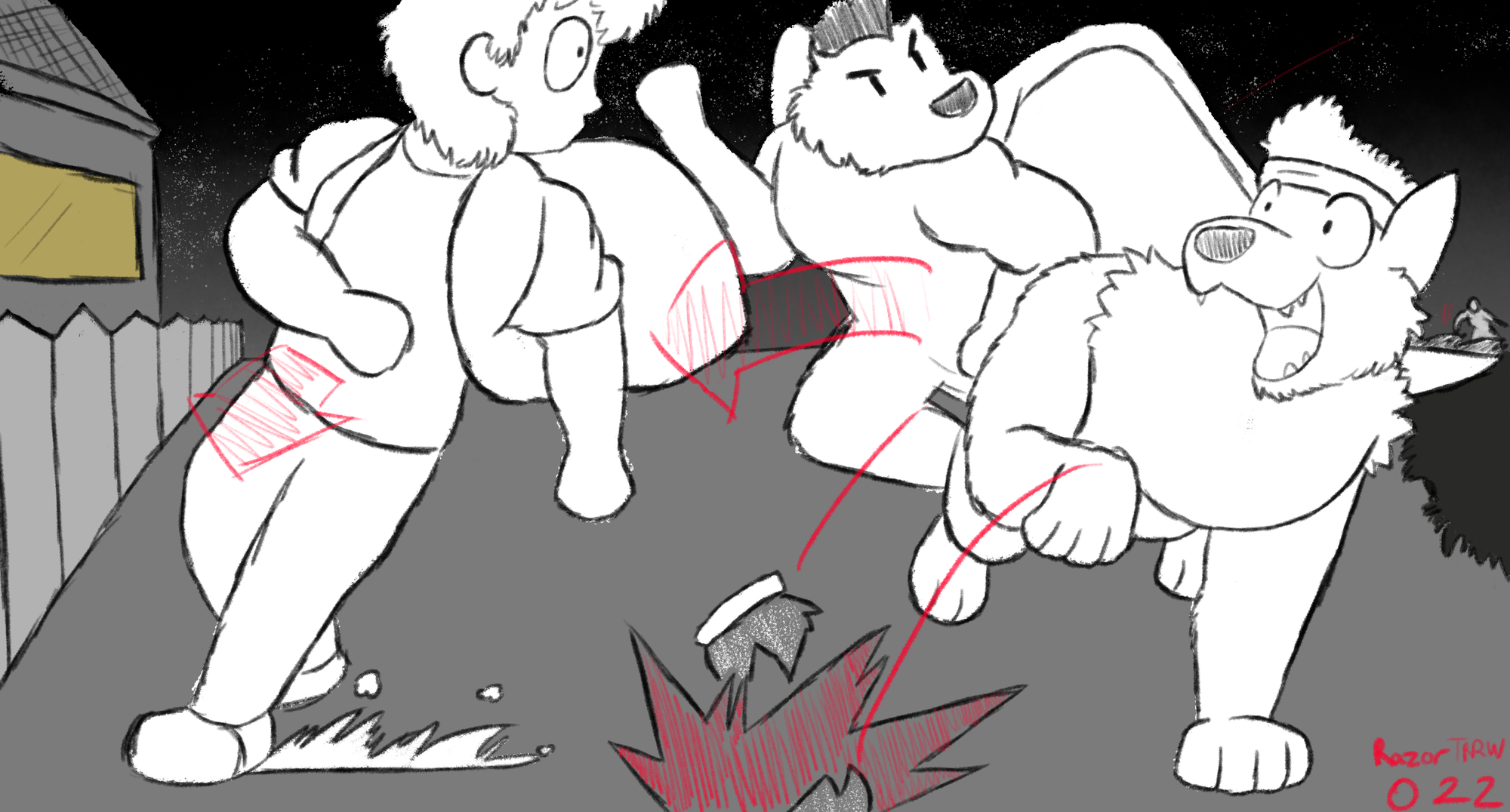
Razor is a character I've had taking up space in my brain for YEARS. I've always had an affinity for the "classic halloween monsters" and all things spooky. So I just combined that with my love for Saturday morning cartoons and BAM! Razor was born. An early version of the script served as my college thesis, and eventually evolved into the pilot you see today.
What surprised you most about the creative process?
Every draft was another surprise. Each time I re-wrote the script, I found the story improving bit by bit.
What moment in the script feels most like you, or like something only you could have made?
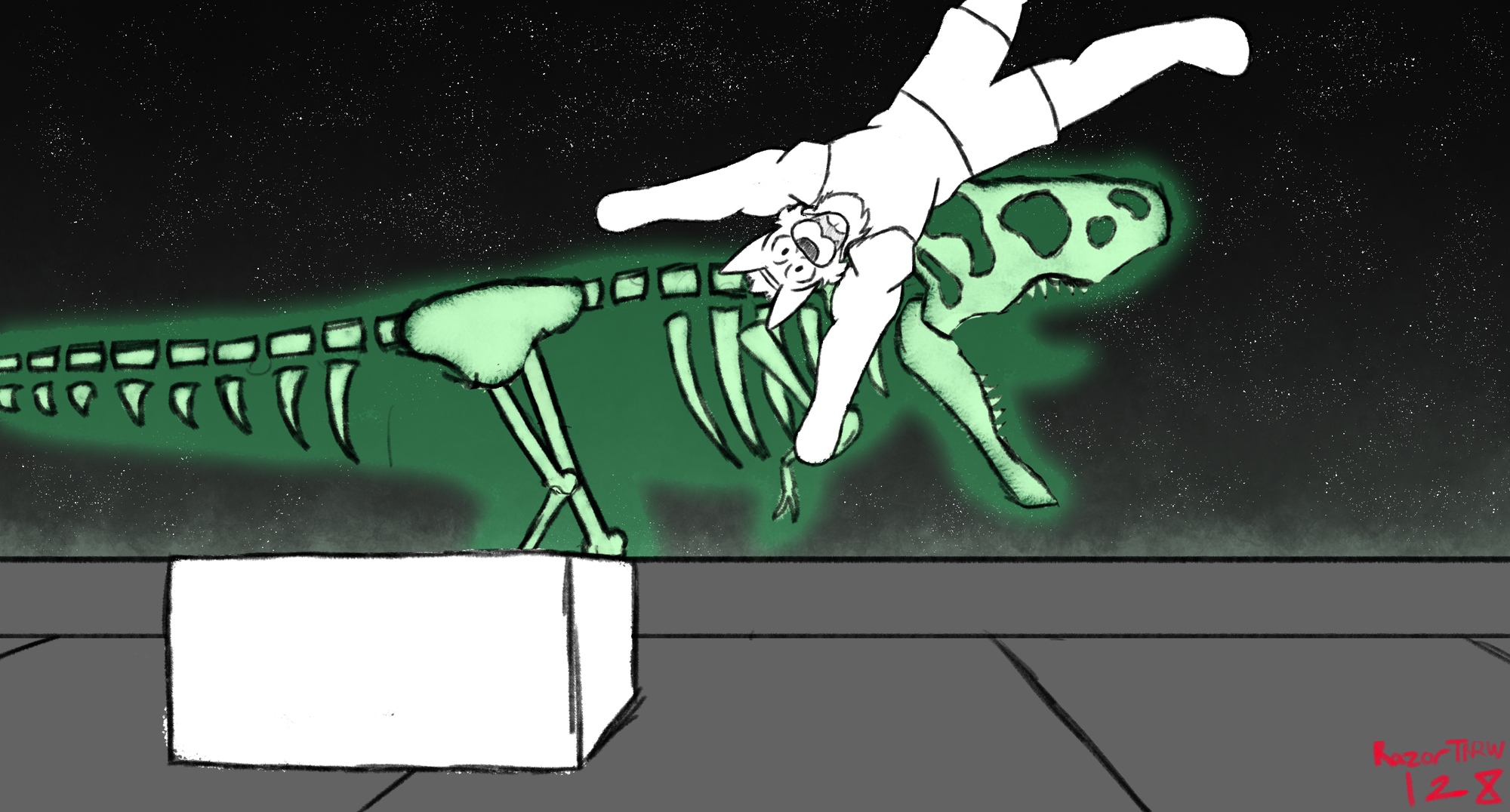
Razor's struggles very much mirror my own struggles with ADHD. His speech towards the end about feeling "like a total screw up" came straight from my own experience.
What was the hardest creative decision you made while writing?
The speech mentioned above took so many passes to get right. Honestly, sometimes I still wonder if it's where I want it to be. Plight of the artist, eh?
How does your script fit within, or push the boundaries of, its genre or form?
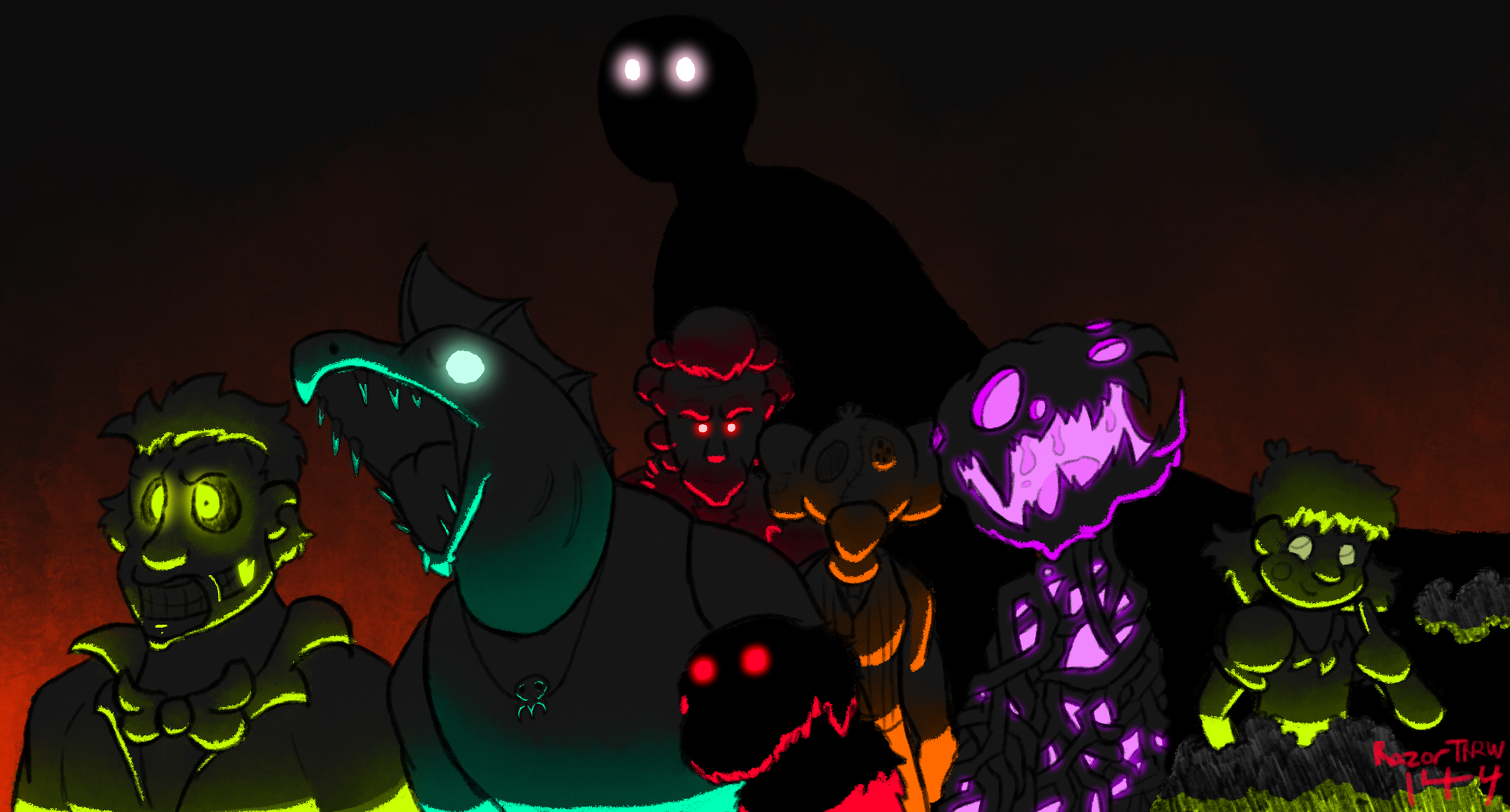
I always like to say that my two "pet genres" are cartoon animation and horror. Two things that don't really tend to go together that often. Obviously the whole concept of Razor is rooted in the early horror classics which became associated with Halloween, but even outside of that, I tried to add just enough "horror spice" to the story to make those more serious moments really pop.
What tool, technique, resource, collaborator, or mindset shift helped most?
"Just keep writing." Simply performing a skill over and over will make you better at it. Every draft will be better than the last one, again and again and again until you've really got something.

What is the greatest strength of independent filmmaking, and what lesson would you share with others?
Hard to answer as just a writer, but frankly, the ability to put your stuff out of your own accord, without the oversight of a big production company or what have you, is really something special.

What do you hope audiences take away from this story?
Well, first and foremost I hope those who read it have fun doing so. But I also hope that maybe it'll give someone who maybe also feels like a bit of a screw up the knowledge that they can still "be a hero."

What does it mean to have your script selected for FilmQuest?
First and foremost, it means a lot to have such a prestigious event recognize my silly little werewolf script. It's a special feeling to get confirmation that you're good at what you do, and people want to hear your stories.

How has this project shaped the kinds of stories you want to tell next, and where do you see Razor going?
Weirdly, it's made me want to experiment with different mediums along with television. Don't get me wrong, screenwriting is where I'm most comfortable, but I've had so much fun with these characters, I wanna see what I can do with them in various forms. Maybe a comic or a self published Razor novel. There's a storyboarded trailer that'll — or maybe already has — come out on October 24th. After that, who knows? Maybe a Razor book, or a graphic novel, or hell, maybe there's even a produced pilot if I'm really lucky.
At the core of all his work, Cook says, is a desire to "tell stories that enrich people's lives. I spent my childhood being entertained and inspired by cartoons, and I wanna do the same for others." That intention is legible on every page of Razor The Rock and Roll Werewolf, which treats a monster-of-the-week premise — a giant pig, a blogger on the hunt, a secret one witness away from collapse — as scaffolding for something more durable. Razor's impulsiveness is the engine of the comedy and the source of his shame, and the pilot refuses to resolve one without honoring the other.
The result is a script that knows exactly what it is: loud, fast, affectionate toward the Universal monsters it descends from, and quietly serious when it needs to be. Haycrow may be the middle of nowhere, but Cook has built it as a place worth defending, populated by teenagers whose greatest fear isn't the thing in the cornfield — it's being seen for what they are. A writer who still wonders whether one speech is finished has already told you what kind of storyteller he is.
Main Cast & Crew
- John Connor Cook — Writer/Creator | YouTube
Filmmaker Opportunities
💛 Fund your next project with fiscal sponsorship
Have a project in the works? As a 501(c)(3) nonprofit, the Cinematography for Actors Institute can accept tax-deductible donations on your film's behalf — a door-opener for grants, foundations, and supporters who want to back your work. We've serviced over 100 projects to date and helped route over $800,000 in funding to filmmakers. Explore fiscal sponsorship →
📬 Grant deadlines and festival opportunities, straight to your inbox
The CFA newsletter rounds up grants, festival calls, and community news for independent filmmakers — the kind of opportunities that are easy to miss and painful to miss. Join the newsletter →
🎬 Focus on the creative — we'll help with the logistics
Production Management, CFA's newest member program, launches this November: production insurance and workers' comp, payroll, film permits, gear rental coordination, SAG-AFTRA compliance, contract drafting, production consulting, and crew recommendations — handled by a team of working filmmakers, à la carte or all in, in partnership with Creative Access Group. It's waitlist-only until launch. Join the waitlist →
League of Filmmakers is published by our parent organization, the Cinematography for Actors Institute — a 501(c)(3) dedicated to education, community, and capital for underrepresented filmmakers and actors. Learn more about CFA →