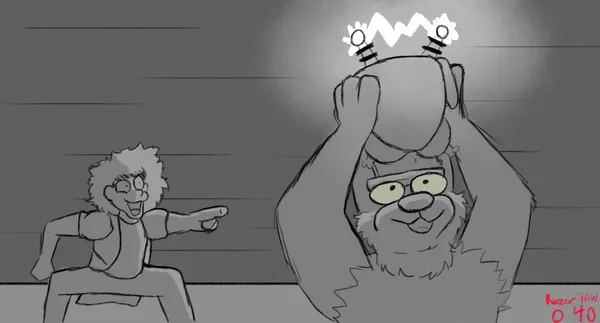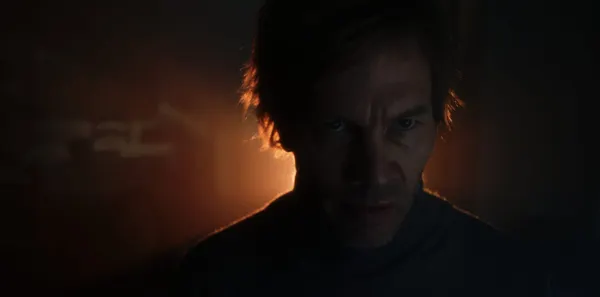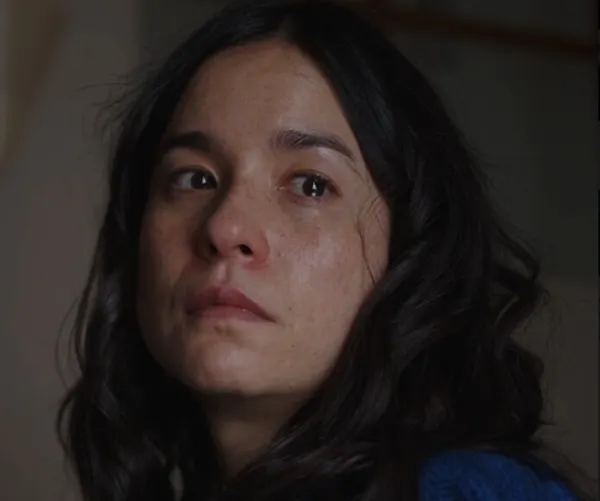
Late one night, a hungry little Xolo named Skippy wanders his home looking for food and for his missing owner, Maria. He finds her dead on the couch just as Xolotl, the Aztec god of death, walks through the front door. What follows is not a chase but a tour: Skippy leads the god through the house, room by room, showing him the small and meaningful moments that made up a shared life.
Matthew Serrano is a first-generation Salvadoran American writer-director based in Los Angeles, a filmmaking mentor at Youth Cinema Project, and the proud owner of two Xolo rescues. XOLO grew out of a childhood fascination with death and an adult decision to look past the heaven-and-hell binary toward the Indigenous beliefs woven into his own heritage. The film arrives at FilmQuest as an Official Selection and a Best Fantasy Short nominee — a fitting home for a story that shifts, deliberately, from horror to fantasy to comedy to something that lands squarely in the chest.
Key Takeaways
- Indigenous collaborators shaped every layer of XOLO, from the design of Xolotl and the mural-driven intro sequence to Nahuatl translation and a shaman's blessing of the set.
- The protagonist is an untrained senior rescue dog, Linus, which meant every department had to build an environment where he could simply be himself.
- Serrano and his team coined an aesthetic — "neo-nahuatl" — to stay accurate to the research without tipping into documentary.
Serrano spoke with us about legend, logistics, and the single silly image that started it all.
Interview
What drew you to make this film, and why this story, why now?
Since I was a little kid, I have always been fascinated (and horrified) by what happens to us when we die. As an adult, I began to decolonize my mind and explore ideas beyond the restrictive Christian binary of heaven and hell. I dove deep into my Latino heritage, including my Indigenous roots, and learned about the beautiful beliefs Indigenous Latinos hold about the afterlife. The more I learned, the more I wanted to share this expansive view of life, love, and loss through film.
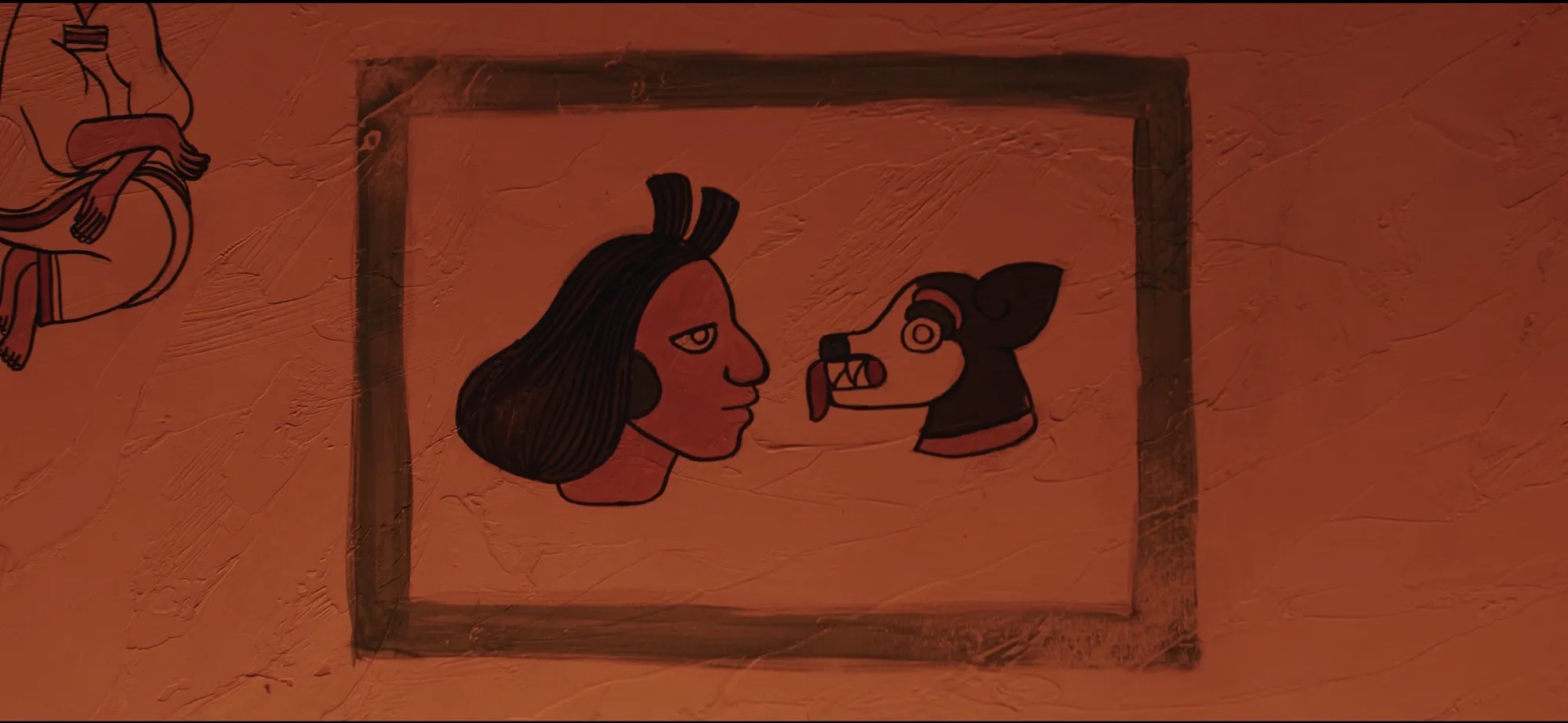
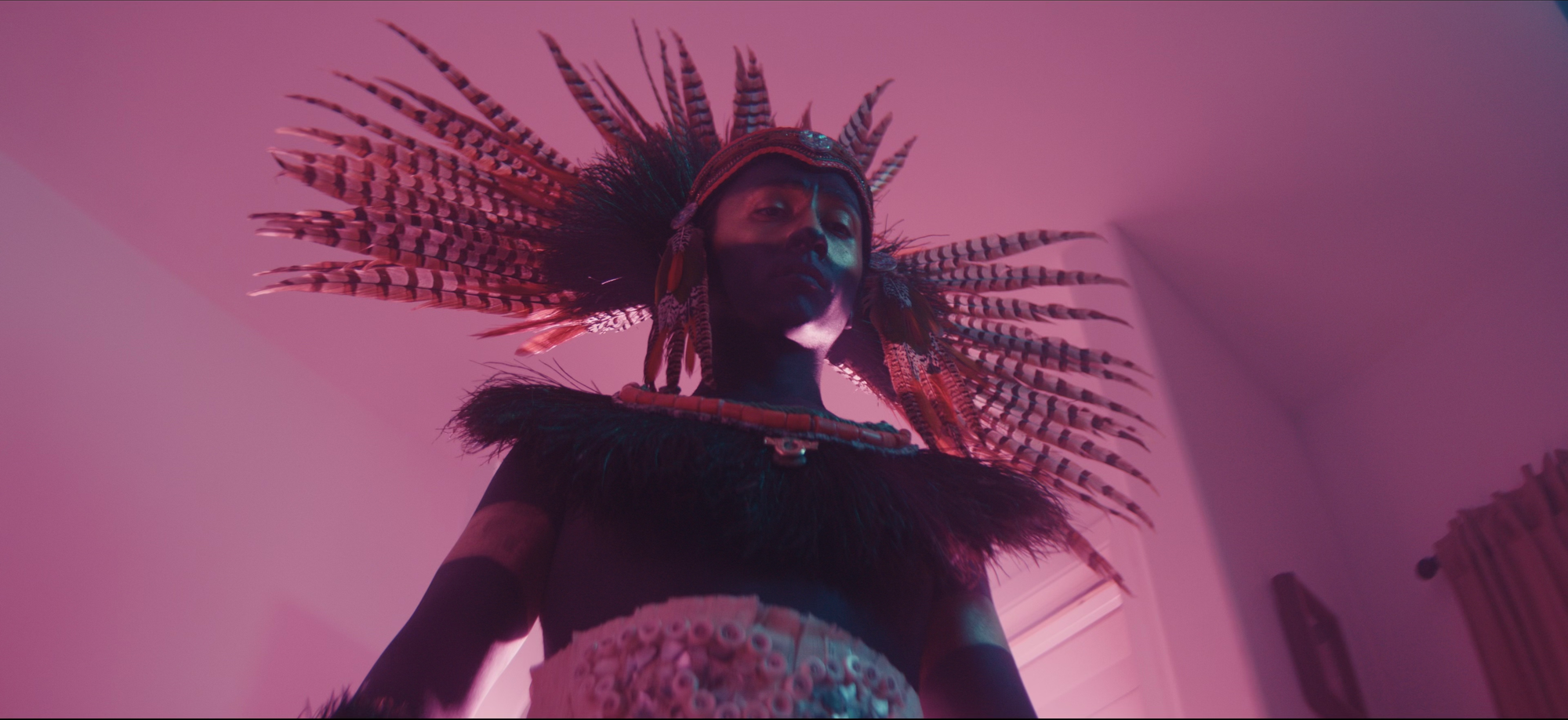
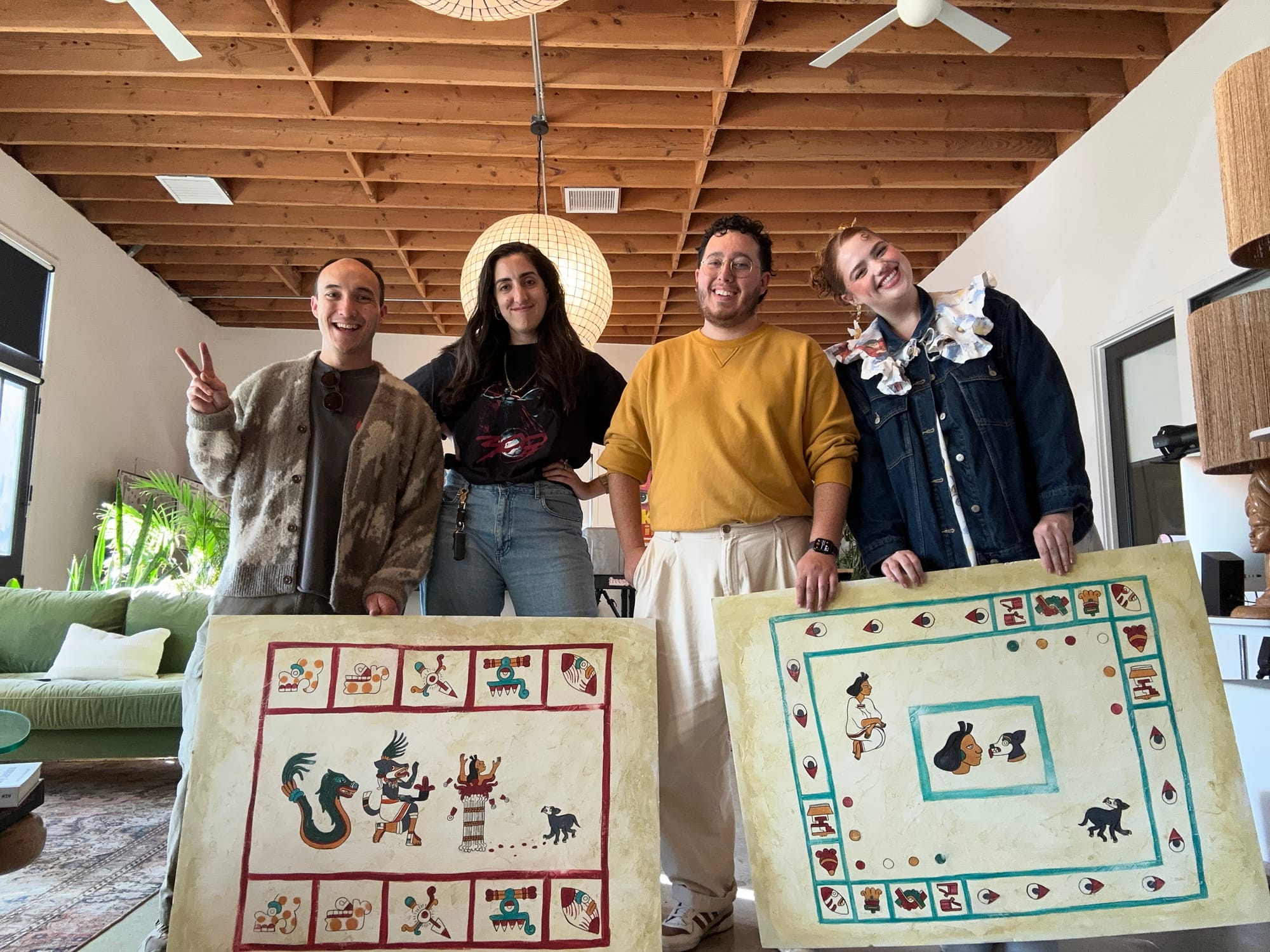
Legend has it that if humans are kind to the Xoloitzcuintli (Xolo) dog in life, then the Xolo will guide them on their journey to the afterlife to meet Xolotl, the Aztec god of death. As the proud owner of two Xolo rescues, this powerful legacy has only deepened my fascination with and respect for Indigenous spirituality. Indigenous collaborators touched every part of this project — from the designers who crafted the intricate look of Xolotl and the artist who created the intro sequence murals, to the translator who preserved the accuracy of the Nahuatl language and the shaman who ceremonially blessed the set before production. And, as for our dog star, Linus, guardian of the afterlife is a big role to fill, but I think he was up to the challenge. I hope that anyone who has ever loved a dog sees that bond reflected in this film, and that through celebrating my link to my ancestors, I am able to honor the rich Indigenous traditions that inspired XOLO.
What was the hardest creative decision you made while making the film?
Definitely choosing to have our dog star be the protagonist of the story. The idea that this untrained, senior rescue dog was going to be what drove the story emotionally meant that all creative departments had to be aligned on how we could create the best possible environment for Linus to feel comfortable in to be his silly self.

What surprised you most about the filmmaking process, creatively or logistically?
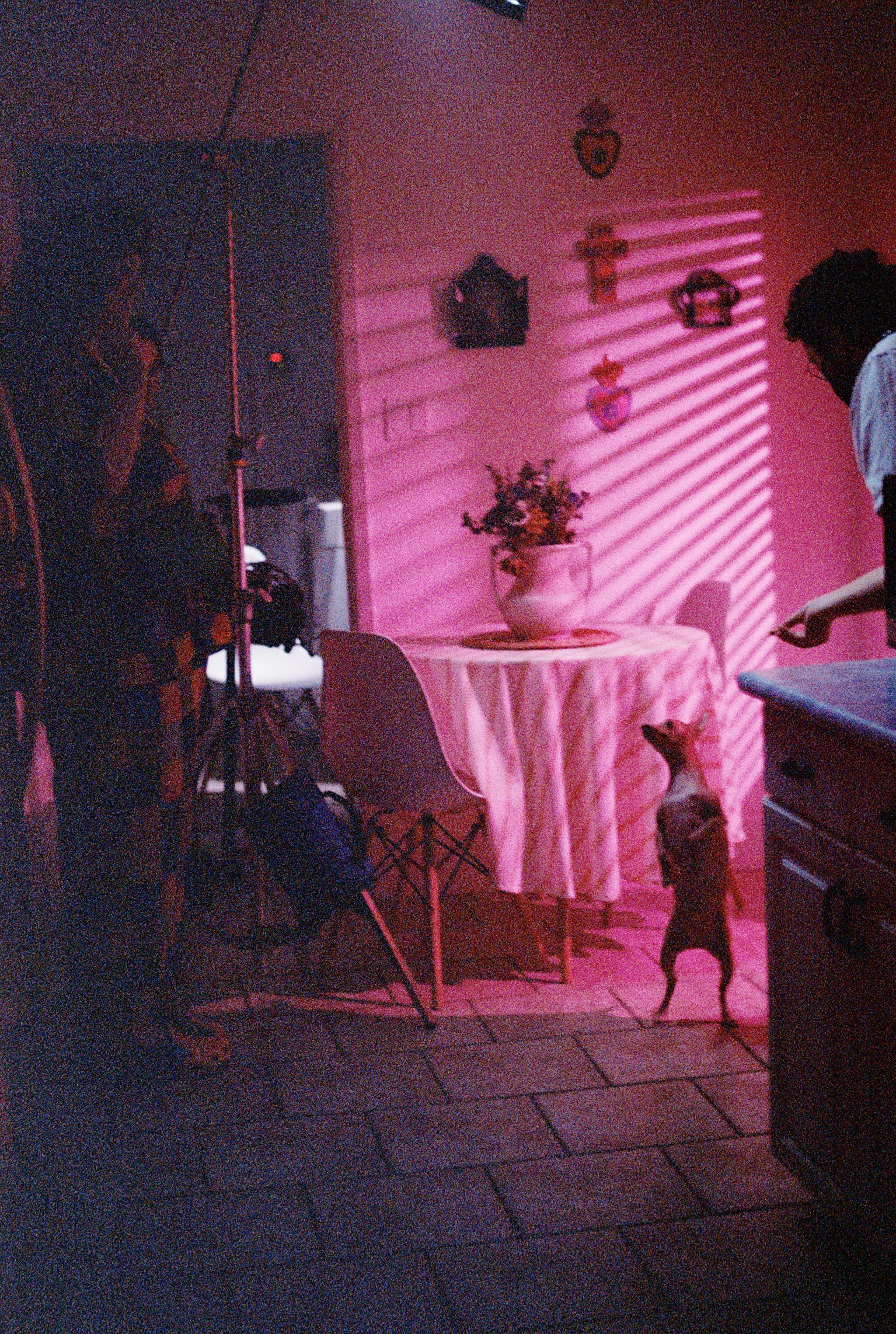
When working with our dog star Linus, I knew that we had to be open to whatever choices he was going to make, as he is untrained and was sometimes unpredictable. That being said, I think what surprised me the most was how well Alex, our editor, could take a moment from Linus that felt like a mistake and turn it into an intentional performance choice that added so much to the film.
What moment in the film feels most like you, or like something only you could have made?
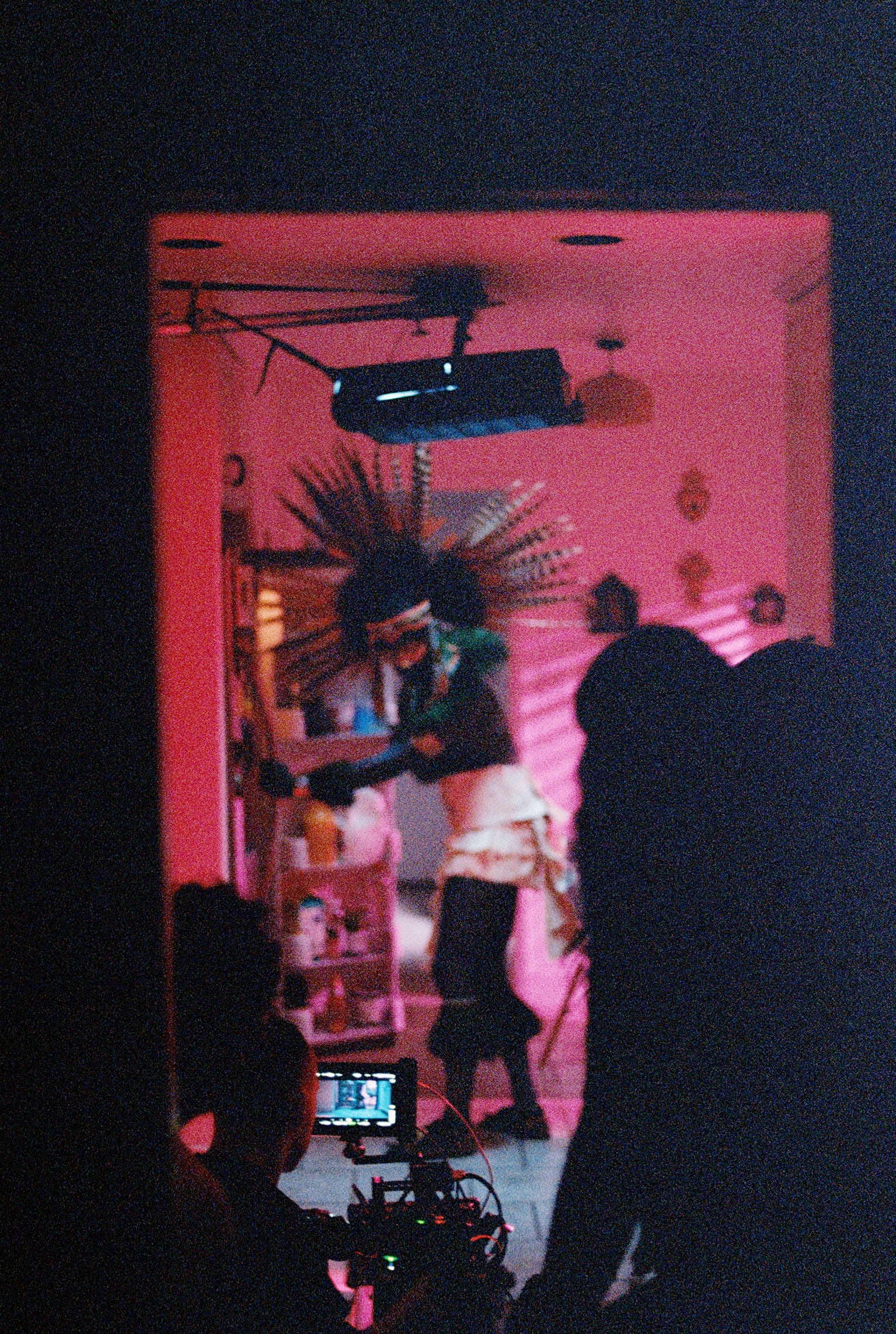
The original image that came to my mind for this idea actually made it into the film. The moment where Xolotl is looking through their fridge while Skippy watches. It was this silly image that came to my mind that I wanted to see come to life so badly. And nothing feels more like me than having this incredible and majestic god character rummage through a simple fridge while a silly little hairless dog watches, in this world cast in these brilliant fantasy lights and colors.
What tool, technique, resource, collaborator, or mindset shift helped most during production?
This was actually the first project that I wrote and directed that I did not edit myself since film school, which turned out to be an amazing experience. Working with our editor, Alex, was incredible. He really is the best in the game and is the engine behind Skippy's performance in the final film.
What is the greatest strength of independent filmmaking, and how did you lean into it on this project?
I think the greatest strength of independent filmmaking is risk-taking and freedom of expression. For this project, that manifested in how we represented the Indigenous arts and culture in our film, which was heavily based in research and accuracy. But at some point, I was afraid of making something that felt like the History Channel and not a work of fantasy. We ultimately landed on an aesthetic that took inspiration from many things, which we ended up naming "neo-nahuatl."
How does your film fit within, or push the boundaries of, its genre or form?
My goal was to make the kind of film from the 80s you encountered as a kid that kinda scared you a little bit, immersed you, and then emotionally traumatized you. I feel like our blend of horror and fantasy, shifting into comedy and finally landing in drama, achieves that successfully.
What does it mean to have your film selected for FilmQuest, and where do you see it going next?
We have been programmed in all sorts of ways across many festivals, so it is really exciting to have our fantasy elements be validated by our Official Selection into FilmQuest as well as our Best Fantasy Short nomination. And as a Latino, to have our culture and how we represented said culture be recognized in such a way is incredibly empowering.
We hope that it will someday soon be on Netflix, and we have also had dreams of getting it shortlisted for the Oscars — we have been nominated in many Oscar-qualifying categories but have not won yet. This film has reinforced my belief that I am meant to tell stories with heart that are funny, sad, beautiful, and hopeful even in the darkest of moments. At the core of all my work is a desire to find hope in the hopelessness. I hope audiences, especially those who have lost a pet or a person in their life, take away the idea that no matter who or what leaves, their love stays with us forever, in surprising ways, long after they are gone.
Main Cast & Crew
- Jeremy Phillips (Xolotl)
- Linus (Skippy)
- Armida Lopez (Maria)
- Matthew Serrano (Director/Writer) — first-generation Salvadoran American filmmaker, content creator, and entrepreneur based in Los Angeles. Known for documentaries about theme parks and frequent collaborations with the Peabody-nominated YouTube channel Defunctland. From 2024 to 2025, selected for three film programs: the Mitú x Walmart Filmmaker Mentorship Program, the LFI x Netflix Inclusion Fellowship, and the Find Your People Program. A proud filmmaking mentor at Youth Cinema Project, teaching filmmaking to children of all grade levels across Los Angeles.
- Talia Shea Levin (Producer) — has produced work for companies like Wolf Entertainment and Marvel, and produced Matthew Serrano's previous short film, PICK ONE (2024), for the Mitú x Walmart Filmmaker Mentorship Program. As a writer and director, she creates new worlds in narrative and dance films, including the viral short MAKE ME A PIZZA (2024), which screened at SXSW, Sitges, and Clermont-Ferrand. Her work has been featured by IndieWire, Vimeo Staff Picks, Short of the Week, and NOWNESS. A Carnegie Mellon graduate in Screenwriting and Directing, she has developed projects at residencies including the Cine Qua Non Script Revision Lab and PlayLab Film's Amazon workshop with Apichatpong Weerasethakul. She is a mentor for the Latino Film Institute's Youth Cinema Project and a member of the international art collective Snowapple.
- Max Magerkurth (Cinematographer) — a freelance cinematographer living and working in Los Angeles. Originally from Anacortes, Washington, he spent most of his upbringing in his family's hole-in-the-wall Italian restaurant. The colors and flavors of food, hard work, and a picturesque PNW hometown all played a role in shaping his visual style and ethos. Working in both the commercial and narrative space, Matthew and Max originally met through their mutual appreciation for immersive themed entertainment and shot their first film, PICK ONE, in 2023.
Filmmaker Opportunities
💛 Fund your next project with fiscal sponsorship
Have a project in the works? As a 501(c)(3) nonprofit, the Cinematography for Actors Institute can accept tax-deductible donations on your film's behalf — a door-opener for grants, foundations, and supporters who want to back your work. We've serviced over 100 projects to date and helped route over $800,000 in funding to filmmakers. Explore fiscal sponsorship →
📬 Grant deadlines and festival opportunities, straight to your inbox
The CFA newsletter rounds up grants, festival calls, and community news for independent filmmakers — the kind of opportunities that are easy to miss and painful to miss. Join the newsletter →
🎬 Focus on the creative — we'll help with the logistics
Production Management, CFA's newest member program, launches this November: production insurance and workers' comp, payroll, film permits, gear rental coordination, SAG-AFTRA compliance, contract drafting, production consulting, and crew recommendations — handled by a team of working filmmakers, à la carte or all in, in partnership with Creative Access Group. It's waitlist-only until launch. Join the waitlist →
League of Filmmakers is published by our parent organization, the Cinematography for Actors Institute — a 501(c)(3) dedicated to education, community, and capital for underrepresented filmmakers and actors. Learn more about CFA →