
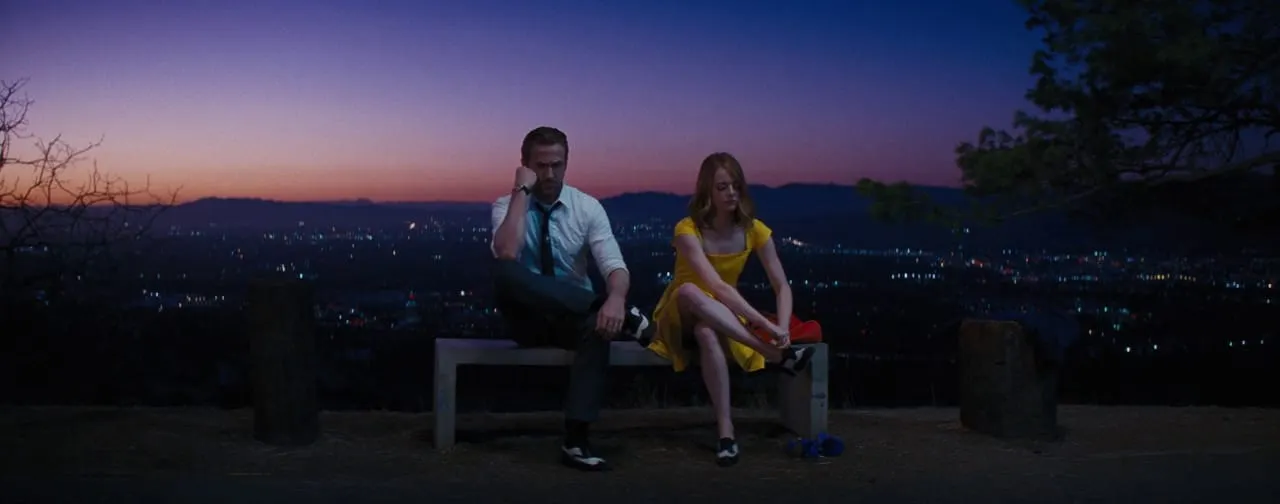
La La Land has been a multigenerational favorite for film and musical lovers alike since its release in 2016. Between the unforgettable soundtrack, stunning visuals, and even the iconic Best Picture mix-up at the Oscars, the film has cemented itself as a modern classic over the past decade.
Embed from Getty ImagesIf you, like me, were barely in double digits when La La Land first came out, you likely did not have the chance to experience it on the big screen. Personally, I discovered the film at home a couple of years after the initial release, and it quickly became an all-time favorite that shaped my current love for film. So, when La La Land returned to theaters for its 10th anniversary this August, my friends and I were over the moon at the chance to finally experience it in a theater.
And we weren't alone. Looking around the theater, I saw that we were surrounded almost entirely by people around our own age, in their late teens or early twenties, many of whom were also moved to tears. This made the screening feel like much more than simply rewatching a movie we all love. For many of us, it was the first opportunity to experience La La Land the way it was meant to be seen.
Yet, the excitement surrounding La La Land's return to theaters represents much more than one film's loyal fanbase. As beloved movies increasingly return to the big screen, theatrical rereleases are giving younger audiences what they missed the first time around, while simultaneously giving longtime fans a reason to return. And the growing success of these rereleases raises a larger question: Could bringing back the movies that audiences already love help people fall in love with going to the movies again?
It is no secret that with the rise of streaming in recent years, the theater business has been struggling, resulting in films shortening their theatrical runs or often heading straight to streaming. Movies unsure of their success may not want to take the risk out of fear of losing money, failing to draw an audience, or not generating enough buzz to make a theatrical release worthwhile.
However, rereleases are entirely different. When distributors already have an established fanbase and a film has already "succeeded" the first time around, returning it to theaters years later offers the opportunity to generate new revenue and publicity from a movie audiences already know and love. Additionally, these rereleases can provide much-needed revenue for theaters as the industry continues to shift and more theaters struggle to stay open.
One of the most relevant recent examples of this was the 2024 rerelease of Christopher Nolan's Interstellar. For its tenth anniversary, the film returned to theaters in December and proved that audiences were more than willing to pay to see a movie that had already been available at home for years. According to a piece in AP News, the rerelease made about $4.5 million from only 166 North American screens during its opening weekend, with its limited 70mm IMAX screenings selling out so quickly that additional showtimes had to be added.
Embed from Getty ImagesWhat makes the success of Interstellar even more pertinent is that it was not just original fans of the film returning to see it again. Nolan himself described how many of those who requested and showed enthusiasm for the rerelease were younger fans who had discovered the film at home and never had the chance to see it in theaters. This is exactly the audience that current rereleases such as La La Land are now reaching as well.
And this trend is only continuing, with Cars having returned to theaters on September 4 in celebration of its 20th anniversary, and more rereleases to come in the near future.
Aside from individually successful films like these, even more theater revenue and power is held in successful franchises like The Hunger Games, Harry Potter, and Star Wars. All five Hunger Games films returned to theaters this Labor Day weekend, from September 3rd through September 7th.
Embed from Getty ImagesThe Hunger Games has built an incredible fanbase across generations, and rereleasing the entire series will allow newer fans to experience the older films on the big screen, while reminding die-hard fans of their love for the franchise before The Hunger Games: Sunrise on the Reaping is released this November. This series of rereleases could not only generate additional theater revenue, but also build excitement and help drive audiences to theaters for the new movie.
Ultimately, the success and growing popularity of theatrical rereleases demonstrate that audiences have not lost their love of going to the movies. They just need a motivating reason to go. Streaming has made watching almost any film from the comfort of home easier than ever, but it cannot recreate the magic of seeing a movie you love on the big screen, especially surrounded by others who love it just as much. Whether it is finally seeing a favorite film in theaters for the first time or returning to a franchise before its next chapter, rereleases are turning movies audiences already know and love into theatrical events all over again.
I encourage anyone who has the opportunity to see a film they love in theaters, to take it. There is something truly special about experiencing a movie in a theater, and if bringing back long-loved films such as La La Land, Interstellar and The Hunger Games can remind people of this, perhaps looking to the past can play a part in the future of moviegoing.


