Table of Contents
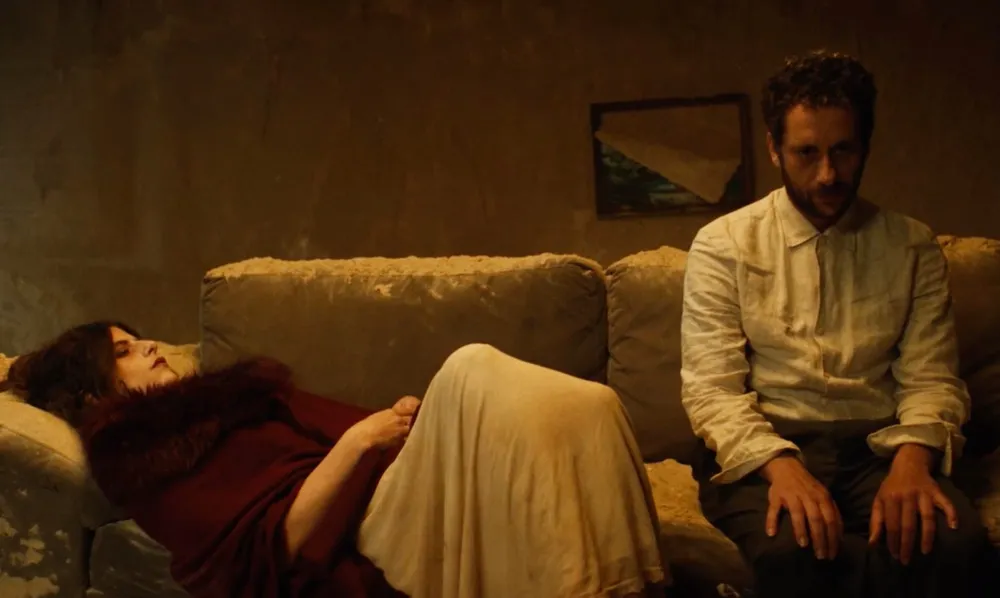
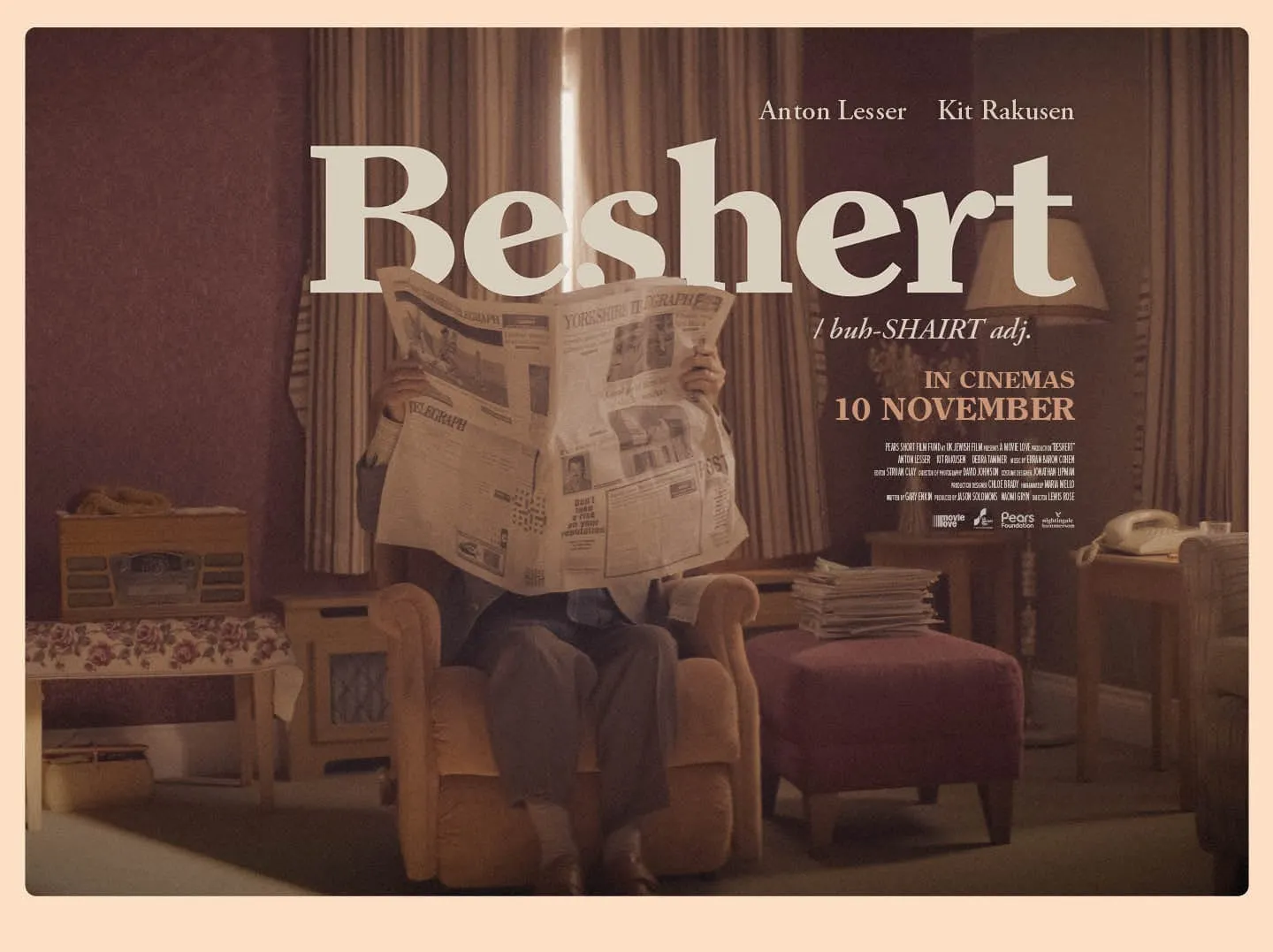
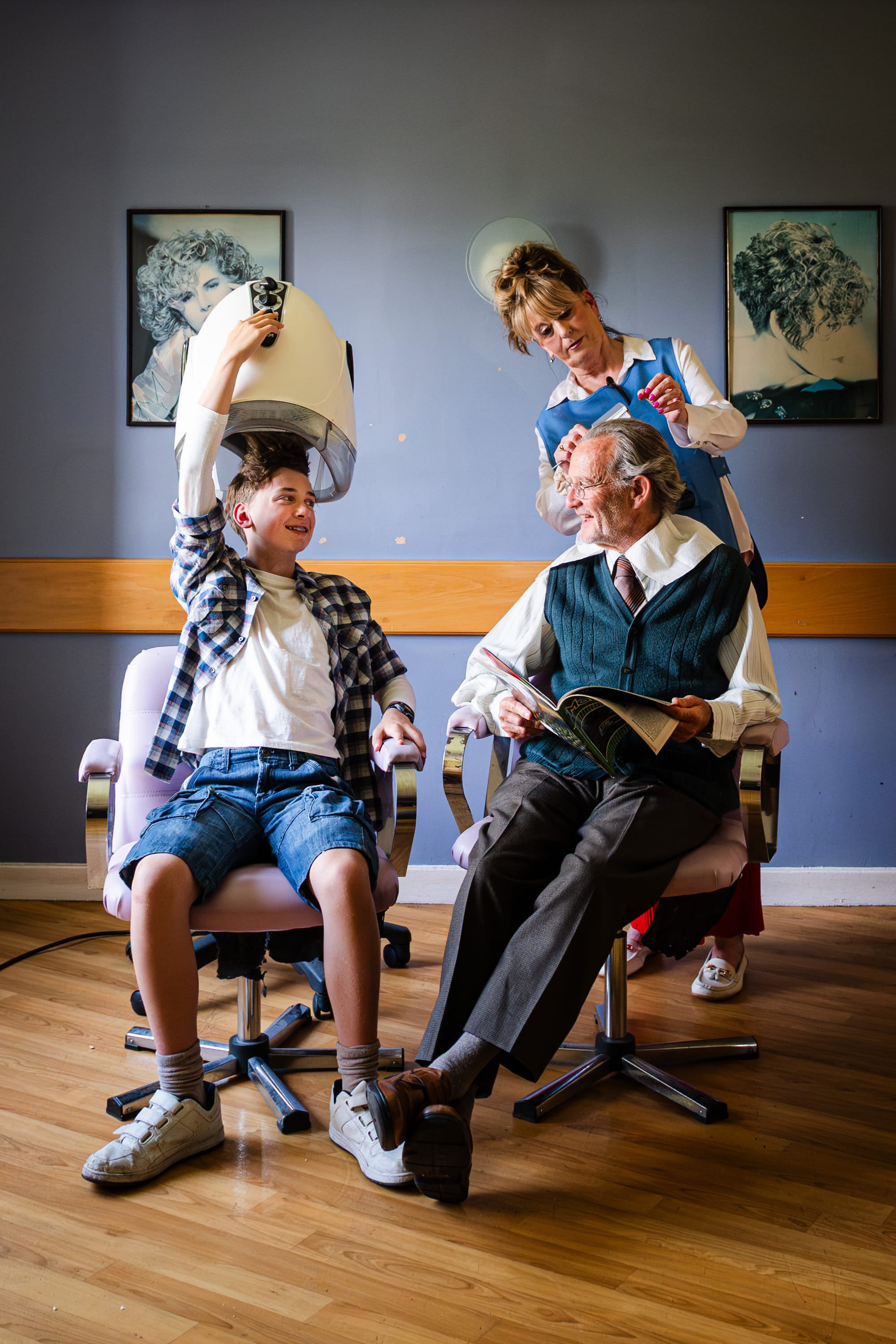
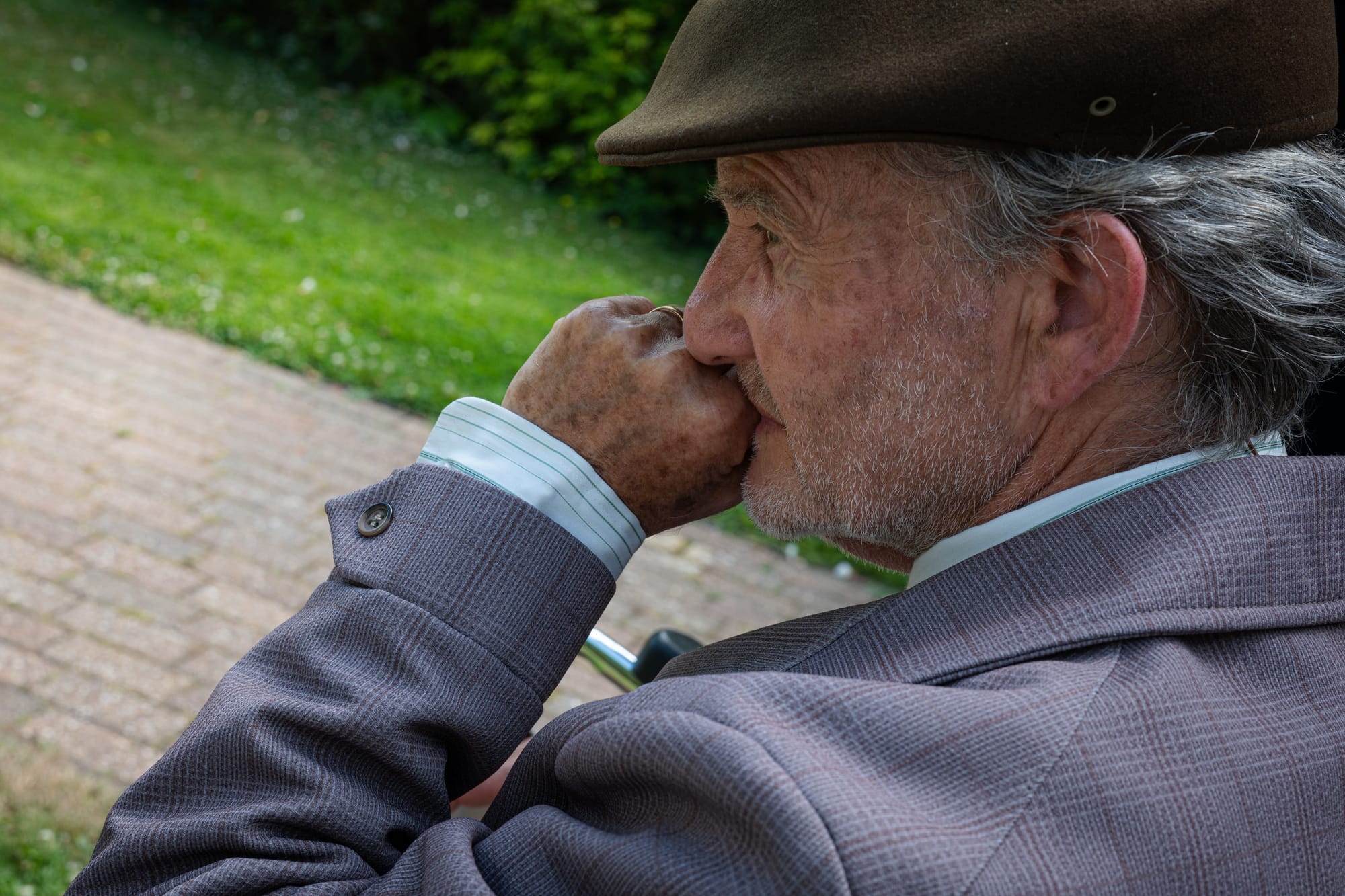
Beshert is a Yiddish word for something that is meant to be — and for producer Jason Solomons, the film itself seems to have earned the title. Sent an orphan script by first-time writer Gary Enkin through the UK Jewish Film Festival, Solomons — a longtime critic and broadcaster newly pivoted to producing — felt the pull immediately. Featuring veteran actor Anton Lesser and rising star Kit Rakusen, the film is a funny, heartbreaking drama exploring identity, fate, tradition and faith through a tender, inter-generational Jewish lens.
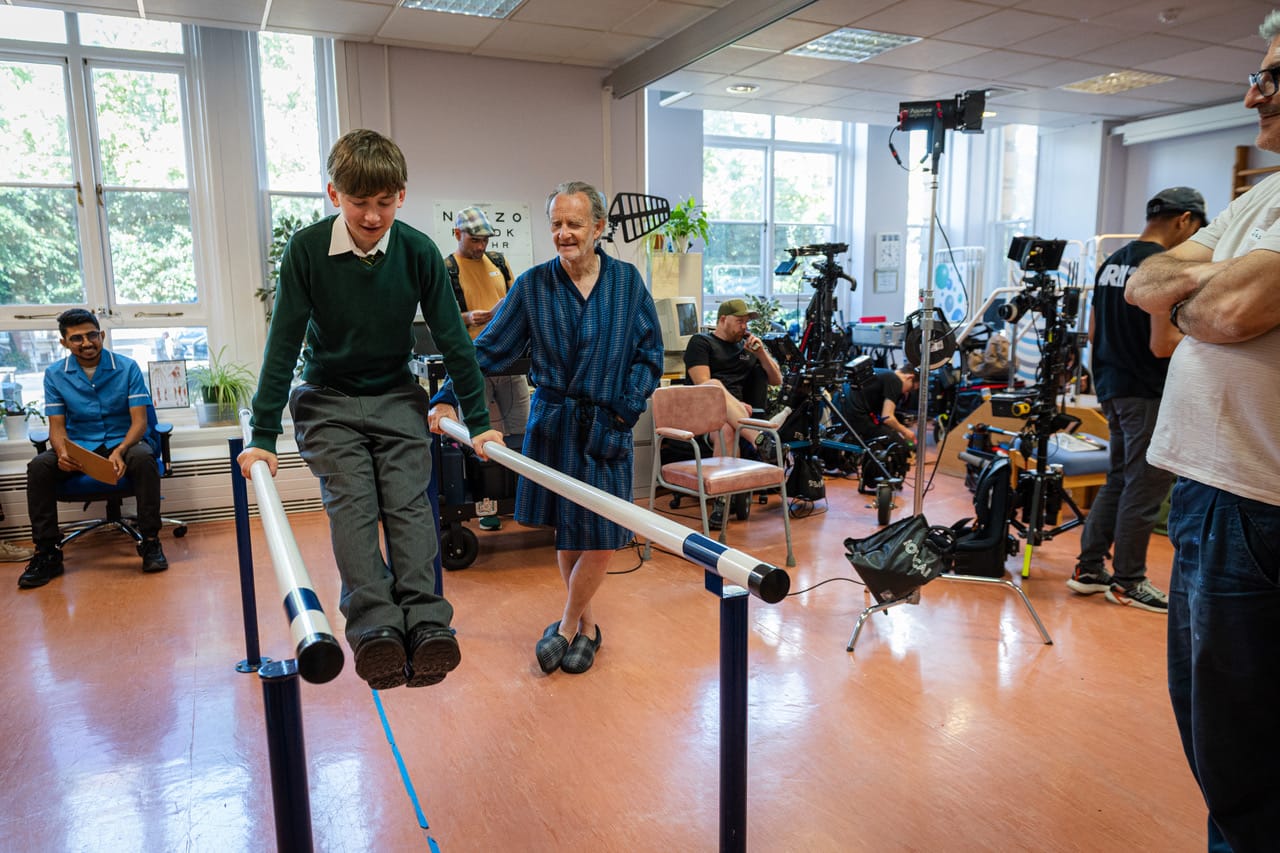
Shot at Nightingale House, a Jewish care home in south London — where, in a twist of fate worthy of the title, Solomons discovered a lounge named after his own grandfather — Beshert arrives at HollyShorts after winning audiences across the UK and Europe, and now qualifies for BAFTA consideration.
Key Takeaways
- A message of peace, understanding and empathy rooted in Anglo-Jewish life that, through its very specificity, reaches something universal — non-Jewish crew members applauded the film's central scene after "cut.
- Location as character: Nightingale House rescheduled its refurbishment to give the production an entire wing, deepening the film's authenticity.
- Independent filmmaking runs on love, not money — and Solomons argues that love must be nurtured, never exploited (good catering helps).
- Solomons spoke about inheriting a script that felt meant to be, an agonizing last-minute recast, and why making HollyShorts laugh and cry would be truly beshert.
Interview
What drew you to make this film, and why this story, why now?
The UK Jewish Film Festival commissions two short films every year, supported by the Pears Short Film Fund, and over 20 years has amassed an impressive archive of stories depicting the ways and rhythms of Anglo-Jewish life.
Through my former role as a critic and popular broadcaster, I was involved on the festival board, and when I recently pivoted to a career as a film producer, the festival organisers had the generosity to send me an orphan script that had been submitted, by a first-time writer, with no film team attached. Did I want to produce this script, for a film called Beshert?
I loved the title, a Yiddish word my grandparents often used, and as soon as I began reading writer Gary Enkin's warm, wise words, I felt this was meant to be... which is what Beshert means. Sort of.
The UK Jewish Film Festival accords its winning short films a gala evening, an event I have hosted several times in the past, and I knew that this script, given the right treatment, would delight that audience — that it had the power to make them laugh and cry. Its message of peace, understanding and empathy felt like exactly the sort of Jewish film we need right now.
I'm also old enough to have relatives in care, and I'm young enough to have sons who've recently been through Bar Mitzvah classes and who are dealing with Jewish identity crises. I immediately saw how this material could capture the hearts of that audience, for whom representation — seeing their lives and culture reflected on the big screen — is a precious, cherished commodity of rare power.
It has been a great pleasure of my life to take this film around the UK and Europe, to watch audiences connect with the characters and the situation, to watch them laugh and cry and find such personal meaning in the movie.
What surprised you most about the filmmaking process, including any moment that changed how you saw the story?
Given the misunderstanding and perceived stigma around Jewish culture in a post-October 7 world, I was nervous of making a film with such Jewish roots, albeit entirely secular ones.
I tried to enrol as many Jewish talents as possible to make it, but there were of course many people on the crew who weren't Jewish. To watch them lean in to the scene, to listen to our wonderful actors explain the concept of "Beshert" in absolute silence, and to hear them clap that scene after 'cut' was so memorable — it made me realise that this film, this subject, could appeal much more widely. In the specificity of the script and production, we had arrived at something universal.
What moment in the film feels most like you, or like something only you could have made?
The film's location is a major character — we could not have made the film without the generosity and staff of Nightingale House, a Jewish care home in south London that was undergoing refurbishment and which re-scheduled works in order to accommodate us with an entire wing in which to shoot.
What's more beshert is that, in the 1970s until his death in the early 1990s, my grandfather was treasurer of Nightingale. I had visited a few times in the 1980s, very reluctantly, for a fundraiser and the opening of a library. But now, as I led the team in for our first recce, we were shown into a room to wait for the organisation's CEO to vet our credentials and intentions. I looked up to see that I was sitting beneath a plaque, dedicated to my grandfather, in the Mark Gordon lounge, no less. I had no idea he'd had a whole lounge named for him.
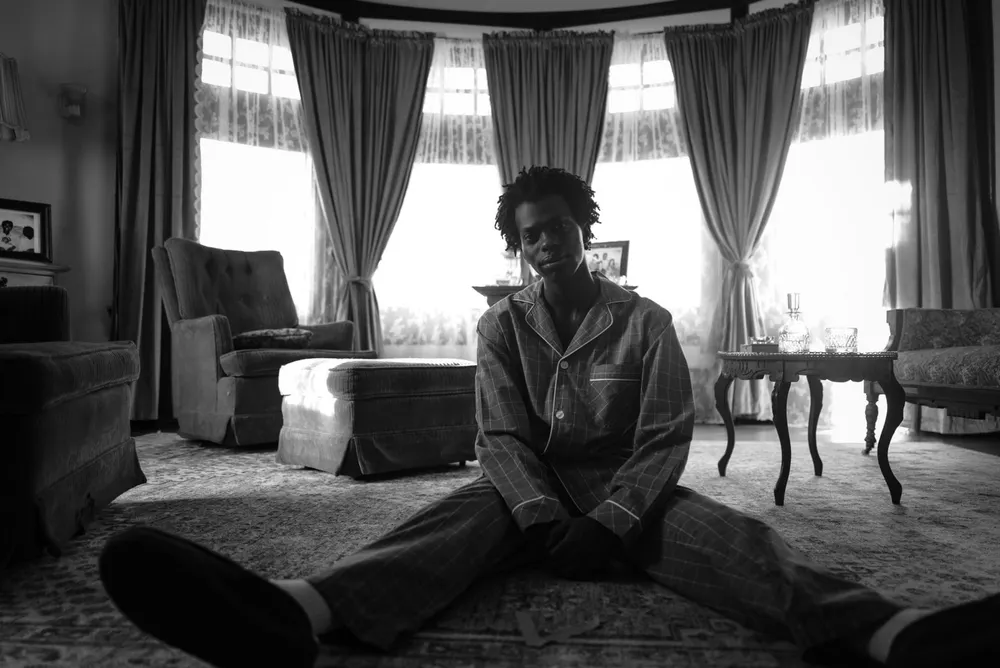
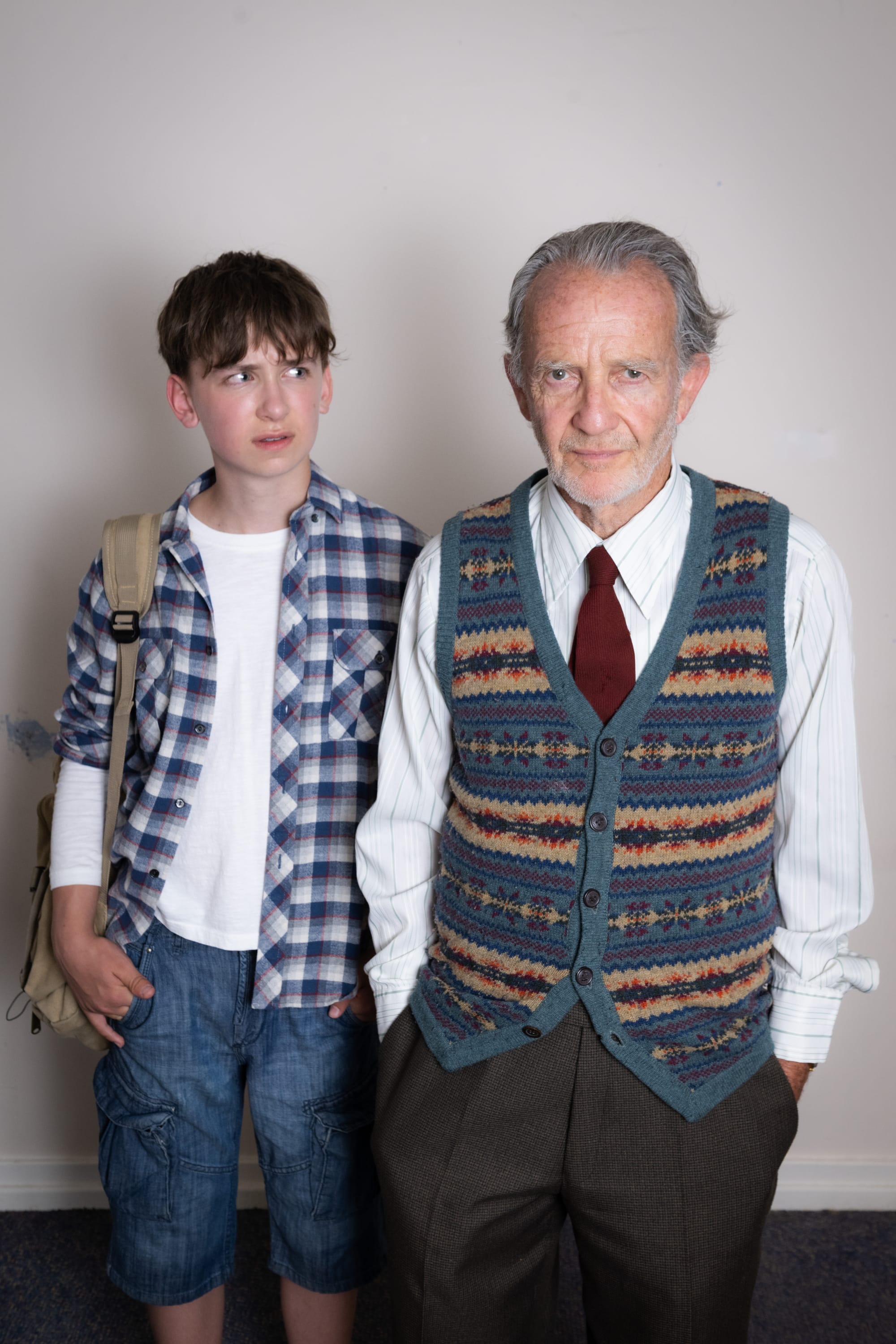
As the refurbishments spread around the home during our period of filming and prepping, that lounge was designated for a refit. But they saved Grandpa's plaque, and I now have it, next to me as I write this, next to our poster image for Beshert — shot in that very lounge.
What was the hardest creative decision you made while making the film?
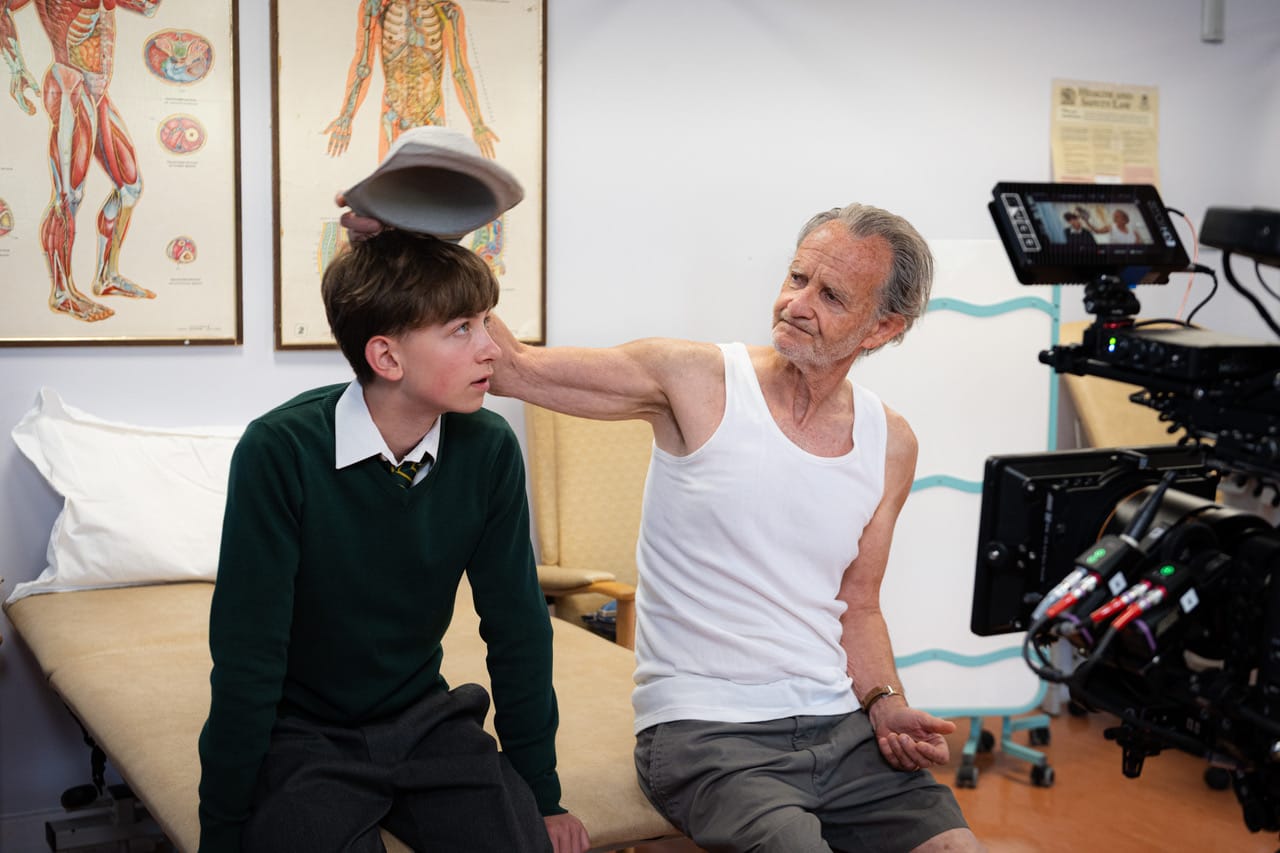
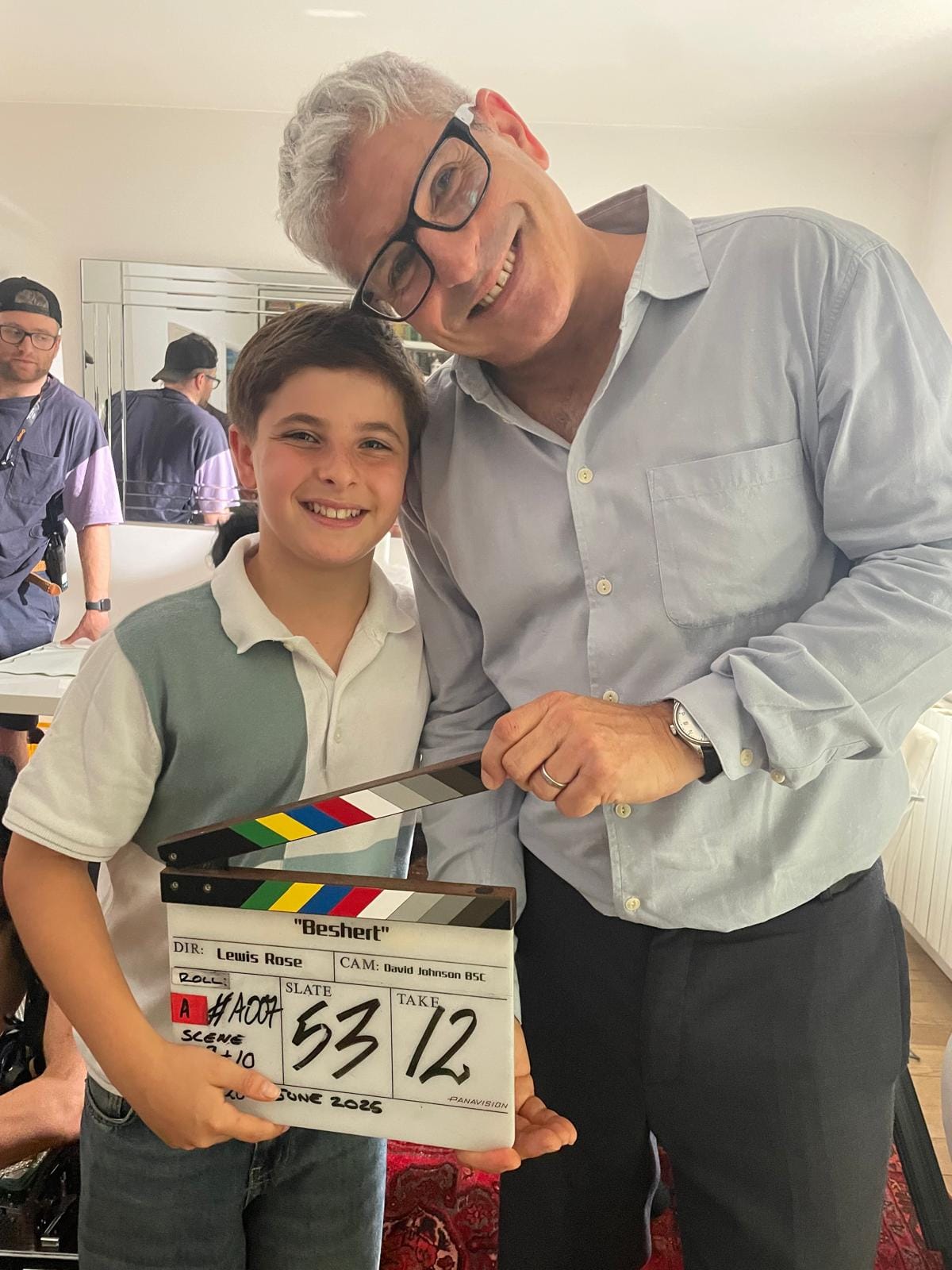
We auditioned several kids from Leeds to play our Bar Mitzvah boy, Oliver. We loved one, David — his energy and his voice and his accent and his hair. He was learning for his Bar Mitzvah, too. And he'd have been great — but he'd never acted before and we just didn't have the time to workshop with him. It was becoming clear that he wouldn't be able to take the pressure of three intense days' shooting. So just days before the shoot, we had to recast, which was a swift and decisive moment that nevertheless felt agonising. We replaced him with Kit Rakusen, who is wonderful, sublimely professional and a rising star — with a connection to one of Leeds' most famous Jewish products, Rakusen matzos.
The other decision was to add a level to the script in which we examine the nature of Beshert. For our writer, Gary Enkin, it's always been a blessing, a force for the good, a fate that turns out well — but our director Lewis Rose and I wanted to deepen it, to see if it could be questioned, interrogated. It was a philosophical argument amongst us that resulted in a summit meeting in a London pub, one I'd chosen that was just opposite the famous Phoenix cinema where the film was slated to premiere. It helped focus our energies, to get this sticking point unstuck. Just a few months later, the film's post-premiere reception was back in that very same pub.
What do you hope audiences take away from this film?
I know they laugh and cry and feel, in under 20 minutes, like they have been through the emotions and thoughts of an entire feature film.
I hope young people of all faiths and none recognise themselves in Oliver and see how a mentor figure can influence and impact. And I hope the older generation feel their wisdom and love is never unappreciated, and that someone will always listen to their stories.
And I hope audiences recognise the deep dedication and attention of care workers, and how a community best functions through love and open minds.
How has this film shaped or shifted the kinds of stories you want to tell next?
Beshert is my first production, and the aspect I'm most proud of is how it has found its audience, with clarity and the ostensible simplicity of its narrative.
It has strengthened my long-held belief that movies need to know how to reach an exact audience through authenticity and specificity — but that only through this focus do they then reach the widest possible public and keep surprising you with every screening.
And it proves to me that nothing can beat the combination of laughter and tears — that, even in the darkest subjects, we must find the sparks of hope and humanity that always appeal to our deepest, buried emotions. That strong through-line of character and story will be key to all my future productions.
What tool, technique, resource, collaborator, or mindset shift helped most during production?
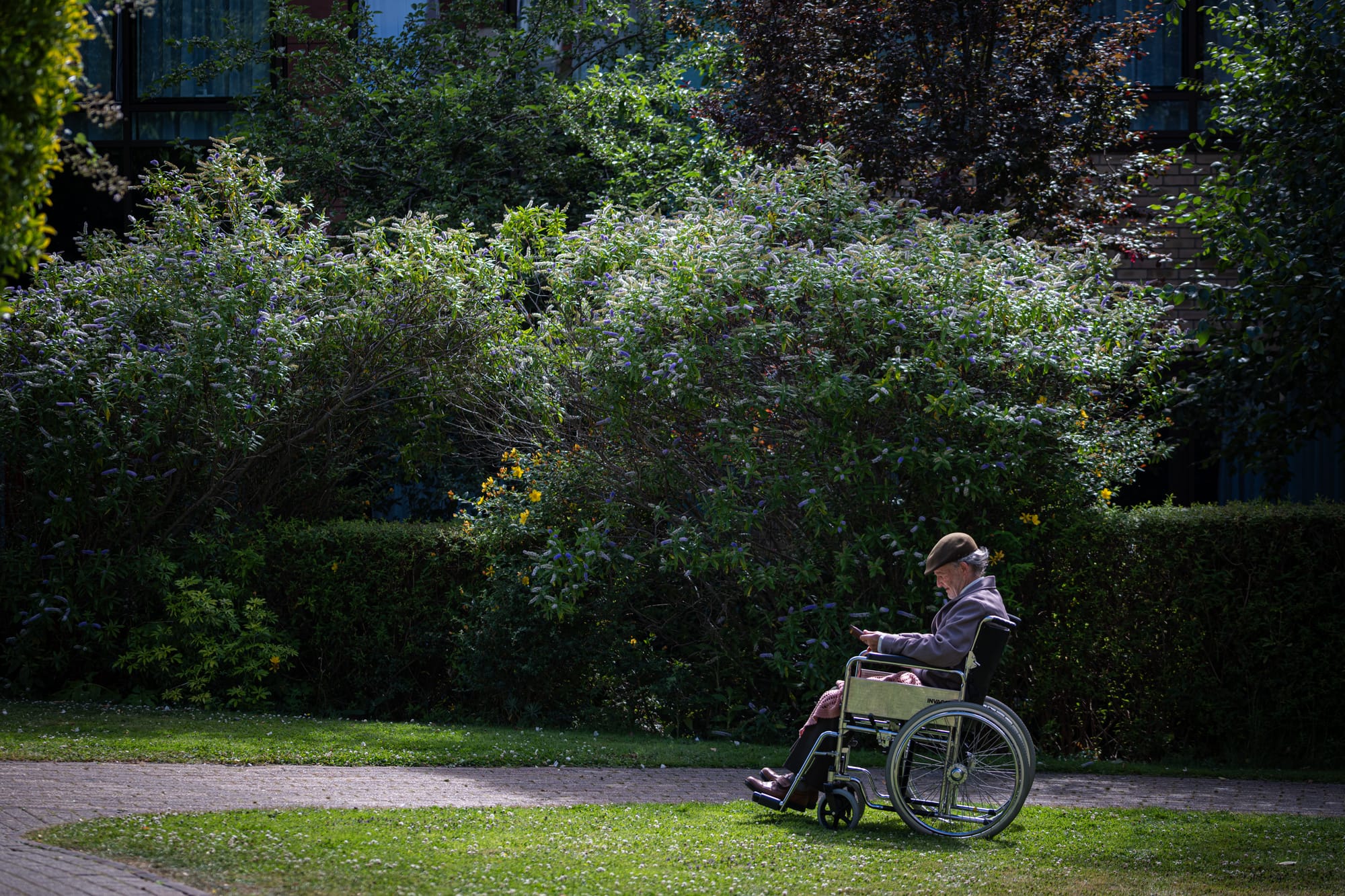
Location, location, location — we were blessed with all the corridors, rooms and decor we needed. To adapt and take advantage of it all was a key mindset in taking the script from page to screen, helping the movie widen and deepen.
What is the greatest strength of independent filmmaking, and what lesson would you share with others on this path?
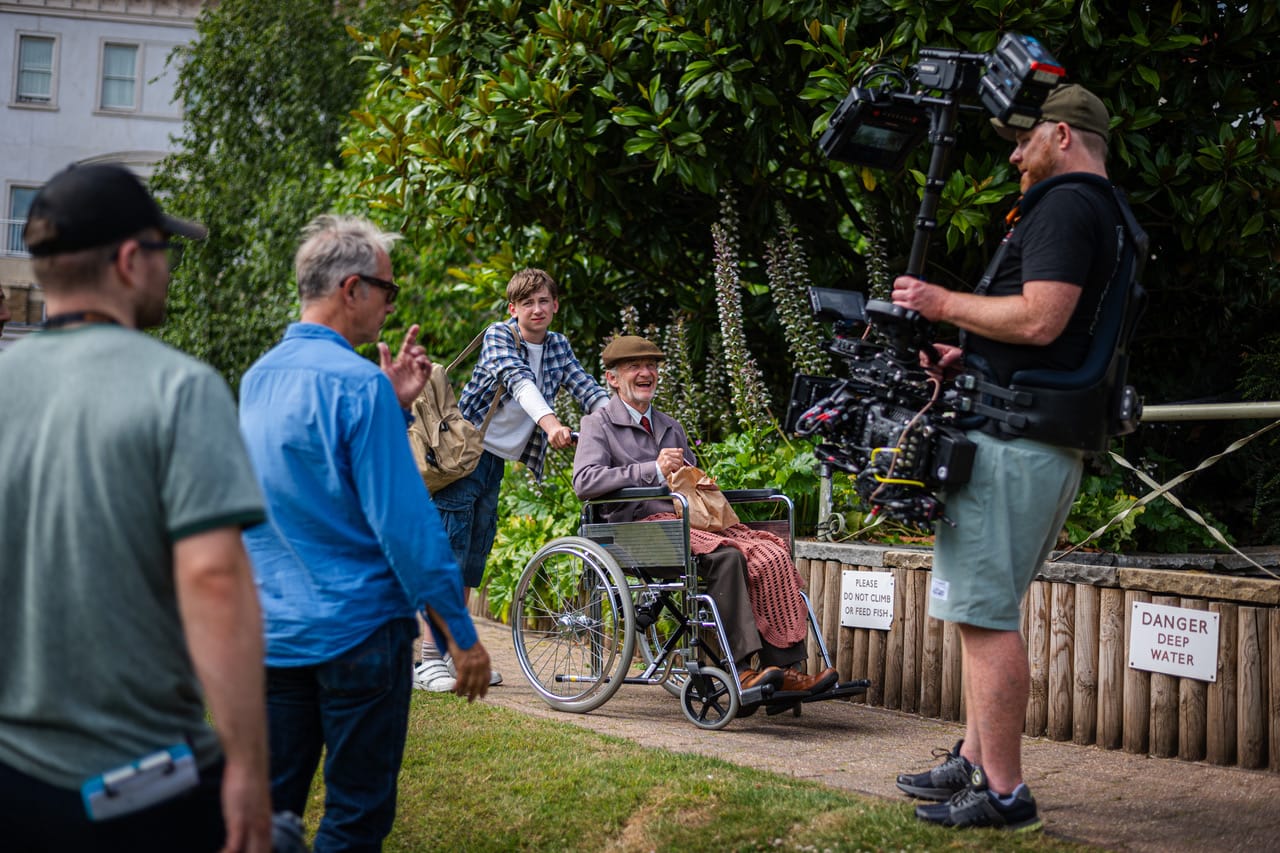
The greatest strength of indie filmmaking is to use the goodwill of the entire team who want to help get this story told. Filmmakers like to make films, and everyone involved on an independent short is a storyteller. I saw the power of a great script and the heartfelt love toward the characters and the message.
That helped me inspire and cajole and get the best work out of every member of crew and volunteer staff. If you're not doing it for money, you sure better be doing it for love — and that love must never be exploited or taken for granted. It must be fed (good catering helps) and it can be nurtured into something far more powerful than cash.
What does it mean to have your film selected for HollyShorts?
We are thrilled to be at HollyShorts. It means we qualify for consideration at the BAFTAs in the UK, and we get a screening at one of the most famous cinemas in the world — a screen which I'm confident our film will grace proudly.
You have a secret feeling that your film is special — I'm sure all filmmakers do — but I've taken Beshert around many screenings and little festivals, to audiences big and small, and I've had the growing feeling that it really is a special piece, that makes its audiences feel seen and special themselves. I feel HollyShorts is a grand occasion and a wide, diverse audience with whom to put that to the ultimate test — if we can make HollyShorts laugh and cry, that would be truly Beshert.
How does your film fit within, or push the boundaries of, its genre or form?
Beshert isn't wildly experimental in form, at least not visually speaking. But it has huge ambition, emotionally and philosophically. I wanted audiences to feel they'd been on a night out, that it was worth going to the big screen for it, that they would be thoroughly transported and entertained in the tradition of the biggest and best cinema.
At the core of all my work is a desire to entertain by creating a world and then immersing the viewer in a story there, so that they feel, at the end, like they've been on a holiday, or a voyage — taken a journey that has left them refreshed, altered their mood, changed their outlook, taught them something new: a new word, a new emotion, a new culture, a new song, a new sentiment..."
Where do you see this film going next?
All the way. It's such a pleasure to watch this film with audiences, to hear them laugh at different jokes to the ones the night before, to know, intuitively, that they're crying. I want as many people to see it as possible, so I hope it can continue to win love on the festival circuit and then find a home on a platform. It has already been used in education and outreach programmes, of which I'm immensely proud, and it is a joy to know that, after a few years, it will be available on the UK Jewish Film website — taking its place among that trove of Anglo-Jewish stories that will continue to mean so much, to explain so much, and to illustrate culture and meaning to a generation of new viewers.
Main Cast & Crew
- Director: Lewis Rose | Instagram: @pickledlewis
- Producer: Jason Solomons | Instagram: @mrjasonsolomons
- Producer: Naomi Gryn | Instagram: @naomigryn
- Writer: Gary Enkin
- DoP: David Johnson
- Production Design: Chloe Brady @chloenbrady
- Costume Design: Jonathan Lipman
- Music: Erran Baron Cohen @erranbc
- Mr Pinsky - Anton Lesser
- Oliver Simons - Kit Rakusen @krakusen
- Mrs Simons - Debra Tammer @debratammer
Filmmaker Opportunities
💛 Fund your next project with fiscal sponsorship
Have a project in the works? As a 501(c)(3) nonprofit, the Cinematography for Actors Institute can accept tax-deductible donations on your film's behalf — a door-opener for grants, foundations, and supporters who want to back your work. We've serviced over 100 projects to date and helped route over $800,000 in funding to filmmakers. Explore fiscal sponsorship →
📬 Grant deadlines and festival opportunities, straight to your inbox
The CFA newsletter rounds up grants, festival calls, and community news for independent filmmakers — the kind of opportunities that are easy to miss and painful to miss. Join the newsletter →
🎬 Focus on the creative — we'll help with the logistics
Production Management, CFA's newest member program, launches this November: production insurance and workers' comp, payroll, film permits, gear rental coordination, SAG-AFTRA compliance, contract drafting, production consulting, and crew recommendations — handled by a team of working filmmakers, à la carte or all in, in partnership with Creative Access Group. It's waitlist-only until launch. Join the waitlist →
League of Filmmakers is published by our parent organization, the Cinematography for Actors Institute — a 501(c)(3) dedicated to education, community, and capital for underrepresented filmmakers and actors. Learn more about CFA →