Table of Contents
Lanya Nooralddin's professional directorial debut begins with a simple, devastating premise: a donkey named Mekhak, believed to be no longer useful, is abandoned on a distant mountain and braves danger to come home—only to face repeated rejection and a tragic fate born of his own sacrifice. But Beyond the Mind is never only about an animal. Rooted in Kurdish culture and language, it uses its silent companion as a mirror for how communities value the vulnerable while times are hard, then cast them aside once the need has passed.
A Kurdish filmmaker with dual degrees in Accounting and Filmmaking, Nooralddin has built the film into a remarkable festival run—a Duhok International Film Festival production grant and official competition slot, Red Sea International Film Festival, Clermont-Ferrand Short Film Market Picks, and an Asian Premiere at Short Shorts Film Festival & Asia—before arriving at the Oscar- and BAFTA-qualifying HollyShorts for its US Premiere.
Key Takeaways
- Beyond the Mind blends reality and fiction to tell the collective story of Kurdistan's donkeys—intelligent, loyal creatures too often dismissed as foolish and discarded once their work is done.
- Severe logistical limits, from missing night-lighting equipment to a mountain location recently cleared of landmines, forced Nooralddin to rebuild the film in the edit, leaning on silence and visual framing over dialogue and music.
- The donkey becomes an active emotional mirror for Kurdish history and for a landscape traumatized by war, carrying a quiet plea for empathy toward the voiceless.
What follows is a conversation with Nooralddin about the personal roots of the film, the compromises that reshaped it, and the voice she found along the way.
Interview
What drew you to make this film, and why this story, why now?
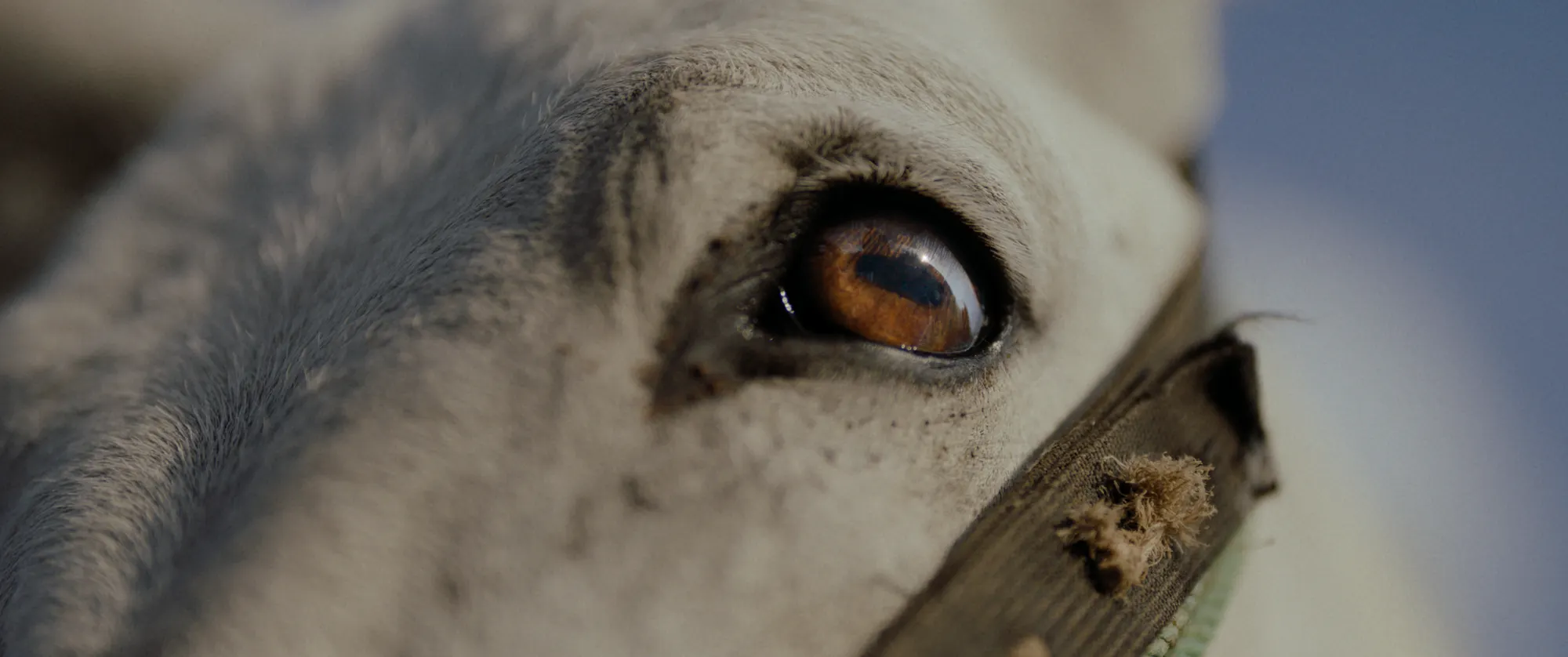
What drew me to this story is a subject deeply personal to me: our relationship with animals, specifically the donkey. In Kurdish history and culture, donkeys have always been our silent companions, helping us through our hardest times. Yet, ironically, society often uses their name as a synonym for foolishness. In reality, they are remarkably intelligent, emotional, and loyal creatures.
I wanted to tell this story through my own culture and language, especially since I felt local cinematic narratives often circle around the same repetitive themes. This film blends reality with fiction—it doesn't represent just one donkey, but the collective experience of many. Tragically, when people no longer need these animals, they simply abandon them; donkeys are often bought for a single season and cast away once the work is done. Zhale—the donkey featured in the final scene of the film—suffered this exact fate. After being rescued by a shelter and having her leg amputated, it was discovered that she was pregnant, and she later gave birth to a foal. Today, she lives safely at the shelter alongside other rescued donkeys, though sadly, cases like hers continue every day. Seeing her story first hand profoundly shifted my perspective during the making of this film.
Ultimately, this film isn't just about animals. It's a reflection of our culture and our land—a landscape deeply scarred by war and landmines. Through the lens of this silent companion, I wanted to show how both human and animal lives are traumatized by conflict, and how we struggle to survive in an unhealthy environment.
What surprised you most about the filmmaking process, creatively or logistically?
The entire process, right up to the screening, was a long journey filled with surprises. What surprised and challenged me most was how severe logistical limitations forced us to completely reshape our creative vision.
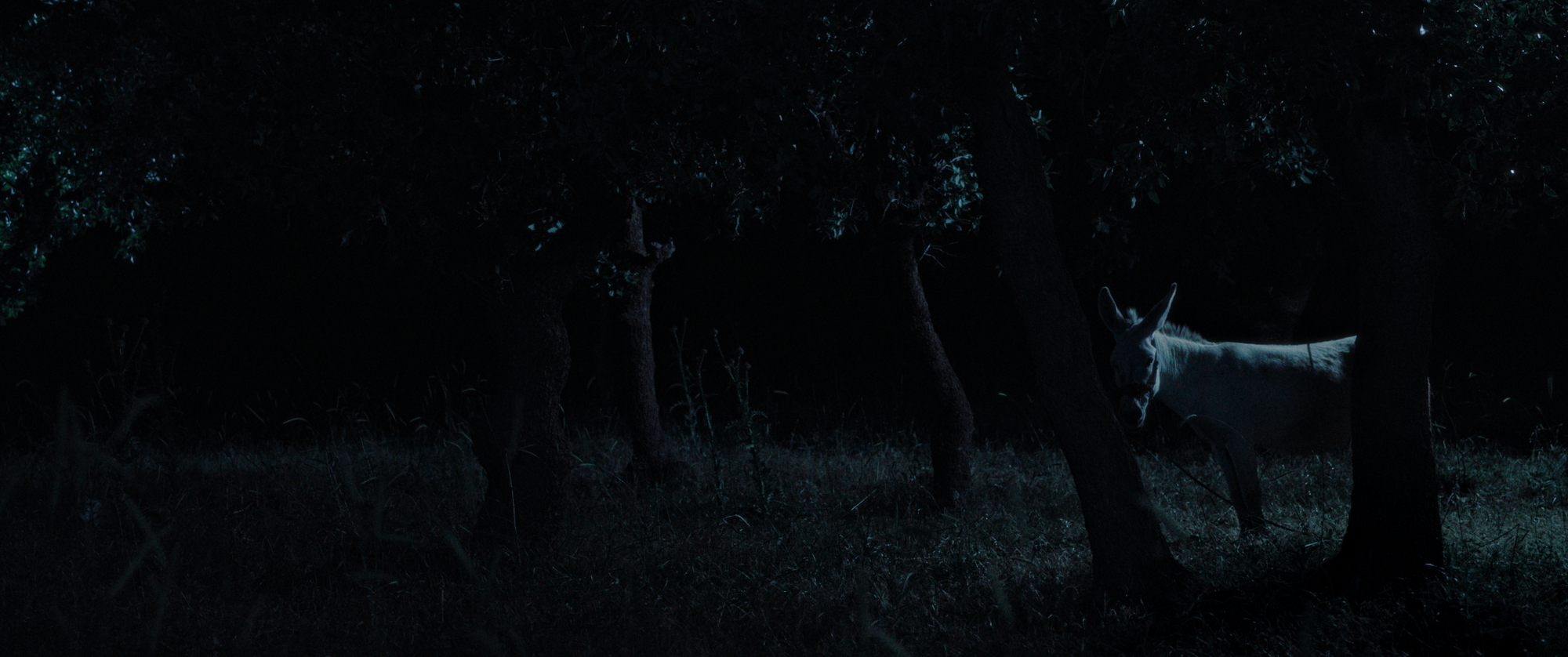
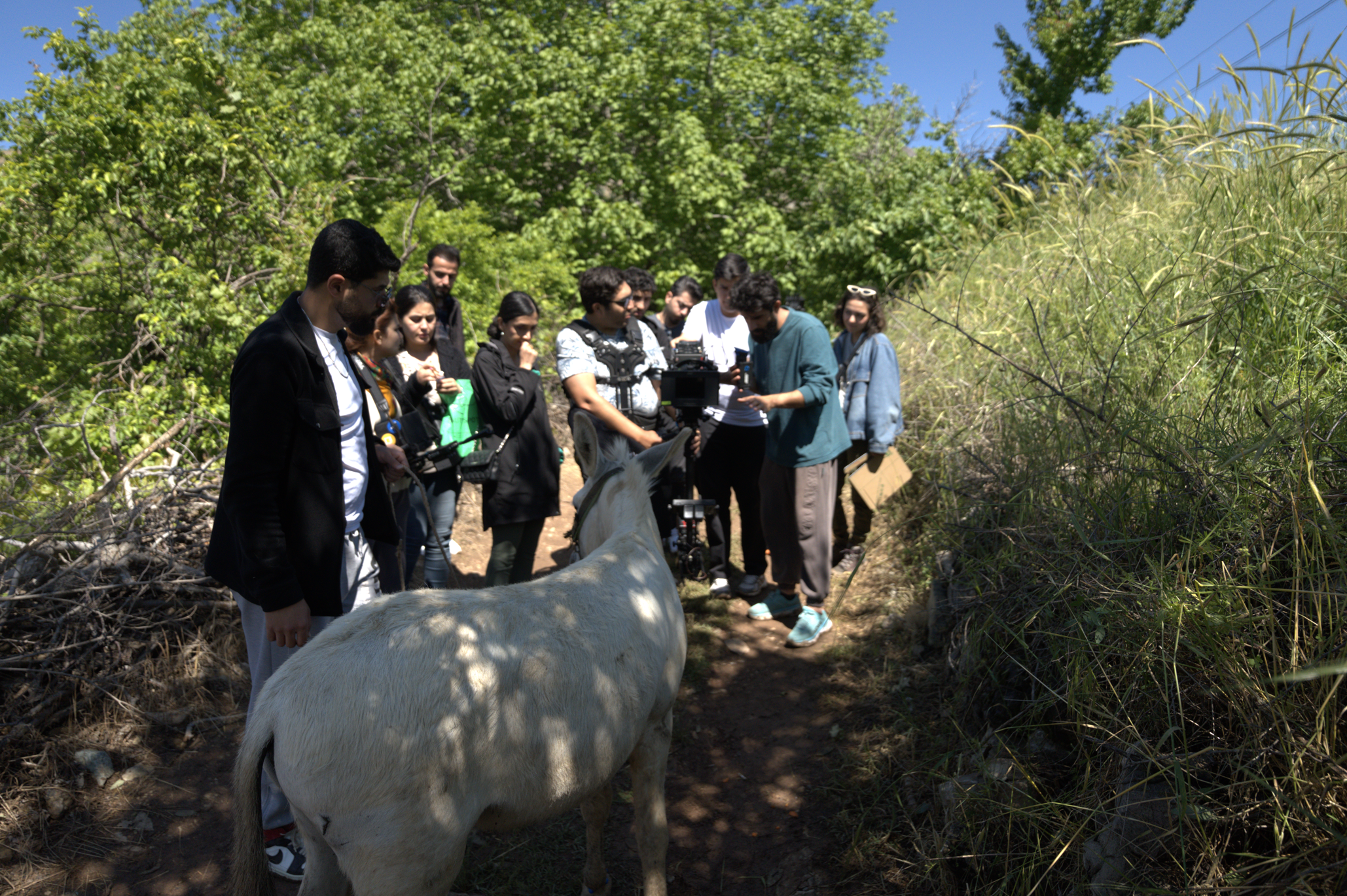
Due to budget constraints and a lack of proper lighting equipment for night shots, I had to give up several key scenes—including long night sequences showing the donkey's endless journey home, and a crucial scene where the donkey saves the family from a landmine. Working with untrained animals without handlers meant we had to train them ourselves, and there were several specific shots I had planned that proved impossible because of the donkey's unpredictable nature. That experience forced me to adapt quickly on set and rethink entire moments on the fly. Yet our main donkey actor, Mekhak, also surprised us with moments of pure magic that we never anticipated.
Losing those scenes meant the real creative breakthrough had to happen in the edit room. We spent nearly three months restructuring the film, focusing on how sequential shots could build meaning. Since I personally avoid heavy dialogue and music, the challenge was transferring raw emotion solely through visual framing—making a silent animal's presence speak volumes without a single word.
What moment in the film feels most like you, or like something only you could have made?
In many ways, this entire film represents my personal perspective, as I poured my own deep emotions and love for animals into it. But the moment that feels most uniquely mine is the tragic parallel between two quiet scenes.
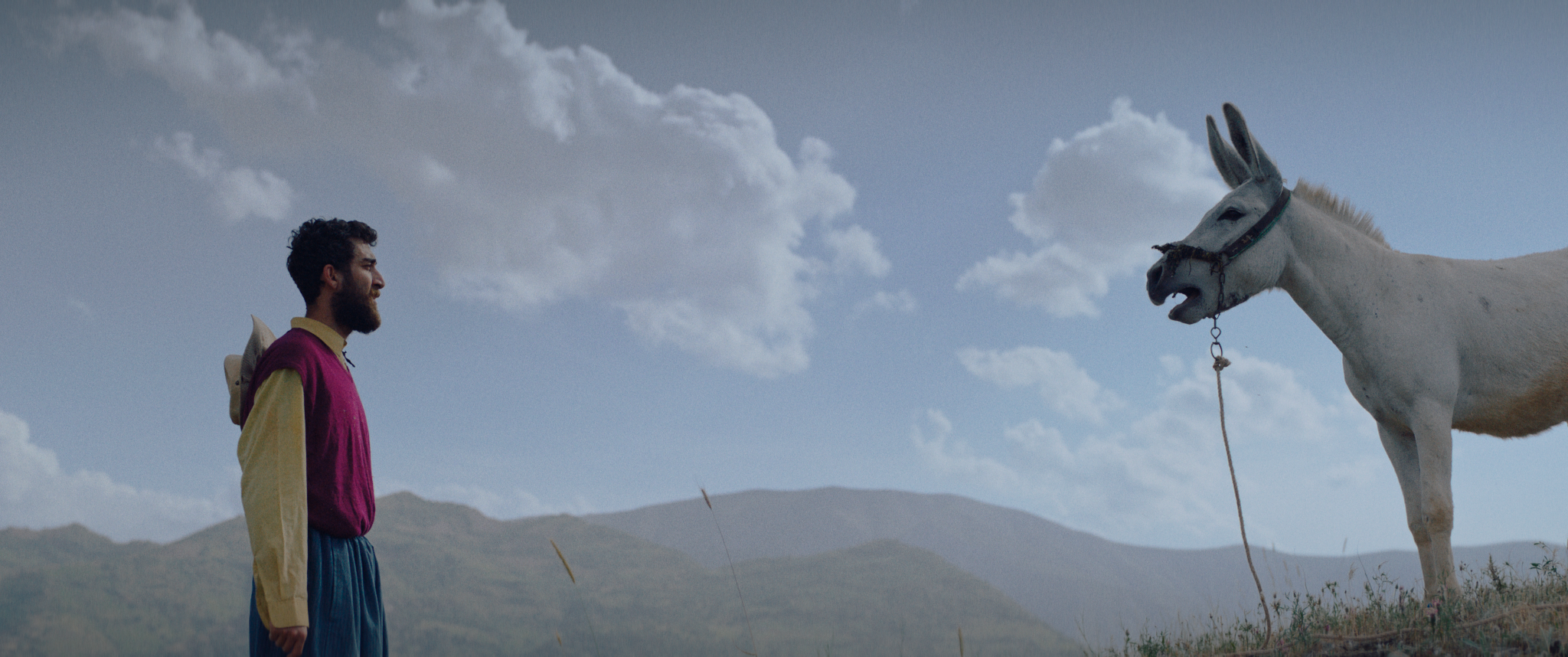
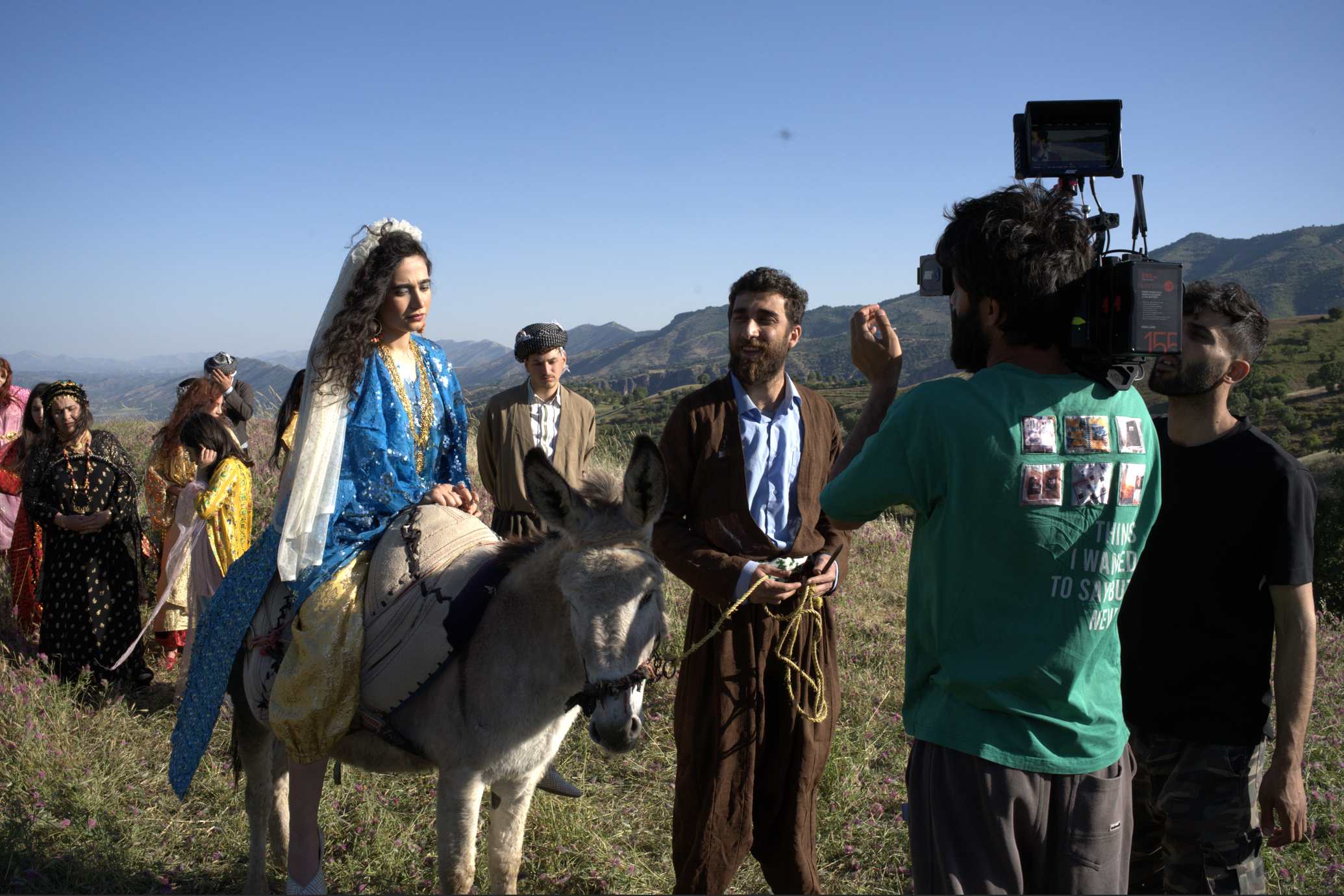
The first is when Dara abandons the donkey, and the donkey brays—a desperate cry that sounds like, "Please don't leave me here alone." Dara just watches him in silence. The second is near the end, when tragedy strikes Mekhak. Dara stands there again, watching in silence, but his face and emotional presence are completely transformed. That silence is heavy—it's filled with an unsaid dialogue and a profound realization.
For me, that moment encapsulates the core of the film: we must learn to be more responsible and empathetic. What society often dismisses as "foolish" or unfeeling is, in reality, far more intelligent, loyal, and deeply feeling than we are. Even when Mekhak stays completely still—sacrificing himself just to keep his owner safe—his only desire was always simply to belong and stay with them.
What was the hardest creative decision you made while making the film?
The hardest creative decisions came down to compromising my original visual vision for safety and practical constraints. First, I had to give up a key night sequence showing Mekhak's long journey home, exactly as I had envisioned it in my mind, due to budget limitations and a lack of proper lighting equipment.
But the most difficult choice was changing the location of the pre-climax scene. During location scouting, I found a breathtaking mountain that completely captured my vision for the film. However, when we returned, we discovered the site had only recently been cleared of landmines. It was my dream to shoot on that mountain, but for the safety of my cast and crew, I had to make the agonizing decision to walk away. Making these sacrifices forced me to adapt quickly. It made me strip away heavy dialogue and music, relying instead on silence, visual framing, and the quiet presence of our donkey to carry the emotional climax of the story.
What tool, technique, or mindset shift helped most during production?
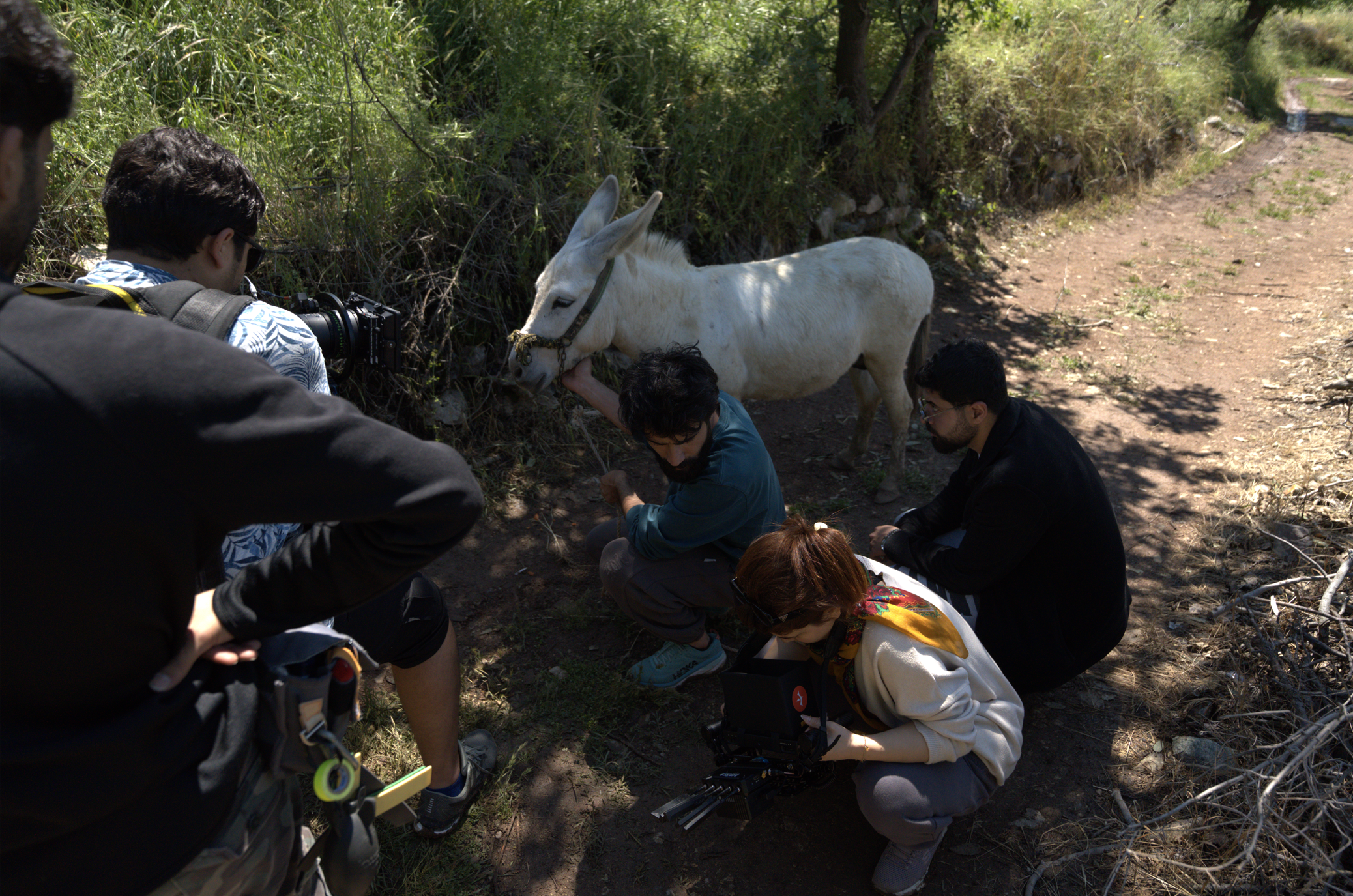
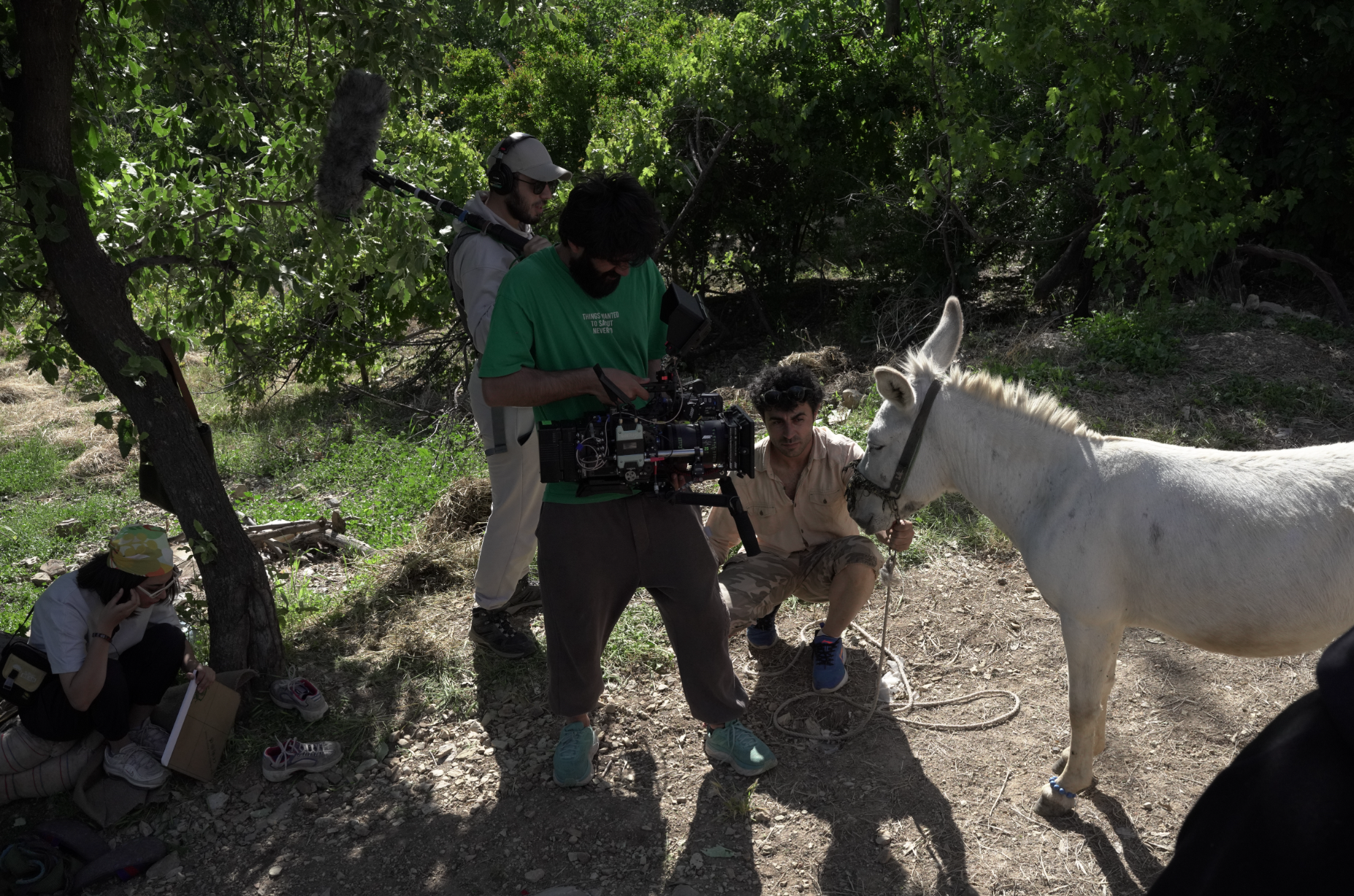
What helped me most was a fundamental shift in mindset, along with inventing practical techniques on the spot. Early on, I realized that when working with an untrained animal, you simply cannot execute every shot exactly as written in the script. I had to learn the art of letting go—being fully prepared to abandon a planned shot and quickly adapt with an alternative that still preserved the scene's intent. Donkeys might be among the most challenging animals to direct, but passion drives you to find creative solutions. For example, to guide Mekhak's attention and gaze, we played recordings of other donkey sounds on a phone just outside the frame. That trial-and-error process taught me how to capture unexpected, magic moments on set that you can never truly plan for.
When it came to shooting the donkey's Point of View, I couldn't capture it in the literal way I originally envisioned. But I reminded myself: we are not making a scientific documentary. Filmmaking is about creating an emotional truth and reflecting our own human perspective through the storytelling. Accepting that limitation allowed us to focus on the story's deeper meaning.
What does it mean to have your film selected for HollyShorts?
To be completely honest, HollyShorts was one of those dream festivals I was eagerly hoping to be a part of. Having Beyond the Mind selected here is an incredible honor and a deeply validating moment for me as an independent filmmaker. Knowing that our film is sharing space with some of the most extraordinary short films in the world is both humbling and empowering.
For me, this selection means that a very intimate, local story—rooted in our culture, our struggles, and the silent suffering of our land and animals—can resonate on a global stage. It proves that cinema transcends boundaries and language; that the silence and raw emotion we poured into this film can move an audience anywhere in the world. It gives me the confidence to keep trusting my own voice and to continue bringing hidden, deeply personal stories to light.
Where do you see this film going next?
First and foremost, I want Beyond the Mind to continue its international festival journey and connect with diverse audiences across different cultures. But my ultimate dream is for this to become the first Kurdish short film to be nominated for an Academy Award. Achieving that would mean the world to me. It would be a historic milestone, offering a global platform to represent our underrepresented Kurdish cinema and share the deeply human, unseen stories of our land with the world.
Beyond the screen, I envision the film serving as a meaningful advocacy tool—collaborating with animal welfare organizations and educational platforms to raise awareness about animal rights and the silent suffering of creatures like Zhale. Ultimately, I see this film as a stepping stone. Its impact directly fuels the vision for my next projects—my second short film and my debut feature—where I will continue to give voice to the voiceless. At the core of all my work is a desire to give voice to the silent.
Main Cast & Crew
- Written and Directed by: Lanya Nooralddin
- Producer: Hadeel Lawi
- Produced by: Lanya Nooralddin, Karzan Abdalla
- Executive Producer: Lanya Nooralddin
- Director of Photography: Karzan Abdalla
- Story by: Karzan Abdalla
- Music by / Sound Designed by: Ahmed Natiq
- Production Designer: Barham Taeb
- Edited and Colored by: Halgurd M. Tahir
- Costume Designer: Hawzhin Hatam
- Casting Director: Srush Sardar
- Sound Recordist: Karen Sherzad
- Production Manager: Choman Abdulrahman
- Animal Trainer: Muhammad Sleman
- Art Director: Rekar Barzan
- Steadicam Operator: Shahin Shirzadi
- Main Cast: Azhdar Sazgar (Dara), and the donkey Mekhak — with additional donkeys Shera and Zhala
Filmmaker Opportunities
💛 Fund your next project with fiscal sponsorship
Have a project in the works? As a 501(c)(3) nonprofit, the Cinematography for Actors Institute can accept tax-deductible donations on your film's behalf — a door-opener for grants, foundations, and supporters who want to back your work. We've serviced over 100 projects to date and helped route over $800,000 in funding to filmmakers. Explore fiscal sponsorship →
📬 Grant deadlines and festival opportunities, straight to your inbox
The CFA newsletter rounds up grants, festival calls, and community news for independent filmmakers — the kind of opportunities that are easy to miss and painful to miss. Join the newsletter →
🎬 Focus on the creative — we'll help with the logistics
Production Management, CFA's newest member program, launches this November: production insurance and workers' comp, payroll, film permits, gear rental coordination, SAG-AFTRA compliance, contract drafting, production consulting, and crew recommendations — handled by a team of working filmmakers, à la carte or all in, in partnership with Creative Access Group. It's waitlist-only until launch. Join the waitlist →
League of Filmmakers is published by our parent organization, the Cinematography for Actors Institute — a 501(c)(3) dedicated to education, community, and capital for underrepresented filmmakers and actors. Learn more about CFA →