Table of Contents
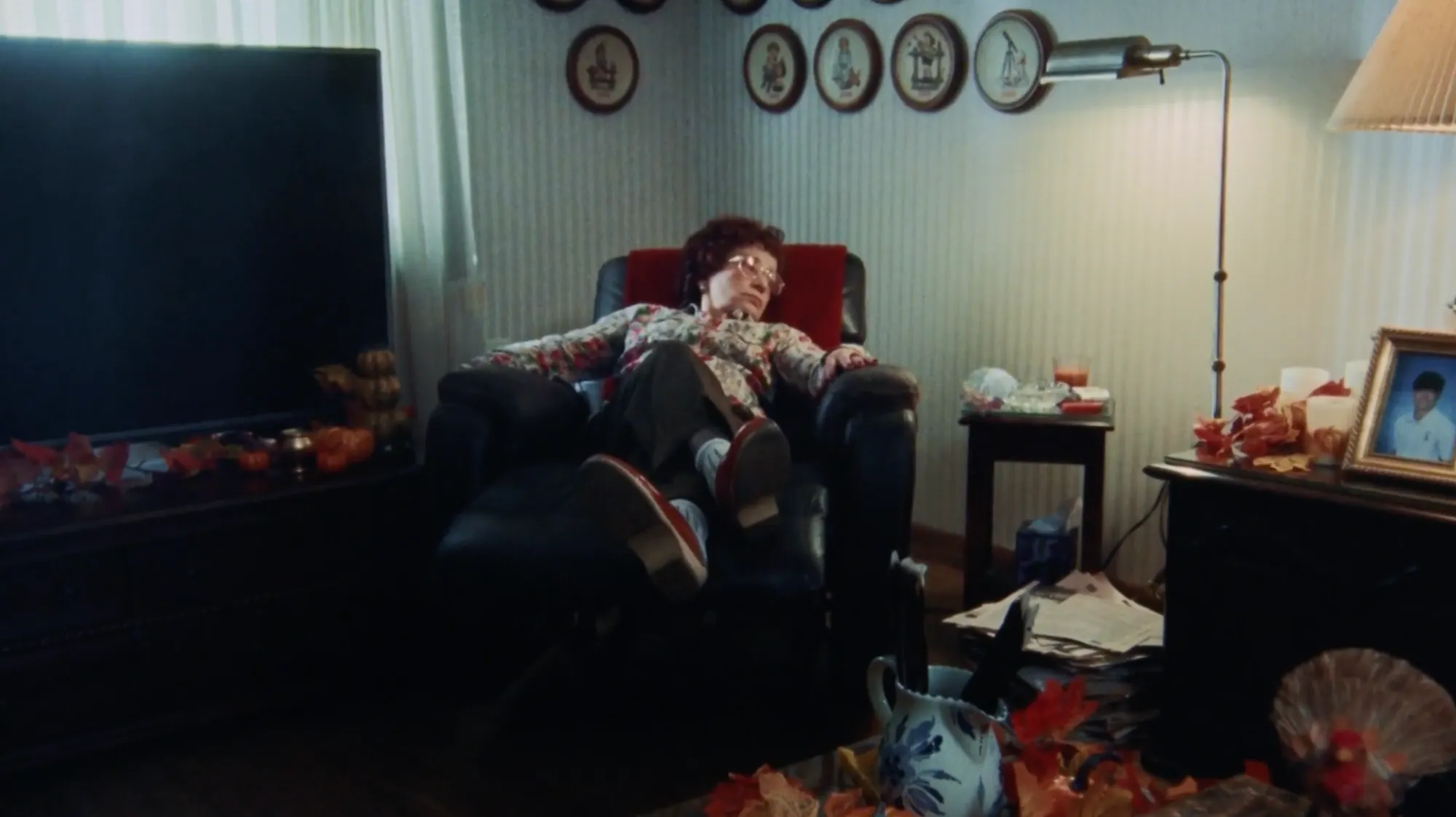
Carmella Cimmino has had enough. For thirty years she has battled the wild turkeys that have taken over her Staten Island neighborhood—and her front lawn. With a cigarette in one hand and her loyal pug Mr. Darcy by her side, she delivers a gloriously unfiltered account of local government failure, nepotism at the butcher shop, and yuppies taking selfies with the enemy. That's the surface of Marissa Velez's Birds of Paradise. Beneath it lives a quieter film about fear of change and the struggle over who gets to control the narrative.
Velez, a Brooklyn-based director born in Miami to Puerto Rican parents, is known for intimate, place-driven storytelling shot on film. Here she trains that sensibility on a hyperlocal absurdity and finds something recognizably human inside it, anchored by a performance from Janeane Garofalo that gives the comedy its heart.
Key Takeaways
- What began as a straightforward documentary about Staten Island's wild turkeys became a character study in the space between comedy and drama.
- Shot on 16mm with a small crew of filmmaker friends, the film was built to leave room for improvisation—and it paid off on the very first take.
- Velez made the short as a proof of concept for a feature; the next step is finishing the script and moving into production.
Velez spoke about the origins of the film, the moment that redefined it on set, and why trusting her instincts mattered most.
Interview
What drew you to make this film, and why this story, why now?
Birds of Paradise began with the true story of wild turkeys loose on Staten Island—something first pitched to me as a straightforward documentary. The deeper I looked, the stranger and more compelling it became: neighborhood feuds, conspiracy theories, local politics, and people desperate to feel heard. I made the short as a way into that world through Carmella, a woman whose battle with the turkeys is both completely absurd and deeply personal. Beneath the comedy, her story is about displacement, loneliness, and the fear of losing control as the world changes around you. At a moment when so many people feel ignored or powerless, Carmella's fight felt unexpectedly timely—and universally human.
What surprised you most about the filmmaking process, creatively or logistically?
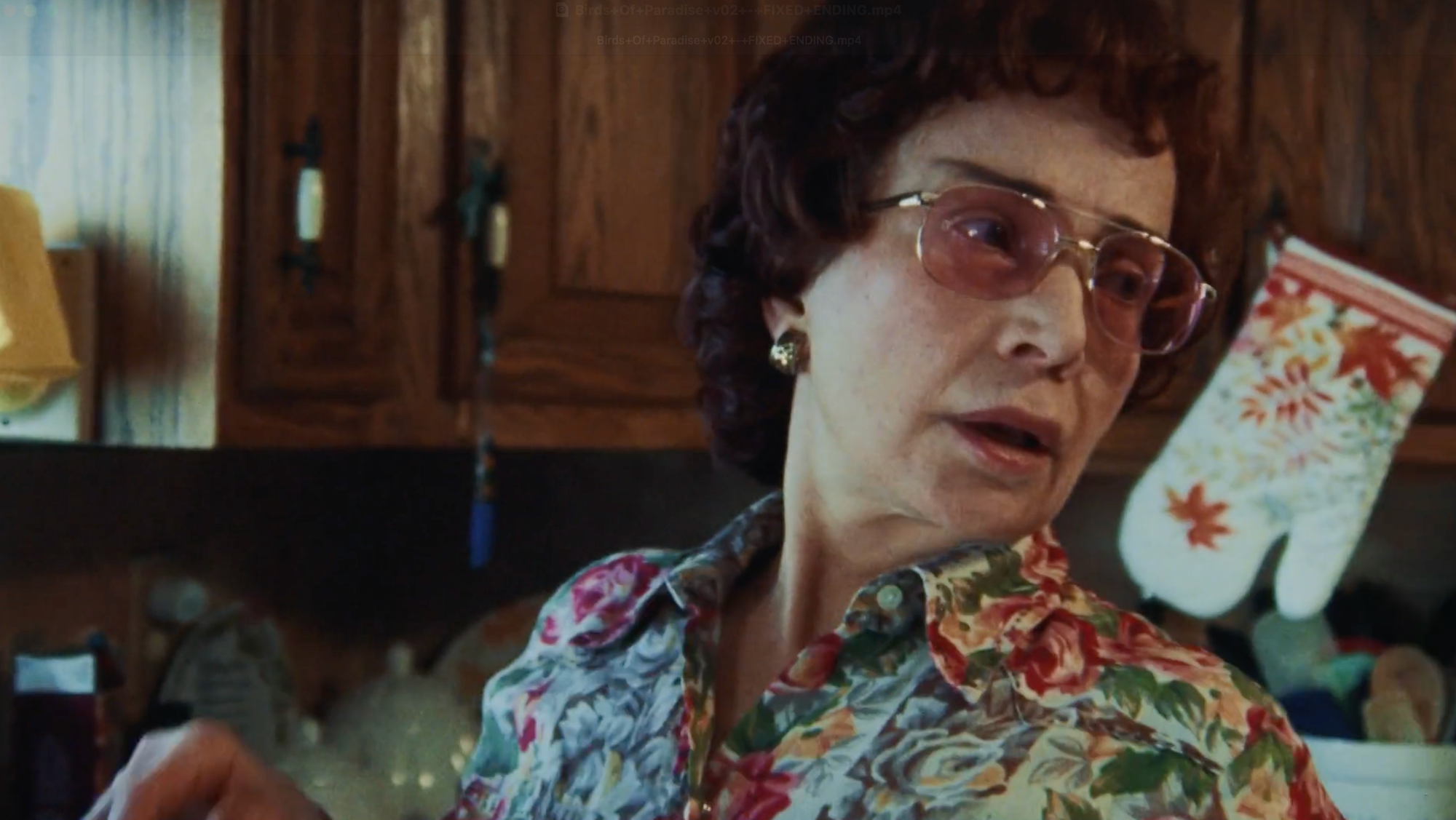
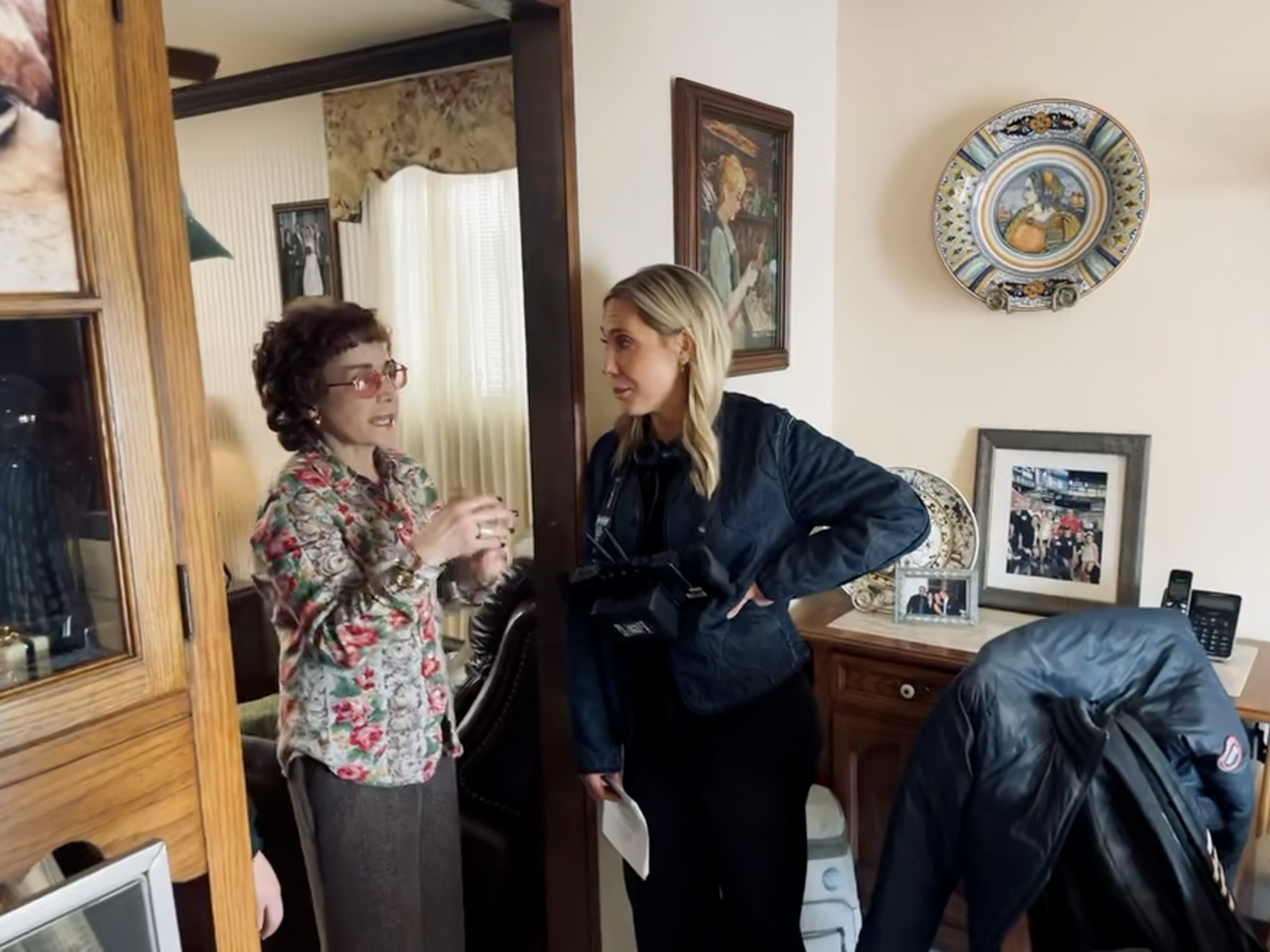
The biggest surprise was how quickly and deeply Janeane came to care about Carmella and her backstory. Through her performance, I began to see that beneath the mockumentary structure, this was really a human story with a great deal of heart. I had written the film to leave room for improvisation, and on the very first take, Janeane was so compelling that we rolled through an entire roll of 16mm because the DP and I couldn't bear to tell her to stop. That moment changed the way I understood both Carmella and the film.
What tool, technique, resource, collaborator, or mindset shift helped most during production?
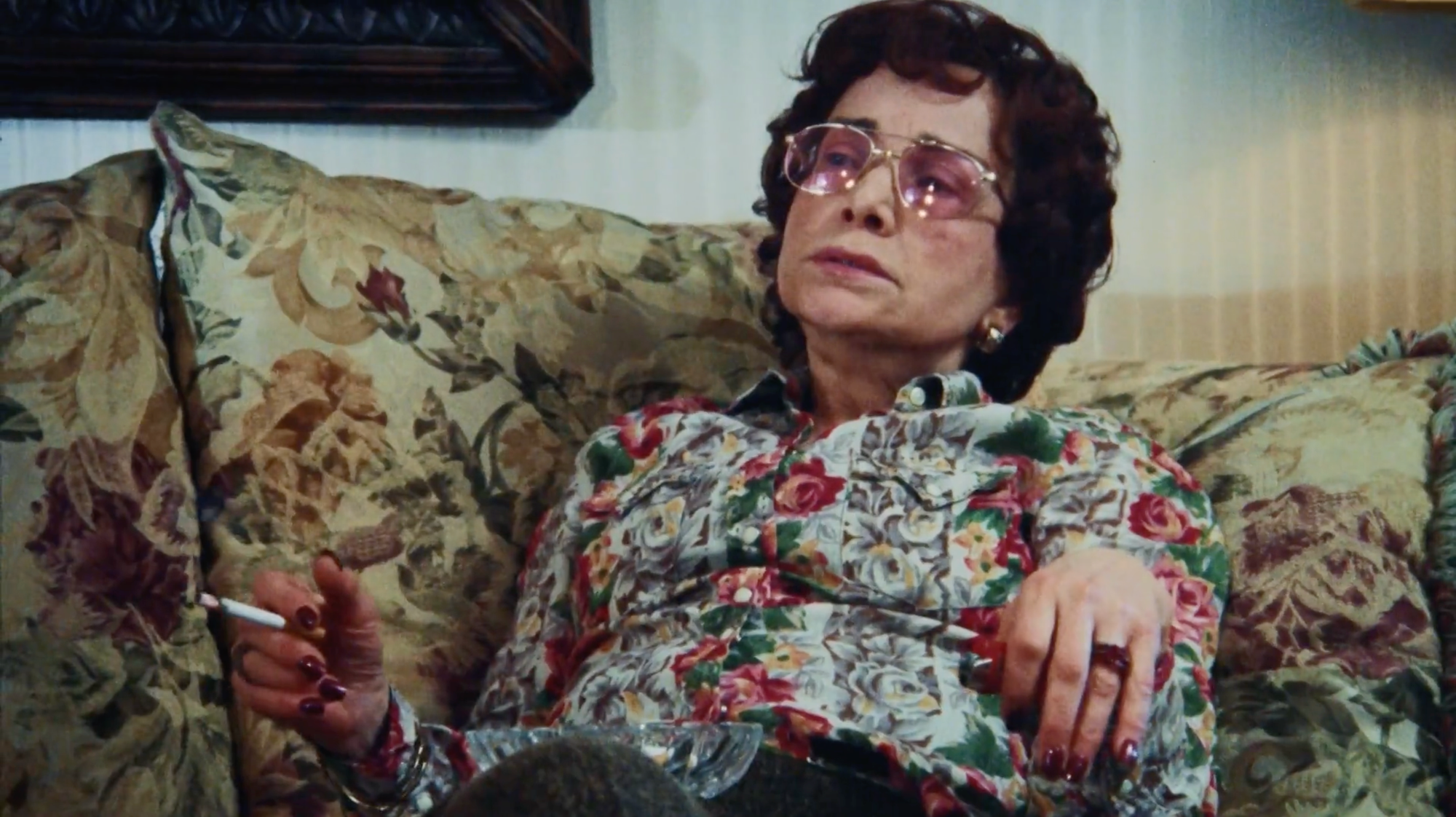
One of the biggest shifts for me was when Janeane said, this is real, real people. We don't have to make it a mockumentary because that would actually take away from the power. That was really a powerful moment for me.
What moment in the film feels most like you, or like something only you could have made?
What feels most like me is the balance between the absurdity of Carmella's situation and the genuine emotion beneath it. My work isn't normally comedic, but I loved allowing the humor to emerge organically without losing sight of Carmella's humanity. That sensibility also shaped the way we made the film: loosely and intuitively, with a very small crew of filmmaker friends and enough freedom for Janeane to fully inhabit the character and improvise. Creating that kind of intimate, trusting environment—and finding something deeply human inside something completely ridiculous—feels very much like me.
How does your film fit within, or push the boundaries of, its genre or form?
Birds of Paradise uses the language of mockumentary—direct-to-camera interviews, improvisation, and the texture of nonfiction—but pushes beyond parody into something more emotionally grounded. The comedy comes from the genuine absurdity of the situation rather than from making Carmella the joke. By blending documentary realism, heightened fiction, and moments of real vulnerability, the film asks audiences to laugh at the world around her while still taking her feelings seriously. In that sense, it occupies a space between mockumentary, comedy, and intimate character drama, allowing a strange local story to reveal something larger about loneliness, displacement, and the need to feel heard.
What is the greatest strength of independent filmmaking, and how did you lean into it on this project?
The greatest strength of independent filmmaking is the freedom to trust your instincts—to take creative risks, work outside conventional structures, and let the film reveal itself as you make it. On this project, that meant working with a small, deeply committed crew, shooting on 16mm, and giving Janeane the space to improvise and fully inhabit Carmella. Some of the film's most honest and surprising moments came from allowing the process to remain loose and responsive. The lesson I would share is to surround yourself with people you trust and stay open to what they bring; the film may become something richer and more human than the one you originally imagined.
What does it mean to have your film selected for HollyShorts, and where do you see it going next?
Having Birds of Paradise selected for HollyShorts is an incredible honor and a meaningful validation of the film. HollyShorts celebrates bold, distinctive short-form storytelling, so it means a great deal to have this very specific, deeply independent film recognized on such an important international stage. We made it with a small crew, a great deal of trust, and a belief in the strange, funny, and deeply human world of Carmella. I made this short as a proof of concept for my feature film, so my next focus is to finish writing the feature script and move into production.
Main Cast & Crew
- Featuring Janeane Garofalo
- Written and Directed by Marissa Velez
- Producer: Olivia Kavanaugh
- Executive Producer: Shelby Ross
- Executive Creative Producer: Craig Cimmino
- Cinematographer: Sean Price Williams
- Costume Design: Luisa Sofia
- Production Design: Montana Pugh
- Assistant Production Designer: Hugh Quinn
- Makeup: Annie Johnson
- Editor: Matt Posey
- Post Producer: Zarina Mak
- Finishing Colorist: Patrick Devine (Company 3)
- Sound Design & Mix: Barking Owl — Meg Ochs, Stuart Welch, Henry Gilchrist
- First Assistant Director: August West
- Script Supervisor: Michelle Karst
- 1st AC: Rhys Scarabosio
- Gaffer: Alex Korpi
- Key Grip: Paul Wallace
- G&E Swing: Yaniv Glasser
- Sound Mixer: Patrick Southern
- Shot on 16mm, on location in Staten Island
Filmmaker Opportunities
💛 Fund your next project with fiscal sponsorship
Have a project in the works? As a 501(c)(3) nonprofit, the Cinematography for Actors Institute can accept tax-deductible donations on your film's behalf — a door-opener for grants, foundations, and supporters who want to back your work. We've serviced over 100 projects to date and helped route over $800,000 in funding to filmmakers. Explore fiscal sponsorship →
📬 Grant deadlines and festival opportunities, straight to your inbox
The CFA newsletter rounds up grants, festival calls, and community news for independent filmmakers — the kind of opportunities that are easy to miss and painful to miss. Join the newsletter →
🎬 Focus on the creative — we'll help with the logistics
Production Management, CFA's newest member program, launches this November: production insurance and workers' comp, payroll, film permits, gear rental coordination, SAG-AFTRA compliance, contract drafting, production consulting, and crew recommendations — handled by a team of working filmmakers, à la carte or all in, in partnership with Creative Access Group. It's waitlist-only until launch. Join the waitlist →
League of Filmmakers is published by our parent organization, the Cinematography for Actors Institute — a 501(c)(3) dedicated to education, community, and capital for underrepresented filmmakers and actors. Learn more about CFA →