Table of Contents
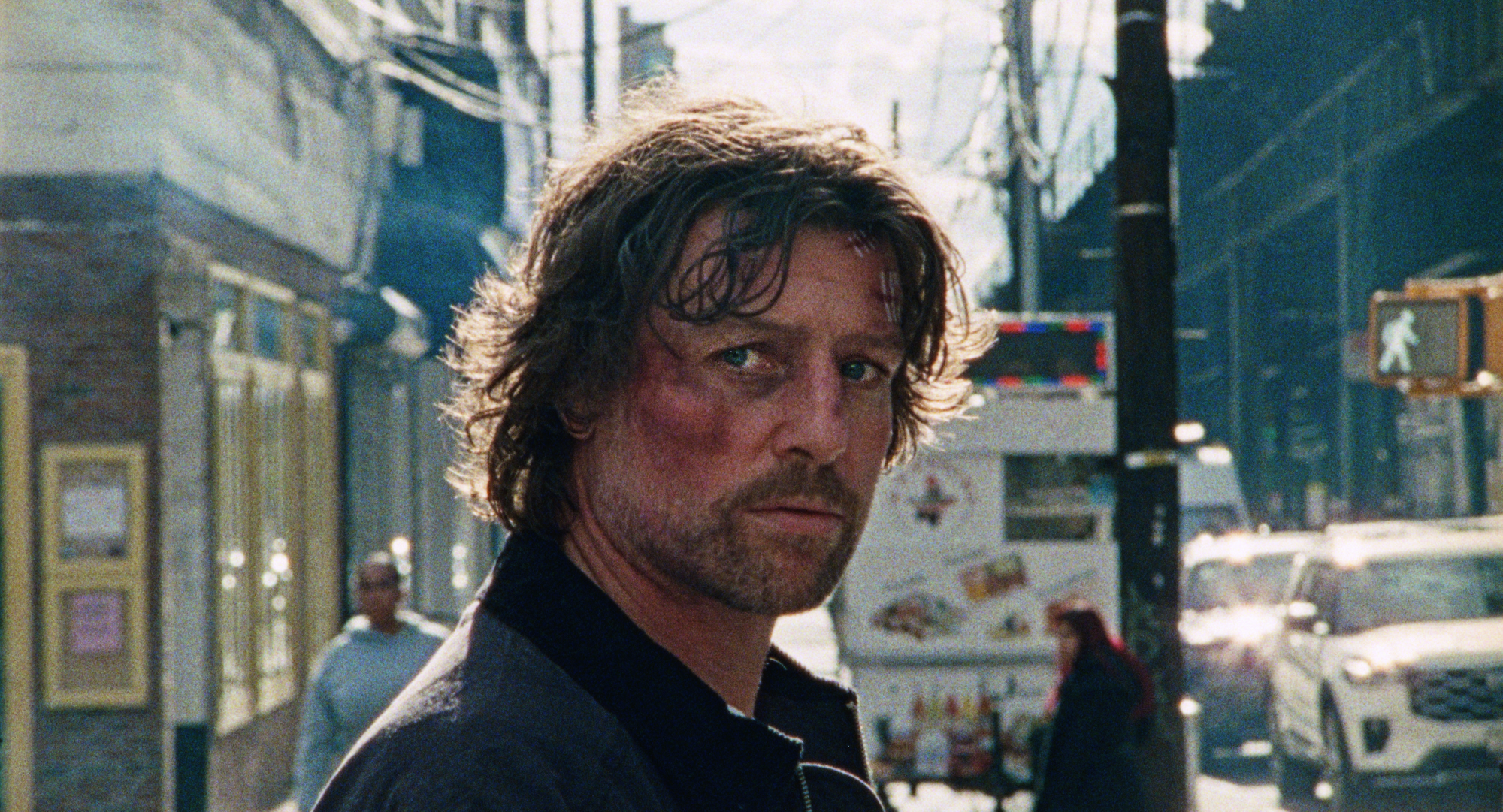
Jeremy Max's Bleeder opens on an unusual premise — a man who is paid to get beaten up through an illicit underground service — and then quietly refuses to sensationalize it. Instead, the New York-based writer-director, an NYU Tisch graduate, builds an emotionally intimate character study inside that extreme scenario, letting Jim's self-destruction stand in for a grief he cannot name. Having its world premiere at HollyShorts, the film features former professional boxer John Duddy in the lead role.
The result is a heartbreaking portrait of a man whose marriage is falling apart as he becomes consumed by acts of self-punishment. What makes it land is how personal it is: Bleeder comes directly from a period in Max's own life, and that honesty gives the film's violence its emotional delicacy.
Key Takeaways
- Bleeder stars former professional boxer John Duddy, "The Derry Destroyer," in its lead role, produced by Scott Aharoni.
- Shot on 16mm for a gritty, textured quality that pushes against the hyper-sharp digital aesthetic of contemporary filmmaking.
- The film grew out of Max's own experience with grief and the belief that success must come through suffering — the lie at the center of Jim's story.
Max spoke with us about the personal origins of the film, chasing light in permit-less alleys, and the Hitchcock scene that shaped its ending.
Interview
What drew you to make this film, and why this story, why now?
Bleeder comes from a really personal place. I got into a pattern of neglecting the things that used to make me happy. Instead of doing what I loved, I fixated on the areas where I felt I was falling short. Around the same time, I was dealing with a family tragedy, and that combination shaped the foundation of this film. I started to believe that success had to come through suffering — emotional, sometimes even physical. That belief became the lie at the center of Jim's story.
This project grew out of that mindset, and it's been the most meaningful experience I've had telling a story. I think it matters because it speaks to people carrying grief and trying to navigate it. Everyone goes through something, and those experiences shape how we cope, how we push forward, and sometimes how we lose ourselves. Jim is a way into that headspace. Through him, I wanted to explore why someone would push themselves to those extremes, and what that actually costs. More than anything, I want audiences to feel every part of this film: the pain, the sorrow, the suffering. I'm after an emotional impact that lingers long after it ends.
How does your film fit within, or push the boundaries of, its genre or form?
I wanted to push the boundaries of a drama by placing an emotionally intimate character study inside an extreme and unusual premise: a man who is paid to get beaten up through an illicit underground service. I was interested in the tension between the film's brutal violence and its emotional delicacy, using pain as a way to explore grief, pleasure, and existential disconnection.
The story grew out of a period in my own life when I had lost pleasure in things I once loved, including going to the movies. A personal family tragedy further shaped the film's emotional core. Visually, shooting on 16mm allowed me to create a gritty, textured quality that contrasted with the hyper-sharp digital aesthetic of much contemporary filmmaking. I wanted the form, premise, and emotional tone to feel equally visceral, singular, and unexpected. I hope I achieved that.
What moment in the film feels most like you, or like something only you could have made?
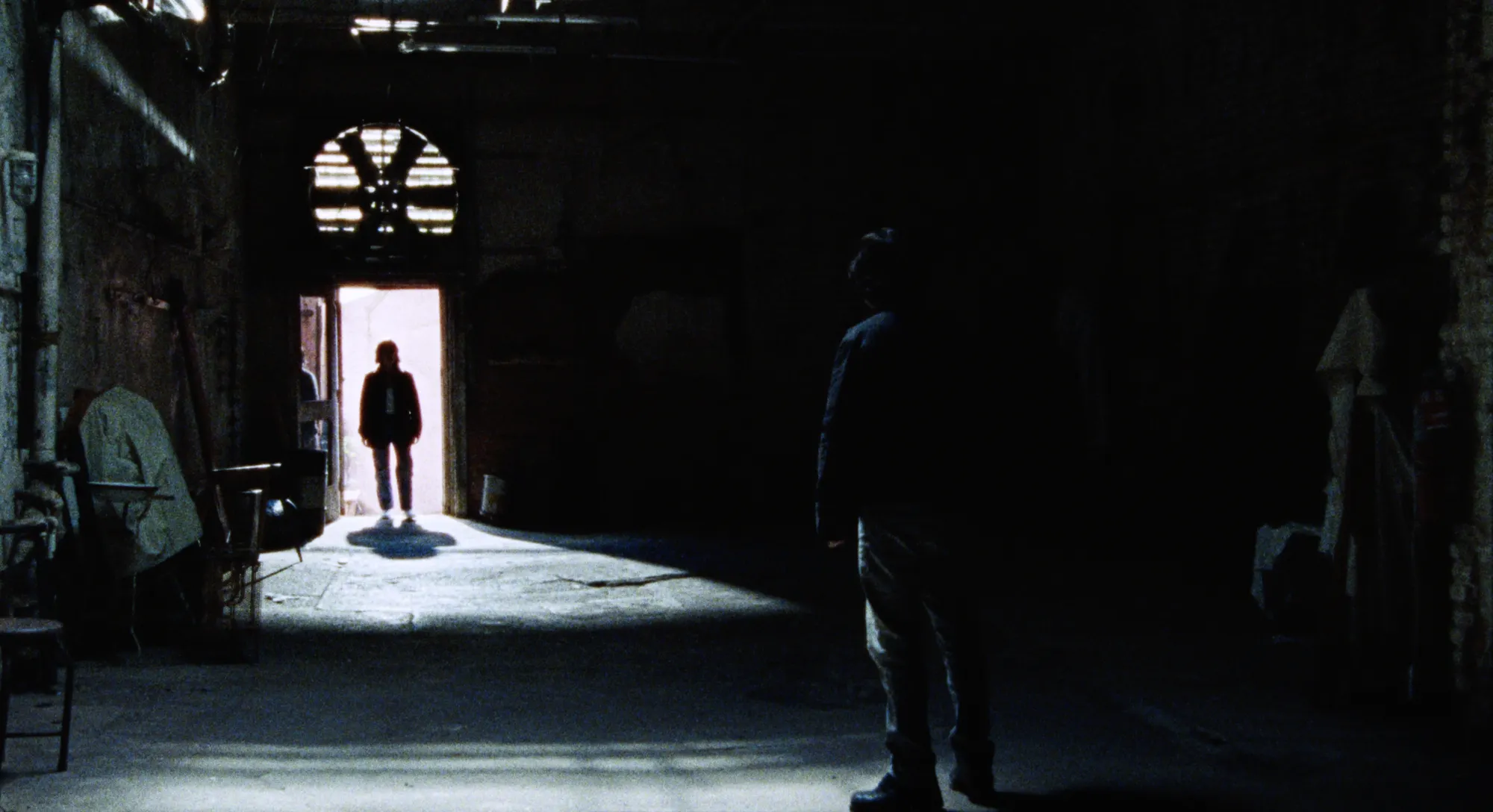
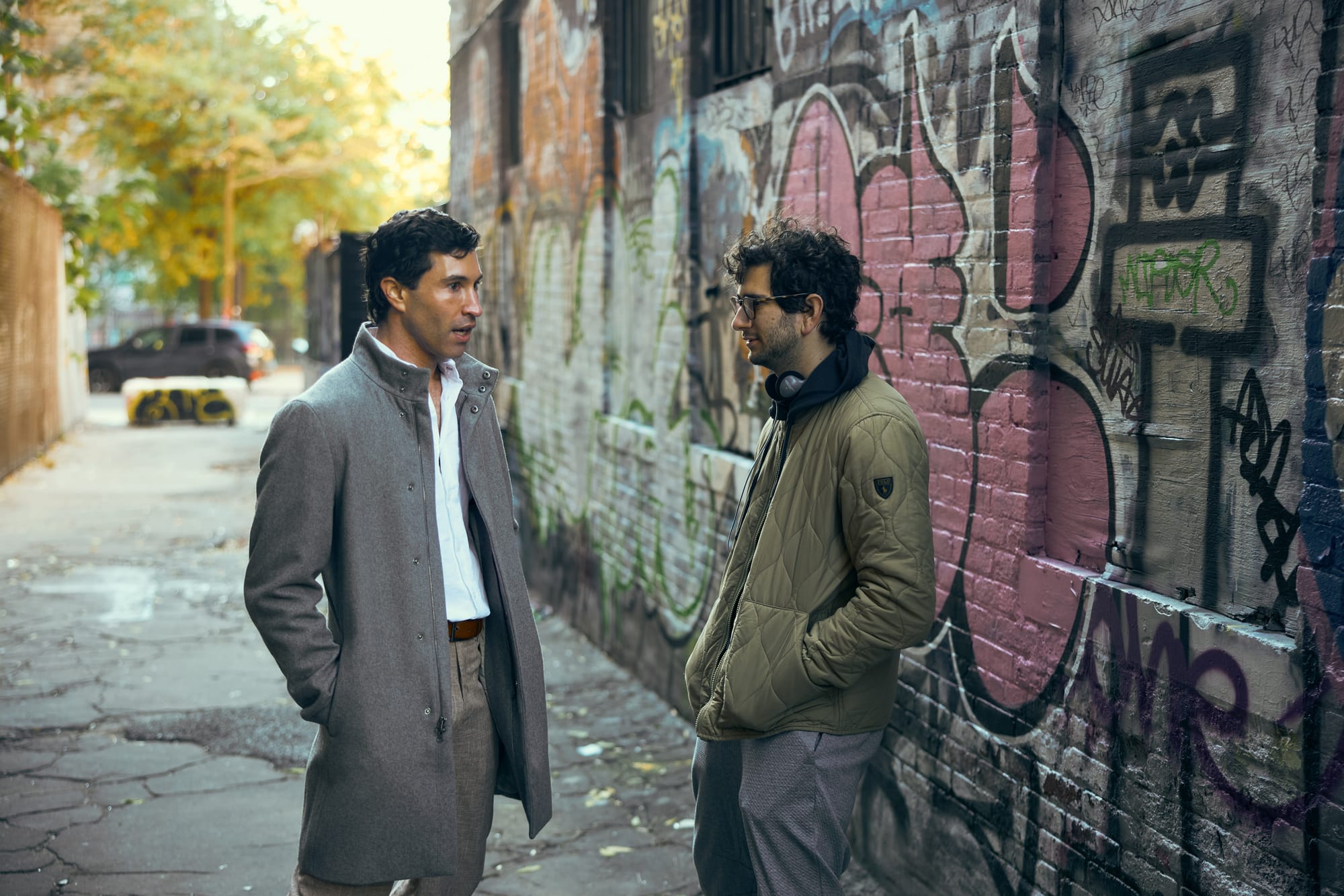
There is a wide shot at the end of the film that silhouettes a character entirely. Then they walk forward into the light and it becomes this huge character reveal. It was something I borrowed heavily from the film Vertigo — my favorite film of all time. It's vastly different in content and in execution, but the emotional idea of it came from the scene in Vertigo where Judy walks out of the bathroom and becomes "Madeleine" once again in the eyes of protagonist John "Scottie" Ferguson.
What do you hope audiences take away from this film?
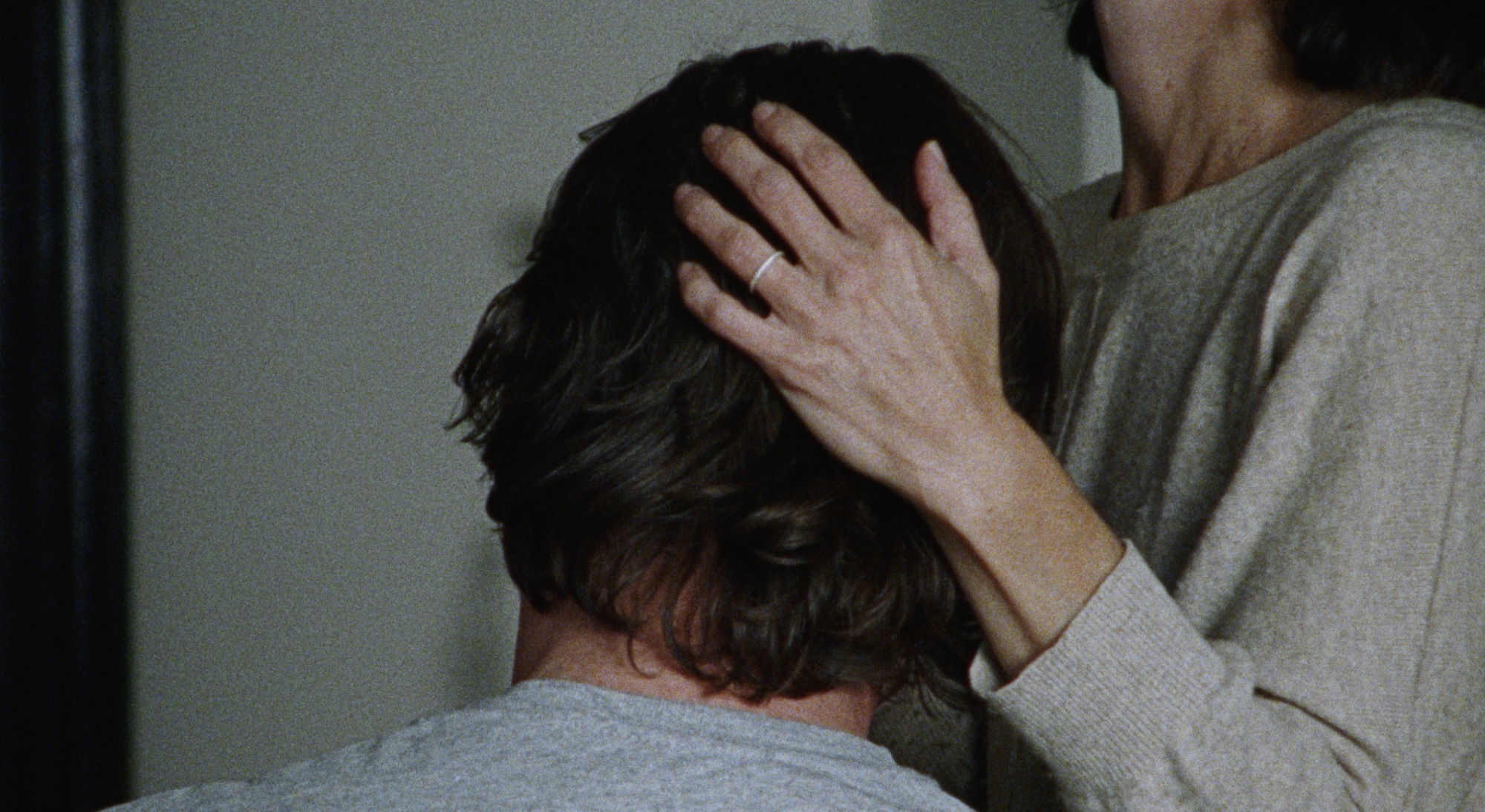
I hope that audiences learn that physical pain cannot heal our emotional wounds. The journey Bleeder goes on teaches him this immensely valuable lesson. He has been indoctrinated in a constant state of pain, but when someone offers him compassion, it's the thing that changes his worldview. I hope that when the screen goes black, audiences will be faced with their own existential questions of what happens to you when you try to repress your deep-seated emotional burdens.
What is the greatest strength of independent filmmaking, and what lesson would you share with others?
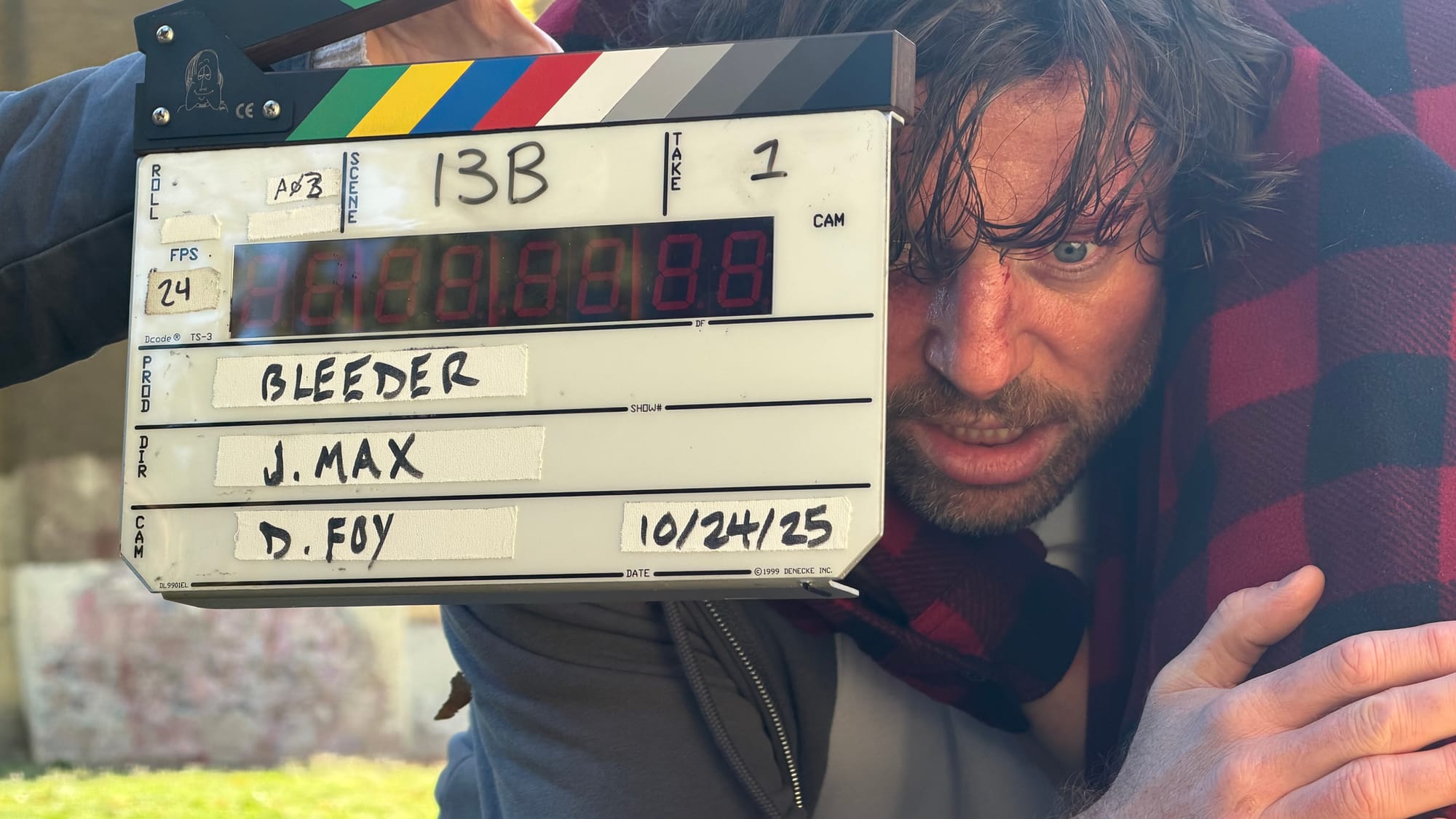
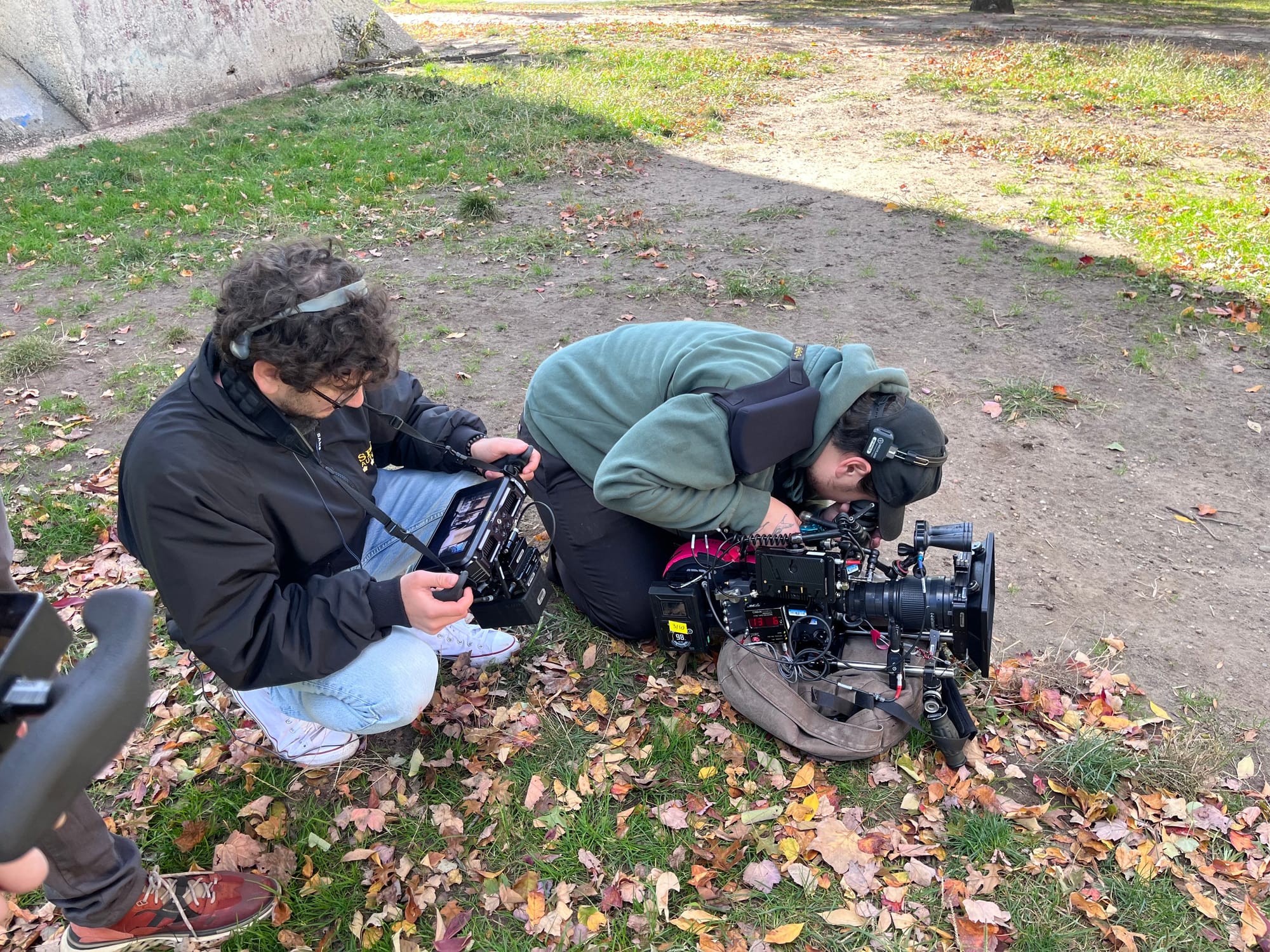
The greatest strength of independent filmmaking is the carte blanche you have to make mistakes and fail. At this level, you are allowed to learn so much through the constant ups and downs and unpredictability of the style of shooting. This meant we could be shooting on the streets with no permits, chasing light to make our shots really pop and feel cinematic. It made it a bit difficult to be a perfectionist, but it allowed me to become more adaptable and flexible.
There's a scene in the film that we had to entirely re-shoot after we had already started shooting it. At one point, the sun started to peek its head into our little surreptitious alley. This transformed a very cold and dreary feeling scene into something that felt a little more hopeful. Sure, we burned some film to get there, but looking at the dailies it was clear that we had more depth and texture to the image when the sun came out. These are the perfect little idiosyncratic things that may happen on a set that can transform your vision entirely.
What collaborator or mindset shift helped most during production?
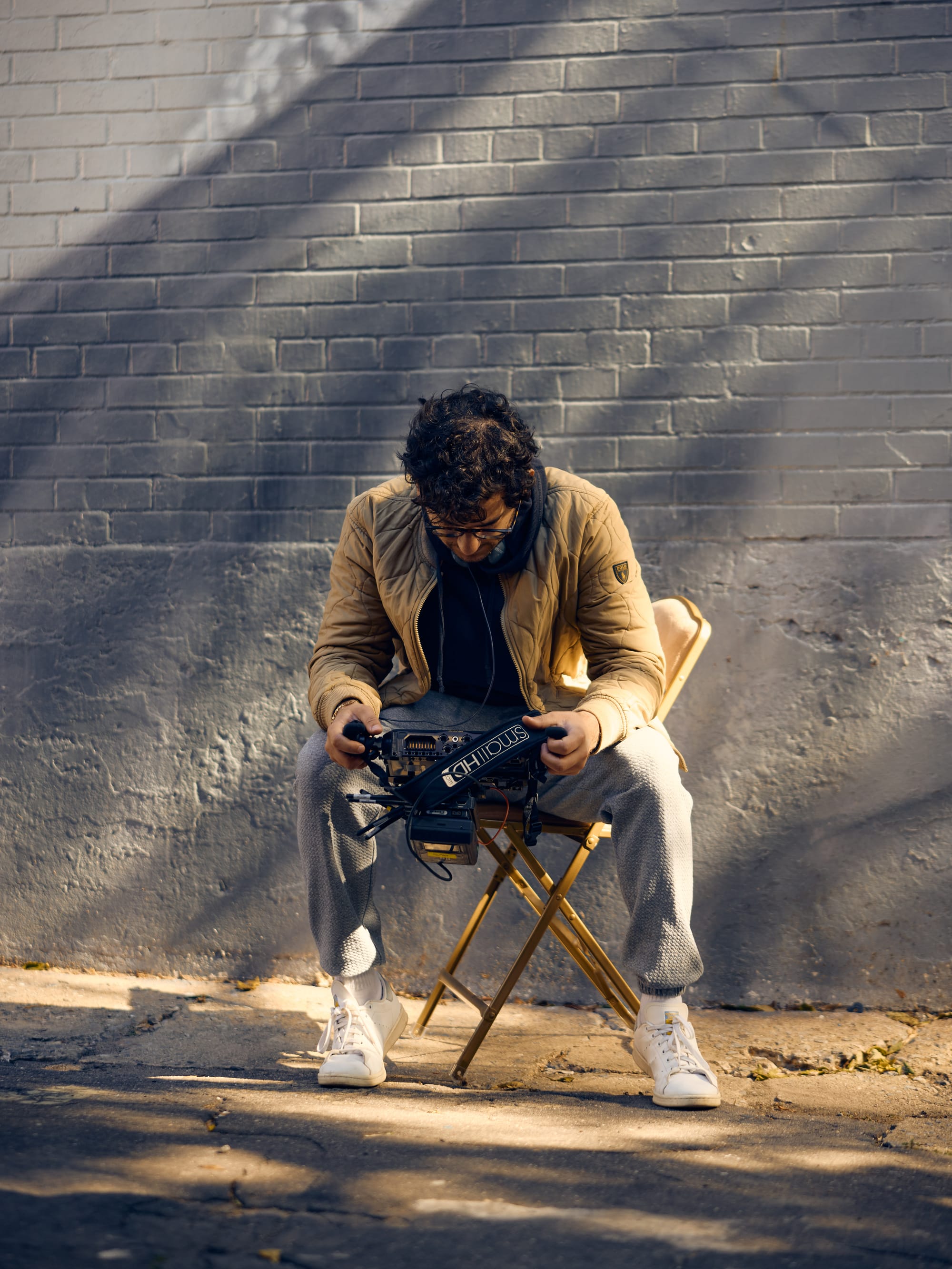
Being able to lean on my producer Scott Aharoni was a huge boon for myself. His vast experience in both logistical producing and storytelling made all the difference for this project. Shooting on 16mm film was a big challenge and I was pretty nascent to it, but my DP David Foy was someone who made me feel extremely comfortable early on that we were taken care of in that department.
What does it mean to have your film selected for HollyShorts, and where do you see it going next?
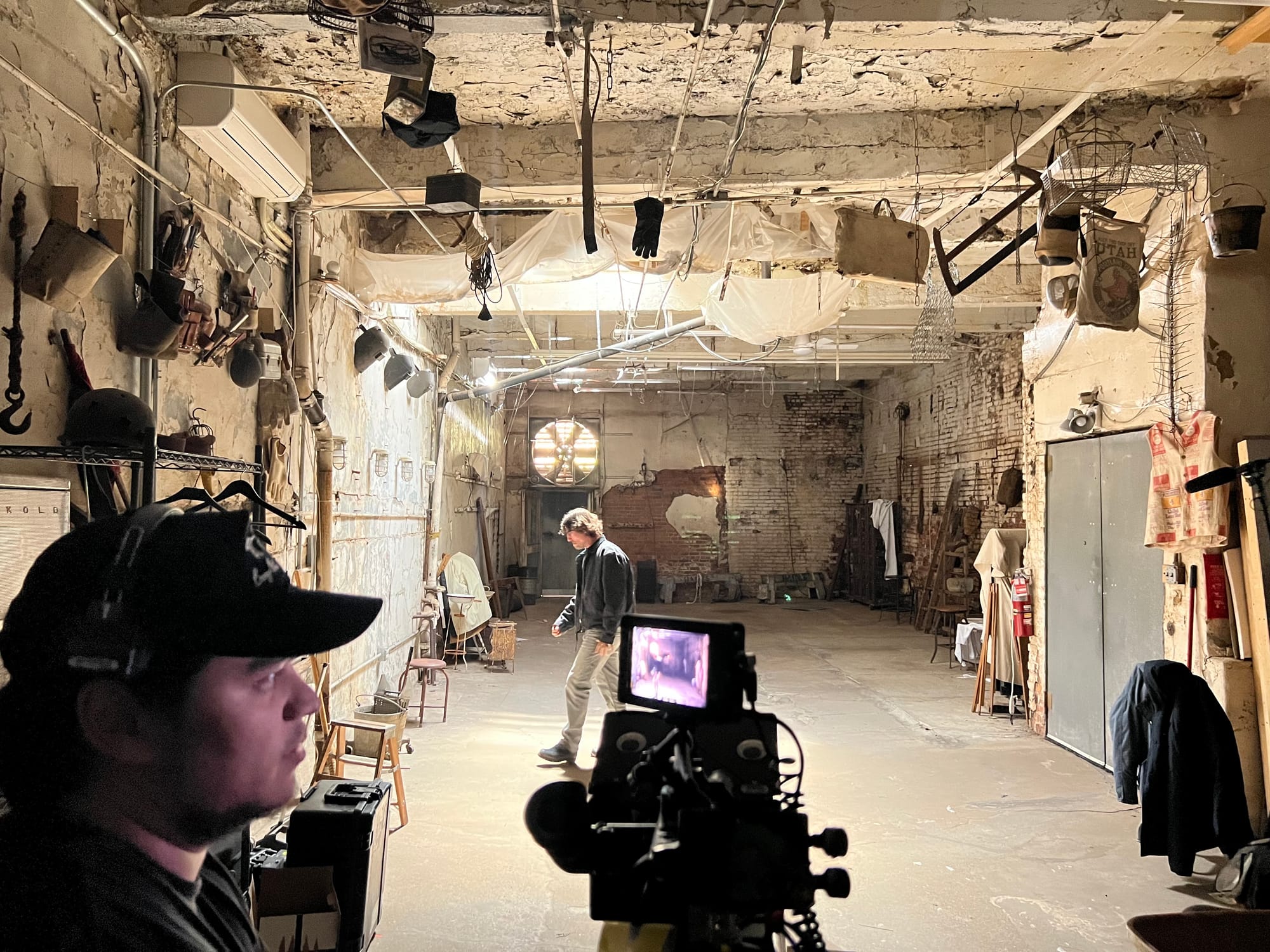
It's an absolute honor and is extremely humbling to have my film play at HollyShorts. It is known worldwide as one of the very top festivals, and to be a part of a program that features such amazing work is a dream come true. Beyond that, I don't want to dictate where I think the film should screen next. I'd be thrilled to play anywhere as long as people can see it. I want to get this film onto as many screens as possible. I'm remaining flexible and open to what's next, and excited to keep getting the film out into the world.
Main Cast & Crew
- Written & Directed by: Jeremy Max
- Produced by: Scott Aharoni
- Associate Producer: Eric Buttelman
- Director of Photography: David Foy
- Casting Director: Hilary Greer
- Production Designer: Lucien Aleman
- Assistant Director: Alex Burstein
- Additional Grip: Juan Alzamora
- Sound Mixer: Zach Travis
- SFX Makeup + HMU: Paula La Bloise
- Assistant Makeup Artist: Mariel Marino
- Wardrobe: Yael Brown
- Production Assistant/Driver: Helwan Fandi
- Editor: Joe Giganti
- Colorist: Sam Howells
- Composer: Ben Emmerich
- Post Sound: Joseph Winterbotham
- Cast: John Duddy, Natalie Roy, Dave Bobb, Joel DeCandio, Casey Sullivan, Thomas Vorsteg
Filmmaker Opportunities
💛 Fund your next project with fiscal sponsorship
Have a project in the works? As a 501(c)(3) nonprofit, the Cinematography for Actors Institute can accept tax-deductible donations on your film's behalf — a door-opener for grants, foundations, and supporters who want to back your work. We've serviced over 100 projects to date and helped route over $800,000 in funding to filmmakers. Explore fiscal sponsorship →
📬 Grant deadlines and festival opportunities, straight to your inbox
The CFA newsletter rounds up grants, festival calls, and community news for independent filmmakers — the kind of opportunities that are easy to miss and painful to miss. Join the newsletter →
🎬 Focus on the creative — we'll help with the logistics
Production Management, CFA's newest member program, launches this November: production insurance and workers' comp, payroll, film permits, gear rental coordination, SAG-AFTRA compliance, contract drafting, production consulting, and crew recommendations — handled by a team of working filmmakers, à la carte or all in, in partnership with Creative Access Group. It's waitlist-only until launch. Join the waitlist →
League of Filmmakers is published by our parent organization, the Cinematography for Actors Institute — a 501(c)(3) dedicated to education, community, and capital for underrepresented filmmakers and actors. Learn more about CFA →