
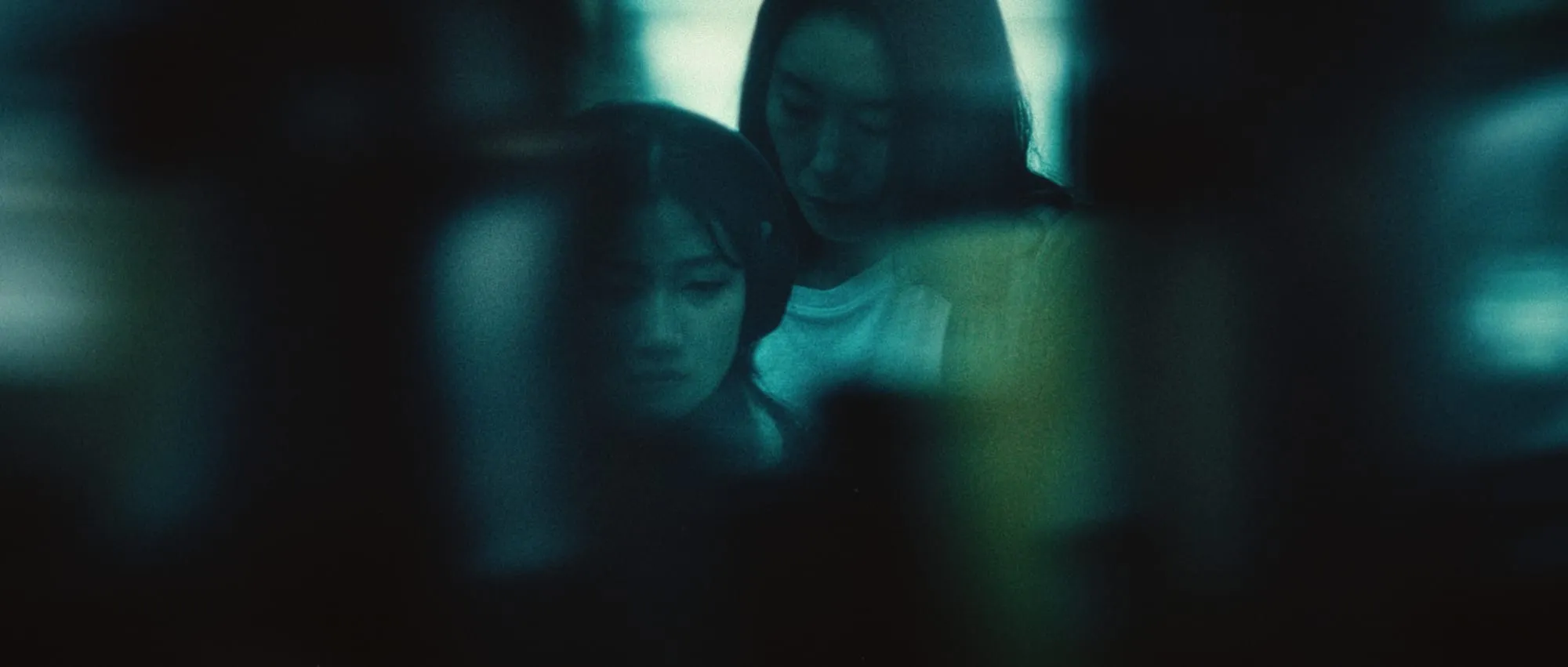
Daeyoung Kim's Bleeding Edge opens on familiar territory for a sports film — a young athlete, an unforgiving discipline, a body pushed past its limits — and then quietly refuses the genre's usual promises. There is no championship to win, no redemptive final buzzer. Instead, Kim, a Korean filmmaker and NYU Tisch graduate, follows Diane Da-eun Kang as she recovers from a severe injury while navigating the tough-love parenting of her mother, the mind games of her coach, and the self-doubt that grows sharper than any of them.
The film draws directly on what Kim witnessed growing up in and around Korean and Western cultures: the way immigrant families across the world place a child's future above their present happiness. In a moment when the United States has grown increasingly hostile to immigrants, he set out to distill that pressure into a story about the price of greatness in an environment that demands perfection.
Key Takeaways
- A sports film that deliberately decentralizes the sport, trading the triumphant tournament climax for the slow suffocation of losing passion in what you love.
- A production shaped by real skaters — including Team USA figure skater Lindsay Wang — whose input pushed authenticity over sensationalism.
- Kim's first festival run as a director, built by a team of mostly students on a limited budget.
A conversation with the director follows.
Interview
What drew you to make this film, and why this story, why now?
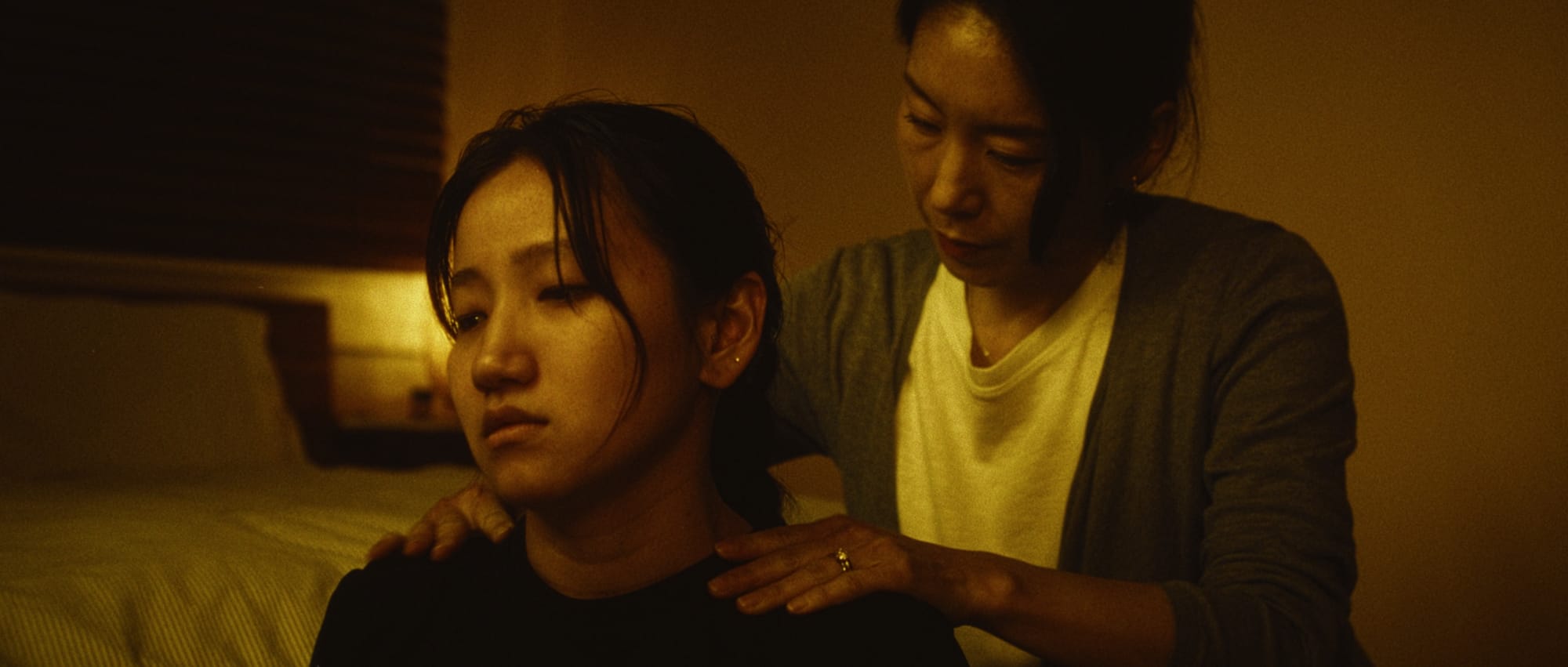
As a Korean, I've grown up seeing how harsh Korean parenting culture can be, both through personal and second-hand experiences. When my family moved to the States, I saw those same patterns expressed in immigrant families from all over the world: the desire for their children's success, or the American Dream, motivating parents to put their children's futures over their present happiness. Of course, this gets further exemplified in environments like competitive sports where the notion of greatness and victory are embedded into the very foundation of what it means to participate in that activity and lifestyle. I feel like this is an important story to tell now, particularly because this country has become an increasingly hostile place for immigrants in the last few years. We see more and more that even those who do manage to put everything on the line and achieve their "American Dream" can still have everything taken away arbitrarily just because of their identity and skin color. I wanted to distill all of this into a film that portrays the cost of pursuing greatness in an environment that demands perfection.
What surprised you most about the filmmaking process, including any moment on set that changed how you saw the story?
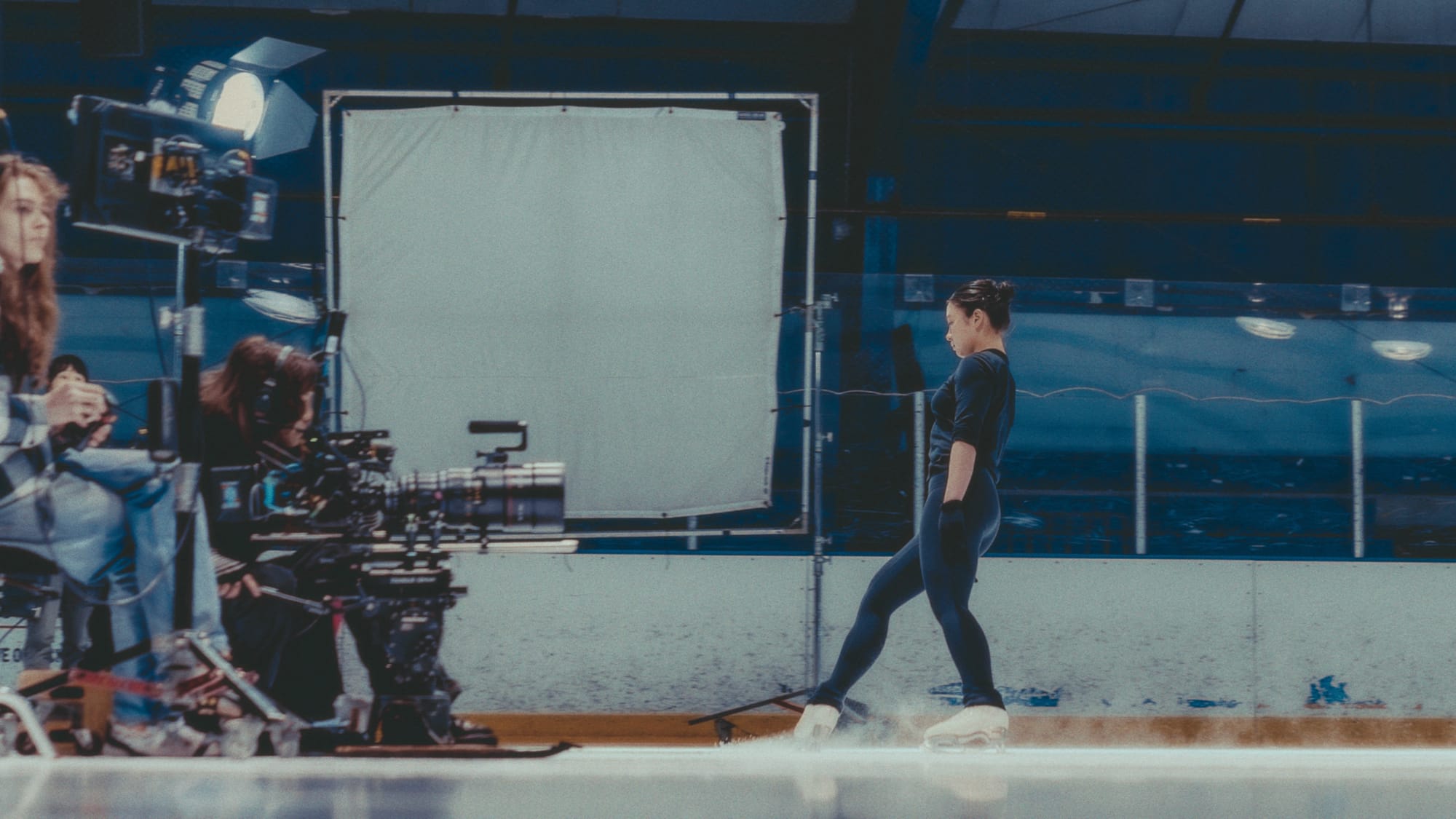
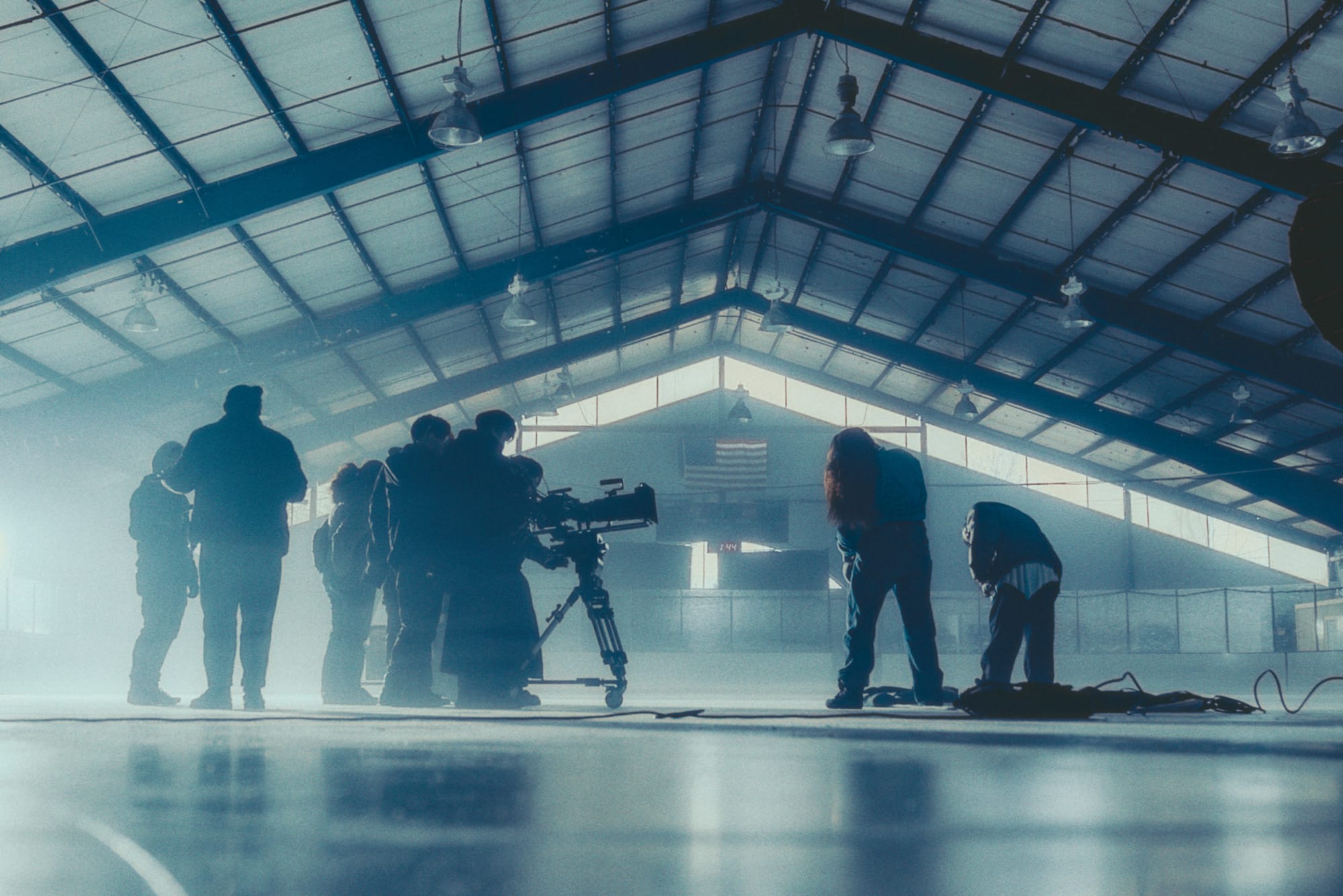
This was by no means an easy shoot; we were dealing with real skating, stunts, and choreography on a limited budget. One moment stands out: the final shoot day, when we'd scheduled to shoot all of our figure skating choreography, the climax of the film. Our figure skating double, a Team USA figure skater, had flown all the way from L.A. to New York just for the shoot. And the first thing that happened? She fell, twisted her ankle, and got injured on the first take of the very first shot. A real "life mirroring art" moment. From that point on, we threw out our entire schedule and started working on our skater's time. She knew her body best, so we let her dictate what she was comfortable committing to. Despite the initial panic, the crew, me, and Lindsay began to form a beautiful improvisational dance where we were entirely in sync with each other's needs and limitations. This culminated in a euphoric moment where Lindsay was finally able to land the triple toe-loop she'd fallen on at the start of the day. It forced me to learn how to be flexible in the toughest of times, but it also taught me that the most beautiful moments in filmmaking don't always come from meticulous planning. You must invite chaos and play to capture spontaneity and life.
What moment in the film feels most like you, or like something only you could have made?
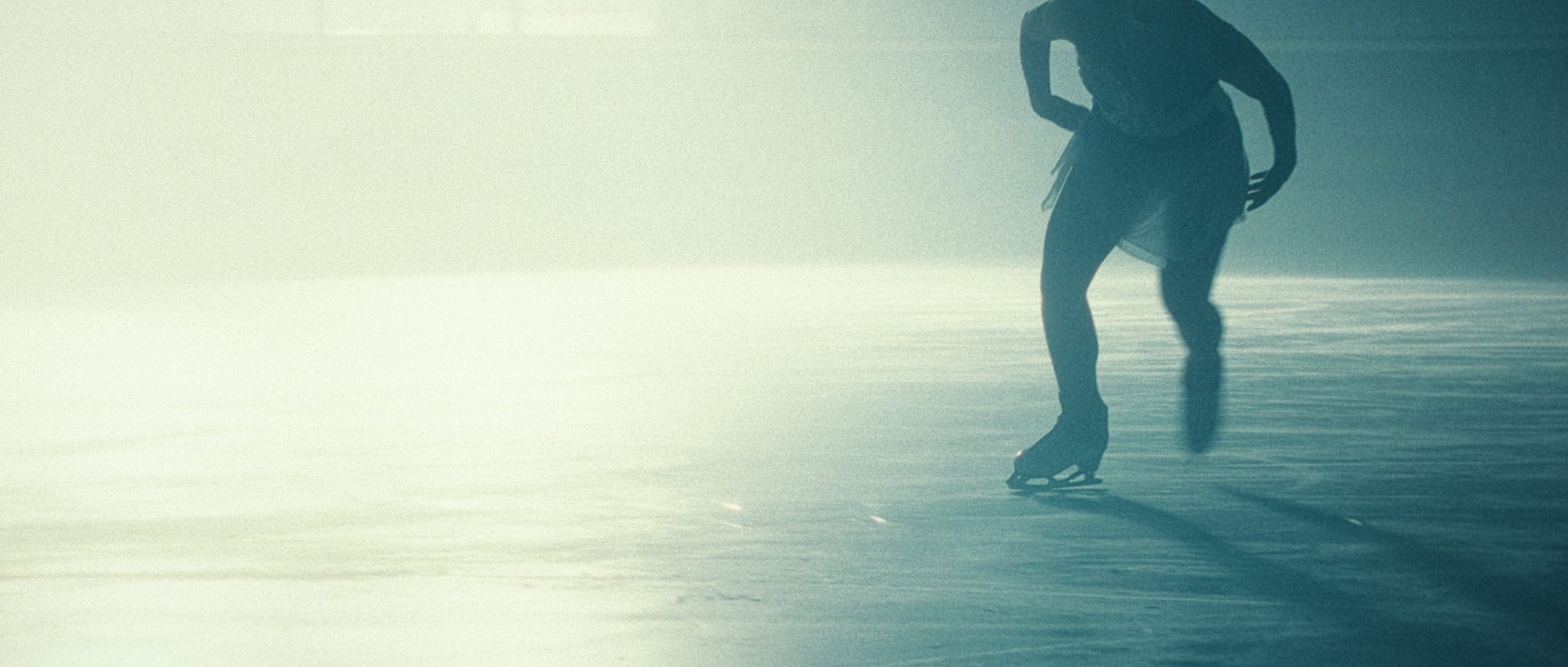
The final dream-like skating sequence and the surreal, abstract end to the film. I've always held the belief that the purest distillation of cinema is conveying emotion through movement and imagery alone. During both scripting and principal photography, I was constantly mindful that the audience should feel everything mounting on our protagonist as she steps onto the ice to skate for the last time, even without any flashbacks, voiceover, or dialogue. When she starts skating, the combination of choreography, cinematography, and everything built up through the plot should mean the imagery and sound alone "do the talking." I'd like to believe I achieved something close to that.
What was the hardest creative decision you made while making the film?
Killing my darlings. The first cut of Bleeding Edge was twenty-four minutes long; nearly nine minutes were cut by the end. As it goes with all films, a lot of great scenes ended up on the cutting room floor. Quite a few scenes that give more nuance and depth to the mother are absent in the final cut — sadly, some of my favorites we'd shot. Ultimately, I had to decide what the film was about at its core: Diane and her inner turmoil. Everything else was the appetizer and dessert to the main course; they couldn't overpower the latter. Keeping the mother in the background as a looming figure emphasizes her being an ever-present presence in Diane's mind, and keeps the focus on how Diane feels about her mother, as opposed to the mother herself.
How does your film fit within, or push the boundaries of, its genre?
From the beginning, one of my goals was to make a sports film that decentralizes the sport in question. There have been so many films that explore the struggles of an athlete within a rigid, toxic system, only for the climax to still operate within the very same structure that was the antagonistic force for much of the story. I wanted to avoid the feel-good ending where the protagonist achieves success, but that success is still inherently bound to the system that oppressed them in the first place. So I was adamant about avoiding any plot elements involving competitions or tournaments, especially for the climax. Instead, I placed emphasis on the grueling day-to-day mundanity of simply existing as an athlete, and how suffocating it is to slowly lose passion in what you love. Our film portrays a slow death, rather than a dramatic "sports movie" catharsis.
What tool, technique, resource, or mindset shift helped most during production?
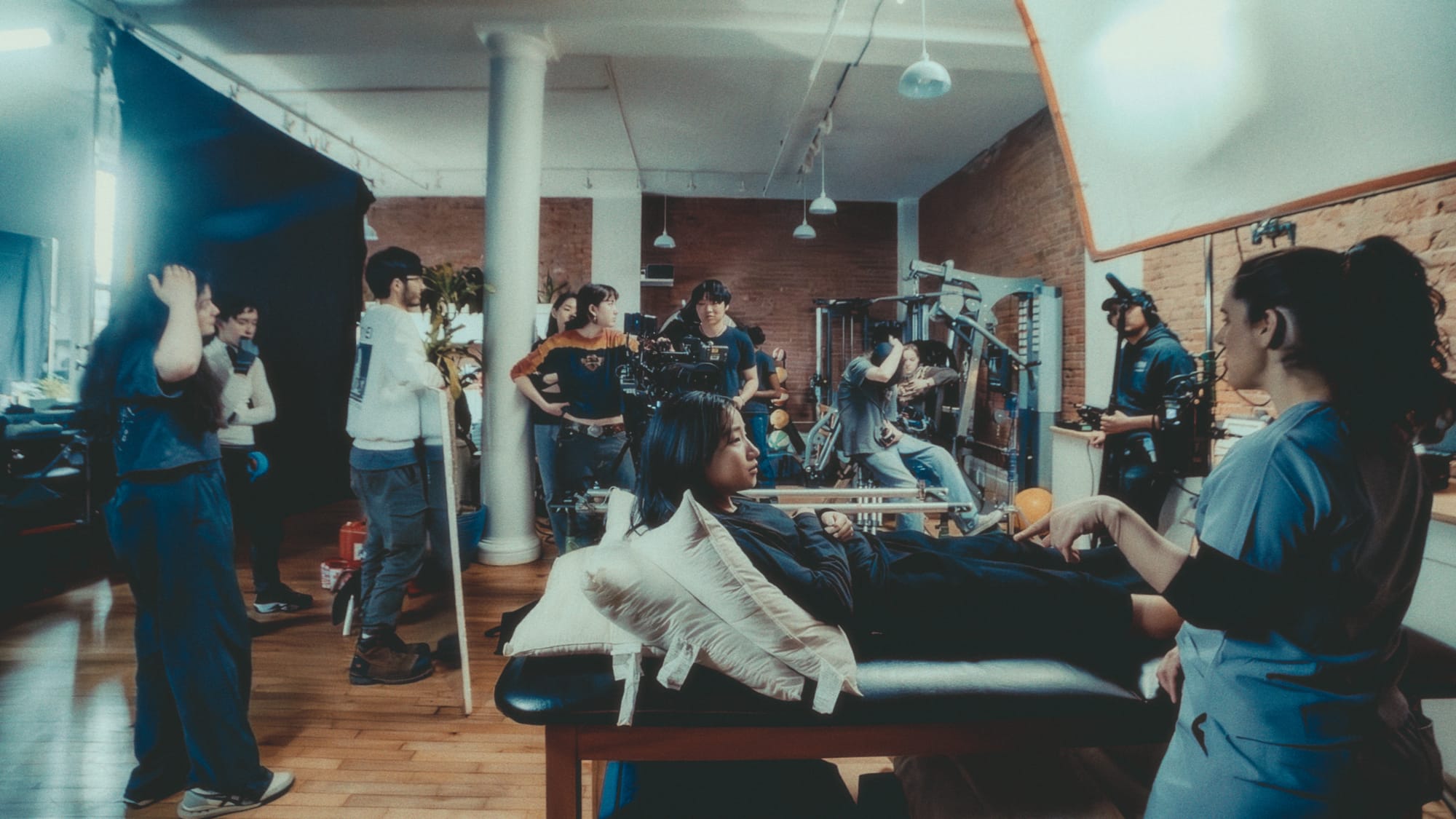
Making this film made me realize how vital it is to involve the people from the community you're drawing from to tell your story. While I've been a fan of figure skating for a long time, I've never participated in the sport. One of the most fulfilling aspects of making Bleeding Edge was connecting with real skaters and hearing how they personally connected to the script; one of them called it the most accurate figure skating story they'd ever read. Getting their input was crucial because I knew it meant our focus was on the message, not the "drama," of the premise. We didn't want to sensationalize this topic because it reflects a real issue that deserves to be portrayed honestly. I also recognized from the start the limitations of my own perspective, which I think is a crucial step before attempting to tell any story that isn't your own.
What does it mean to have your film selected for HollyShorts, and where do you see it going next?
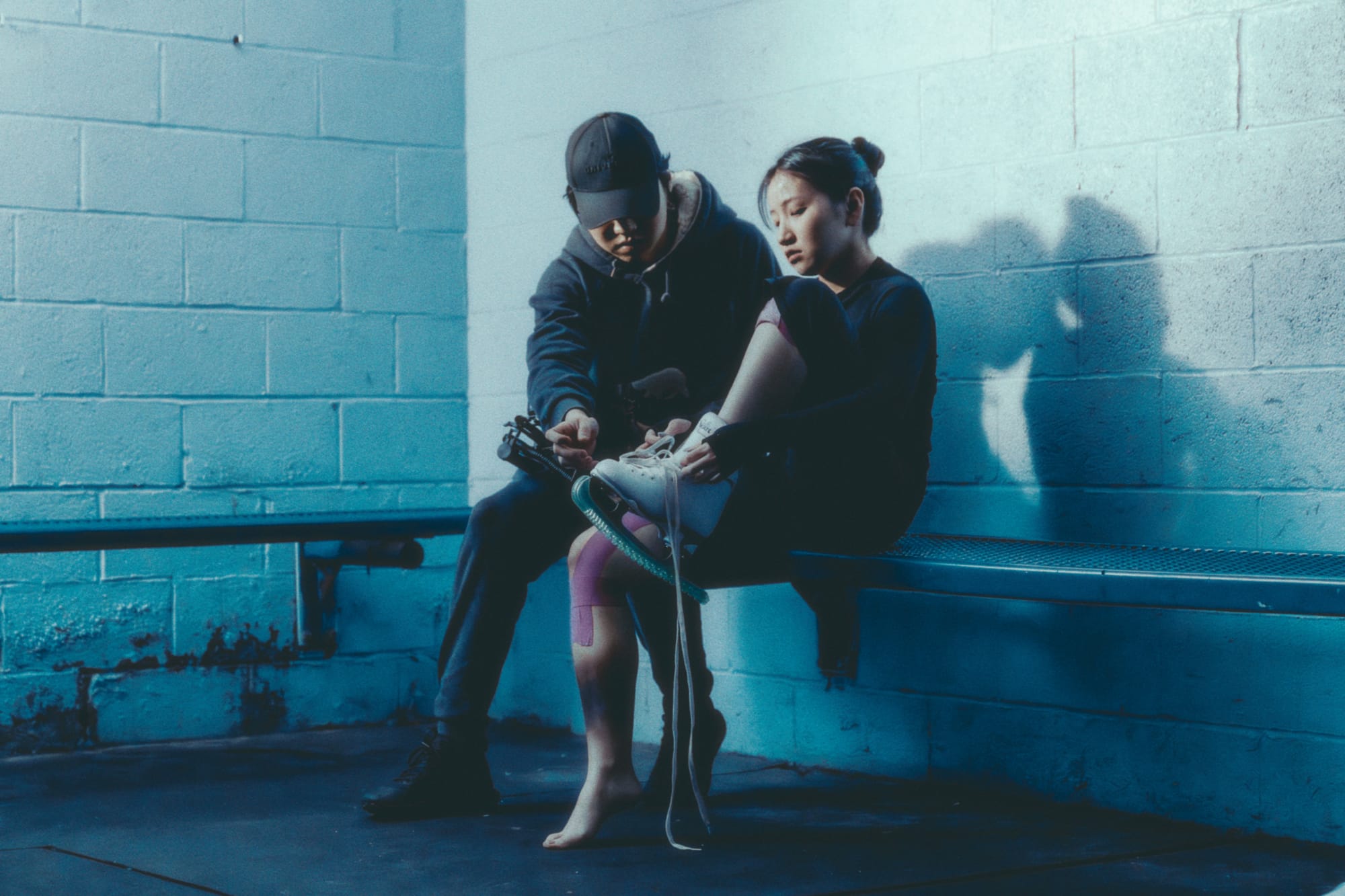
I am immensely proud of our team of mostly students for pulling off such an ambitious project, and grateful to finally share the film with a large audience. This is my first festival run as a director, so I honestly didn't know what to expect, but it's been cathartic to be recognized beyond our immediate circles. I'd like to think of this as a first step in a long filmmaking journey. Next, I'd love for the film to screen at a festival in South Korea and bring it to a Korean audience. While I'm Korean, I've predominantly operated in Korean-American and Western arts spaces, and this film's message directly speaks to an issue that has plagued Korea for generations — enough that it follows us even when we migrate out of the country. We received a lot of support for Bleeding Edge from people in Korea throughout production, and getting the chance to bring the project home would be a homecoming for both me and the film.
Main Cast & Crew
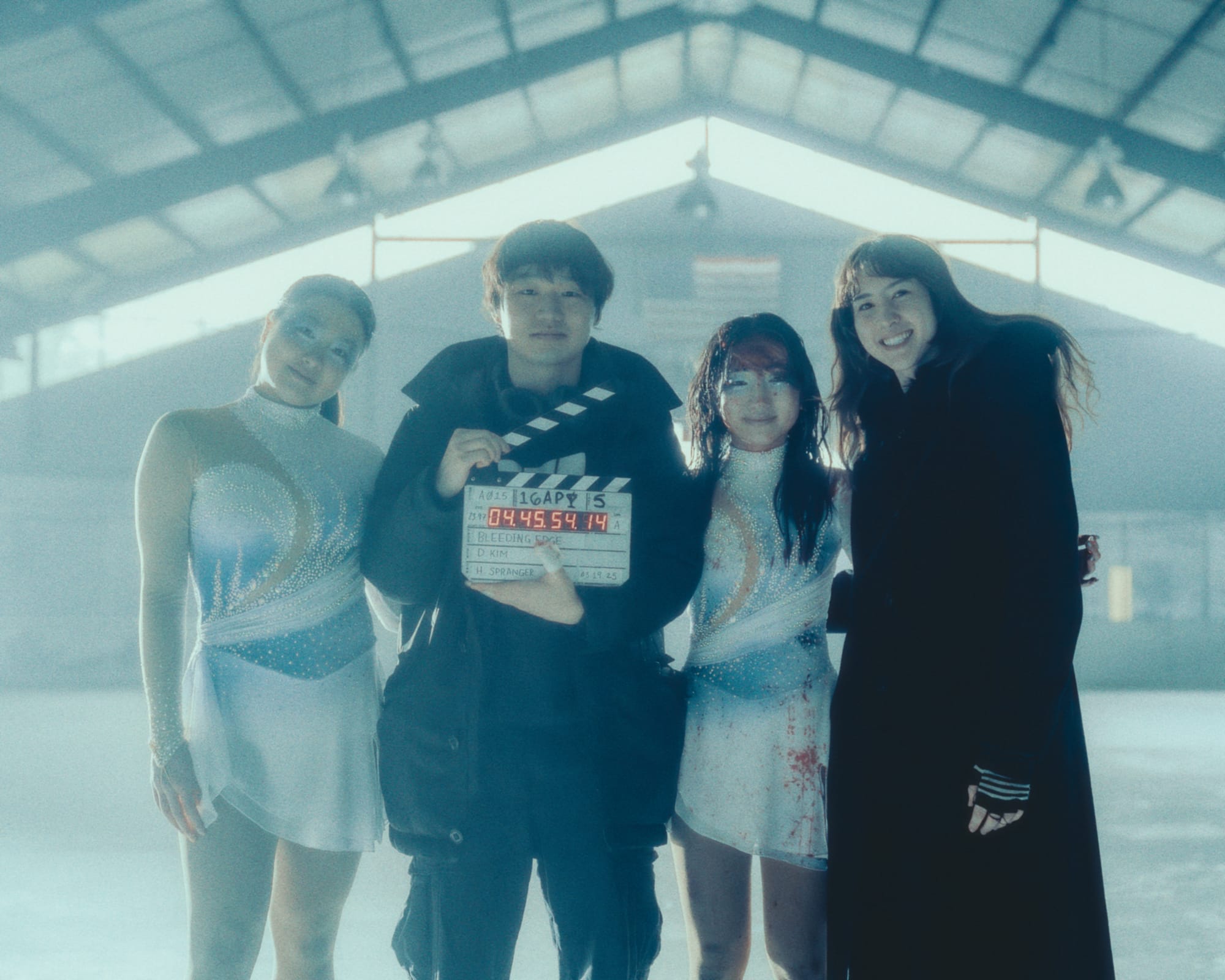
- Daeyoung Kim — Director
- Haley Spranger — Director of Photography
- Cal Galicia — Producer
- Michelle Andia — Producer
- Sook Hyung Yang — "Soohyun/Mom"
- Mina Kim — "Diane Da-eun Kang"
- Lindsay Wang — "Skater/Diane's Skating Double"
Filmmaker Opportunities
💛 Fund your next project with fiscal sponsorship
Have a project in the works? As a 501(c)(3) nonprofit, the Cinematography for Actors Institute can accept tax-deductible donations on your film's behalf — a door-opener for grants, foundations, and supporters who want to back your work. We've serviced over 100 projects to date and helped route over $800,000 in funding to filmmakers. Explore fiscal sponsorship →
📬 Grant deadlines and festival opportunities, straight to your inbox
The CFA newsletter rounds up grants, festival calls, and community news for independent filmmakers — the kind of opportunities that are easy to miss and painful to miss. Join the newsletter →
🎬 Focus on the creative — we'll help with the logistics
Production Management, CFA's newest member program, launches this November: production insurance and workers' comp, payroll, film permits, gear rental coordination, SAG-AFTRA compliance, contract drafting, production consulting, and crew recommendations — handled by a team of working filmmakers, à la carte or all in, in partnership with Creative Access Group. It's waitlist-only until launch. Join the waitlist →
League of Filmmakers is published by our parent organization, the Cinematography for Actors Institute — a 501(c)(3) dedicated to education, community, and capital for underrepresented filmmakers and actors. Learn more about CFA →


