Table of Contents
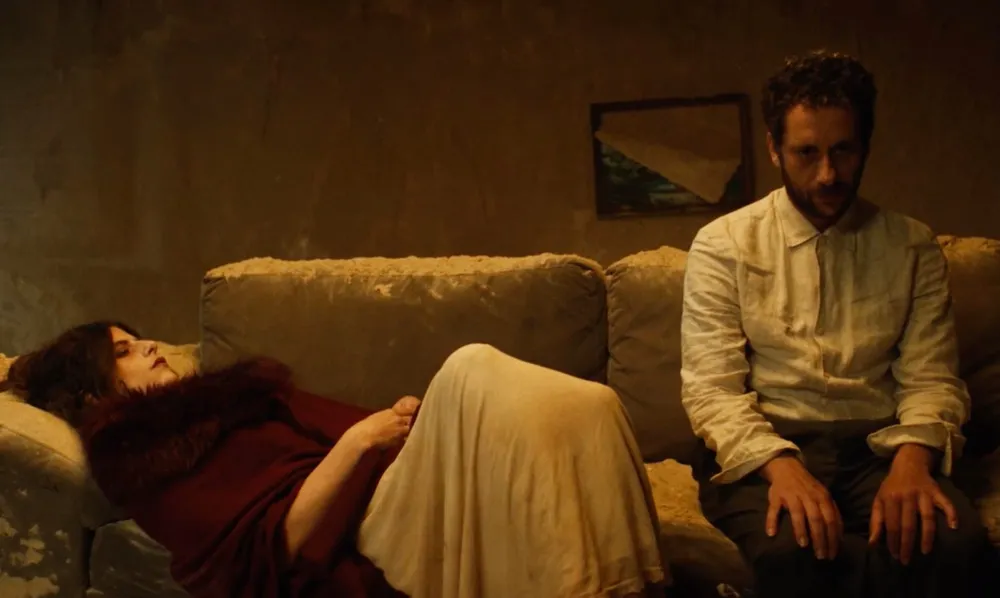
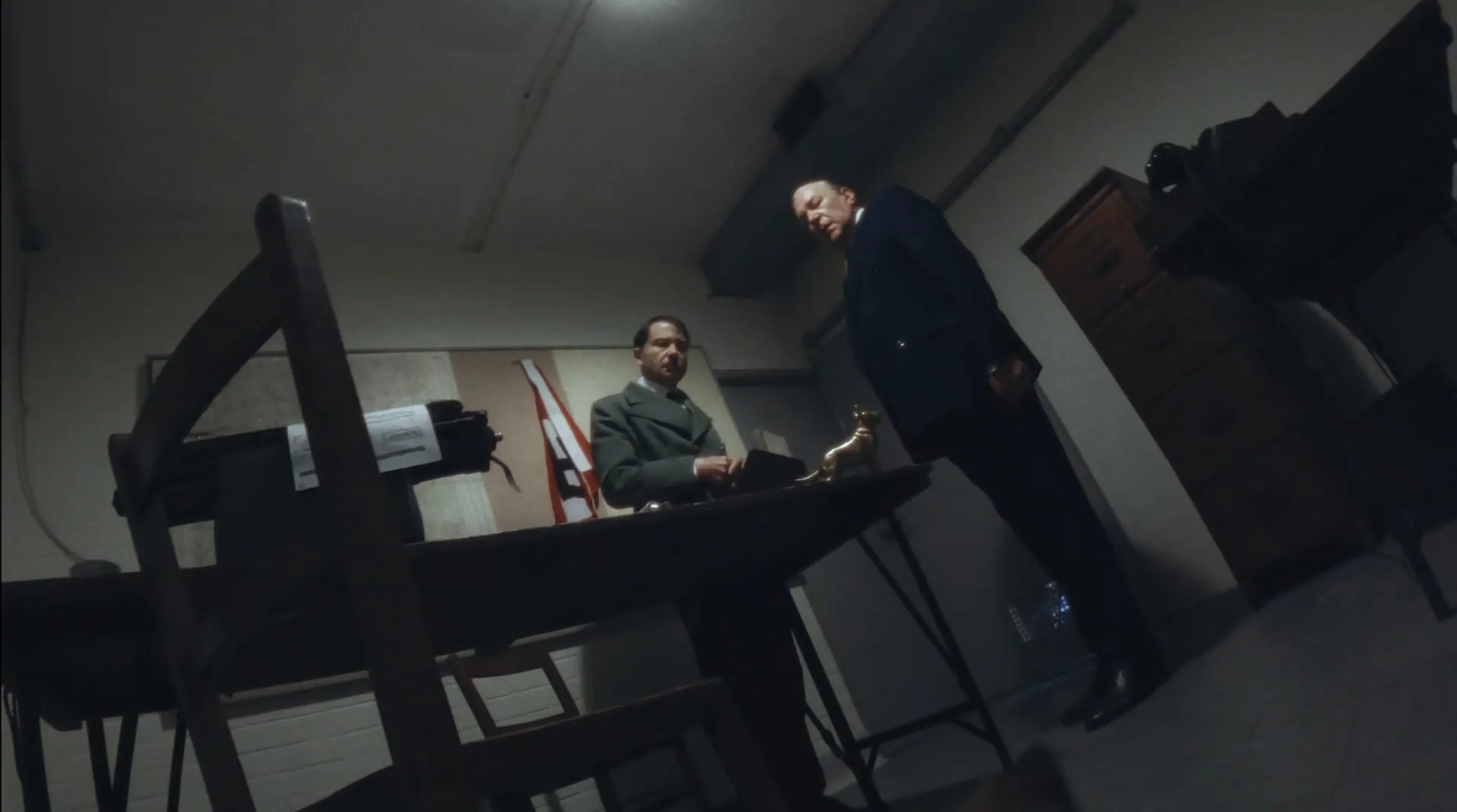
There is a question buried inside Blondi that most filmmakers would flinch from: can a dog still be man's best friend if that man is the Führer? Jack Salvadori doesn't answer it. Instead, he builds an entire short around the contradiction — the bizarre, tender bond between Hitler and his beloved German Shepherd, told through the crumbs under a birthday table, the confinement of the bunker, and a run of fictitious, humorous newsreels that turn an oblivious pet into a surreal footnote of the Reich.
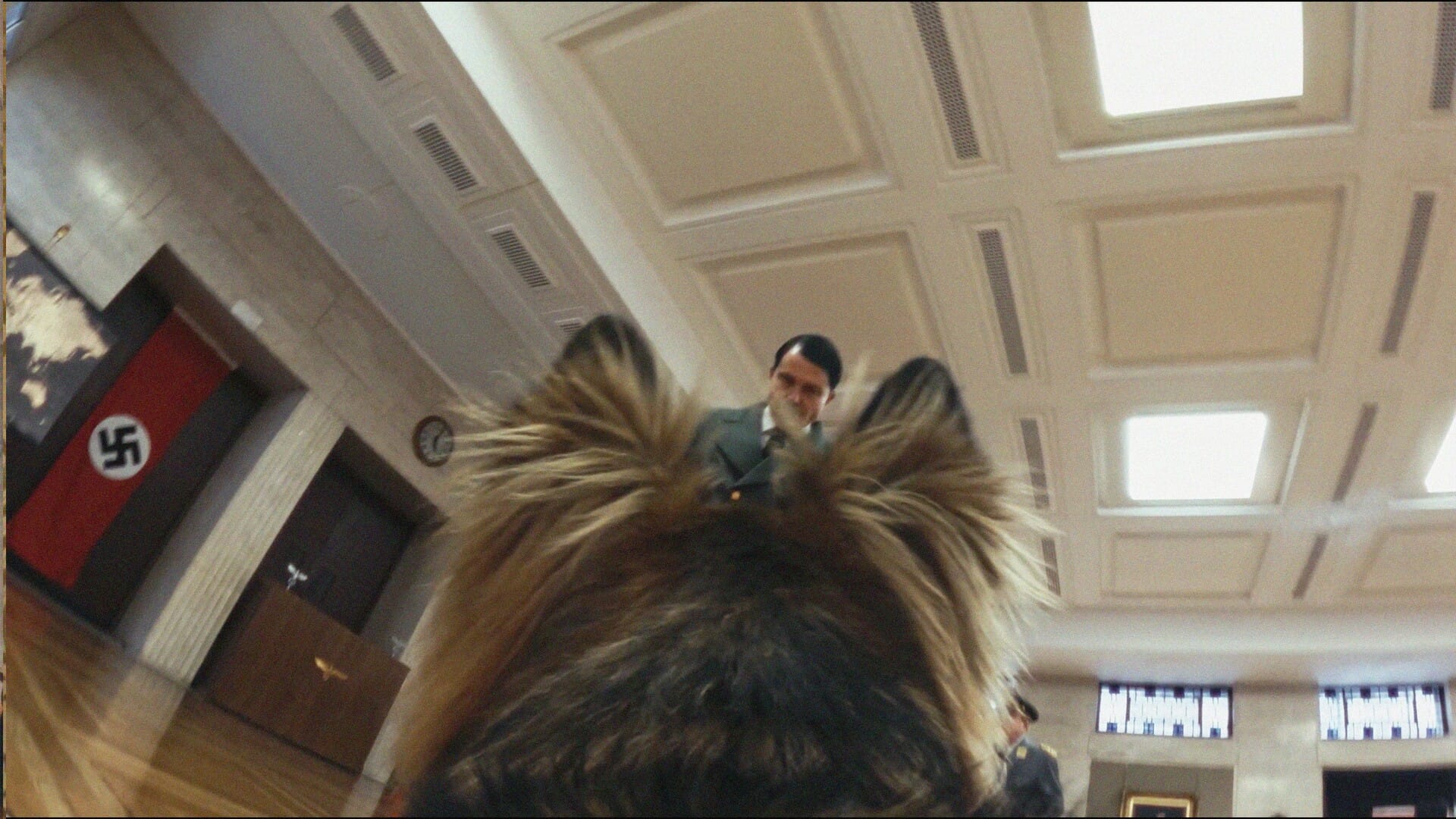
What makes the film more than a provocation is its method. Blondi is, by Salvadori's account, the first film ever shot by a dog. Lexie the Dog holds the cinematography credit, and that single decision reshapes everything the audience sees — curiosity, spontaneity and a point of view no human operator could fake.
Key Takeaways
- Blondi explores the everyday relationship between Hitler and his dog, letting relatable devotion collide with historical horror.
- The film is shot entirely by Lexie the Dog, credited as its cinematographer — a genuine creative choice, not a gimmick.
- Made with almost no money and few permissions, it screens at HollyShorts before an online release on Short of the Week this December.
Salvadori spoke about surrendering control, shooting like pirates, and why he'd tell anyone to resist making films.
Interview
What drew you to make this film, and why this story, why now?
When I'm having a bad day, my dog can turn it into a good one in seconds. So I started wondering: if he can do that for me, perhaps it was the same for Hitler?
I was fascinated by the idea that someone capable of unimaginable evil could still have such an ordinary, relatable relationship with a dog. I don't make films to give answers. I make them to ask questions. That strange contradiction is what drew me to Blondi.
What surprised you most about the filmmaking process, creatively or logistically?
The biggest surprise was how liberating it was to surrender control. I wanted to be as surprised as the audience, so I trusted a real dog to shoot the entire film. Every take revealed something no human cinematographer would have found.
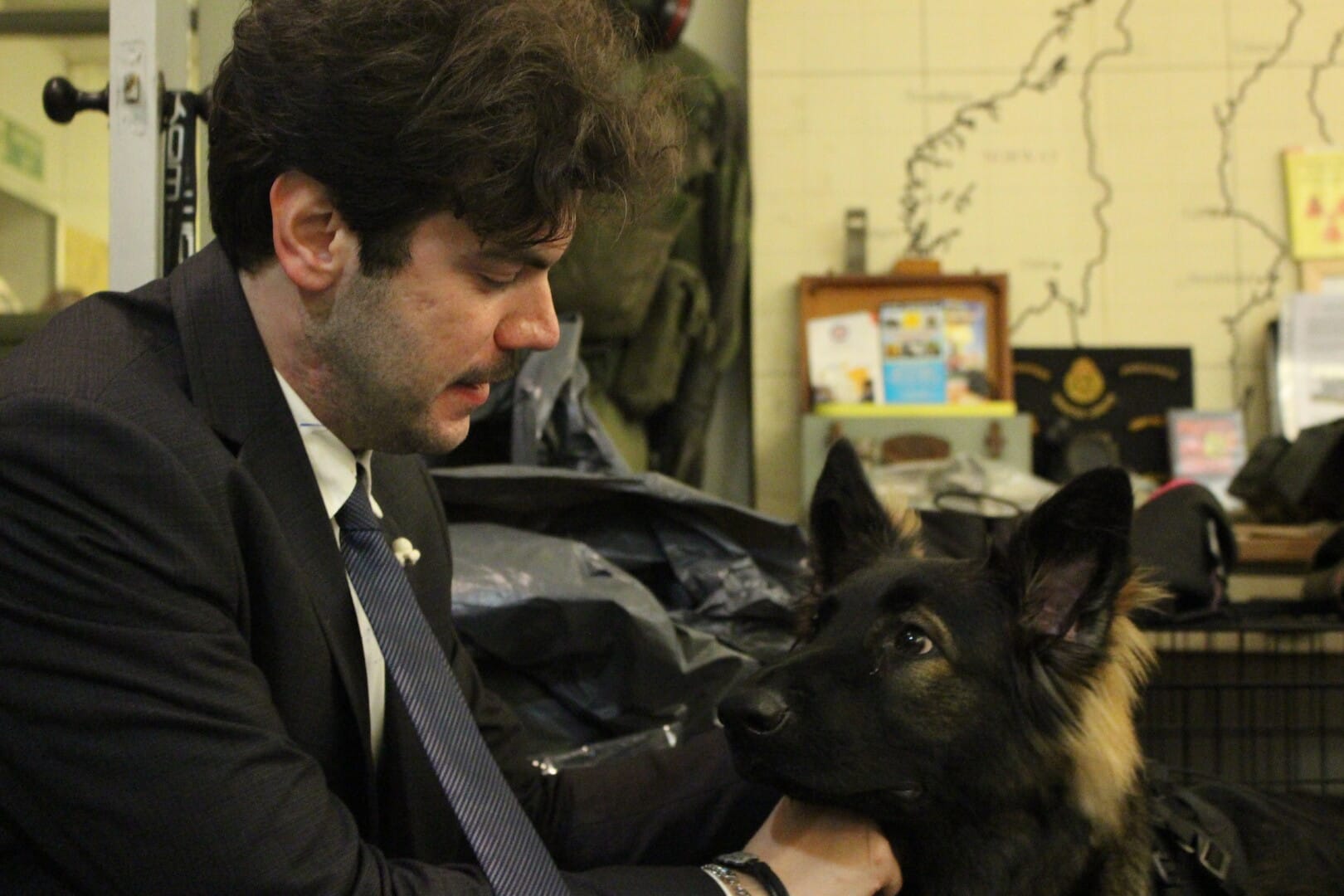
Logistically, Lexie was the easiest crew member I've ever worked with. We never had to wait for camera to be ready. She was always ready, usually wagging her tail, and somehow her enthusiasm kept the whole crew going.
What was the hardest creative decision you made while making the film?
It sounds obvious now, because I can't imagine Blondi being made any other way, but trusting a dog to shoot your film is risky. Every instinct as a director tells you to control every frame. This film only worked because I resisted that instinct and trusted the magic of what happened on set.
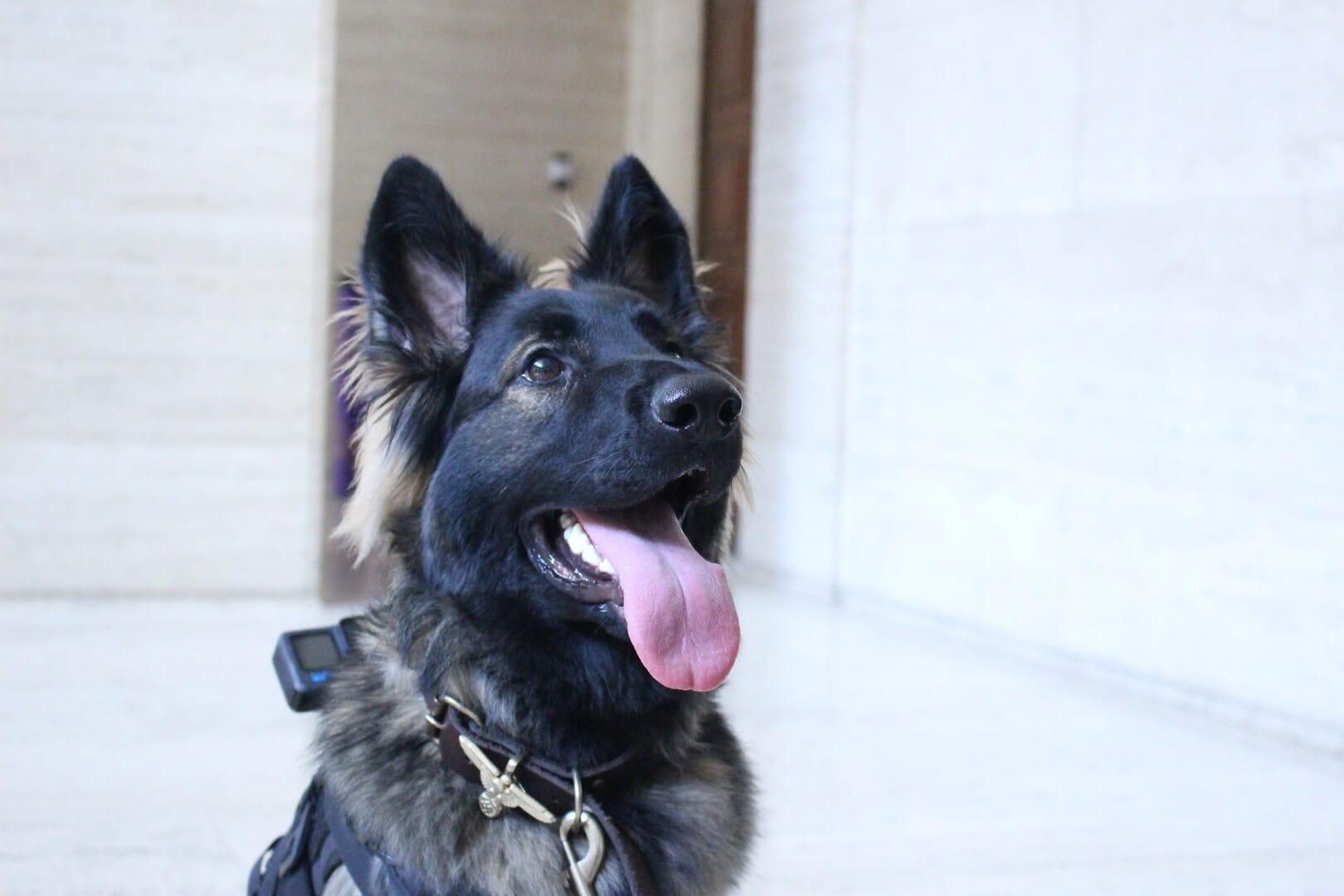
What moment in the film feels most like you, or like something only you could have made?
Probably the decision to genuinely let the dog make the images. Most people assumed it was a gimmick, or that we'd fake it. Instead, we trusted Lexie completely.
No human cinematographer could have captured the same curiosity, spontaneity and authenticity. Those shots don't just look different, they are different.
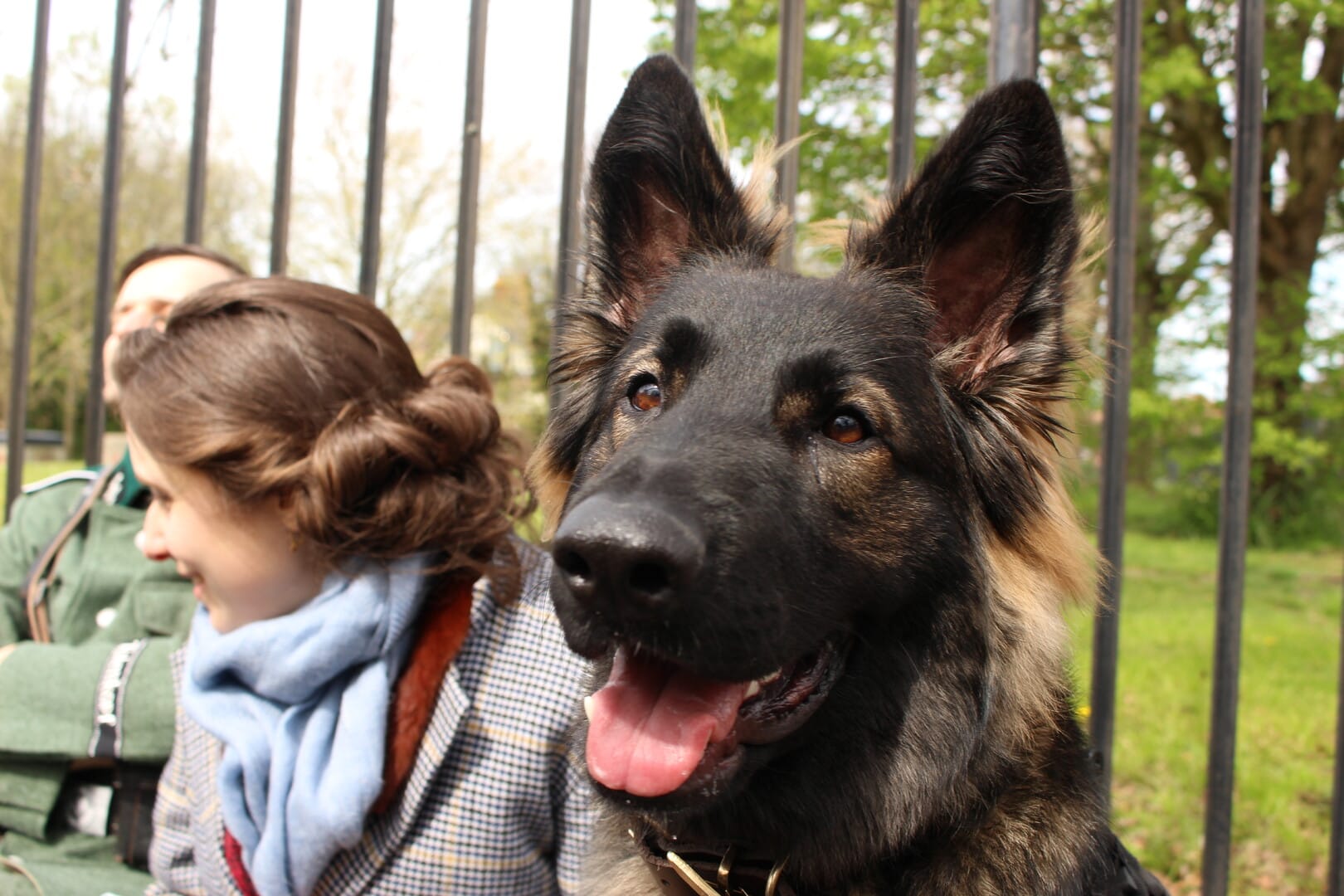
What tool, technique, resource, collaborator, or mindset shift helped most during production?
Without my team, this film simply wouldn't exist.
My producers are an extension of myself, and every single person on set embraced an idea that, on paper, sounded completely ridiculous. We had almost no money, very few permissions, and somehow everyone committed to making it work. We shot like pirates. If I hadn't found a crew willing to join such a mad expedition, Blondi would never have happened. And I probably would have ended up in prison.
What is the greatest strength of independent filmmaking, and what advice would you share with others?
Independent filmmaking forces you to become inventive. We had almost no budget, limited permissions and a tiny crew, but limitations became our greatest creative tool.
I don't think I have lessons to teach, but I do have one piece of advice: resist making films. Fight the idea. Ignore it if you can. Because filmmaking is exhausting, expensive and emotionally draining. Only when you realise you can't not make the film, when it becomes a necessity rather than a choice, that's when you know it's worth doing.
What does it mean to have your film selected for HollyShorts, and where does it go next?
I still pinch myself at the idea that Blondi will play at the TCL Chinese Theatre, one of cinema's most iconic venues. As someone who grew up obsessed with films, it's an enormous honour.
Blondi has a few more festival stops ahead before its online release on Short of the Week this December. After that, hopefully more dogs will start demanding cinematography credits. And I hope the film opens the door to thinking differently about animals in cinema — not just as props, or performers in front of the camera, but as genuine creative collaborators behind it too.
Main Cast & Crew
- Director: Jack Salvadori
- Writers: Peter Greenaway, Jack Salvadori
- Producers: Pablo Alvarez Hornia, James Witherspoon, Jamie Sugar, Nacho Martin Sierra, Jack Salvadori
- DoP: Lexie the Dog — the world's first cinemaDographer
- Cast: Lexie the Dog (Blondi), Nicola Pedrozzi (The Master), Orane Stepczynski (Eva)
Filmmaker Opportunities
💛 Fund your next project with fiscal sponsorship
Have a project in the works? As a 501(c)(3) nonprofit, the Cinematography for Actors Institute can accept tax-deductible donations on your film's behalf — a door-opener for grants, foundations, and supporters who want to back your work. We've serviced over 100 projects to date and helped route over $800,000 in funding to filmmakers. Explore fiscal sponsorship →
📬 Grant deadlines and festival opportunities, straight to your inbox
The CFA newsletter rounds up grants, festival calls, and community news for independent filmmakers — the kind of opportunities that are easy to miss and painful to miss. Join the newsletter →
🎬 Focus on the creative — we'll help with the logistics
Production Management, CFA's newest member program, launches this November: production insurance and workers' comp, payroll, film permits, gear rental coordination, SAG-AFTRA compliance, contract drafting, production consulting, and crew recommendations — handled by a team of working filmmakers, à la carte or all in, in partnership with Creative Access Group. It's waitlist-only until launch. Join the waitlist →
League of Filmmakers is published by our parent organization, the Cinematography for Actors Institute — a 501(c)(3) dedicated to education, community, and capital for underrepresented filmmakers and actors. Learn more about CFA →