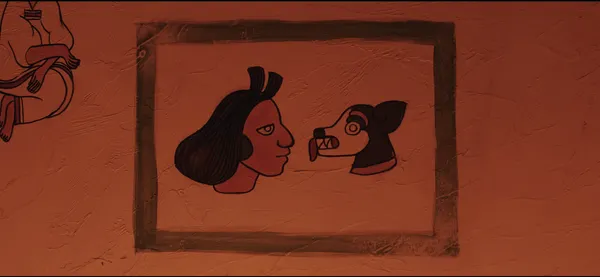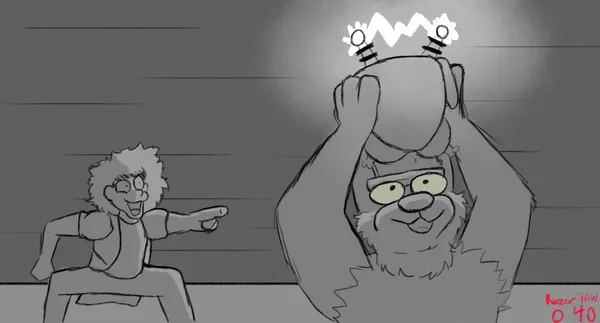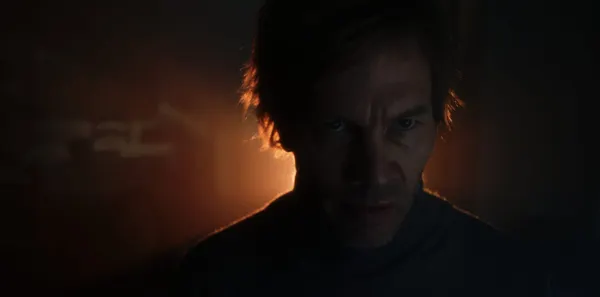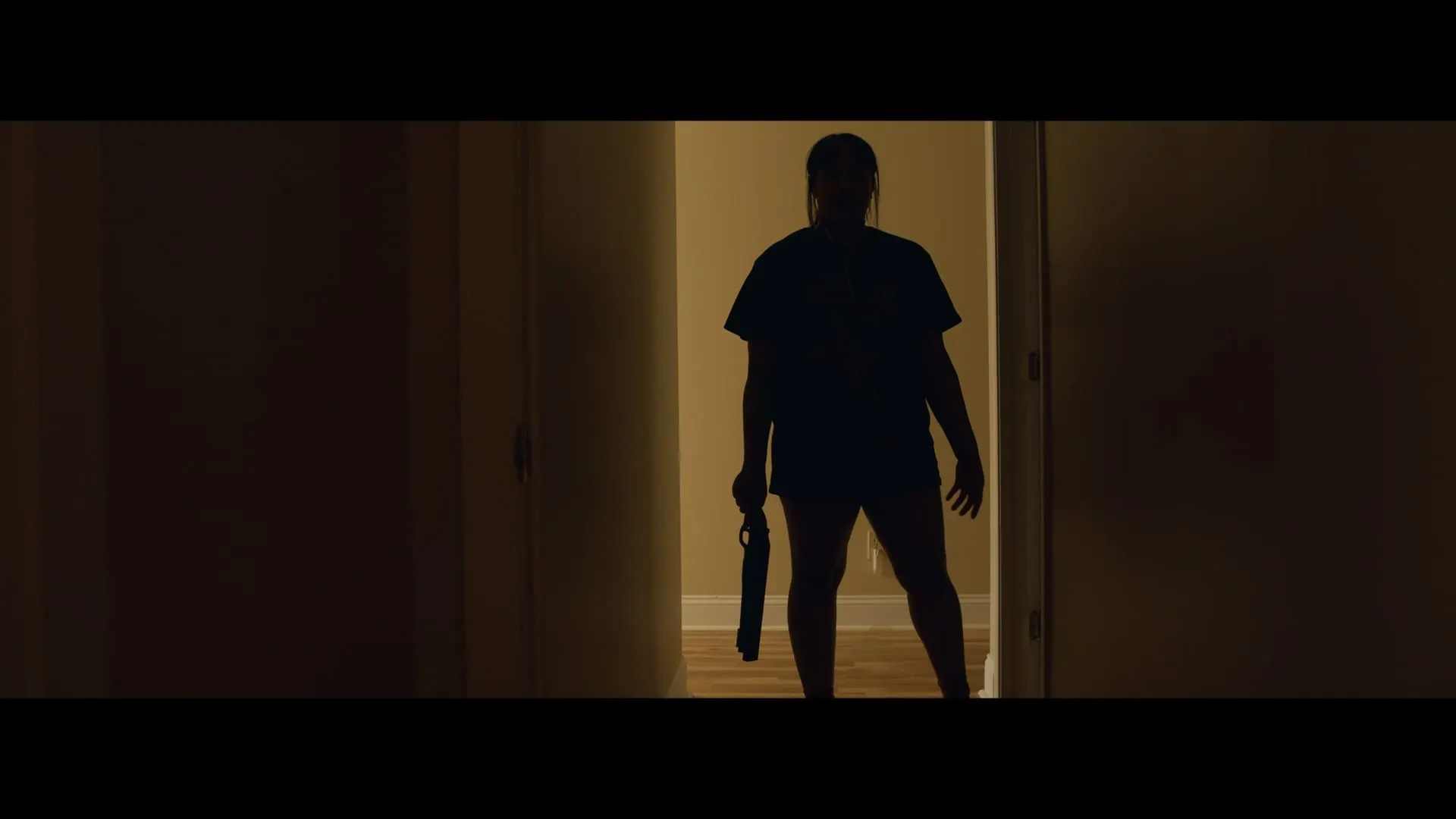
Travis Long's Blood Sugar begins with a familiar fantasy and immediately sours it: a young woman, broke and battling medical issues, inherits a house. What comes with the house is considerably worse than property taxes. Written and directed by Long, the short screenplay is competing at FilmQuest in the unproduced screenplay category — the film itself is in progress, not yet finished — and it arrives with its priorities clearly stated. This is a story about grief and generational burdens, and it also has an awesome creature built with fun, old-fashioned practical effects.
That combination is the whole thesis. Long wrote Blood Sugar out of the economic tension facing a generation of young adults trying to navigate an increasingly unfair world, and out of the history of Hawaii and the exploitation of sugar cane field workers. He also wrote it the way ultra low-budget horror has to be written: according to what was actually available to him. The result sits comfortably alongside the post-Jaws creature pictures he grew up loving, where the monster is real, rubber, and in the room with you.
Key Takeaways
- Blood Sugar is a short horror screenplay at FilmQuest, with production underway and a finished film targeted for a 2027 festival run.
- Long wrote the climactic confrontation first, and built outward from the collision of genre set pieces and social commentary.
- The creature is practical, by design — a throwback to Alligator and Razorback, made within the limits of an ultra low-budget shoot.
A conversation with Long about inheritance, imposter syndrome, and solving a character problem with an actor's help.
Interview
What drew you to make this film, and why this story, why now?
The story was inspired in part by the economic tension that the current generation of young adults face as they attempt to navigate this increasingly unfair world. Also a little by the history of Hawaii and the exploitation of sugar cane field workers. There were other things too, but it's important to remember that ultra low-budget horror scripts have to be written according to what you have at your disposal.
What surprised you most about the process, creatively or logistically, including any moment that changed how you saw the story?
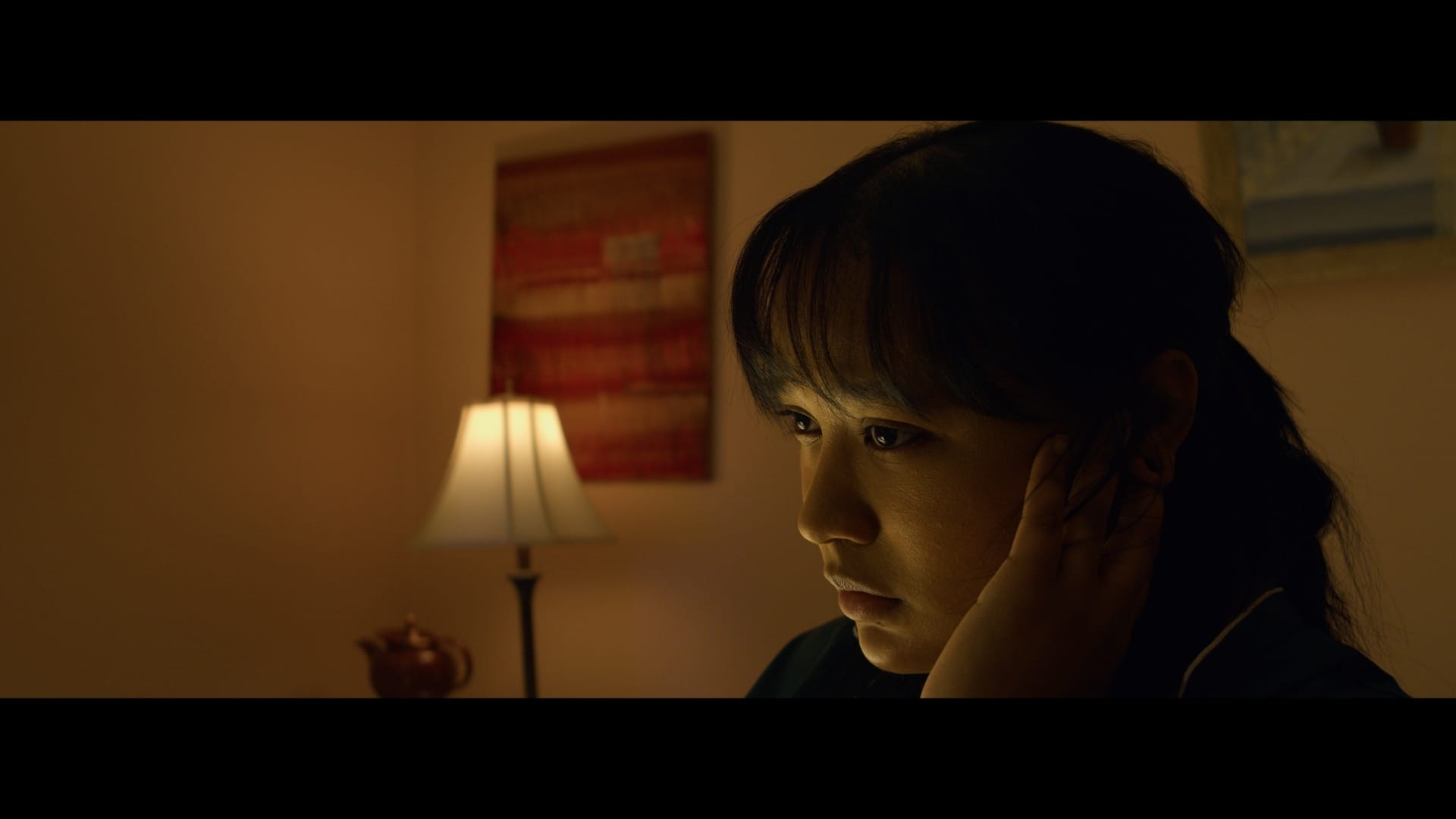
Performing nearly all of the production roles myself minimized any bad surprises, and I don't know that I necessarily came to see the story differently. I will say I was blown away by the work of Tae, the lead, as well as the supporting actors. Rosy Hong in particular impressed me so much with her talent and preparation. She even helped me solve a tiny problem related to her character that I had been wrestling with.
What moment in the film feels most like you, or like something only you could have made?
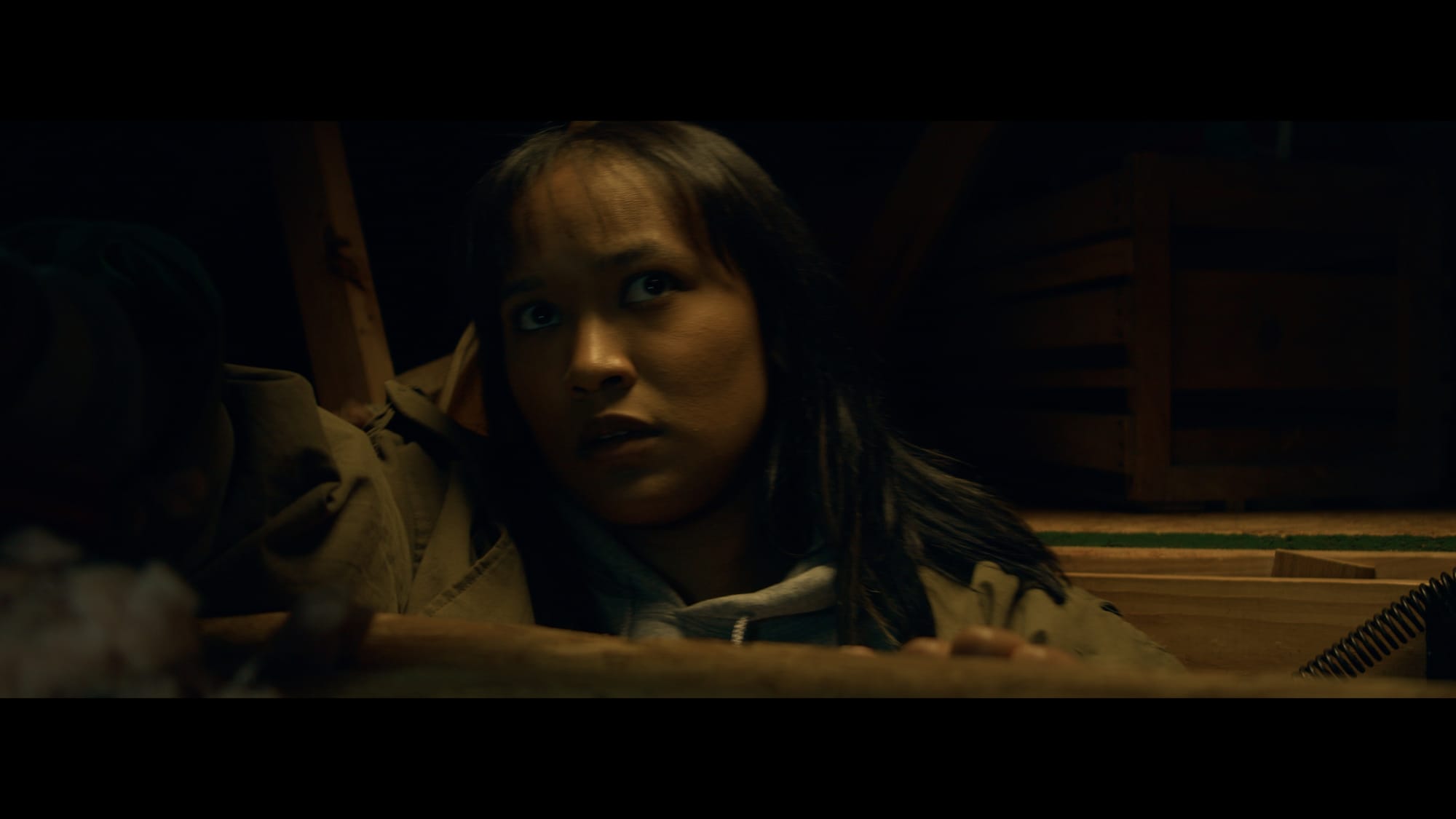
The mashup of genre set pieces and social commentary feels pretty "me." The climactic confrontation in the film was the first scene I wrote.
What was the hardest creative decision you made while making the film?
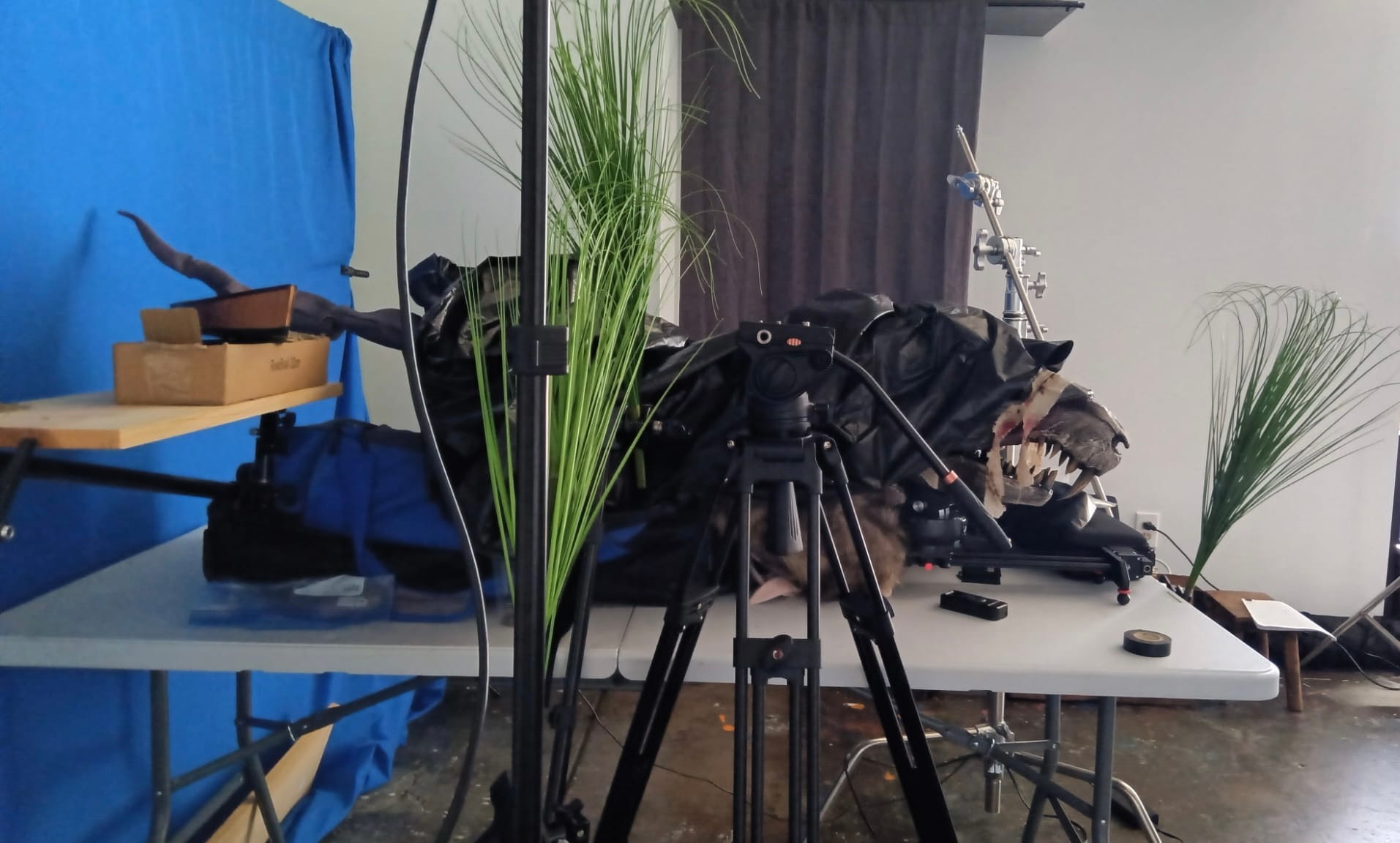
There were some minor things that had to be changed or removed in the name of just getting the damn thing done timely and at a reasonable cost — and it's still not done yet — but for the most part I'll probably end up with 90% of my original vision on the screen.
How does your film fit within, or push the boundaries of, its genre or form?
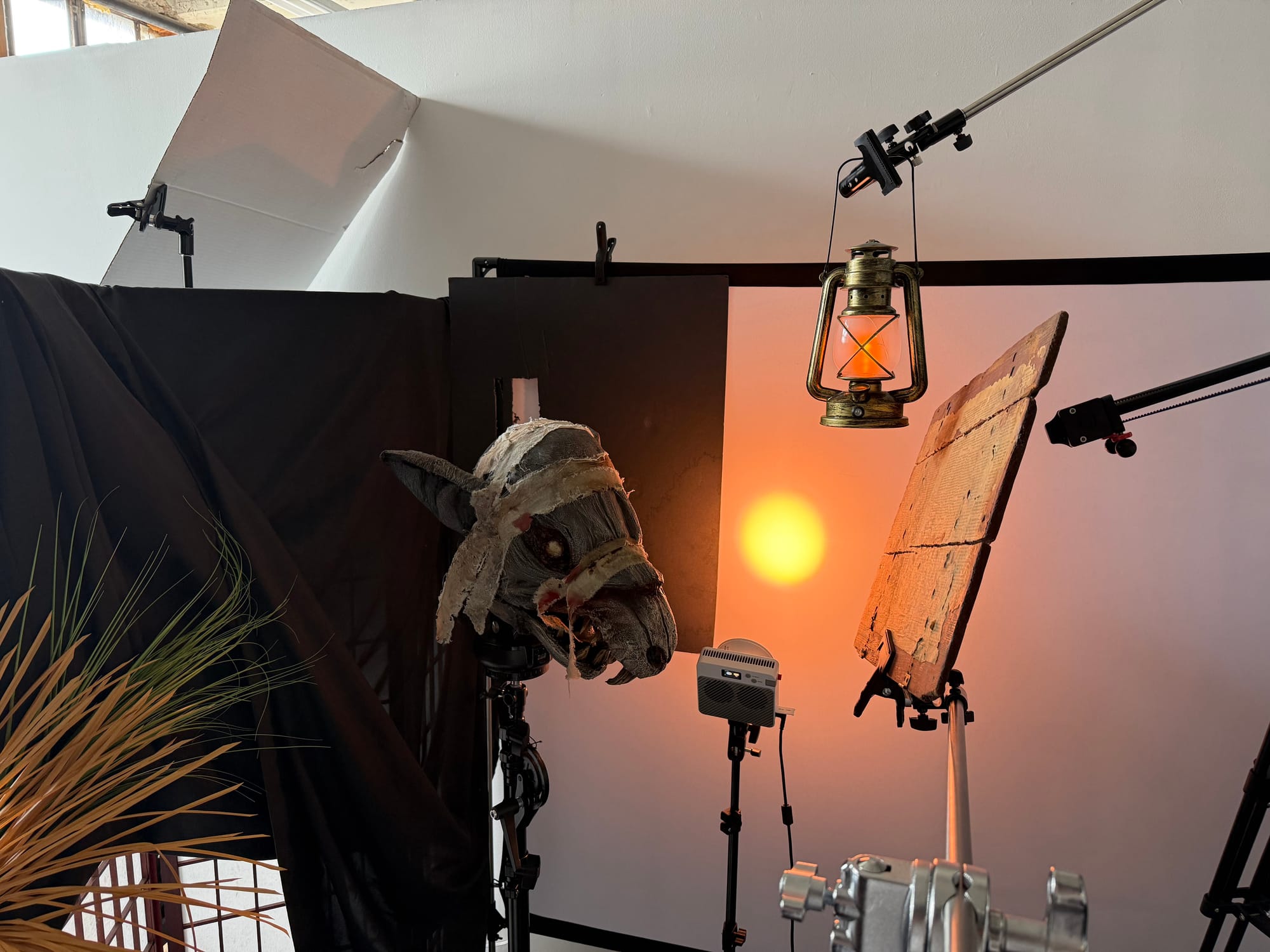
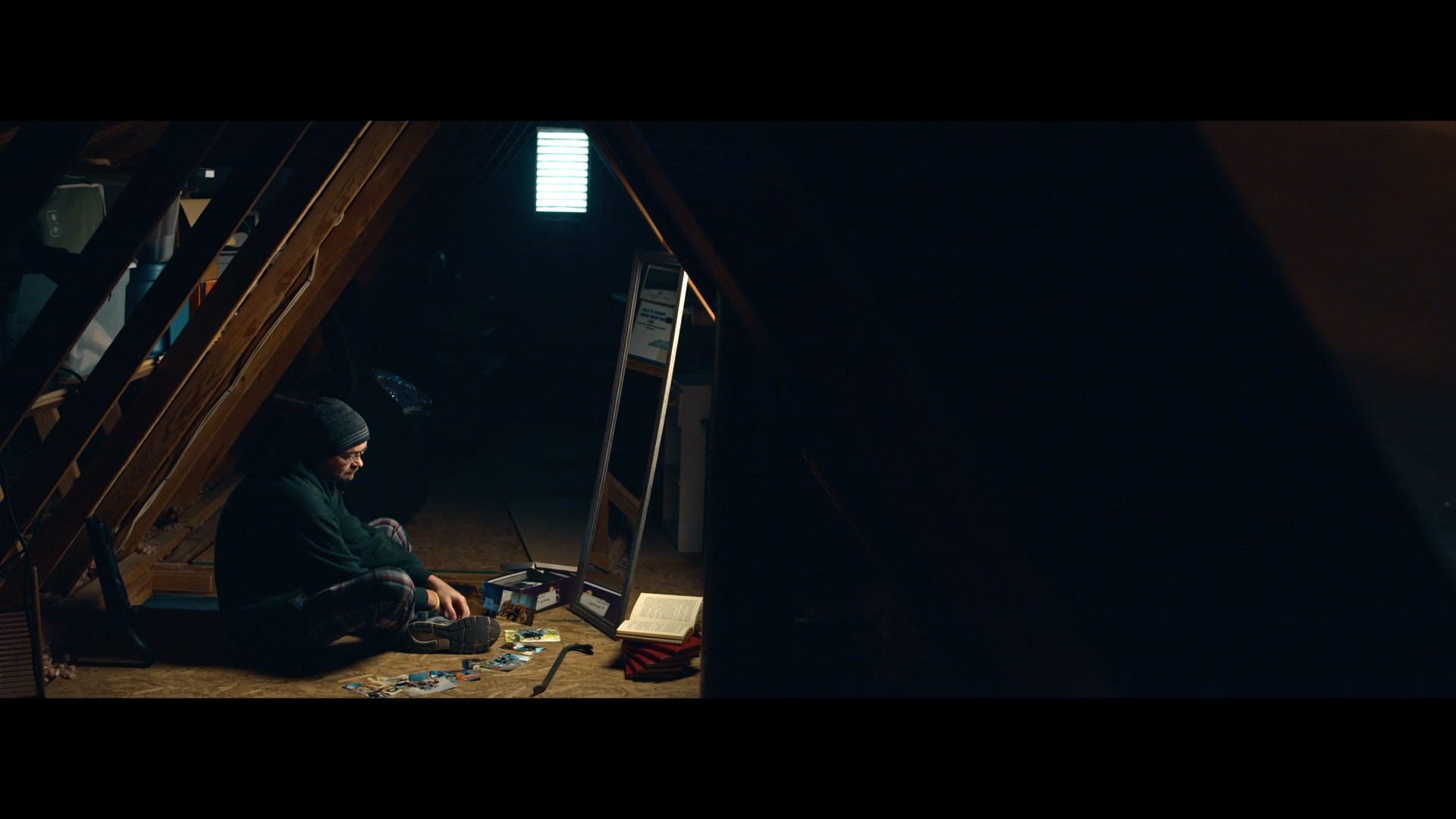
I wanted it to be a bit of a throwback to the practical creature effects-driven films that I loved that came out post-Jaws, like Alligator or Razorback, and I feel like it fits squarely in that space.
What do you hope audiences take away from this film?
Thematically, it's important to remember that whatever crazy, uncomfortable feelings you're having about the current state of the world or your life or about someone you've lost — they're all valid. Short of that, I honestly just want them to enjoy the 20 minutes that they'll spend with the characters.
What does it mean to have your film selected for FilmQuest?
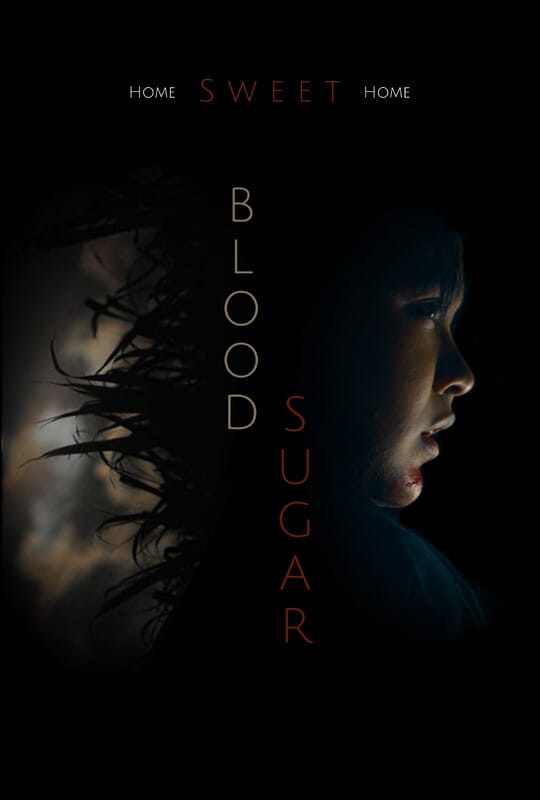
So far I can only speak to the screenplay, since the film itself isn't quite complete yet. I could not be more humbled by the recognition my screenplay for Blood Sugar has received from festivals all over the country, and the selection to FilmQuest is an absolute honor. I knew I had written something good. But if I'm being honest, it always helps to have some level of validation from others. Indie filmmakers and screenwriters battle imposter syndrome constantly, and any little dopamine hit we can find helps keep us sane and reminds us that we're on the right track.
How has this film shaped or shifted the kinds of stories you want to tell next, and where does it go from here?
We shall see. I'm working on writing a slasher set in a small town reeling from a catastrophic incident. But honestly, I can't even think that far ahead. I need to finish up Blood Sugar first. Once post-production is complete I've got a 2027 film festival submission plan that will include FilmQuest. Hopefully those festivals embrace it.
There's a useful honesty in how Long frames the work. Blood Sugar was shaped as much by constraint as by ambition — written for what he had, trimmed where it had to be trimmed, and still on track to land at roughly ninety percent of the original vision. At the core of all his work, he says, is a desire to tell meaningful, fun stories. The script at FilmQuest is the proof of the first half. The creature, when it finally lumbers into frame, should handle the second.
Main Cast & Crew
- Written and Directed by Travis Long
- FilmFreeway
Filmmaker Opportunities
💛 Fund your next project with fiscal sponsorship
Have a project in the works? As a 501(c)(3) nonprofit, the Cinematography for Actors Institute can accept tax-deductible donations on your film's behalf — a door-opener for grants, foundations, and supporters who want to back your work. We've serviced over 100 projects to date and helped route over $800,000 in funding to filmmakers. Explore fiscal sponsorship →
📬 Grant deadlines and festival opportunities, straight to your inbox
The CFA newsletter rounds up grants, festival calls, and community news for independent filmmakers — the kind of opportunities that are easy to miss and painful to miss. Join the newsletter →
🎬 Focus on the creative — we'll help with the logistics
Production Management, CFA's newest member program, launches this November: production insurance and workers' comp, payroll, film permits, gear rental coordination, SAG-AFTRA compliance, contract drafting, production consulting, and crew recommendations — handled by a team of working filmmakers, à la carte or all in, in partnership with Creative Access Group. It's waitlist-only until launch. Join the waitlist →
League of Filmmakers is published by our parent organization, the Cinematography for Actors Institute — a 501(c)(3) dedicated to education, community, and capital for underrepresented filmmakers and actors. Learn more about CFA →