Table of Contents
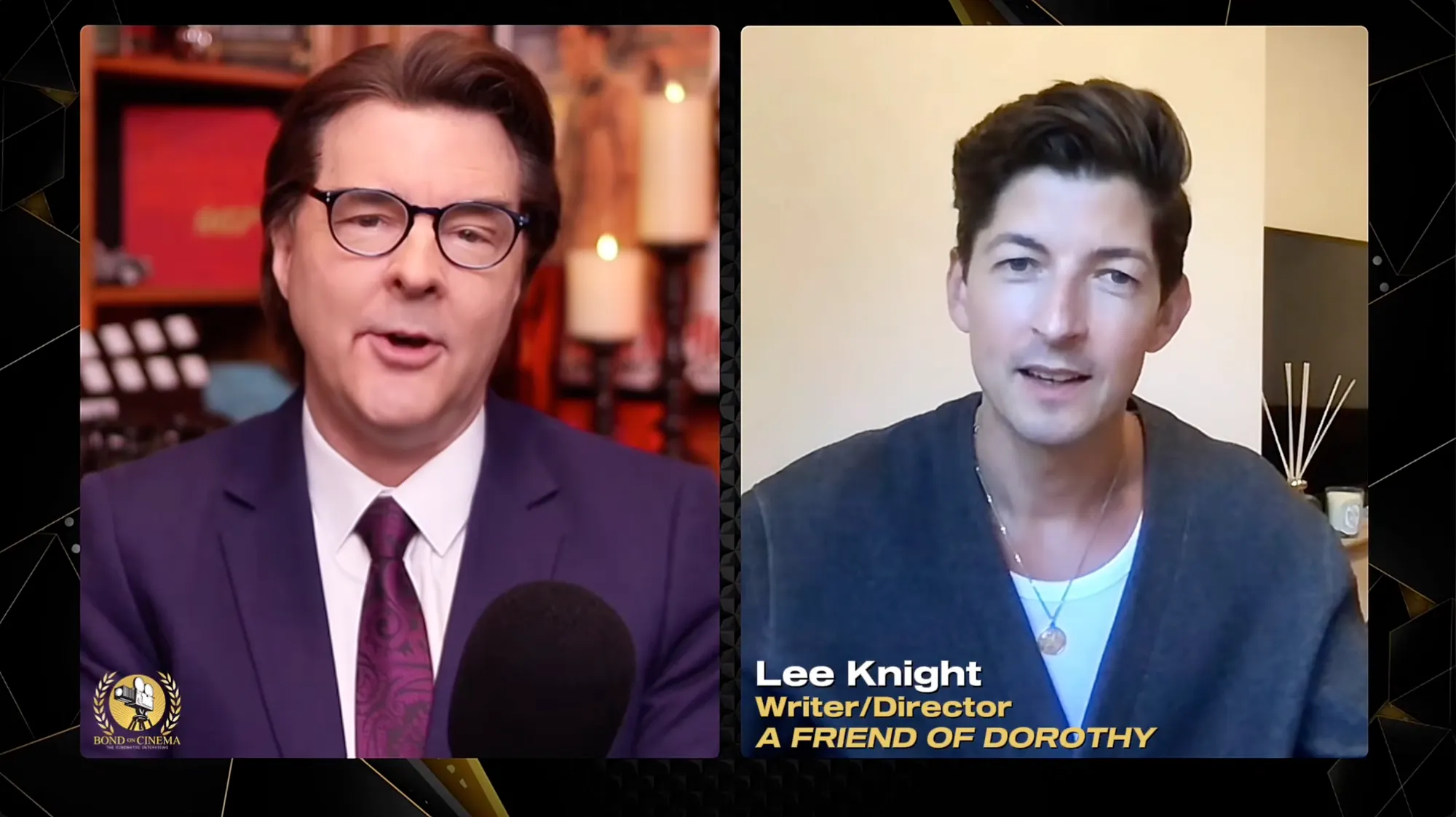
Ward W. Bond has spent more than twenty years in front of and behind the camera, logging over 4,000 hours on screen and more than a thousand interviews. With Bond on Cinema, he turns that experience toward a single purpose: giving filmmakers room to talk about their work at length, and giving audiences the tools to watch differently.
The result is a platform built on in-depth conversations with directors, producers, screenwriters, cinematographers, editors, composers, and actors from around the world. Each episode explores the inspiration, challenges, and artistic choices behind a film — from Academy Award contenders and major festival selections to the emerging voices shaping what comes next.
Key Takeaways
- Ward W. Bond writes a full interview script only after watching each film multiple times, chasing the story behind the story.
- He conducts more than 200 in-depth film interviews a year, nearly half tied to Oscar or BAFTA campaigns.
- His mission is to teach audiences how to truly see film — the cinematography, the score, the glance that says more than dialogue.
Bond spoke with us about listening, turning films down, and where Bond on Cinema goes next.
Interview
What drew you to make this, and why this story, why now?
I created Bond on Cinema to allow filmmakers from all over the world to truly discuss their film at length — to talk in detail about the storyline, actors, cinematography, music score and more. My work has helped elevate the broader conversation about film analysis. Viewers who encounter my commentary frequently find themselves watching movies differently afterward, paying closer attention to visual composition, narrative symmetry, and the emotional cadence created by editing and sound design. In short, I want to teach audiences how to truly see film.
What surprised you most about the process, including a moment that changed how you saw the story?
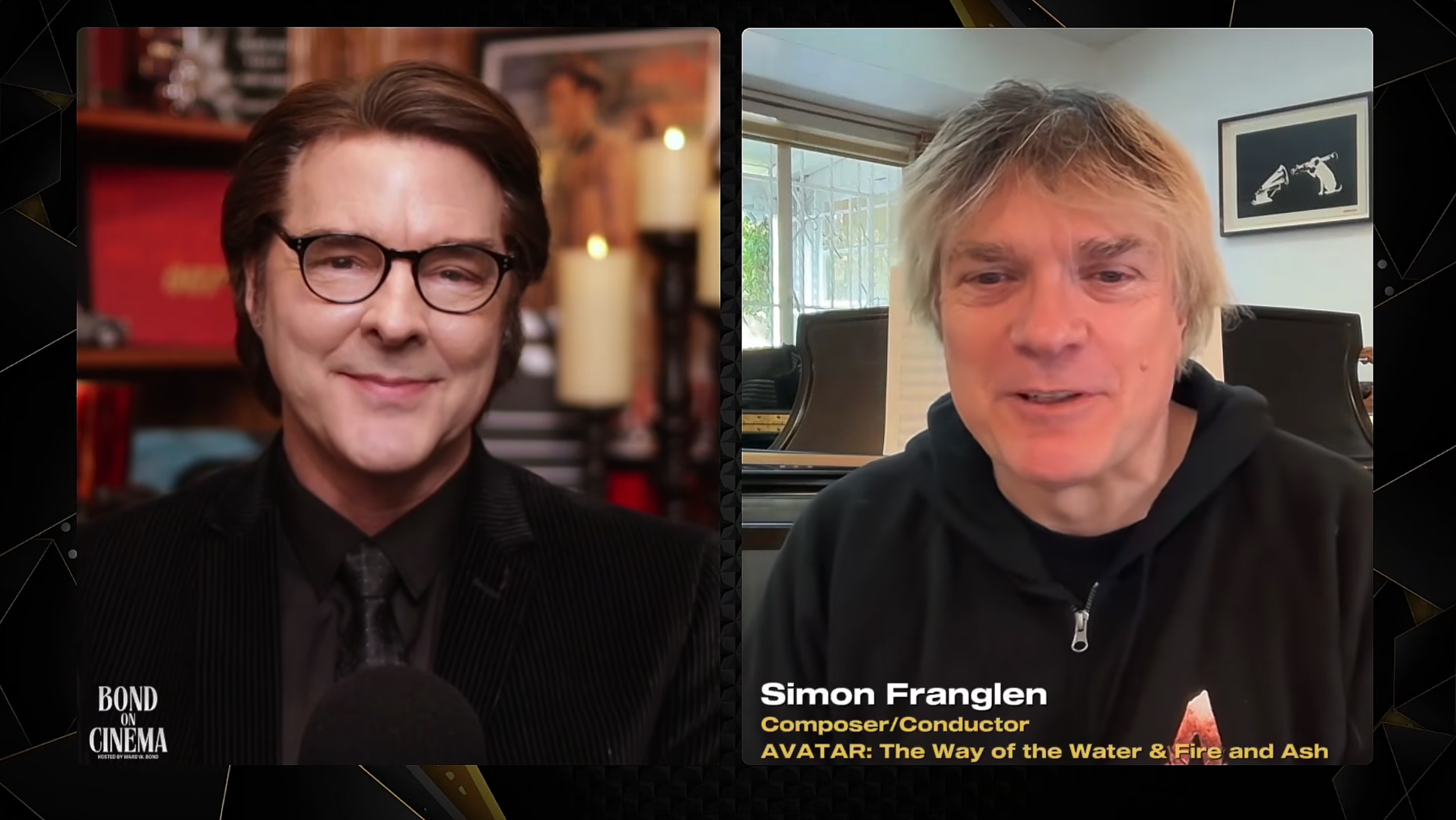
What has surprised me the most is that filmmakers rarely have the opportunity to be asked the deeper questions about their films. So many of them tell me they appreciate the research I do, and the questions I present that help tell the story behind the story. I like to deconstruct scenes, to focus on an important element of dialogue or the movement of the camera that speaks louder than the actual dialogue in the film, if there is any.
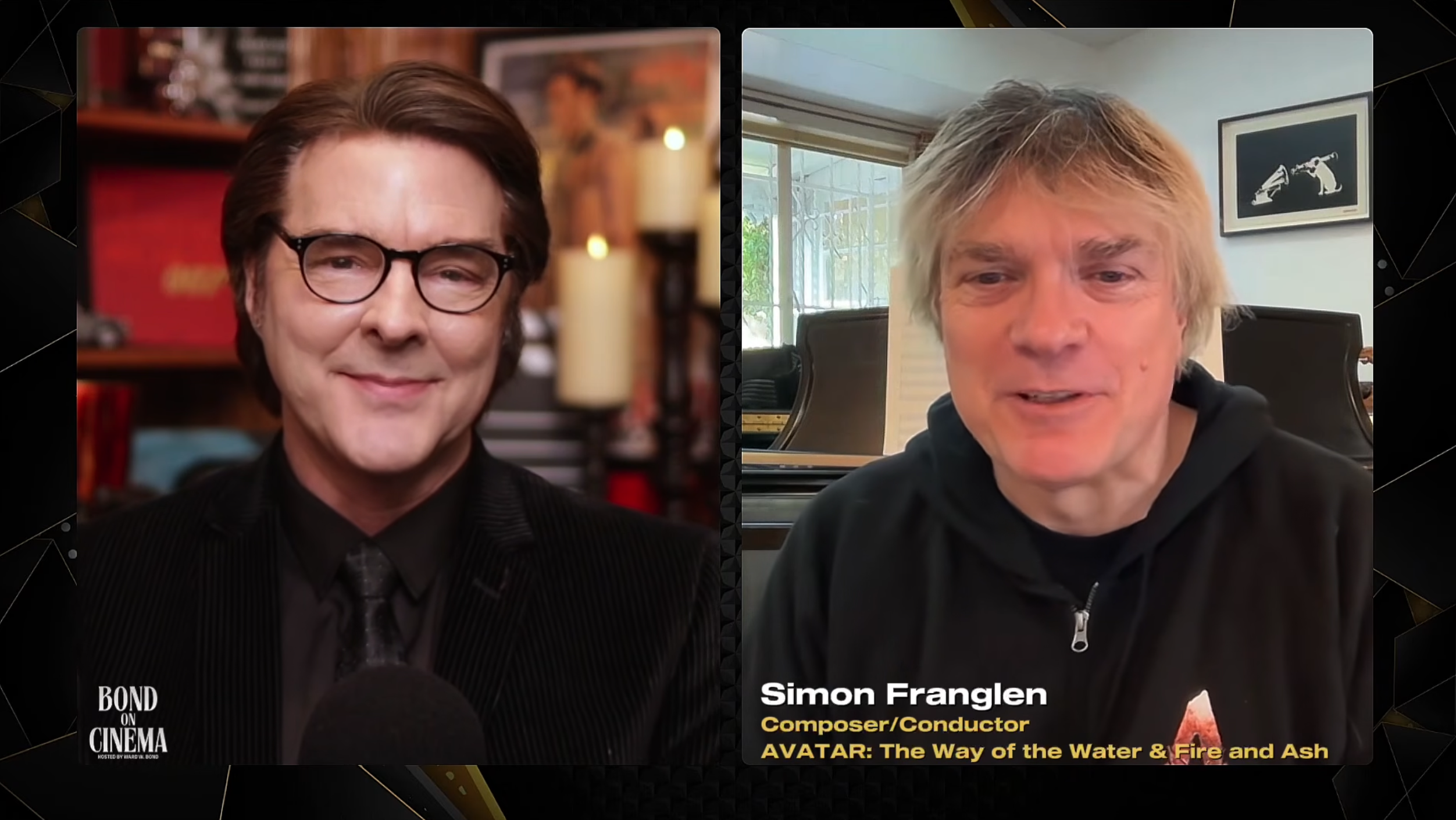
What moment feels most like you, or like something only you could have made?
After I watch a film multiple times and write the script for the interview, there's a feeling of excitement to deliver an engaging conversation to the filmmaker I'll be talking to about their film. Every film tells a story — not necessarily the one on screen, but through the eyes of the director.
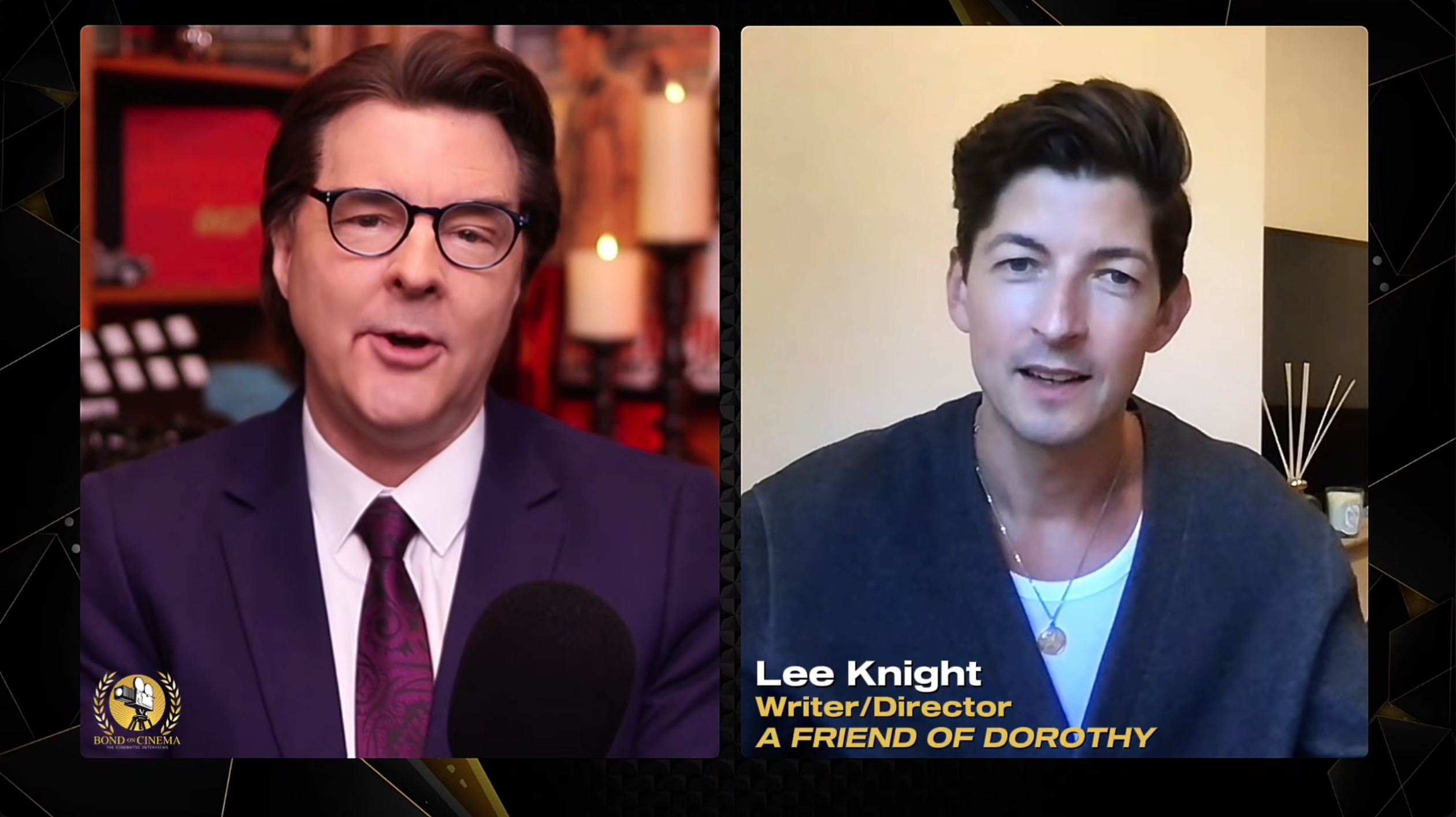
What was the hardest creative decision you made?
The hardest decision is to turn down films, because only the calendar limits me. I average a bit over 200 in-depth film interviews per year, with almost half being part of either an Oscar campaign or the BAFTAs. There are so many great films each year, and I just can't cover them all.
What tool, technique, or mindset shift helped most during production?
Listening is the biggest tool. I listen to the filmmakers or actors during an interview, but many times it is what they say after the interview that helps me continue to better shape Bond on Cinema and make it better year after year.
What do you hope audiences take away?
I want the audience to come away excited about the movies again. I want them to learn how to watch a film for enjoyment, but also to grasp the true art of filmmaking — to see the cinematography, listen to the music score, watch the actors deliver their scenes. Even a glance of the eye can tell a bigger story.
What does it mean to have your film selected for HollyShorts?
Being selected for HollyShorts is a dream come true. It is one of my most favorite film festivals, because the films are of the highest quality and they get better each year. The filmmakers who attend are like friends you've never met, but we all have the same love for cinema that burns with a passion in each of us.
Where do you see this film going next?
It continues to grow, and the next step is to create a version of it for television, so the mainstream public can see the absolute gems of films that they normally don't get to see. I feel like it's actually a calling — shining a light on filmmakers from around the world, experiencing different cultures and traditions, and helping filmmakers, whether they went to film school or not, tell their stories properly. At the core of all my work is a desire to continue to be a shining light on filmmakers and their films each and every year. I want to be their cheerleader for every film they make.
Main Cast & Crew
- Ward W. Bond — host, film critic, and filmmaker. Veteran television personality with over 20 years of experience, creator of Bond on Cinema and the national daytime television series The Dr. Ward Bond Show, and past director, producer and host of the 2009 series Guitar Asylum TV. BondonCinema.com / Instagram: BondonCinema, WardWBond
Filmmaker Opportunities
💛 Fund your next project with fiscal sponsorship
Have a project in the works? As a 501(c)(3) nonprofit, the Cinematography for Actors Institute can accept tax-deductible donations on your film's behalf — a door-opener for grants, foundations, and supporters who want to back your work. We've serviced over 100 projects to date and helped route over $800,000 in funding to filmmakers. Explore fiscal sponsorship →
📬 Grant deadlines and festival opportunities, straight to your inbox
The CFA newsletter rounds up grants, festival calls, and community news for independent filmmakers — the kind of opportunities that are easy to miss and painful to miss. Join the newsletter →
🎬 Focus on the creative — we'll help with the logistics
Production Management, CFA's newest member program, launches this November: production insurance and workers' comp, payroll, film permits, gear rental coordination, SAG-AFTRA compliance, contract drafting, production consulting, and crew recommendations — handled by a team of working filmmakers, à la carte or all in, in partnership with Creative Access Group. It's waitlist-only until launch. Join the waitlist →
League of Filmmakers is published by our parent organization, the Cinematography for Actors Institute — a 501(c)(3) dedicated to education, community, and capital for underrepresented filmmakers and actors. Learn more about CFA →