Table of Contents
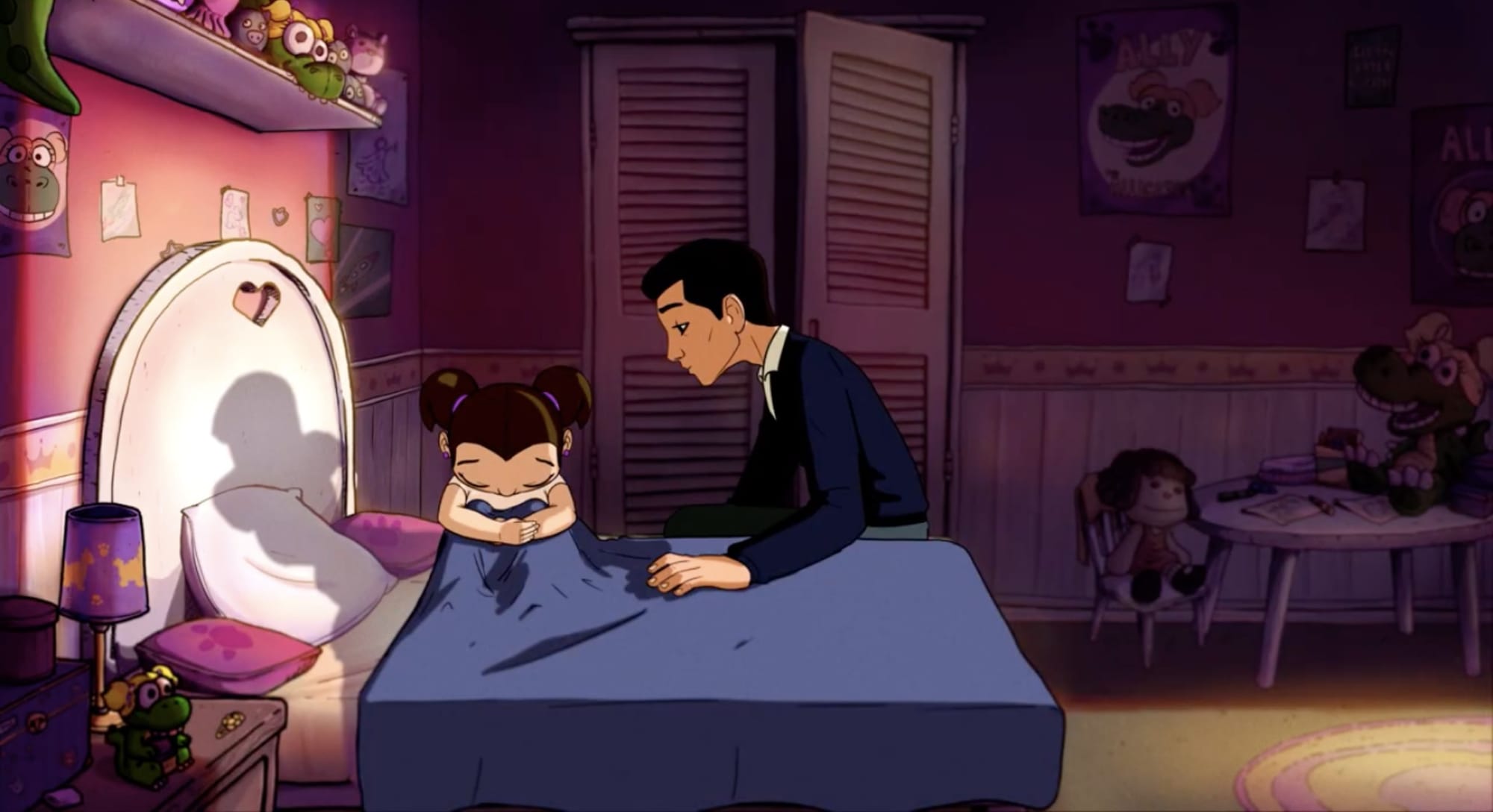
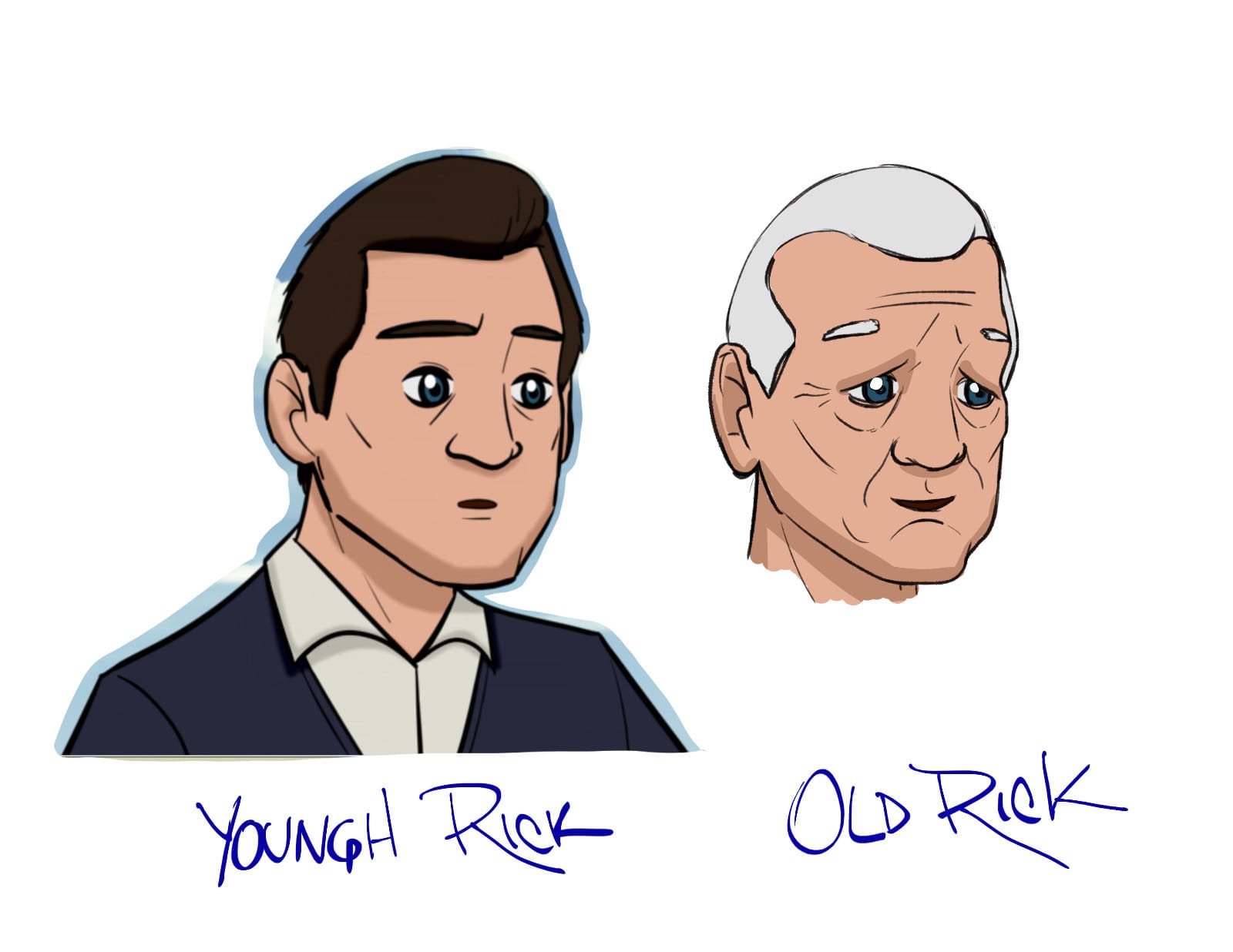
Braving the Night opens inside a toddler's nightmare, where a beloved morning-show alligator turns menacing over an unrelenting clean-teeth agenda. Her father, Rick, has a gift: he can step into her dreams and, with a little lucid dreaming, turn the monster into a harmless pink bunny. But when they wake, Samantha has aged five years and Rick hasn't aged a day — the first sign that this animated fantasy is quietly telling a story about memory, time, and the moment a loved one begins to slip away.
For writer-director Joshua Kushner, an attorney, filmmaker, and co-founder of Lightspan Entertainment, the film marks his animation directorial debut. Built with co-creator and Executive Producer Daniel Feldman, it grows out of a very personal source: two families' experience of watching grandmothers lost to Alzheimer's. The result is a film that lets science fiction imagine the impossible while staying rooted in something real.
Key Takeaways
- A father who can enter his daughter's nightmares becomes a metaphor for the helplessness — and enduring hope — of loving someone with Alzheimer's.
- First-time directors from outside film school (a lawyer and a doctor) leaned on collaborators to translate a story they knew intimately into visual language.
- Braving the Night is conceived as the first chapter of a larger animated feature and franchise about family, memory, and courage.
Kushner spoke about the film's origins, its late-stage discoveries, and why he hopes it starts conversations that can't wait.
Interview
What drew you to make this film, and why this story, why now?
Braving the Night began with a simple question: What if a parent could protect their child from even their worst nightmares? As fathers of six daughters between us, Daniel Feldman and I understand the instinct to shield our children from every fear imaginable. But there are some realities no parent can protect a child from.
For me, that reality was watching my own daughter realize that her great-grandmother no longer recognized her face or remembered her name. My grandmother ultimately lost her battle with Alzheimer's disease and dementia, and my daughter never had the opportunity to truly know the remarkable woman she once was. For Daniel, Alzheimer's shaped his life from an even earlier age — he lost both of his grandmothers to the disease and, as a young boy, watched his parents become caregivers.
Those deeply personal experiences became the emotional foundation of the film. As millennials, we have watched more and more friends navigate the heartbreaking reality of parents, grandparents, aunts, and uncles facing Alzheimer's and other forms of dementia. It is no longer a distant disease affecting another generation — it is touching families all around us. We felt an urgency to tell this story now because these conversations cannot wait. At its heart, though, this is not a film about Alzheimer's. It is a film about the enduring bond between a parent and child, and the hope that even when memories begin to fade, love never truly does.
What surprised you most about the filmmaking process, creatively or logistically?
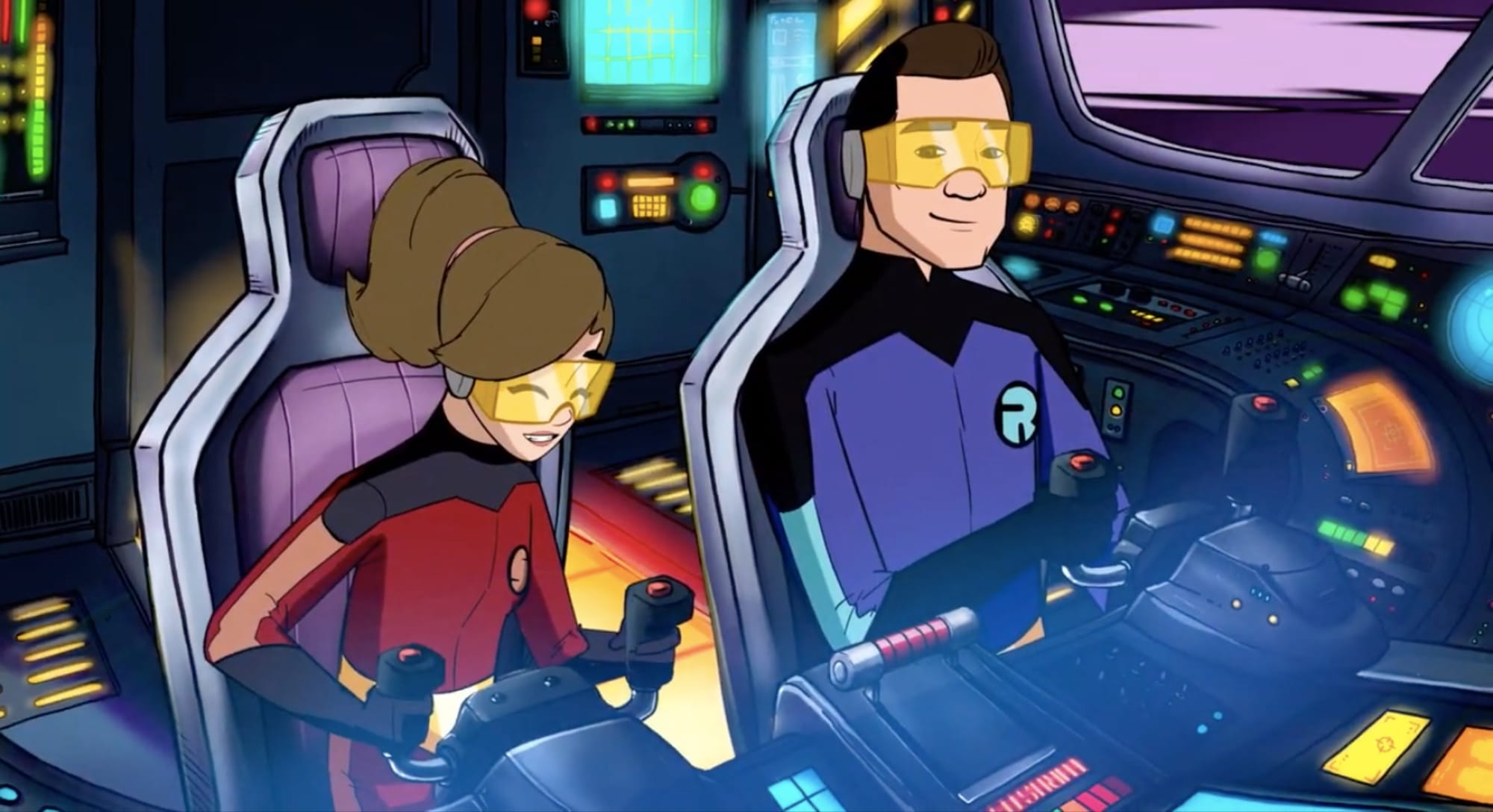
Even though our story plays with a very non-linear sense of time, we still wrote our journey in a very linear fashion. At the script stage, we gave a few hints along the way that would help our audience "get" our twist ending, but watching a rough cut we realized it wasn't enough. Fortunately, during finishing, Luisa pitched and orchestrated — with the help of our brilliant editor Gerard — two quick-flash montage sequences that really helped our audience process the real journey in our protagonist's mind. It was amazing to discover, as first-time filmmakers, how a subtle editing decision could so dramatically bolster the experience we wanted our audience to have. That, coupled with the feeling our orchestra and Pablo's composing gave the film, represent two of the most welcomed surprises of the process.
What moment in the film feels most like you, or like something only you could have made?
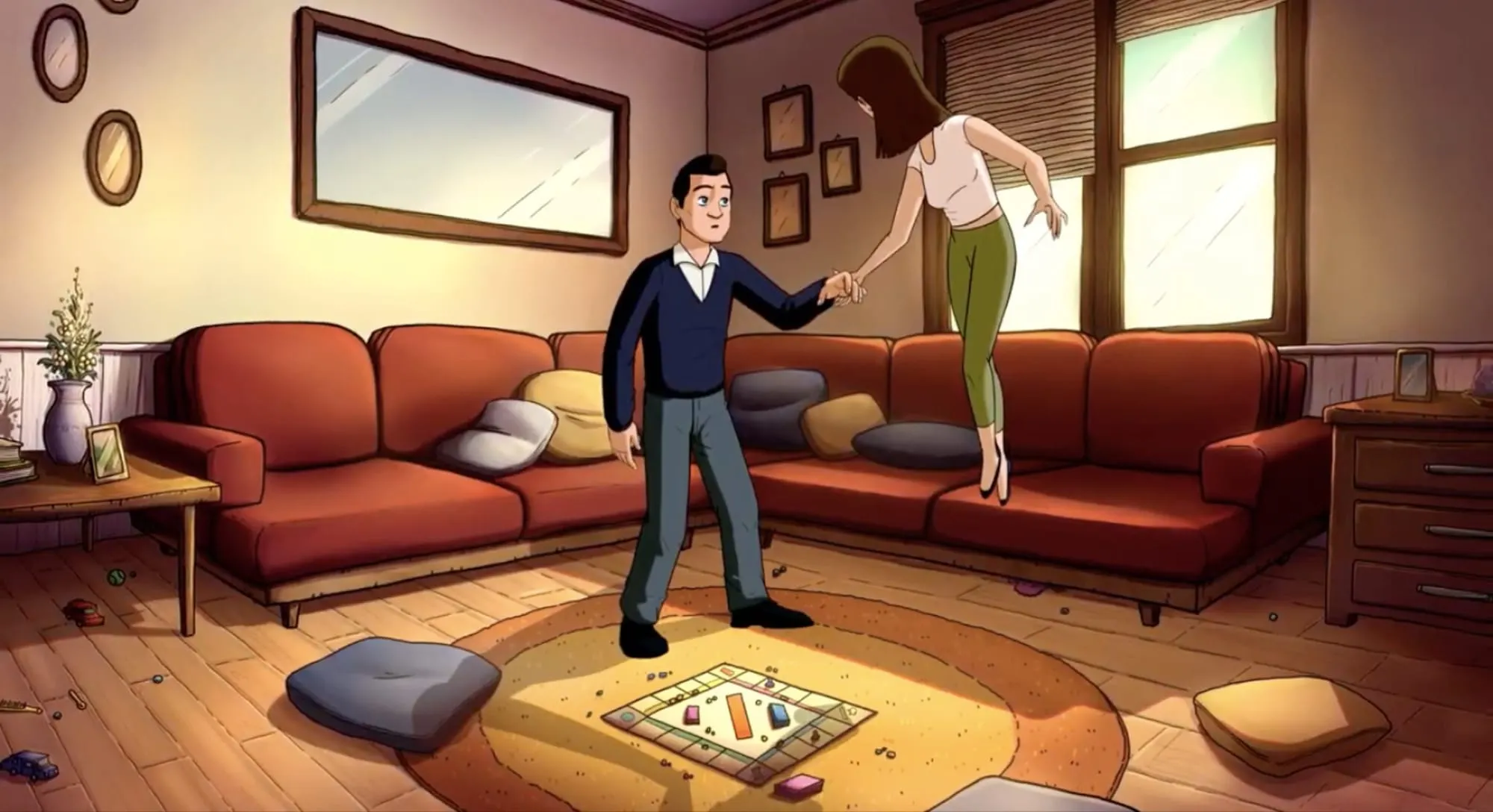
There is a moment where Samantha reaches through a door, grabs her same-aged father, then pulls him into a very ordinary memory — kids on the floor playing a board game, imploring their grandfather to play with them. We love this scene because it combines the impossible with something so common that we take a moment like it for granted, until it's forgotten. What might be an ordinary day for an adult could be a cherished memory for a child. This scene reflects that concept in a way that feels very uniquely communicated through our voices and experiences.
What was the hardest creative decision you made while making the film?
I have a very unsophisticated ear when it comes to music, so deciding on a score was impossible for me. Fortunately, Pablo Croissier presented some great ideas, and associate producer Joel Novoa made important instrument and thematic suggestions. Landing on the music was challenging, but our incredible team made the decision easier than it otherwise would have been.
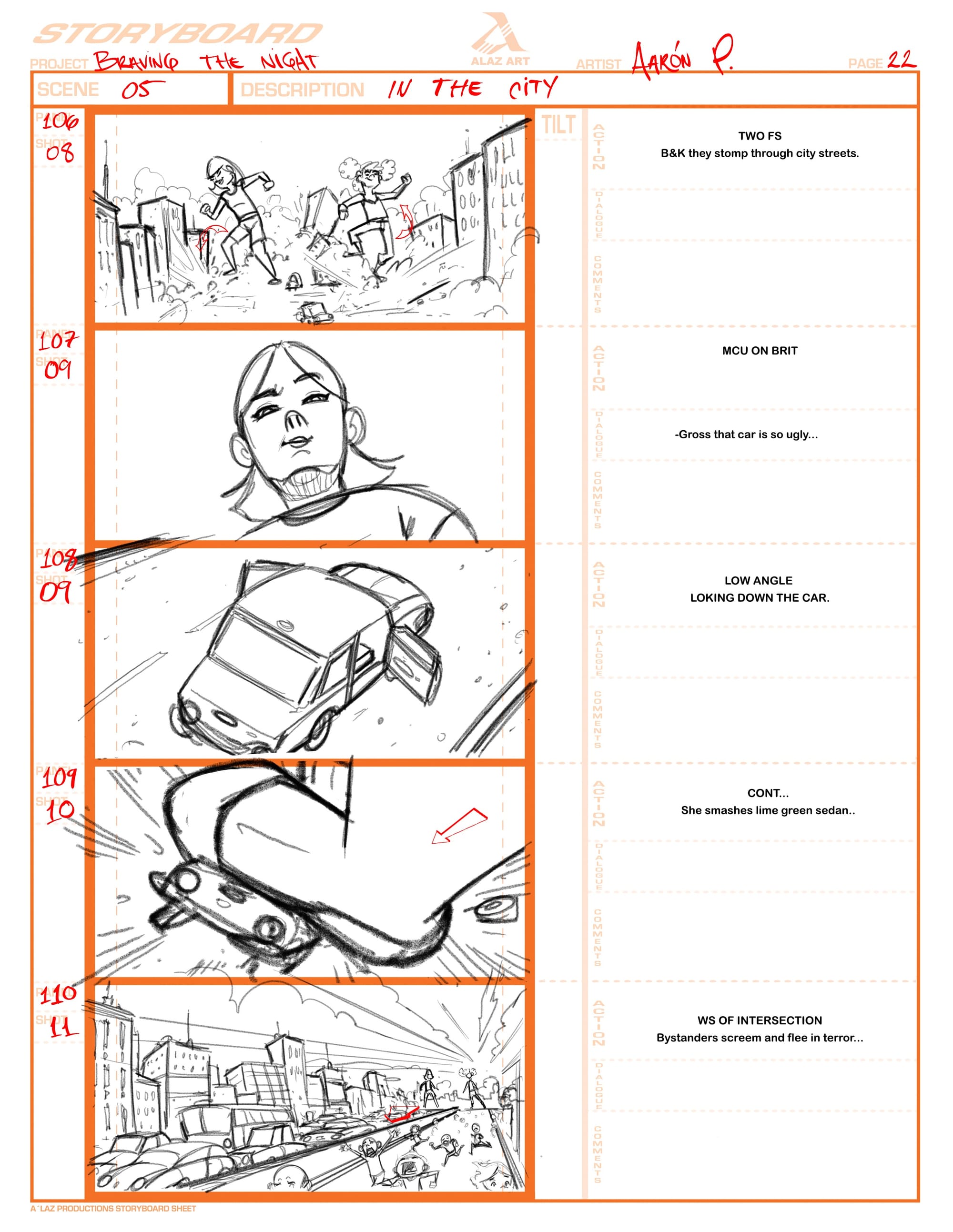
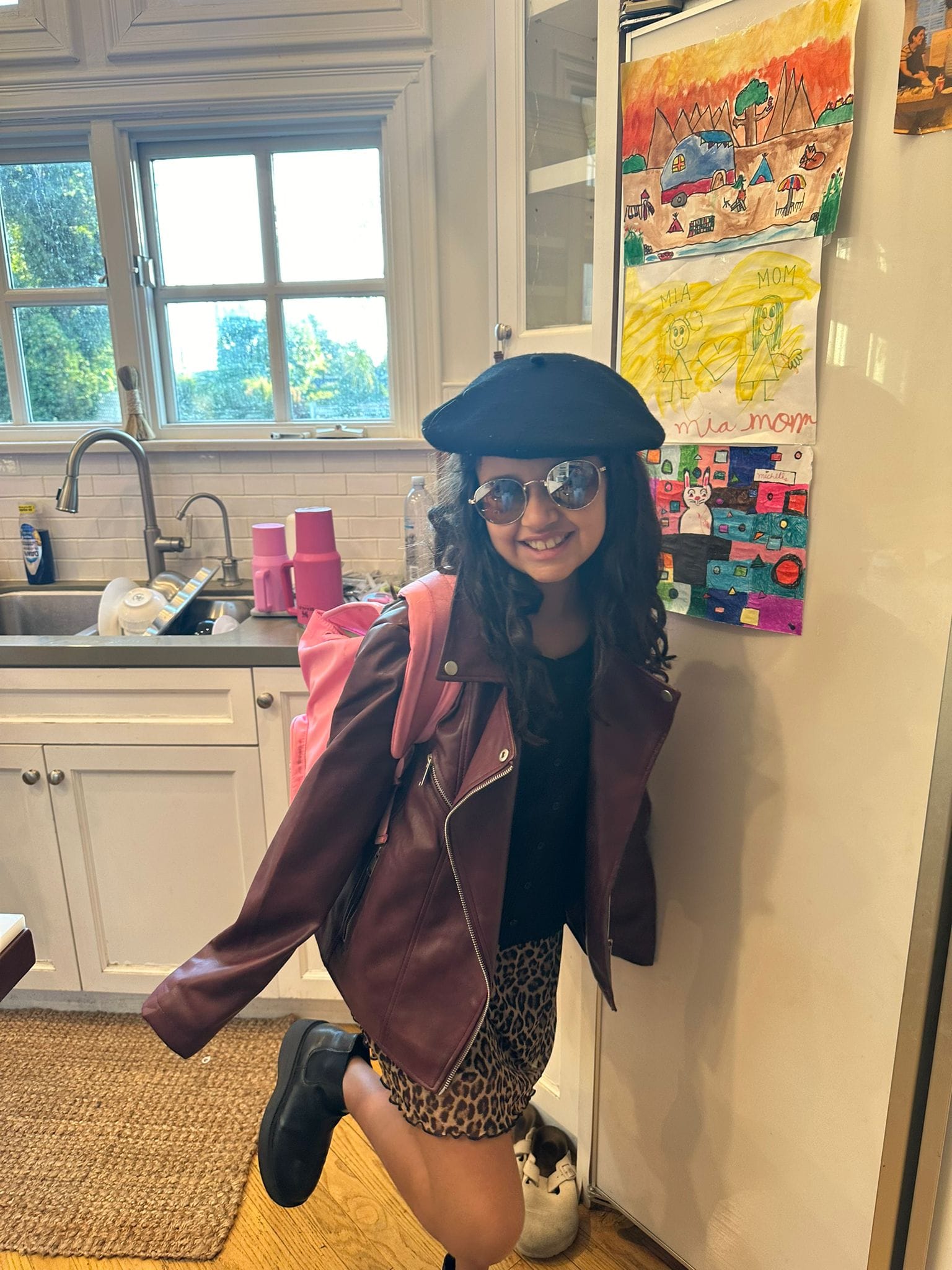
I also could not decide what the nightmare girl bullies should look like. Fortunately my daughter Michelle, six years old at the time, pitched some surprisingly detailed ideas — and so she helped a lot in resolving that difficult decision.
What tool, technique, resource, collaborator, or mindset shift helped most during production?
Dan is a doctor by trade and I'm a lawyer by trade. We've worked together as writer-creators for a long time, but neither of us went to film school, and the prospect of directing and producing our own film was beyond intimidating. Originally I remember begging my close friend and directing mentor Joel Novoa to direct this for me. But in his confident Venezuelan accent he told me, "I think you should direct." Having been through the process now, I'm so glad he pushed me to take the reins.
But it would have been an utter disaster without Luisa Carranza by our side. Dan and I know this story inside and out, but we could not visually communicate it without Luisa advising us and our team every step of the way — from shot choices and issue-spotting to transitions and working with an animation team in Guadalajara. She was indispensable, and we would not be able to showcase our vision to the HollyShorts audience without her.
What does it mean to have your film selected for HollyShorts?
We made Braving the Night with the hope that audiences would connect with its emotional truth, even through its fantastical premise. To have HollyShorts, one of the world's premier short film festivals, select our film is an incredible honor, and it reminds us that deeply personal stories still have the power to connect on a universal level. This festival has a remarkable history of championing bold voices and launching extraordinary careers. More than anything, we're excited to sit in a theater with an audience experiencing Rick and Samantha's journey for the very first time.
Where do you see this film going next?
Braving the Night was always envisioned as the first chapter of a much larger story. Our immediate focus is sharing the short through the festival circuit — respected festivals in Austin, Michigan, Vancouver, and Florida where our filmmakers, cast, and crew have community — and then reaching a national audience through streaming or independent distribution. But we also hope it opens the door to the full-length animated feature. We would love to attract artists, actors, and producers whose work we admire to help expand this world. More than anything, we hope it's the beginning of a franchise families can grow up with — a story that sparks imagination, encourages meaningful conversations across generations, and reminds audiences that even in our darkest moments, we never have to face them alone.
Main Cast & Crew
- Katja Glieson – Samantha
- James Tyler Johnson – Rick Culwin
- Michelle Kushner – Young Samantha
- Isabella Gallagher – Samantha
- Joshua Kushner – Writer, Director, Executive Producer
- Luisa G. Carranza – Co-Director, Producer
- Daniel Feldman – Writer, Executive Producer
- Aaron Perdomo – Art Director
- Gerard Zarra – Editor
- Pablo Croissier – Composer
Filmmaker Opportunities
💛 Fund your next project with fiscal sponsorship
Have a project in the works? As a 501(c)(3) nonprofit, the Cinematography for Actors Institute can accept tax-deductible donations on your film's behalf — a door-opener for grants, foundations, and supporters who want to back your work. We've serviced over 100 projects to date and helped route over $800,000 in funding to filmmakers. Explore fiscal sponsorship →
📬 Grant deadlines and festival opportunities, straight to your inbox
The CFA newsletter rounds up grants, festival calls, and community news for independent filmmakers — the kind of opportunities that are easy to miss and painful to miss. Join the newsletter →
🎬 Focus on the creative — we'll help with the logistics
Production Management, CFA's newest member program, launches this November: production insurance and workers' comp, payroll, film permits, gear rental coordination, SAG-AFTRA compliance, contract drafting, production consulting, and crew recommendations — handled by a team of working filmmakers, à la carte or all in, in partnership with Creative Access Group. It's waitlist-only until launch. Join the waitlist →
League of Filmmakers is published by our parent organization, the Cinematography for Actors Institute — a 501(c)(3) dedicated to education, community, and capital for underrepresented filmmakers and actors. Learn more about CFA →