Table of Contents
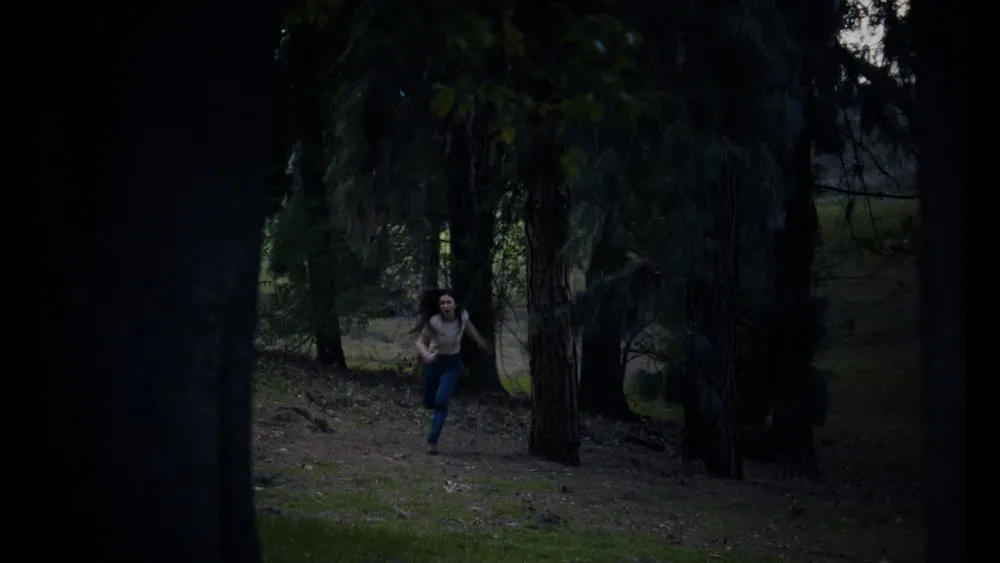
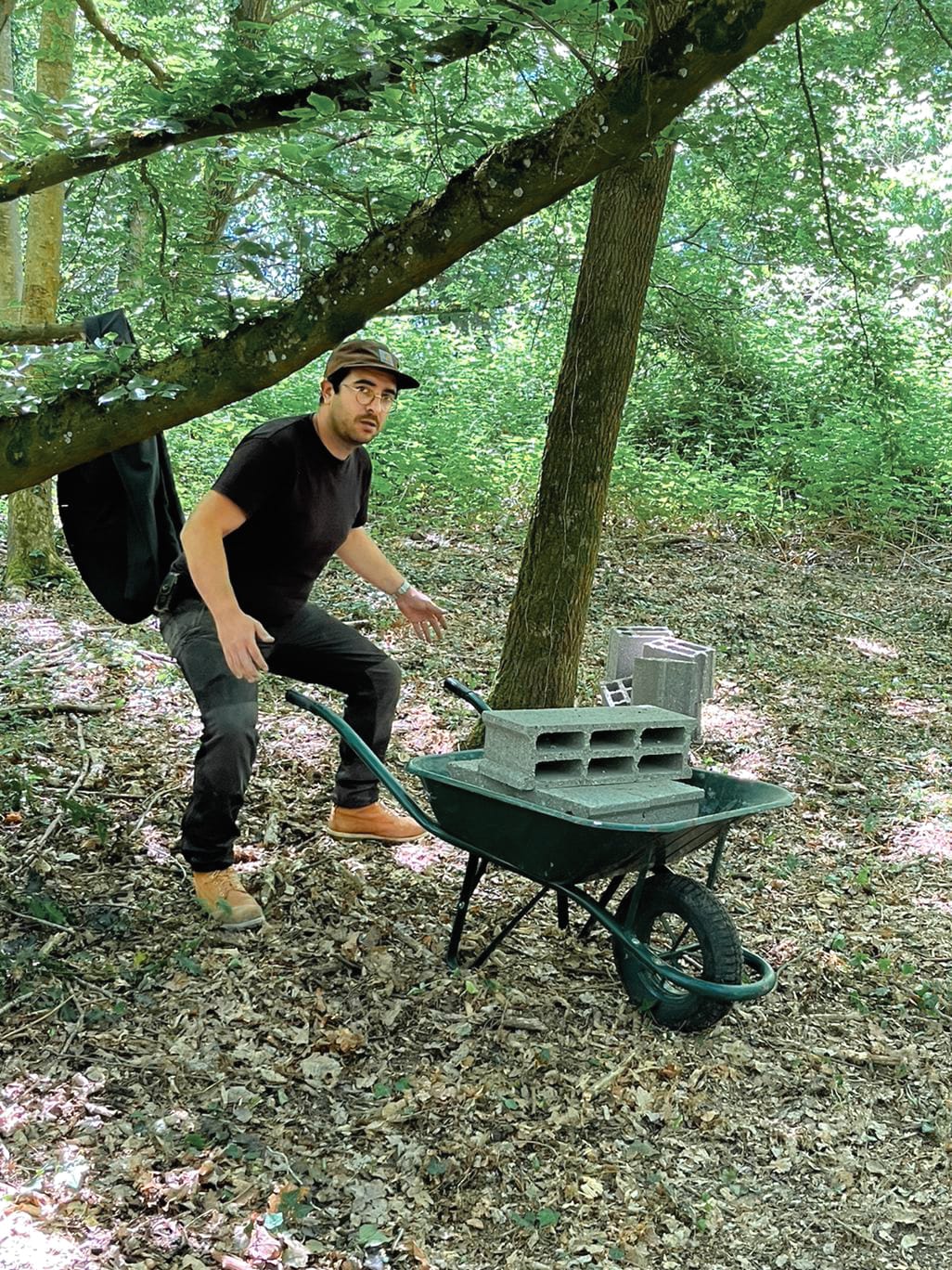
In the middle of a forest, a man stacks concrete blocks into a wall, ears wide open, bracing for a mysterious danger closing in. The threat, it turns out, is a fly. Breezeblock, from the French directing duo Thomas Bernon and Julien Gamarde — working under the name Senior Junior — sets a thoroughly modern character loose in a wild environment and lets his overreaction do the talking. It's funny, and then it isn't.
Bernon and Gamarde make cinema out of "the minor anomalies of our daily lives," and here they translate an irrational fear into the language of a hunt. The result is a fable that smiles at its protagonist even as it takes his anxiety seriously — a small story that keeps gesturing toward much larger ones.
Key Takeaways
- A man builds a wall in the forest to protect himself from an approaching fly — an absurd premise staged with the codes of a real hunt.
- Senior Junior work as a directing duo, describing their process as "writing four-handed simultaneously."
- The fly was built entirely in post, from 3D modeling to sound design — the film's hardest creative problem.
Bernon spoke with us about absurd fears, generous collaborators, and characters who lose their cool.
Interview
What drew you to make this film, and why this story, why now?
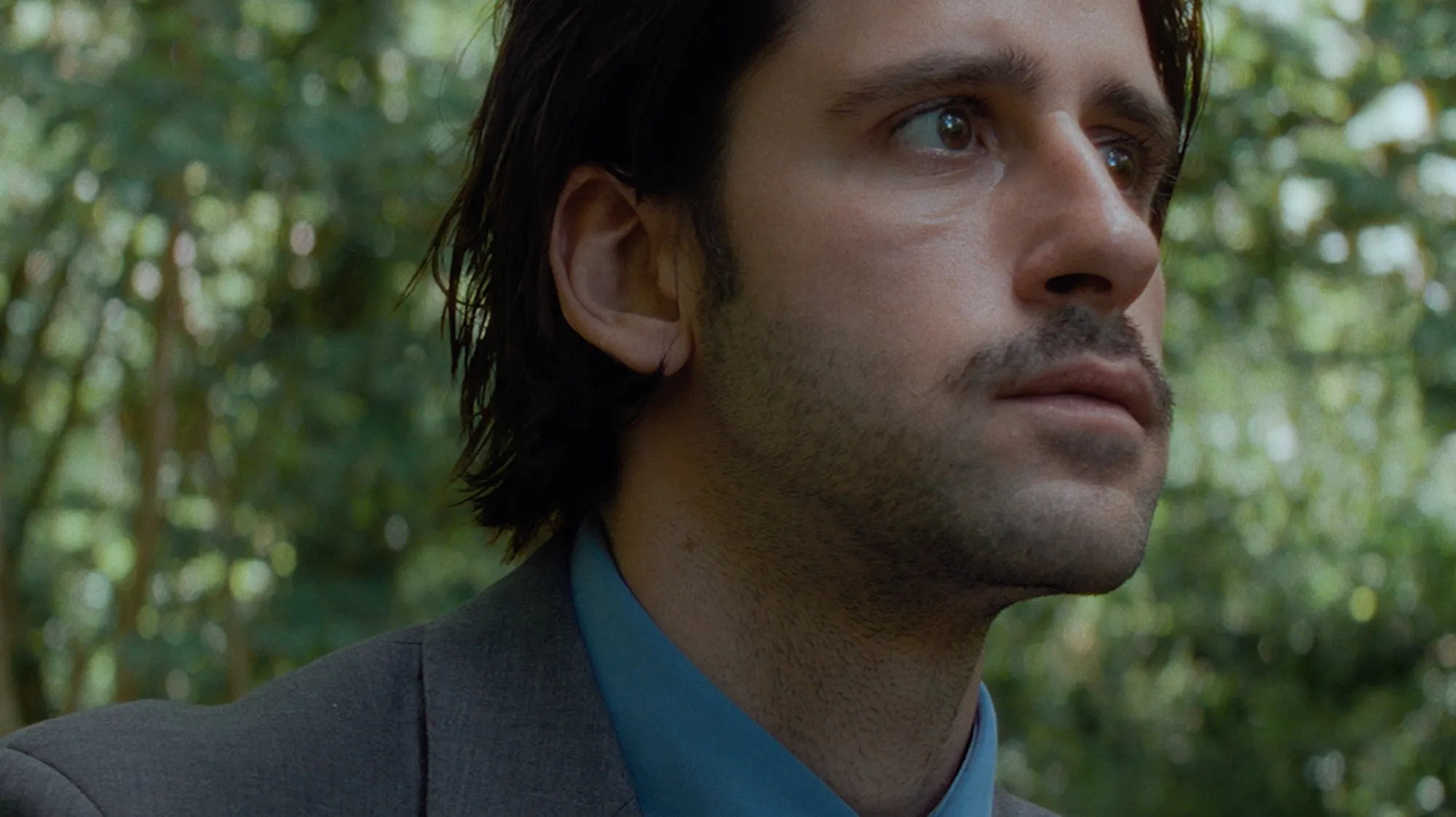
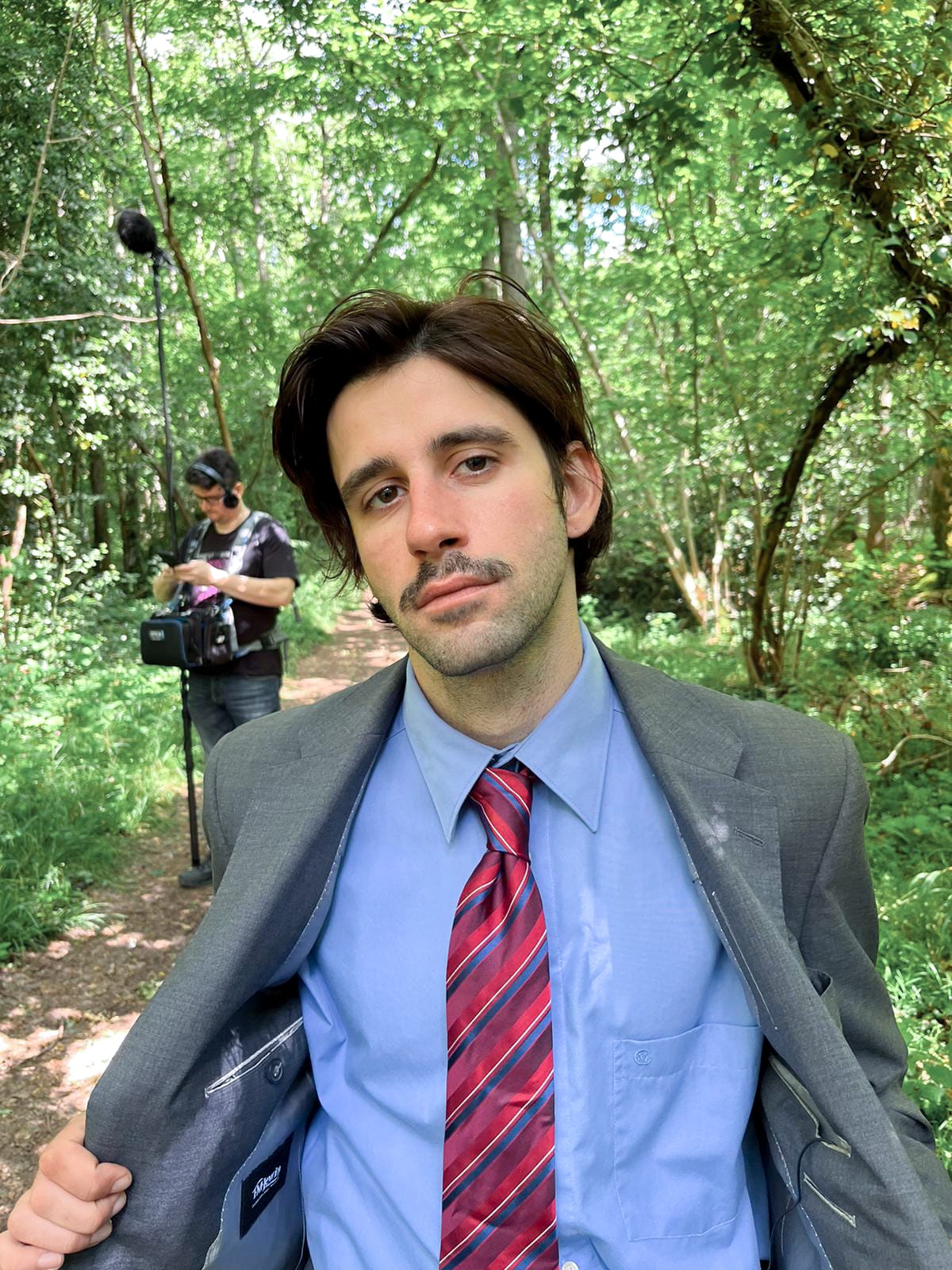
We wanted to work on a completely absurd fear. We put a modern character in a wild environment with the prospect of an inevitable and violent encounter. This character, starring Clément Métayer, builds a wall, both metaphorically and physically, to protect himself.
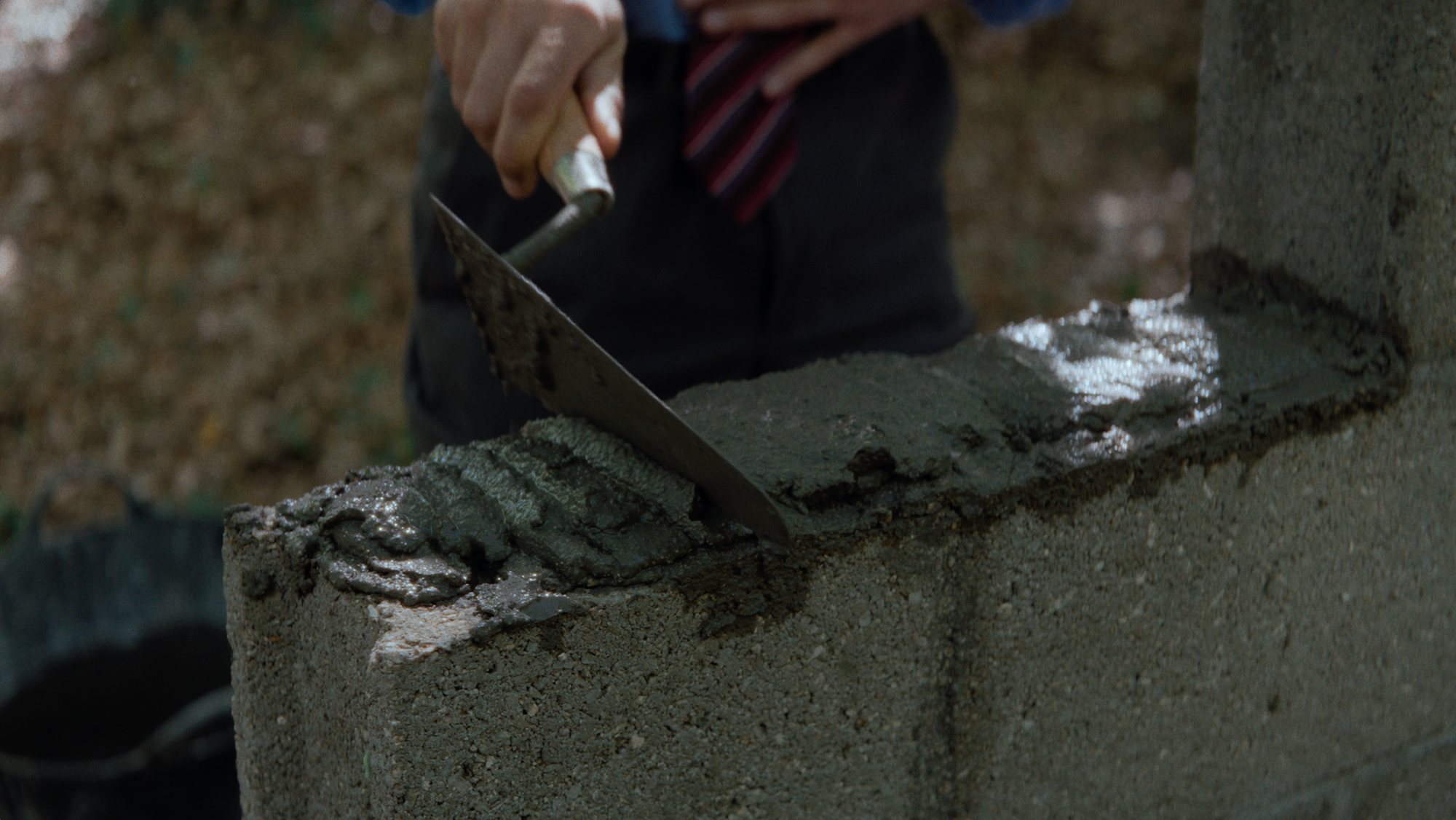
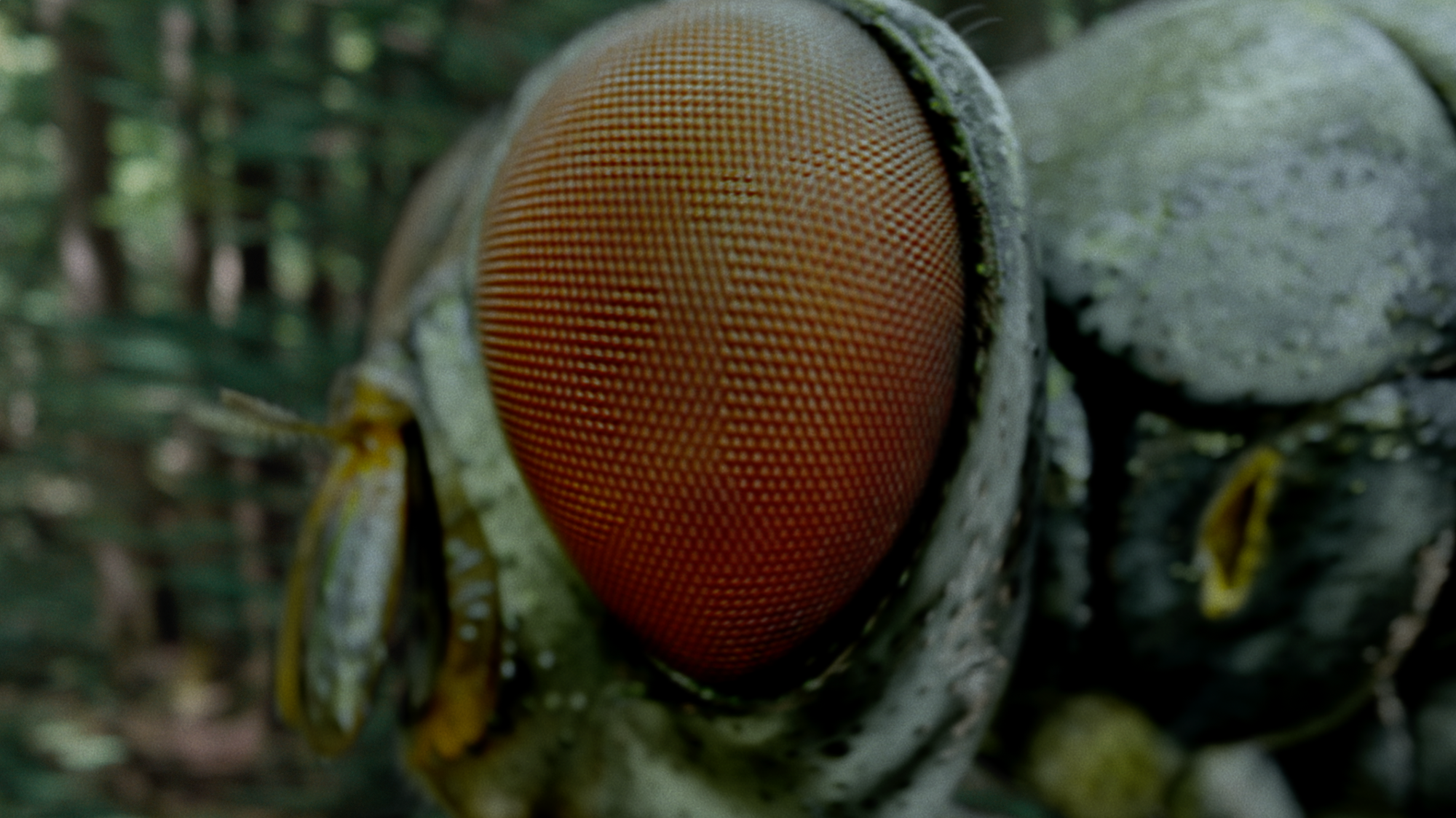
His overreaction may make us smile, but his fear and anxiety are very real. We wanted to translate this irrational fear into images, using the codes of a real hunt. We set up an alternating cut between, in the left-hand corner, the man rushing to finish his wall, his ears wide open, feeling the danger coming; and, in the right-hand corner, a simple fly that becomes more and more threatening as it approaches. This "rendez-vous" will inevitably take place. Man, of course, knows this, and as is typical of human behaviour when threatened, he reacts outrageously. This situation echoes many modern issues, be they political, ecological or, more recently, war-related.
What surprised you most about the filmmaking process?
We were absolutely thrilled by the support we received for this crazy project. What a weird idea when you think about it — this man, this wall, this fly. Everyone involved in the project believed in it 100%, and you can really feel that in the film. We feel lucky and grateful.
What moment in the film feels most like you, or like something only you could have made?
The man in the movie goes through a whole range of very intense emotions; we think we can be like that sometimes. It's pretty funny to see someone react without any restraint. We love characters who lose their cool and do stupid things — it's genuine raw material for cinema.
What was the hardest creative decision you made while making the film?
Figuring out the place the fly would hold in the film was by far the most challenging part of this project. During filming, we had to envision its position within the frame, its movements, its speed, its scale. And during post-production, we had to create it from scratch, from its 3D modeling to its sound design. Challenging and awesome.
What tool, technique, or mindset shift helped most during production?
Working as a directing duo is our strength. Throughout the creative process, working as a team allows us not only to support each other's ideas, but also — and above all — to take them as far as possible. We complement each other quite well, and we have our own way of working. It's as if we were writing four-handed simultaneously.
What is the greatest strength of independent filmmaking, and how did you lean into it here?
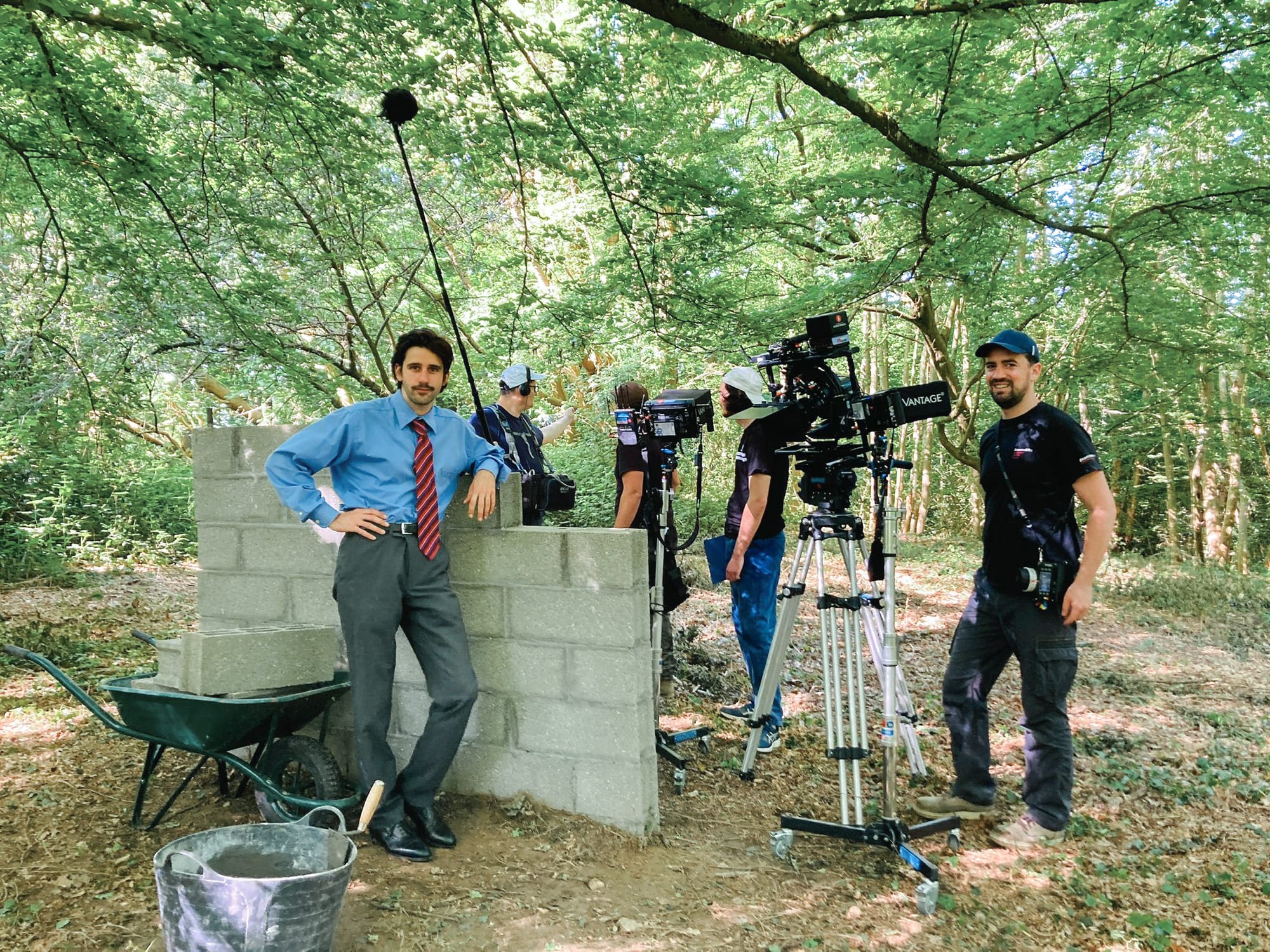
The greatest strength of independent filmmaking is the spirit of mutual support that defines it. At every stage of the creative process, our collaborators and partners have stood by us. Without them, the film would not have been possible. Creating in this environment, where team spirit is so strong, is deeply meaningful to us and aligns perfectly with our philosophical approach to how the film should be made.
What does it mean to have your film selected for HollyShorts?
This is a real accomplishment for us. Our entire film culture is shaped by the narrow link between Europe and the United States. We are honored that the film is being featured at such a prestigious festival with a global reach. We are thrilled to be part of this new generation of international filmmakers who have the opportunity to showcase their work in this superb selection at HollyShorts.
What do you hope audiences take away from this film, and where does it go next?
We love the idea that the audience will make this fable their own and, in the end, realize that every fear is just a construction of the mind. The film will continue its festival run, and we'll be announcing new dates soon. We hope it will continue to reach audiences from different cultures, countries, and continents. We're deeply moved by the audience's reception of the film, which highlights its universal appeal. At the core of all our work is a desire to tell stories that seek to explore the hidden corners of humanity.
Main Cast & Crew
- Clément Métayer — Leading actor (Après Mai, Olivier Assayas, 2013; Plaire, aimer, boire et courir vite, Christophe Honoré, 2018; Sympathie pour le diable, Guillaume De Fontenay, 2019; Navigo, Louis Douillez, 2022; Irma Vep, Olivier Assayas, A24/HBO, 2022)
- Thomas Bernon and Julien Gamarde — Directors, working as Senior Junior
- Benjamin Rufi — Director of Photography (La Fémis, 2008; Sous le tapis, Camille Japy, 2023; Burning Casablanca, Ismael El Iraki, 2022; Totems, Arthur Cahn, 2023)
- Julien Alary — Colorist, based in Oslo (Sentimental Value, Joachim Trier; The Worst Person in the World, Joachim Trier, 2021; Sick of Myself, Kristoffer Borgli, 2023)
Filmmaker Opportunities
💛 Fund your next project with fiscal sponsorship
Have a project in the works? As a 501(c)(3) nonprofit, the Cinematography for Actors Institute can accept tax-deductible donations on your film's behalf — a door-opener for grants, foundations, and supporters who want to back your work. We've serviced over 100 projects to date and helped route over $800,000 in funding to filmmakers. Explore fiscal sponsorship → You can also catch our 3rd annual financing panel at HollyShorts.
📬 Grant deadlines and festival opportunities, straight to your inbox
The CFA newsletter rounds up grants, festival calls, and community news for independent filmmakers — the kind of opportunities that are easy to miss and painful to miss. Join the newsletter →
🎬 Focus on the creative — we'll help with the logistics
Production Management, CFA's newest member program, launches this November: production insurance and workers' comp, payroll, film permits, gear rental coordination, SAG-AFTRA compliance, contract drafting, production consulting, and crew recommendations — handled by a team of working filmmakers, à la carte or all in, in partnership with Creative Access Group. It's waitlist-only until launch. Join the waitlist →
League of Filmmakers is published by our parent organization, the Cinematography for Actors Institute — a 501(c)(3) dedicated to education, community, and capital for underrepresented filmmakers and actors. Learn more about CFA →