Table of Contents
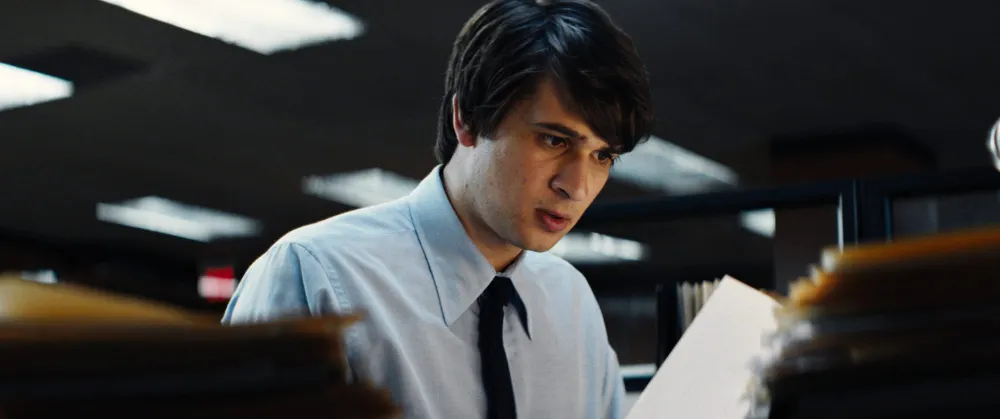
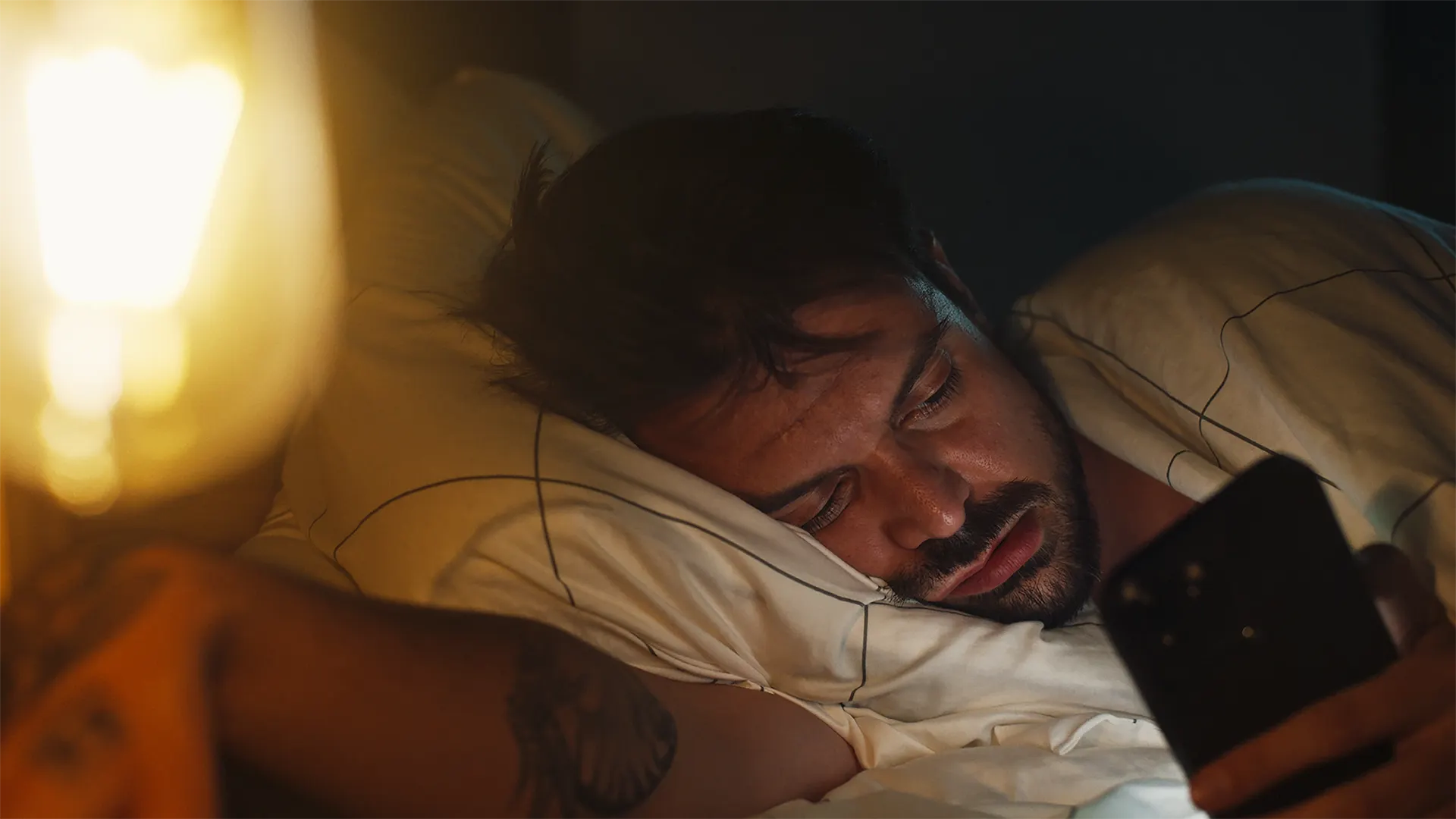
After a late-night match on a dating app, Drew's excitement curdles into obsession, and Buckets follows him through two days of paranoia, overanalysis, and self-sabotage while he waits for a follow-up text. Drew van Steenbergen — an award-winning director and editor who has directed for The Late Late Show with James Corden and cut the Golden Globe-winning Good Hang with Amy Poehler — cast himself, filmed in his own home, and even cast an actress he matched with in real life. The result is a darkly comedic experiment in confronting his own patterns.
The film wears its low budget like a badge. Shot run-and-gun over three days, it uses quick cutting, choice sound design, and a rattling score to make an internal spiral loud and external — the hidden feelings turned into the comedy.
Key Takeaways
- Buckets is autobiographical to the bone: van Steenbergen wrote, directed, edited, and starred, filming in his own home over three days.
- It borrows thriller and tech-horror grammar — hyper cutting, a rattling score, restless camera work — to externalize the anxiety of online dating.
- Beneath the comedy is a simple thesis: the film isn't about being ghosted, it's about outsourcing your self-worth to people you've never met.
Van Steenbergen spoke about the vulnerability of casting himself, the collaborators who kept him steady, and why he waited years to take the leap.
Interview
What drew you to make this film, and why this story, why now?
Buckets follows Drew (me), a man who gets a late-night match on a dating app and then unravels over the next 48 hours waiting for a follow-up text. It's a darkly comedic take on the very real spiral of overthinking, paranoia, and self-sabotage that many of us slip into in this age of online dating.
The story comes directly from my own bad habits on dating apps, and this short became a creative challenge and a personal experiment in confronting those patterns. In my tenured time using dating apps, my need for approval from strangers has skyrocketed. The idea that they found me interesting and attractive became even more important than them even wanting a relationship with me. Their "approval" or interest became more like a quick fix.
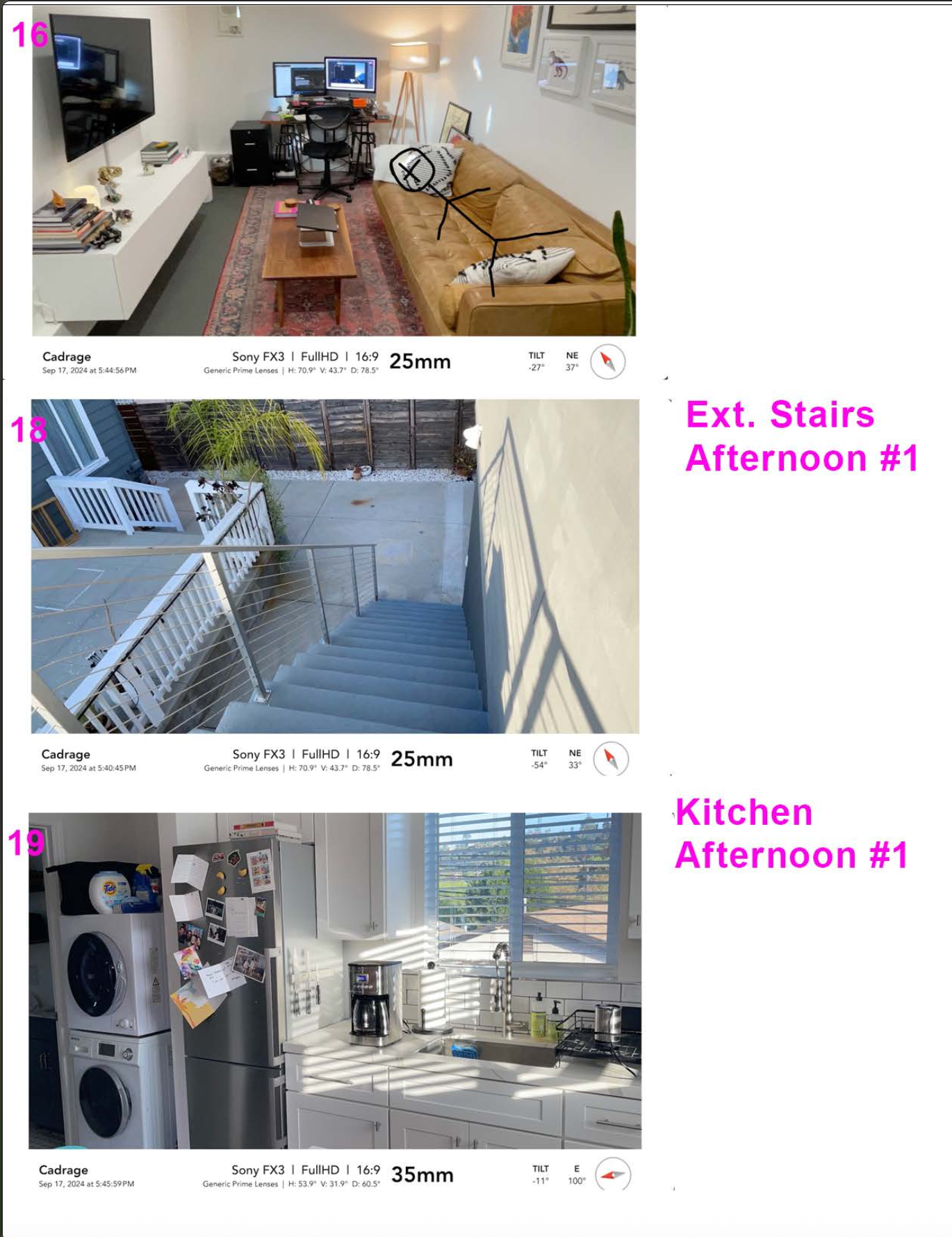
With quick cutting, choice sound design, and a rattling score, I wanted to cinematically convey the very feeling I found myself repeatedly having with every match I "pined over," and to illustrate the idea that these platforms truly have tapped into and taken hold of my nervous system and mental health. So I cast myself, filmed in my own home, and even cast an actress (Isabella Jean Taylor) that I actually did match with — and yes, spiral over — in real life. By putting that chaos on screen I hoped to laugh at it, share it, and hopefully even break those patterns.
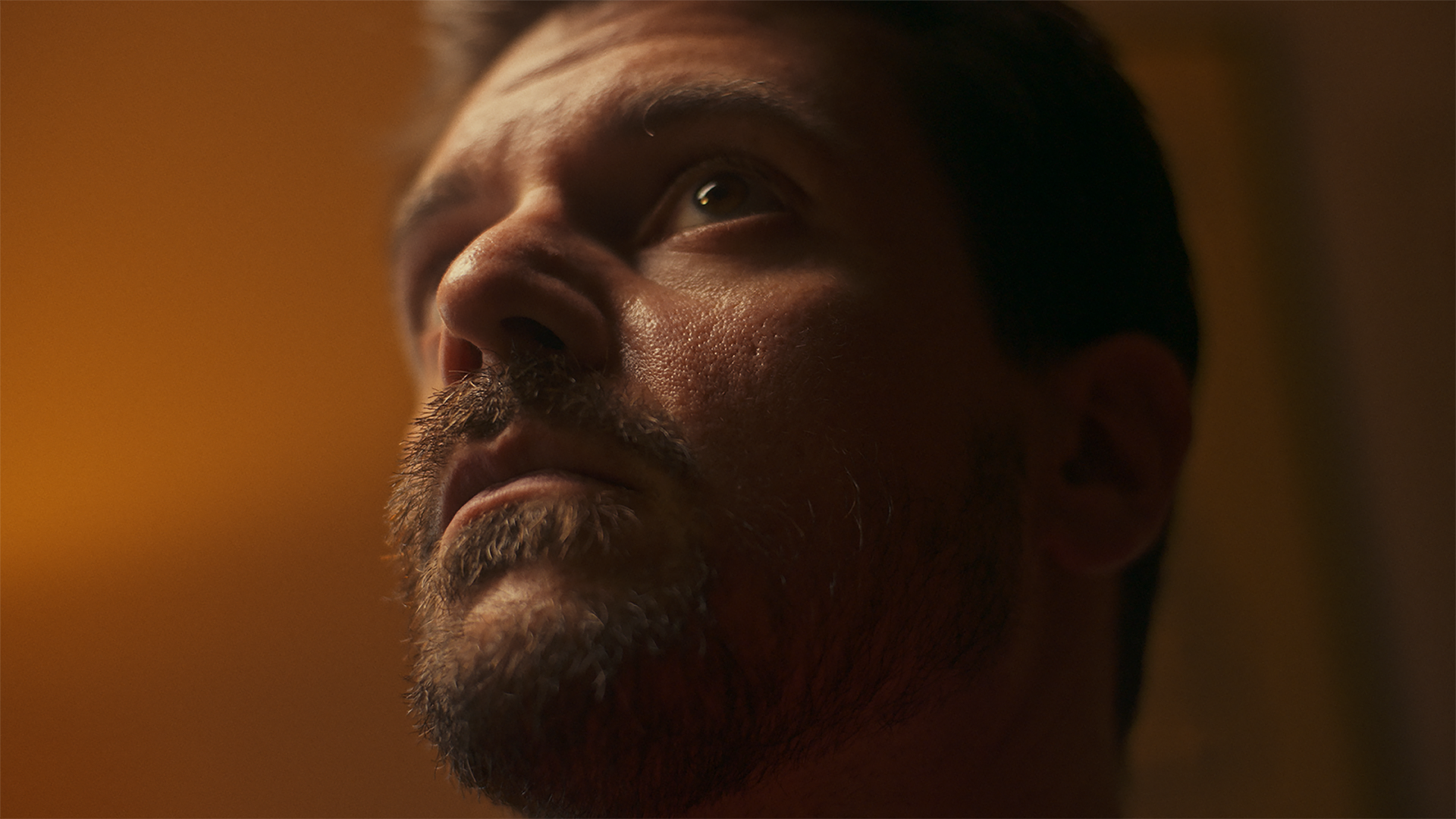
What moment in the film feels most like you, or like something only you could have made?
Unfortunately the entire movie is in fact me. Every single thing that "movie Drew" does in this short are things that I have actually done in my real dating life while living in LA.
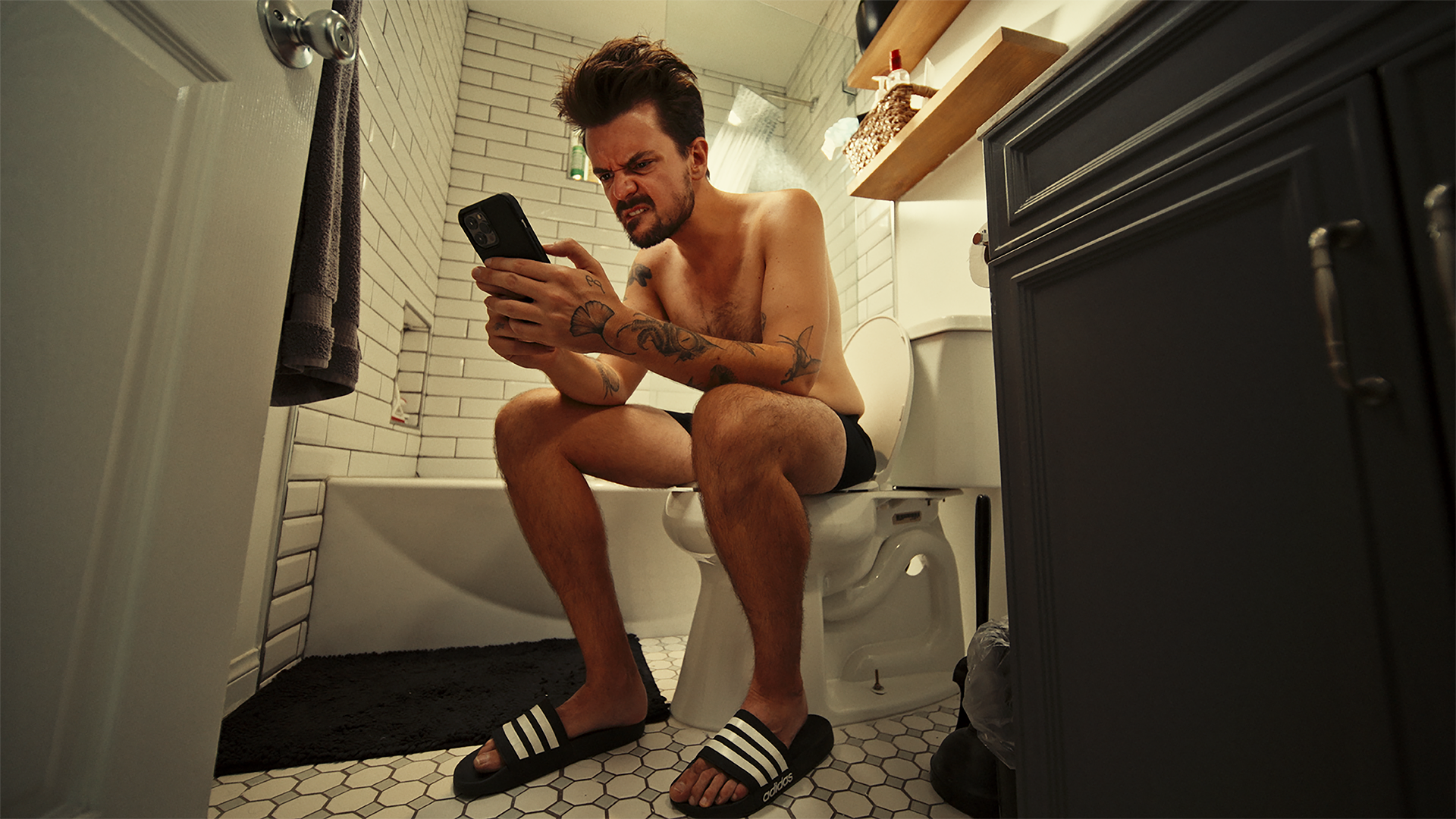
What was the hardest creative decision you made while making the film?
Putting myself in it. At the start it felt scary and risky — and cost effective — which is why I did it. But then, once it came to post-production, it became very difficult to watch it all back when editing. To see myself exposed, but also to over-analyze my features, how I look. It was rough. I ended up having to wait about two months before I could fully separate myself to edit it.
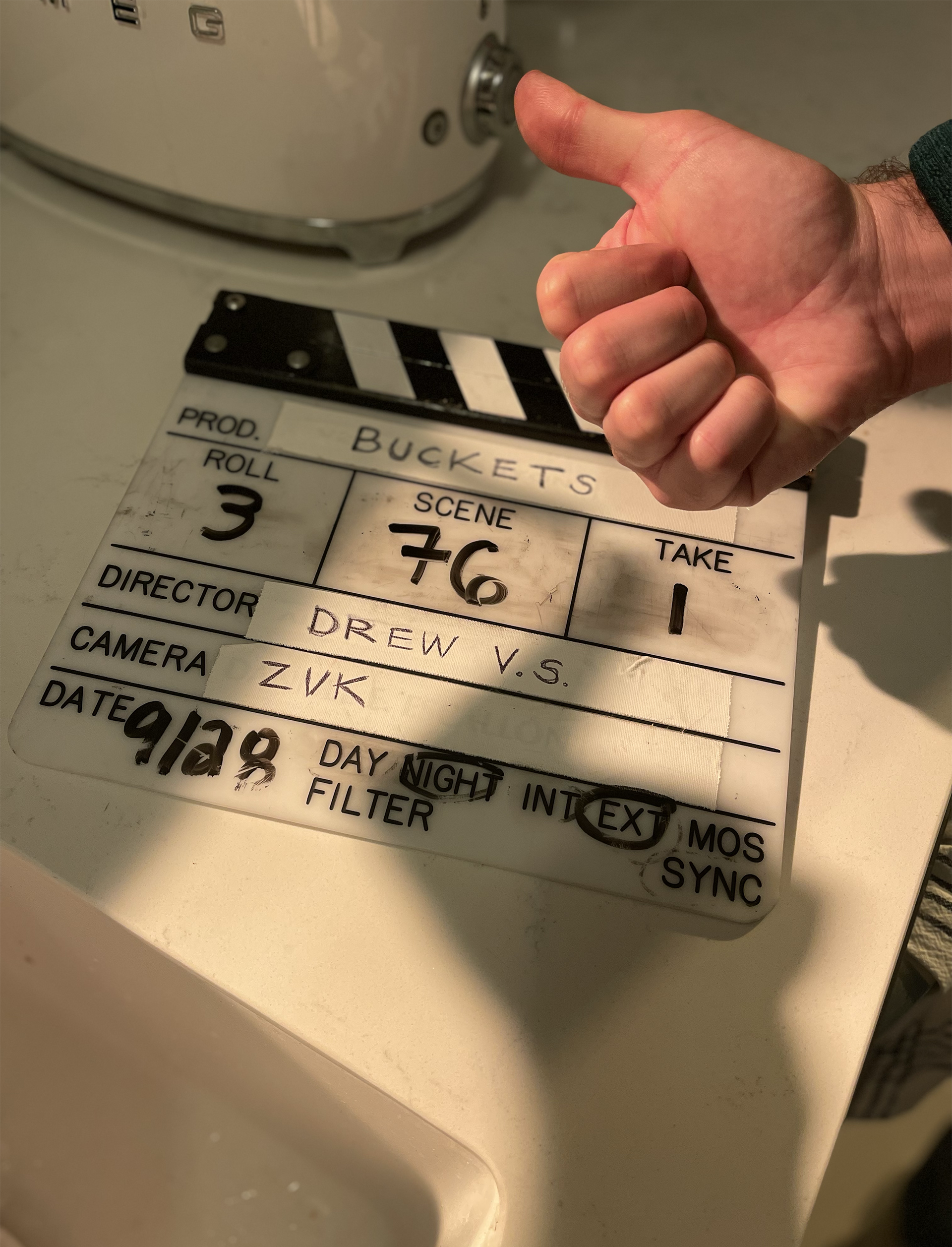
What do you hope audiences take away from this film?
I hope each person in some way — whether big or very small — sees themselves in this "movie version of Drew." We're all seeking to be chosen, whether that's romantic, from our families, from our careers, all to be seen as worthwhile. Buckets isn't really about being ghosted. It's about what happens when we outsource our self-worth to people we've never met.
How does your film fit within, or push the boundaries of, its genre or form?
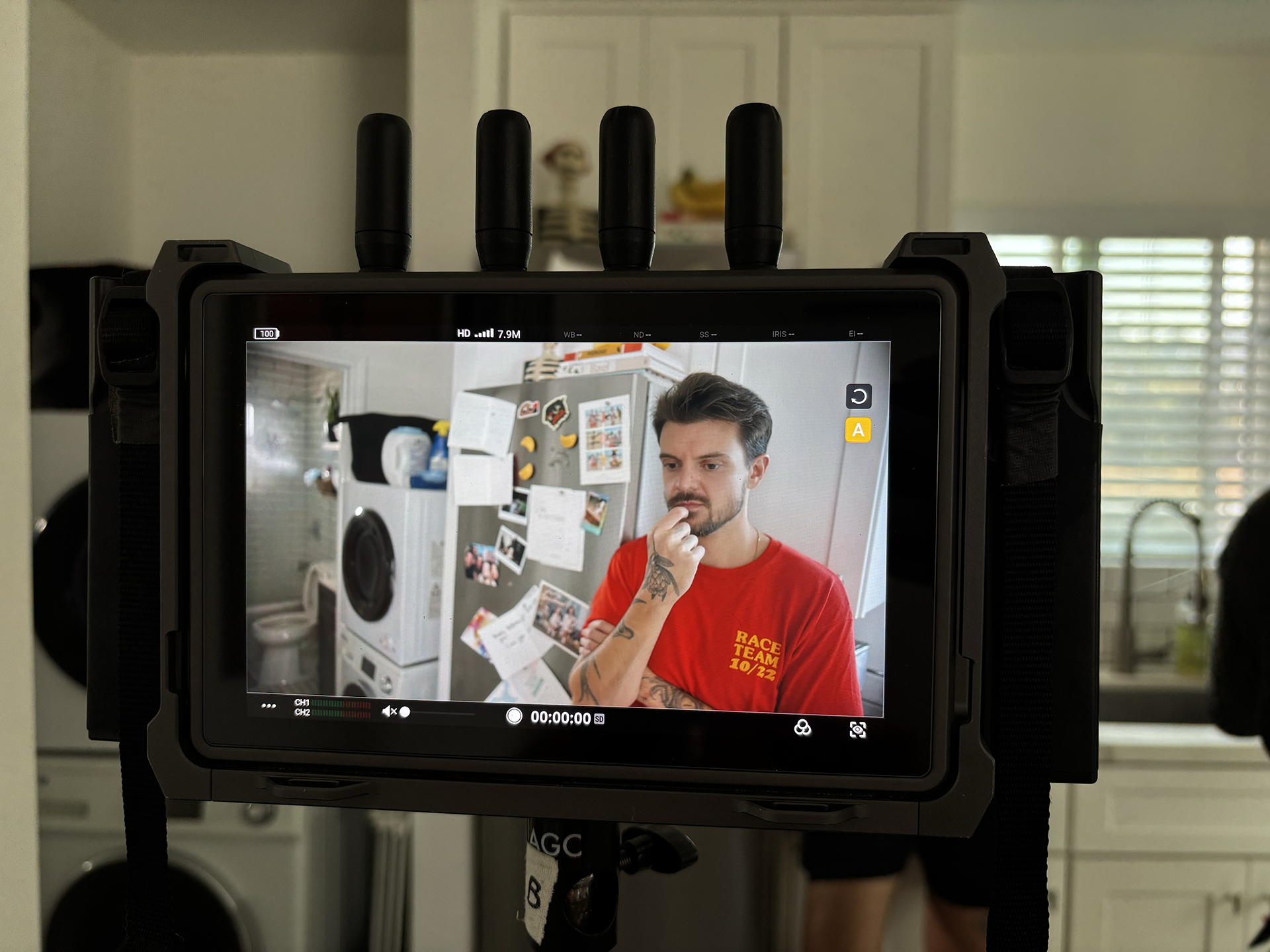
As a comedy we're pushing into more thriller territory. With the hyper cutting, our score, and especially the camera work during the spirals, we're making the internal feelings external so they're more readily understood, felt, and seen. So the true feelings, the "hidden feelings," become the comedy by combining a thriller and tech-horror feel with a comedy story.
What tool, technique, resource, collaborator, or mindset shift helped most during production?
Since I was directing and acting — and then eventually editing it — my brain often was all over the place. So to be able to have Rachel there to check in with, and talk me down when I felt that it all "wasn't working" or "wasn't worth it," was extremely helpful. Someone you trust who's there to remind you that it is all worthwhile and it is working. Someone to talk sense into you.
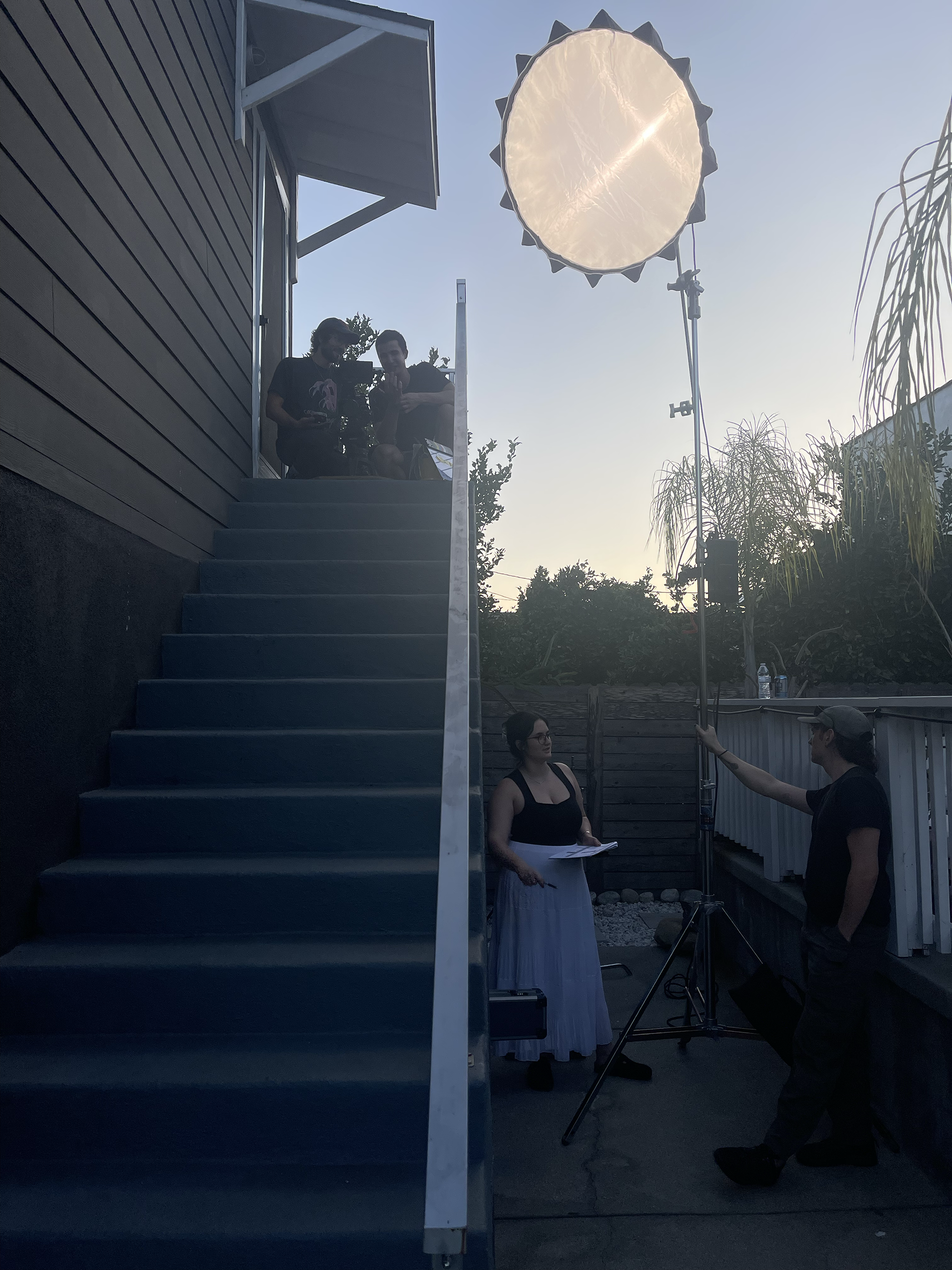
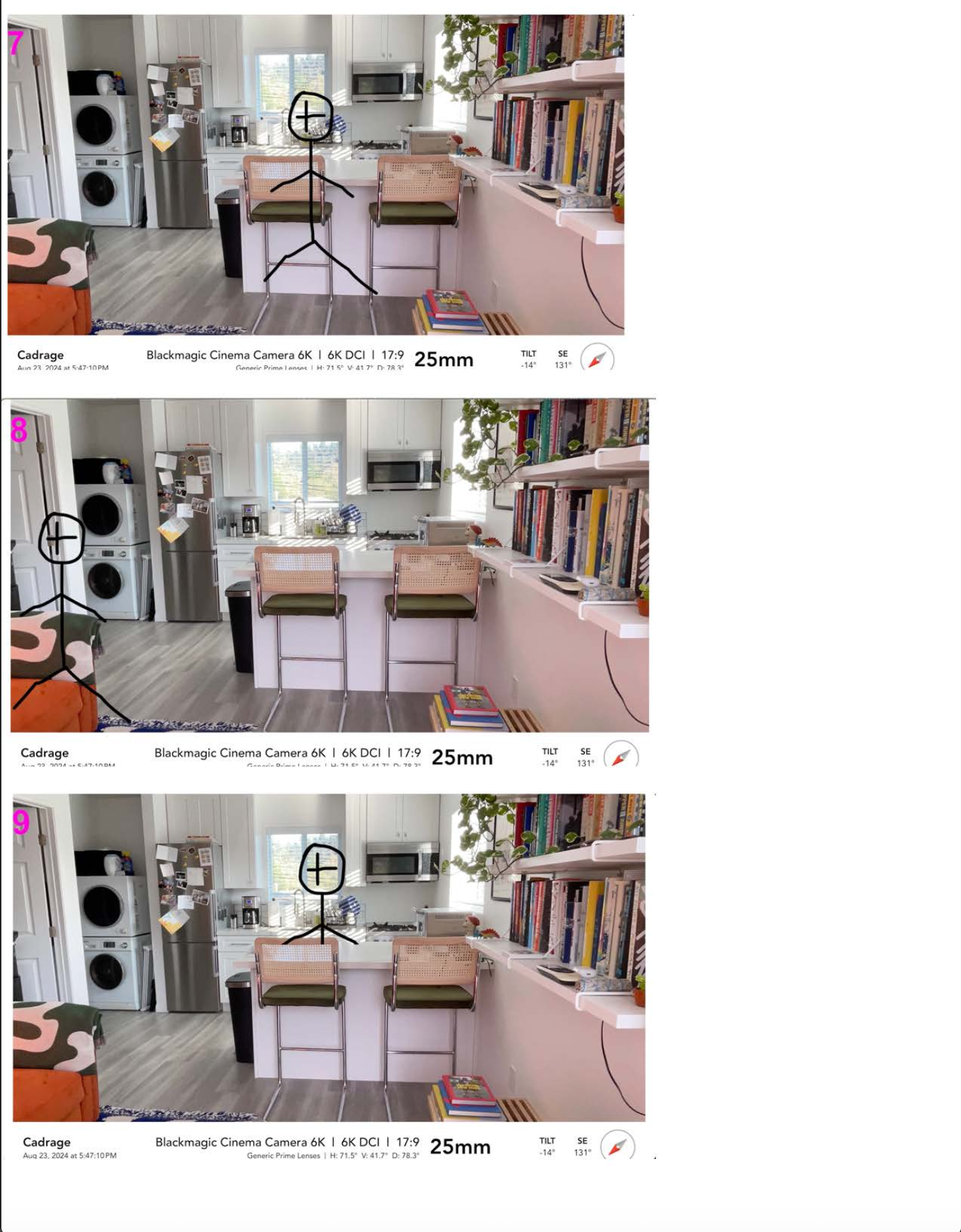
And for me, and especially this project, pre-production was absolutely essential. In order to get all these setups and shots within three days, I had to rely on all the pre-production I had done with Ziggy, so on the shoot days things could be more manageable.
What is the greatest strength of independent filmmaking, and what breakthrough would you share with others?
The greatest strength is the team that you build. It's not a movie by committee, or by a board, or by studio heads. It's a small movie that you're filming with very little money and resources, so you need to rely on your collaborators — people who truly believe in the project to take that leap, jump off that cliff with you, and see what you each can learn as filmmakers.
But the biggest lesson I learned was to take that first leap myself. I had this idea for a few years before I finally pulled the trigger. That fear of it not working out, and the second-guessing, held me back. But once you take that plunge and believe in yourself and the project, it's thrilling to assemble a team and pull it all off. And with it being so low budget and run-and-gun at times, it feels like you're pulling off a heist. You in some ways can't believe that you're getting away with it.
What does it mean to have your film selected for Not Film Fest?
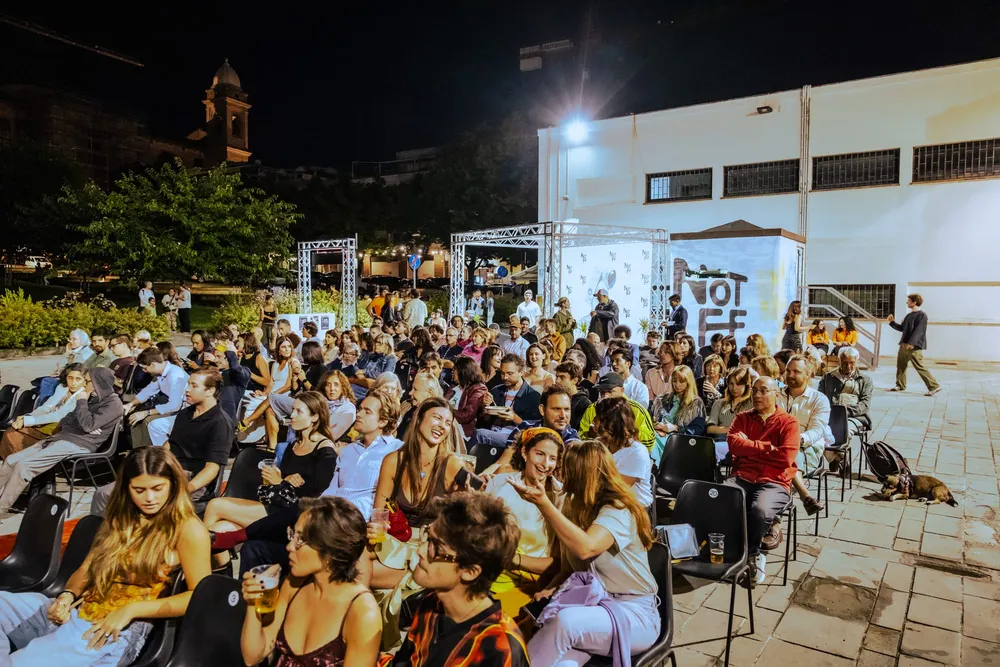
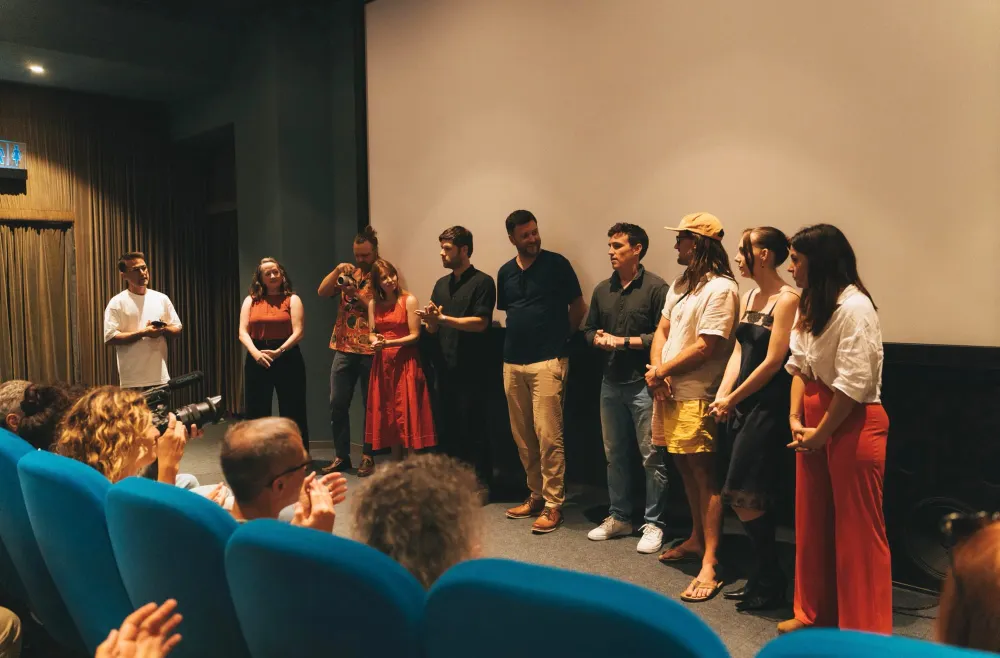
To have Buckets shared with an international audience, and especially at Not Film Fest, is incredible. This project has felt so small in some ways — it's based on my own experiences, I filmed in my own house, I put most of the work on myself and a few trusted collaborators. So to be picked for Not Film Fest as our entry point to show it to an international audience is extremely humbling. I love their programming and independent ethos. I'm sure this will be an experience I remember for the rest of my life.
Main Cast & Crew
- Drew van Steenbergen — Actor, Director, Writer, Editor, Producer
- Rachel Goldfinger — Producer
- Michael Leavitt — Producer
- Ziggy Jaz Van Koeverden — Director of Photography
- Patrick Sargent — Composer
- Isabella Jean Taylor — Actor
Filmmaker Opportunities
💛 Fund your next project with fiscal sponsorship
Have a project in the works? As a 501(c)(3) nonprofit, the Cinematography for Actors Institute can accept tax-deductible donations on your film's behalf — a door-opener for grants, foundations, and supporters who want to back your work. We've serviced over 100 projects to date and helped route over $800,000 in funding to filmmakers. Explore fiscal sponsorship → You can also catch our 3rd annual financing panel at HollyShorts.
📬 Grant deadlines and festival opportunities, straight to your inbox
The CFA newsletter rounds up grants, festival calls, and community news for independent filmmakers — the kind of opportunities that are easy to miss and painful to miss. Join the newsletter →
🎬 Focus on the creative — we'll help with the logistics
Production Management, CFA's newest member program, launches this November: production insurance and workers' comp, payroll, film permits, gear rental coordination, SAG-AFTRA compliance, contract drafting, production consulting, and crew recommendations — handled by a team of working filmmakers, à la carte or all in, in partnership with Creative Access Group. It's waitlist-only until launch. Join the waitlist →
League of Filmmakers is published by our parent organization, the Cinematography for Actors Institute — a 501(c)(3) dedicated to education, community, and capital for underrepresented filmmakers and actors. Learn more about CFA →