Table of Contents
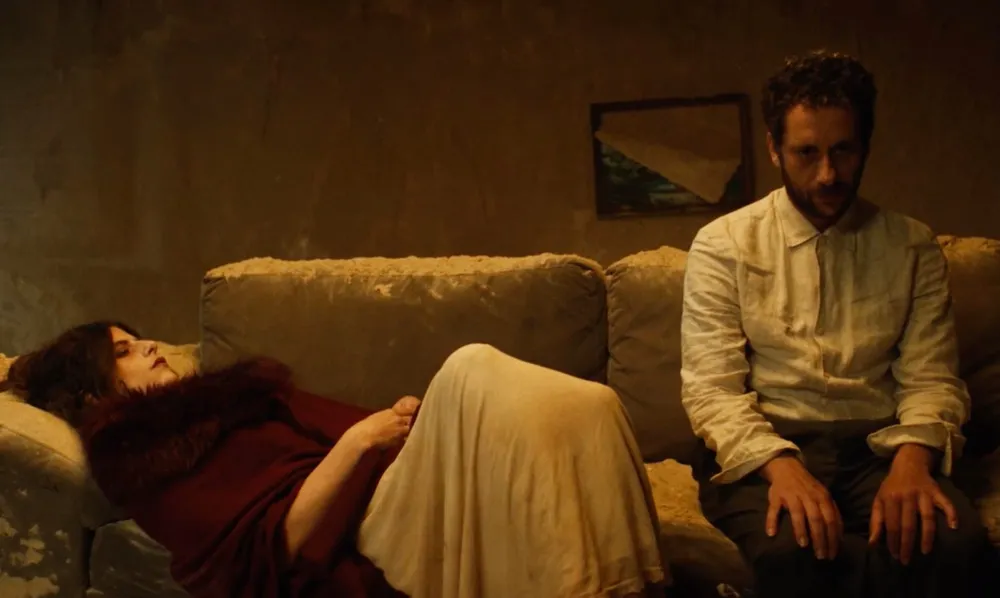
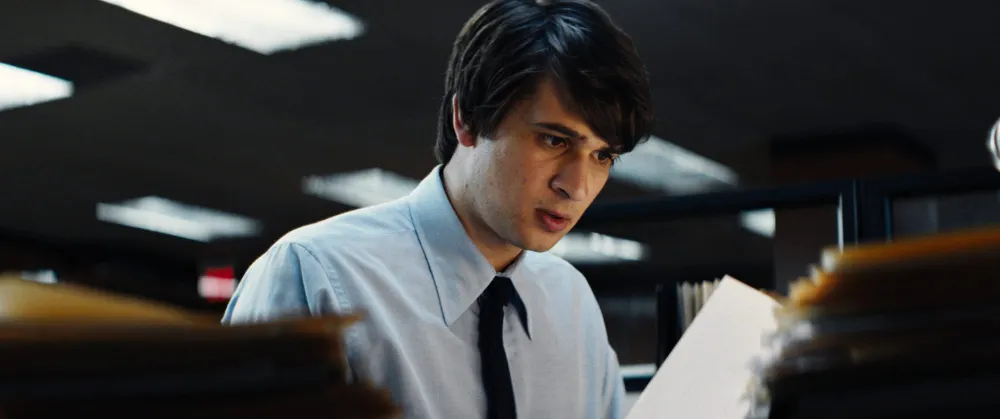
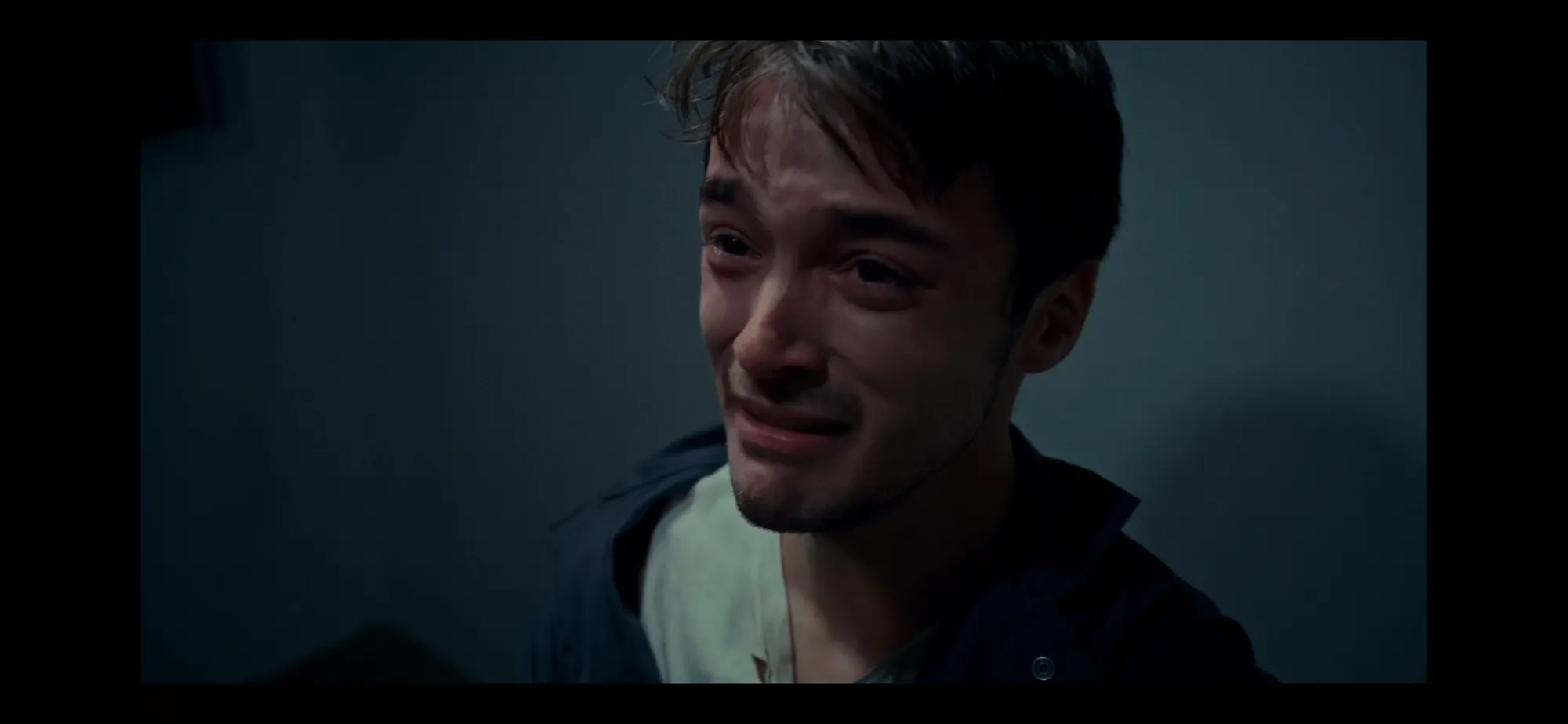
Built from the actual interrogation footage of a 2010 murder, Call It All Love follows a powerful Virginia businessman as he confronts the consequences of his legacy — while a jury wrestles with justice and his son, a broken young man, struggles to make sense of what he has done. Written by Leonardo Cecchi and director David Mazouz, the film sits in the tonal lineage of Adolescence and Ryan Murphy's Monster series, true-crime storytelling that takes the time to understand the people we'd otherwise dismiss.
Cecchi wears three hats here — writer, producer, and actor, playing George V — and the film's charge comes from that proximity. It refuses easy verdicts, pushing the audience toward the fuller picture even when sympathy feels impossible to extend.
Key Takeaways
- Call It All Love dramatizes the real George Huguely V case as a study of privilege, complicity, and the culture that shaped a killing.
- Cecchi wrote, edited, produced, and starred, learning to build an emotional arc deliberately rather than starting every take at full intensity.
- The film is conceived as a proof of concept for a limited series in the empathetic true-crime tradition.
A conversation with Cecchi on origins, restraint, and the hardest cuts.
Interview
What drew you to make this film, and why this story, why now?
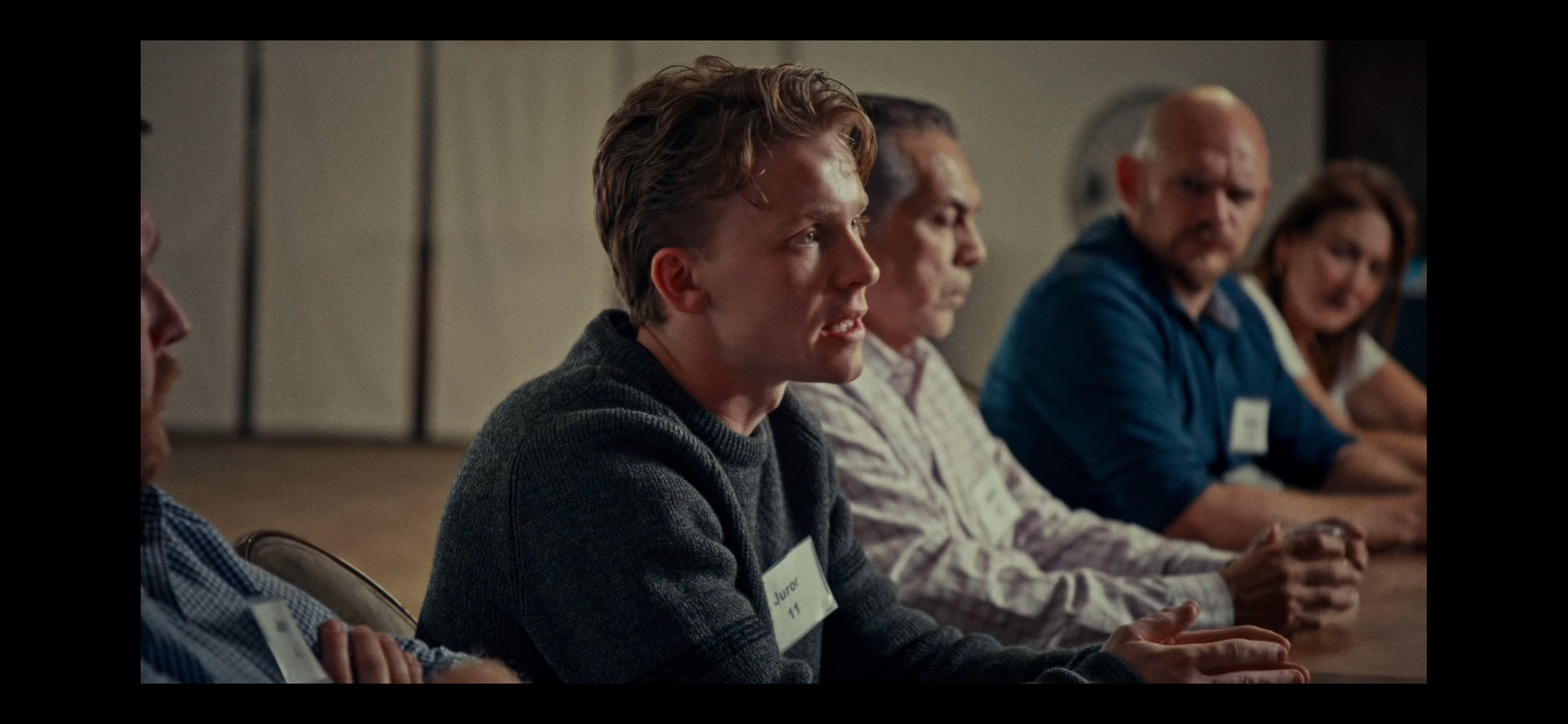
David Mazouz and I came across the actual interrogation footage of George Huguely V after he killed Yeardley Love, and it was shocking. He genuinely seemed to have no idea he had killed her. That footage became the seed of the film. We were drawn to the question of what makes a young man capable of killing someone he loves without even registering that he'd done it, and just as much to the question of complicity: what responsibility the people around him — his family, his culture, his class — bore in shaping that outcome.
What surprised you most about the filmmaking process, creatively or logistically?
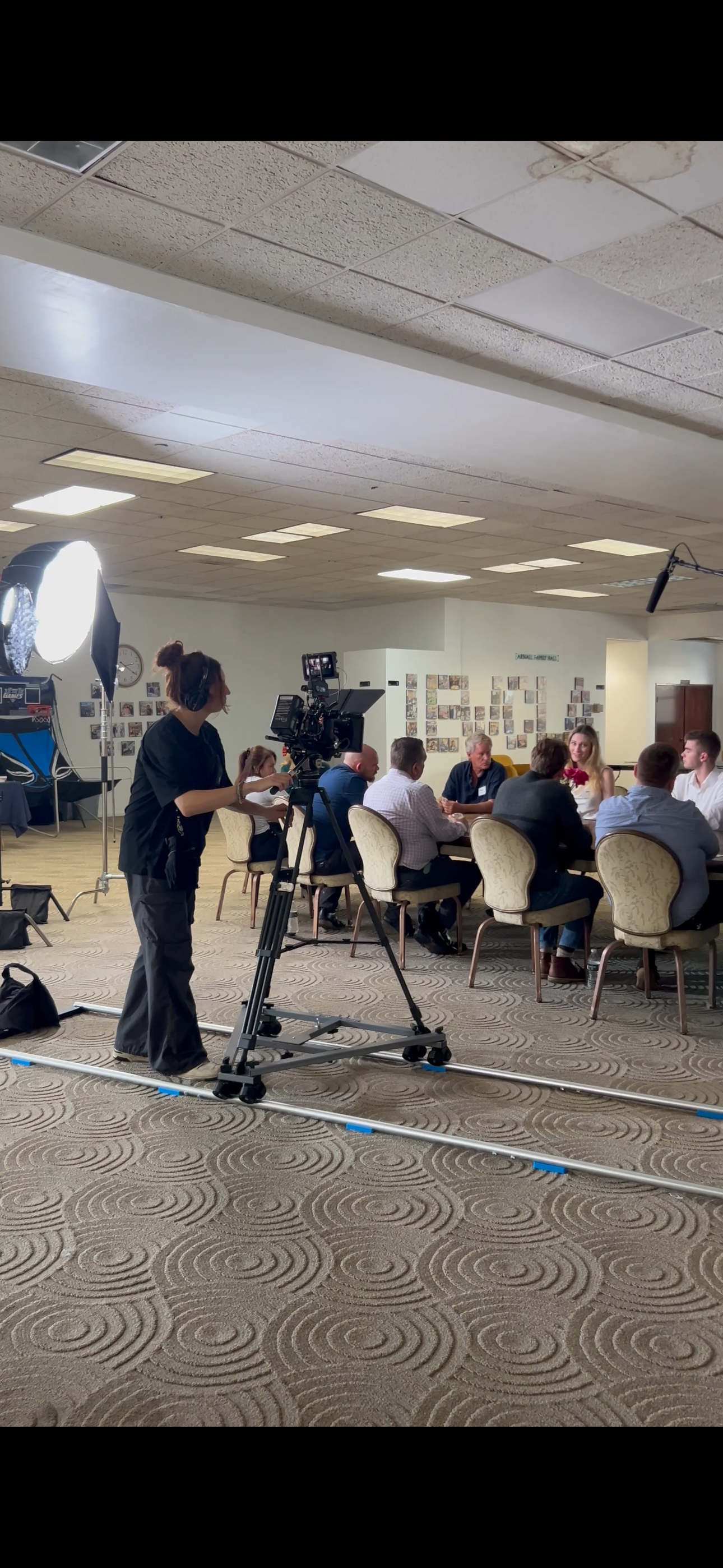
As the writer, actor, and editor on this project, I learned that emotional vulnerability can actually be too much, too soon. Some of the takes we shot started at a hundred, full intensity right out of the gate, and I realized that leaves the audience nowhere to go for the rest of the journey. That was a real lesson for me both as a performer and as an editor: you have to build the emotional arc deliberately, so the audience is taken on a ride rather than overwhelmed from the first frame.
What moment in the film feels most like you, or like something only you could have made?
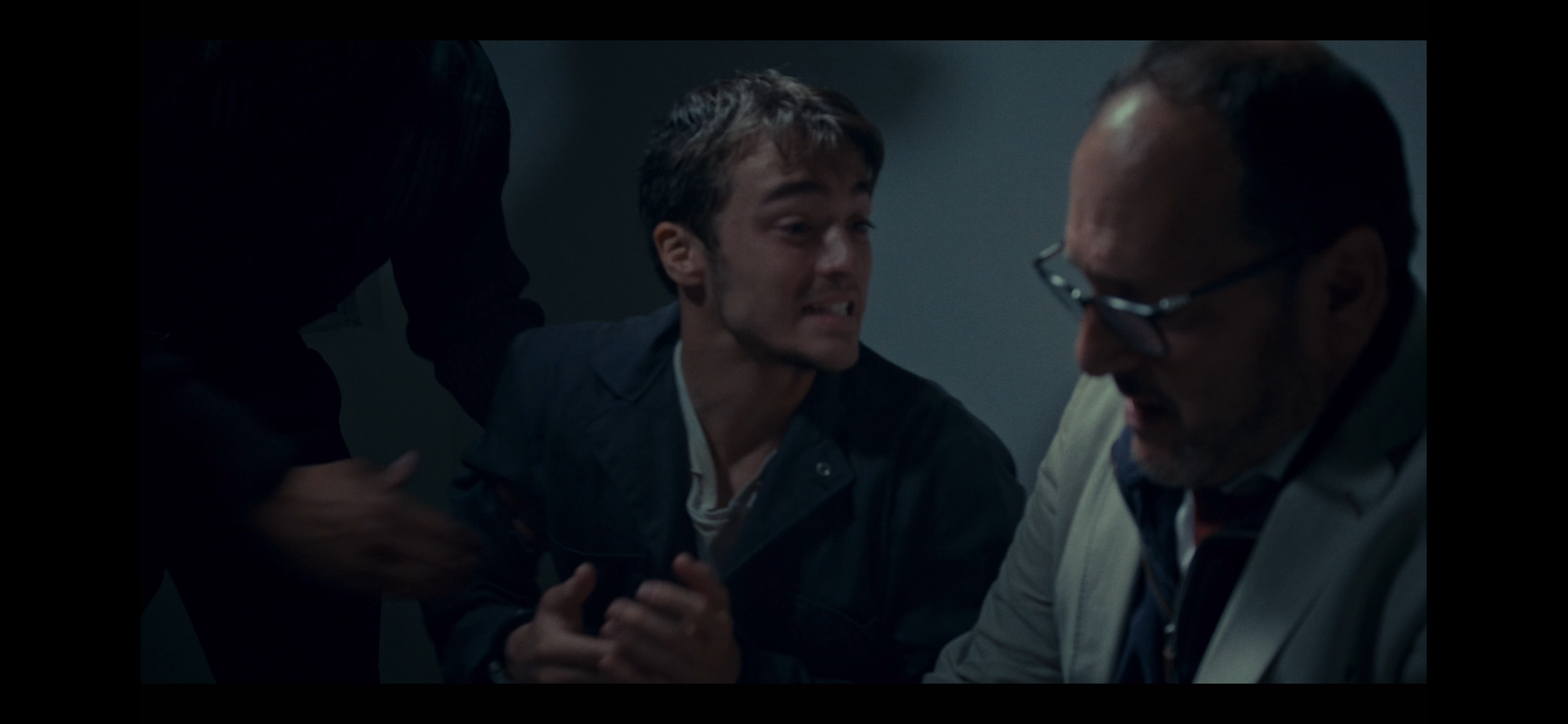
The final moments, where George is forced to say goodbye to his father, are some of the most honest emotional beats I've ever put on camera. I'm genuinely excited to see how audiences respond to that scene.
What was the hardest creative decision you made while making the film?
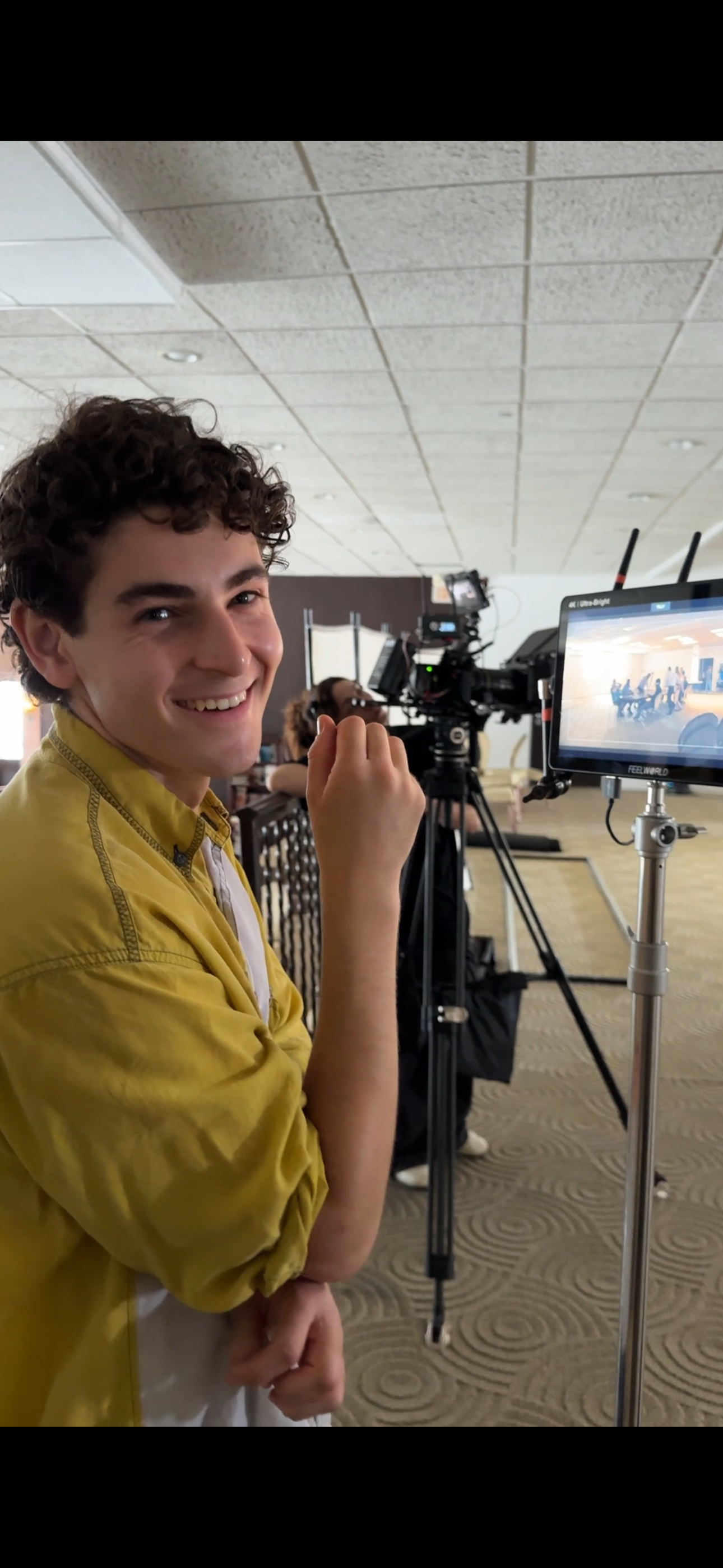
Making the final cut tighter. We cut more than four minutes of the film in order to make the pacing as tight as possible. I'm not sure it was the right decision — I might release a longer, more unfiltered version in the future.
What do you hope audiences take away from this film?
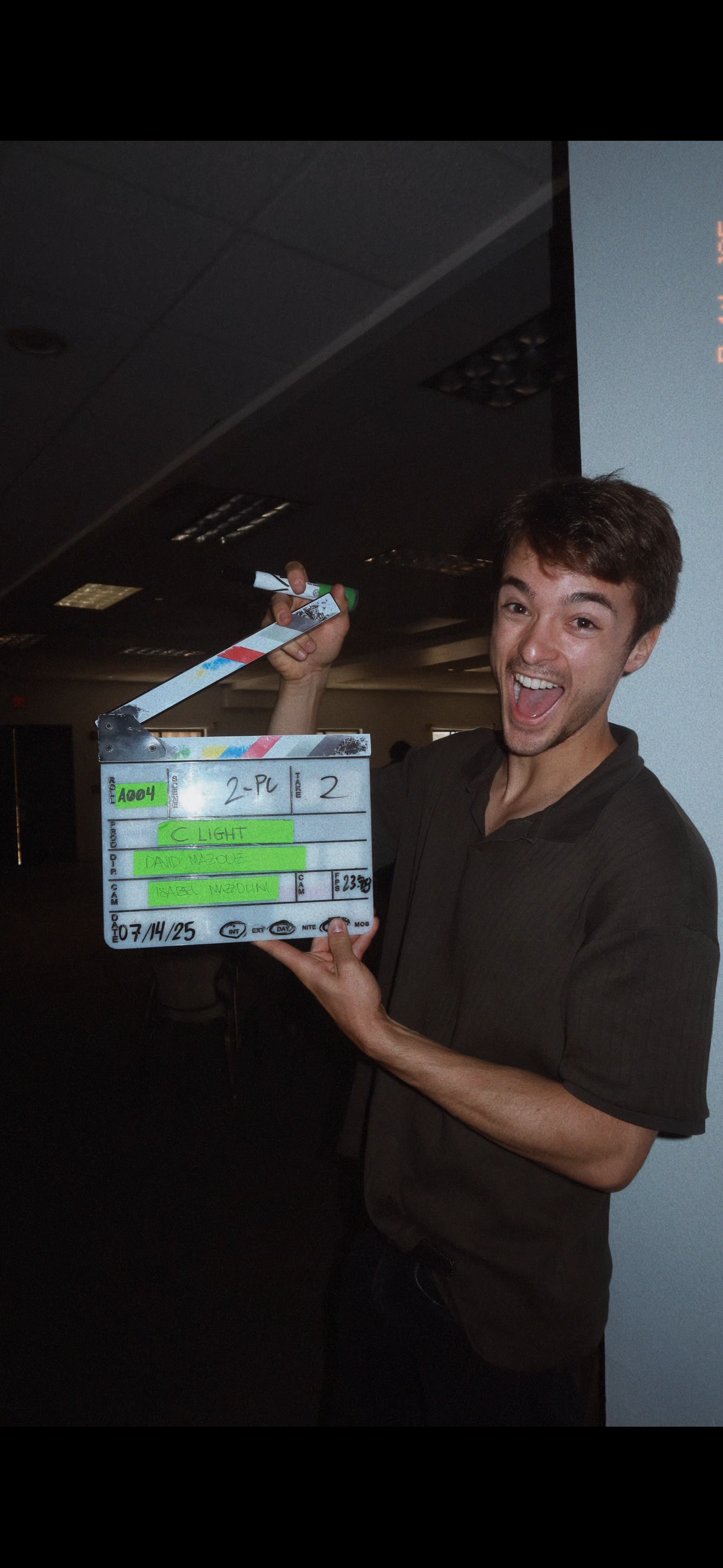
I want audiences to try to put themselves in the shoes of someone they'd otherwise write off as a monster, and to ask who in their own lives they may have judged that way without ever really understanding their story. It's about empathy and compassion, even when — maybe especially when — it feels wrong or impossible to extend it. I want people to almost feel guilty for feeling sympathy toward a guy like this. But ultimately, the goal is to push audiences toward the fuller picture.
What tool, technique, or mindset shift helped most during production?
The biggest lesson was learning to take off one hat before putting on the next. Wearing three hats on this project — producer, writer, and actor — meant I had to be deliberate about which one I had on at any given moment. When I was acting, I made a conscious effort to shut out anything producing-related entirely. I think that's advice worth passing on to other filmmakers juggling multiple roles: it's easy to try to do everything at once, but the work suffers if you don't compartmentalize.
What does it mean to have your film selected for HollyShorts, and where do you see it going next?
It's incredibly validating. You work so hard and so long on a project that you start wondering — is it even worth it? What am I doing? But to see that other people resonate with the work, it means the world. Honestly, the dream would be the Oscars, though I'm not sure the short is polished enough yet to deserve a place there. Regardless, it was an incredible learning experience, and I hope it can also serve as a proof of concept for a limited series — so if Ryan Murphy happens to be reading this, maybe we'll talk someday.
Main Cast & Crew
- Director: David Mazouz
- Writers: Leonardo Cecchi, David Mazouz
- Producers: Leonardo Cecchi, David Mazouz
- Composer: Ionas Finser
- Cinematographer: Isabel Mazzolini
- Editor: Leonardo Cecchi
- 1st AD: Caleb Anderson
- Sound Mixer: Marco De La Loza
- Gaffer: William Khuu
- Assistant Camera: Connor Sher
- Leonardo Cecchi — George V
- Tom Gallop — George IV
- Emma Jessop — Yeardley
- Conn Barrett — Foreperson
- Lydia Tinsley — Juror 7
- Baird Norris — Juror 11
- Travis Wolfe Sr. — Officer Daniels
Filmmaker Opportunities
💛 Fund your next project with fiscal sponsorship
Have a project in the works? As a 501(c)(3) nonprofit, the Cinematography for Actors Institute can accept tax-deductible donations on your film's behalf — a door-opener for grants, foundations, and supporters who want to back your work. We've serviced over 100 projects to date and helped route over $800,000 in funding to filmmakers. Explore fiscal sponsorship →
📬 Grant deadlines and festival opportunities, straight to your inbox
The CFA newsletter rounds up grants, festival calls, and community news for independent filmmakers — the kind of opportunities that are easy to miss and painful to miss. Join the newsletter →
🎬 Focus on the creative — we'll help with the logistics
Production Management, CFA's newest member program, launches this November: production insurance and workers' comp, payroll, film permits, gear rental coordination, SAG-AFTRA compliance, contract drafting, production consulting, and crew recommendations — handled by a team of working filmmakers, à la carte or all in, in partnership with Creative Access Group. It's waitlist-only until launch. Join the waitlist →
League of Filmmakers is published by our parent organization, the Cinematography for Actors Institute — a 501(c)(3) dedicated to education, community, and capital for underrepresented filmmakers and actors. Learn more about CFA →