Table of Contents
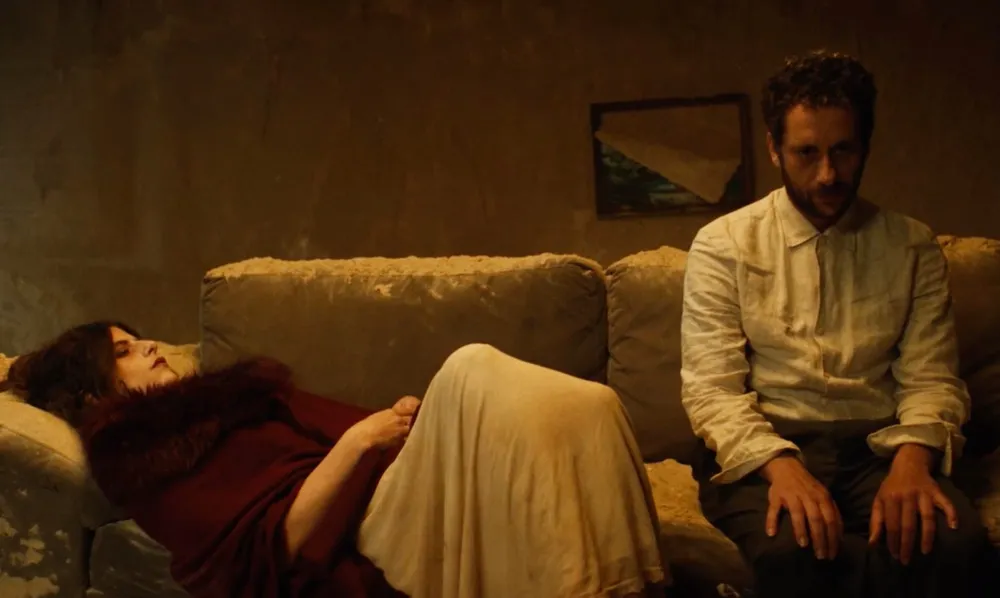
The night before an estranged brother and sister sell their childhood home, they reconnect over their late mother's favorite recipe. In Chi Mangia Solo, Francesco Zenati lets grief stay just beneath the surface, simmering, until the ritual of cooking begins to loosen what has gone unspoken between them.
Zenati, a longtime development executive turned filmmaker, built the short from something intensely personal: his grandmother's illness, a house sold in Verona, and a phrase passed down through his family. The result is a family drama that reaches for the psychological and the bodily, insisting that food and the act of cooking can transport us across time, distance, and loss.
Key Takeaways
- The film grew from Zenati's own experience of his grandmother's Alzheimer's and the sale of her home in Verona, Italy.
- Its title comes from a family saying — Chi Mangia Solo, Muore Solo, "Who eats alone, dies alone."
- Zenati is developing the short into a feature set between the United States and Italy.
Below, Zenati talks about ancestry, the surreal "void" at the film's center, and why keeping his team small kept the work inspired.
Interview
What drew you to make this film, and why this story, why now?
In the summer of 2018, I visited my family's hometown of Verona, Italy. My grandmother—who lived alone—had been suffering from Alzheimer's disease for years and, following an incident with her nurse, my family transitioned her to a nursing home, boxed up belongings, and put the house up for sale.
I poignantly remember hearing about the first night my grandmother slept in the nursing home. And how in the middle of the night she got out of her room at the facility, sleepwalked back to her home in the rain, and rang the buzzer.
Following my grandmother's death soon after, I began to have nightmares of being lost in an endless void. And I felt a strong parallel to my grandmother's sleepwalking: the feeling of being out of control. This was the first seed of this film: to find a connection between my lived experience and that of my ancestors. Film was the obvious medium not only because it is what I have chosen to dedicate my life to, but also because the subject matter I was grappling with had to do with memory. A sense that cinema is unmatched at depicting.
The film solidified as I built my own community of Italian-Americans, and we bonded over our connection to our Italian heritage—especially in our relation to its food. I met Victoria Pedretti through my work as a development executive, but we bonded over our family recipes. She told me about a saffron risotto recipe that her family in the midwest made with cheddar instead of parmesan. And I told her about my mother's Baccalà alla Vicentina.
This recipe is so important to me because it is specific to my Italian-Americanness. It's not spaghetti and meatballs or lasagna, but a unique dish made primarily of cod and onions and milk. It's the uniqueness of the dish that makes me want to share it with my friends. And in the process we expand my grandmother's legacy.
This brings me to the title of the film, Chi Mangia Solo. Chi Mangia Solo, Muore Solo is a phrase my mother uses. One she absorbed from my grandmother. It literally translates to "Who eats alone, dies alone." As a child this phrase was menacing—as if I would be cursed should I eat dinner in my room instead of with the rest of my family. But as an adult, I've come to realize that it speaks to our habits. At its core, it asks: How will you choose to spend your meals? And by extension: How will you choose to spend your life?
What moment in the film feels most like you, or like something only you could have made?
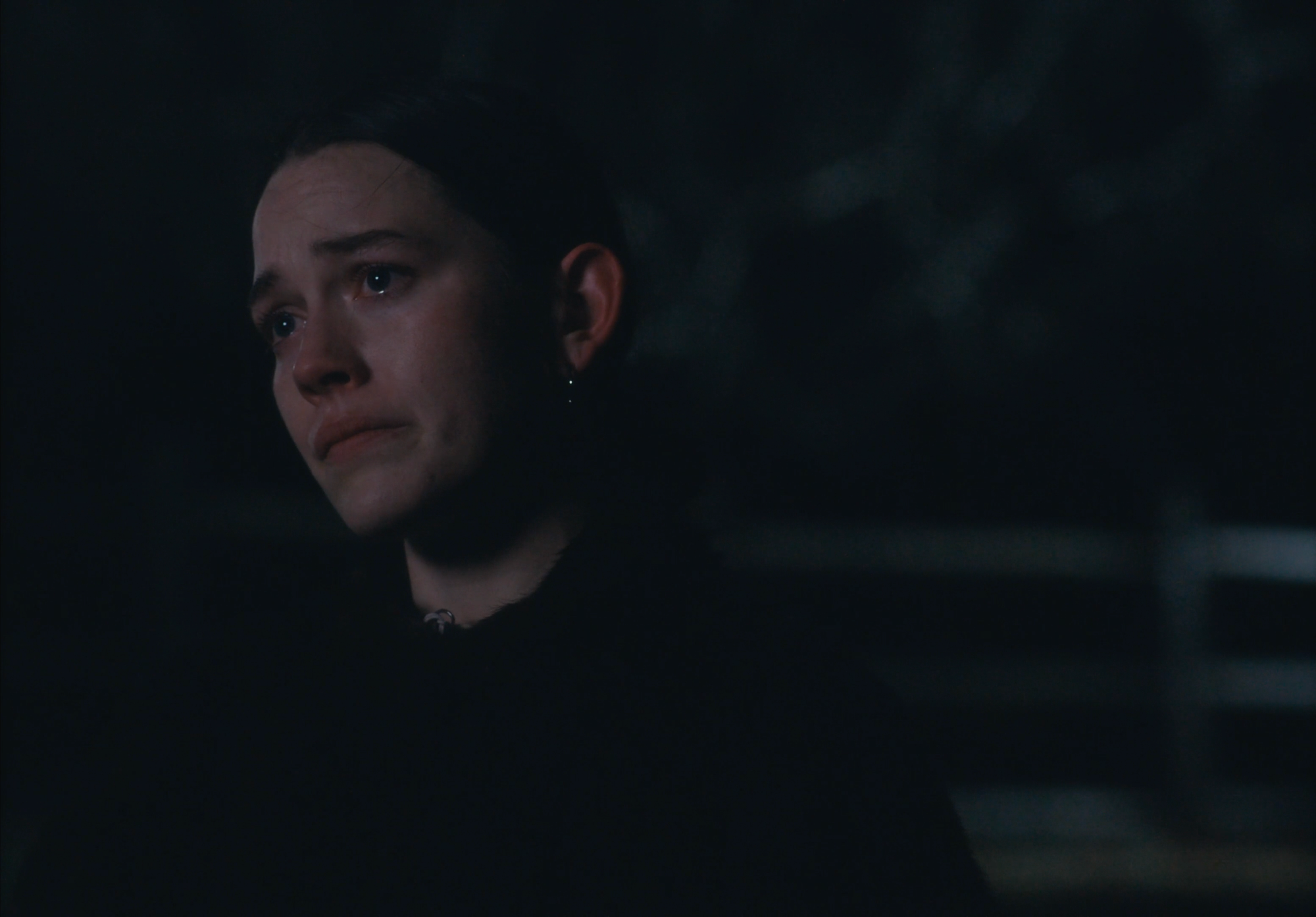
The voice memo of the recipe in the film is my mother's voice. It was made for me and repurposed into the film. It was essential to embrace the personal in this project to make the family history feel lived in and real in just 15 minutes.
What was the hardest creative decision you made while making the film?
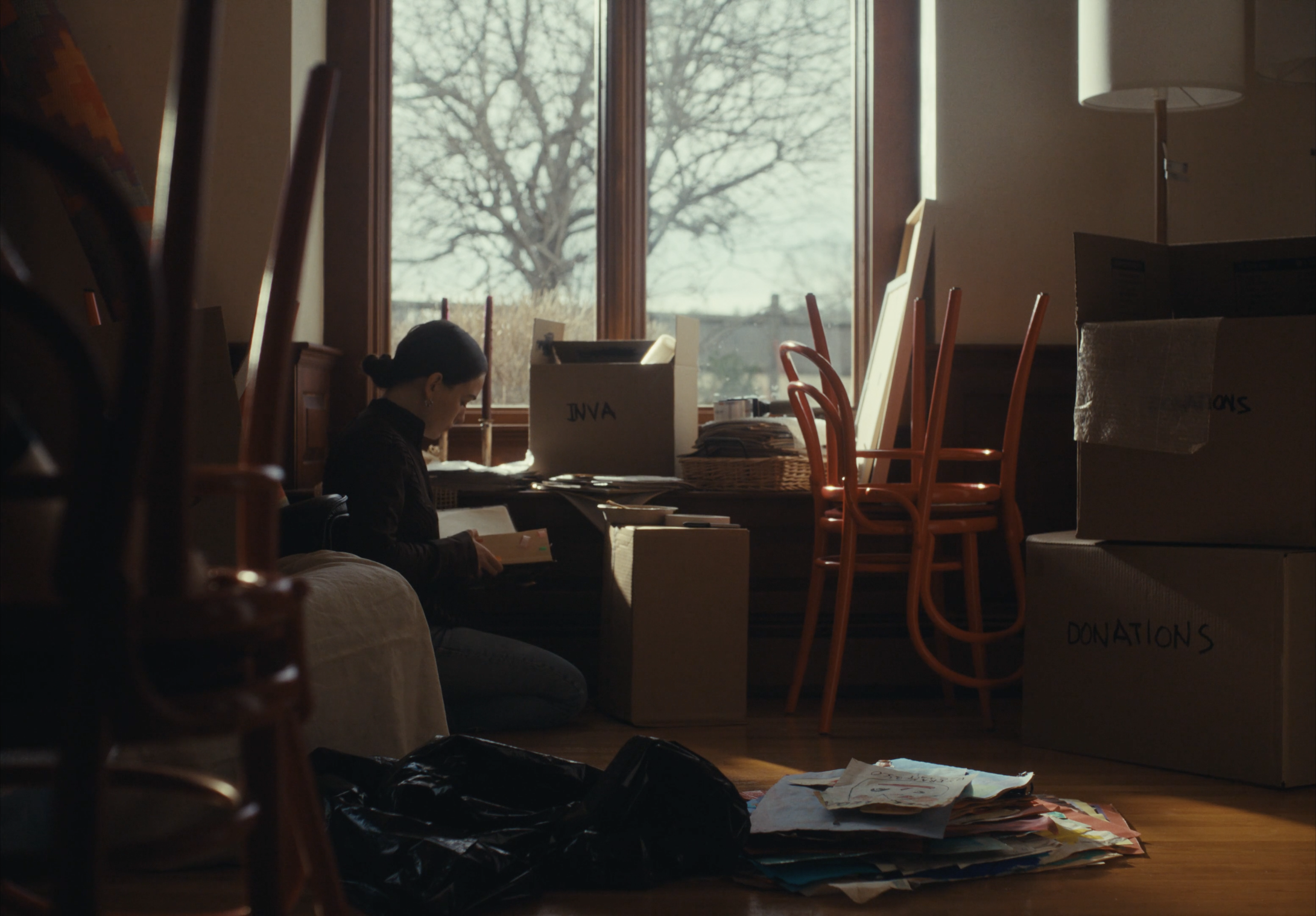
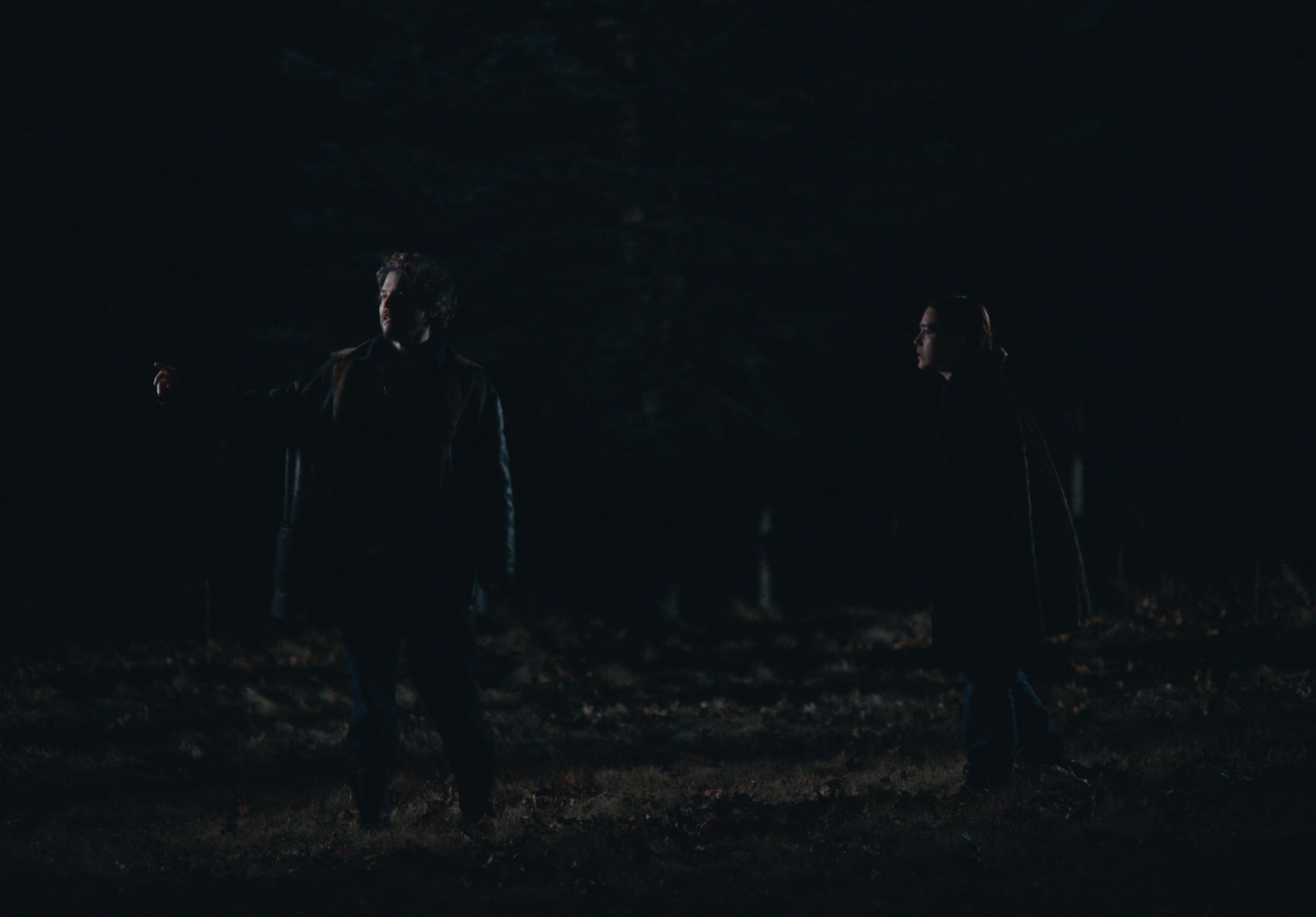
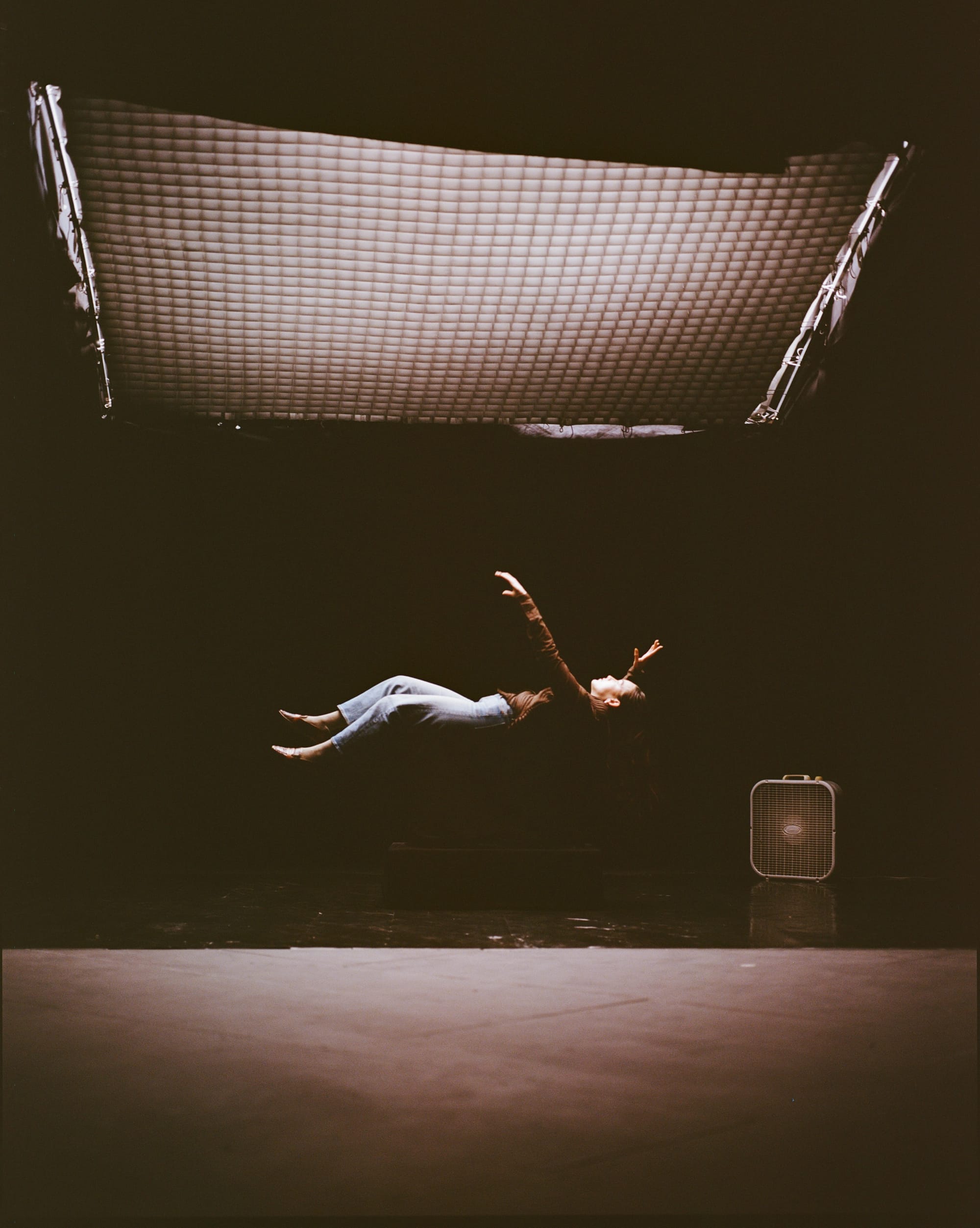
The void in our film creates a psychic link between a daughter feeling lost and her mother's Alzheimer's—it allows them to reconnect in a way only film can. Finding how to make this surreal world exist organically within our real world took especially thoughtful editing and sound design.
How does your film fit within, or push the boundaries of, its genre or form?
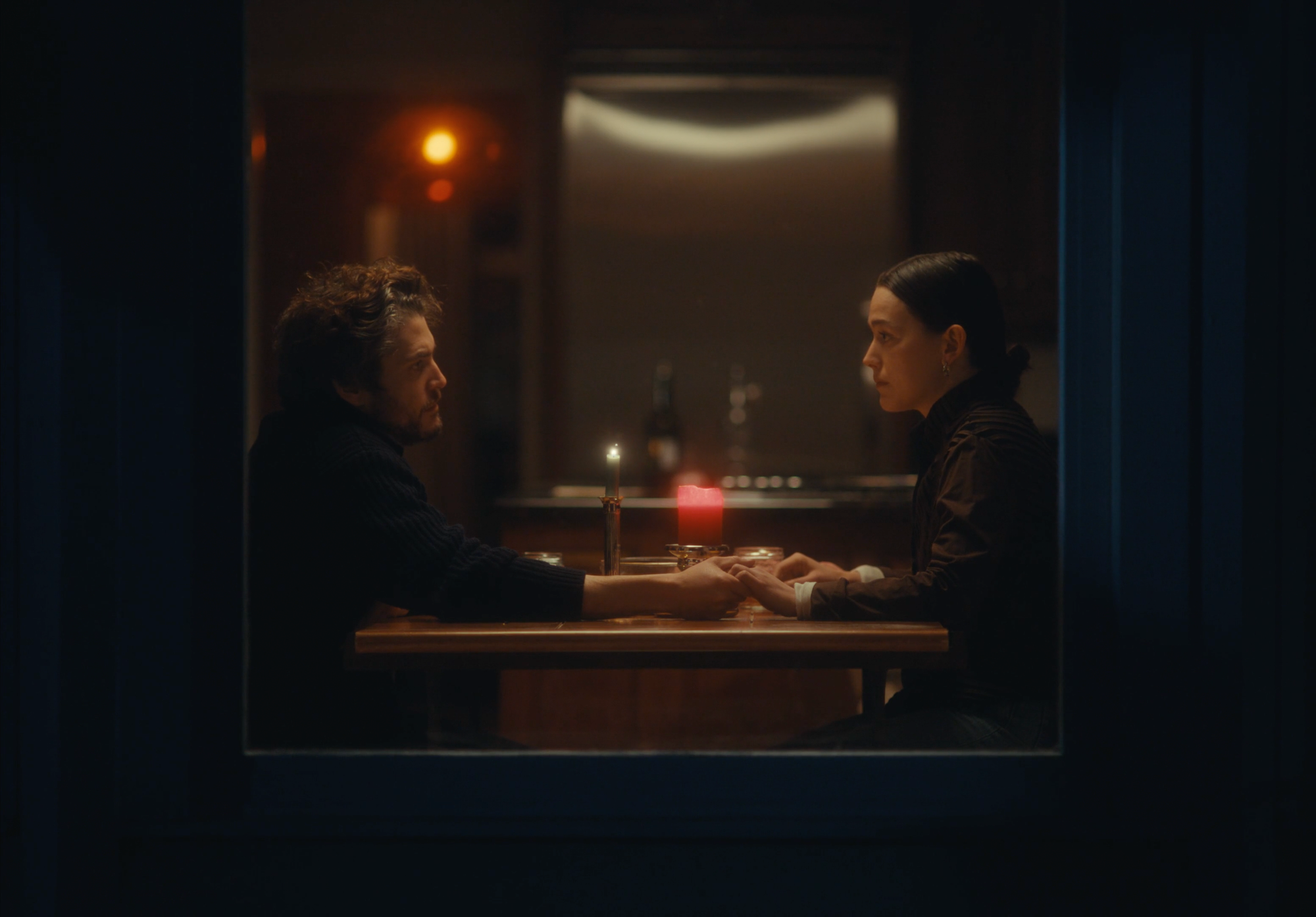
Chi Mangia Solo is a family drama, but it embraces psychological storytelling and aims to visualize the bodily experience of grief. The film embraces the idea that recipes and the ritual of cooking can transport us.
What tool, technique, resource, collaborator, or mindset shift helped most during production?
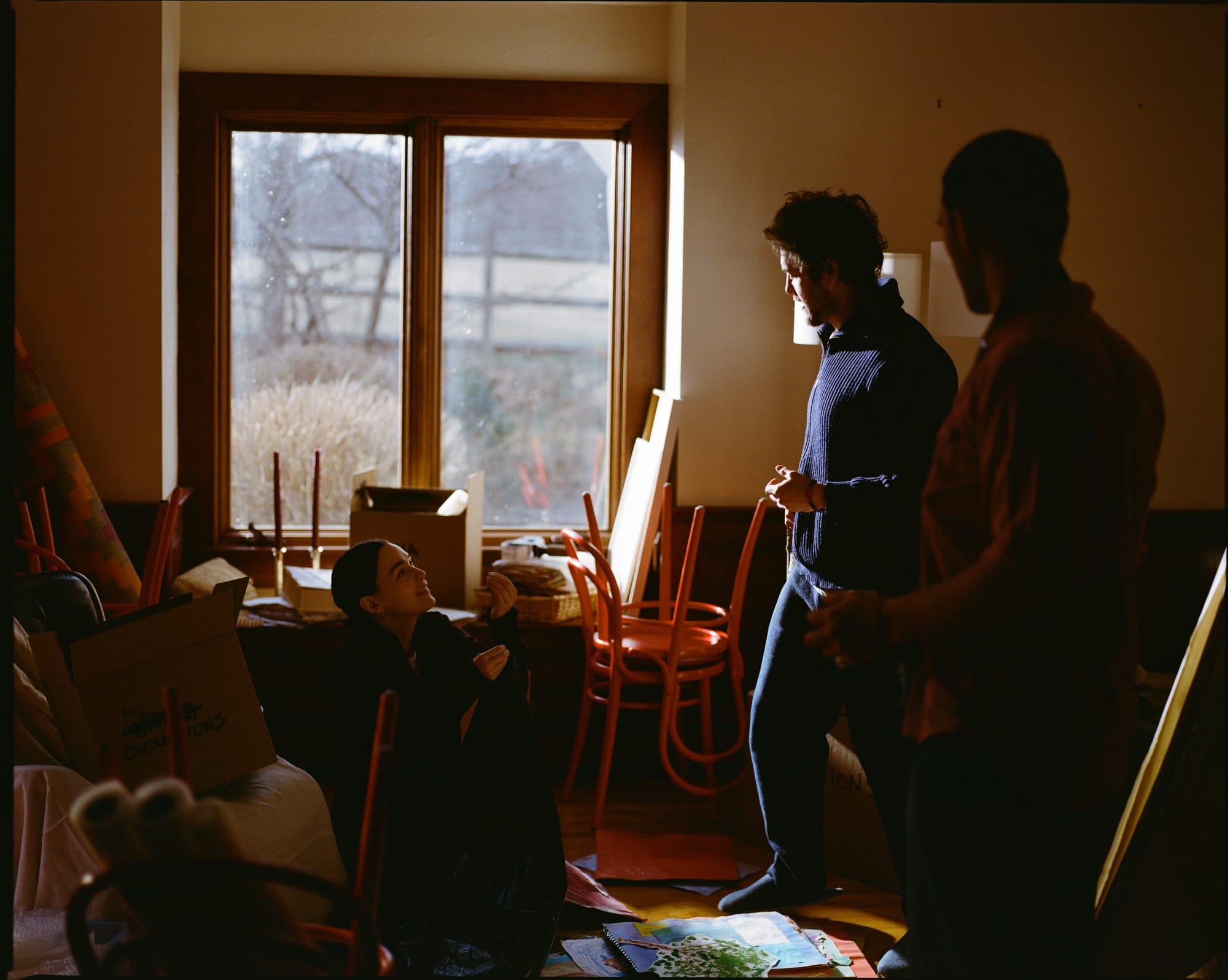
As a career producer and executive, it was essential to find collaborators who understood the world and had a clear vision but who were also excited to navigate uncharted waters together. I find that for a film to be inspiring, you have to be inspired while making it. We kept our team essential for this reason. The fact that our team is excited to continue working together is the biggest success for me.
What is the greatest strength of independent filmmaking, and what breakthrough would you share with others?
Sharing is such an important part of the process. Filmmaking is hard work and can often be very solitary work. Finding ways to share the process and to ask for advice and help has been expansive and a great way to generate community and solidarity in uncertain times. I encourage filmmakers and film lovers alike to reach out to me on social media @francesco_zenati.
What does it mean to have your film selected for HollyShorts, one of the world's premier short film festivals?
I worked as an executive for several years in LA, and it's a very special homecoming for me. HollyShorts has been hailed by peers as one of the best festival experiences, and I'm so excited to see the amazing films the festival has selected, connect with the talented filmmakers in attendance, and get inspired by this amazing community of artists and organizers.
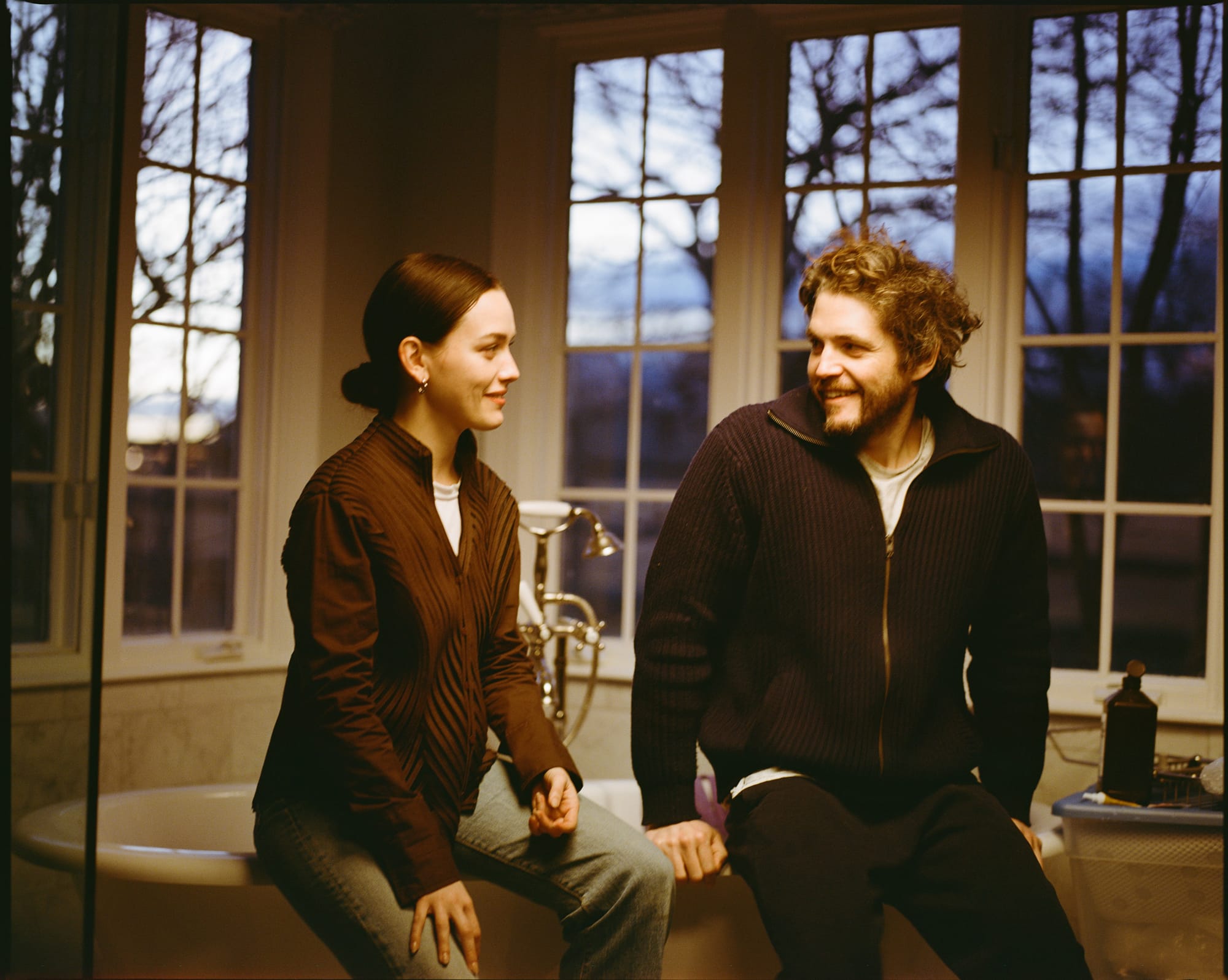
How has this film shaped the kinds of stories you want to tell next?
We are developing this short film into a feature. So much of the feature explores memory and gives context to the particular joy and pain of existing between cultures. The feature will live in the specificity and sensuousness of Italian culture and the ambition and potential of American culture. At the core of all my work is a desire to dig into the lives we were born into and find what is still unfinished there.
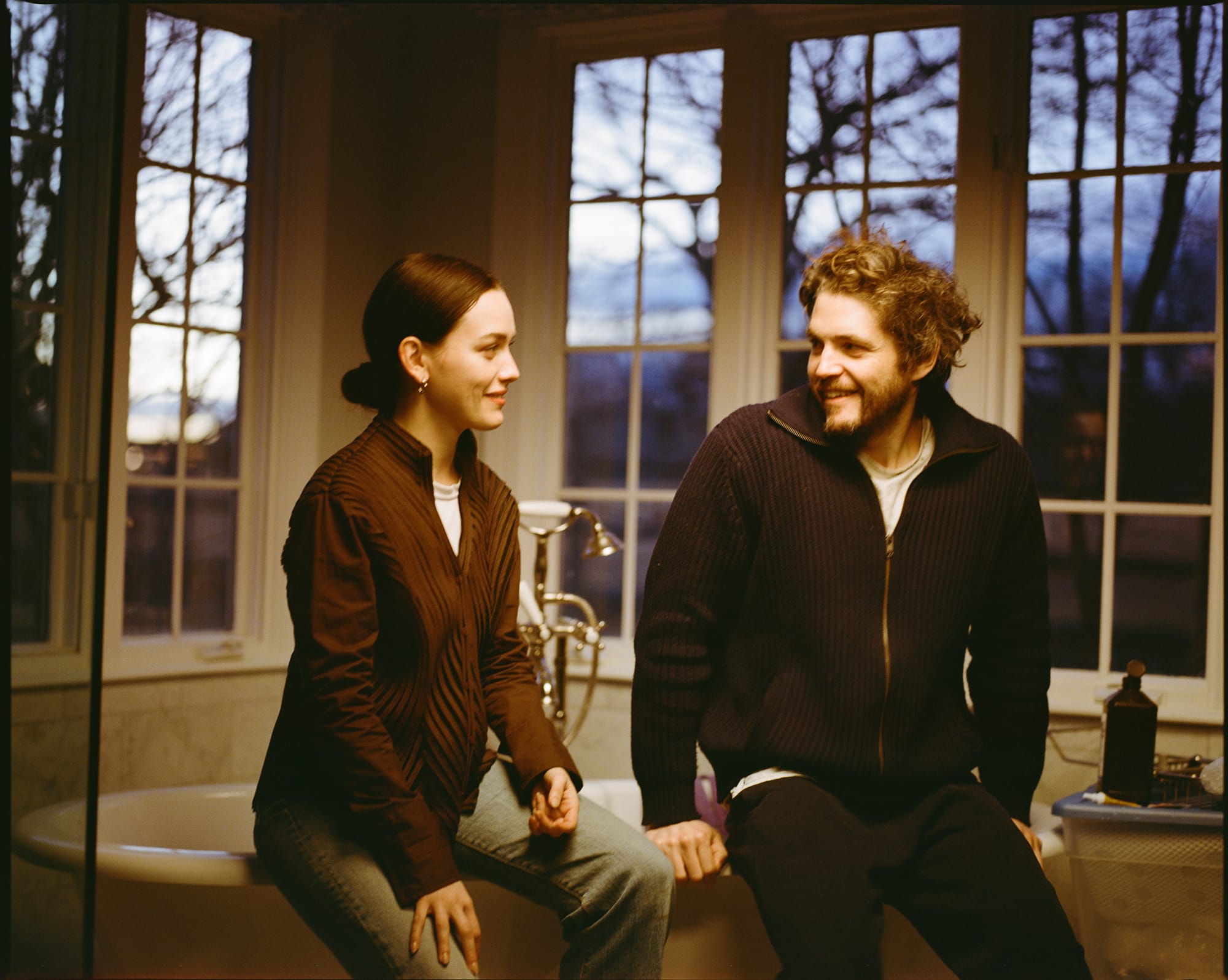
Main Cast & Crew
- Victoria Pedretti — Cast
- Philip Ettinger — Cast
- Peter Pascucci — Director of Photography
- James Pratley Watson — Composer
Filmmaker Opportunities
💛 Fund your next project with fiscal sponsorship
Have a project in the works? As a 501(c)(3) nonprofit, the Cinematography for Actors Institute can accept tax-deductible donations on your film's behalf — a door-opener for grants, foundations, and supporters who want to back your work. We've serviced over 100 projects to date and helped route over $800,000 in funding to filmmakers. Explore fiscal sponsorship →
📬 Grant deadlines and festival opportunities, straight to your inbox
The CFA newsletter rounds up grants, festival calls, and community news for independent filmmakers — the kind of opportunities that are easy to miss and painful to miss. Join the newsletter →
🎬 Focus on the creative — we'll help with the logistics
Production Management, CFA's newest member program, launches this November: production insurance and workers' comp, payroll, film permits, gear rental coordination, SAG-AFTRA compliance, contract drafting, production consulting, and crew recommendations — handled by a team of working filmmakers, à la carte or all in, in partnership with Creative Access Group. It's waitlist-only until launch. Join the waitlist →
League of Filmmakers is published by our parent organization, the Cinematography for Actors Institute — a 501(c)(3) dedicated to education, community, and capital for underrepresented filmmakers and actors. Learn more about CFA →