Table of Contents
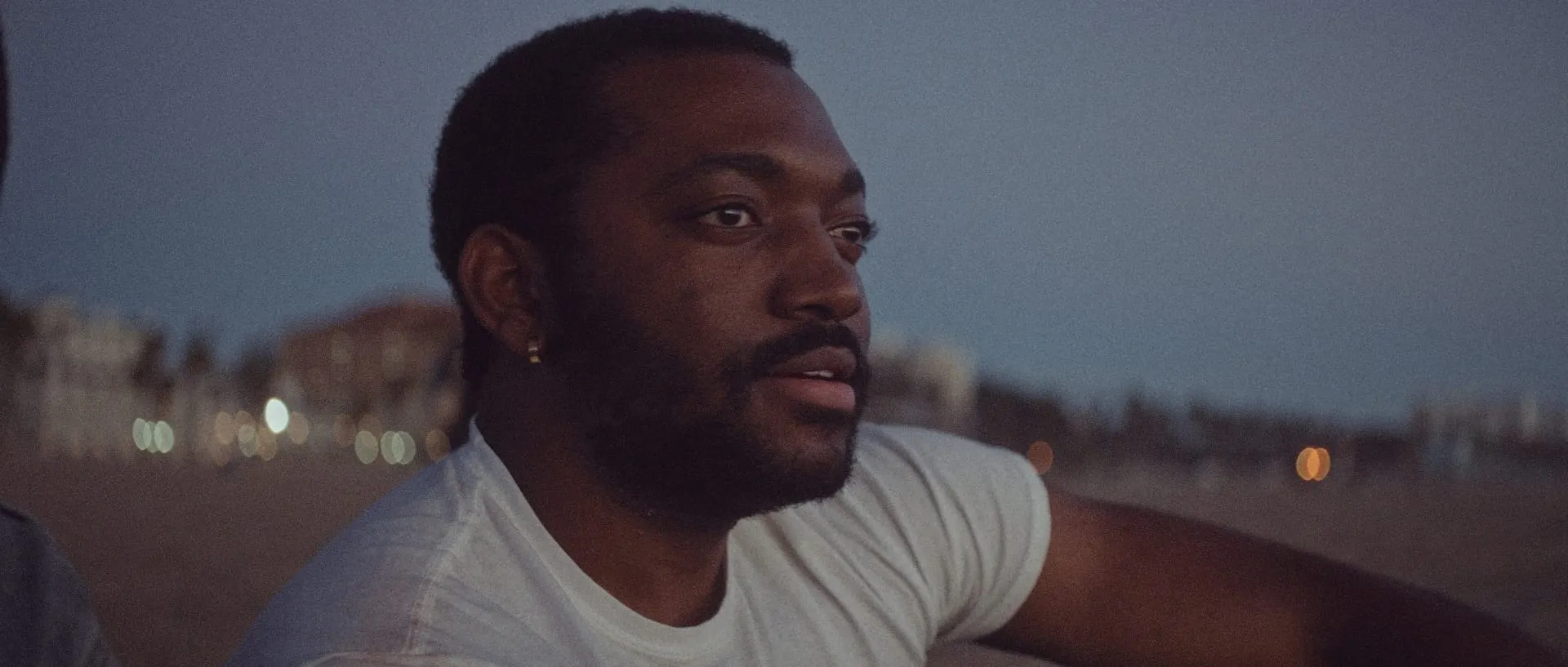
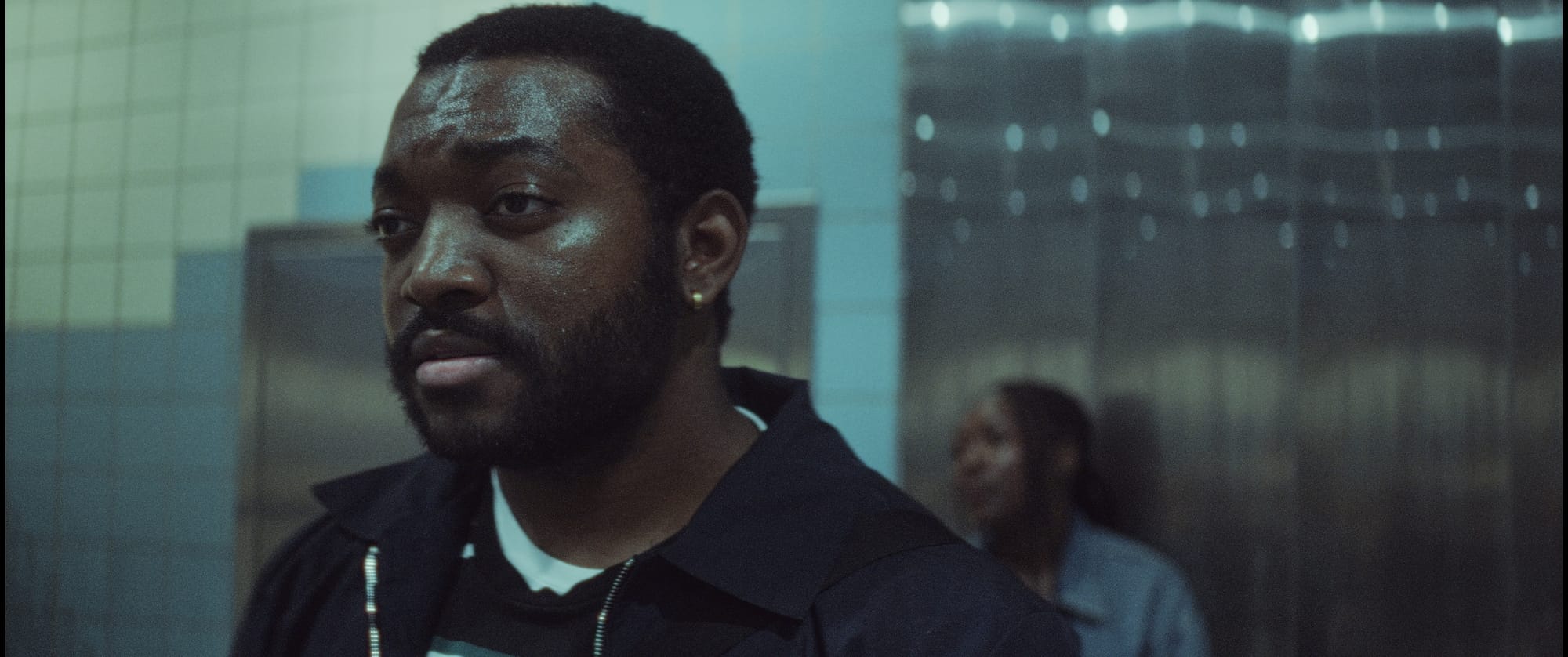
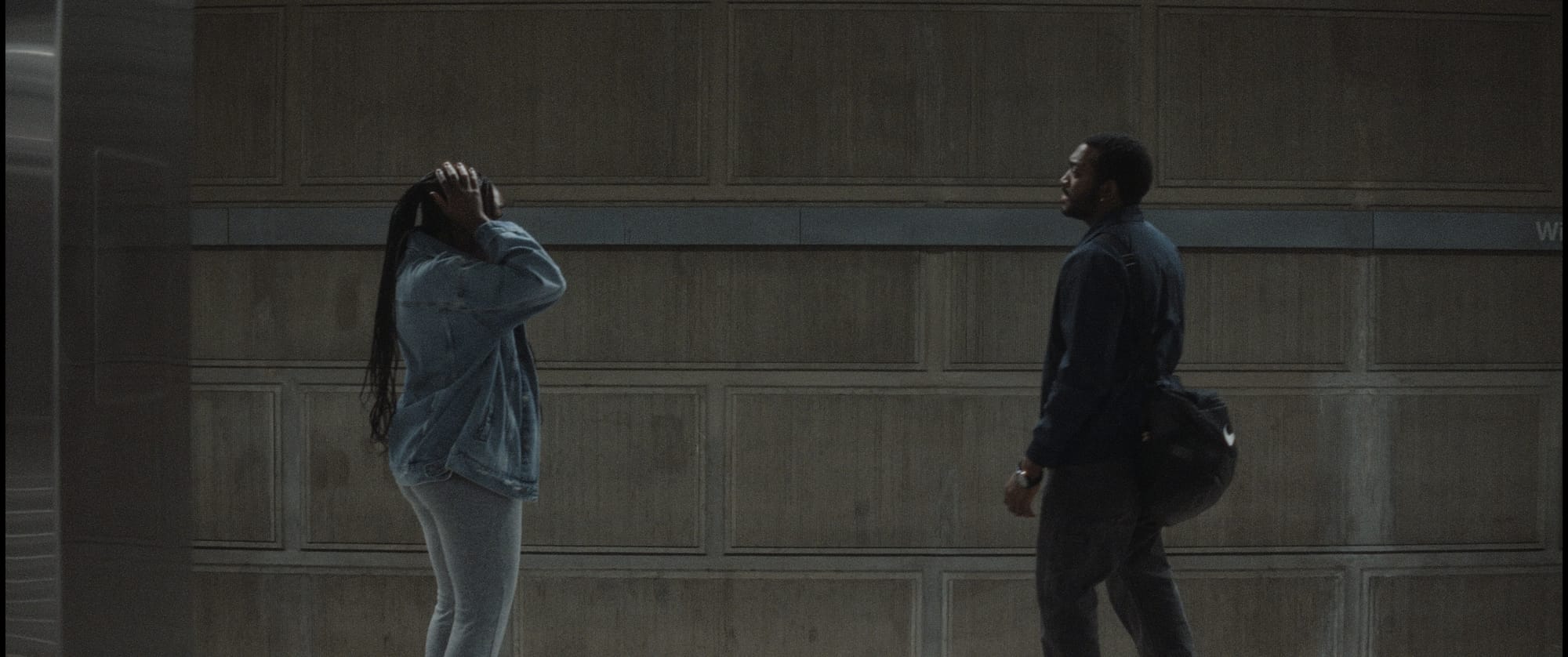
In Chocolate, Edith and Emanuel move through crowded trains and indifferent faces, selling chocolate to survive. Over the course of a single day, their shared struggle stirs quiet tensions and prompts a deeper conversation about the future they once imagined—and whether it still includes building a family of their own.
Yarden Lior, who wrote, directed, and shot the film, drew on his own life as an immigrant to explore the tension between love and survival. He chose the subway deliberately: a place where thousands of people cross paths, yet someone can still feel completely invisible. The result sits somewhere between fiction and observation, a window into lives that continue well beyond the frame.
Key Takeaways
- A social-realist drama that trades plot for observation, letting small gestures and silences carry the emotional weight.
- Lior directed his actors in French, a language he does not speak, using rhythm and tone to reach the emotional truth of each scene.
- A tiny cast and crew filming in real public spaces made spontaneity possible—if they wanted to jump on a train, they did.
Below, Lior talks about writing through his own uncertainty, directing across a language barrier, and why a film isn't finished until an audience sees it.
Interview
What drew you to make this film, and why this story, why now?
As an immigrant myself, I was drawn to this story because I understand the quiet emotional weight of leaving home and trying to build a life somewhere new. Edith and Emanuel's experience explores the tension between love and survival, and how financial hardship, isolation, and homesickness can enter even the most intimate relationship.
I chose the subway because it is a place where thousands of people cross paths, yet someone can still feel completely invisible. As Edith and Emanuel move through the trains selling chocolate, their journey becomes not only about survival, but about holding on to each other and questioning whether the future they once imagined—including starting a family—still feels possible.
What surprised you most about the filmmaking process?
What surprised me most was how closely the story evolved alongside my own emotional state. I began writing the film while wrestling with many of the same questions the characters face, and I used Edith and Emanuel to explore those conflicts. As my perspective changed, the story changed with me.
By the time we began filming, I had found some clarity around the questions that originally inspired the script. Looking back, I was surprised to see how much the film had transformed—and how clearly each stage of the writing reflected what I was experiencing at that moment in my life.
What was the hardest creative decision you made while making the film?
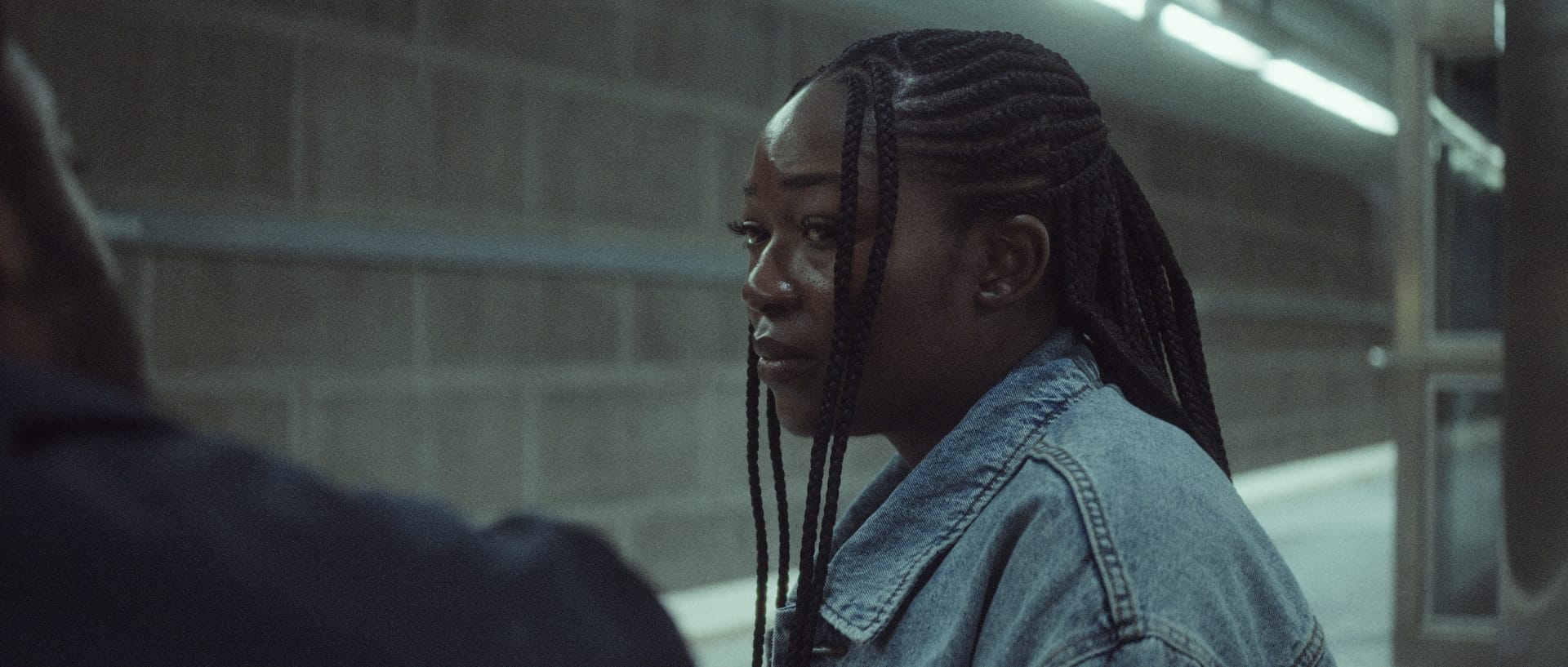
The hardest creative decision was choosing to have the characters speak French, even though I do not speak the language myself. I felt that French would deepen their sense of isolation and create a greater distance between them and the world around them.
It meant giving up some control over the exact words, but I discovered that I could still understand the rhythm, tone, and emotional expression of each performance. By focusing on what the actors were communicating beyond the language, I was able to direct the emotional truth of the scenes. Ultimately, French became an essential part of the film's atmosphere and the characters' experience.
What do you hope audiences take away from this film?
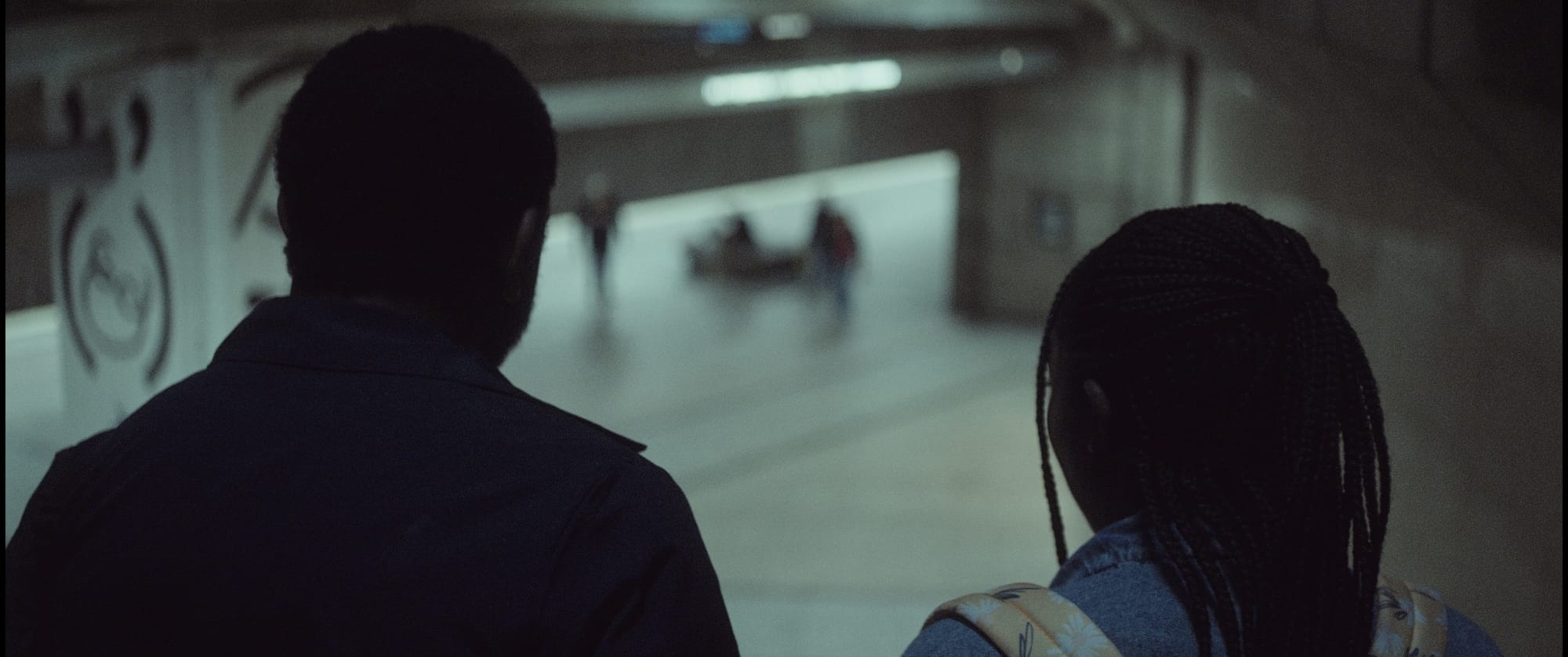
The film offers a brief glimpse into someone else's life. By following Edith and Emanuel over the course of a single day, the audience is invited to experience a reality different from their own. I hope viewers can still recognize something of themselves in the characters and be reminded that, despite our different circumstances, we are often more alike than we realize.
What is the greatest strength of independent filmmaking, and how did you lean into it here?
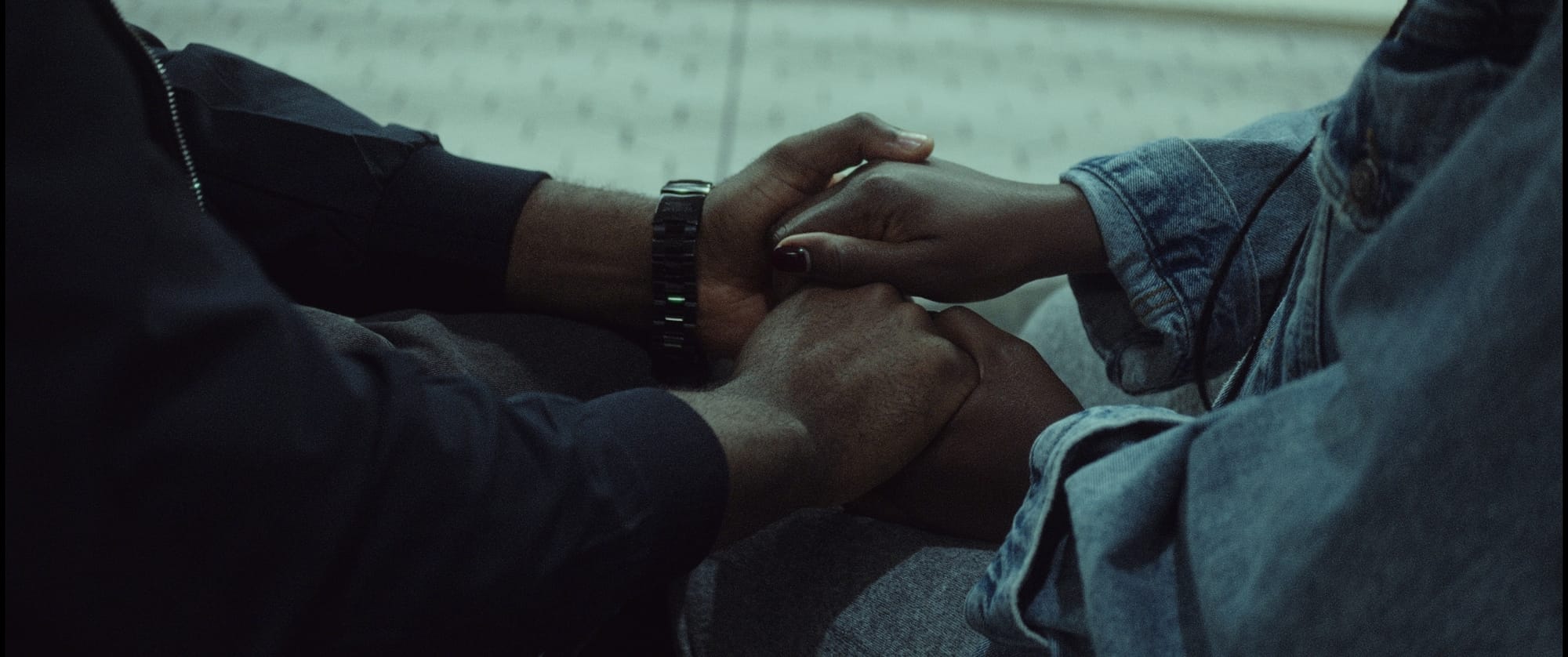
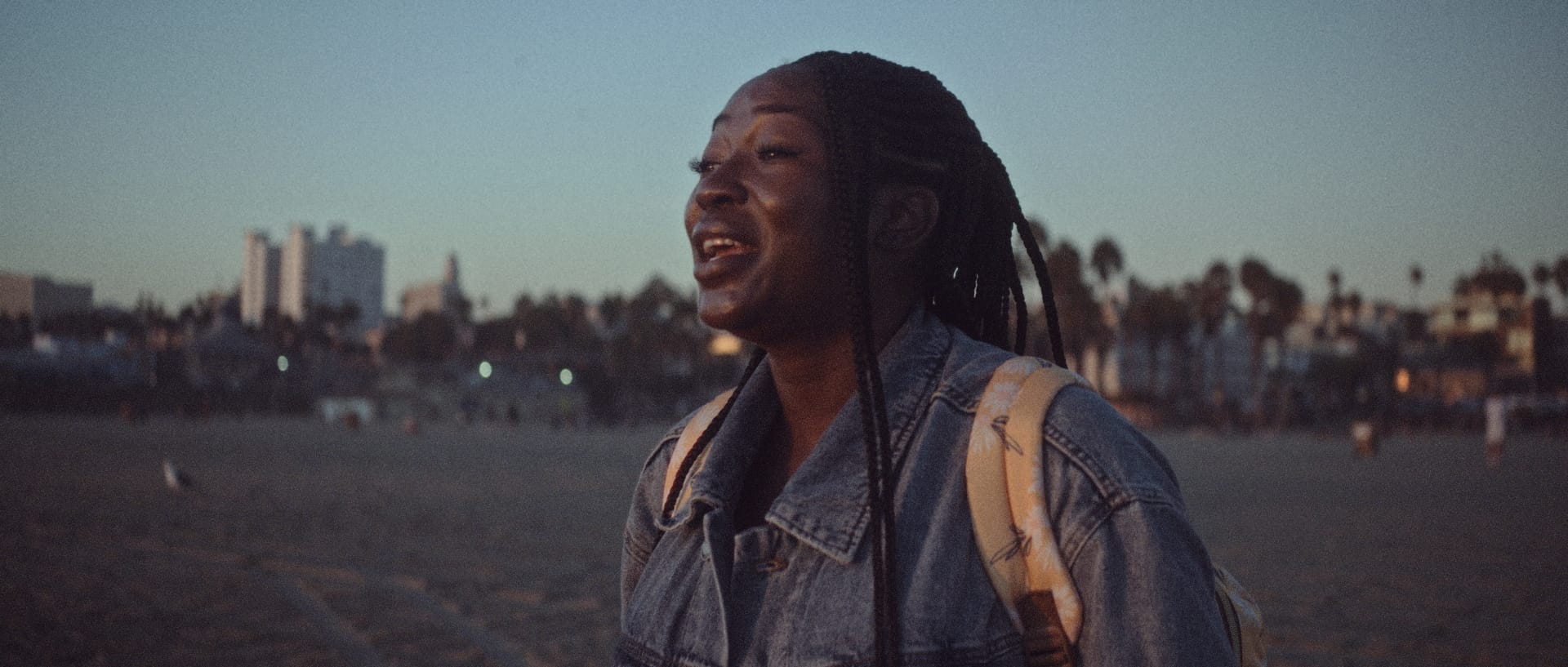
Independent filmmaking gives you the freedom to explore, linger, and follow your instincts. It forces your creativity to work overtime, which can be exhausting, but also incredibly rewarding. On this project, having a small cast and crew allowed us to remain spontaneous. If we wanted to jump on a train, we did. If we felt inspired to walk down to the beach, we could.
With a larger production, those decisions would likely have required more planning and discussion. The intimacy of our process allowed us to respond to inspiration in the moment, and that freedom became an important part of the film. I also knew I had very few resources, and I kept that in mind during every decision, from writing to location scouting. That allowed me to minimize obstacles and focus on doing what I knew I had, instead of problem-solving all of the time.
How does your film fit within, or push the boundaries of, its genre or form?
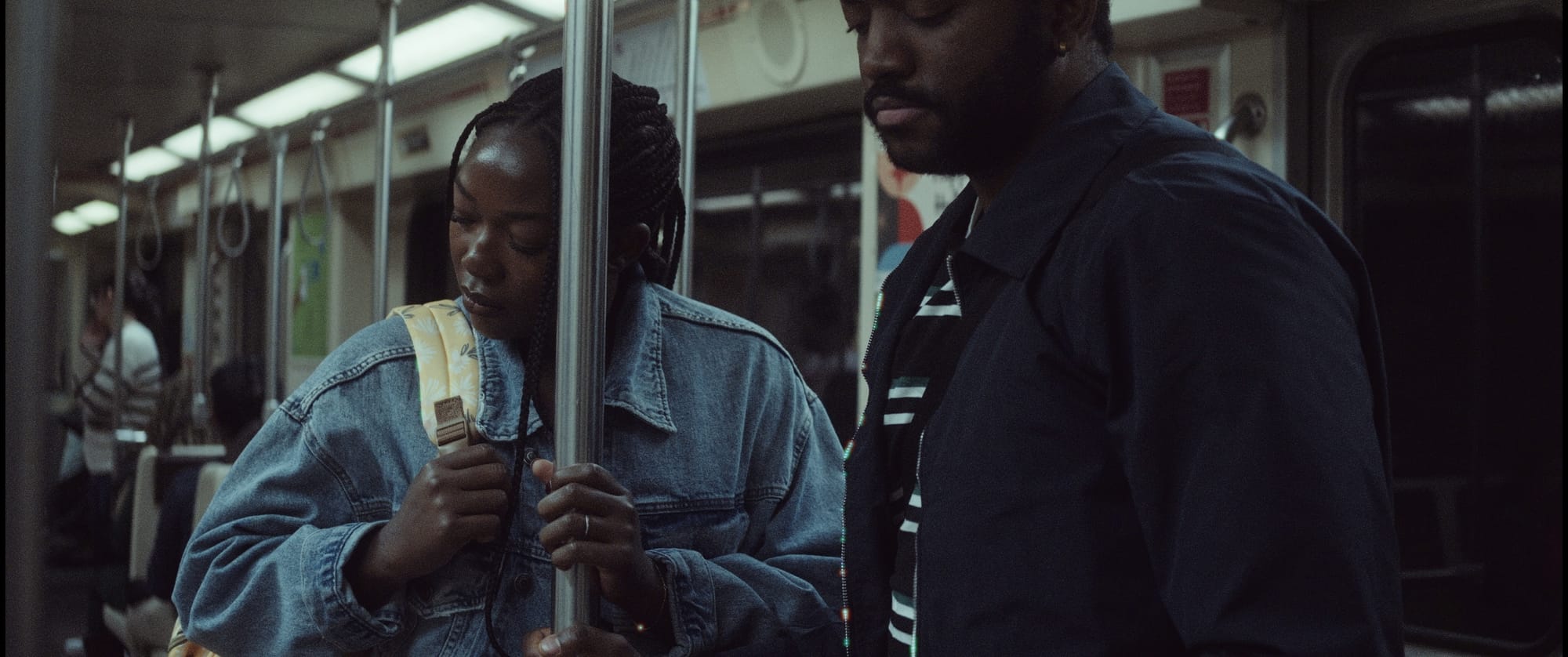
Chocolate fits within the tradition of social-realist drama, focusing on ordinary people navigating economic hardship, immigration, and the pressures those circumstances place on a relationship. At the same time, the film avoids a conventional, plot-driven structure. Instead, it observes Edith and Emanuel over the course of a single day, allowing small gestures, silences, and everyday encounters to carry the emotional weight of the story.
By filming in real public spaces and maintaining a restrained, intimate style, I wanted the film to feel less like a constructed narrative and more like a brief window into lives that continue beyond the frame. In that sense, the film pushes the form toward something between fiction and observation, asking the audience not simply to follow a story, but to spend time with the characters and experience their reality alongside them.
What does it mean to have your film selected for HollyShorts?
Filmmaking often means pushing forward on your own, guided by passion and trust in something that may not yet be visible to anyone else. It can be difficult and isolating, so having a festival like HollyShorts select the film feels deeply meaningful.
It is not only recognition of the work, but reassurance that the story connected with someone beyond the people who made it. After carrying the film for so long, knowing that it resonated and will now be shared with an audience makes the process feel a little less solitary. To me, a film is not truly complete until it is experienced by an audience. My hope is simply for Chocolate to continue finding viewers, through festivals, screenings, or wherever else it may live.
Main Cast & Crew
- Jamila Gamba
- Hortarian Gueguang
- Director / Writer / DoP — Yarden Lior
Filmmaker Opportunities
💛 Fund your next project with fiscal sponsorship
Have a project in the works? As a 501(c)(3) nonprofit, the Cinematography for Actors Institute can accept tax-deductible donations on your film's behalf — a door-opener for grants, foundations, and supporters who want to back your work. We've serviced over 100 projects to date and helped route over $800,000 in funding to filmmakers. Explore fiscal sponsorship →
📬 Grant deadlines and festival opportunities, straight to your inbox
The CFA newsletter rounds up grants, festival calls, and community news for independent filmmakers — the kind of opportunities that are easy to miss and painful to miss. Join the newsletter →
🎬 Focus on the creative — we'll help with the logistics
Production Management, CFA's newest member program, launches this November: production insurance and workers' comp, payroll, film permits, gear rental coordination, SAG-AFTRA compliance, contract drafting, production consulting, and crew recommendations — handled by a team of working filmmakers, à la carte or all in, in partnership with Creative Access Group. It's waitlist-only until launch. Join the waitlist →
League of Filmmakers is published by our parent organization, the Cinematography for Actors Institute — a 501(c)(3) dedicated to education, community, and capital for underrepresented filmmakers and actors. Learn more about CFA →