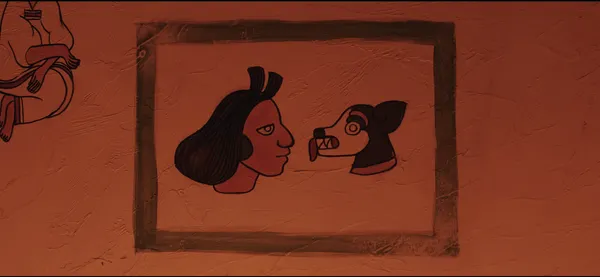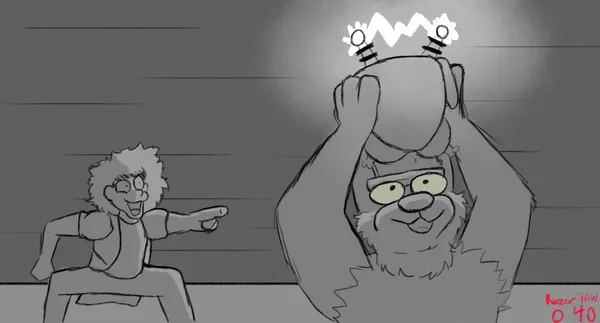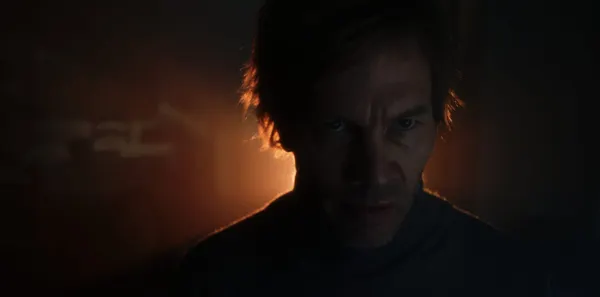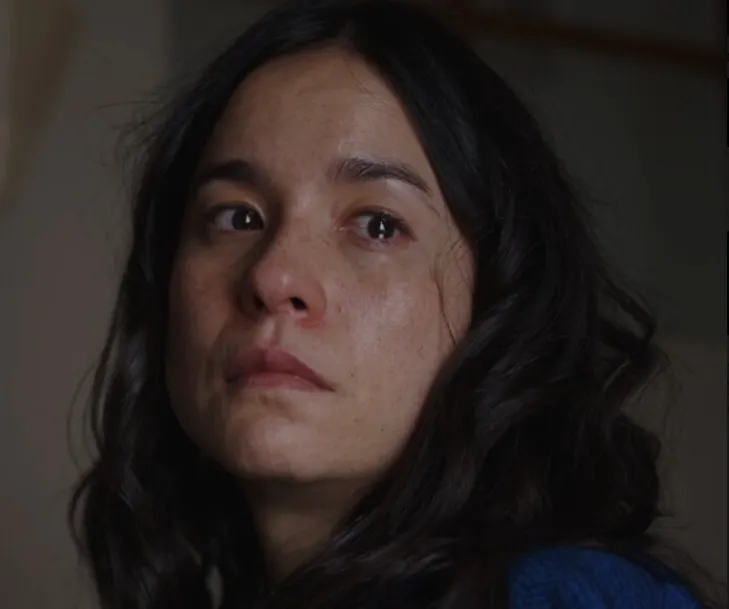
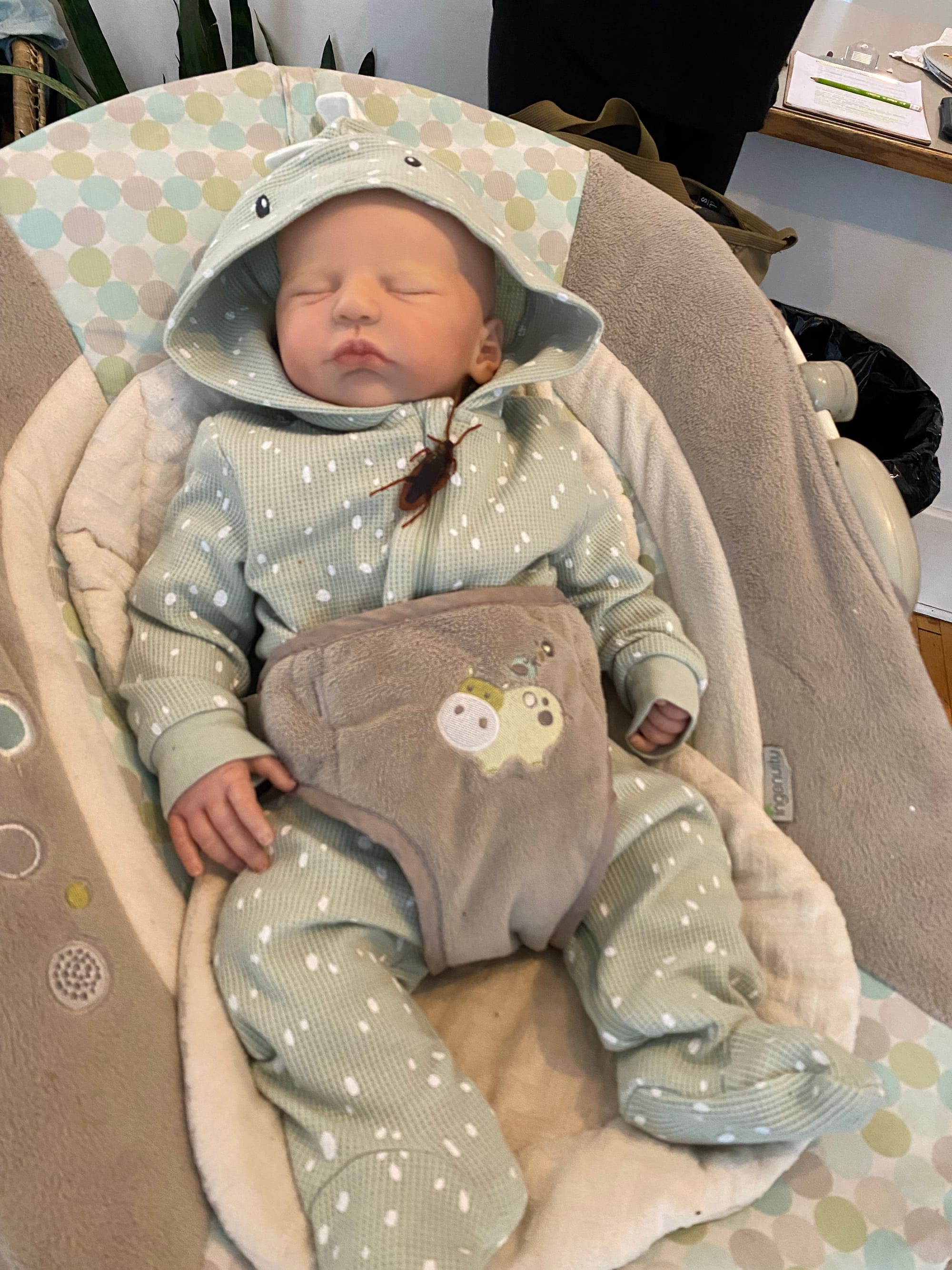
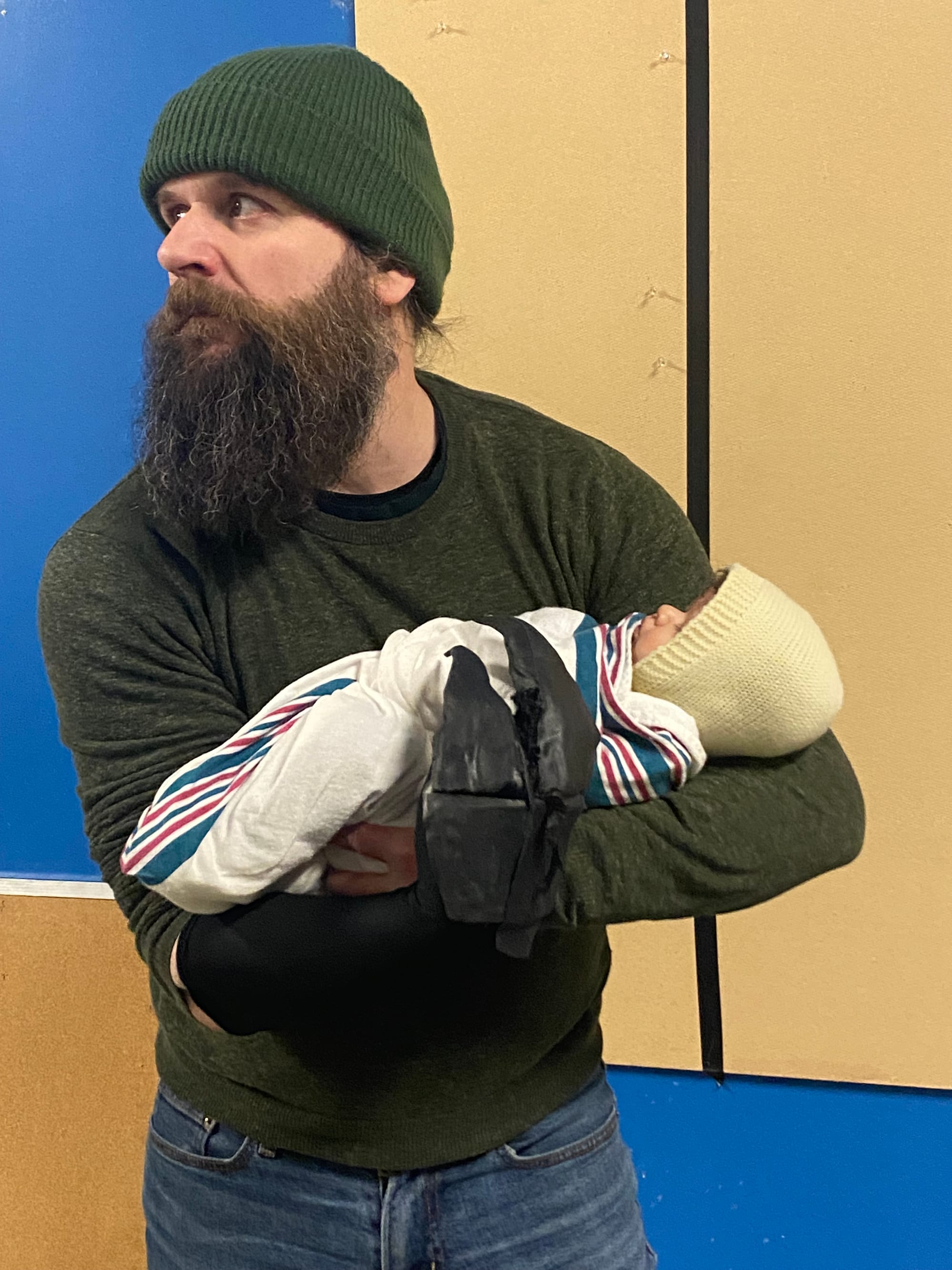
Beth and Sergio are ecstatic to begin their journey as new parents. Then come the sleepless nights, the fraying of a relationship under pressure, and something moving behind the drywall. Cockroach, written and directed by Paolo Mancini and Daniel Watchorn, is a standalone story about the overwhelming experience of having a first child — postpartum depression, paranoia, isolation and maternal devotion rendered as an unfiltered glimpse into a household coming apart.
Mancini, a Toronto-based actor, screenwriter, director and producer whose work has screened at Karlovy Vary and Fantasia, drew the film from his own experience as a first-time parent alongside his wife. Watchorn, a Montreal-based screenwriter, director, composer and producer whose horror short Bloodshed played more than 90 festivals, brings the same appetite for grief under pressure. Together they've made something specific and unsparing: a horror film about the hours nobody photographs.
Key Takeaways
- Cockroach grew from Mancini's lived experience as a new parent, and from the stigma around postpartum depression and psychosis that keeps people from seeking help.
- The entire shoot came together in two days, which meant cutting several scenes outright — a kill-your-darlings compromise the filmmakers made to get the film moving.
- The directing team credits producer Hayden Baptiste with solving problems they never heard about, freeing them to direct and trust their instincts on the day.
Mancini and Watchorn spoke about writing from the inside of an experience, what their actors uncovered, and the dread-laden atmosphere they chased from first frame to last.
Interview
What drew you to make this film, and why this story, why now?
We drew from Paolo and his wife's experience as first-time parents. There is still an enormous amount of stigma surrounding postpartum depression and postpartum psychosis that prevents people from seeking the help they need. Cockroach is not only a personal story but one we hope will contribute to encouraging those in need to seek help, and find some comfort in knowing they are not alone.
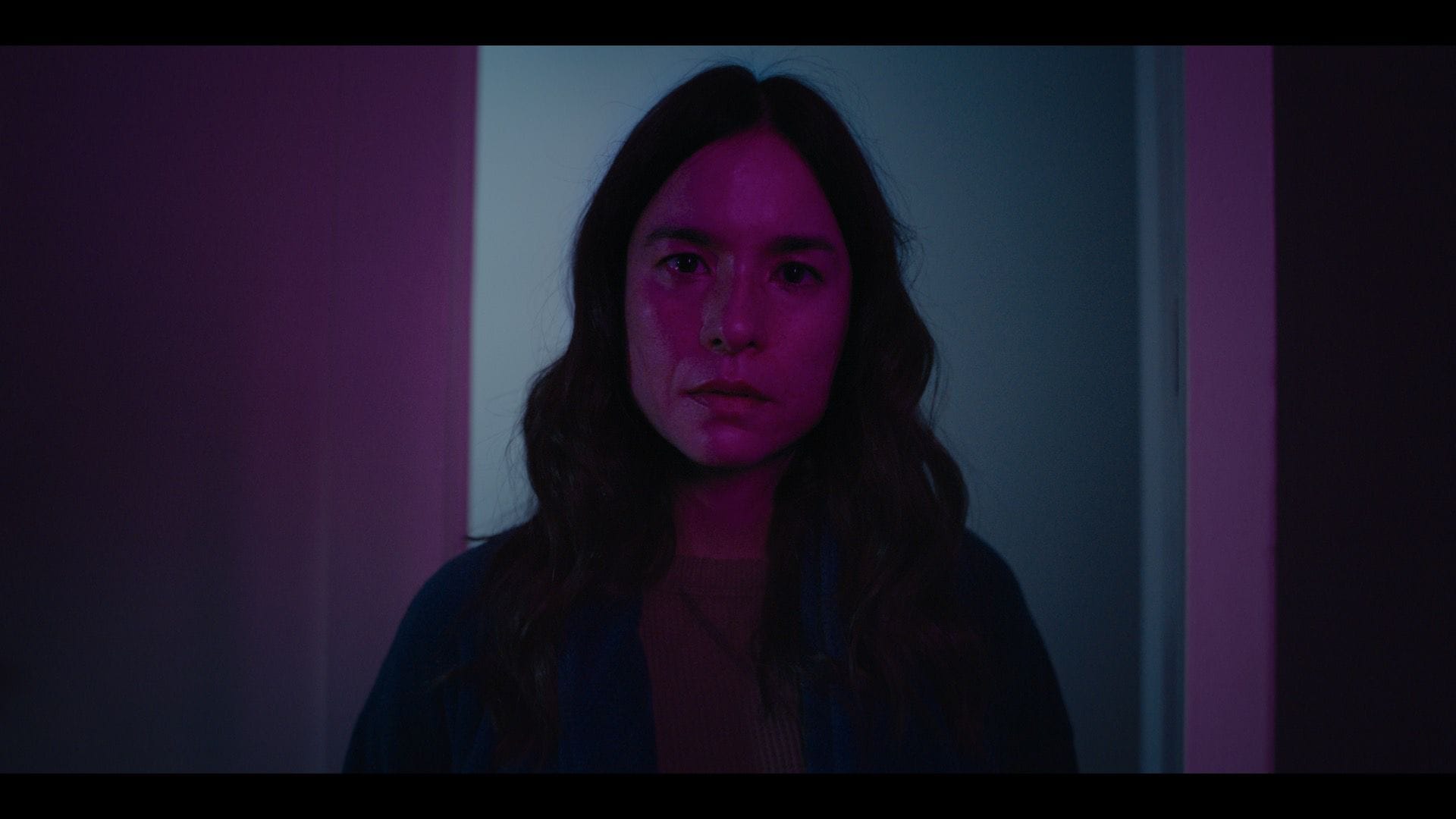
What surprised you most about the filmmaking process, creatively or logistically, including any moment on set or in post that changed how you saw the story?
Daniel: What surprised me most on this project was how my understanding of the characters expanded once Jenny Raven and Mikey Lipka embodied the roles and brought new depth that I hadn't anticipated. It was a joy to watch them work and explore the complexities of these new parents going through something life-changing.
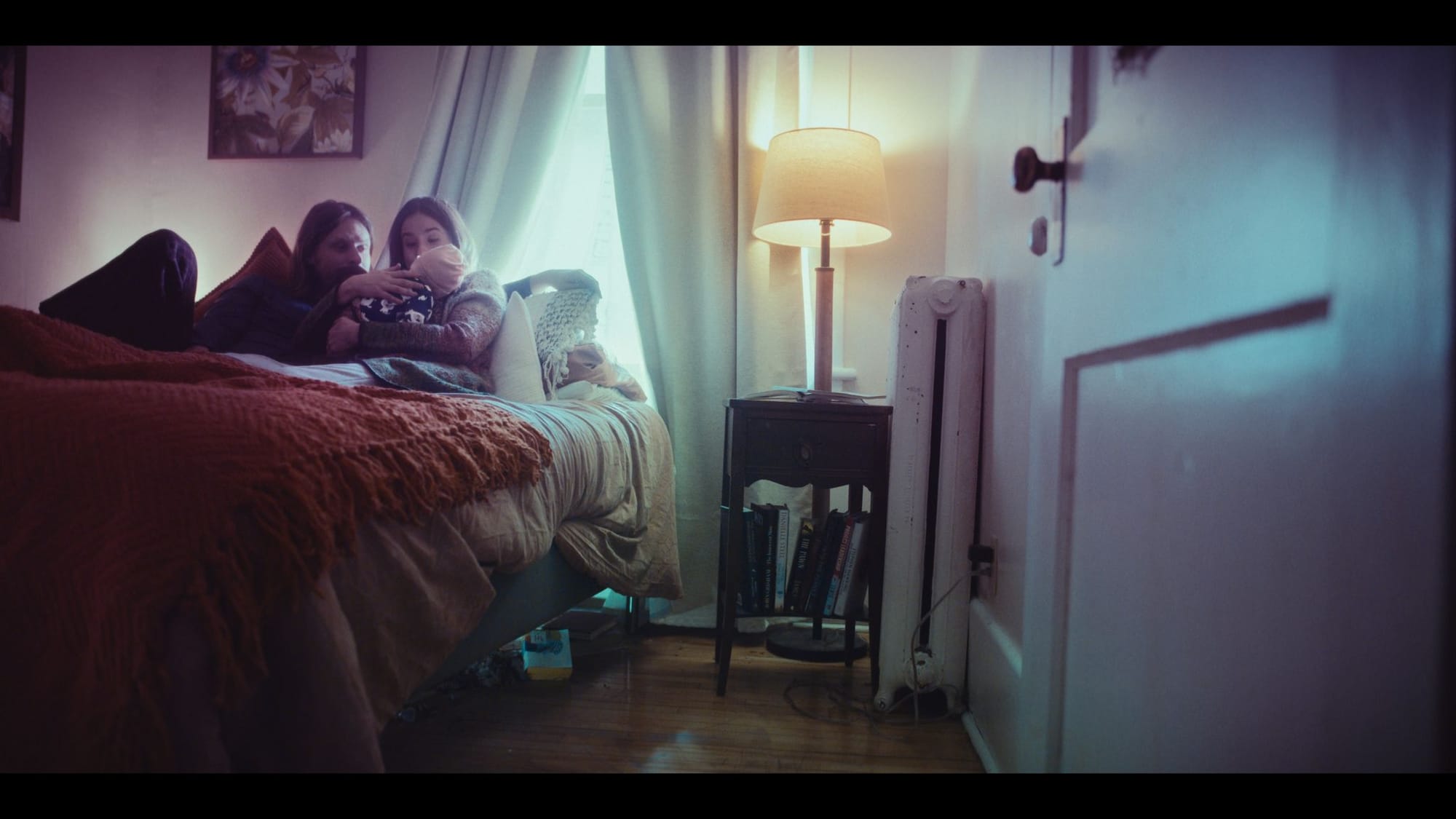
What moment in the film feels most like you, or like something only you could have made?
Initially we were going to say the last climactic and nightmarish two minutes of the film, but thinking about it more, we feel comfortable saying the entire piece feels tethered to our instincts and distinctly us. We strived to attain a specific dread-laden atmosphere throughout.
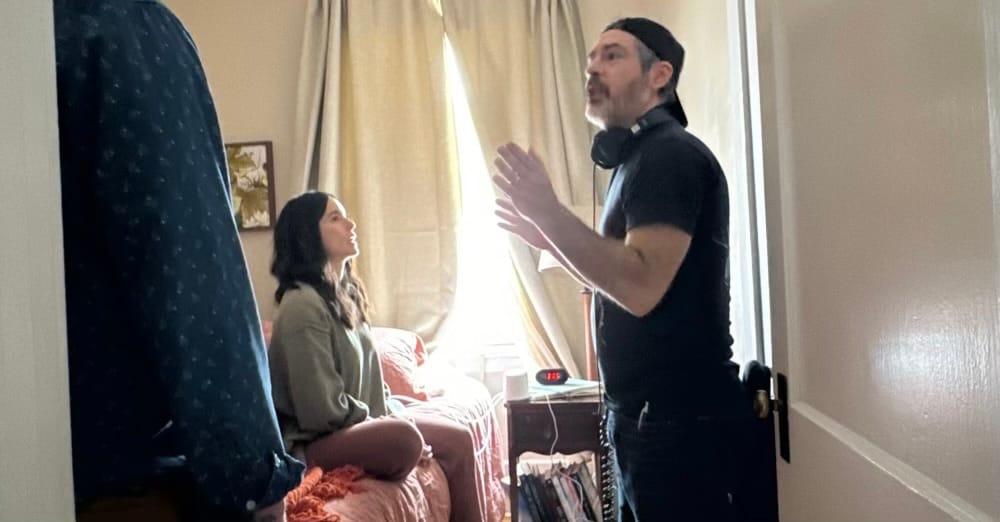
What was the hardest creative decision you made while making the film?
We had to cut several scenes to shoot everything in two days. Always sad to think of the "what ifs," but in this case, sacrifices needed to be made for the project to move forward. Kill your darlings, as they say.
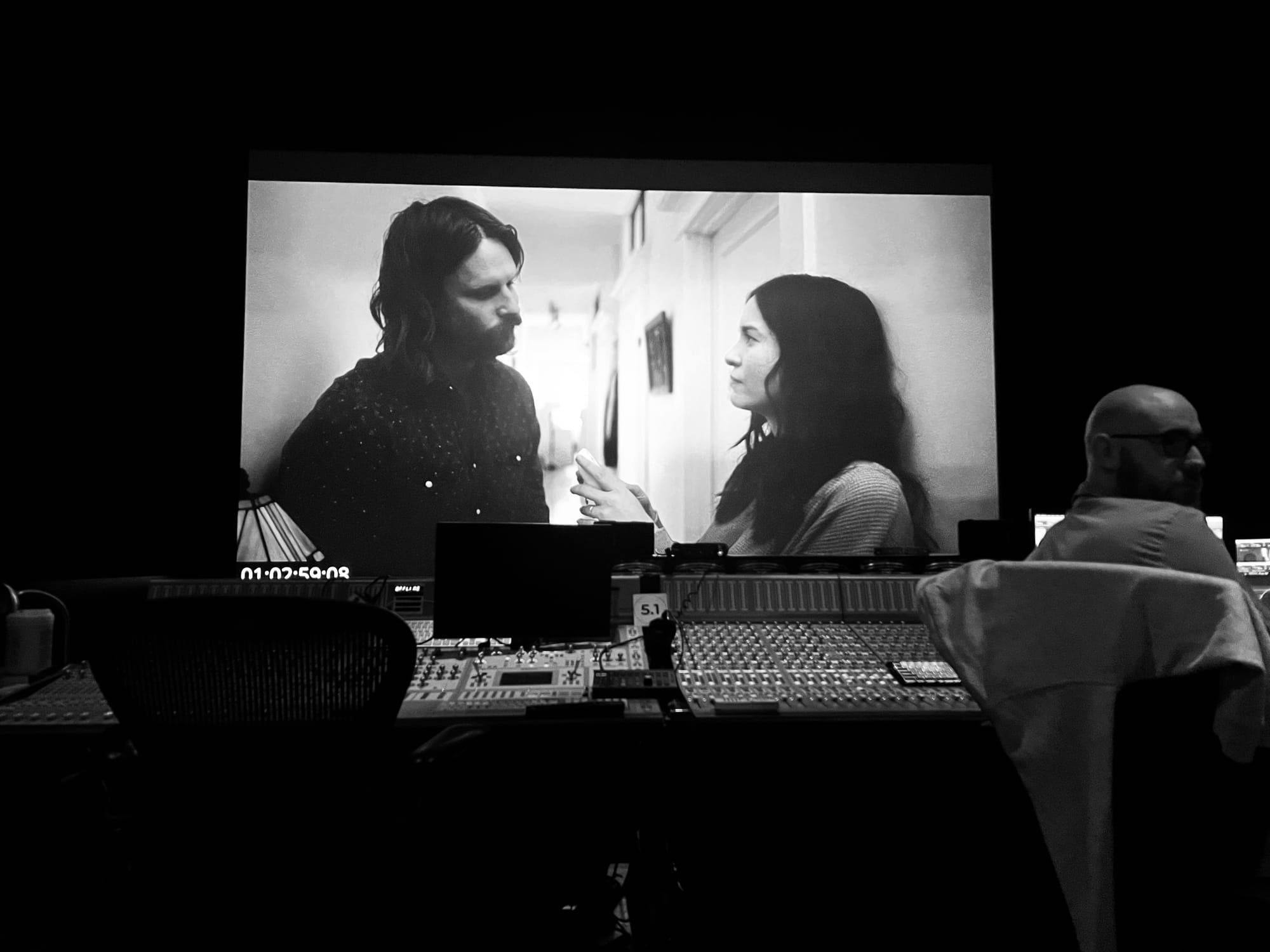
What tool, technique, resource, collaborator, or mindset shift helped most during production?
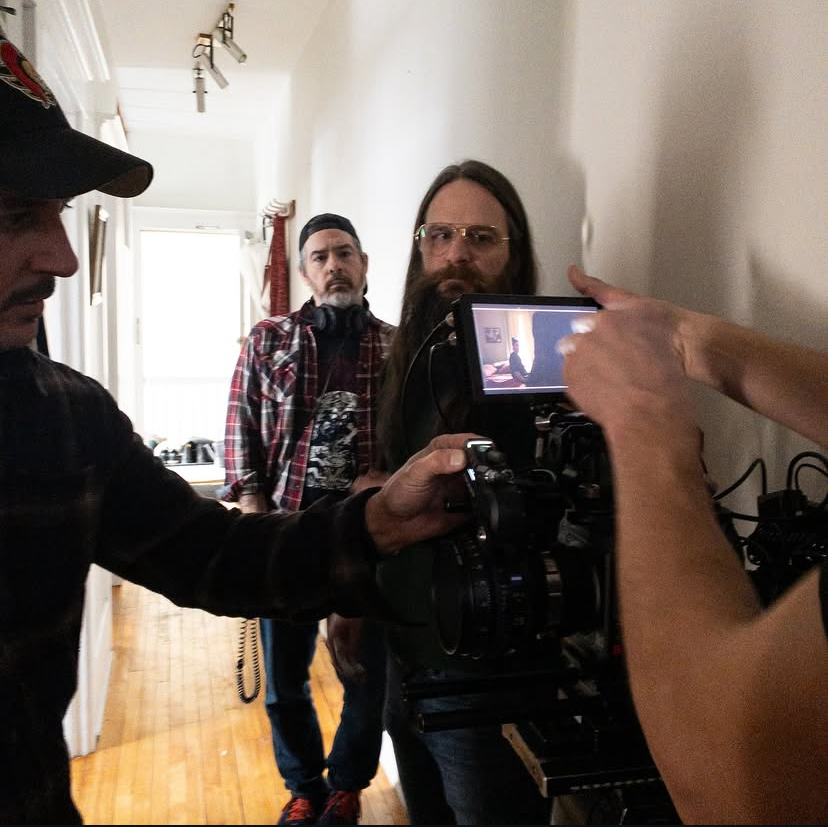
Our producer Hayden Baptiste does a masterful job at letting us concentrate solely on directing once production starts. It's mesmerizing to hear about how many problems were solved without us knowing. We'd also say going in with the "there's no such thing as too much preparation" mindset, in conjunction with letting everything go once we arrived on set and trusting our instincts.
What is the greatest strength of independent filmmaking, how did you lean into it on this project, and what lesson or breakthrough would you share with others?
It's easy to embrace the challenges of budget filmmaking when faced with the other option, which is not making films at all. It's also comforting to feel that as long as an idea contributes to understanding the characters, we can include it in our films. No matter how gruesome that idea is.
As a lesson, I would say to never be afraid of sharing ideas no matter how far-fetched they may seem. Even if the idea isn't used as is, when collaborating with other creative minds, that idea may spark something in someone else's mind and lead to something even more magical.
How has this film shaped or shifted the kinds of stories you want to tell next?
Cockroach is a continuation of the kinds of psychological, character-driven horror stories we want to tell. In our first short Bloodshed, we concentrated on one man suffering after the loss of his wife, and with Cockroach we wanted to widen the scope to explore a day in the life of new parents. It was important for us to expand the boundaries of our storytelling, and Cockroach provided us with lots of opportunities to do that. This film allowed us to explore challenging themes while honing our voices as filmmakers, and we cannot wait to carry what we've learnt onto our next projects. It's a continual process. Challenging but rewarding.
What does it mean to have your film selected for FilmQuest, and where do you see the film going next?
We are incredibly honored to be part of the amazing FilmQuest festival and share the screen with so many fantastic films. FilmQuest is so well organized, and we would like to thank all involved with making the festival possible every year. They are spectacular ambassadors of genre film and must be commended for providing a kickass platform for so many indie filmmakers and screenwriters.
We sincerely hope the film continues on the festival circuit for the next six months before getting picked up by a short film streaming platform. The dream is to parlay Cockroach's current momentum into writing and directing feature films.
What do you hope audiences take away from this film?
Any kind of feeling will do, honestly. We tried to create something with emotional resonance. Even though the film itself is finite, we hope its effect lasts beyond the viewing experience. At the core of all our work is a desire to explore the complexities of individual character psychology and its effects on relationships. Digging deep into the muck of human experience: the trauma, the deception, the love, the irrational — all in search of meaning and truth.
Main Cast & Crew
- Jenny Raven as Beth
- Mikey Lipka as Sergio
- Written and Directed by Paolo Mancini and Daniel Watchorn
- Produced by Hayden Baptiste, Paolo Mancini, Daniel Watchorn, Eric McAllister, Kasey Boudreau
- Director of Photography: Christian Bielz
- Production Designer: Jodie Rice
- Edited by Geoff Ashenhurst
Filmmaker Opportunities
💛 Fund your next project with fiscal sponsorship
Have a project in the works? As a 501(c)(3) nonprofit, the Cinematography for Actors Institute can accept tax-deductible donations on your film's behalf — a door-opener for grants, foundations, and supporters who want to back your work. We've serviced over 100 projects to date and helped route over $800,000 in funding to filmmakers. Explore fiscal sponsorship →
📬 Grant deadlines and festival opportunities, straight to your inbox
The CFA newsletter rounds up grants, festival calls, and community news for independent filmmakers — the kind of opportunities that are easy to miss and painful to miss. Join the newsletter →
🎬 Focus on the creative — we'll help with the logistics
Production Management, CFA's newest member program, launches this November: production insurance and workers' comp, payroll, film permits, gear rental coordination, SAG-AFTRA compliance, contract drafting, production consulting, and crew recommendations — handled by a team of working filmmakers, à la carte or all in, in partnership with Creative Access Group. It's waitlist-only until launch. Join the waitlist →
League of Filmmakers is published by our parent organization, the Cinematography for Actors Institute — a 501(c)(3) dedicated to education, community, and capital for underrepresented filmmakers and actors. Learn more about CFA →