Table of Contents
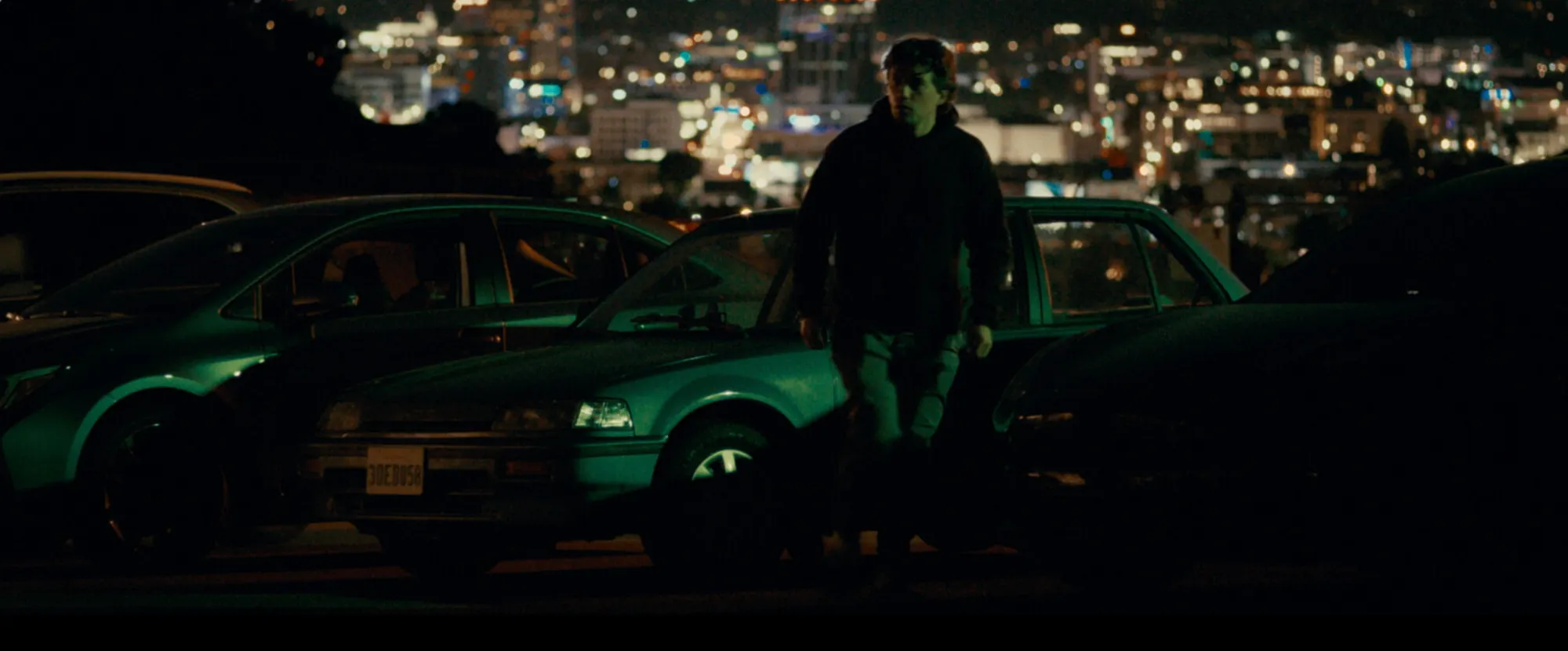
Nik Sysuev's Creators begins where too many real stories now end: with the camera pointed the wrong way. A struggling content creator, desperate for viral fame, pulls a stranger back from a suicide attempt — and promptly gets in over his head after turning that darkest moment into content. It is a premise Sysuev built from something he actually watched unfold online, and the film carries the queasy specificity of a thing observed rather than invented.
A London-based writer, producer, and actor and a graduate of the AFI Conservatory, Sysuev makes his directorial debut here with a film that refuses to sit still in one genre. Creators lives somewhere between dark comedy, satire, and psychological drama, using humor to draw viewers in before confronting them with harder questions about empathy, performance, and attention.
Key Takeaways
- Creators grew out of a real YouTube interview Sysuev saw, in which a man celebrated his own heroism while never once mentioning the person he'd saved.
- The film was born in an LA acting class as a scene exercise; every actor in it comes from that same class, and their contributions shaped the story enough to warrant shooting it together.
- Sysuev's directorial debut, the film premieres at HollyShorts as the start of what he hopes is a long festival life and a wider conversation.
What follows is our conversation with Sysuev about cynicism, dry humor, and the discomfort of trusting your own instincts.
Interview
What drew you to make this film, and why this story, why now?
The idea for this project was born like many great ideas — while watching YouTube. A local news channel was interviewing a man who had pulled someone off a bridge during a suicide attempt. He was thrilled about the interview. He kept going on and on about how his co-workers were calling him a hero now, and that he'd received a free supply of burgers from a local fast-food chain. Not a single word was spoken about the victim.
The script really started to take shape when I brought it into my acting class as a scene exercise. What began as an exploration quickly evolved into a collaborative process, with the actors becoming instrumental to the storytelling. Their contributions were so integral that we ultimately decided to film the project together. All the actors in the film come from the same acting class in LA.
Creators not only explores the amplified cynicism that social media cultivates, but also the isolation young people experience — their confusion and inability to open up and communicate with each other.
What surprised you most about the filmmaking process?
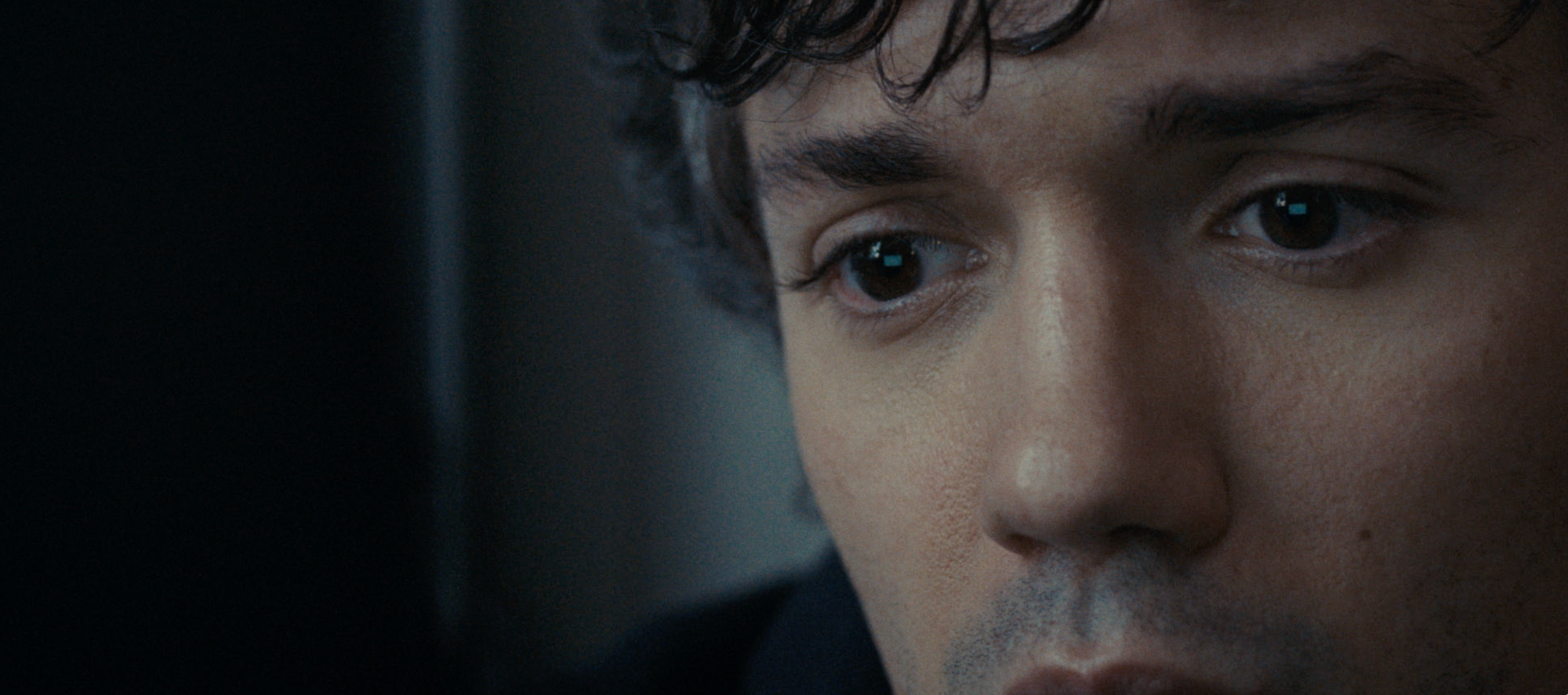
What surprised me most was that, even though I wrote the script, the hardest part wasn't the logistics of production — it was tracking the emotional journeys of both characters. We shot completely out of sequence, so I was constantly making sure every emotional beat connected naturally from one scene to the next, and that the final moments would land with the same impact I had imagined while writing.
When you're writing, those emotional arcs feel instinctive because you're experiencing the story from beginning to end. On set, however, you're working in fragments while juggling countless practical decisions. I realized how easy it is for those subtle shifts in emotion to drift if you're not actively protecting them. That experience made me appreciate that one of a director's most important jobs is to preserve the emotional continuity of the film amidst the chaos of production.
What moment in the film feels most like you, or like something only you could have made?
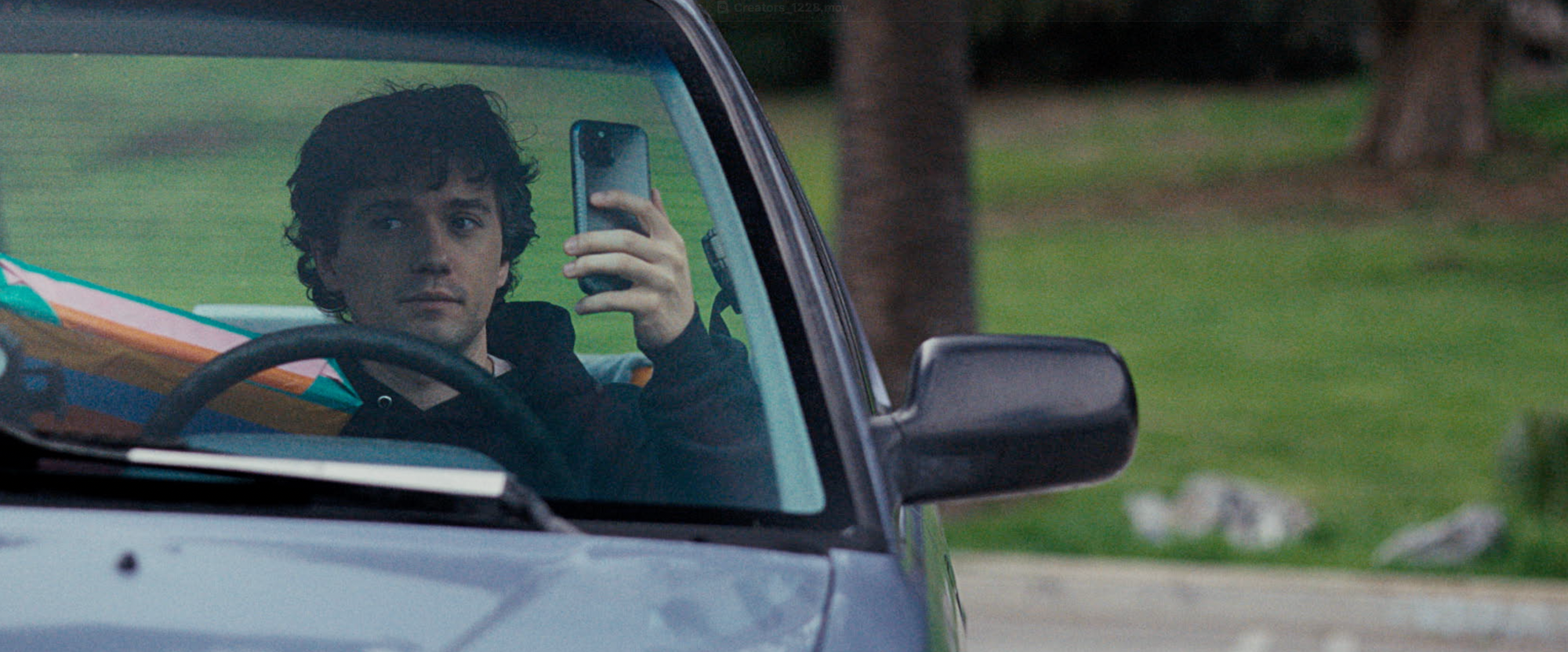
I'd like to think the film's dry, uncomfortable humor feels most like me. I'm drawn to comedy that keeps the audience slightly off balance — where they're never quite sure whether they're supposed to laugh or where the story is heading next. I love surprising audiences and subverting their expectations. More than anything, I hope Creators leaves people constantly reassessing what kind of film they think they're watching.
What was the hardest creative decision you made while making the film?
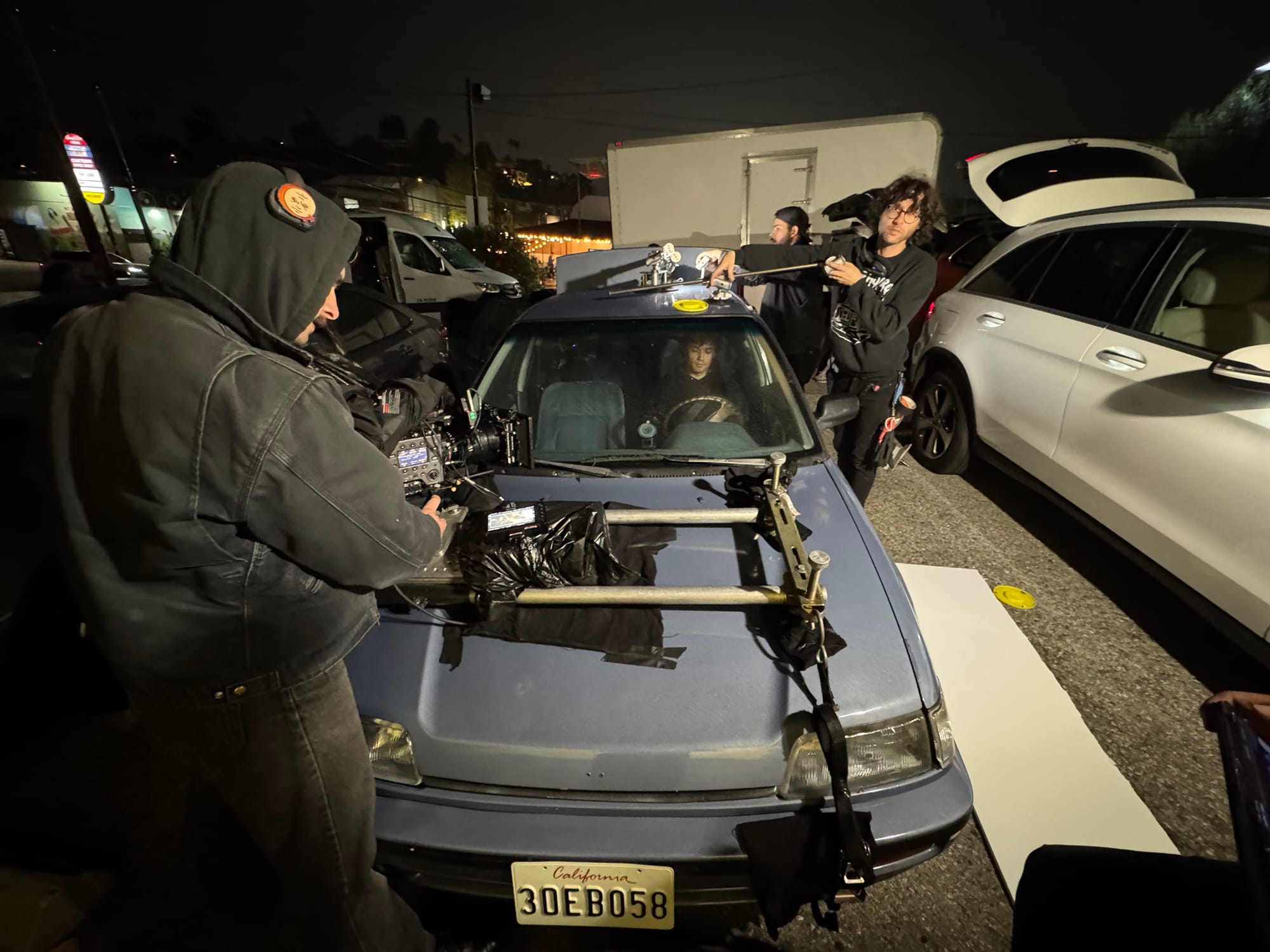
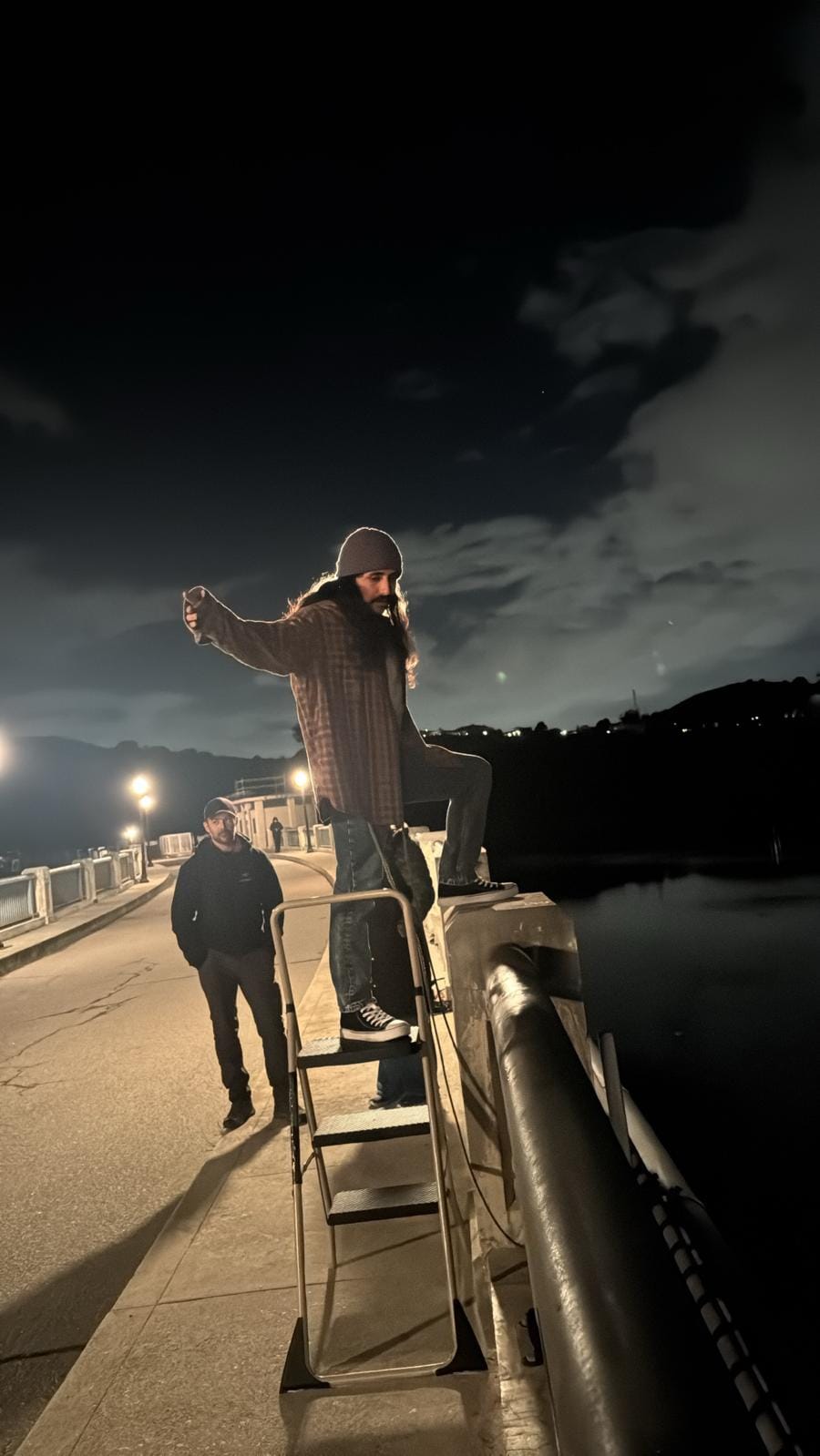
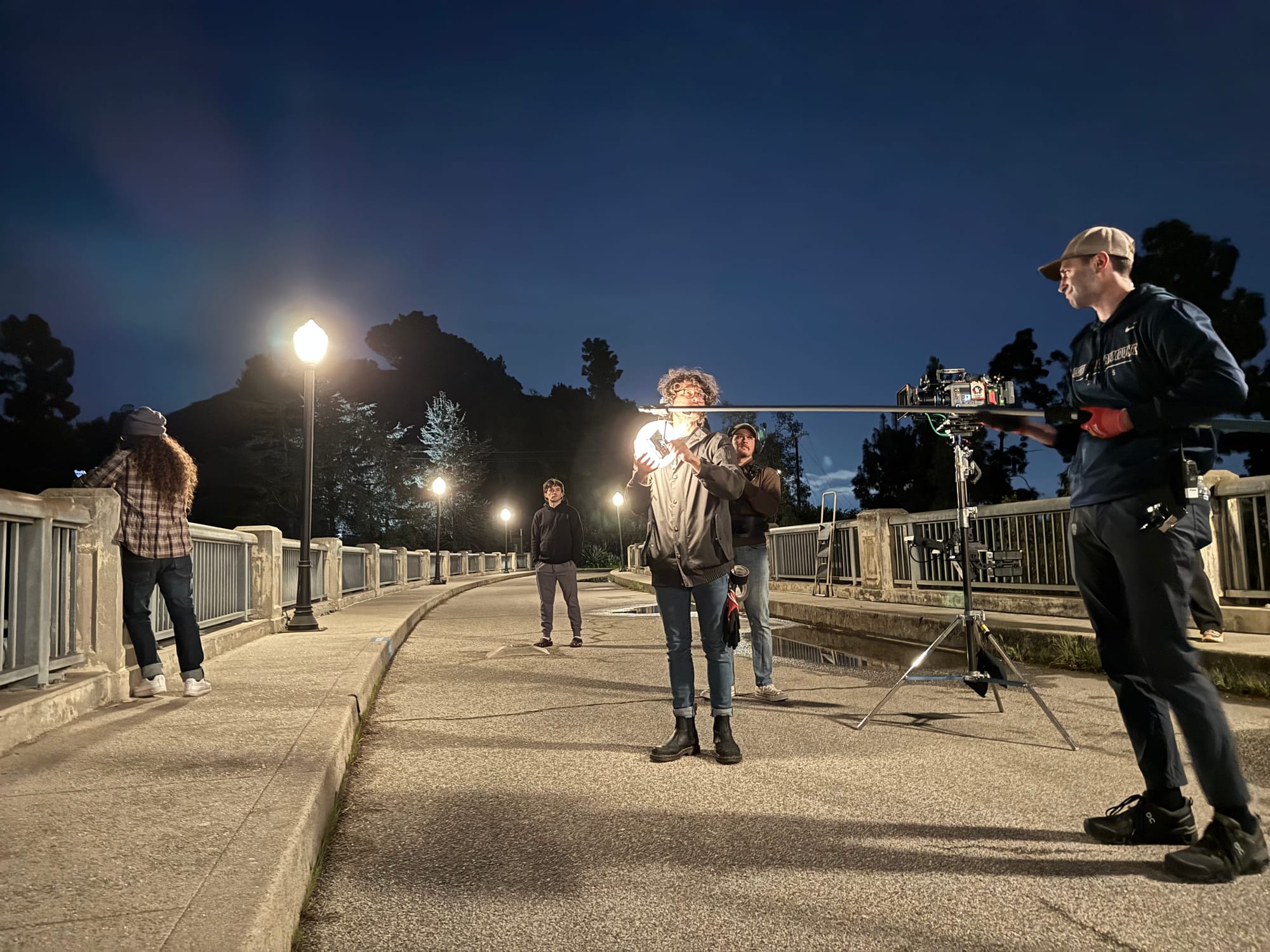
The hardest creative decision came on the day we filmed the bridge stunt, where the content creator pulls the jumper to safety. With limited resources, a tight schedule, and unexpected restrictions at the location, much of the planning we had done beforehand suddenly became unusable. We had to rethink the sequence in real time and make quick decisions about both the choreography and how to shoot it safely and convincingly.
It was one of those moments where preparation gives way to instinct. Thanks to the creativity and calmness of my stunt coordinator and cinematographer, we were able to adapt on the fly and find a solution that worked. Looking back, that experience reinforced for me that filmmaking is often less about executing the perfect plan and more about trusting the people around you when the plan inevitably changes.
What tool, technique, or mindset shift helped most during production?
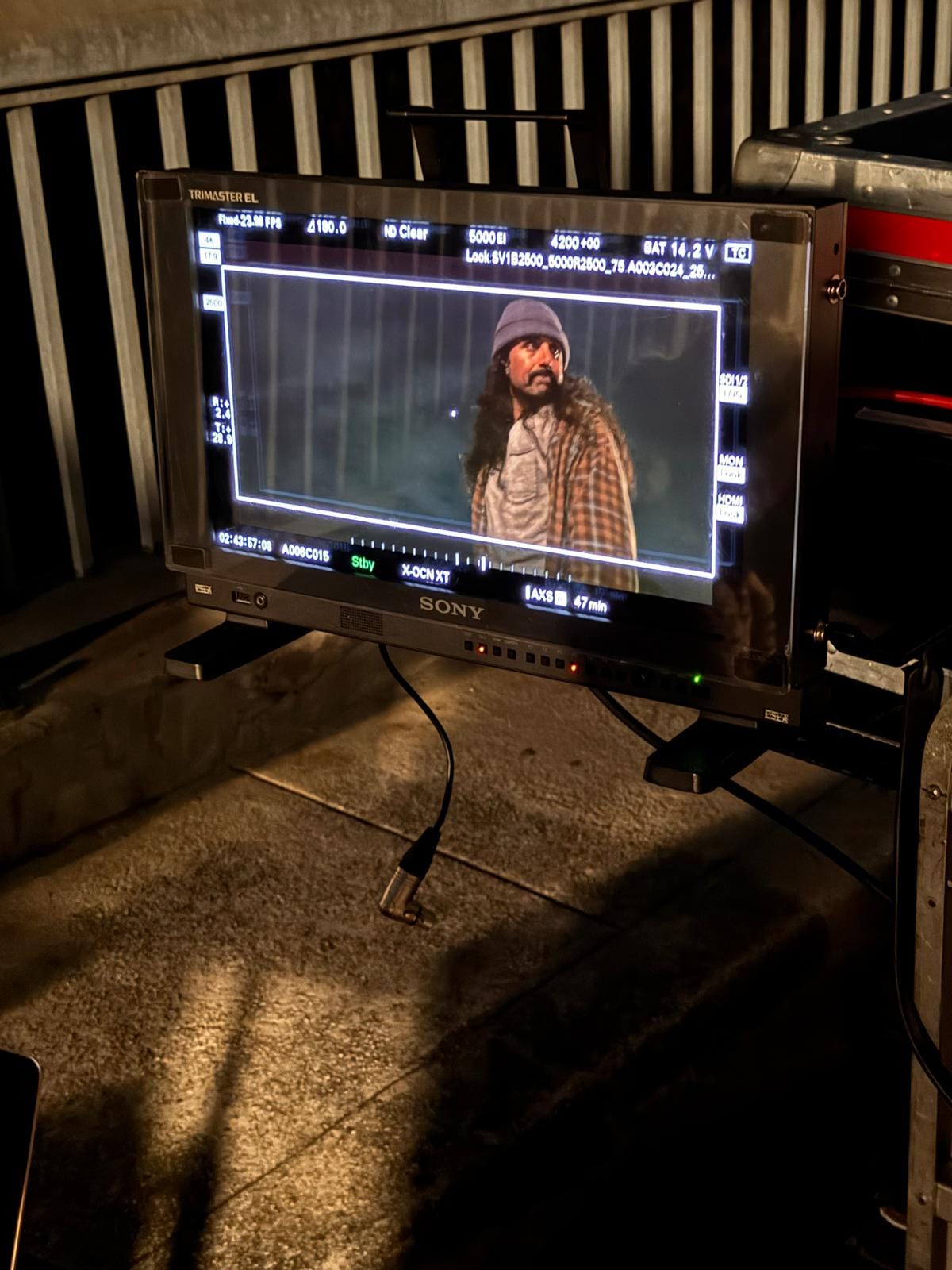
This was my directorial debut, and it was the first time I'd worked so closely with a cinematographer to develop the visual language of a script. Early on, he asked me a question that completely changed how I thought about my own film — and films in general: "If the camera were a human being in your world, who would it be?"
That question stayed with me throughout production. It forced me to think beyond coverage and composition, and instead focus on how I wanted the audience to experience the story. Unpacking that idea became one of the most rewarding creative processes of making the film, and it's a way of thinking I'll carry into every project going forward.
What do you hope audiences take away from this film?
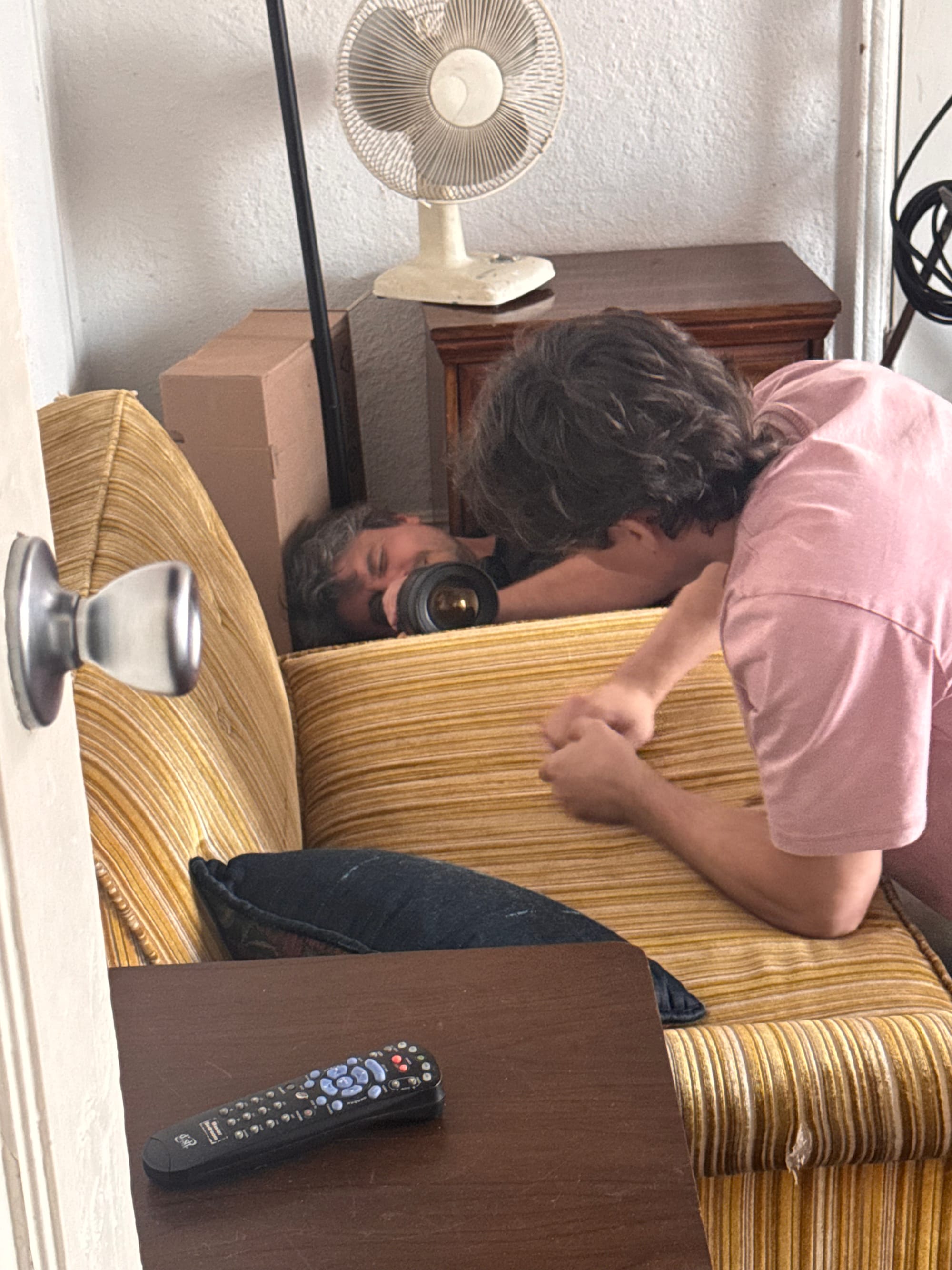
I hope audiences laugh, feel uncomfortable, and find themselves questioning their own reactions. More broadly, I hope the film sparks conversations about how social media can distort our relationship with empathy, turning even our most human moments into opportunities for attention and validation. If people leave the film still debating the characters' choices — or wondering how they might have behaved themselves — then I feel we've done our job.
What does it mean to have your film selected for HollyShorts?
As a first-time director, having Creators selected for HollyShorts is incredibly validating. It's a festival I've admired for years, and to premiere the film in front of an audience that genuinely loves short films — and alongside so many talented filmmakers — is both an honor and a privilege.
More than anything, I hope it's the beginning of the film's journey. We made Creators to start conversations, and I can't wait to finally share it with audiences.
Main Cast & Crew
- Nik Sysuev — Writer/Director. London-based writer, producer, and actor; graduate of the AFI Conservatory. Short films he produced have screened at Sundance, AFI Fest, Austin Film Festival, and Cleveland International Film Festival.
- Thomas Hartmann — Producer. Los Angeles-based film and television producer and member of the Producers Guild of America; credits include the MUBI series Hal & Harper. Website: thomashartmann.co
- Adam Leene — Director of Photography. AFI-trained cinematographer whose work has screened at Tribeca, AFI Fest, Palm Springs, Santa Barbara, and BFI. Website: adamleene.com
- Matthew Garry — Actor. LA-based actor known for Teacher (2019), The Sacrifice (2015), and The Dreamers (2015).
- Joshuah Arizmendi — Actor. LA-based actor known for Sweet Dreams (2024), The Tutor (2023), and Supper (2025).
Filmmaker Opportunities
💛 Fund your next project with fiscal sponsorship
Have a project in the works? As a 501(c)(3) nonprofit, the Cinematography for Actors Institute can accept tax-deductible donations on your film's behalf — a door-opener for grants, foundations, and supporters who want to back your work. We've serviced over 100 projects to date and helped route over $800,000 in funding to filmmakers. Explore fiscal sponsorship →
📬 Grant deadlines and festival opportunities, straight to your inbox
The CFA newsletter rounds up grants, festival calls, and community news for independent filmmakers — the kind of opportunities that are easy to miss and painful to miss. Join the newsletter →
🎬 Focus on the creative — we'll help with the logistics
Production Management, CFA's newest member program, launches this November: production insurance and workers' comp, payroll, film permits, gear rental coordination, SAG-AFTRA compliance, contract drafting, production consulting, and crew recommendations — handled by a team of working filmmakers, à la carte or all in, in partnership with Creative Access Group. It's waitlist-only until launch. Join the waitlist →
League of Filmmakers is published by our parent organization, the Cinematography for Actors Institute — a 501(c)(3) dedicated to education, community, and capital for underrepresented filmmakers and actors. Learn more about CFA →