Table of Contents
Three Key Takeaways
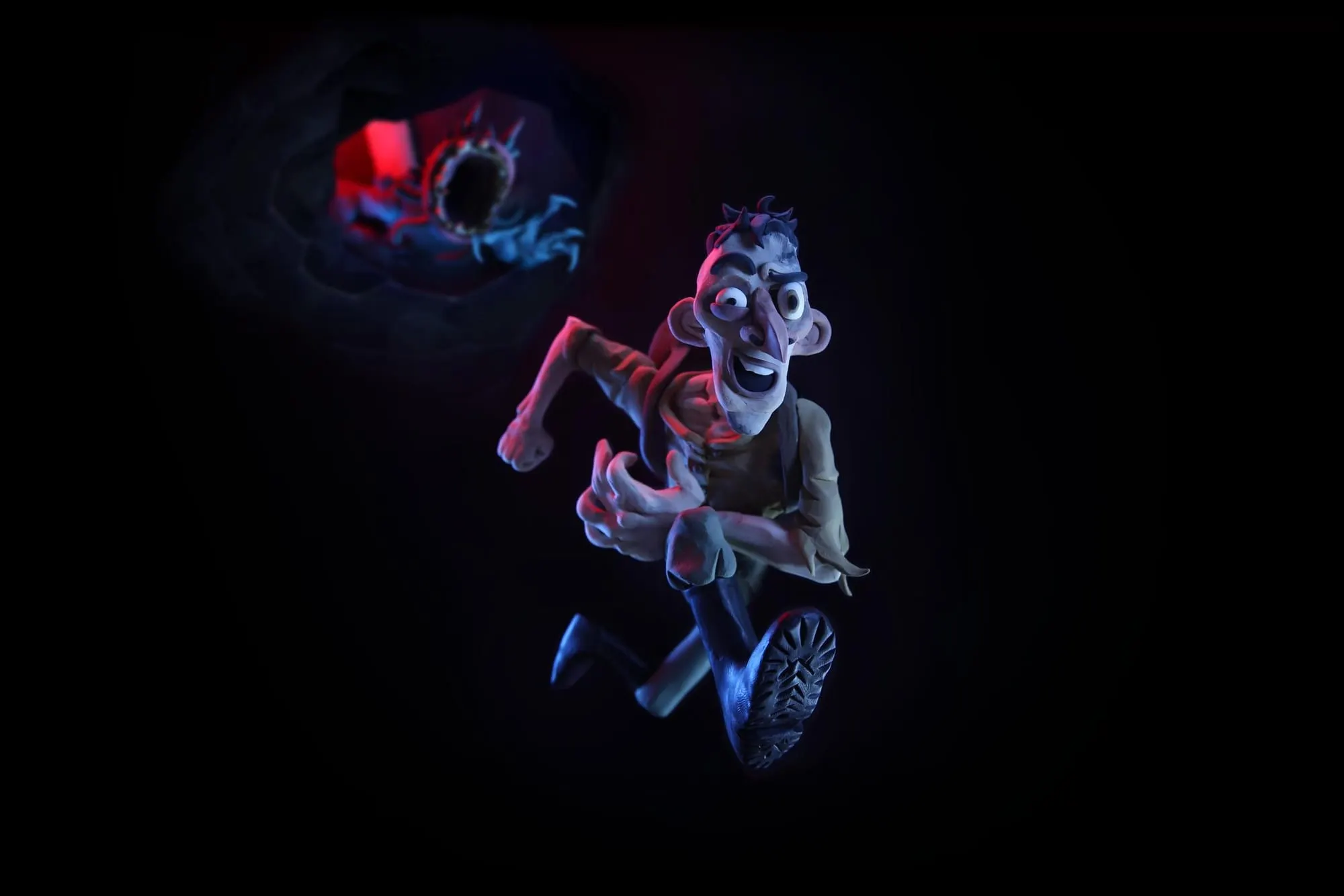
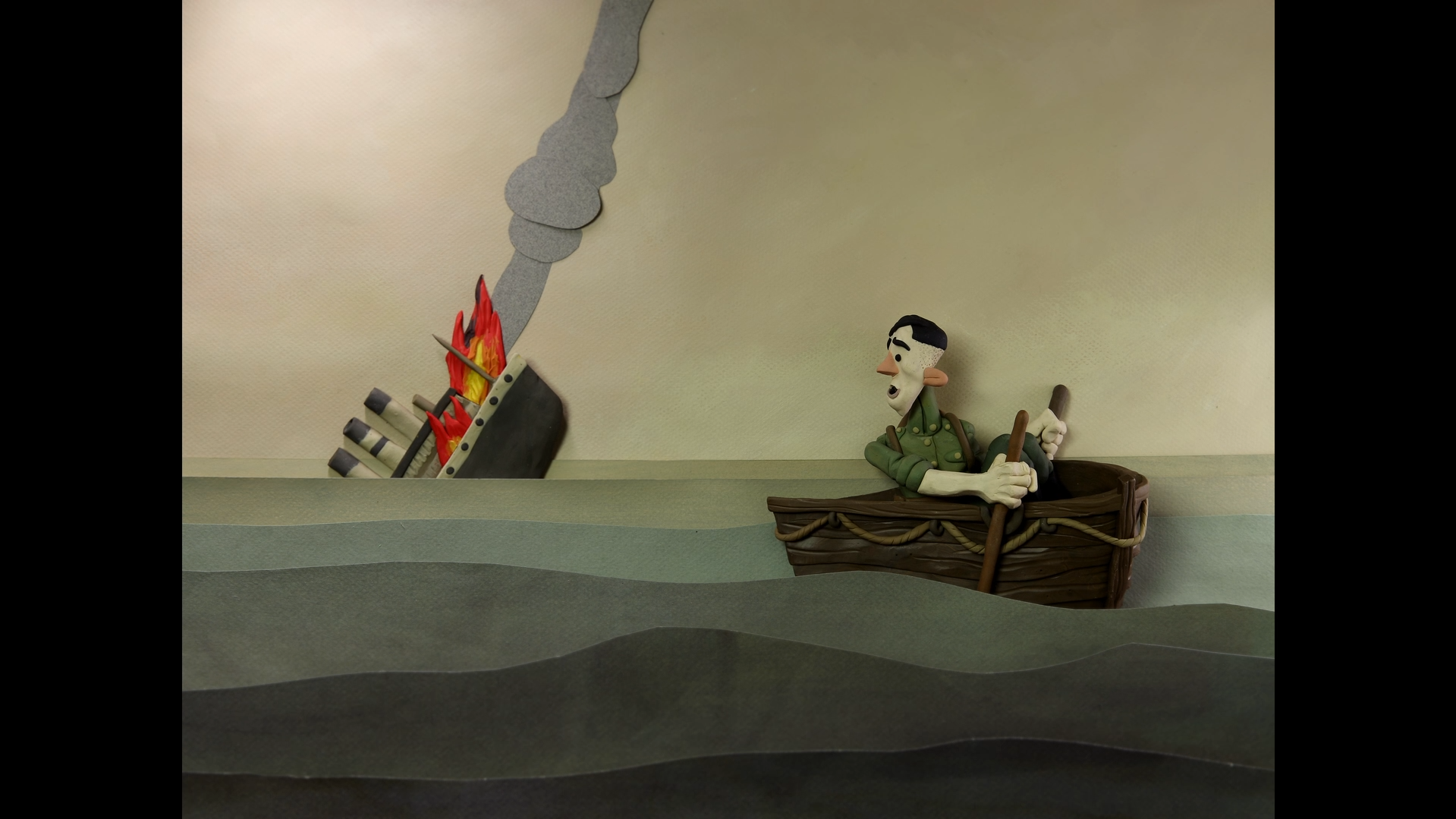
- Paolo Gaudio’s Dagon is a claymation animated short that reimagines H.P. Lovecraft’s mythos by blending German expressionism, 1950s Italian fanta-horror, stop motion, and 1980s action cinema.
- The film’s creative process was marked by seamless collaboration among a tight-knit team, with Gaudio’s passion for genre cinema driving every frame.
Selected for Nòt Film Fest , Dagon represents both a celebration of Lovecraft’s legacy and a stepping stone toward a feature-length expansion titled COSMIC TERROR.
Italian filmmaker Paolo Gaudio brings a unique cinematic vision to Dagon, a stop-motion animated short inspired by H.P. Lovecraft’s chilling mythos.
This film, produced by Emma Film srl and featuring a dedicated crew including producer Daniele Esposito and composer Lorenzo Tomio, melds fantasy literature, monster movies, and classic genre influences into a singular, atmospheric experience.
Selected for Nòt Film Fest , Dagon showcases Gaudio’s mastery of blending traditional horror aesthetics with modern storytelling techniques.
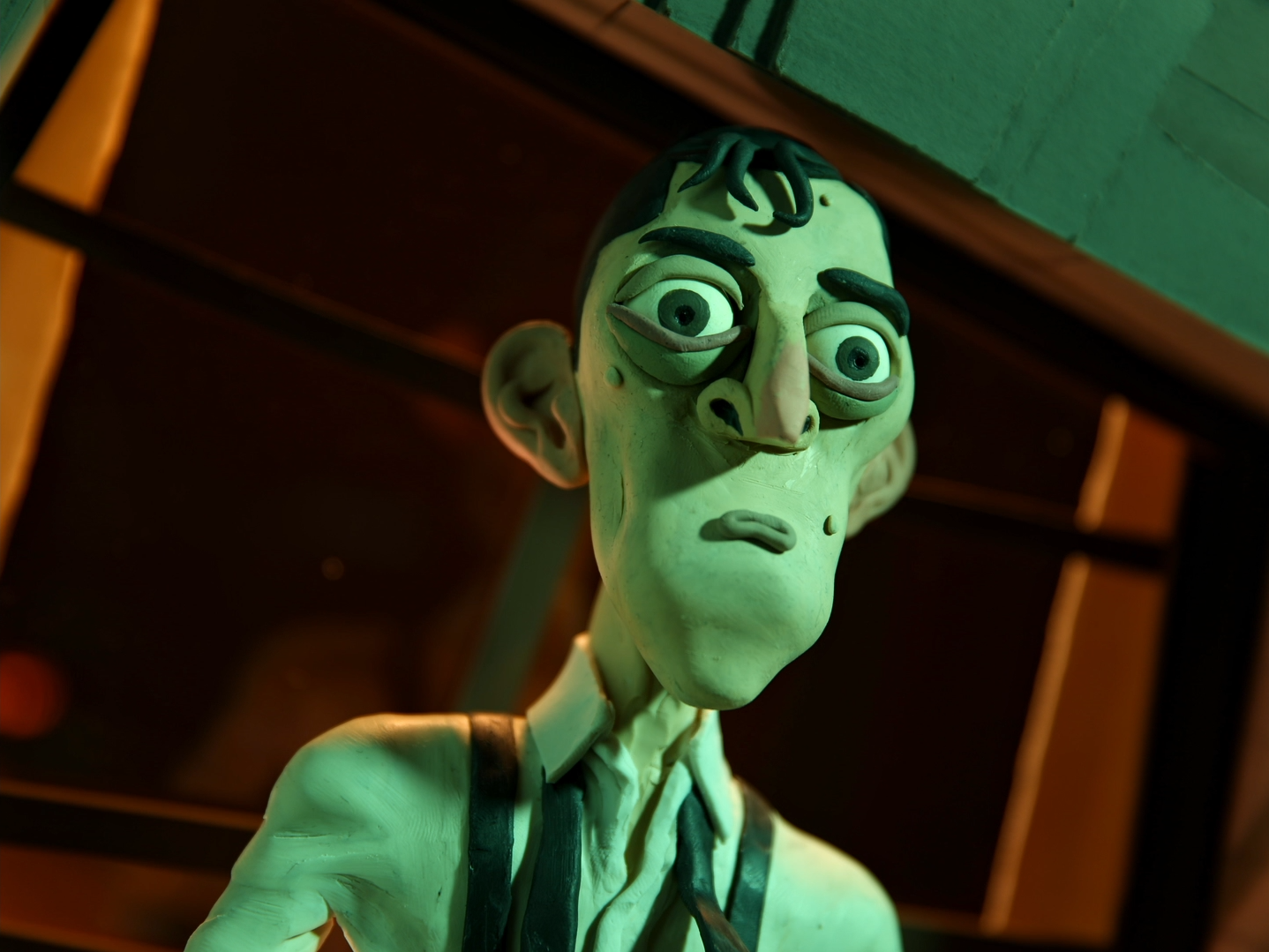
What drew you to make Dagon? Why this story, and why now?
Dagon was born out of pure passion. Passion for fantasy literature, for Ray Harryhausen, for monster movies, for stop motion, for German Expressionism, and 80s and 90s sci-fi horror. This film is a concentration of passion, and passion is the reason I love cinema and persist in making it against all odds.
What surprised you most about the filmmaking process this time—creatively or logistically? Was there a moment on set or in post that completely changed how you saw the story?
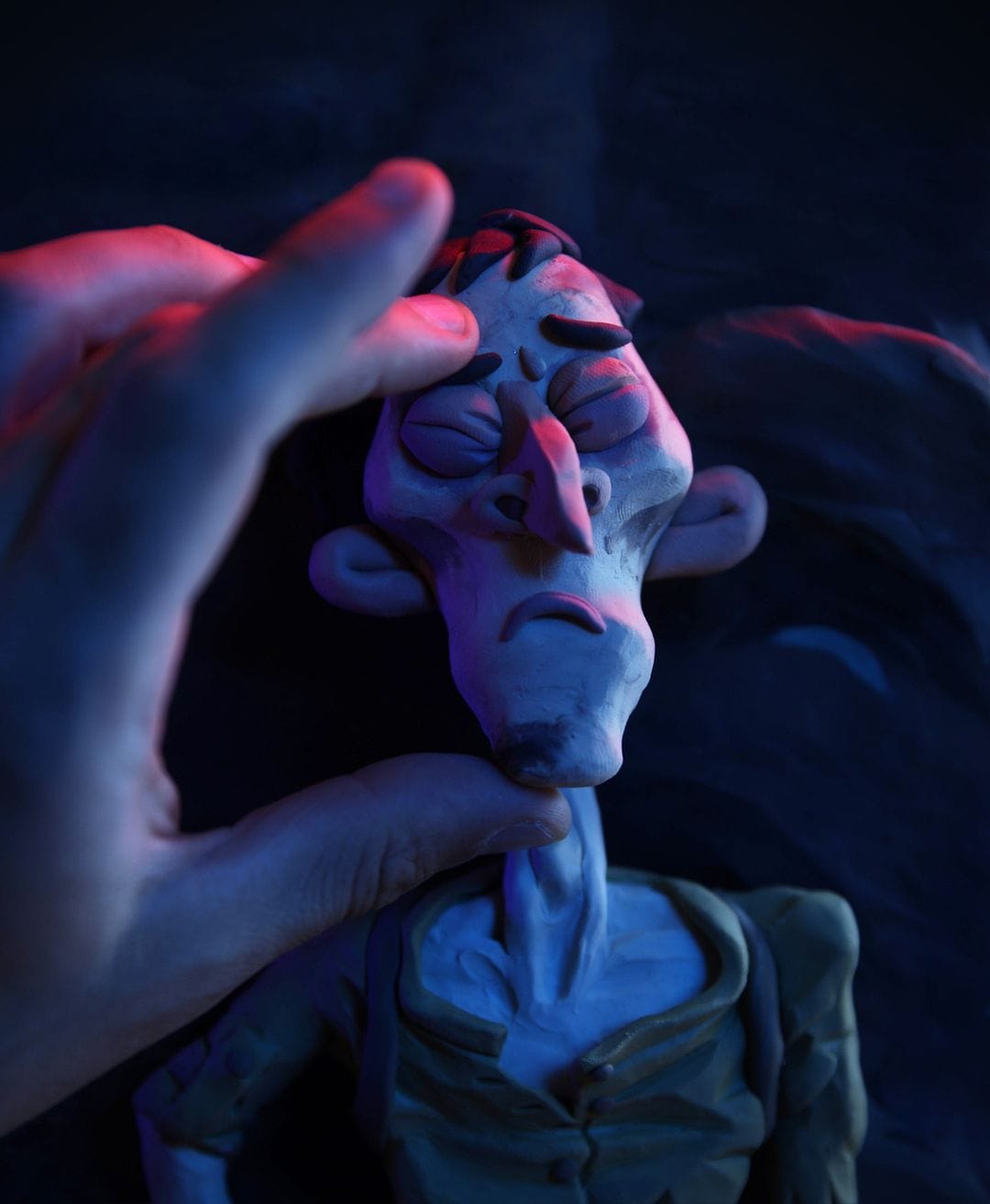
The production of Dagon was particularly fortunate, without any particular setbacks or problems. I've been working in this industry for over twenty years now, and with patience I've managed to find the right collaborators who can give me everything I want and more. Gianluca, Lorenzo, Andrea, and the guys at Norne Studios—along with me, of course—form a band that plays in harmony, each with the creative freedom to record. We're like the Ramones: all brothers from different parents.
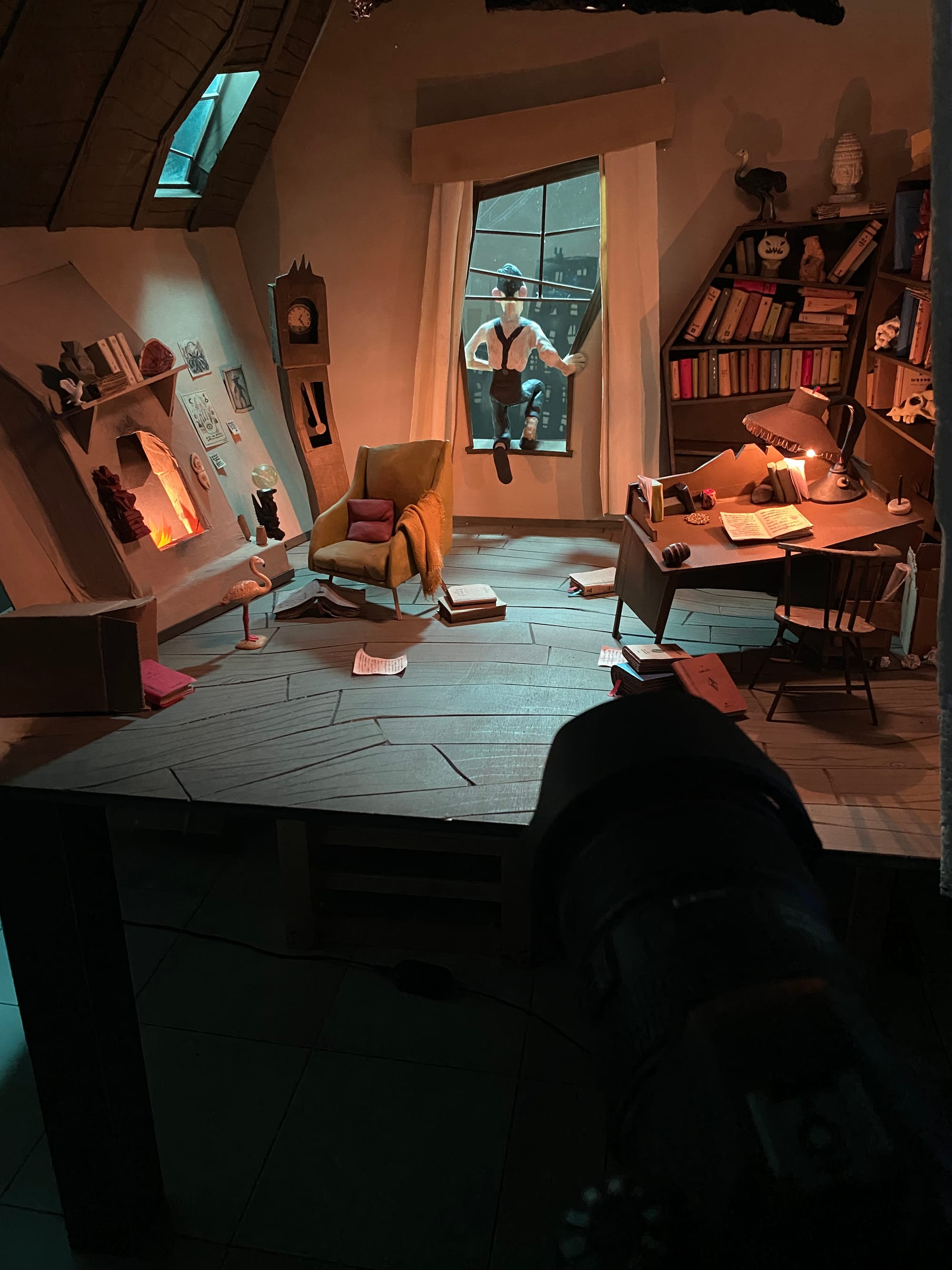
Is there a moment in the film that feels the most you—something only you could have made?
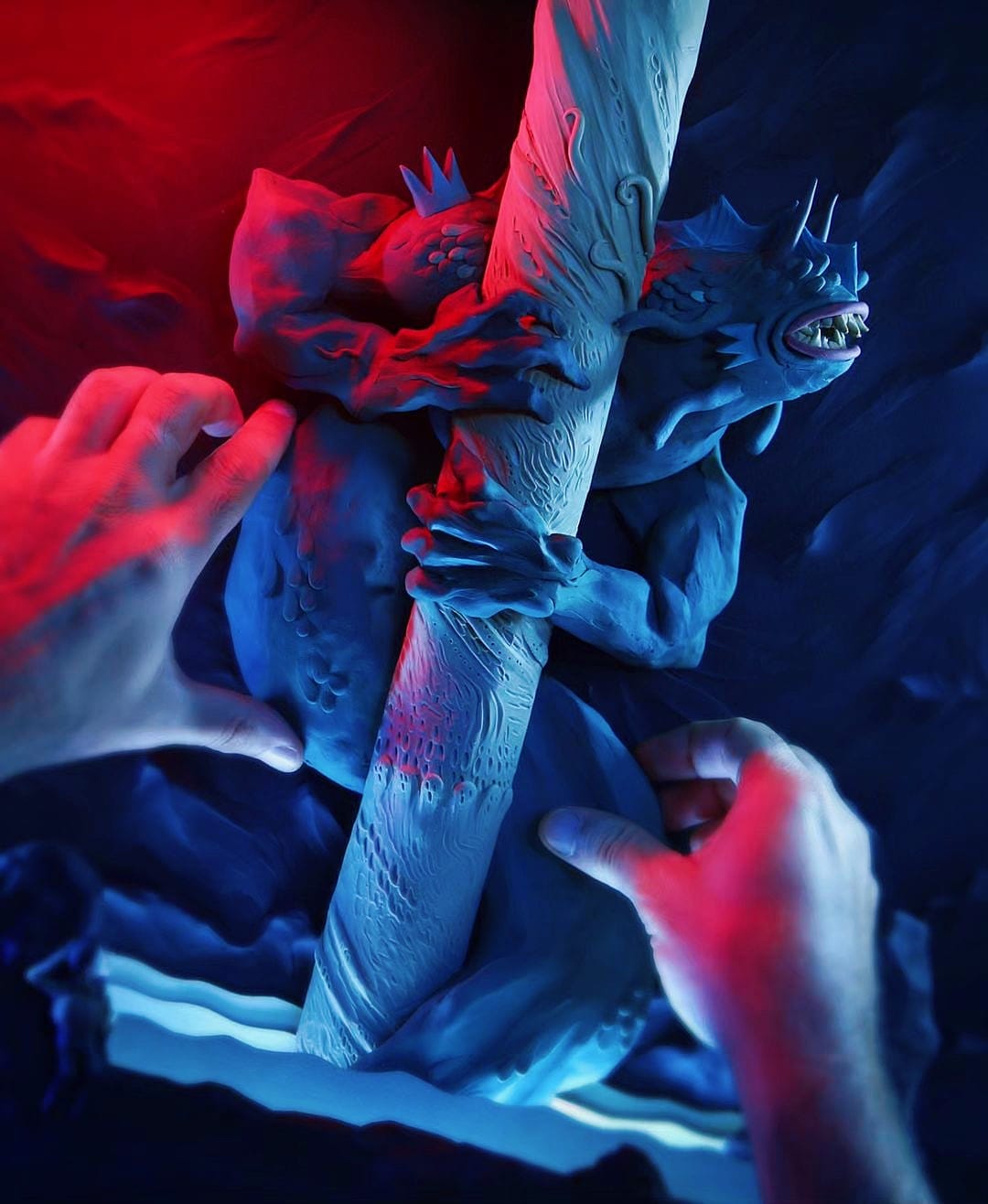
Every frame of the film belongs to me and is part of the tireless pursuit of a unique and personal vision. But if I really had to choose a moment, I'd say Howard's arrival before the monolith and the emergence of the god Dagon from the depths. This is my idea of cinema.
"This film is a concentration of passion, and passion is the reason I love cinema and persist in making it against all odds."
What was the hardest creative decision you made while making this film?
I had to cut a scene I was really fond of, which revitalized the adventure and highlighted the difference from Lovecraft's original story. I can't say what this scene was about to avoid spoilers that would ruin the film, but I can assure you it was fantastic.
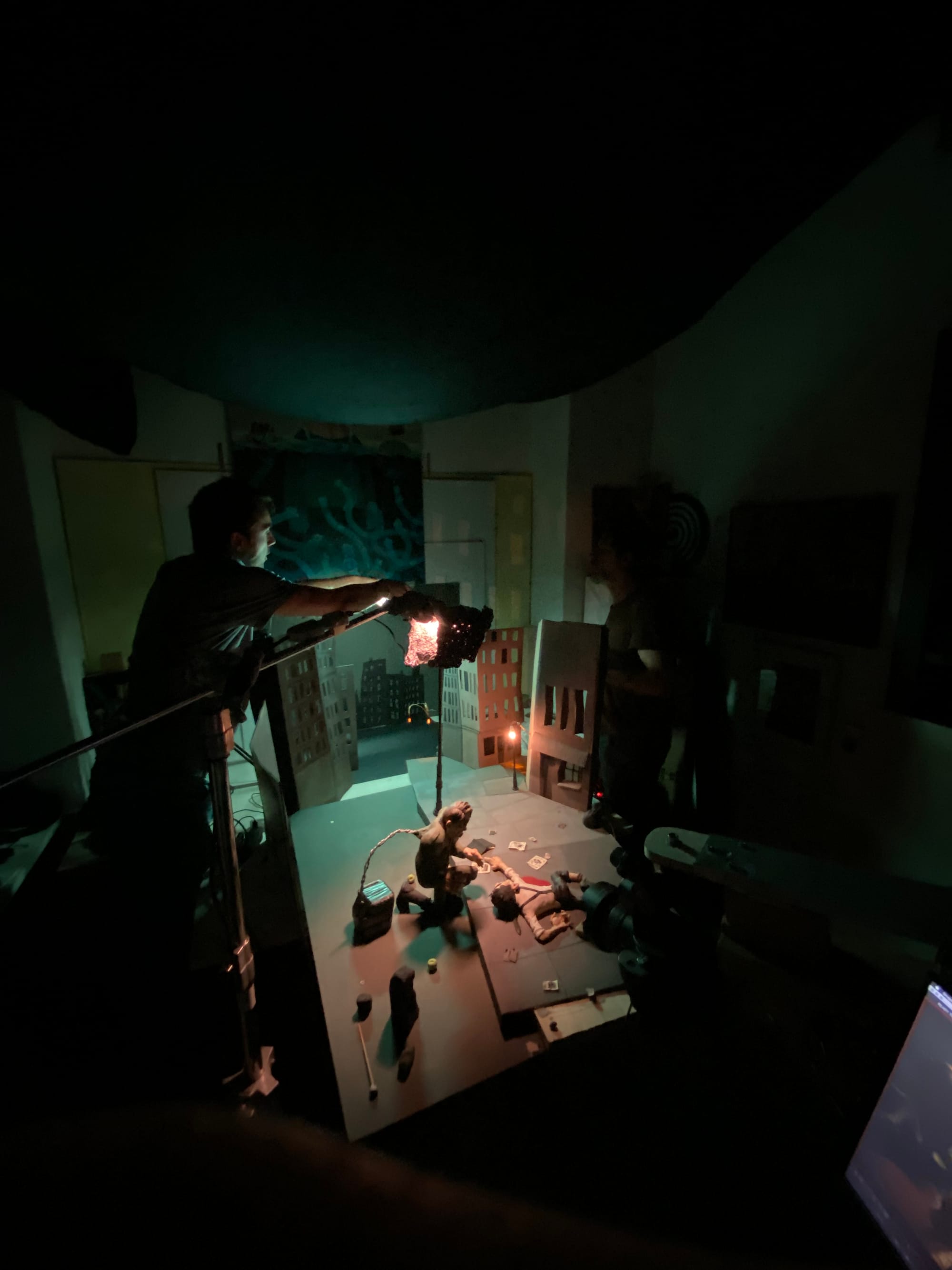
What do you hope audiences take away from your film?
Two things: the first is to discover or rediscover Lovecraft and his mythology, the second is to convey all my love and passion for cinema.
"Cinema is not a consolatory art, but rather the most beautiful and passionate way to overturn reality and restore it to its rightful place."
How has this film shaped or shifted the kind of stories you want to tell next?
I imagine Dagon has helped me get closer to the unique and personal vision I've been pursuing for years. Film after film, it becomes more and more defined and appears ever clearer in my mind and on the big screen. At least I hope so.
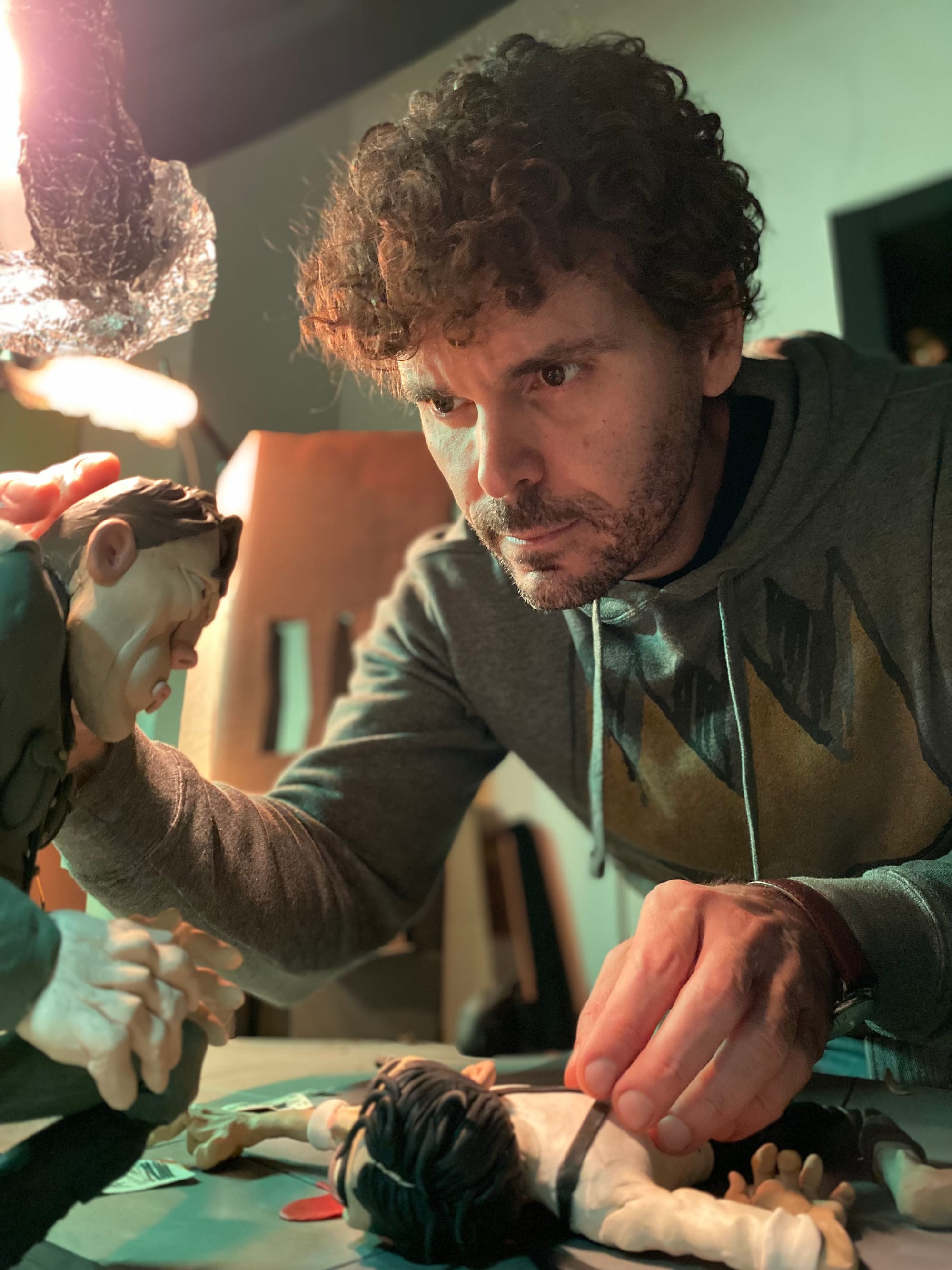
What’s a tool, technique, or resource that really helped you during production?
DragonFrame is certainly a revolutionary software that allowed me to experiment with stop motion easily and instinctively. Without this tool, I don't think I would have had the opportunity to work in animation adapting Lovecraft or Poe. However, the greatest resource remains my collaborators, Gianluca Maruotti above all. His art, talent, and dedication to his work are an immense blessing to me as well as an inexhaustible source of inspiration.
"We're like the Ramones: all brothers from different parents."
Independent filmmakers often rewrite the rules out of necessity. What do you think is the greatest strength of independent filmmaking, and how did you lean into that on this project? Is there a lesson or breakthrough you’d share with others navigating this path?
Freedom is at the heart of every independent production. Freedom to be creative, provocative, and disruptive. With shoestring budgets, every director or filmmaker must strive to tell stories they truly love, aiming to challenge the viewer and their moral compass. Dagon, like every film I've made or simply conceived, made me understand that cinema is not a consolatory art, but rather the most beautiful and passionate way to overturn reality and restore it to its rightful place.
What does it mean to you to have your film selected for Nòt Film Fest ?
First of all, being in a selection with great directors and beautiful films, all powerful and necessary, and then the opportunity to broaden my audience. My films are very popular at Fantasy Festivals, among horror and monster fans like me. I owe a lot to these festivals and to this wonderful community of which I am a part. However, every now and then, it's nice to find yourself in a different environment and see what happens. Also because every time something happens.
Where do you see this film going next?
Dagon will continue its festival tour at least until the beginning of next year, and then we’ll see… Certainly, it’s impossible to hide the ambition to continue this story. There already exists a treatment for a feature film and a title: COSMIC TERROR.
"At the core of all my work is a desire to fueling passion, opening the minds and hearts of spectators, and creating wonder and amazement."
Cast & Crew
- Gianluca Maruotti — Set/Puppets/Animation, VFX
- Andrea Gabriele — Cinematography
- Riccardo Lancialonga — Editing
- Dario Alesiani — Sound Designer
- Norne Studios — Foley