Table of Contents
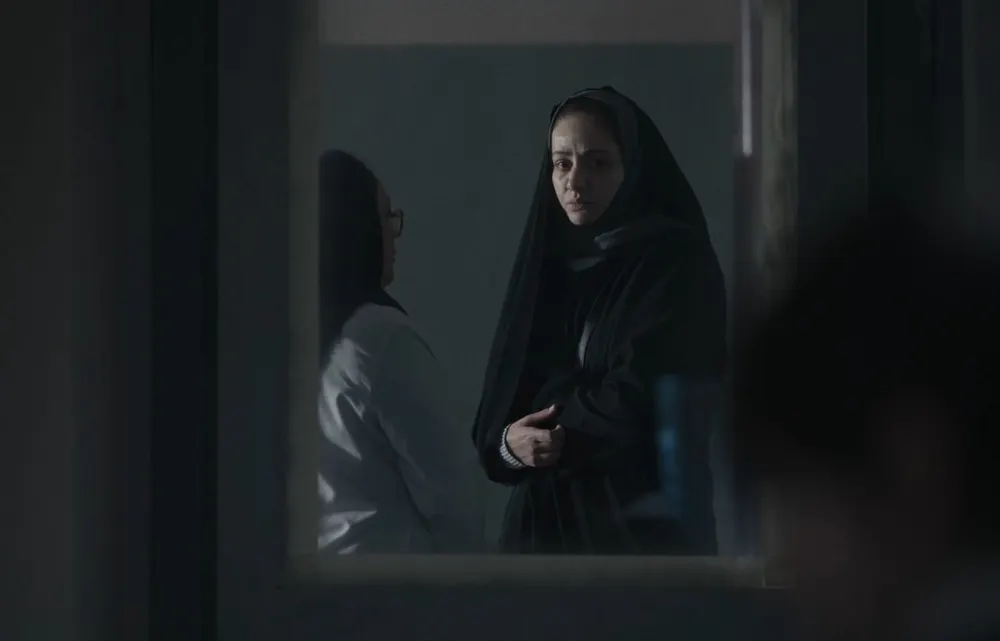
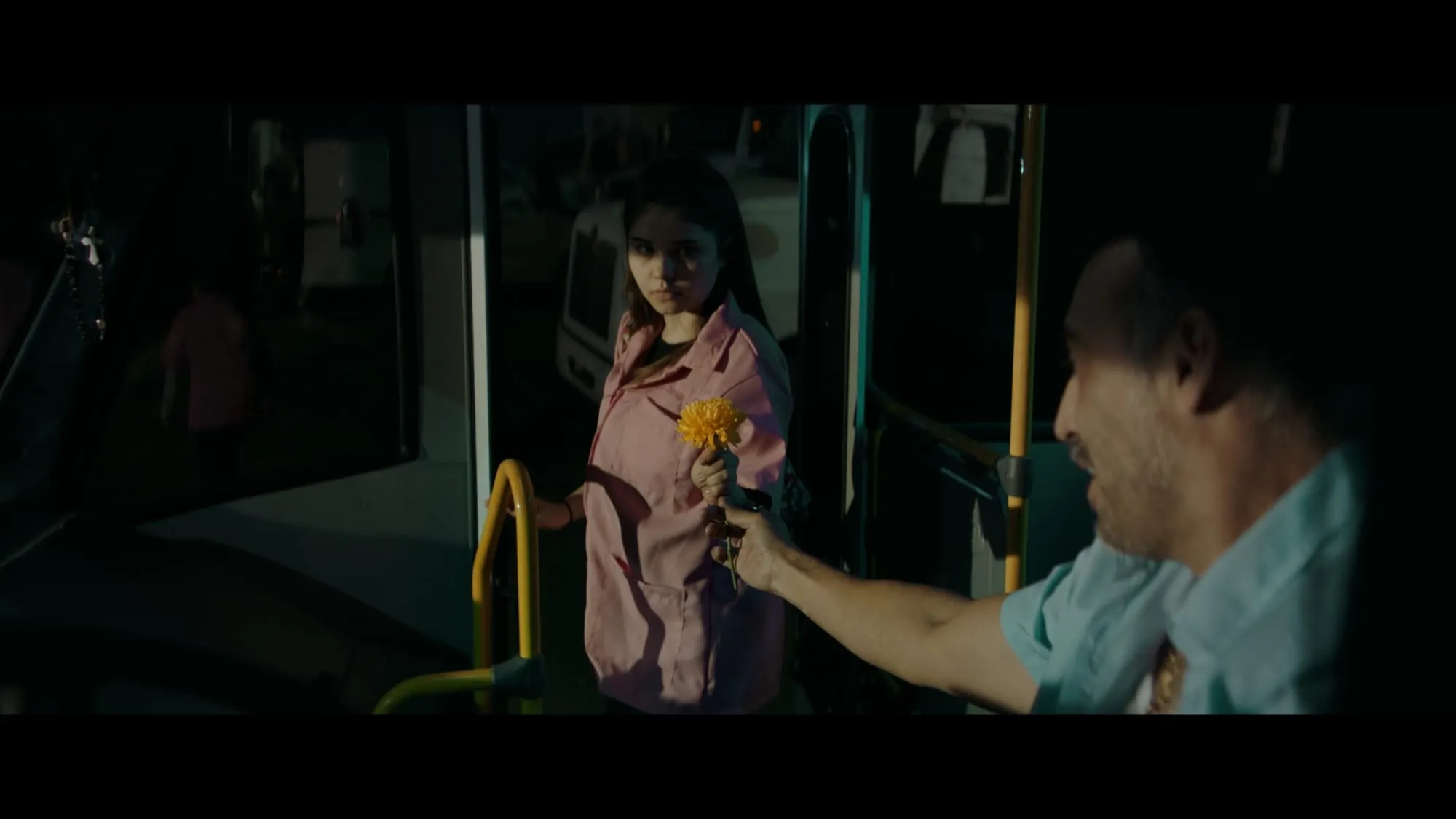
In a city marked by impunity, Diana lives surrounded by fear and indifference until a nearby tragedy shatters her fragile sense of normalcy. Ayesha Fernández's Diana la Cazadora follows what happens next: a woman deciding to break the silence and confront a system that has learned to live alongside violence against women. Grounded in social realism but approached almost like a contemporary myth, the film is less an account of trauma than a study of resilience.
Fernández, a Mexican filmmaker based in Los Angeles, grew up hearing about women who disappeared and families searching for answers for years. Diana la Cazadora is her attempt to hold that reality up to the light without letting the brutality eclipse the humanity at its center. The result premieres at HollyShorts as a portrait of that quiet moment when fear stops being a reason to stay silent.
Key Takeaways
- Restraint drives the film: the absence of violence asks the audience to participate emotionally rather than simply witness.
- Fernández protects the dignity of the women the story represents, keeping Diana's humanity ahead of any shock value.
- A story rooted in Mexico reaches a global HollyShorts audience, framed as the beginning of a career in socially conscious filmmaking.
Fernández spoke about the origins of the film, the discipline of leaving things unsaid, and what it means to bring this story to HollyShorts.
Interview
What drew you to make this film, and why this story, why now?
I grew up in Mexico hearing about women who disappeared, women who were murdered, and families searching for answers for uncountable years. Those stories became part of our everyday life. What haunted me most wasn't only the violence itself, but how easily society learned to live alongside it, the normalization of it all.
Diana la Cazadora was born from asking myself what happens when someone refuses to accept that. This isn't just another film about violence—I wanted to make a film about resistance, about that quiet moment when fear transforms into power and it stops being the reason to keep someone silent. As a filmmaker, I believe cinema can create empathy in ways statistics never can. Images allow the audience to build their own judgement, and if this film encourages people to look closer instead of looking away, then it has done its job.
What surprised you most about the filmmaking process, including a moment that changed how you saw the story?
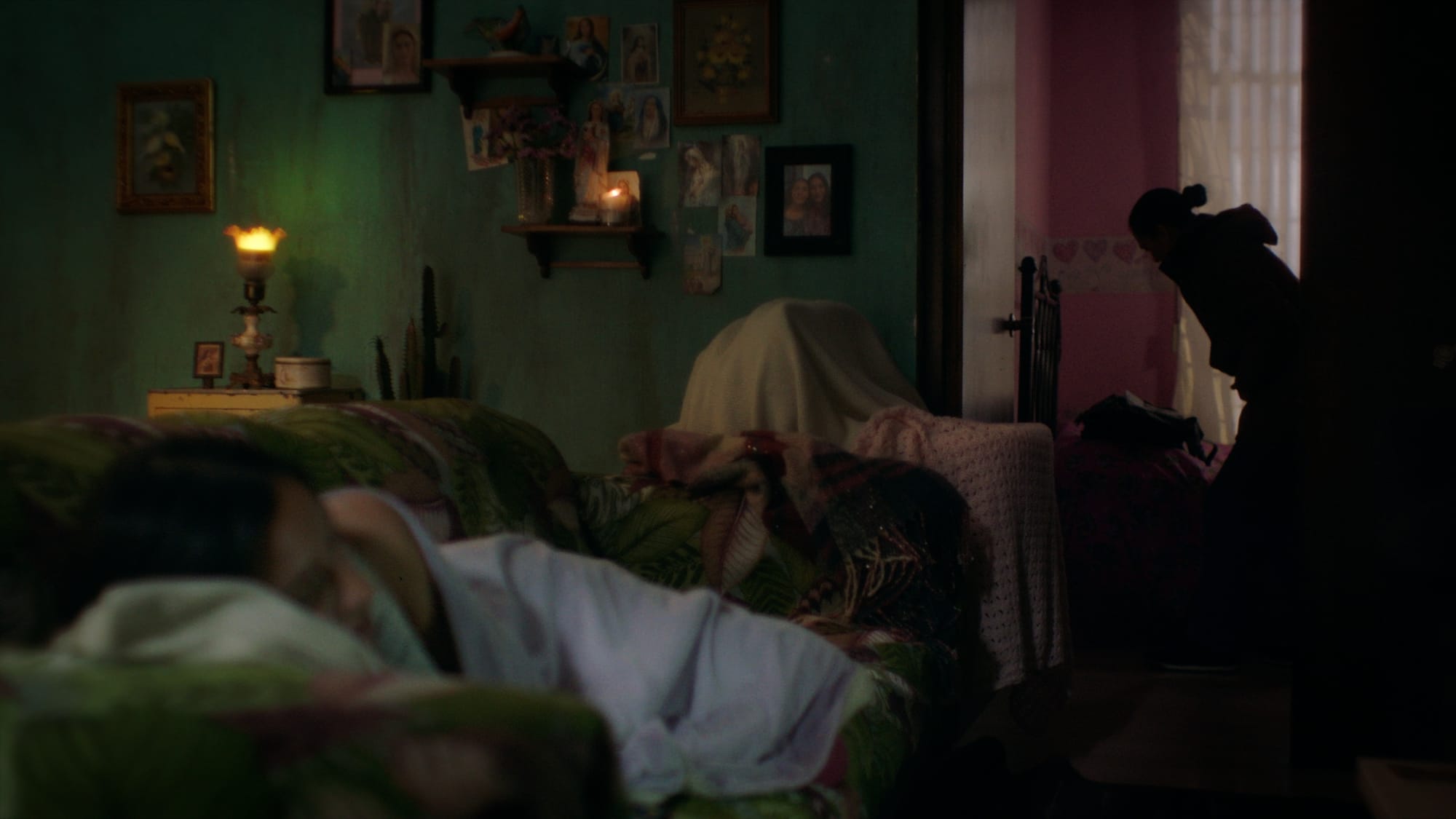
I learned that restraint can be more devastating than spectacle. During post-production I realized every time we removed something, the audience leaned in further. The absence of violence became more powerful than its depiction because it asked viewers to participate emotionally instead of simply witnessing a series of events.
That completely changed the way I think about storytelling. Sometimes what you leave unsaid carries the greatest emotional weight and allows you to feel different emotions.
What was the hardest creative decision you made while making the film?
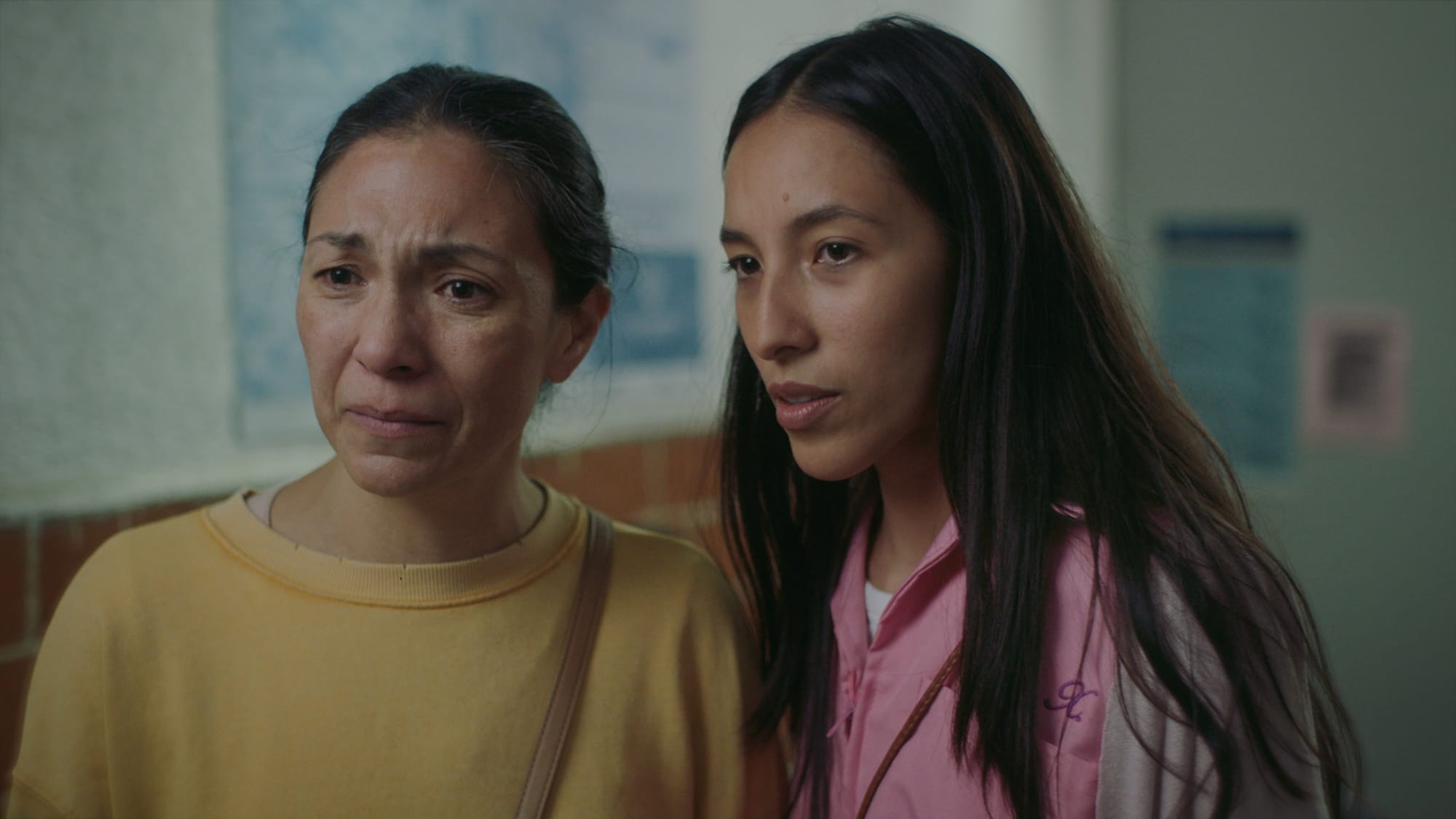
The hardest creative decision was protecting the dignity of the women this story represents. Because the film is inspired by realities that continue today, I constantly asked myself whether I was communicating the right message. I never wanted audiences to remember the brutality more than the woman at the center of the story, or for the film to become defined by shock rather than humanity.
My hope was that viewers would leave not only moved, but inspired to stand up for the women in their lives, to speak out against injustice, and to recognize that protecting one another begins with refusing to stay silent. Every creative choice was guided by empathy and a commitment to honoring the experiences that inspired the film.
What moment in the film feels most like you, or like something only you could have made?
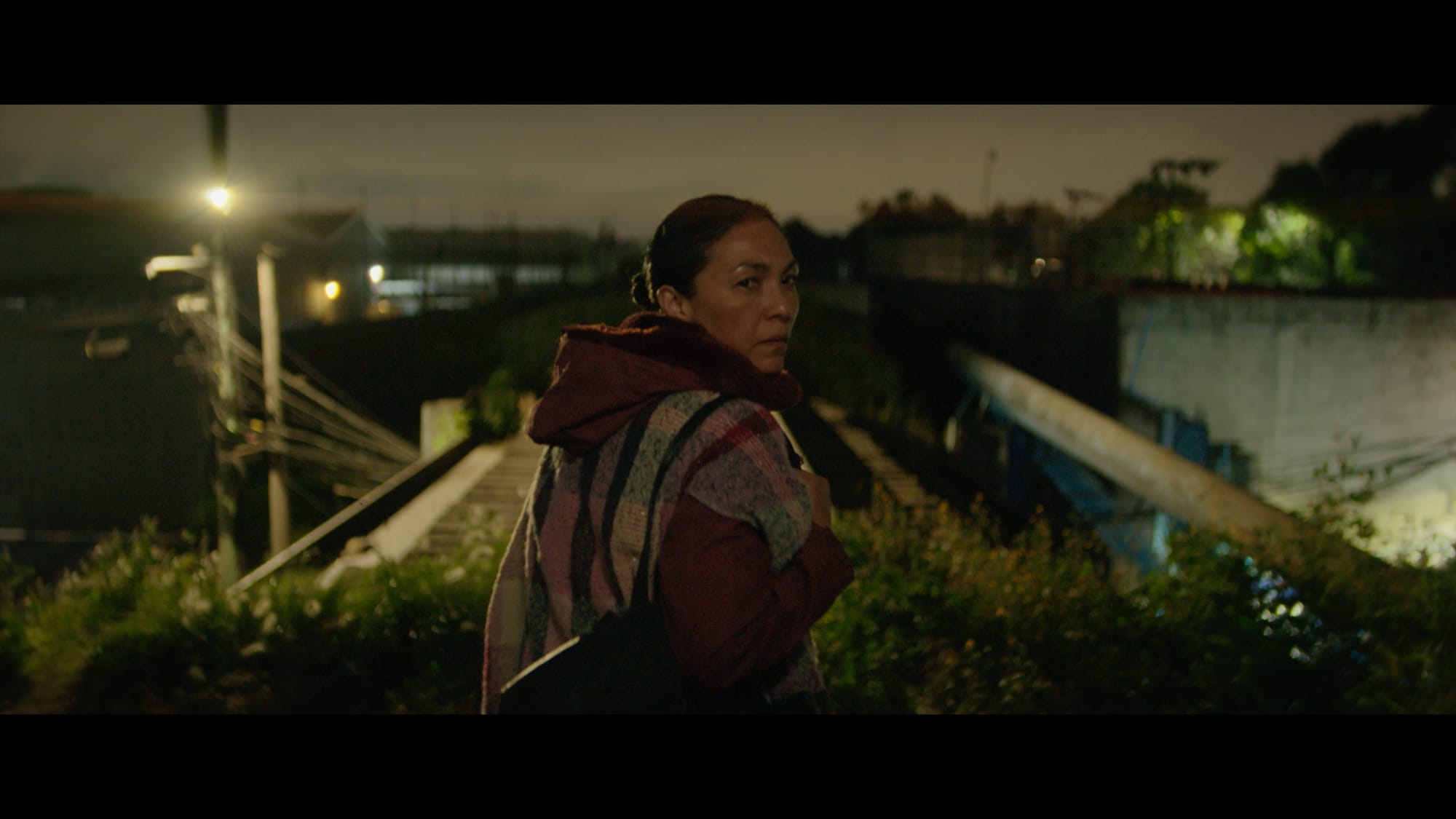
The quiet moments. The film isn't driven by dialogue, it's driven by observation, and the music helps guide you. A look, a silence, a walk through the city. I've always believed images can communicate things language cannot.
The visual language reflects the emotional landscape of the character. Beauty and violence exist in the same frame because that's how we experience Mexico: a place full of warmth, generosity, and vibrant culture that also carries deep wounds. That contradiction feels deeply personal to me.
What tool, technique, or mindset shift helped most during production?
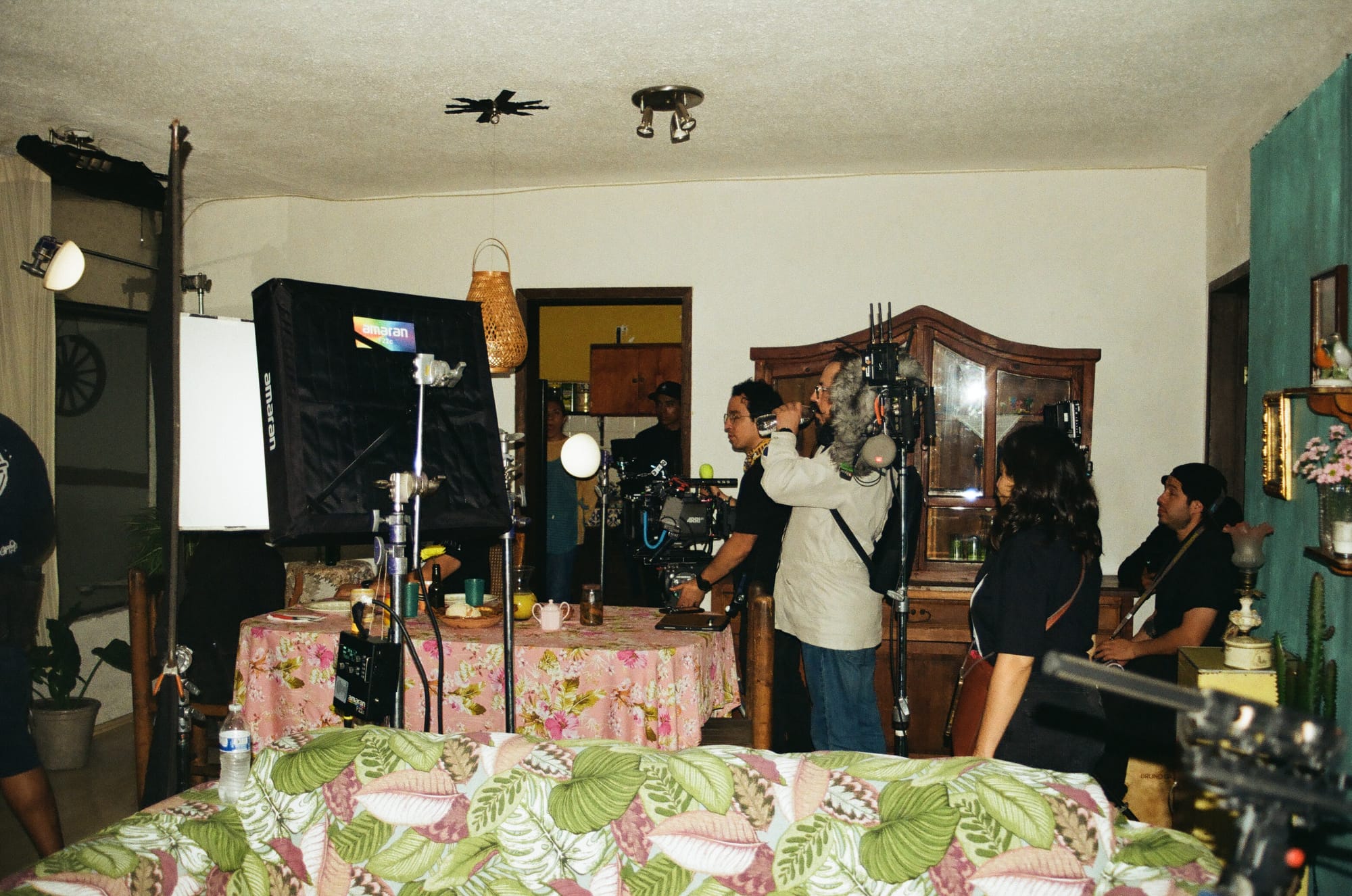
The biggest mindset shift was learning that less can be more. During production and especially in the edit, I realized I didn't need to explain every emotion or show every moment. Trusting the audience to sit with silence, subtle performances, and visual storytelling ultimately made the film far more powerful. That experience completely changed the way I think about directing.
What is the greatest strength of independent filmmaking, and how did you lean into it here?
Freedom. Independent filmmaking allows you to make the film that needs to exist instead of the film the market expects you to make.
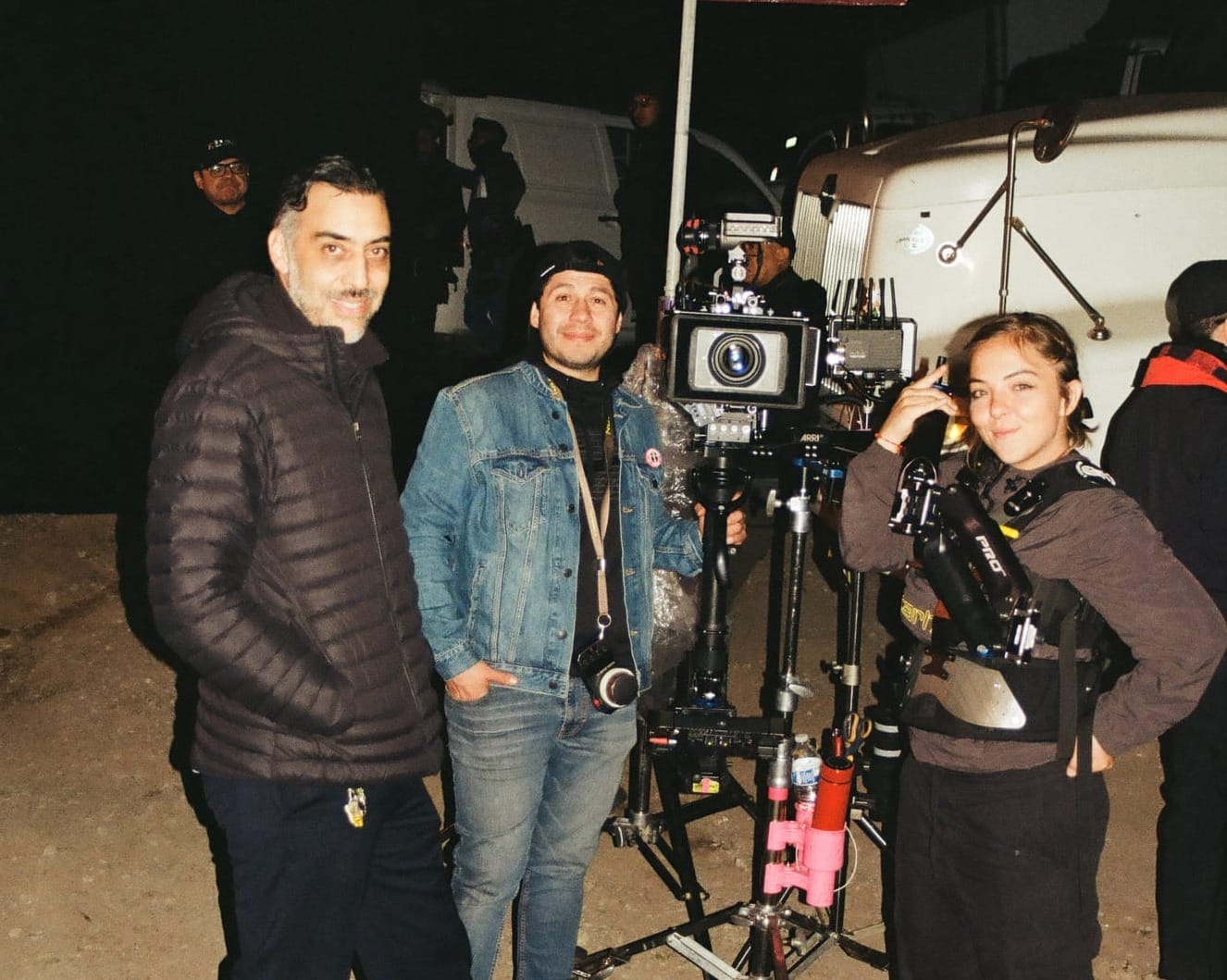
We didn't have endless resources, but we had a purpose. Every creative decision came from asking what served the story rather than what was safest or most commercial. I've learned that limitations can become part of a film's identity, and using your challenges to your favor makes you a better filmmaker. They force you to become more intentional, and that is something audiences always recognize.
What does it mean to have your film selected for HollyShorts?
Having Diana la Cazadora premiere at HollyShorts is incredibly meaningful. As a Mexican filmmaker based in LA, it feels special to share a story rooted in my home country with an audience from around the world. HollyShorts has built a reputation for championing bold voices and emerging filmmakers, so being considered and included is both an honor and an encouragement to keep telling stories that matter to me—and for my community to follow their dreams.
I want Diana's story to be heard by as many people as possible. I hope this film continues to travel, raising awareness about gender-based violence while giving a voice to stories that are too often overlooked. At the core of all my work is a desire to reveal the humanity hidden behind the headlines.
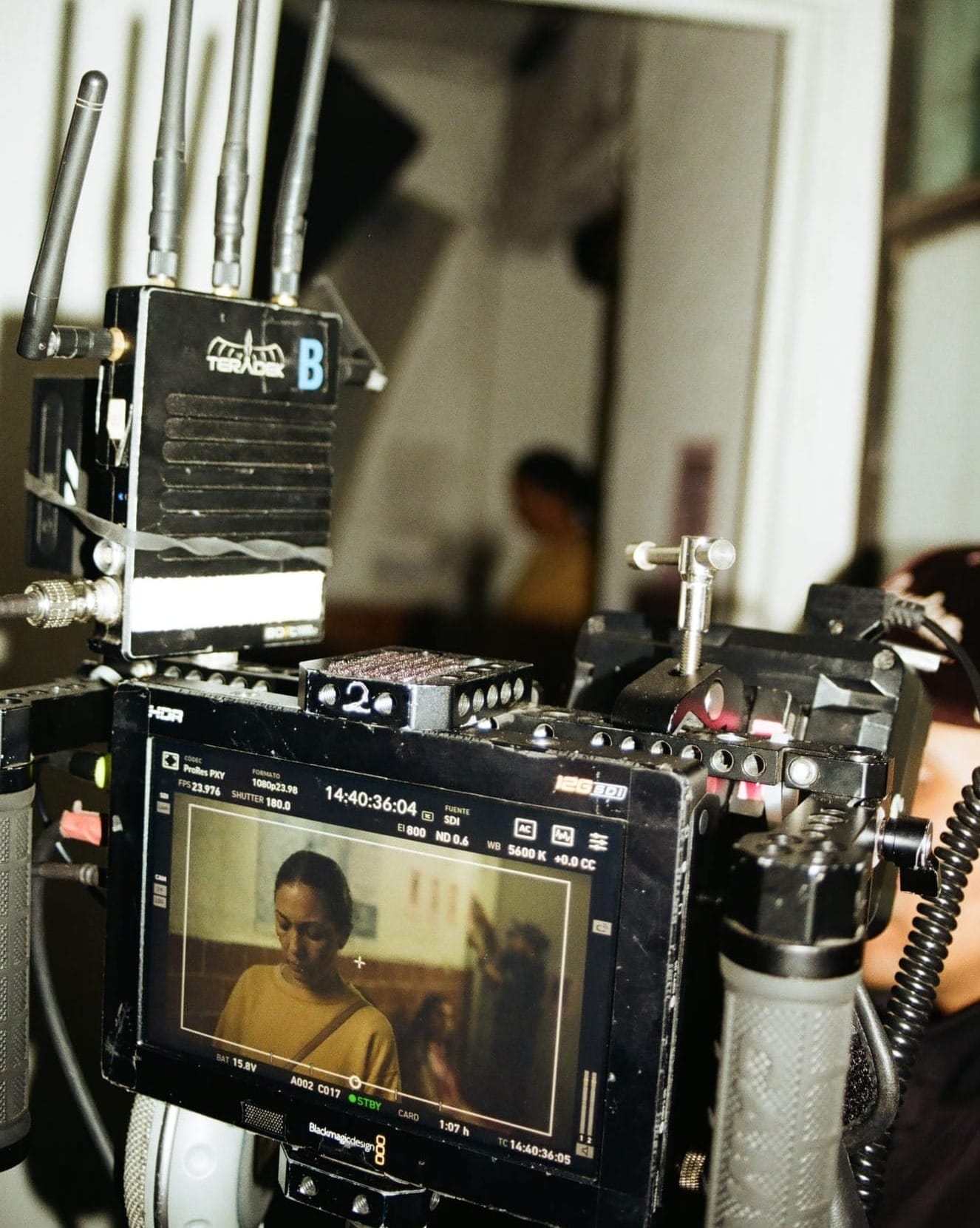
Main Cast & Crew
- Myriam Bravo — Diana
- Dahlia Xiuhcoatl — Ana
- Ramón Medina — Bus Driver
- Writer & Director: Ayesha Fernández
- Producers: Angélica Fernández & Rafael Delgado
- Director of Photography: Lorenzo Zuazua
- Editor: Kevin de la Isla
- Sound Design: Emilio Ortega
- Original Score: Oriana Gidi
- Production Design: Mariana Sandoval
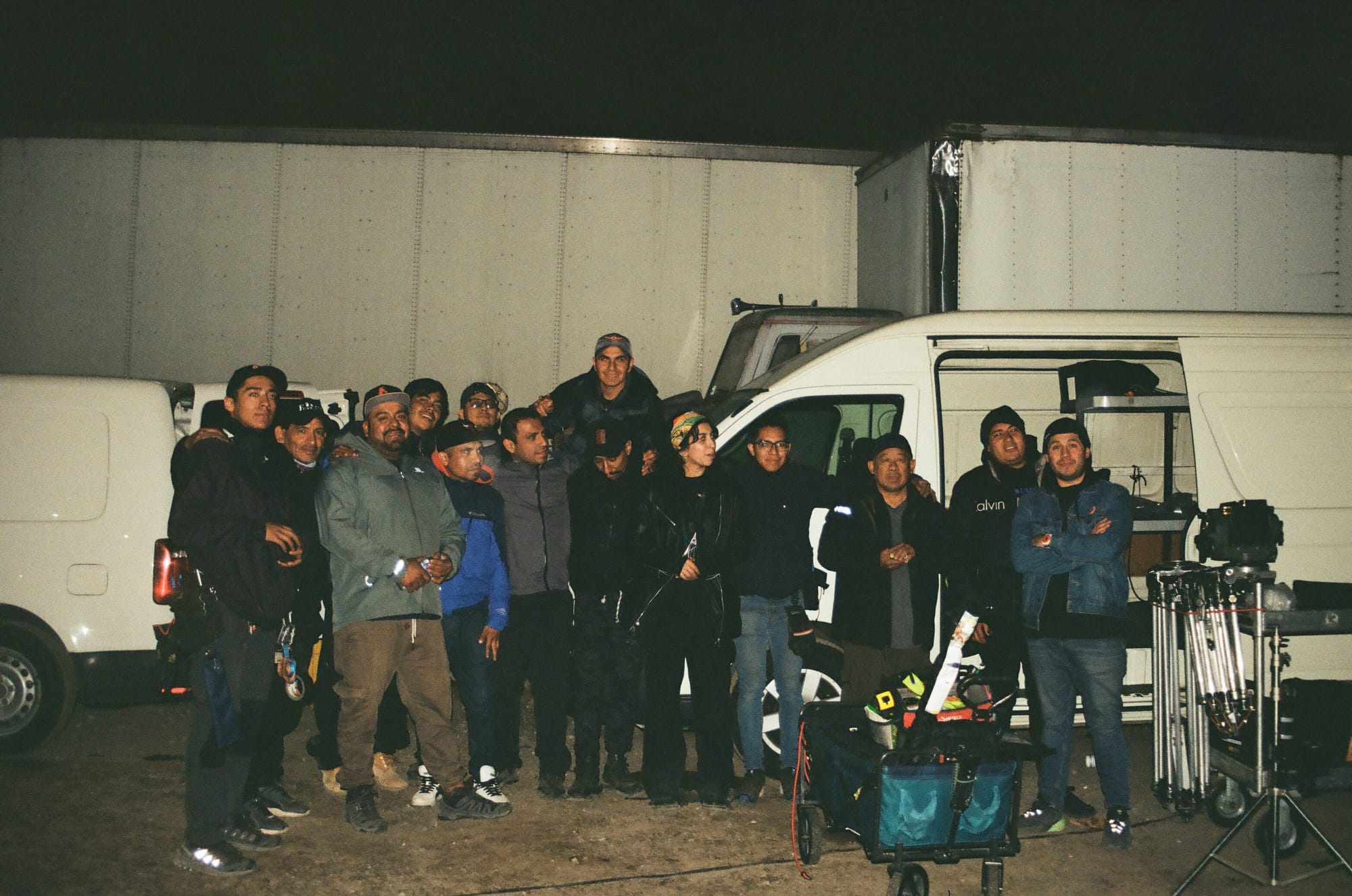
Filmmaker Opportunities
💛 Fund your next project with fiscal sponsorship
Have a project in the works? As a 501(c)(3) nonprofit, the Cinematography for Actors Institute can accept tax-deductible donations on your film's behalf — a door-opener for grants, foundations, and supporters who want to back your work. We've serviced over 100 projects to date and helped route over $800,000 in funding to filmmakers. Explore fiscal sponsorship →
📬 Grant deadlines and festival opportunities, straight to your inbox
The CFA newsletter rounds up grants, festival calls, and community news for independent filmmakers — the kind of opportunities that are easy to miss and painful to miss. Join the newsletter →
🎬 Focus on the creative — we'll help with the logistics
Production Management, CFA's newest member program, launches this November: production insurance and workers' comp, payroll, film permits, gear rental coordination, SAG-AFTRA compliance, contract drafting, production consulting, and crew recommendations — handled by a team of working filmmakers, à la carte or all in, in partnership with Creative Access Group. It's waitlist-only until launch. Join the waitlist →
League of Filmmakers is published by our parent organization, the Cinematography for Actors Institute — a 501(c)(3) dedicated to education, community, and capital for underrepresented filmmakers and actors. Learn more about CFA →