Table of Contents
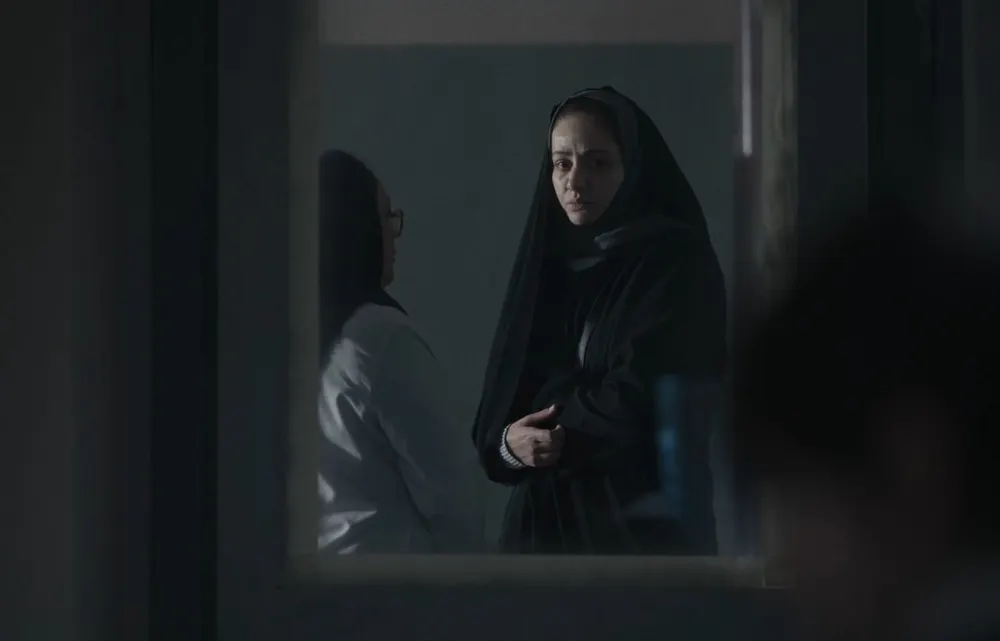
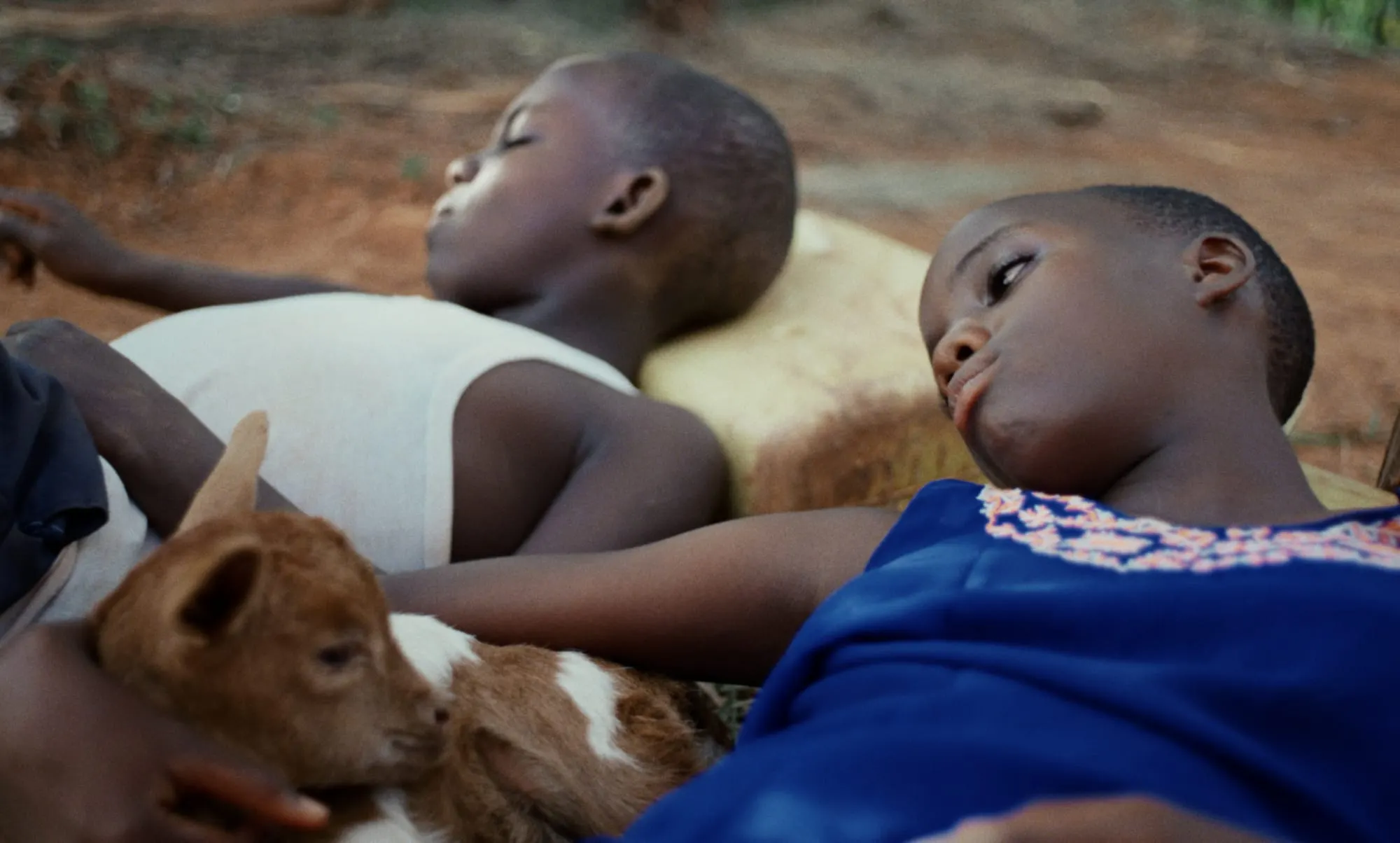
Aime Octave grew up in Rwanda, where, as he puts it, saying the country's name outside Africa often summons a single word: genocide. Echoes Beneath The Hill is his answer to that flattening — a film that begins not with violence but with play, family, and the calming mountain winds of a childhood about to end. Its center is Jeanne, a ten-year-old daredevil looking for her pet goat, absorbing a shift in the world she can feel but cannot yet name.
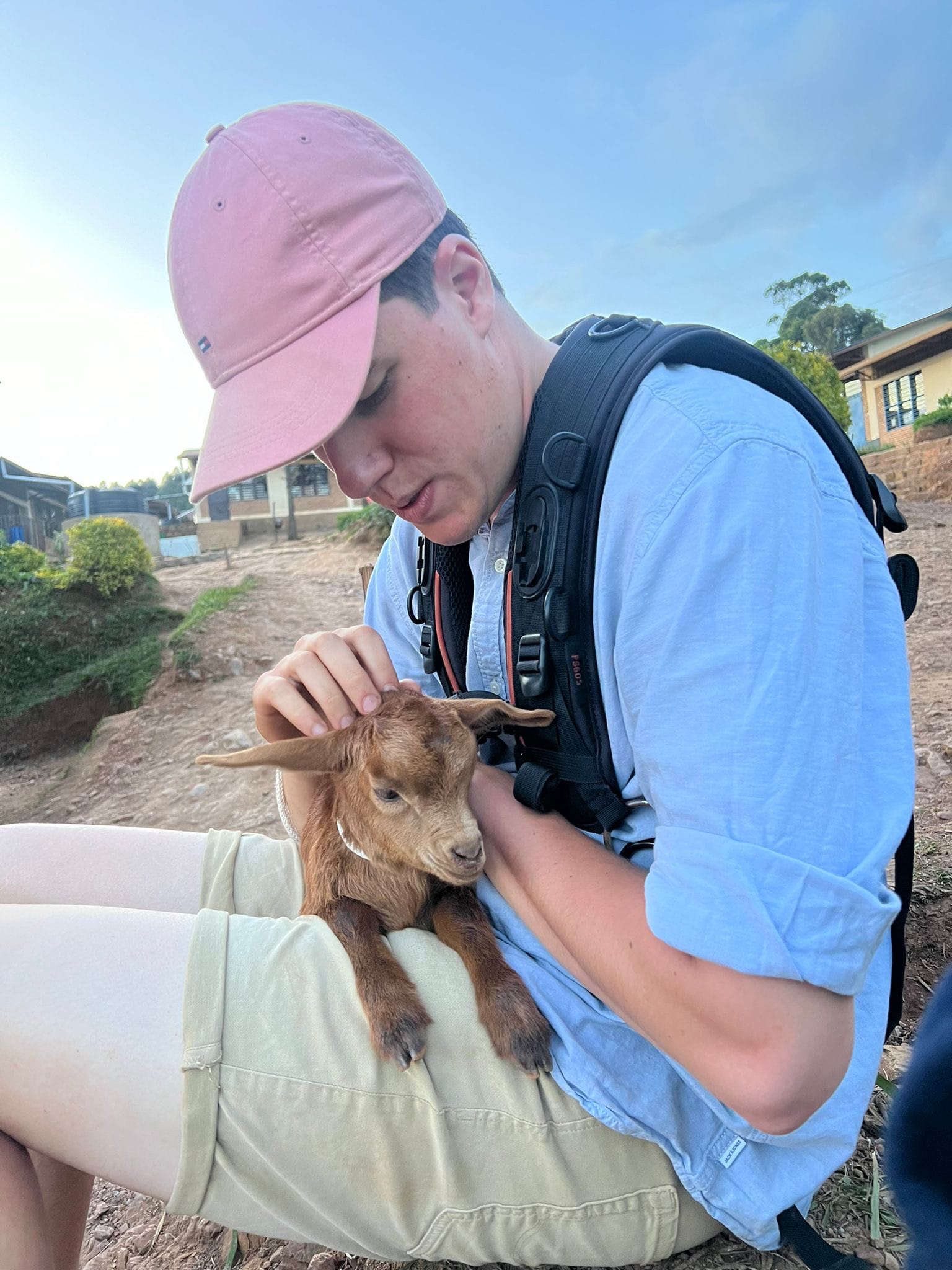
The story grows from something intimate. Octave first heard, as a child himself, about his mother's family of nine siblings who once fought to save a beloved goat from being eaten or sold. That small act of innocence — children protecting an animal in a family that didn't have much — became the emotional key to a film about how much is taken away, and who is at the center when it goes.
Key Takeaways
- Octave deliberately refuses overt violence, resisting the "gore film" tendency he saw in earlier depictions in order to leave room for empathy.
- The film lives inside a ten-year-old's perspective, using childhood ambiguity as its structural anchor and occasionally borrowing a wider view before returning to Jeanne.
- Written as both drama and coming-of-age, it lets the two genres affect each other rather than simply coexist.
Below, Octave talks about perspective, directing children for the first time, and why he invites pressure early.
Interview
What drew you to make this film, and why this story, why now?
My mother grew up in a family of about nine siblings. Like many families at the time, they reared animals for farming and food. One day, the children ended up liking this specific goat, and they fought for the goat not to be eaten or sold. I heard that story when I was young myself. Even in a family that didn't have much, there was this innocence from the children that protected an animal.
There is also that I was born and raised in Rwanda. You say Rwanda, especially outside Africa, and all people will mostly hear is genocide; you discover that a perception of your country has already been established. I made this film to step away from the objective third-person lens I felt when I watched films that told this story before. I worried that they used my country's history and allowed a certain depiction, which rendered black bodies lying down in the streets. It is a very common sight, unfortunately, in African news reports and reportages; the storytelling begins and ends with violence.
I wanted to take us on a journey of the laughs, the complicity of childhood, the comfort of home and family, and how all of it is ultimately taken away, but with them at the center as they absorb this shift in atmosphere, emotionally and psychologically.
What surprised you most about the filmmaking process, on set or in post?
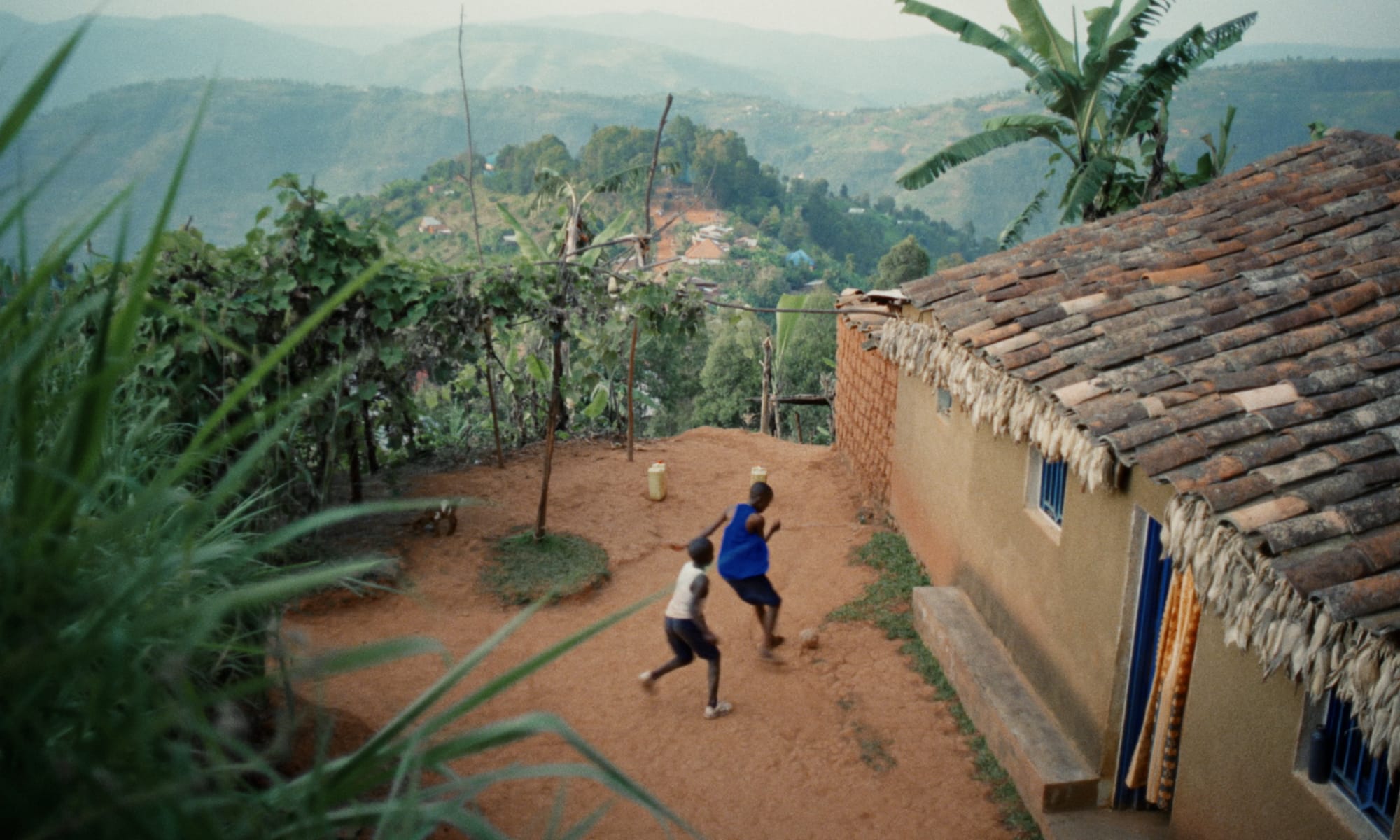
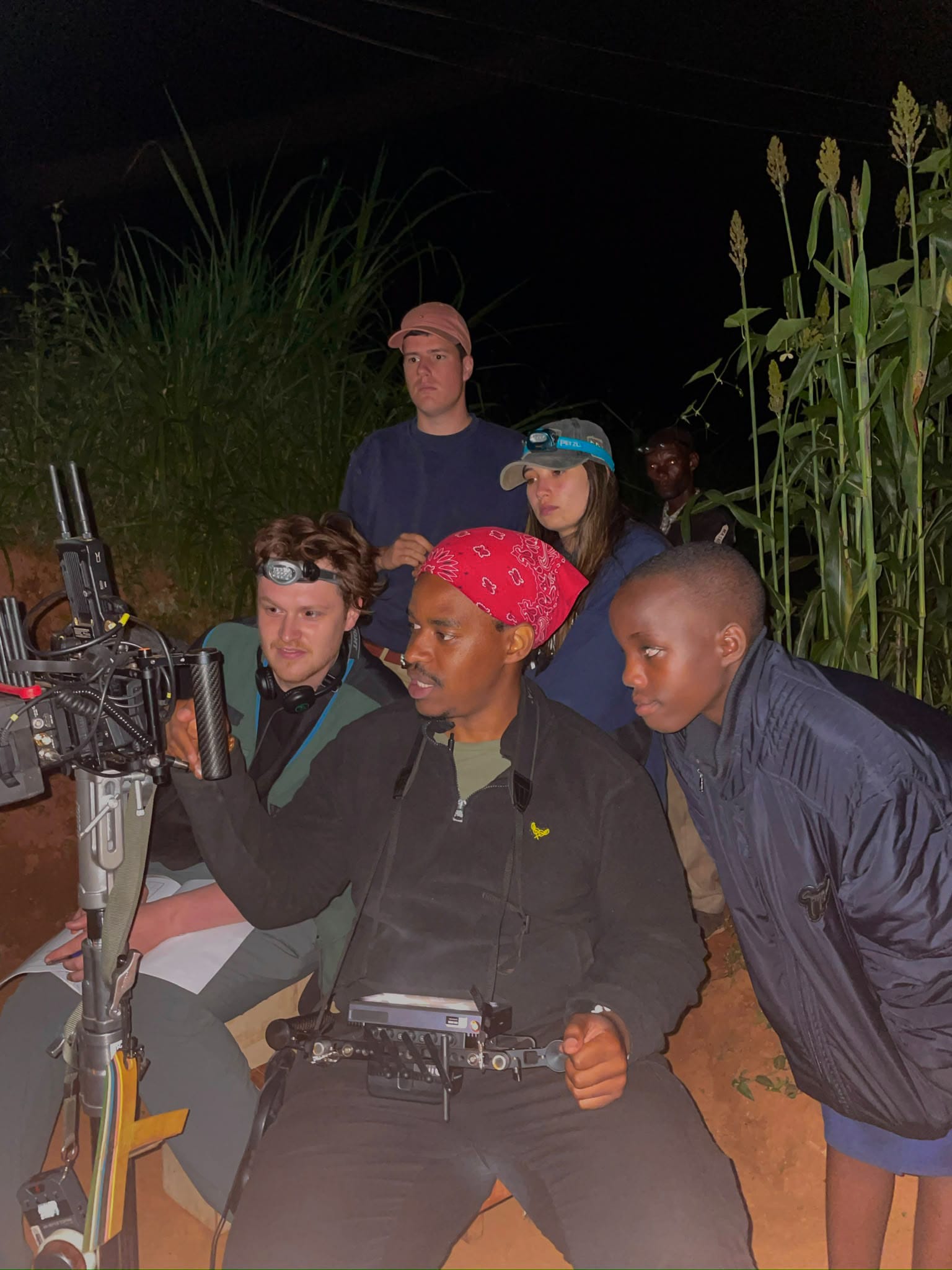
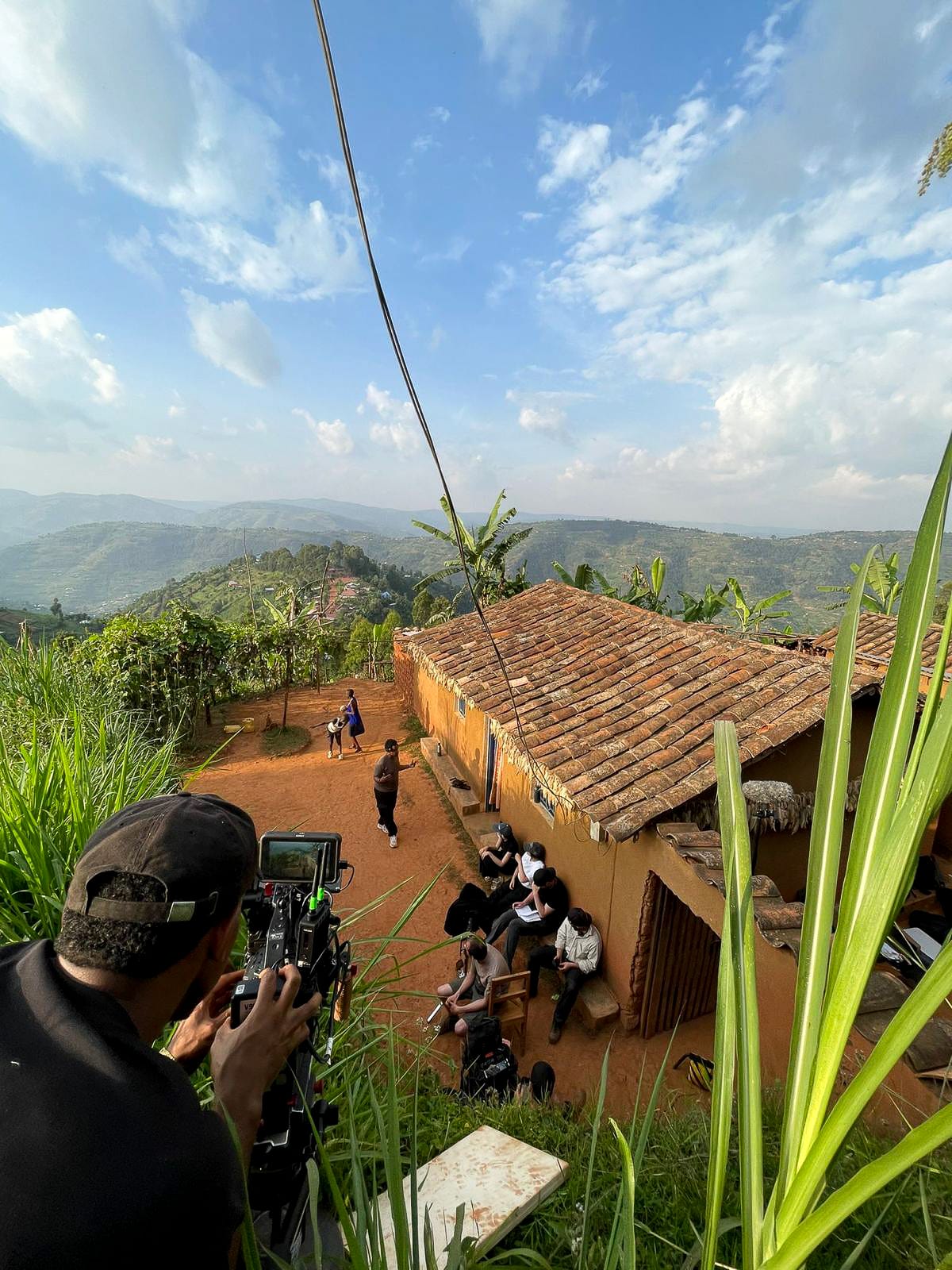
This was my first time directing children and animals, and there are enough stories in the ether to scare you away, but I am taken away by how believable the children are on screen. They never read the script; each scene was its own little story that protected them, and yet it worked. I just had to treat them with respect as you would any adult actor. I told them they were excellent actors, and with that, you free them. I remember they would sometimes ask for an extra take because they wanted to do better despite this being their first time on camera or acting for that matter.
What moment in the film feels most like you, or like something only you could have made?
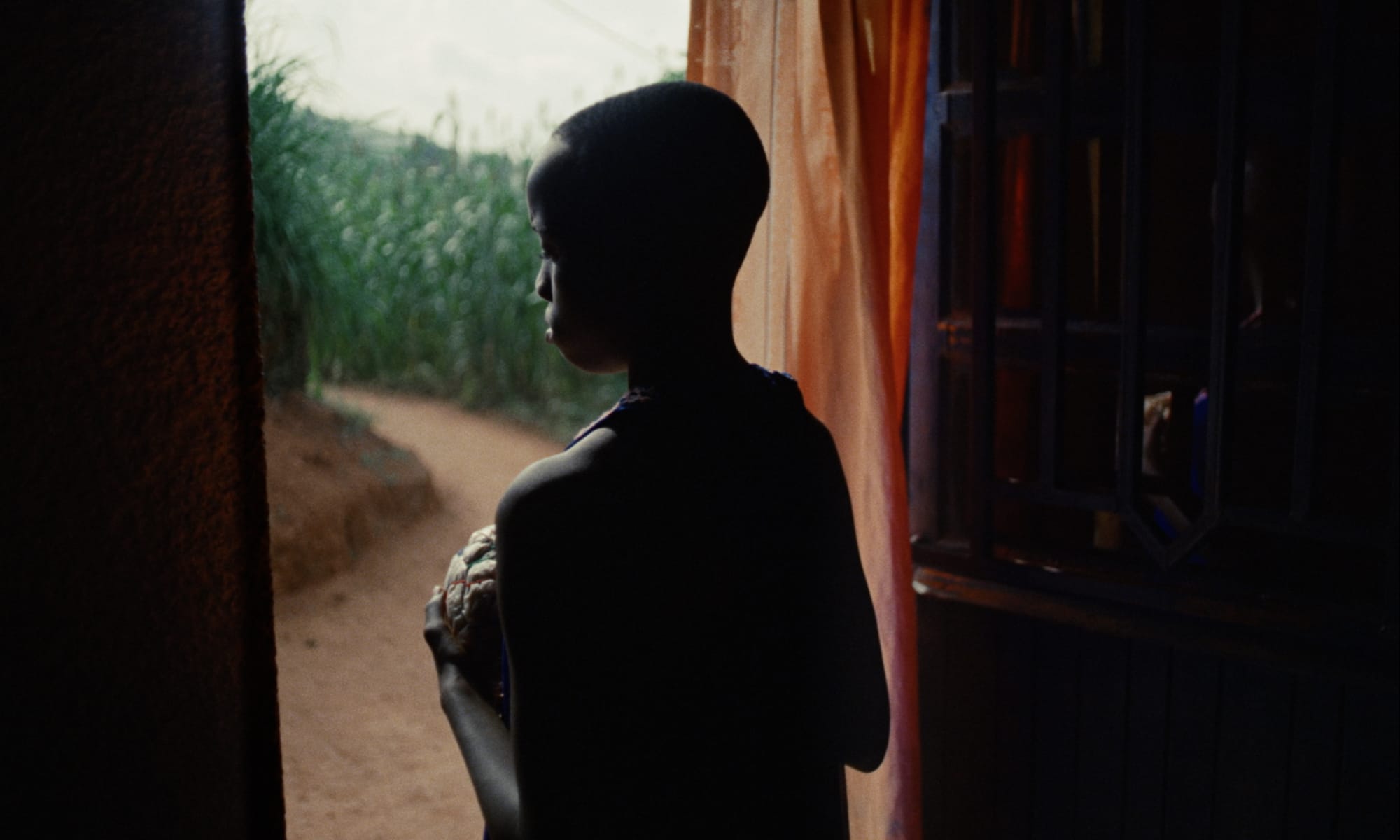
I think the uniqueness was in the approach. The perspective was the story. I relied on remembering the ambiguity I felt as a child when I was dealing with the world of adults. I had to use that as my anchor in filtering out information I didn't need. To this day, my favourite thing to hear is when people say they could feel the stretch of confusion from the child, even though there is never a moment we forward that with direct dialogue.
What was the hardest creative decision you made while making the film?
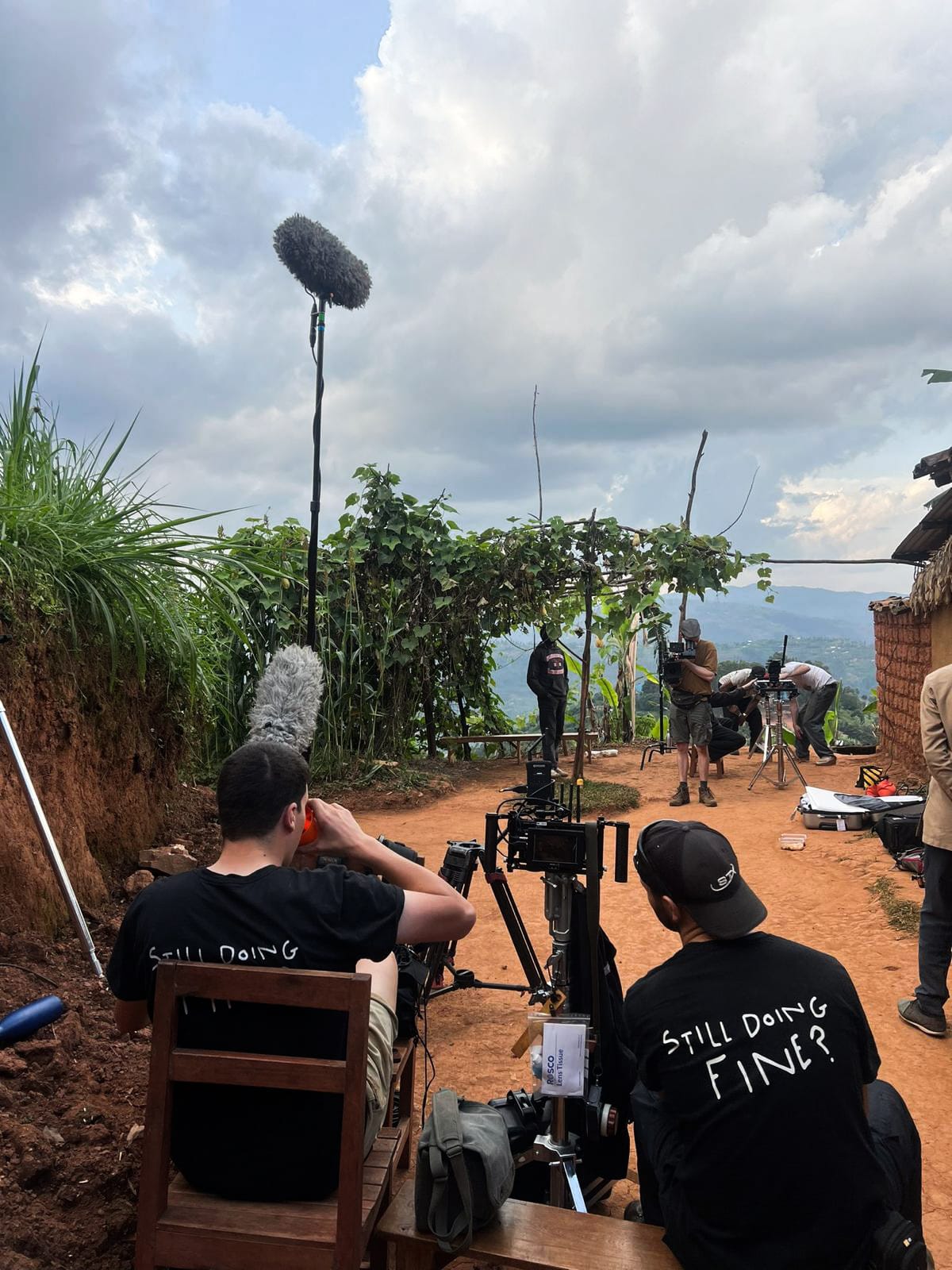
Choosing a language and a perspective is what I find the most important when putting a film together for production. What is happening? Where is the frame? And why?
When I started working it out with Clarence, our cinematographer, we agreed that the most important perspective is from Jeanne, our main character. However, I felt that there might be a small space where we could step outside Jeanne's perspective to explore the world one or two steps removed — her family and the state of the country, via the radio. That is how the sequences of mountains came about, but it was important that you feel us borrowing the perspective, and you should feel us bringing it back to her.
What do you hope audiences take away from this film?
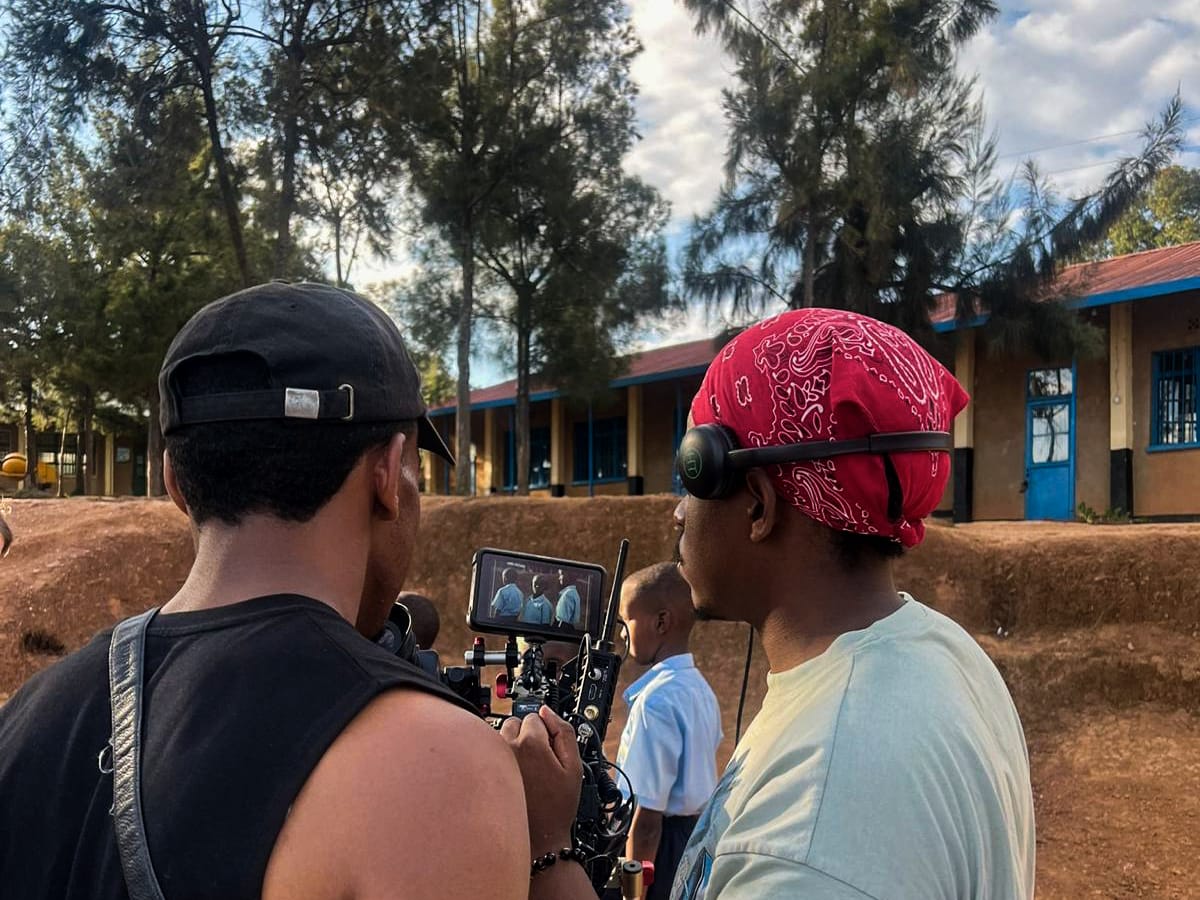
I hope we collectively wake up from the digital trance we can only afford due to geographical distance. After all, we share the same planet, its water, soil, and air. I hope we see beyond the usual. Children are the innocent among us; they are the best of us, yet we seem to religiously forget that. So, this comes back to perspective for me. For the genocide to happen, the aggression had to be ignored, and that created easy dismissiveness. A black square is not enough, and sometimes posting a hashtag is not enough. We can all choose to see each other a little bit more.
What lesson or breakthrough from independent filmmaking would you share with others?
The cameras have gotten really good; the knowledge has been largely democratised and available. But time remains the one constraint only money can buy. I had versions of storyboards months before principal photography. I also made creative decisions with Clarence months ahead. So, my breakthrough knowledge is to invite pressure way ahead of time. Only ahead of time can you, with some luck, be on time.
My other takeaway is to choose your collaborators carefully, because when making a worthwhile project, plans change, things can get worse. But you can make it through when everyone is working at the same frequency. I was very lucky with the collaborators I had with me on this film.
What does it mean to have your film selected for HollyShorts?
It's nothing short of amazing. Indeed, it is one of the best film festivals at the moment and an important recognition for our film and the work performed by the makers. The HollyShorts film community is also very well known for their love of cinema and short films in particular. I am very grateful for this moment. Nothing beats the theater for me — each shot, sequence, and music piece was made with a large screen experience in mind. I want the film to screen for audiences all around the world and hear from the different communities. So yes, please see you on our Letterboxd.
Main Cast & Crew
- UWIHIRWE Francine as Jeanne
- CYIZA Bolce as Ngano
- GAKWAYA Celestin as Rulisa (Jeanne's father)
- UWIMANA Clementine as Yvette (Jeanne's mother)
- Producer — Nora Essalama
- Director / Story — Aime Octave
- Screenplay — Aime Octave & Manon Poelman
- Director of Photography — Clarence Haakmat
- Editor — Anton Nicasy
- Music Composer & Sound Design — Seppe Roosen
- Visual Effects — The Pack & Potemkino
Filmmaker Opportunities
💛 Fund your next project with fiscal sponsorship
Have a project in the works? As a 501(c)(3) nonprofit, the Cinematography for Actors Institute can accept tax-deductible donations on your film's behalf — a door-opener for grants, foundations, and supporters who want to back your work. We've serviced over 100 projects to date and helped route over $800,000 in funding to filmmakers. Explore fiscal sponsorship →
📬 Grant deadlines and festival opportunities, straight to your inbox
The CFA newsletter rounds up grants, festival calls, and community news for independent filmmakers — the kind of opportunities that are easy to miss and painful to miss. Join the newsletter →
🎬 Focus on the creative — we'll help with the logistics
Production Management, CFA's newest member program, launches this November: production insurance and workers' comp, payroll, film permits, gear rental coordination, SAG-AFTRA compliance, contract drafting, production consulting, and crew recommendations — handled by a team of working filmmakers, à la carte or all in, in partnership with Creative Access Group. It's waitlist-only until launch. Join the waitlist →
League of Filmmakers is published by our parent organization, the Cinematography for Actors Institute — a 501(c)(3) dedicated to education, community, and capital for underrepresented filmmakers and actors. Learn more about CFA →