Table of Contents
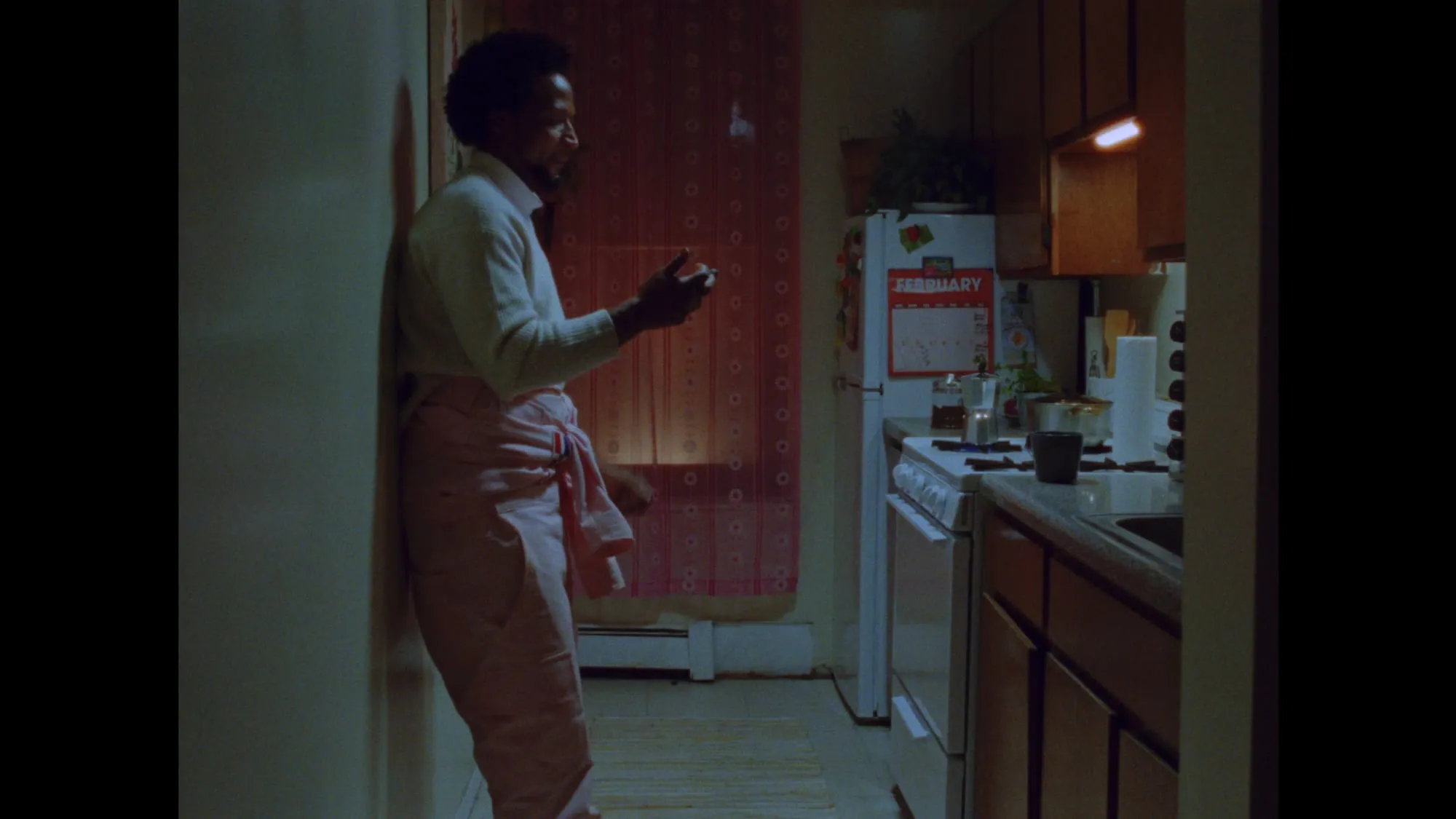
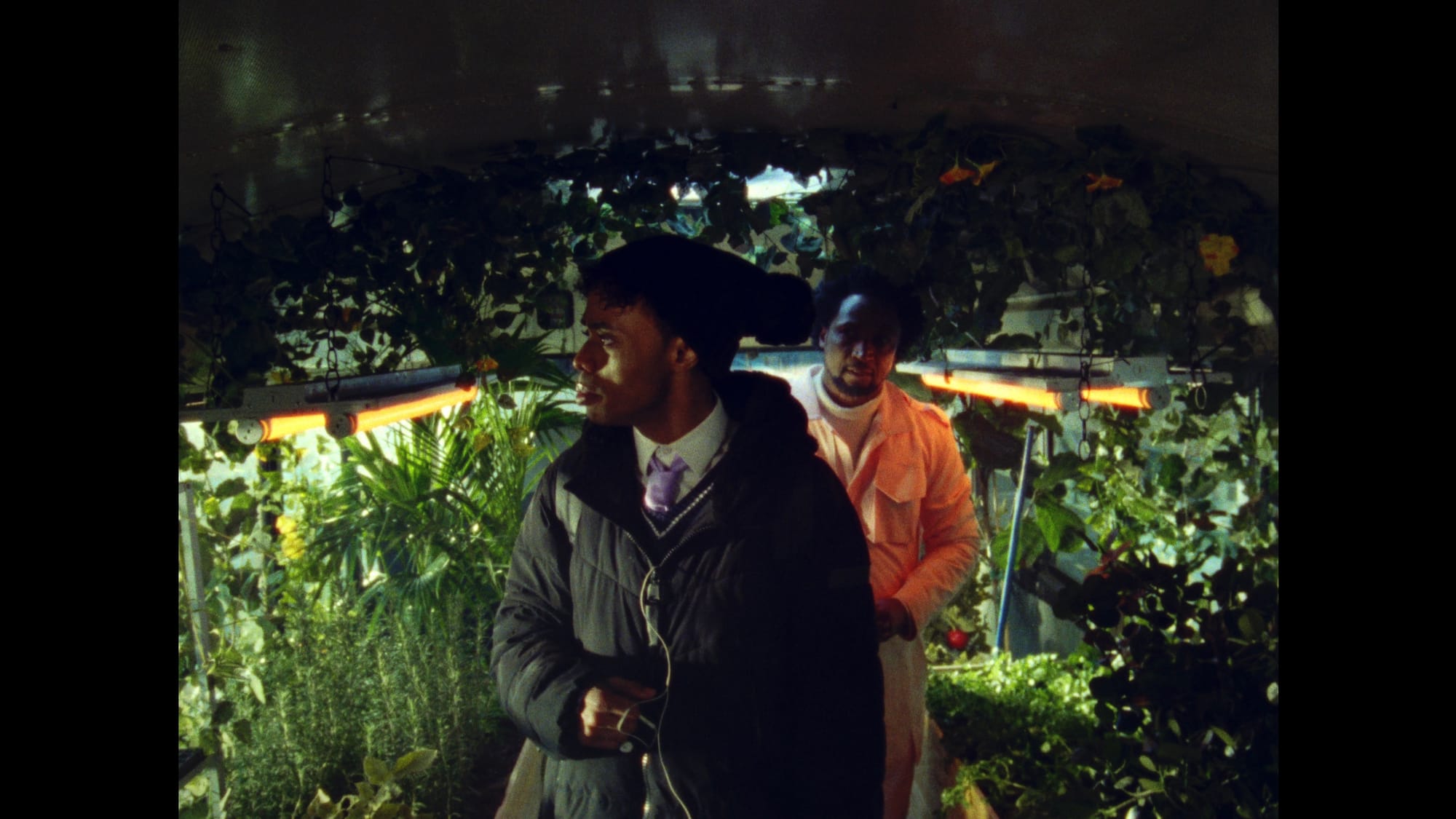
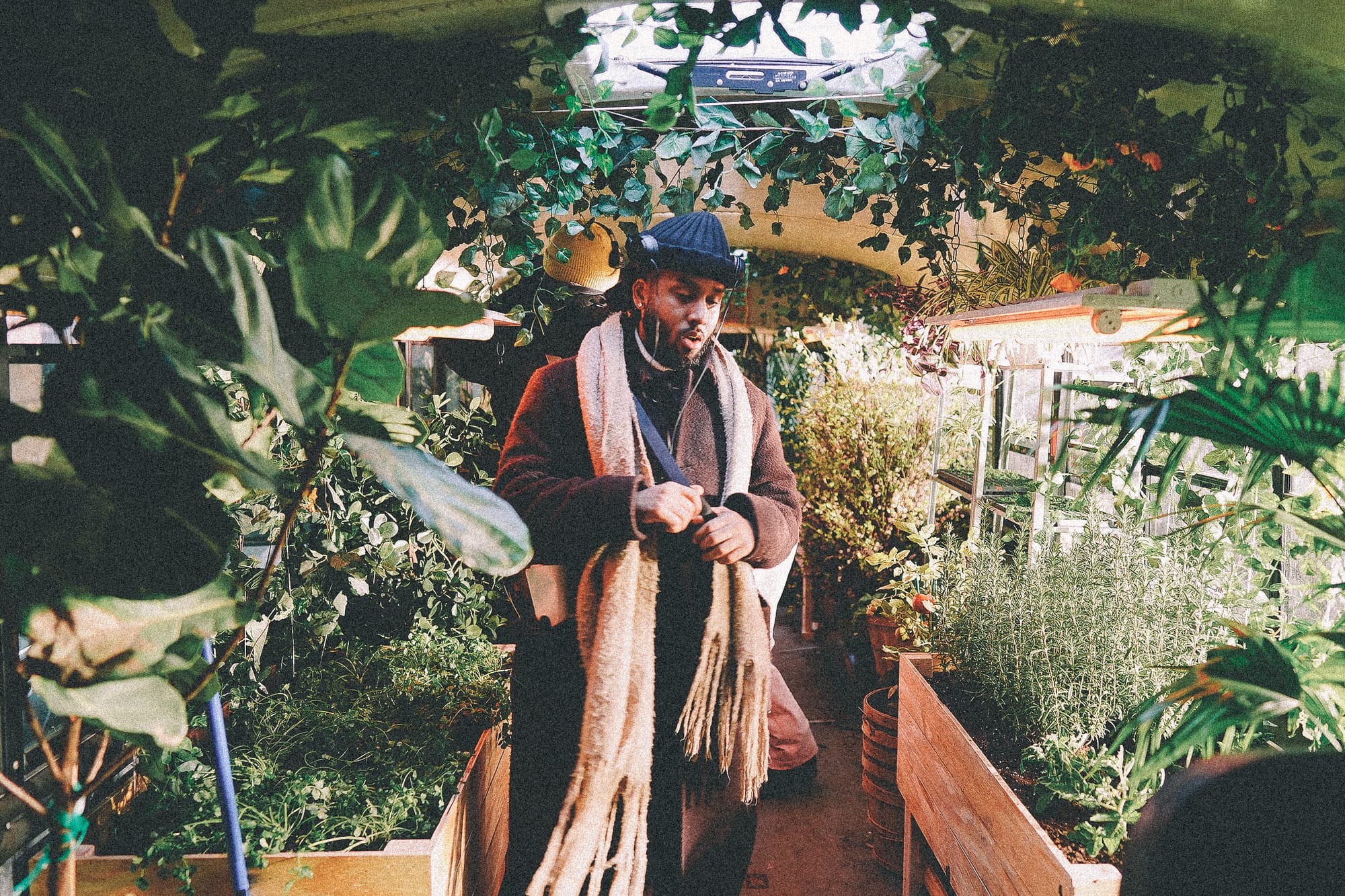
Andrew J. Rodriguez grew up in a Bronx where street vendors were the source of the freshest fruit his family could find. El Tiguere returns to those corners with a grown filmmaker's eye, following Joaquín, an Afro-Dominican man whose days begin with practicing English, brewing coffee, and caring for plants inside a school bus turned mobile food garden. When his estranged sixteen-year-old son Junior enters that grow-light world, the film becomes a quiet study of two forms of care and the distance between them.
Rooted in the pandemic-era disparities Rodriguez witnessed cycling through an eerily quiet city, El Tiguere holds a contradiction close: the people who sustain their neighborhoods are often the same ones pushed to the margins. It is a tender, grounded portrait of resilience, the immigrant experience, and a father learning to move toward his son.
Key Takeaways
- A father-son drama built around a real Bronx tension: fresh food as a right, not a privilege, in a neighborhood treated as a food desert.
- Shot on 16mm to make the contrast between Caribbean color and New York gray feel tactile — with unplanned rain and snow becoming one of the film's creative gifts.
- A film made for Spanish-speaking audiences in America, challenging the idea that a non-English story is automatically "international."
Rodriguez spoke with us about care, contradiction, and the happy accidents that shaped the film.
Interview
What drew you to make this film, and why this story, why now?
Growing up in The Bronx, street vendors were where my family went for the freshest fruits and produce. During the pandemic, however, my relationship to my city changed. The racial uprisings of 2020 offered a fresh perspective. As I cycled through an eerily quiet New York City, the stark disparities between boroughs became clear. The Bronx, marked by chronic neglect in street maintenance, employment, and access to healthy food, provided the backdrop for my film. This project came from my desire to highlight the vital role of street vendors in underserved neighborhoods. Easy access to fresh food should be a right, not a privilege, yet many neighborhoods in New York City, one of the world's wealthiest cities, remain food deserts. Then came the increasing harassment and shutdowns of these vendors by the NYPD, particularly in these areas.
El Tiguere is my attempt to explore contradiction: the people who sustain their neighborhoods are often the same people pushed to the margins. While simultaneously exploring a more intimate contradiction: a man who knows how to nurture plants yet struggles to nurture his own son. I was drawn to the tension between these two forms of care: the tenderness we can offer the world around us and the distance we create at home.
What surprised you most about the filmmaking process, including any moment on set or in post that changed how you saw the story?
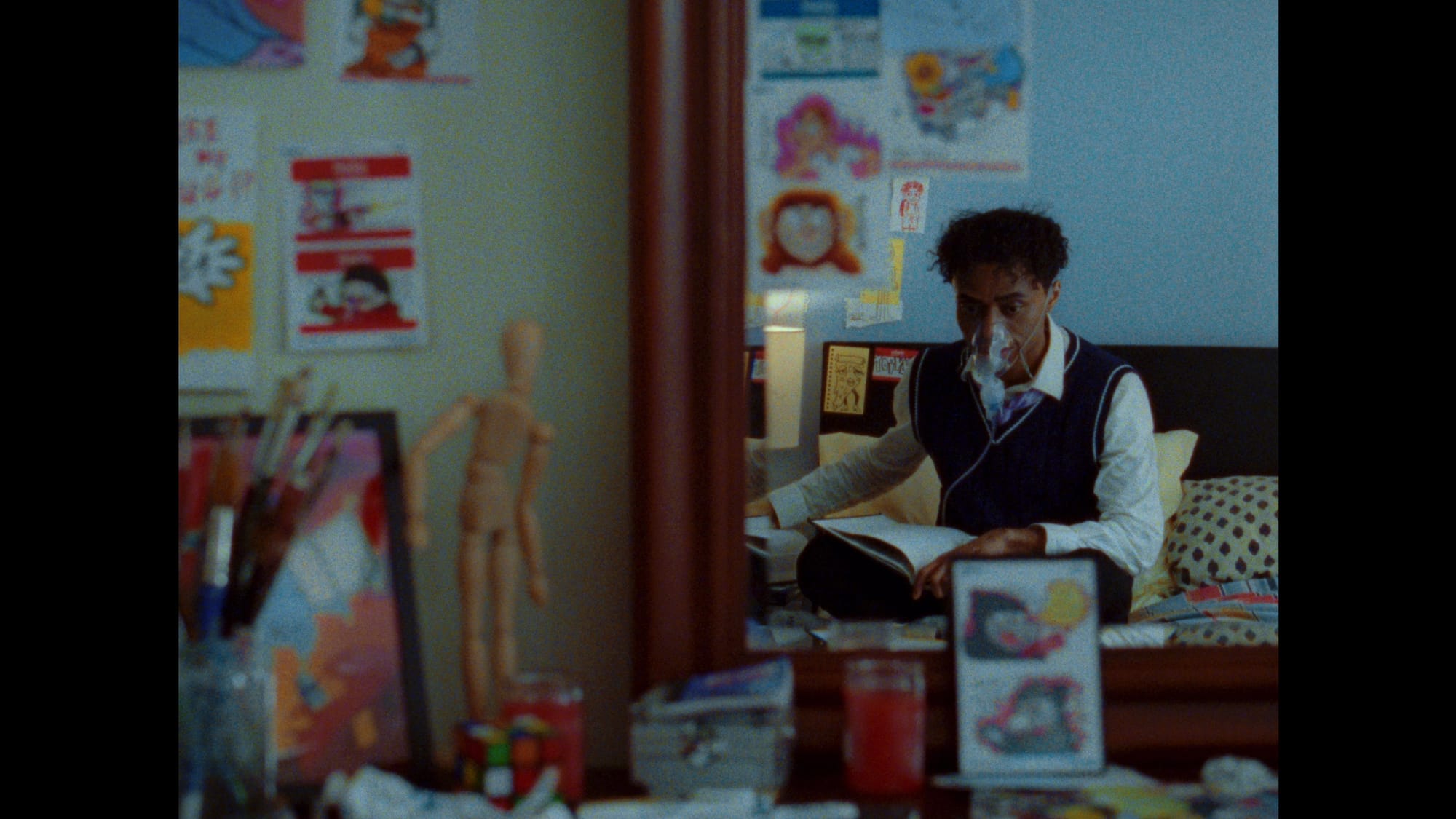
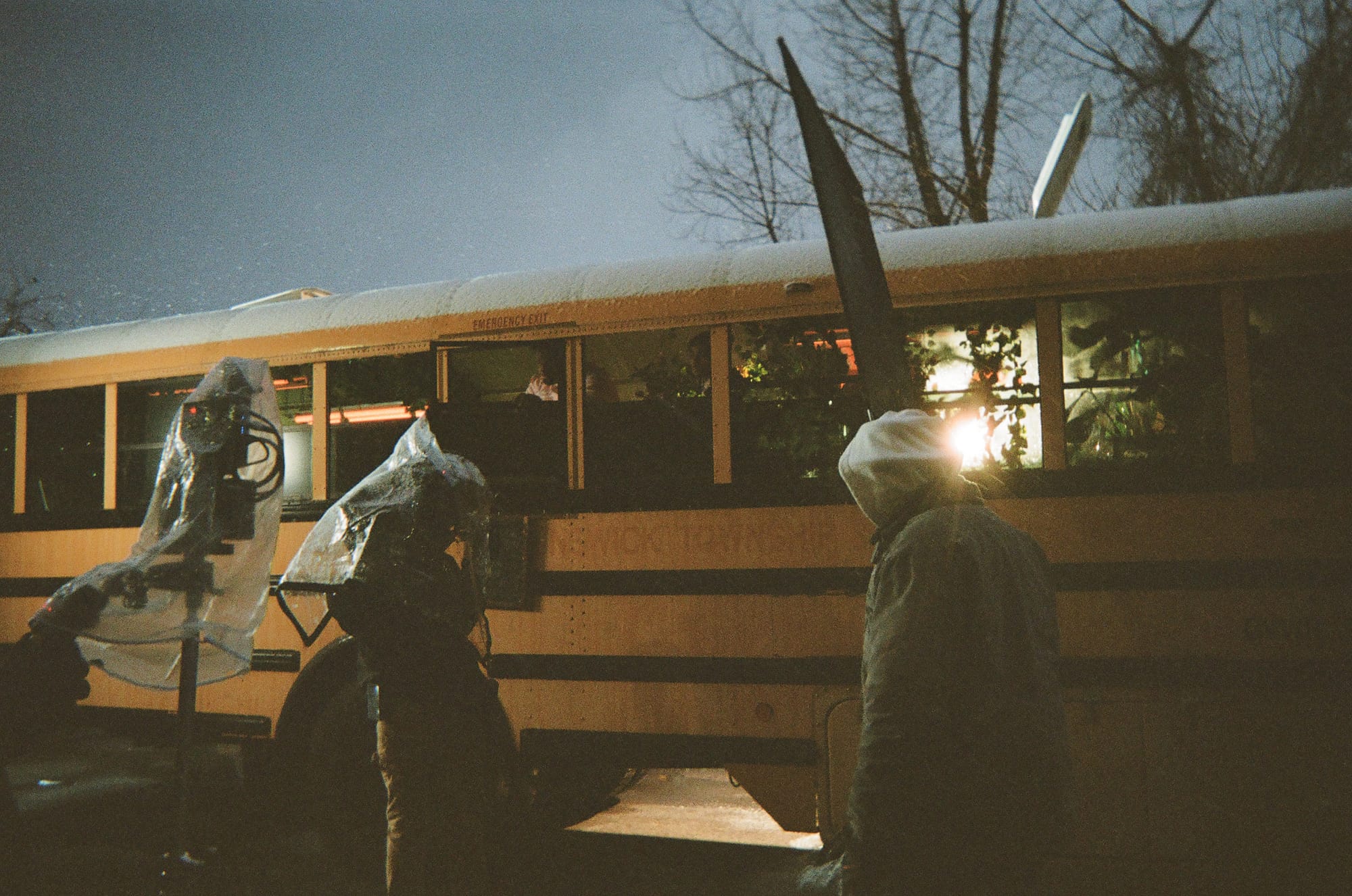
Shooting on film was a huge risk. We spent a lot of time preparing for it, discussing what to expect, and doing everything we could to make sure that risk didn't blow up in our faces. But on the day of the shoot, we got every season imaginable. Heavy rain and snow that suddenly became part of the film's landscape.
What started out as a logistical nightmare ended up becoming one of the film's creative gifts. The weather gave the story an authentic portrait of the life of an immigrant street vendor in New York City. Growing up, I watched these workers endure snowstorms, rain, and intense heatwaves while providing their neighborhoods with fresh food and building a life for themselves. It was one of those happy accidents that changed how I understood the film in the edit. The elements became more than a backdrop; they reflected both the resilience and the anxieties of the immigrants of New York. What we couldn't control ultimately gave the film a sense of truth and texture that we never could have planned.
What moment in the film feels most like you, or like something only you could have made?
The moment that feels most like me is the way the film explores how anxiety and shame can paralyze us, particularly men, and make it difficult to move toward the people that we love. My parents and I share something with Joaquín: a tendency to become immobilized by shame and anxiety rather than knowing how to communicate through it. That is my tether to the story.
My parents' experience is also shaped by a language barrier, which makes the pressures of the outside world even harder to navigate. I understand that feeling of being stuck, not because you don't care, but because you simply feel like you cannot move forward. For me, the film is less about finding a simple answer and more about recognizing that moving through that paralysis takes practice, vulnerability, and the effort to keep moving even when anxiety and shame tell us to stay still.
What was the hardest creative decision you made while making the film?
One of the hardest creative decisions was deciding whether we should shoot on 16mm film. A significant part of pre-production was spent going back and forth about the risk, especially since I wasn't as familiar with the format. But I knew I wanted the Dominican Republic to be present in the film, even though we were telling a story rooted in New York City; two places that feel distinctly different, but are deeply connected through the immigrant experience.
New York is defined by its gray architecture, concrete, and coldness, in comparison to the Caribbean vibrancy and spectrum of color. That contrast was important to me because I wanted to portray the two homes that exist within many immigrant lives: the place you come from and the place you are trying to build a life in. Shooting on film allowed us to make that contrast feel tactile. The colors of the Caribbean could live in the frame through clothing and color, while New York remained a colder, more restrained backdrop.
What tool, technique, resource, collaborator, or mindset shift helped most during production?
I'm always astonished by how far collaboration with a community can take a film. It can make up for many of the restrictions that come with working on a low budget, but more importantly, it can make the film feel rooted in a place rather than simply filmed there. For El Tiguere, our locations came through collaborations with local businesses and organizations in the Bronx. I feel incredibly lucky that people trusted us enough to contribute to a story that reflects a small fabric of our community.
That experience reinforced a mindset I want to carry throughout my career: my job as a director isn't simply to lead everyone toward my vision, but to create space for everyone involved to contribute their voice and interpretation. I often speak last in meetings because, while I have a clear vision for what I want, I'm equally curious about how my collaborators see the scene. Filmmaking is like cooking Thanksgiving. Everyone brings a different ingredient, a different idea, and the goal is to create something together that is richer and more flavorful than anything one person could have made alone.
What does it mean to have your film selected for HollyShorts?
It means everything. To have El Tiguere selected by HollyShorts and to be surrounded by filmmakers doing incredible work is a privilege. HollyShorts is filled with tomorrow's feature filmmakers, and I have the opportunity to invite them into my community and share a part of myself while experiencing the work they've created and seeing life through their eyes.
I'm honored to be in a space where I can experience their stories, learn from their perspectives, and share my own. To have twenty minutes of someone's time and attention is a gift, and I'm incredibly grateful to share El Tiguere with this community.
How has this film shaped or shifted the kinds of stories you want to tell next?
El Tiguere really helped me find my voice as a filmmaker. Over the last ten years, I've approached each project as a kind of boot camp, experimenting to better understand the stories I want to tell. This film helped me realize that my work is rooted in the cultural memory and communities of places too often defined only by neglect and struggle. I want to make stories that center communities like the Bronx and highlight resilience, not just our hardships.
My work is often informed by history and culture, but I'm interested in reframing those experiences through speculative fiction. In El Tiguere, the Bayahibe Rose, a Dominican cactus that produces a rose, became a metaphor for men within immigrant communities. My writing finds a lot of inspiration in the works of Octavia Butler and N. K. Jemisin, particularly the way they explore community as a mechanism for survival and treat place as more than just a setting. As I continue down this path, I want to keep exploring how cultural history lives in the present, creating worlds where memory isn't simply something characters talk about but something we can see, feel, and experience.
Main Cast & Crew
- Writer & Director: Andrew J. Rodriguez
- Featuring: Elvis Nolasco & Ansi A. Rodriguez
- With Jason Armani Martinez , Merlixse Ventura , Lorena Peralta
- Producer: Yuki Maekawa-Ledbetter
- Executive Producers: Luis A. Miranda Jr., Lin-Manuel Miranda, Whitney Williams, Matthew Damato , Justine Sweetman , Amalia Bradstreet, Elvis Nolasco, Vincent Lin
- Colectivo Supervising Producer: Maria Altamirano
- Director of Photography: Joshua Echevarria
- 1st AC: Daniel Rodriguez; 2nd AC / Loader: Gabriel Contreras
- Gaffer: Moe Larena; BBE: Mo Woli
- Key Grip: Dwane Harris; BBG: Hector "ACE" Vargas; G&E Swing: Stephan Joseph
- Production Sound Mixer: Veralucia Quispe
- Production Designer: Lily Guerin ; Art Director: Clark Parkan; Set Decorator: Lillian Jacobs
- Costume Designer: Angel R. Sheffey; HMU Dept. Head: Nyla Nolasco
- Production Manager: Max Cherry; 1st AD: Jordan Lisi ; Production Coordinator: Emily Martinez
- Script Supervisor: Daniela Paiewonsky; Key PA: Steven Almonte
- Set PA: Jay Villa , Stefania Gonzalez
- Driver PA: Derek Wadolowski, Jarika Johnson , Victor Vasquez; Bus Driver: Nubia Moscoso
- Add. Casting: Samantha Holden ; BTS: Safiyah Chiniere
- Editor: Kristan Sprague; Colorist: Calvin Bellas; Compositing Artist: Victoria Penzes
- Online Editor: Gus "Goose" Roman ; Re-Recording Mixer: Benjamin S.L. Wong
- Finishing: Gold Crest Post NY; Poster design by Yaritza Pineiro
- Prod. Company: Valiant Pictures, ML-NEBULA , Real New Collective
Filmmaker Opportunities
💛 Fund your next project with fiscal sponsorship
Have a project in the works? As a 501(c)(3) nonprofit, the Cinematography for Actors Institute can accept tax-deductible donations on your film's behalf — a door-opener for grants, foundations, and supporters who want to back your work. We've serviced over 100 projects to date and helped route over $800,000 in funding to filmmakers. Explore fiscal sponsorship → You can also catch our 3rd annual financing panel at HollyShorts.
📬 Grant deadlines and festival opportunities, straight to your inbox
The CFA newsletter rounds up grants, festival calls, and community news for independent filmmakers — the kind of opportunities that are easy to miss and painful to miss. Join the newsletter →
🎬 Focus on the creative — we'll help with the logistics
Production Management, CFA's newest member program, launches this November: production insurance and workers' comp, payroll, film permits, gear rental coordination, SAG-AFTRA compliance, contract drafting, production consulting, and crew recommendations — handled by a team of working filmmakers, à la carte or all in, in partnership with Creative Access Group. It's waitlist-only until launch. Join the waitlist →
League of Filmmakers is published by our parent organization, the Cinematography for Actors Institute — a 501(c)(3) dedicated to education, community, and capital for underrepresented filmmakers and actors. Learn more about CFA →