Table of Contents
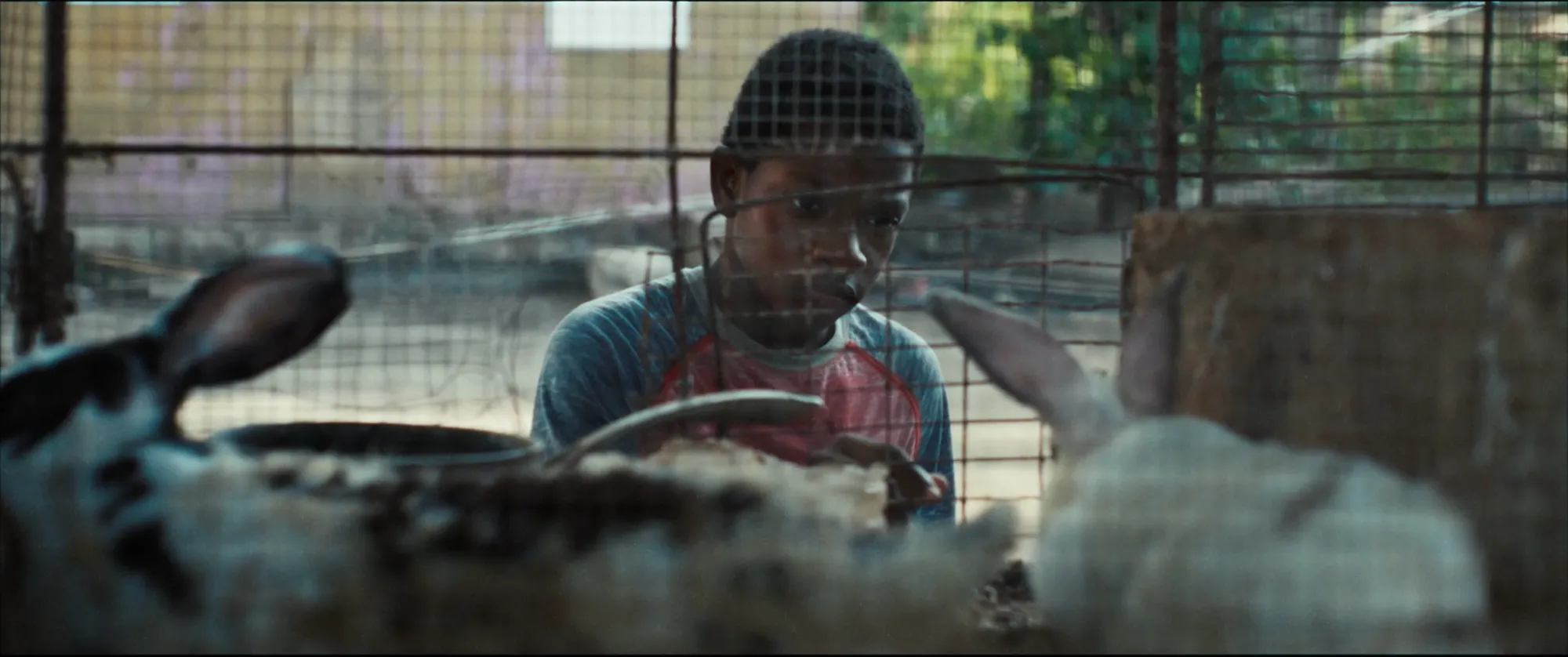
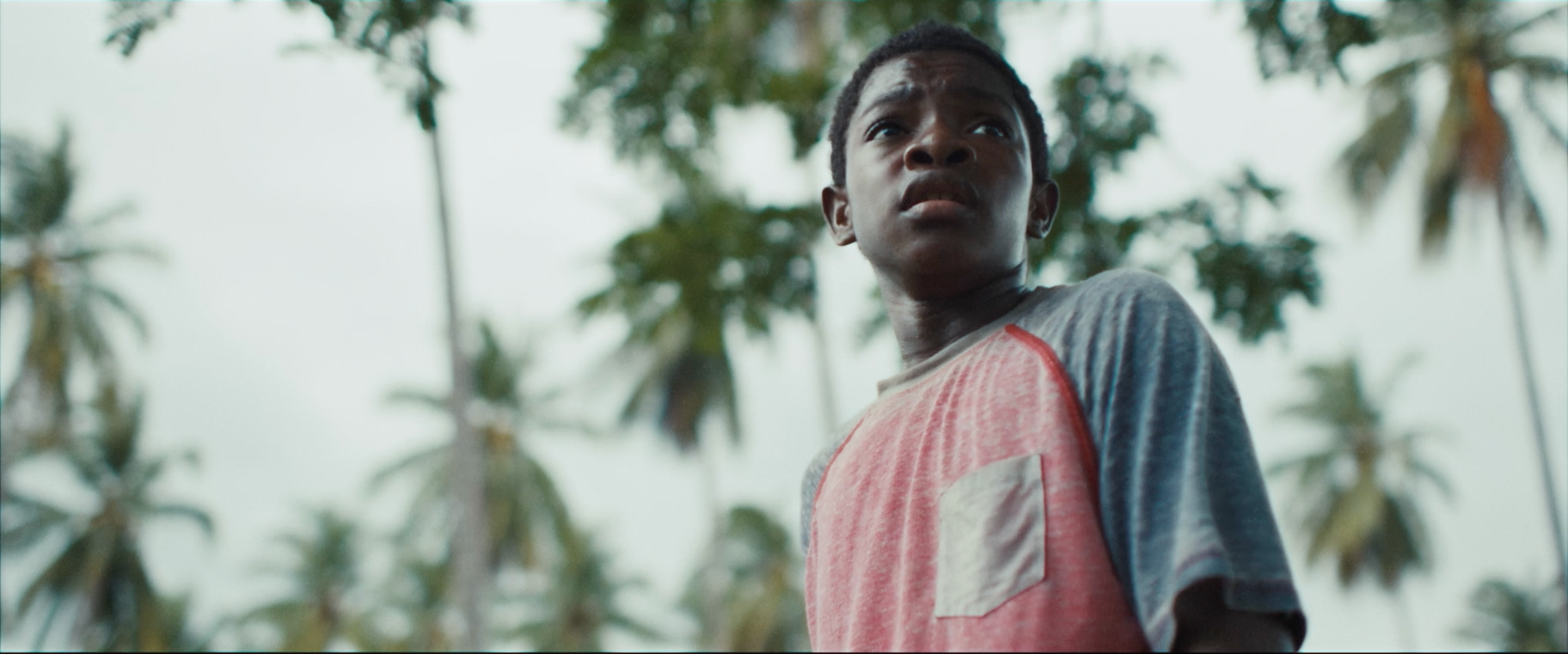
FarEye begins with a single image: a young boy running through rural Jamaica. Writer and director Hayden Mclean didn't yet know what the boy was fleeing, only that he was searching for somewhere to belong. From that image grew a spiritual coming-of-age story that resists the familiar poles of Caribbean cinema — hardship on one side, paradise on the other — to dwell instead in the quiet, spiritual spaces in between.
The founder of Soul Rebel Productions, Mclean returns to HollyShorts for a second consecutive year following his BAFTA- and BIFA-qualifying debut, The Last Dance. Made with an overwhelmingly Jamaican cast and crew, FarEye is a film about seeing someone's humanity before their pain — and about the possibility of transformation that follows.
Key Takeaways
- FarEye is a British-Jamaican spiritual coming-of-age story that trades trauma for the question of what healing can look like.
- Mclean built the film through collaboration with Jamaican creatives, trusting silence, landscape and performance over explanation.
- The film returns Soul Rebel Productions to HollyShorts a second year running, continuing a conversation rather than arriving anew.
A conversation with the filmmaker follows.
Interview
What drew you to make this film, and why this story, why now?
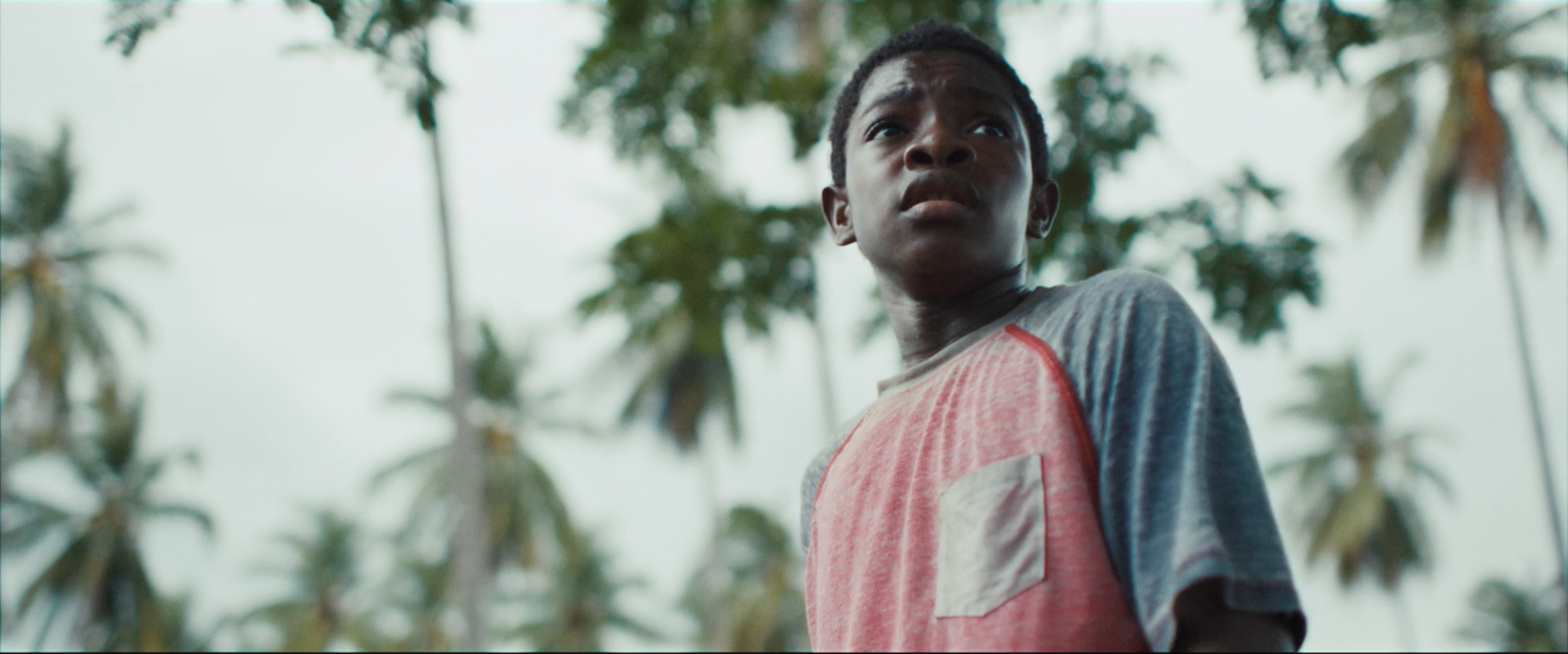
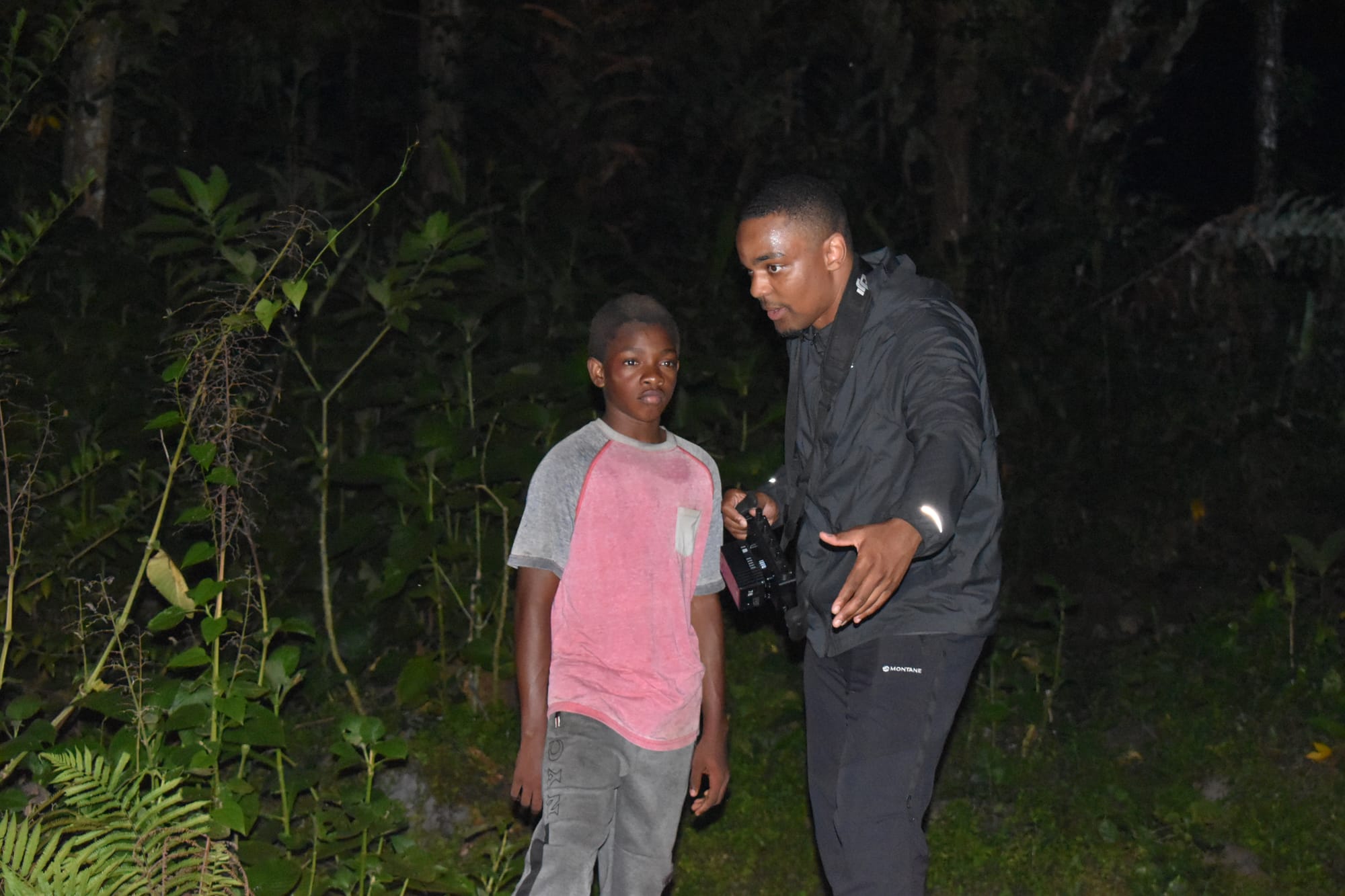
The film began with a single image of a young boy running through rural Jamaica. I didn't yet know what he was running from, only that he was searching for somewhere to belong. As I spent more time on the island, I became increasingly aware that so much of Jamaica's complexity rarely reaches the screen. We often see either hardship or paradise, but rarely the quiet, spiritual spaces in between. FarEye became my attempt to explore healing rather than simply survival, while contributing to a richer cinematic language for the Caribbean.
What surprised you most about the filmmaking process, creatively or logistically?
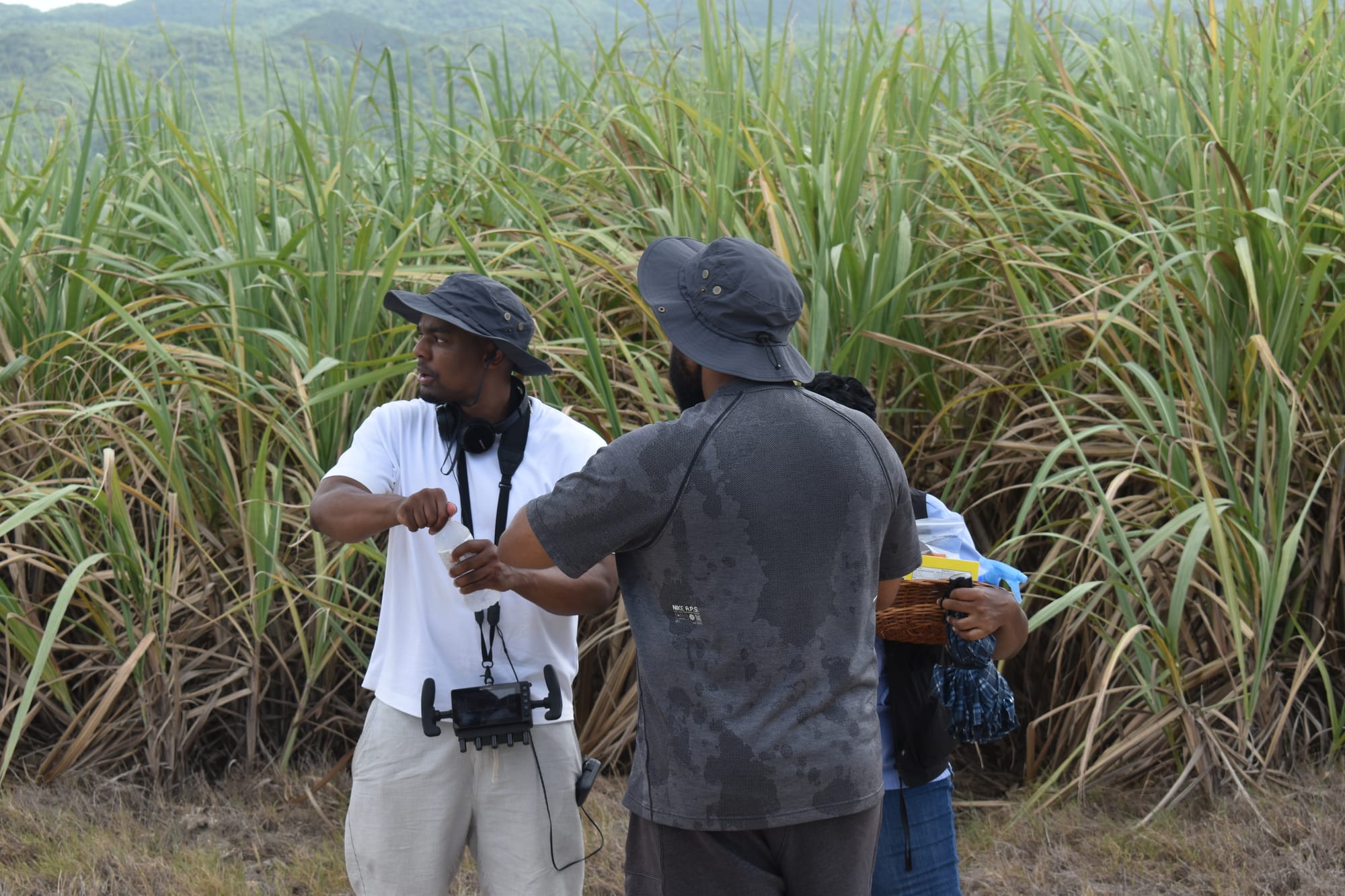
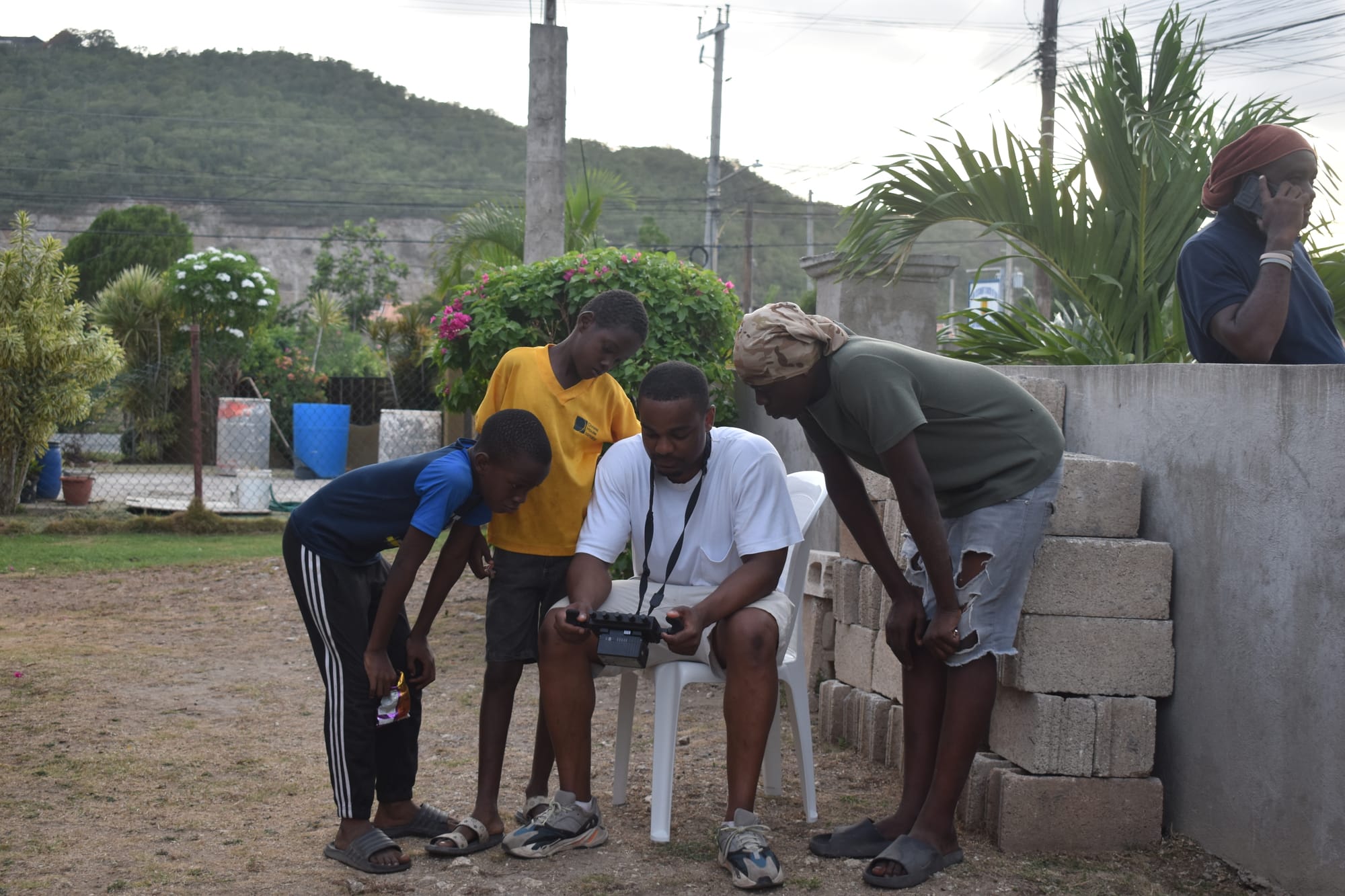
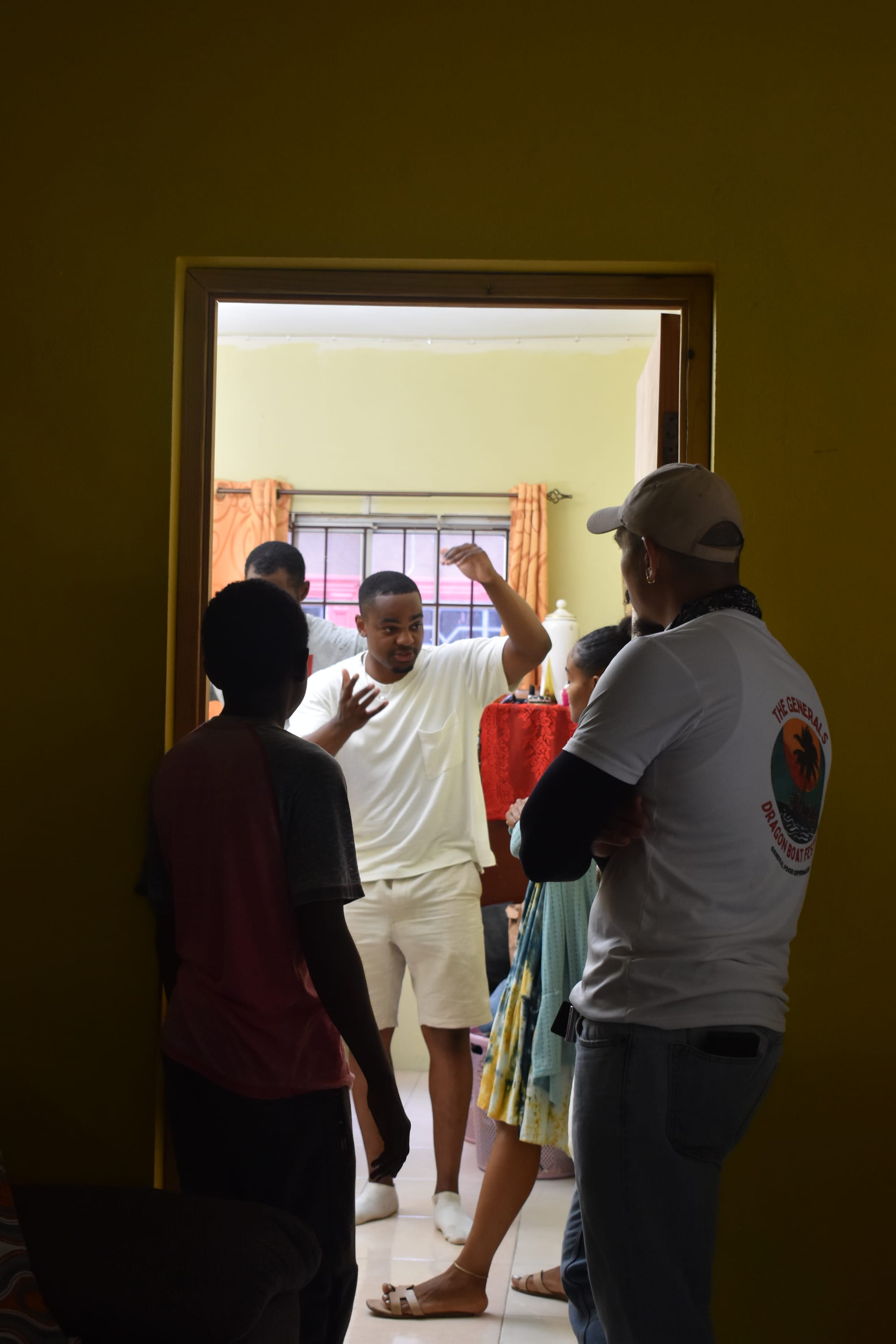
Working with an overwhelmingly Jamaican cast and crew reminded me how much authorship comes from collaboration. So many of the film's most truthful moments emerged through conversations with local creatives who understood the rhythms, spirituality and nuances of the world far better than I ever could alone. In the edit, we also realised the film became stronger the more we trusted what we built. Instead of explaining emotion, we trusted silence, landscape and performance to carry it.
What moment in the film feels most like you, or like something only you could have made?
For me it's the Nyabinghi sequence. That moment isn't simply about religion, it's about belonging. It's about discovering a community that sees your humanity before your pain. That's an idea that runs through all of my work: that healing often begins when someone finally feels seen. That intersection of spirituality, culture, identity and emotional redemption feels deeply personal to me.
What was the hardest creative decision you made while making the film?
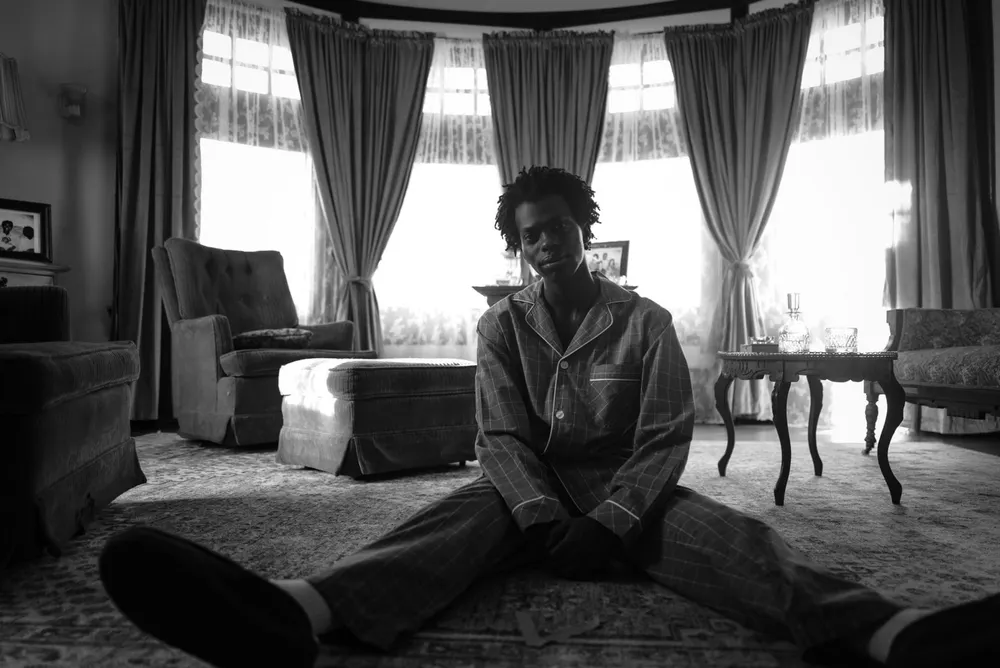
The biggest challenge was resisting the temptation to over-explain and water down the world for "wider appeal." The film deals with abuse, faith and transformation, but I never wanted it to become self-explanatory. We deliberately chose restraint, trusting the audience to experience Khalil's emotional journey rather than having every feeling articulated through dialogue. That required a lean and precise script, but ultimately made the film more honest.
What tool, technique, resource, or mindset shift helped most during production?
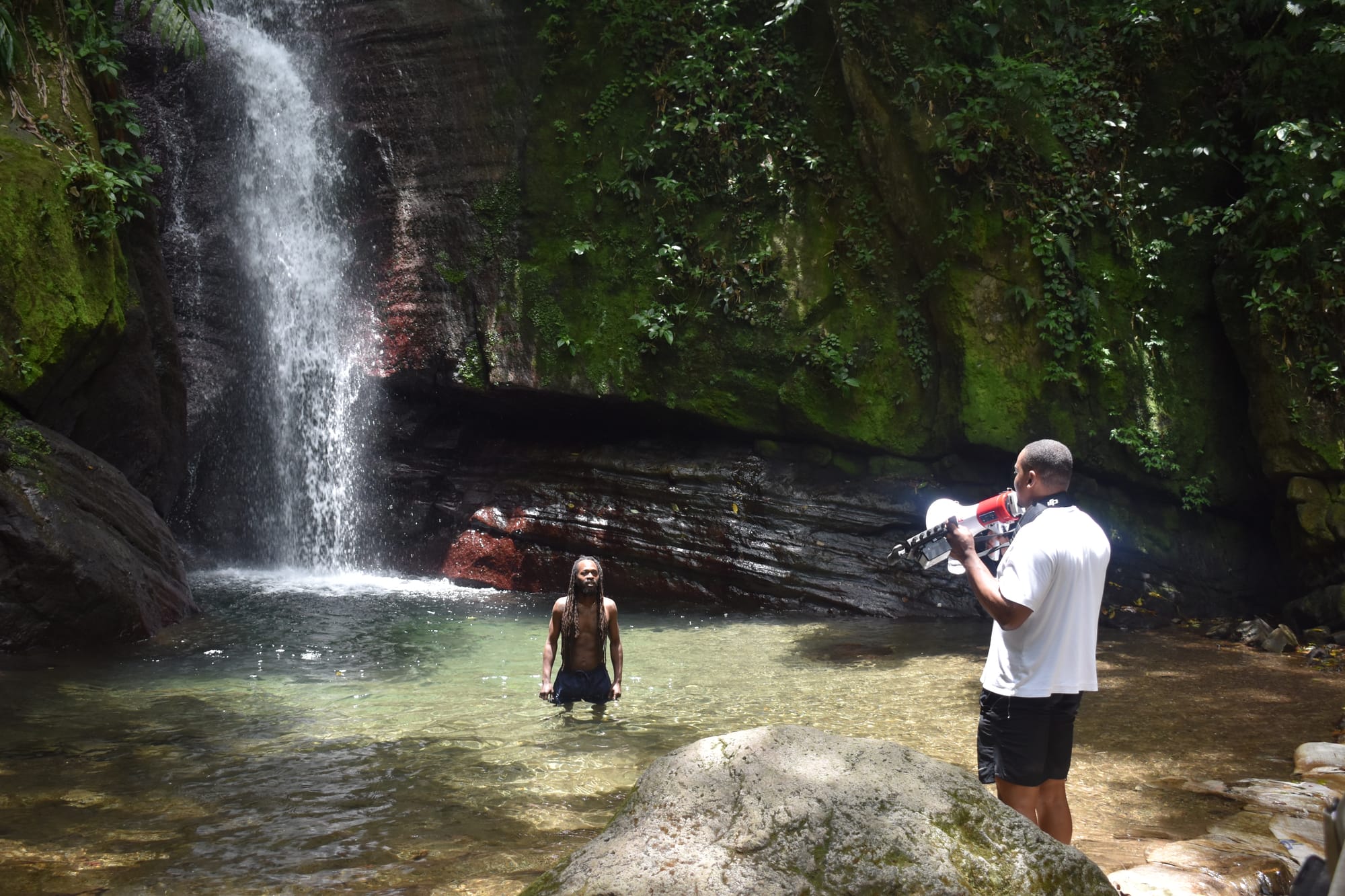
The biggest shift was learning to trust collaboration. Building the film with an exceptional Jamaican crew meant letting go of the idea that I needed to have every answer at all times. Listening more, creating space for other artists to contribute and embracing local knowledge made the film immeasurably richer. Independent filmmaking isn't about doing everything alone, it's about building and supporting a shared vision together. Independence also gives you permission to take creative risks that don't always exist inside larger systems. The biggest lesson I'd share is that limitations can become strengths. If you're clear about why you're making a film, people will rally around that conviction, and the work becomes stronger because of it.
What does it mean to have your film selected for HollyShorts?
Having FarEye at HollyShorts means a great deal, especially as it's our second consecutive year at the festival following The Last Dance. Returning as alumni feels less like arriving and more like continuing a conversation. HollyShorts has become a place that champions bold independent voices, and it's incredibly meaningful to share a deeply personal British-Jamaican story on that stage. As filmmakers working outside the traditional system, having a festival of this calibre embrace our work gives us confidence that intimate, culturally specific stories can resonate with audiences around the world.
Where do you see this film going next, and how has it shaped the stories you want to tell?
FarEye has made me feel almost limitless. Taking an independently financed British-Jamaican film halfway across the world and watching it connect with audiences has reinforced my belief that there are no shortcuts, but there are also far fewer limits than we often imagine. It's given me complete trust in my instincts, my collaborators and the team we've built at Soul Rebel Productions. I hope the film continues its festival journey, reaching audiences across different cultures while helping shine a light on Caribbean storytelling, and opening conversations about spirituality and representation. At the core of all my work is a desire to tell soulful, redemptive Black stories that bring overlooked communities to the forefront with beauty, humanity and hope. I see FarEye as one step in a much longer journey to expand the presence of Caribbean cinema on the world stage.
Main Cast & Crew
- Hayden Mclean — Writer & Director. British-Jamaican filmmaker and founder of Soul Rebel Productions, whose debut short The Last Dance screened at over 40 international festivals and qualified for the BAFTAs and BIFAs. He is currently developing his debut feature, A Cowboy's Prayer.
- Harold Salakianathan — Producer. British producer and former consultant psychiatrist; member of BAFTA Connect, BAFTA Crew and BFI Network, with credits including The Last Dance.
- Robert A. Maylor — Producer / Jamaican Production Services. Jamaican-American producer, lawyer and screenwriter; credits include Bob Marley: One Love, Black Cake, Get Millie Black and The Inheritance.
- Ade O. Adesina — Producer. British producer and director; credits include Surrounded, Things I Never Told My Father and The Last Dance.
- Joel Honeywell — Director of Photography / Producer. Award-winning cinematographer whose work has screened at SXSW, Tribeca and the BFI; his second collaboration with Soul Rebel Productions.
- Djamari Roberts — one of Jamaica's most exciting emerging actors; credits include When Morning Comes, Black Cake, Bob Marley: One Love and BLVD.
- Jesse Royal — Older Khalil / Narrator. Two-time Grammy-nominated reggae artist making his acting debut.
- Donisha Prendergast — Royal. Jamaican actress, filmmaker and activist, and granddaughter of Bob and Rita Marley.
- Jeff Crossley — Andrew. Established Jamaican screen actor; recent work includes Bob Marley: One Love and Sky Atlantic's Possession.
Filmmaker Opportunities
💛 Fund your next project with fiscal sponsorship
Have a project in the works? As a 501(c)(3) nonprofit, the Cinematography for Actors Institute can accept tax-deductible donations on your film's behalf — a door-opener for grants, foundations, and supporters who want to back your work. We've serviced over 100 projects to date and helped route over $800,000 in funding to filmmakers. Explore fiscal sponsorship →
📬 Grant deadlines and festival opportunities, straight to your inbox
The CFA newsletter rounds up grants, festival calls, and community news for independent filmmakers — the kind of opportunities that are easy to miss and painful to miss. Join the newsletter →
🎬 Focus on the creative — we'll help with the logistics
Production Management, CFA's newest member program, launches this November: production insurance and workers' comp, payroll, film permits, gear rental coordination, SAG-AFTRA compliance, contract drafting, production consulting, and crew recommendations — handled by a team of working filmmakers, à la carte or all in, in partnership with Creative Access Group. It's waitlist-only until launch. Join the waitlist →
League of Filmmakers is published by our parent organization, the Cinematography for Actors Institute — a 501(c)(3) dedicated to education, community, and capital for underrepresented filmmakers and actors. Learn more about CFA →