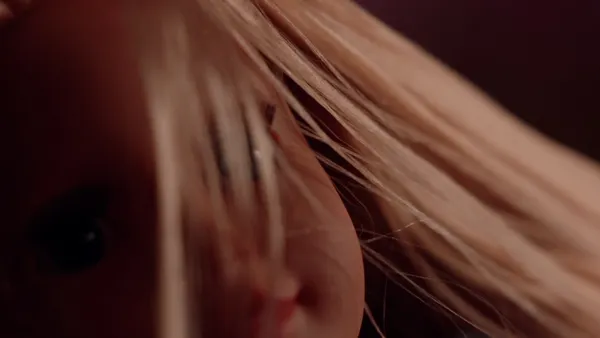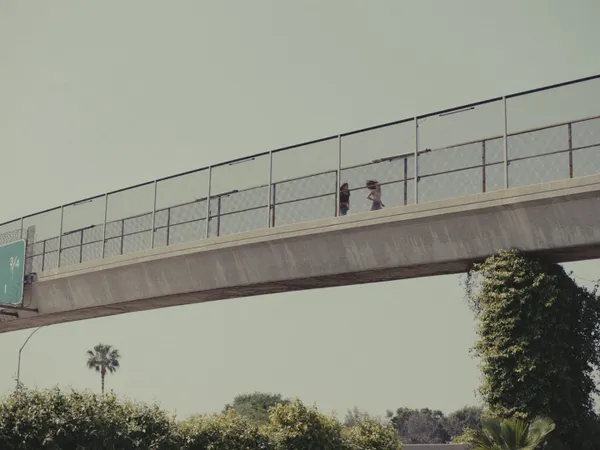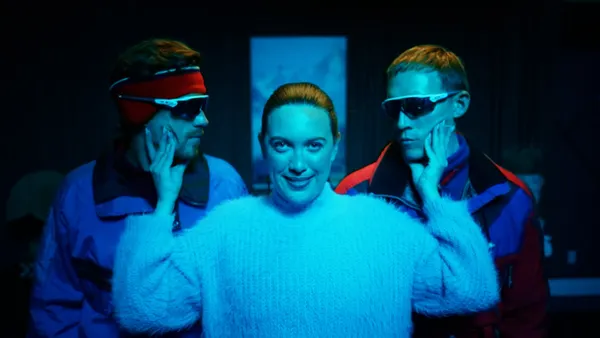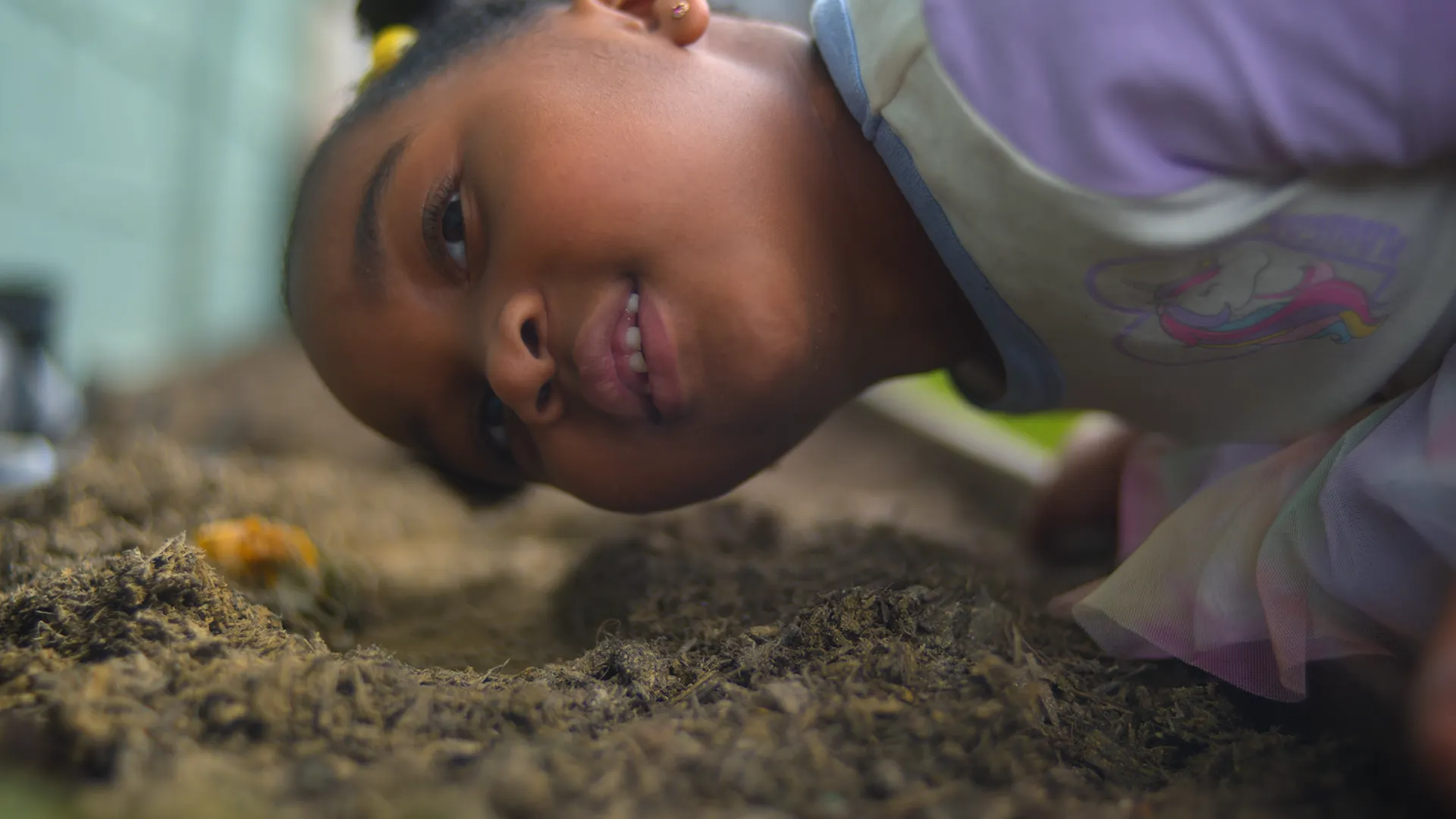
JaMia is five, curious, and stubbornly optimistic. Her father has died, and the adults around her keep saying he's gone to a better place — so, naturally, she decides to find it, or at least find him, before her first day of kindergarten. With her grandmother Gam Gam's guidance and her mother Denise beside her, JaMia goes looking for her father's ancestor spirit and learns that it has been within reach the whole time.
Finding JaMia's Spirit comes out of Candace D. Patrick's own history: her father died of cancer when she was eleven, and the condolences she received then never quite fit. Patrick — a Reel Sisters Micro Budget Fellow for this script, and winner of Best Short at the 2025 Believe Psychology FF — made her protagonist younger on purpose, because small children take language literally. What results is a grounded, three-generation family drama about grief that doesn't sever a connection but reshapes it.
Key Takeaways
- Budget limits killed an animated squirrel and butterfly, and the rewrite that followed opened the story up to the mother's journey and an intergenerational arc.
- The film camera in the flashback photo scene is Patrick's late father's Canon A-1 — the same one he used to stage family portraits when she was growing up.
- Nearly everyone on the small indie crew arrived carrying their own experience of loss, which made a personal set feel like a community.
Patrick spoke with us about grief, adaptability, and the story's life beyond the short.
Interview
What drew you to make this film, and why this story, why now?
I wrote this story because my dad died of cancer when I was 11 years old. When he died, people told me he went to a better place. Growing up in a religious home, I knew that meant heaven, but I never really liked that phrase of condolence, especially as I've gotten older. I felt like it created a permanent disconnect, preventing me from connecting with my dad's spirit even when he was no longer physically present here on Earth. I also think it can be really confusing for younger kids.
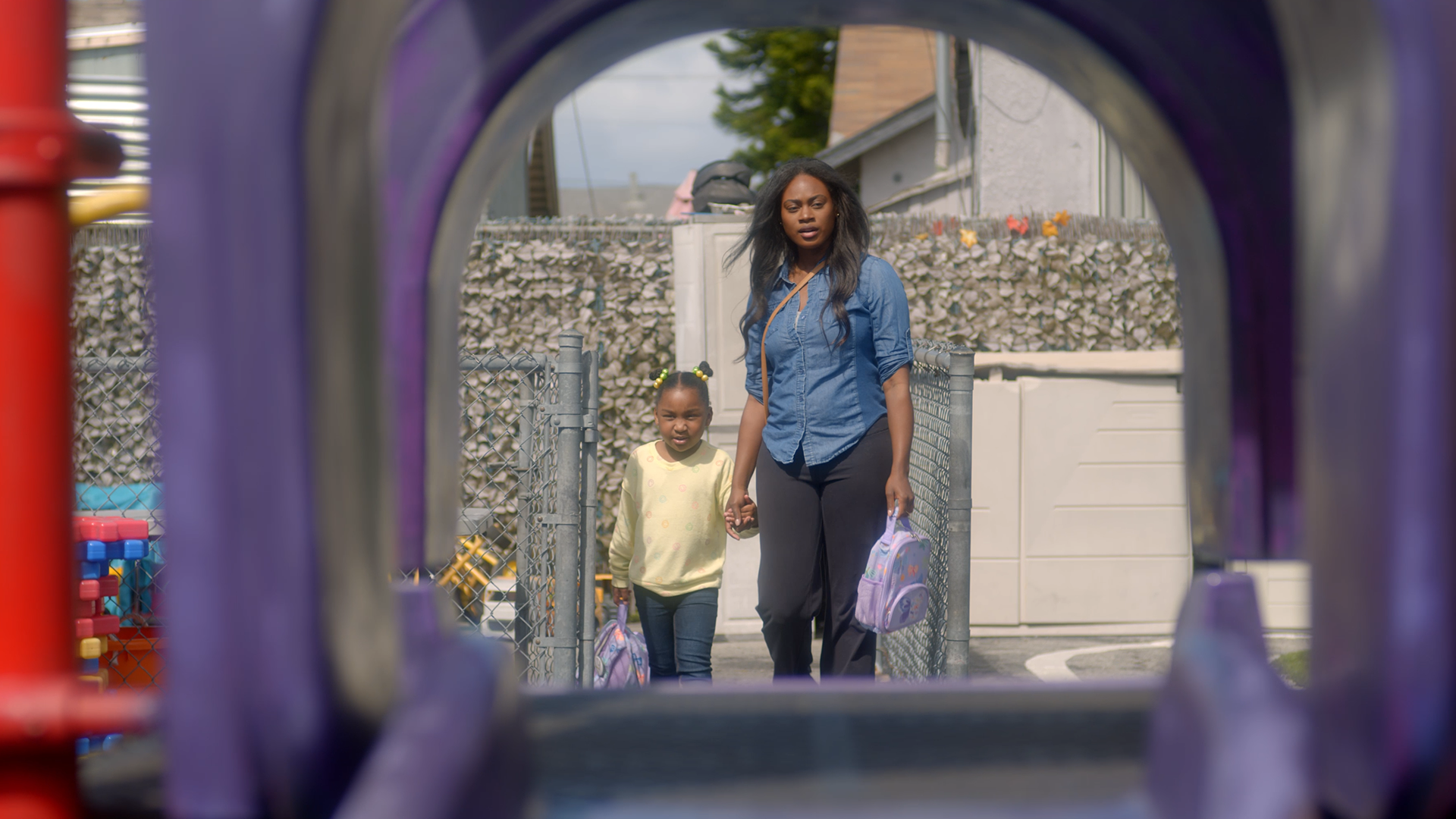
Even though the film is inspired by my own experience, I made the child in the story much younger, a 5-year-old, because kids tend to take things very literally. In this film, the little girl thinks "the better place" is a physical location she can actually go to, so naturally, she wants to go with her dad after he died.
I really wanted to dissect this phrase and look at grief through a child's eyes. Grief is hard, and everyone deals with it at some point in life. Ultimately, this story is meant to help children, adults, and anyone dealing with the loss of a loved one figure out how we can keep the memories and spirit alive when someone passes away, and how we can still remain connected with them in whatever way feels authentic to us.
Now felt like the right time because it's always the right time. We live in a world where we have beautiful encounters with people, but everyone has a journey and a limited time on this timeline before they pass on. It's about finding the language we use to share when someone has died, and discovering our own ways to stay connected to them.
What was the hardest creative decision you made while making the film?
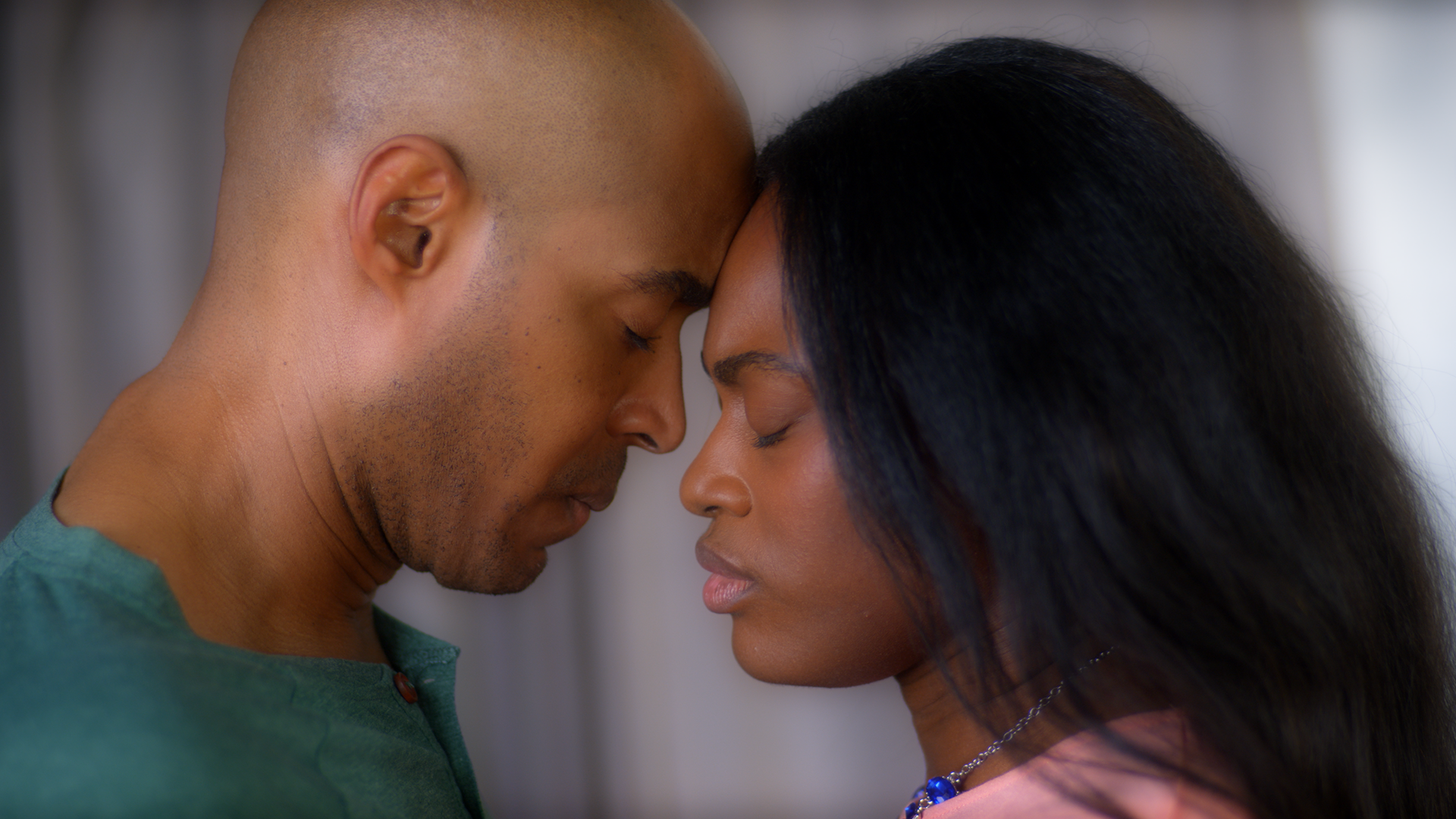
The hardest decision actually came very early on during the writing process. In the original draft of the script, the setup was slightly different: there were two kids and a grandmother, and we didn't really get to see the mother's journey. The ancestor spirit also manifested through animals — the little girl was looking for squirrels for the ancestor spirit, and eventually a butterfly sat on her hand to represent her dad.
Once we got into pre-production, we realized animating those elements wasn't in our budget. I had to go back to the drawing board. Looking back, I'm so glad we couldn't afford to animate the squirrel and butterfly, because it forced me to re-examine the core of the story.
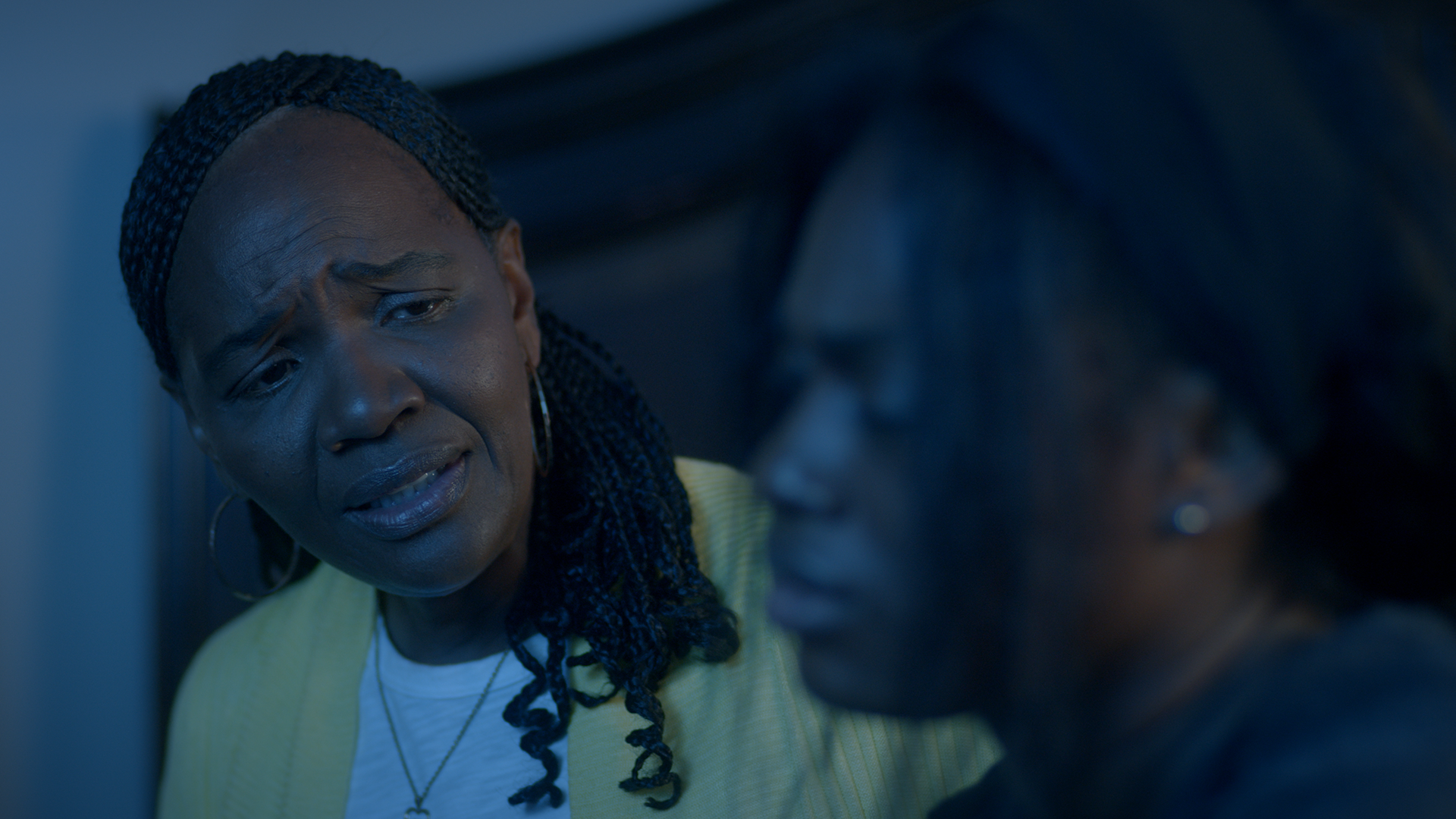
My mentor at the time gave me great advice. He said I could either lean into a magical realism route with a fantastical moment, or take a more grounded, realistic approach. I chose the grounded path, which ultimately made the film so much more relatable. While people certainly find signs in nature, choosing this route allowed us to focus on real human conversations where the little girl is actively processing what an ancestor spirit is and trying to figure out how to connect to her dad's spirit. It also opened up the narrative space to include the mom's journey and show what she was going through, rather than keeping her in the background.
Taking that grounded approach also allowed us to highlight a beautiful three-generational dynamic: the grandmother guiding her daughter, who in turn is guiding her own child. Having that intergenerational connection became such a vital part of the story. Ultimately, it helped show how people of all ages can stay connected to someone they've lost. In this story, connection comes through recalling memories, sharing stories, and holding onto those shared moments together. That feels like a tangible, beautiful tool that anyone can actually use and process.
What moment in the film feels most like you, or like something only you could have made?
There's a moment in the film with a flashback to a family photo. That moment feels most like me and something only I could make, because the camera the actor playing the dad is using is actually my dad's film camera. It's a Canon A-1 and the very same one he used when I was growing up.
My dad loved staging photo shoots for us. In our family of four, he would set the auto-timer and run over to hop in the frame so we could take pictures together, whether we were in matching sweatsuits or on vacation. I have those family photos from the time I was a toddler up until he passed, and they are such beautiful snapshots to look back on.
Being able to use his camera, which still works perfectly today, and knowing that he held that exact camera in his hands when he was alive means so much to me. Bringing it into a story inspired by and dedicated to him allowed us to capture a quiet moment of love, family, and the art he saw in taking a photograph. That felt deeply authentic to me, and it made me feel so connected to those moments growing up.
What surprised you most about the filmmaking process, creatively or logistically?
I don't know if I was necessarily surprised by anything, but a unique alignment for me was realizing how many cast members shared geographical connections as we were bringing everyone together.
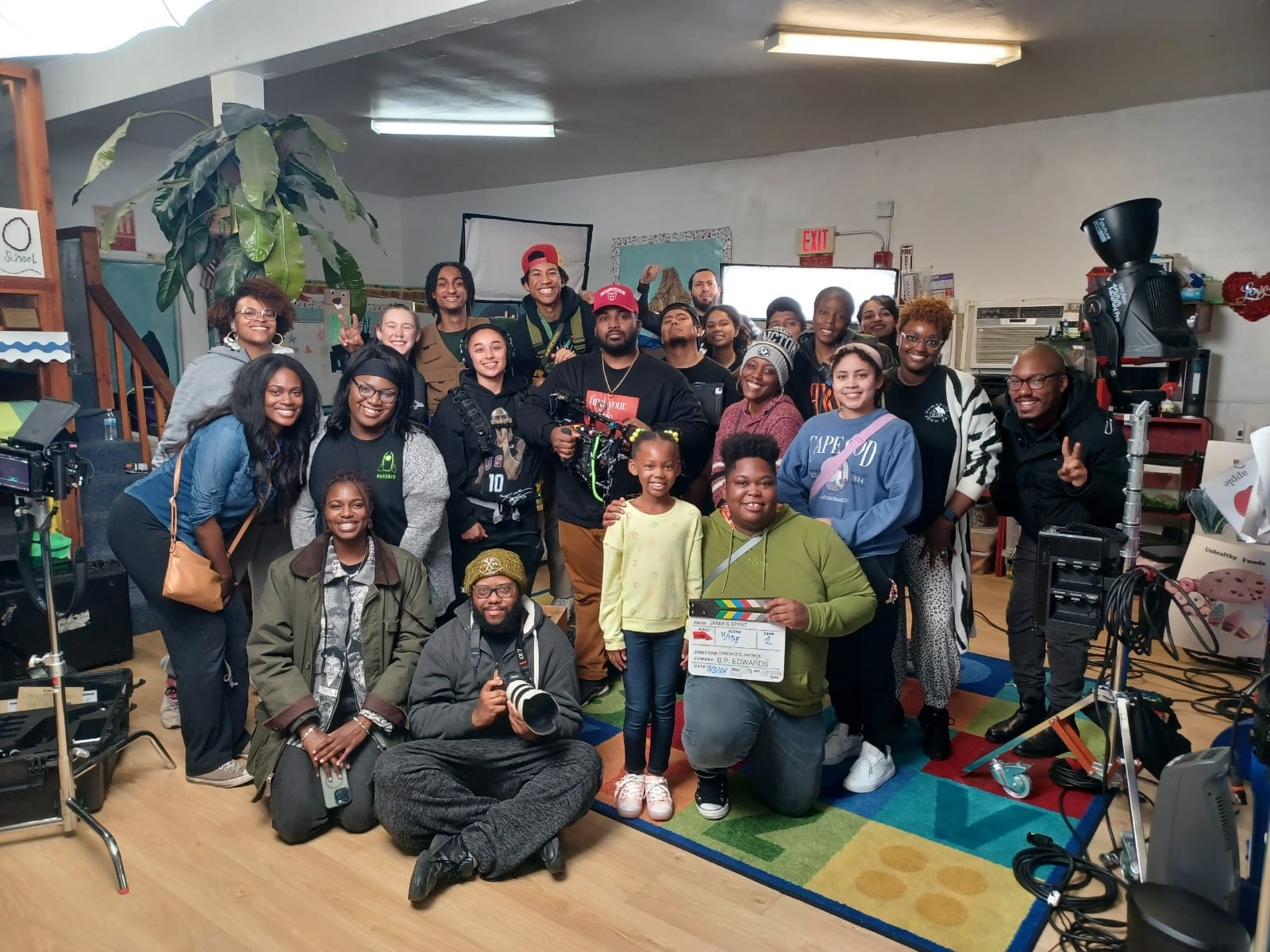
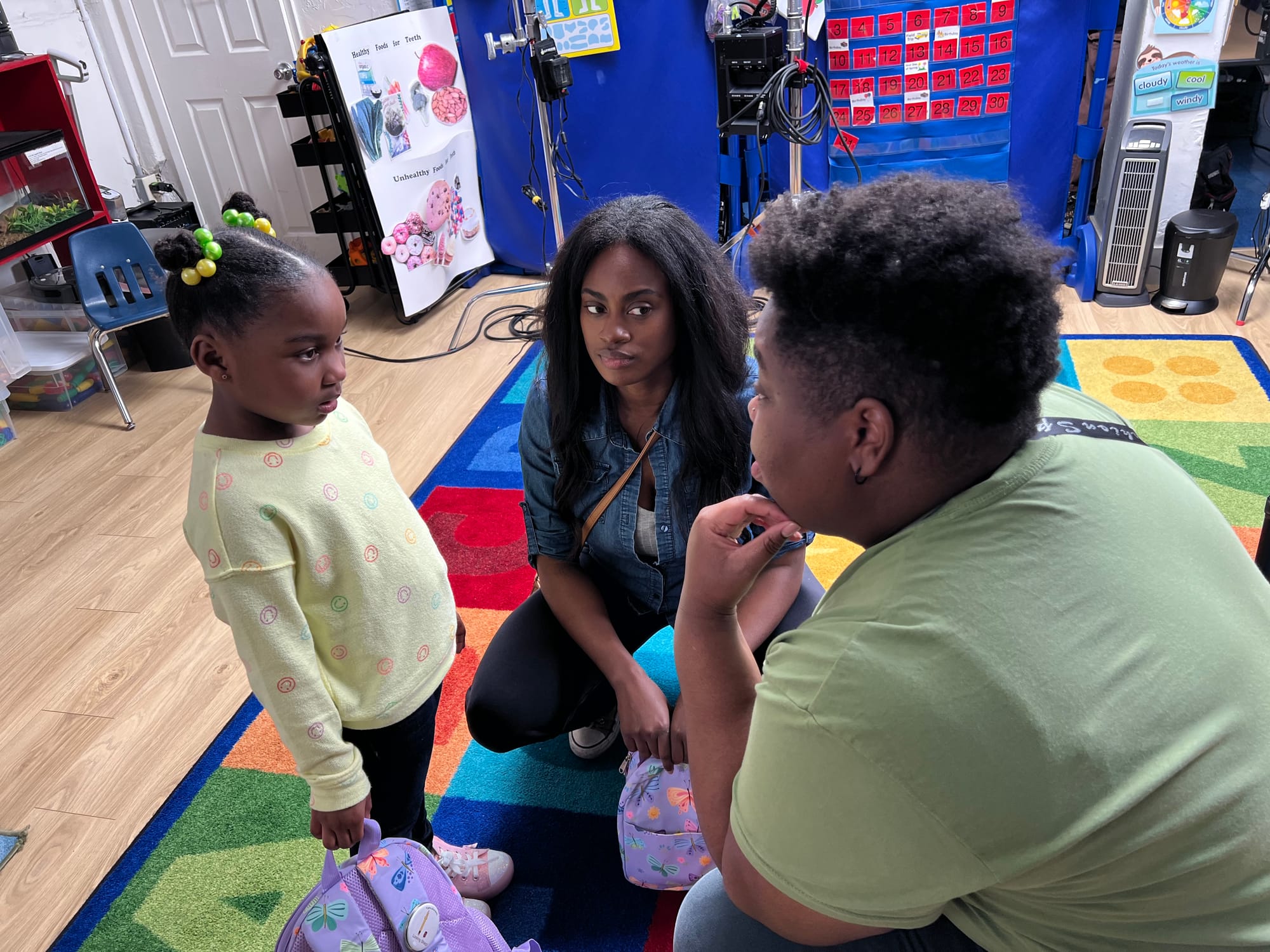
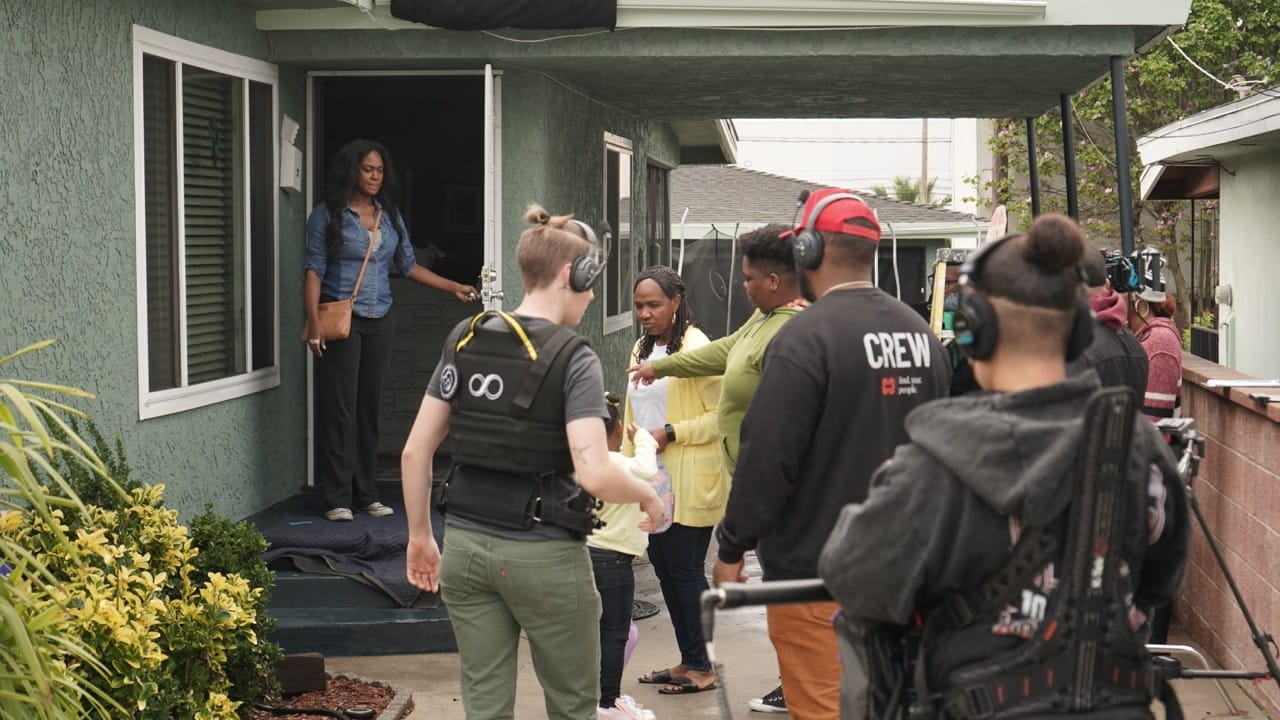
More than that, almost everyone had their own personal story with grief. That wasn't just true for the cast; crew members came on board, learned more about the project, and connected deeply with the material too. On an indie set where you have a smaller crew working closely together for a few days, things become intimate quickly. Having that shared journey of dealing with loss at some point in our lives allowed us to build a true community on set.
I wouldn't say it was surprising, but it felt like a unique blessing. Having that shared understanding made the set feel so much safer and more comforting while telling such a personal story.
What tool, technique, resource, collaborator, or mindset shift helped most during production?
My therapist, 110%. Shout out to my therapist; shout out to therapy.
As I mentioned, I was deeply processing my own grief throughout this entire journey. It ended up being healing for me in a way I hope will be healing for others, even though I honestly didn't expect it to have such a massive personal impact. Early on in the writing process, I was crying a lot. I realized I was writing a story about a little girl trying to connect with her dad's spirit, yet I didn't feel connected to my own dad's spirit at all. My inner child was still saying, "he left me." Now, after going through this process and allowing myself to be open, I have been able to connect with my dad's spirit, and I feel more connected to him than I ever have before.
Making this film truly opened that relationship for me. It gave me the ability to sit down, genuinely feel connected to his spirit, and realize that connection can still exist decades after his passing. My therapist really helped me navigate all of that. Having that support kept me grounded and forced me to process my own emotions, which ultimately allowed me to tell a much more authentic story.
What is the greatest strength of independent filmmaking, and what lesson would you share with other filmmakers?
The greatest strength is collaboration and community. With independent filmmaking, you get to tell the story you actually want to tell. I like having full autonomy to bring together a chosen team of talented cast and creative professionals to tell deeply personal stories and really get your authentic voice out there.
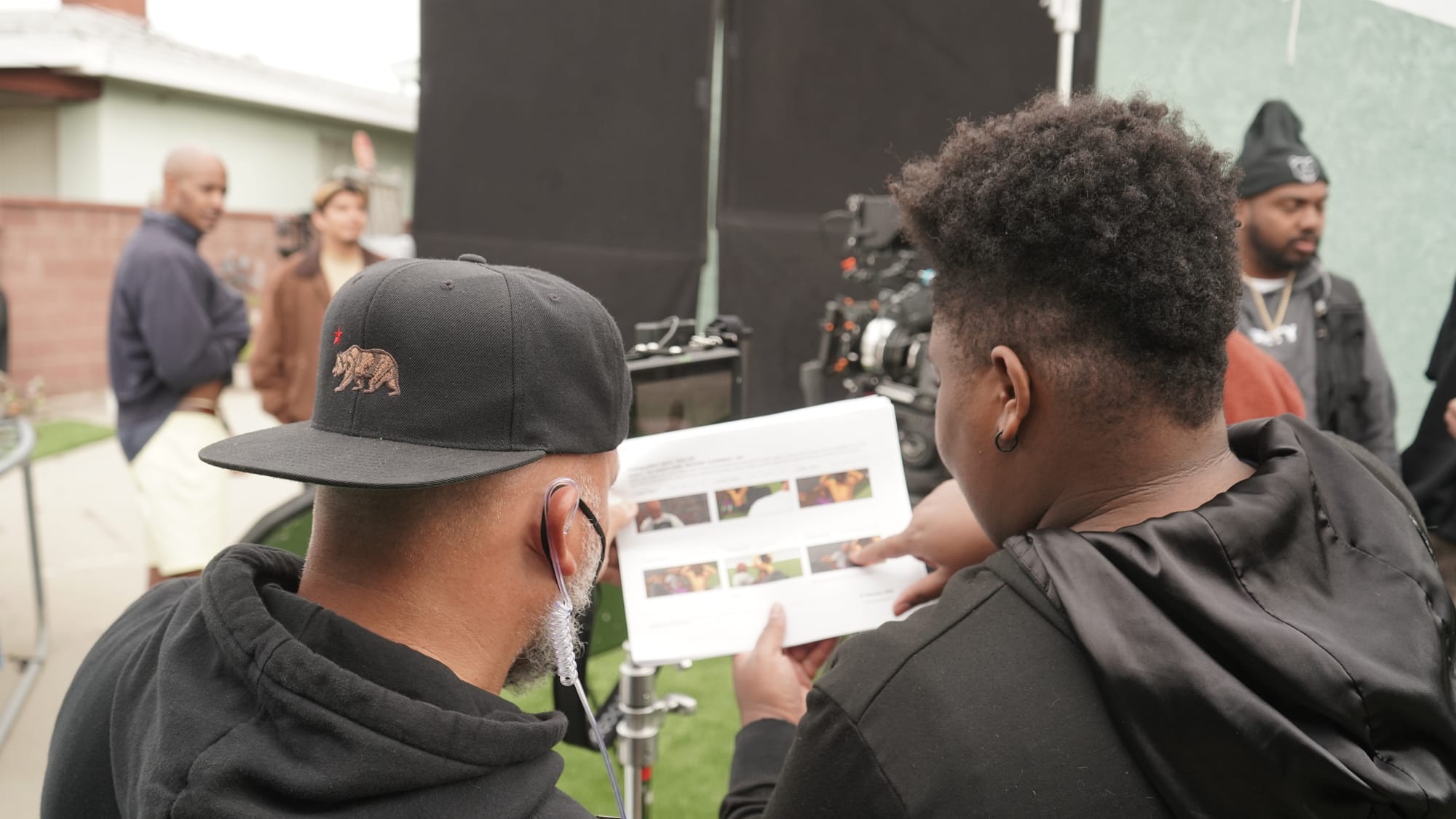
I loved being on set, getting to know the entire team, and working alongside people who were helping me fulfill this vision. Lean into trusting your crew. Being a good director means bringing great people on board and trusting them to use their skillset to help bring your vision to life. I don't know everything, which is why I collaborate with experts.
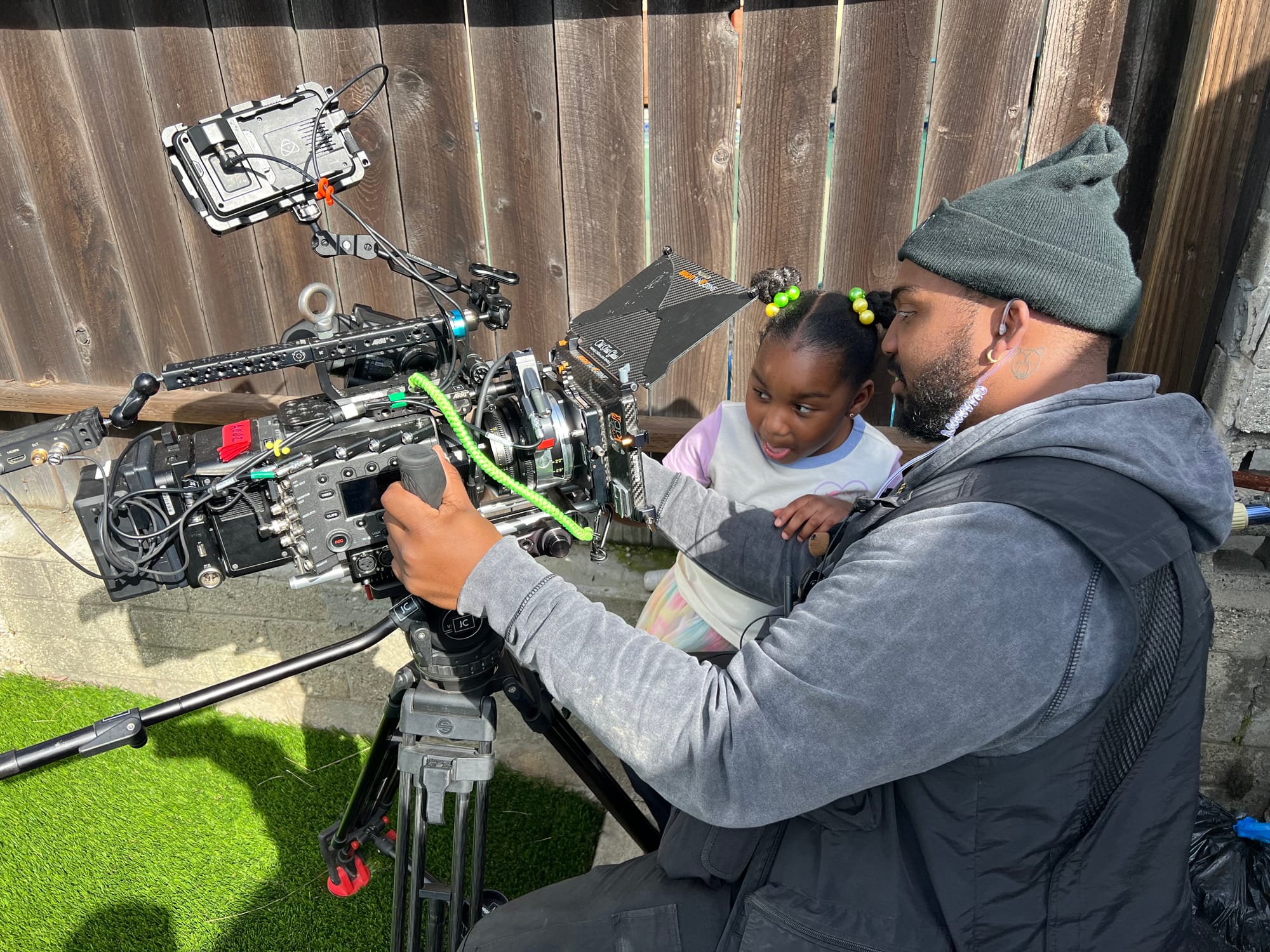
On this project, I spent a lot of time with our Director of Photography going over shot lists and exploring different lens types and focal lengths. We even did lens testing together, which was a new experience for me. It was so helpful for planning the shot list and thinking beyond just a single lens type to serve the story. Even though I had researched shot choices and their emotional impact, getting my DP's creative perspective elevated the work.
My biggest lesson for other filmmakers is to remain adaptable. When unexpected challenges happen on set, it's easy as a director to get caught in your own head. Being open to feedback from the team you built, and taking in their problem-solving insights, is your greatest asset. You have to stay firm in your overall vision, but remain open to the creative wisdom of the crew you trusted to help you complete the journey.
What does it mean to have your film selected for The Reel Champions Shorts Fest?
I'm very excited that Finding JaMia's Spirit was selected. What initially attracted me to this festival was their clear mission to champion the stories of women and non-binary filmmakers. Women and non-binary creators are still so underrepresented in the film industry, especially in director roles and key creative positions, so knowing that the festival is actively working to amplify those voices felt perfectly aligned.
I'm so glad we get to showcase a project that was led by a woman director and producer within this supportive community. Plus, having the festival right here in our home state of Southern California, where the majority of our crew is based, means we can gather local friends, family, and collaborators to celebrate and share this story together in community. It's going to be a beautiful experience.
Where do you see this film going next?
While I feel this short film tells a complete story in itself, I believe the core message can live across different mediums.
First, I'm planning to adapt this story into a children's book. That way, this message of navigating grief, understanding ancestral connection, and helping families heal can reach an even broader audience, especially young kids and parents who need those tools.
Additionally, I'm currently developing an expanded feature-length version of the project. A feature format will allow us to explore a longer arc, showing what happens in the lead-up to an expected death, the immediate aftermath, and the quiet, complex weeks that follow the funeral. It opens up space to really examine what life looks like as a family slowly builds a new normal.
Main Cast & Crew
- Candace D. Patrick — Producer / Director / Writer
- Musau Onwubiko — Producer
- B.P. Edwards — Director of Photography / Cinematographer
- Cesar Reyes — Production Designer
- Wynton Payne — Editor
- Vahn Black — Composer and Vocalist
- Ashli Auguillard — "Denise"
- Taylor Chanel Breazell — "JaMia"
- Florence Avognon — "Gam Gam"
- Marshall Norman — "James"
- Bria Adams — Music Supervisor
- Sharee Antoinae — UPM
- Giovanni Cotto-Ortiz — 1st AD
- Josslyn Glenn — 2nd AD
- Ra'Kenna Luckey — Production Coordinator
- Parker Wood — Steadicam Operator
- Matai Jones — 1st AC
- Jacques S. Ketchens — 2nd AC / DIT
- James "JR" Rhaburn — Set Photographer
- Brittany Cooper — Script Supervisor
- Wil Prada — Gaffer
- Marco Muñoz — Key Grip
- Paulo Andrés Gómez Otero — Grip
- Rayana Villalpando — Production Sound
- Jose Rodriguez Luna — Production Sound
- Gabriel Palm — HMUA
- Jennifer Seip — Sound Supervisor & Dialogue Editor
- Claudia Almanza — Sound FX Editor
- Mitchell Kohen — Foley Artist
- Michael Head — Foley Mixer
- Christian Minkler — Re-recording Mixer
- Gary De Leone — Re-recording Mixer
- Jamison Rabbe — ADR Mixer
- Henry Mencia — Recordist
- Gareth Cook — Colorist
- Post Production Services by Westwind Media and The Foundation
Filmmaker Opportunities
💛 Fund your next project with fiscal sponsorship
Have a project in the works? As a 501(c)(3) nonprofit, the Cinematography for Actors Institute can accept tax-deductible donations on your film's behalf — a door-opener for grants, foundations, and supporters who want to back your work. We've serviced over 100 projects to date and helped route over $800,000 in funding to filmmakers. Explore fiscal sponsorship →
📬 Grant deadlines and festival opportunities, straight to your inbox
The CFA newsletter rounds up grants, festival calls, and community news for independent filmmakers — the kind of opportunities that are easy to miss and painful to miss. Join the newsletter →
🎬 Focus on the creative — we'll help with the logistics
Production Management, CFA's newest member program, launches this November: production insurance and workers' comp, payroll, film permits, gear rental coordination, SAG-AFTRA compliance, contract drafting, production consulting, and crew recommendations — handled by a team of working filmmakers, à la carte or all in, in partnership with Creative Access Group. It's waitlist-only until launch. Join the waitlist →
League of Filmmakers is published by our parent organization, the Cinematography for Actors Institute — a 501(c)(3) dedicated to education, community, and capital for underrepresented filmmakers and actors. Learn more about CFA →