

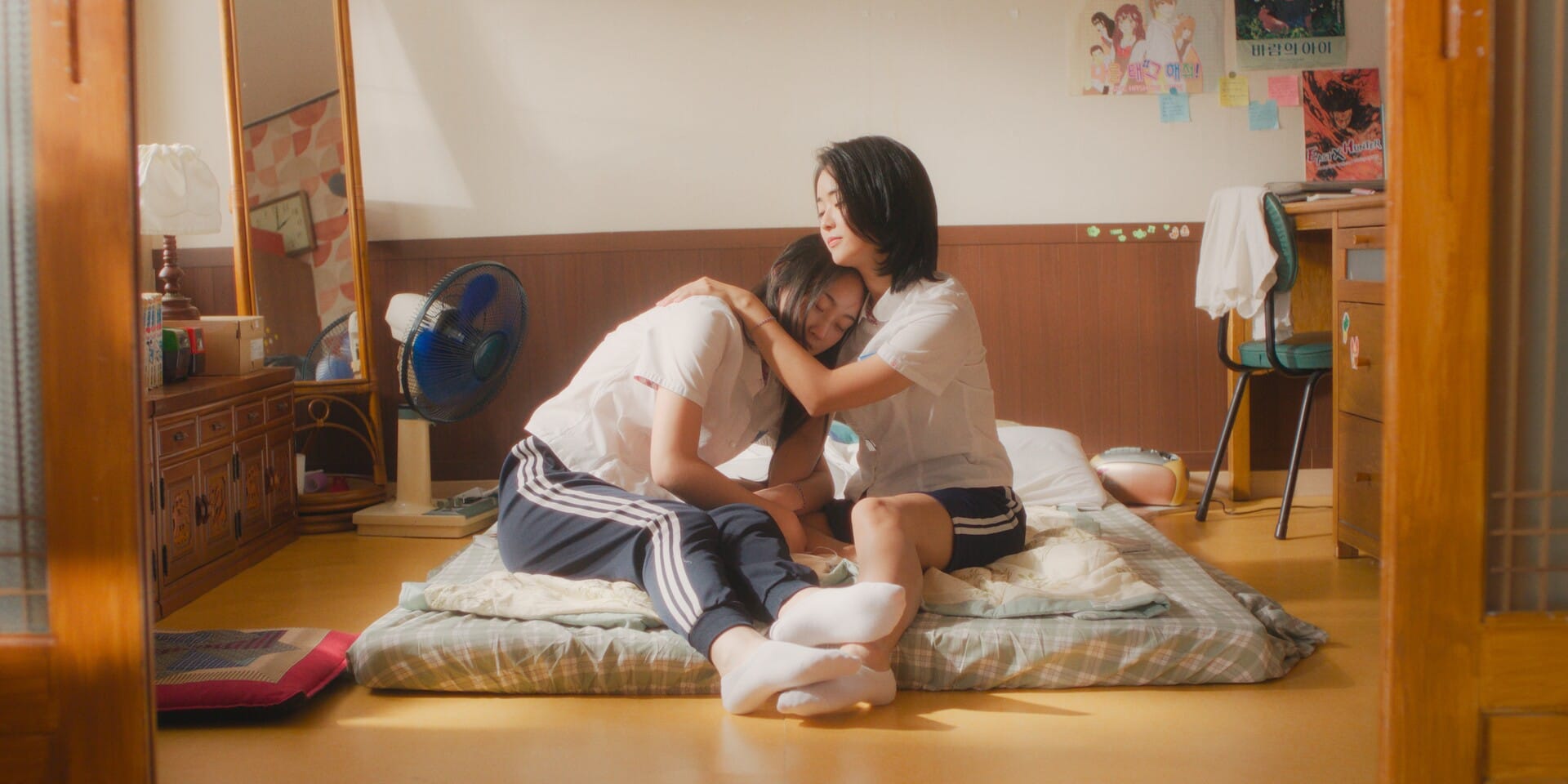
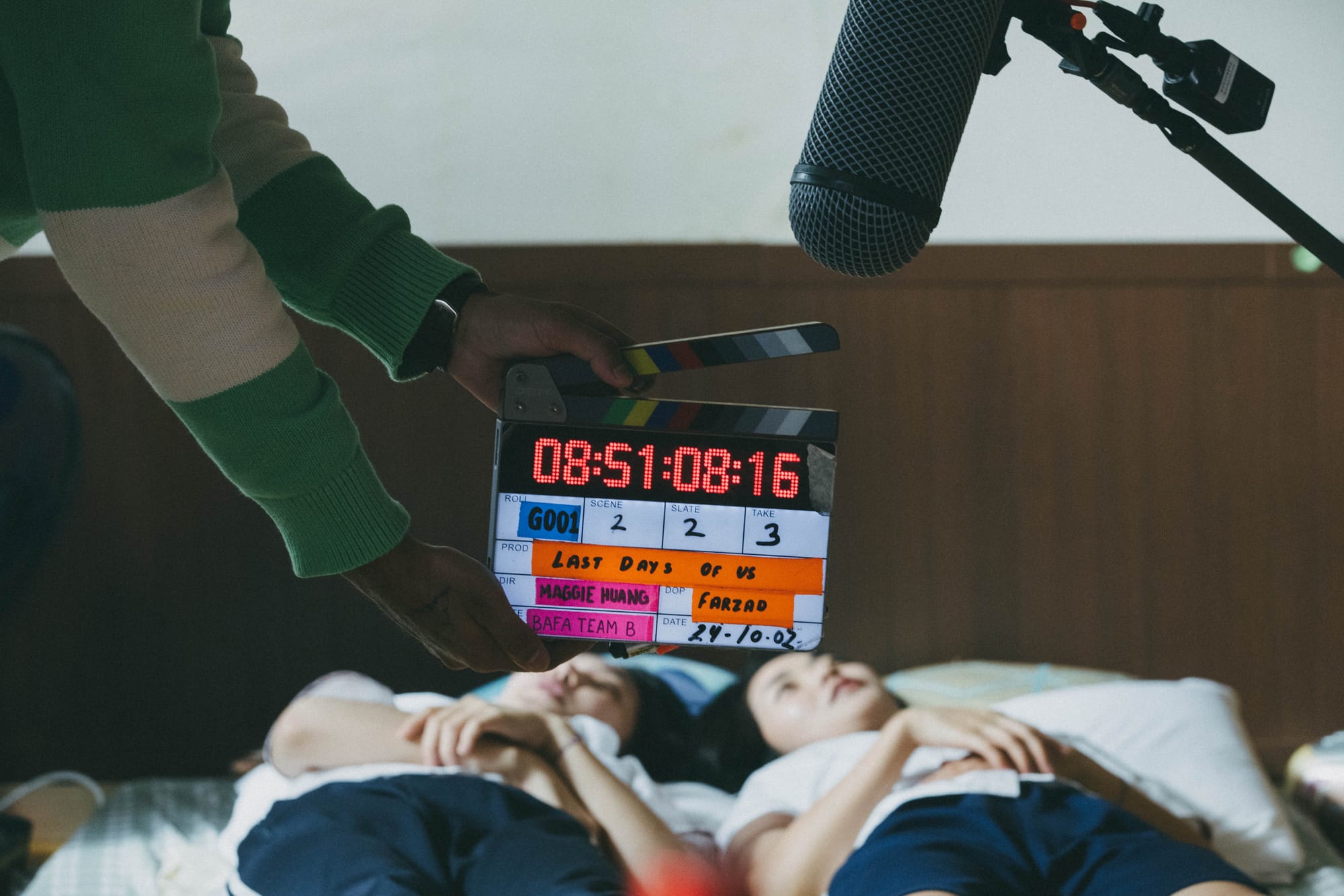
Last Day of Us is set in an old petite apartment in Busan, where every corner carries memories between two teenage girls, Hana and Mina. Flashbacks intertwine with the present as Mina comes back to her old home almost a decade after her first migration to Guatemala, compelled to revisit buried regret, longing, and gratitude from her immature first love. Huang directed and co-produced the film, which premiered at the 29th Busan International Film Festival.
Huang says the film began with a challenge to make a micro short with only one location and a maximum of two actors. She took inspiration from her own life: her first relationship and her move to Honduras from Taiwan when she was in high school. She writes that she is particularly interested in "the relationship between spaces, memories, and feelings."
Key Takeaways
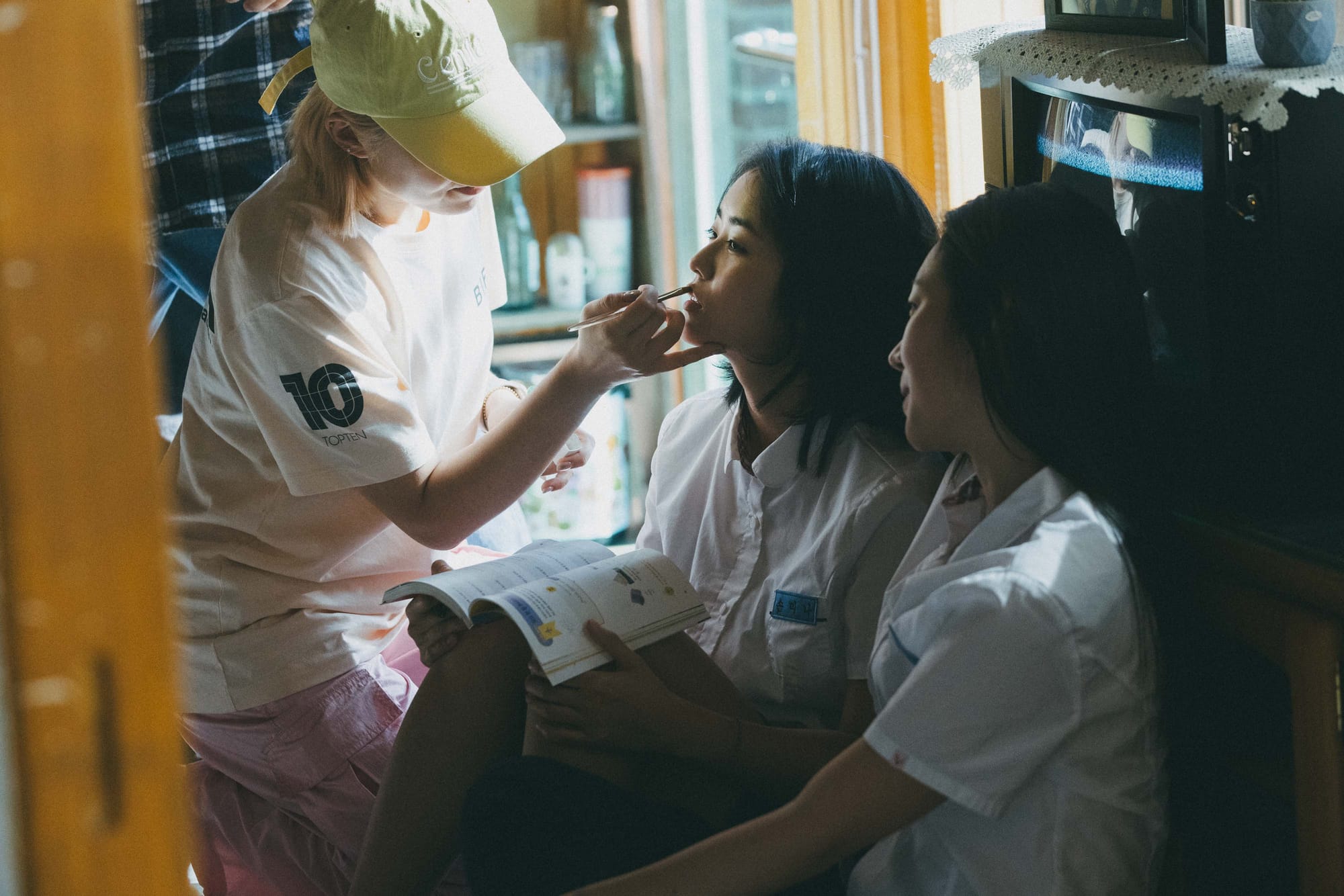
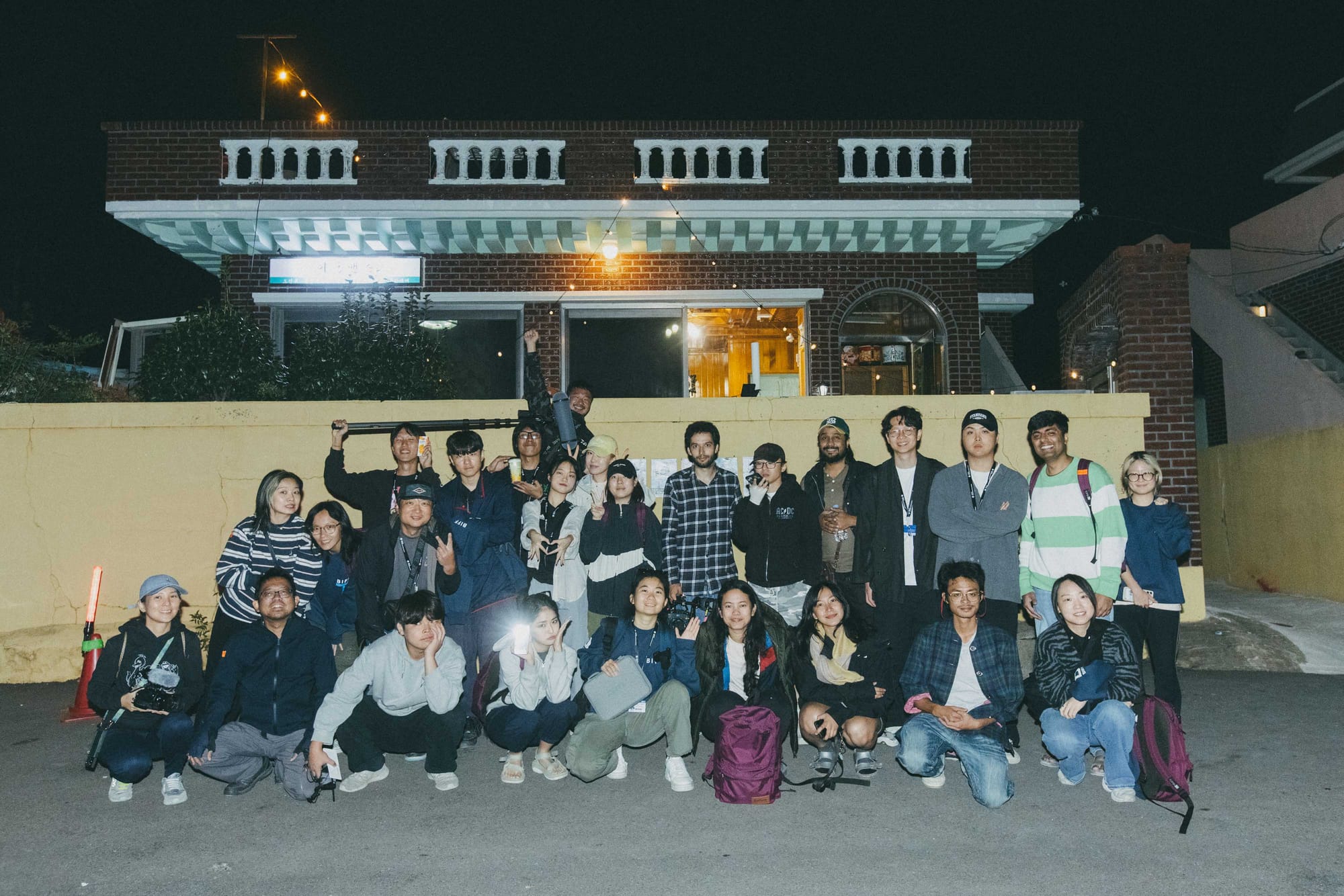
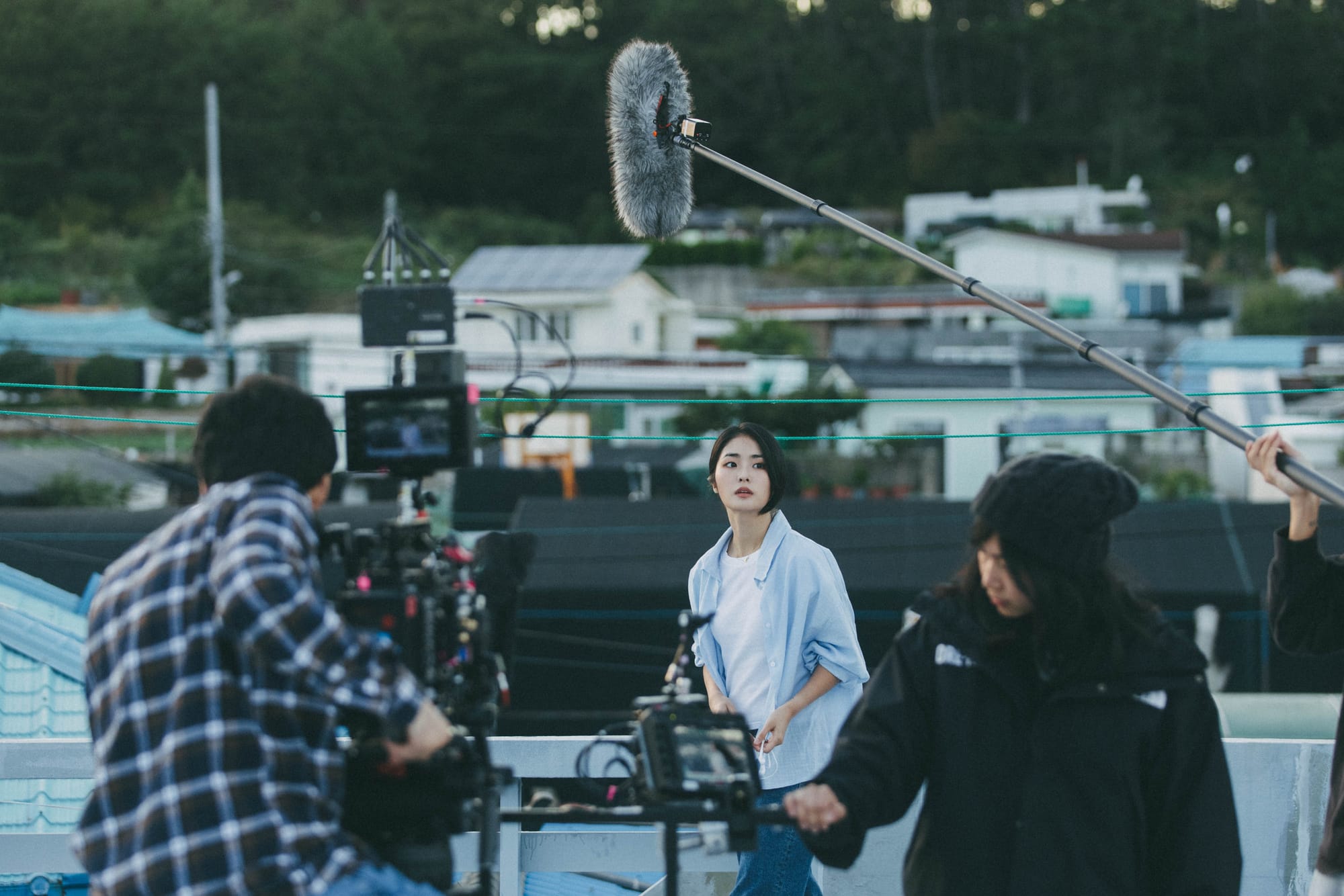
- Huang shot in Busan with two actors and one location, and notes she had never been to Korea. She describes the film as a co-creation with her international and local team and her actors.
- Music copyright kept Huang from using the popular older Korean songs she had wanted, so the composer wrote original music. It became a song Hana wrote for Mina before she left Korea.
- Huang wanted the film to be one continuous shot. After talking it through with the DP and the team, they realized that would be really tough to pull off with only one day to shoot, and a lot of scenes had to go as well.
Below, Huang answers our questions in writing.
Interview
What surprised you most about the filmmaking process creatively or logistically, including any moment on set or in post that changed how you saw the story?
Logistics affected a lot. I had to shoot in Busan with only two actors and one location. I'm not Korean, I'd never been to Korea, and the inspiration behind the story was deeply personal, so I had to find ways to translate it into a Korean context while still working within that one location, make sense within Korean diaspora history and background, and write something I could stand behind without getting it too wrong.
It ended up being a co-creation with my international and local team and my actors. As we read the script and rehearsed, the story became local and authentic to a Korean context and local audience in ways I hadn't fully pictured. Talking, reading, and rehearsing with them changed how the film had existed and the direction I had in my head. They helped me contextualize it within the broader Korean setting, down to the way Koreans typically speak and carry themselves.
I'd originally wanted to use popular older Korean songs, but music copyright is never as simple as just wanting to use something. So instead, my composer wrote her own original music, and it became a gift within the story itself: a song Hana wrote for Mina before she left Korea.
As for how I saw the story change: I think that, like a lot of things you create, making this film make me feel that once you put something out into the world, it stops being only yours. Whoever crosses paths with the work brings their own experience, story, and emotions to it. I might have intended it to say one thing, but someone watching will bring their own path into it. I think that's how we connect. Once it's out there, it's not about you anymore.
I believe this film made me heal more, and fear less too. What's funny is that thinking back, in 2015 I told myself I would never come out to anyone, after a friend stopped speaking to me overnight. I ended up writing a story bringing together memories from my first relationship and my nomadic, Asian and Latina identity, a lot of things that once made me feel different, outsider, afraid, or like I wished weren't part of me, or that I felt pain from. I almost backed down, because it's scary to make something this personal, and I wasn't sure how these topics would be received in Korea.
Once you create something, face your fears, and face yourself truly honest and put it out there, the weight gets lighter. The experience becomes less personal, but your connection with the people who relate, resonate, and feel something from your work deepens. It opens dialogue, it connects people, and whatever you've been scared of or ashamed of becomes shared and that dissolves it. I think that's the power of creating, sharing, and genuine human connections.
It's been about two years since then, and Last Day of Us has screened in Busan, Cartagena, London, Kathmandu, New York, Belgrade, Tokyo, and more cities around the world. Making this film pushed me to face parts of myself I once wished weren't part of me. I hope it can connect, heal, and bring some warmth to the people who need it too.
“Once it's out there, it's not about you anymore.”
What moment in the film feels most like you, or like something only you could have made?
I took very personal experiences from my real life: my first relationship and around being Asian Hispanic and moving around so much since I was a baby. In the film, one of the main characters leaves Korea because her family is migrating to Guatemala.
Growing up, I didn't see many stories like that, or many people who looked like me either. Growing up in Nicaragua in 2009, I remember not seeing a lot of Asian faces around, feeling self-conscious about being looked at, and not having friends for a long time. But it's okay that we don't have to wait to see those stories. We can create our own, and once we put them out there, we find people like us, or people who resonate with it. I'm glad that as I've grown, there are more of those stories now, and it doesn't have to be just Asian and Hispanic. More and more people move around, carry multiple cultural identities, multiple languages, and a fluidity that doesn't always have a name yet.
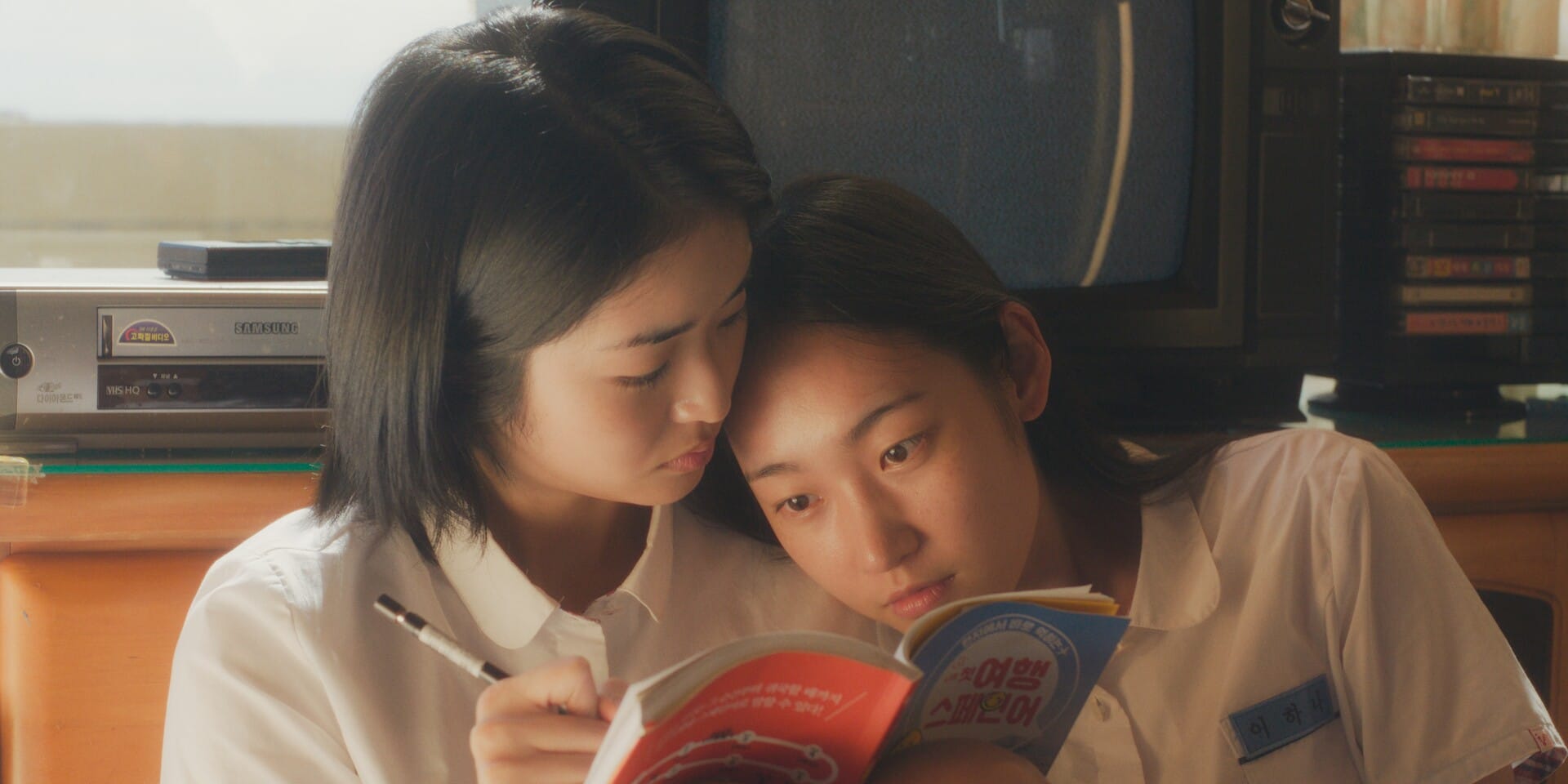
Some lines in the film are pulled straight from letters in my real life. "Thank you for being in my 17" was actually a line from a letter I once received, and it really stayed with me.
It's a little embarrassing, and kind of funny, but I guess that's what creatives do. Anything can become inspiration and get repurposed; a lot of the time, it's pain too.
“‘Thank you for being in my 17’ was actually a line from a letter I once received, and it really stayed with me.”
What was the hardest creative decision you made while making the film?
I wanted the film to be shot in one continuous shot. The original idea also had more scenes and rooms, building up the relationship and who these characters were across different times and rooms in the house, and contrasting that with the "now" of those same spaces. After talking it through with my DP and the team, we realized it would be really tough to pull off one shot film with only one day to shoot. Logistics meant we had to let a lot of scenes go as well. Cutting was tough.
What tool, technique, resource, collaborator, or mindset shift helped most during production?
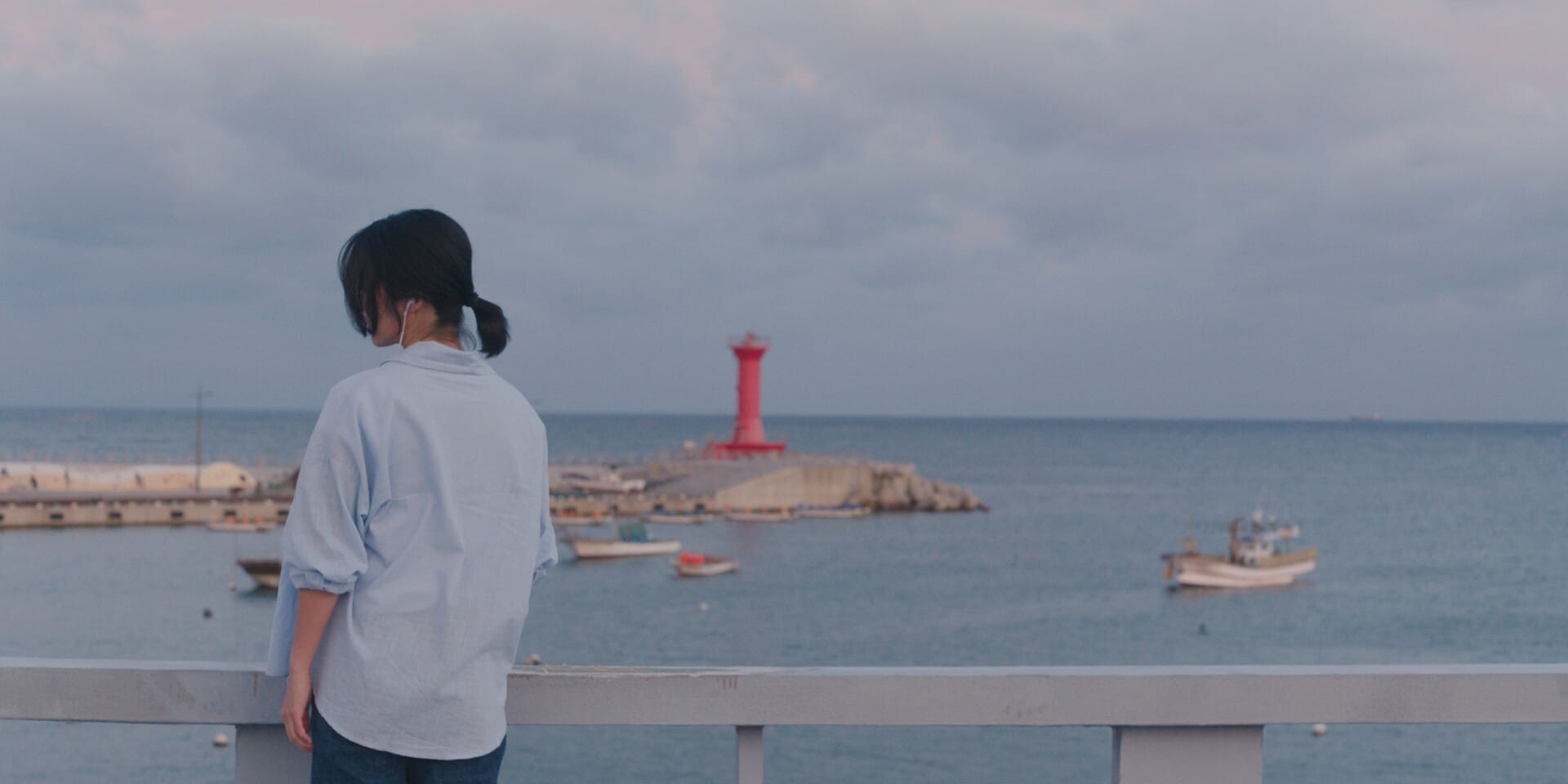
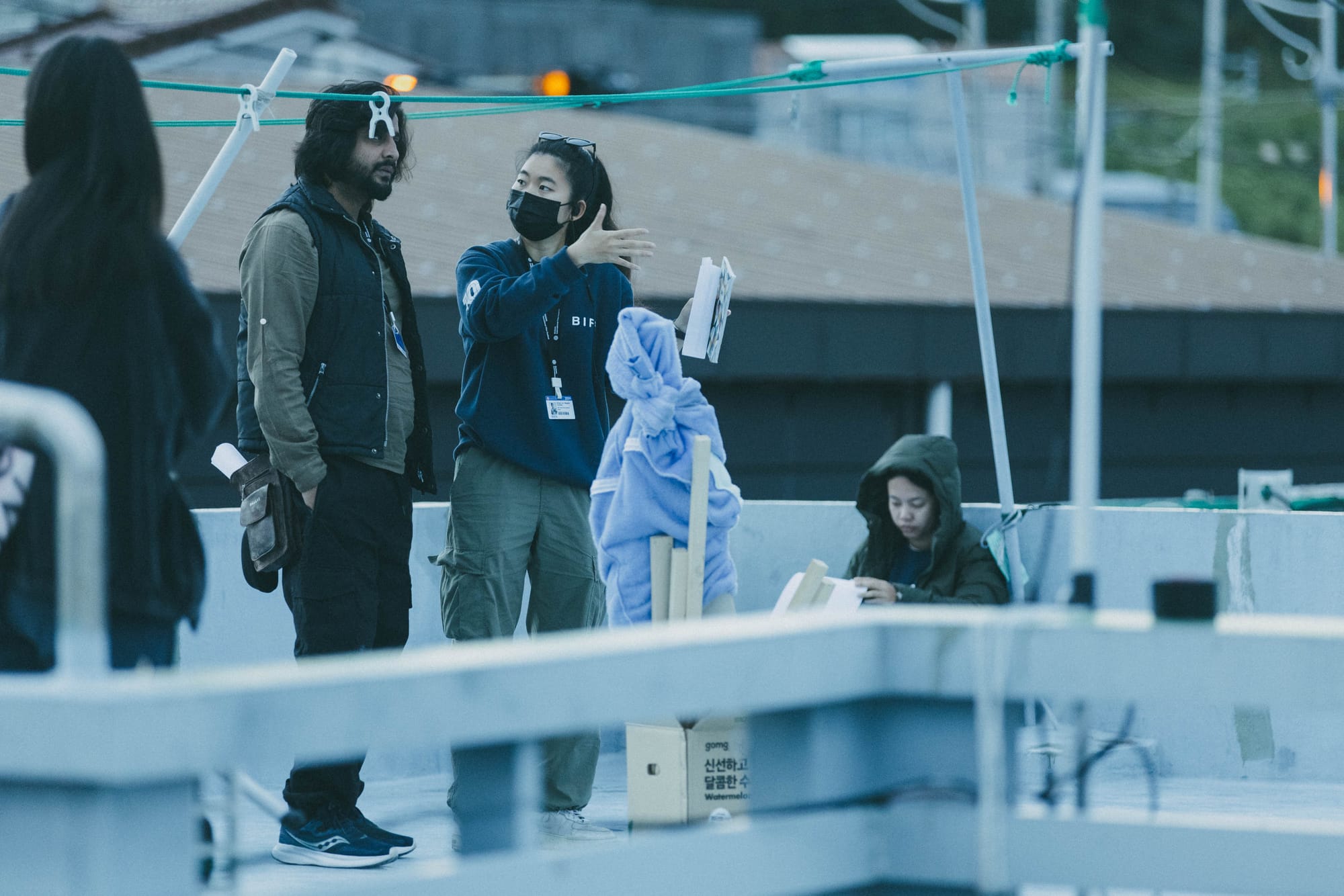
Trust. The whole process was fast and short, there were a lot of challenges and communication issues, but the day I got to set to shoot it was incredible. The art department did an amazing job, even though we couldn't communicate directly with the local team much. It came down to trust, though I'll say trust depends on the specific scenario and people too. There are scenarios where you let go and trust something will get done, and it doesn't, simply because expectations weren't aligned, or something got lost in translation, or other reasons.
What do you hope audiences take away from this film?
Maybe to be able to feel something. Resonance, relatability, or anything, even the subtlest of feelings. A pat on the back for our younger selves, and a reminder that all will be good. To the people who relate to the situation: you are not alone, and you are seen.
What does it mean to have your film selected for The Reel Champions Shorts Fest?
Being able to reach more audience, and potentially reaching the audience in which my film will truly mean something for them. Connecting with people who can relate and resonate.
Huang says the limits on this project shaped how the film came to be: two actors, one location, ten hours of editing and two sessions of color review. The sound designer also changed halfway through, and the set was almost shut down at one point. Her advice to others: "If there's one thing I'd pass on to others on this path, it's that done is better than perfect."
Main Cast & Crew
- Shiao-ya Maggie Huang — Director and Co-Producer
Filmmaker Opportunities
💛 Fund your next project with fiscal sponsorship
Have a project in the works? As a 501(c)(3) nonprofit, the Cinematography for Actors Institute can accept tax-deductible donations on your film's behalf — a door-opener for grants, foundations, and supporters who want to back your work. We've serviced over 100 projects to date and helped route over $800,000 in funding to filmmakers. Explore fiscal sponsorship →
📬 Grant deadlines and festival opportunities, straight to your inbox
The CFA newsletter rounds up grants, festival calls, and community news for independent filmmakers — the kind of opportunities that are easy to miss and painful to miss. Join the newsletter →
🎬 Focus on the creative — we'll help with the logistics
Production Management, CFA's newest member program, launches this November: production insurance and workers' comp, payroll, film permits, gear rental coordination, SAG-AFTRA compliance, contract drafting, production consulting, and crew recommendations — handled by a team of working filmmakers, à la carte or all in, in partnership with Creative Access Group. It's waitlist-only until launch. Join the waitlist →
League of Filmmakers is published by our parent organization, the Cinematography for Actors Institute — a 501(c)(3) dedicated to education, community, and capital for underrepresented filmmakers and actors. Learn more about CFA →


