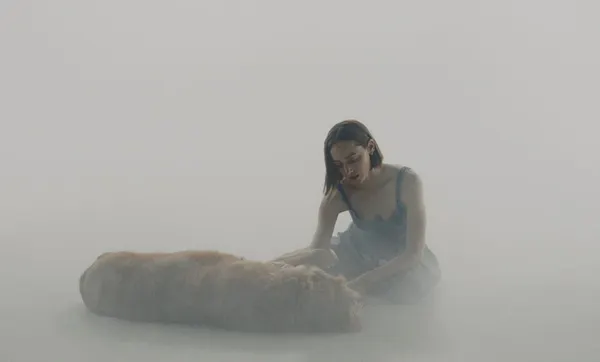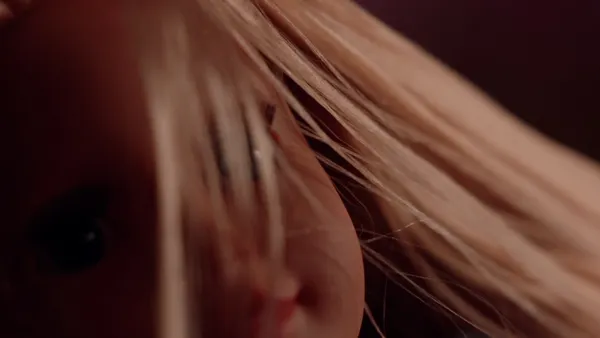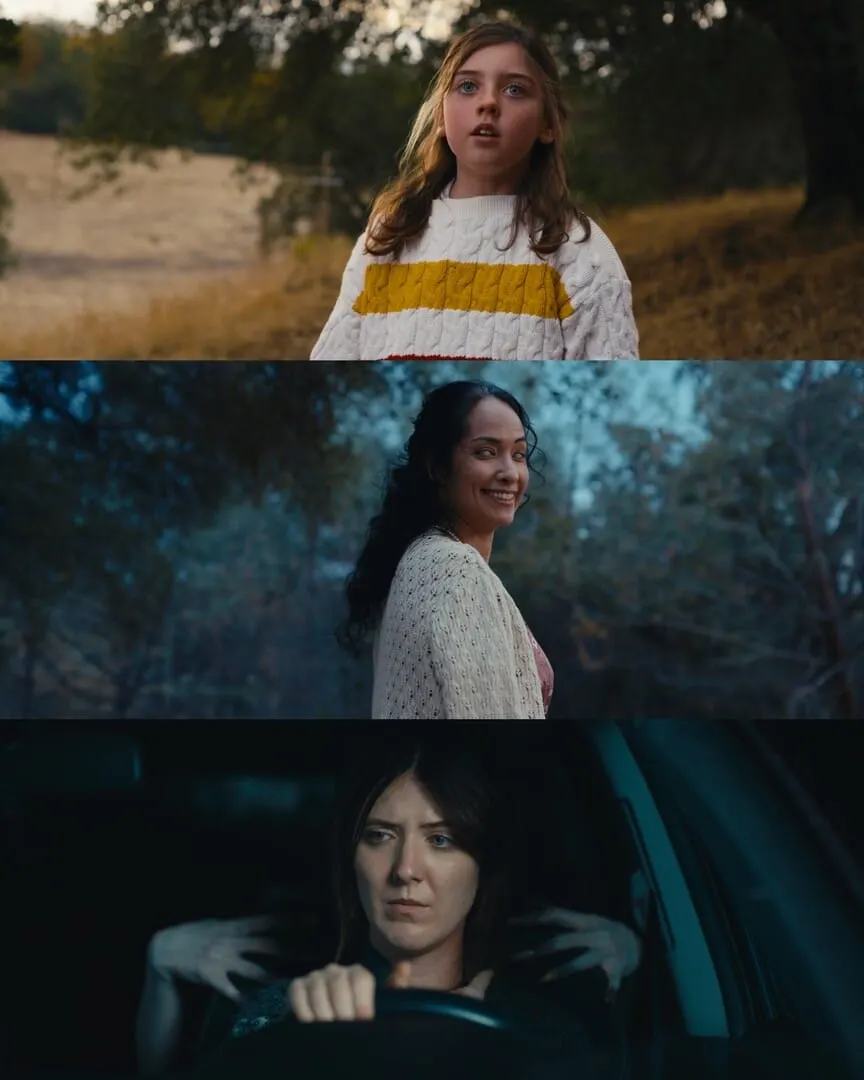
Brooke will try anything before acknowledging her trauma. A year to the day of the event that ended contact with her mother, she begins hearing strange noises — sounds that knock her back into reality and back to her truest self. What's stalking her peripheral vision is her mother's legacy made flesh, and the more she ignores it, the more ravenous it becomes.
MotherWound is written by Hana Holloway and co-directed by Holloway and Camille Zapata, who also edited the film and designed its practical effects. It is horror first, but its scares run on drama: a mother-daughter dynamic that everyone around Brooke has placed on a pedestal, and that Holloway describes as being made of glass. Selected by a festival that champions the femme experience, the film arrives insisting that showing up imperfectly is its own kind of freedom.
Key Takeaways
- Holloway wrote MotherWound out of years of therapy and EMDR, tracing a through line from mother wounds to the patriarchy and the "distractions" sold to women to keep them quiet.
- Budget constraints forced multiple iterations of the creature design, and the team landed on a version they believe serves the story better than the original.
- The crew treated communication and care as production tools: the goal was everyone leaving the shoot wanting to do it again.
Holloway and Zapata spoke about the film's origins, its hardest decisions, and what independent horror makes possible.
Interview
What drew you to make this film, and why this story, why now?
Hana: I wanted to talk about mother wounds in a way that makes other people feel seen, and that encourages conversation. I feel like horror is a beautiful way to battle the skeletons in the closet, and my flavor of horror airs on the side of the beauty of the mystery of what terrifies us. Throughout the many years of therapy and now EMDR, I saw a pretty clear through line in mother wounds, to the patriarchy, the burden that women have to carry, and the day-to-day "distractions" given to us through capitalism. The targeted consumerism, the toxic wellness fads, everything to keep women controlled and quiet.
Growing up, talking about the abuse my Mom gave me was often shoved under the rug. "She's your mother, she could never hurt you." Often translated to, a woman could never be violent. This relationship everyone put on a pedestal around me was made of glass. And it's taken years to talk about and unpack it all. What Brooke goes through is similar but thankfully not my experience. If it was completely based off of my relationship with my Mom, that would be a horror movie that no one would want to see. It's important for me to tell this story now because I'm ready to talk about it, and be a shoulder to lean on for other women who want to talk about it too.
Camille Zapata: I was intrigued by the method of storytelling and how we were going to make the symbol of trauma into a creature. I love special effects. I love being able to tell a story that really hits the audience. I feel like it's a very impactful story. We don't really see a story told like this, and we had a great opportunity to make something of it.
What surprised you most about the filmmaking process, creatively or logistically?
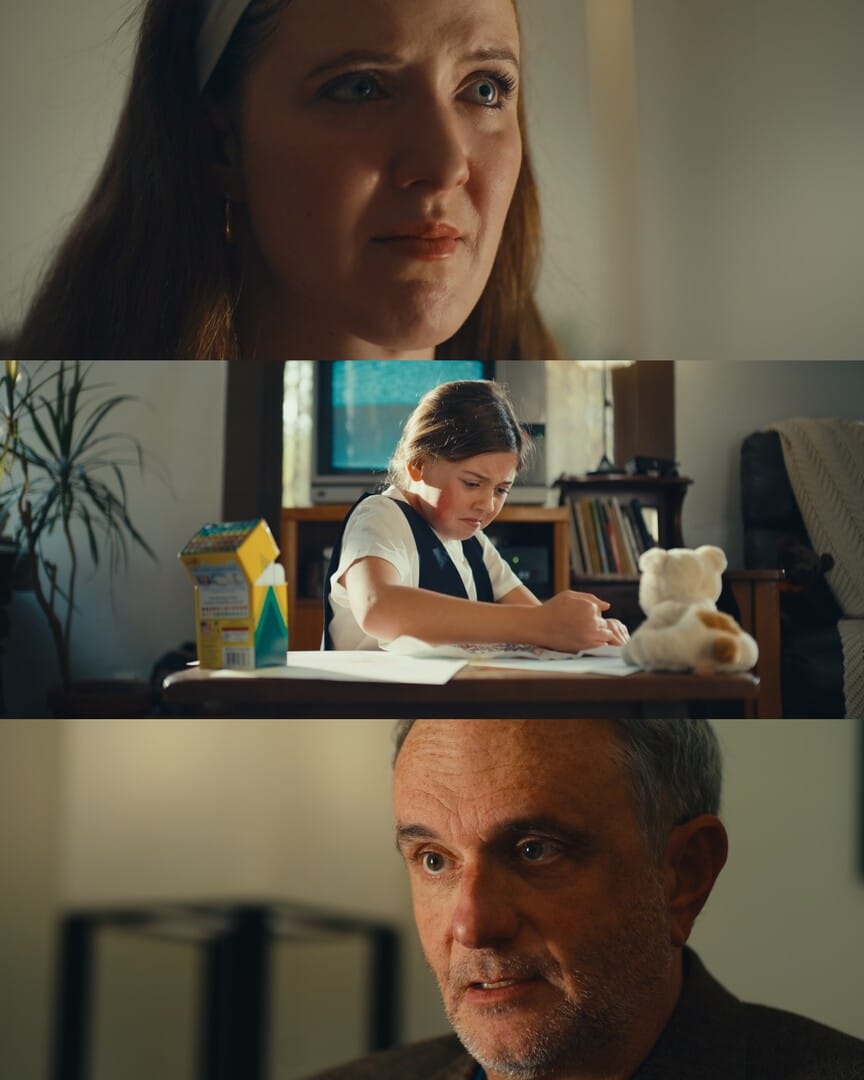
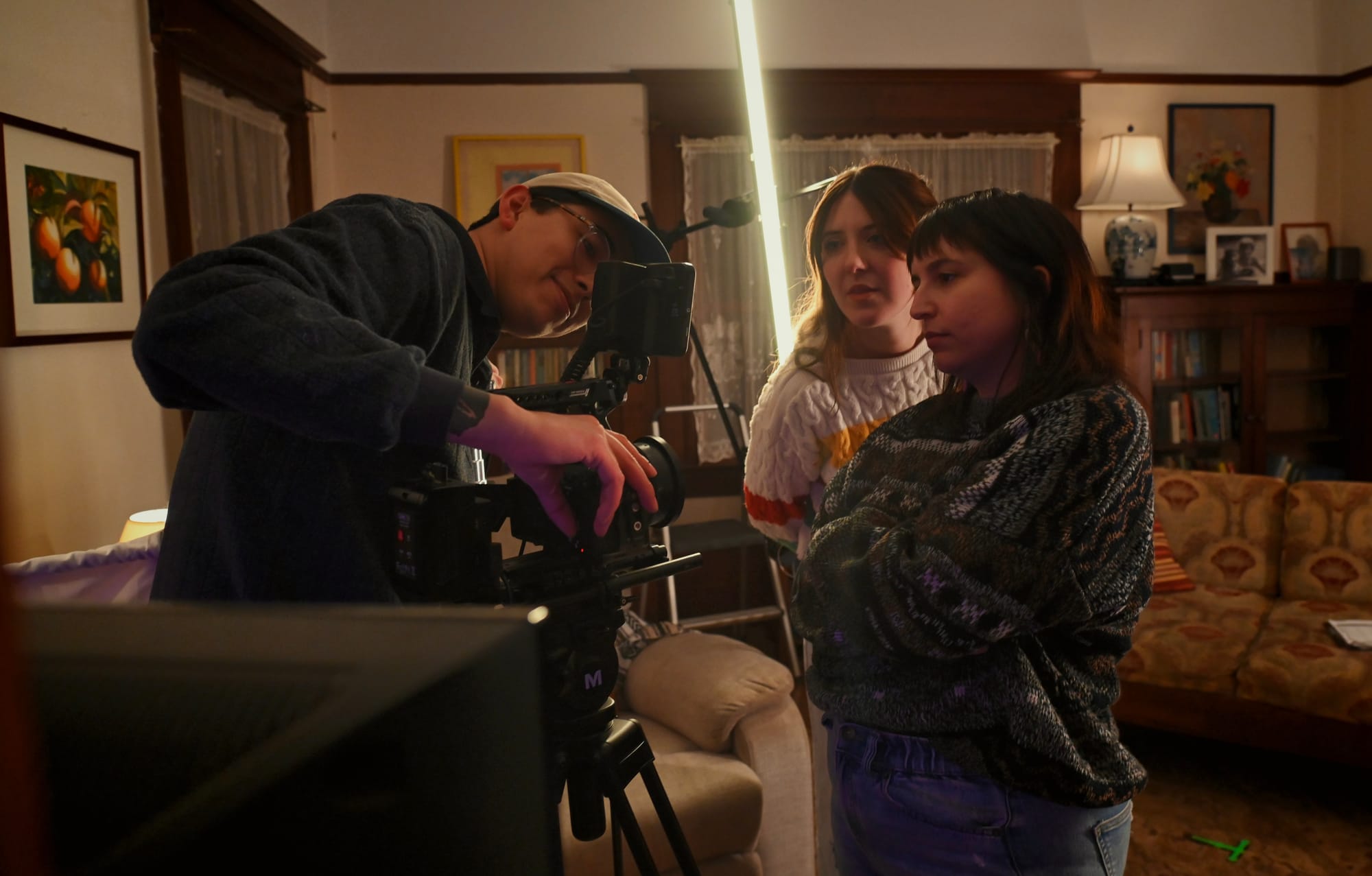
Camille: What surprised me the most was how well we all worked together, especially since this was our first film as a full group. It was a really nice harmony between crew and cast. What made me see the story differently, and see how hard this would hit the audience, is the day we shot the mother and daughter scene. I saw how challenging it was for Hana and for other members on our crew. It felt like with our story we were able to touch on generational trauma in a meaningful and impactful way, that brought an intentional focus to it. Without bringing in any tropes or gimmicks.
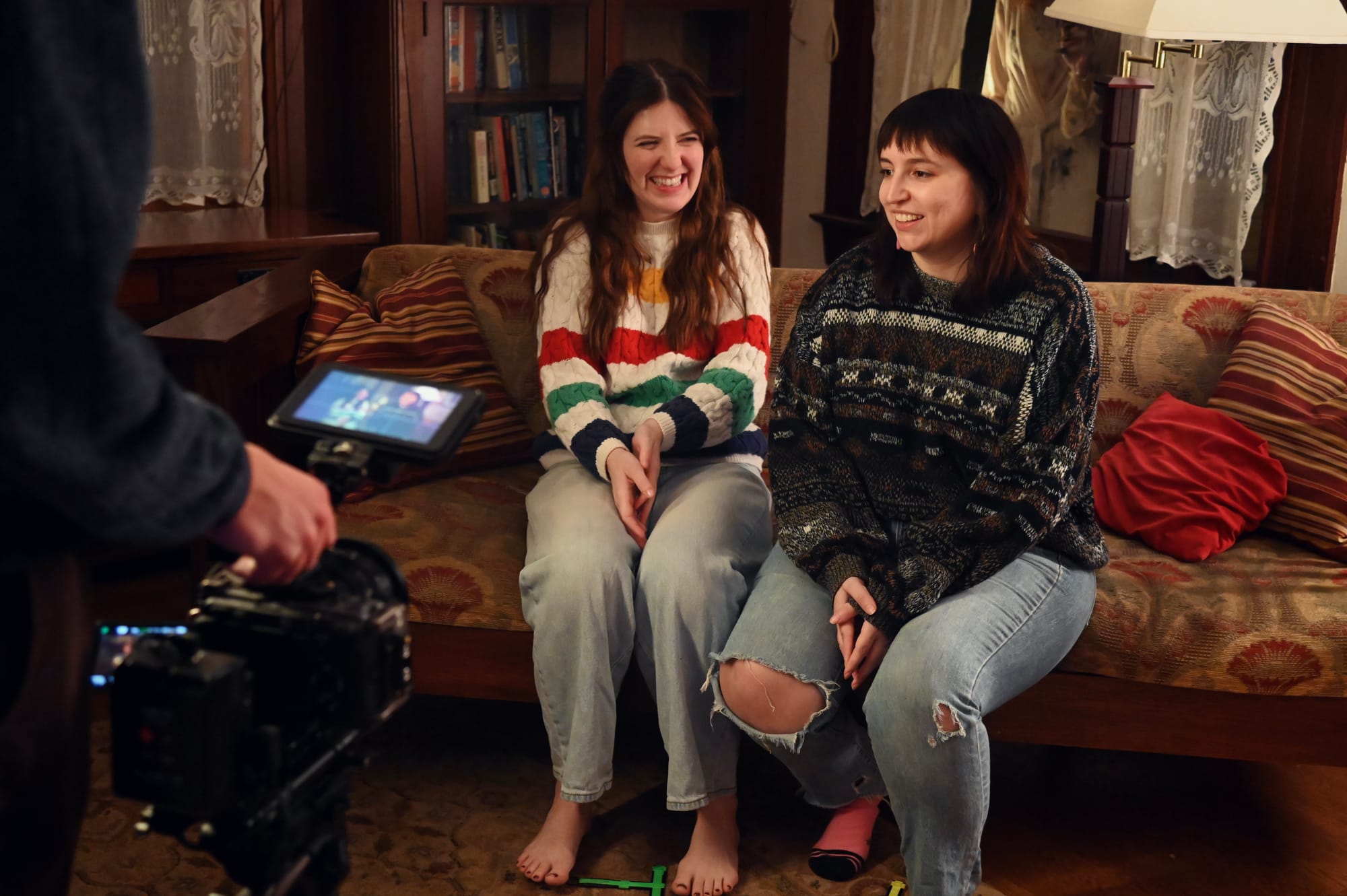
Hana: To echo Camille — our strength was our community. We all came together to tell a story so personal, yet it felt like everyone on set understood it. Something that changed how I saw the story was during our crowdfunding process and social media campaign: the amount of people calling and messaging me their stories. It solidified how important it was to me to tell this story.
What moment in the film feels most like you, or like something only you could have made?
Camille: I feel like we are really good at balling on a budget. Our group makes the most out of all our resources, without ever sacrificing our vision for the film.
Hana: Obviously with it being so personal, there's so much of this film that feels like me. Camille did a beautiful job of editing this story to feel so real even with our little creature.
What was the hardest creative decision you made while making the film?
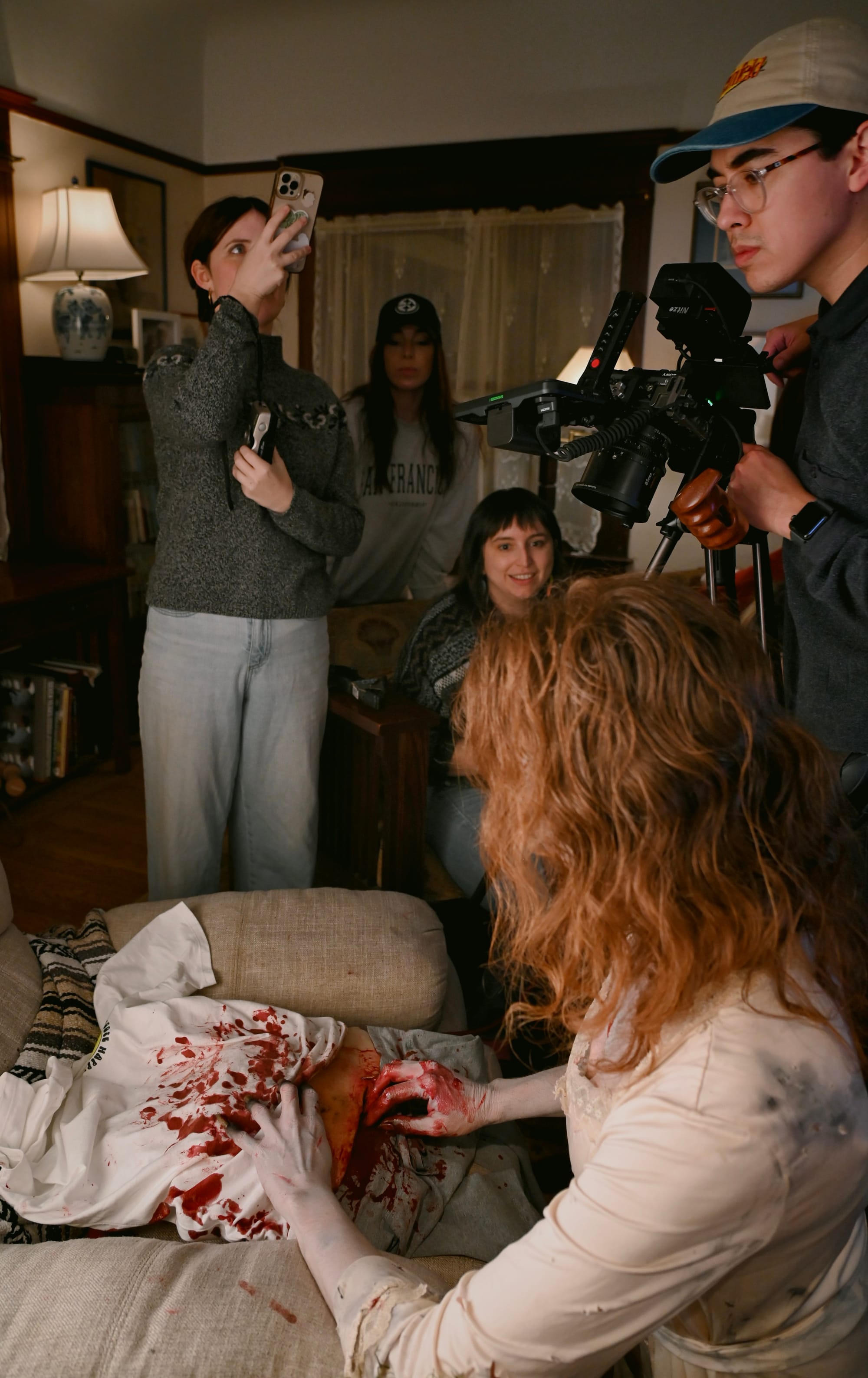
Because of the budget, we had to make a lot of edits to the creature design. We went through lots of iterations. We looked into getting an SFX person, but couldn't afford it. We pivoted our vision many times, but ended up with a final product we couldn't be happier with. And that we feel serves the story more.
How does your film fit within, or push the boundaries of, its genre?
Camille: I feel like the film is genre fluid. While it is horror first, there is a lot of drama elements. Consistently, audience members across the board see it differently. It blurs the lines and gives everyone a slightly different film experience depending on where you're coming from.
Hana: Personally, I don't think a lot of films talk about mother/daughter relationships in this way. It was really empowering being able to write this dynamic and encapsulate the trauma in a creature that follows these women around. I also agree that the dramatic elements make our horror different, and appeal to a wide audience.
What is the greatest strength of independent filmmaking, and what lesson would you share with others?
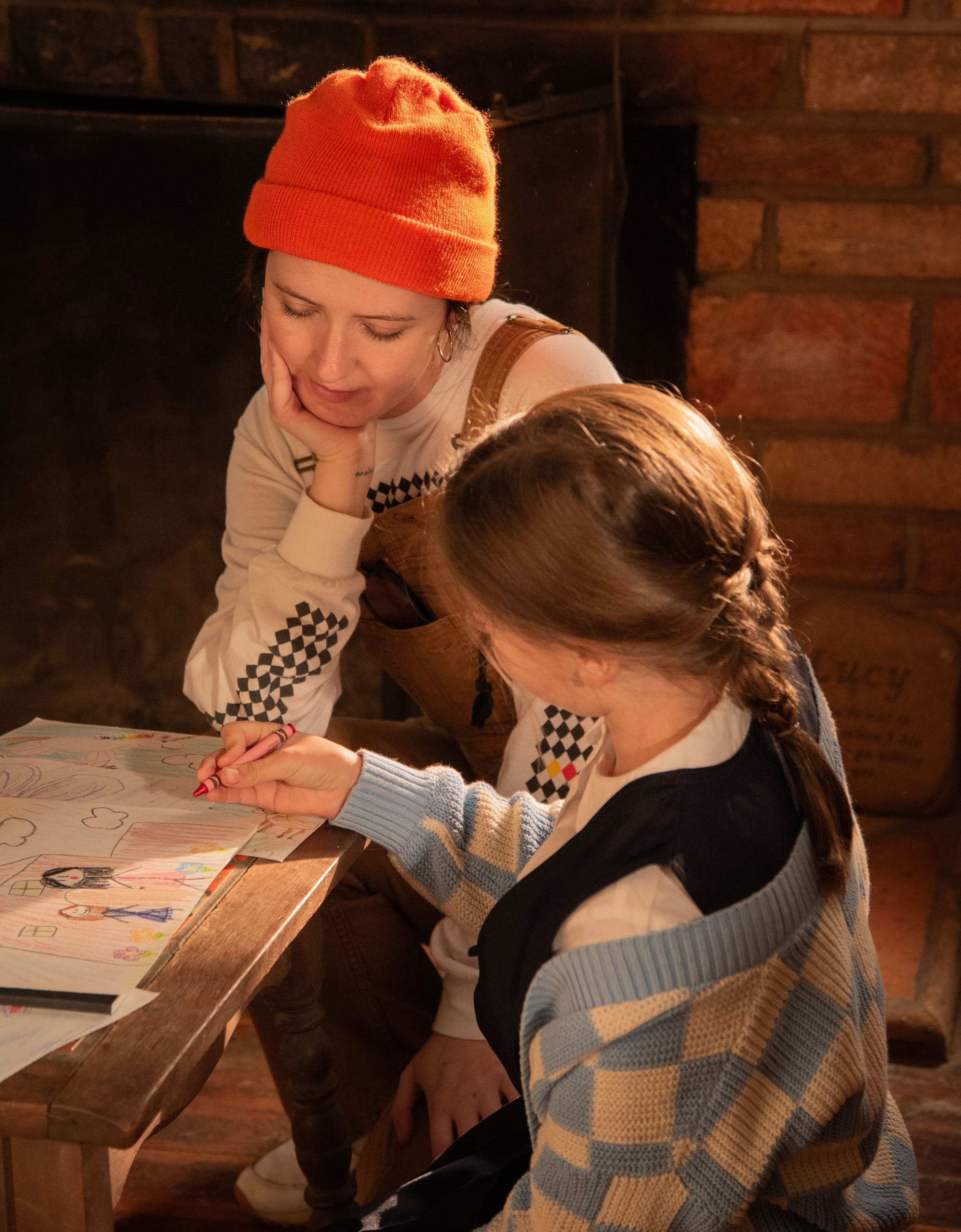
Camille: I think the greatest strength of independent film is creative control. Having control of the story you're telling, the design, the art as a whole. We leaned on that heavily, and learned so much by always pushing forward and finding creative ways to keep going. My piece of advice: there is always a way to do it. Just make it. Don't make it for a film festival, make it for you. Your soul will never show through if you're always focused on how it looks, or the what ifs.
Hana: The greatest strength is your team. There's so many odds you have to fight on a day-to-day basis as a filmmaker, as an artist. Money, nepotism, resources. There is nothing more punk rock than making the film anyway with people beside you cheering you on. I would also encourage filmmakers to make the films THEY want to make, and to not think twice about it. We are in an exciting time where the "rules" that have shut out so many writers and directors are falling away. There is no better time to tell your story.
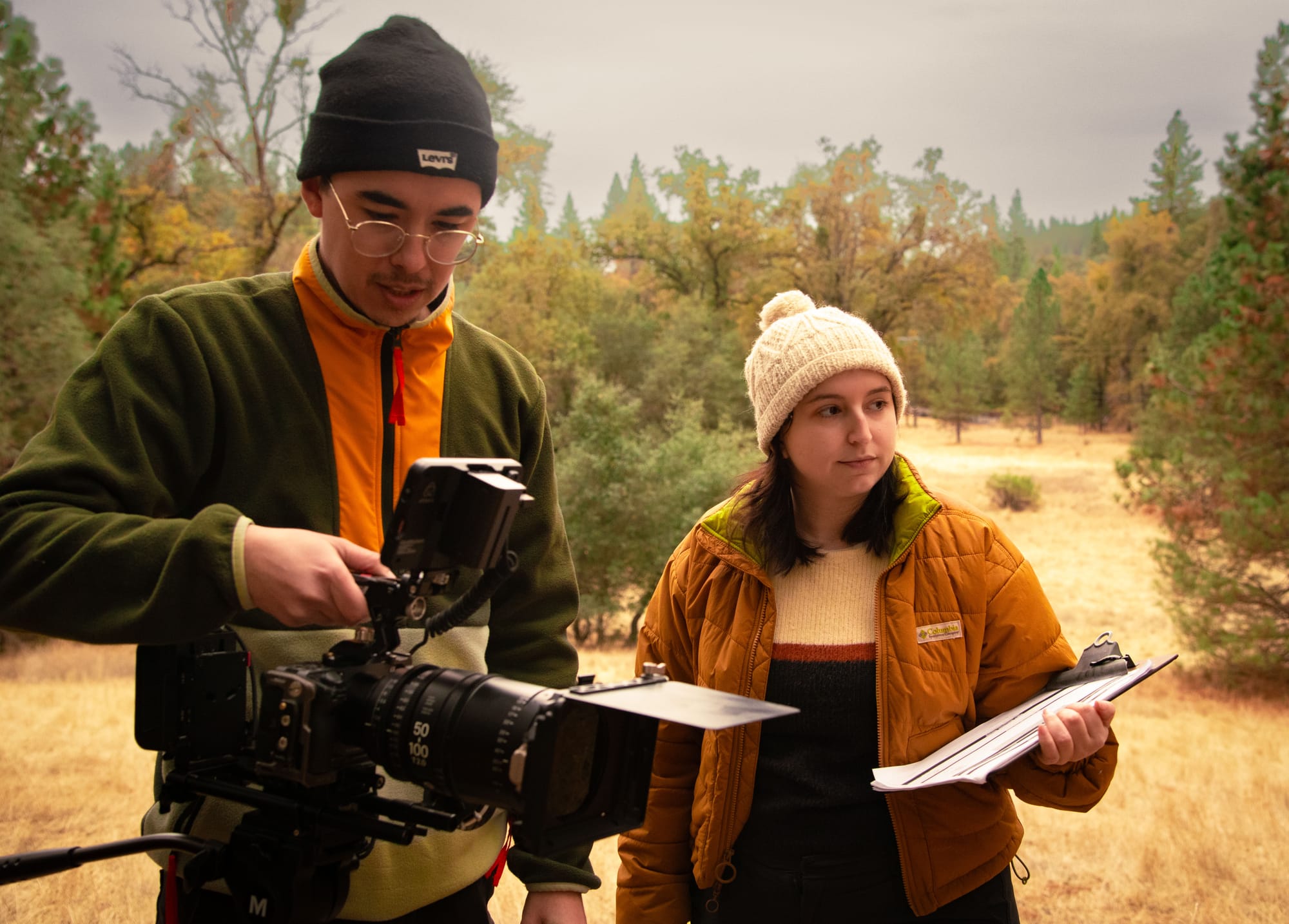
What does it mean to have your film selected for The Reel Champions Shorts Fest, and where does it go next?
What it means to me is that this festival saw and understood the film. It's an honor that a film festival that champions the femme experience included ours, no matter how horrific or traumatic the content is. It's a great opportunity to be given this platform to showcase an intense story, through the lens of allowing yourself as a femme to show up imperfectly. We are programmed to be flawless, and it's a relief when you know you don't have to, and that this festival sees that.
After its festival run, we want to make it available to as wide of an audience as possible. We'll most likely post on an online platform. We're really excited about the recent successes of other horror filmmakers on YouTube, and will most likely be posting there. At the core of all our work is a desire for the audience to know they're seen, and for ourselves to be seen. A desire to hold a mirror up to our audiences. To make horror accessible, not for the jump scares, but to remind people that fear is an inherent — and can be a beautiful — part of the human experience.
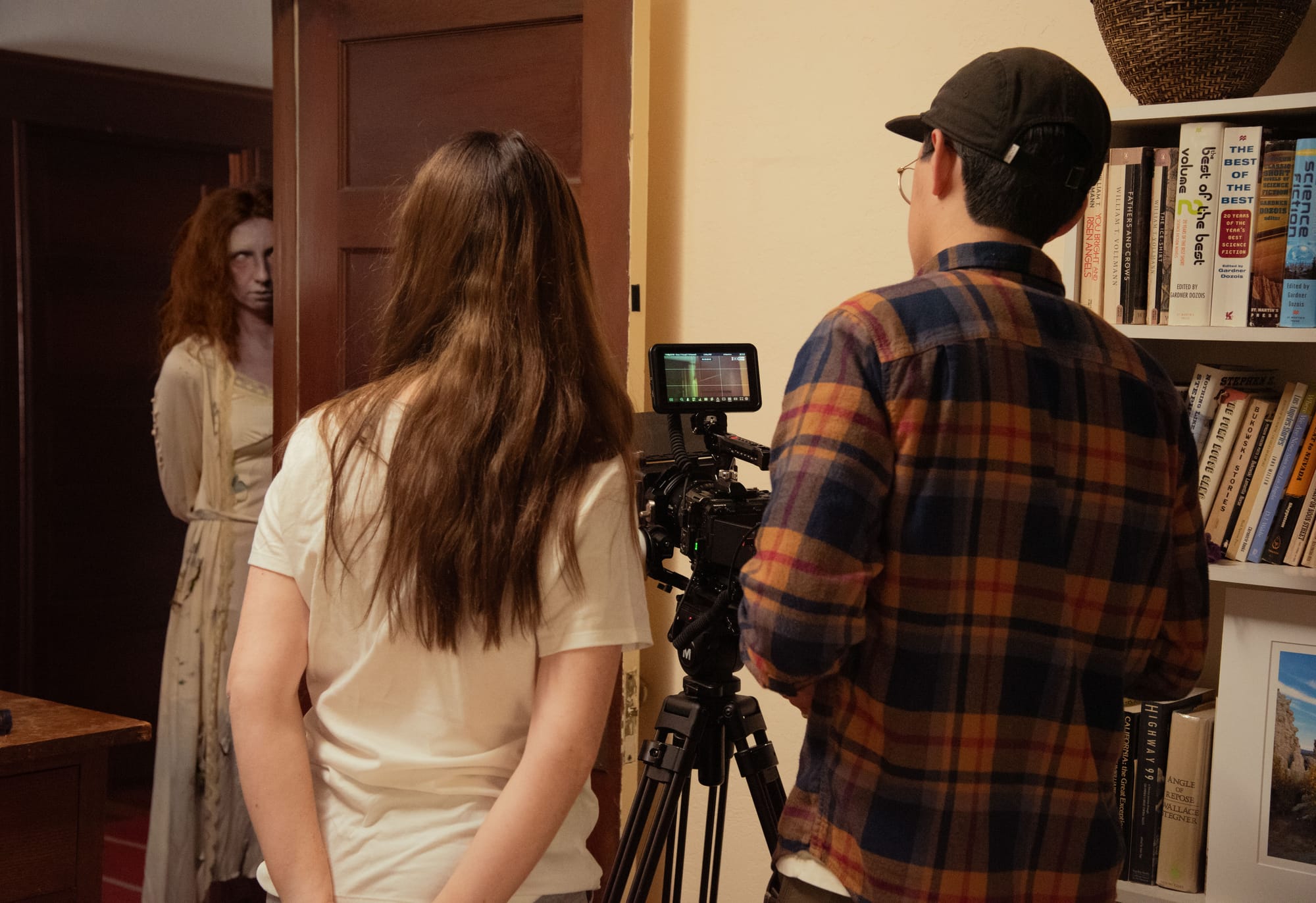
Main Cast & Crew
- Brooke: Hana Holloway
- Dr. Don: Jim Last
- Sam: Camille Zapata
- MotherWound: Ann Renee Soychak
- Mom: Deborah Bromley
- Dr. Willow: Jenna Shae Weightman
- Directors: Camille Zapata and Hana Holloway
- Writer: Hana Holloway
- Director of Photography: Joseph Navarro Jr.
- Assistant Director: Kathya Juarez
- Editor: Camille Zapata
- SFX Artist and Designer: Camille Zapata
- SFX Applicator: Jenna Shae Weightman
- Script Supervisor: Pete Abeyta
- Wardrobe Supervisor: Deanna Navarro
Filmmaker Opportunities
💛 Fund your next project with fiscal sponsorship
Have a project in the works? As a 501(c)(3) nonprofit, the Cinematography for Actors Institute can accept tax-deductible donations on your film's behalf — a door-opener for grants, foundations, and supporters who want to back your work. We've serviced over 100 projects to date and helped route over $800,000 in funding to filmmakers. Explore fiscal sponsorship →
📬 Grant deadlines and festival opportunities, straight to your inbox
The CFA newsletter rounds up grants, festival calls, and community news for independent filmmakers — the kind of opportunities that are easy to miss and painful to miss. Join the newsletter →
🎬 Focus on the creative — we'll help with the logistics
Production Management, CFA's newest member program, launches this November: production insurance and workers' comp, payroll, film permits, gear rental coordination, SAG-AFTRA compliance, contract drafting, production consulting, and crew recommendations — handled by a team of working filmmakers, à la carte or all in, in partnership with Creative Access Group. It's waitlist-only until launch. Join the waitlist →
League of Filmmakers is published by our parent organization, the Cinematography for Actors Institute — a 501(c)(3) dedicated to education, community, and capital for underrepresented filmmakers and actors. Learn more about CFA →